Normal World Around Us Worksheets for Ages 5-8 - Page 3
70 filtered results
-
From - To
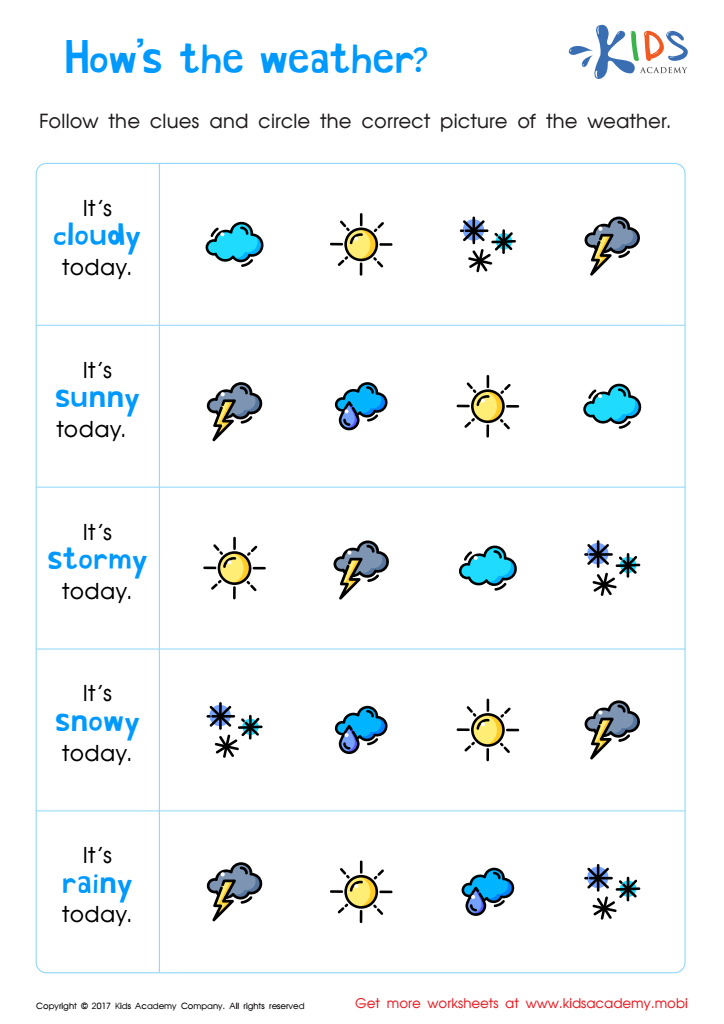
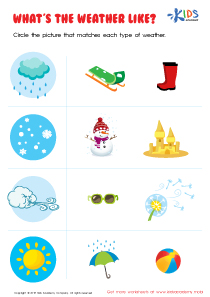
Hows the Weather Worksheet
 Assign to My Students
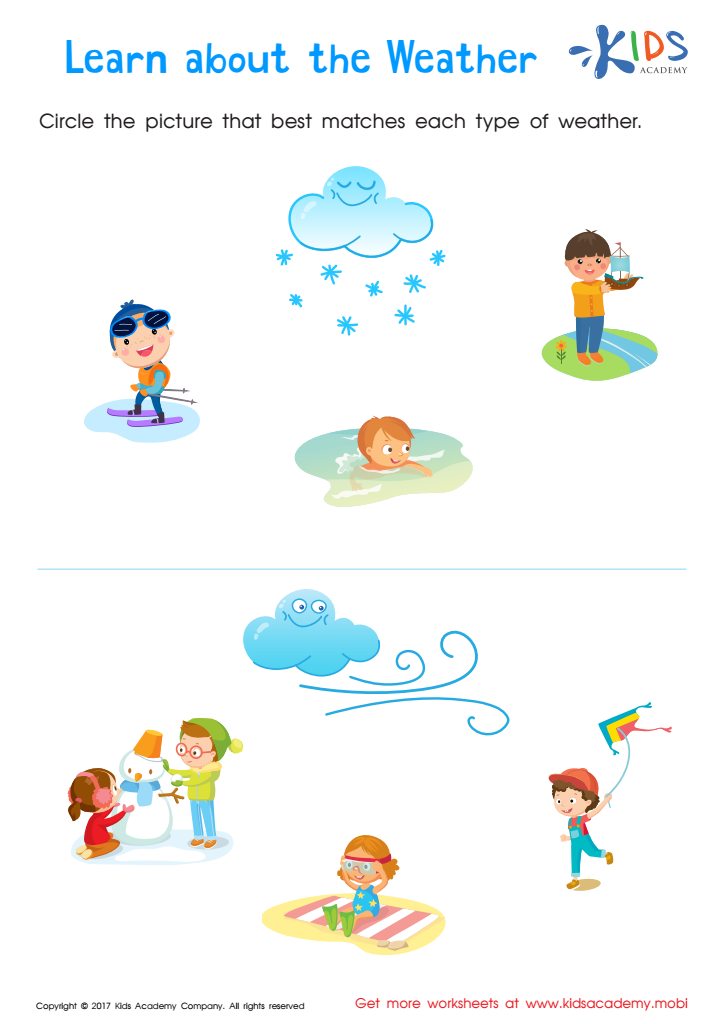
About the Weather Printable
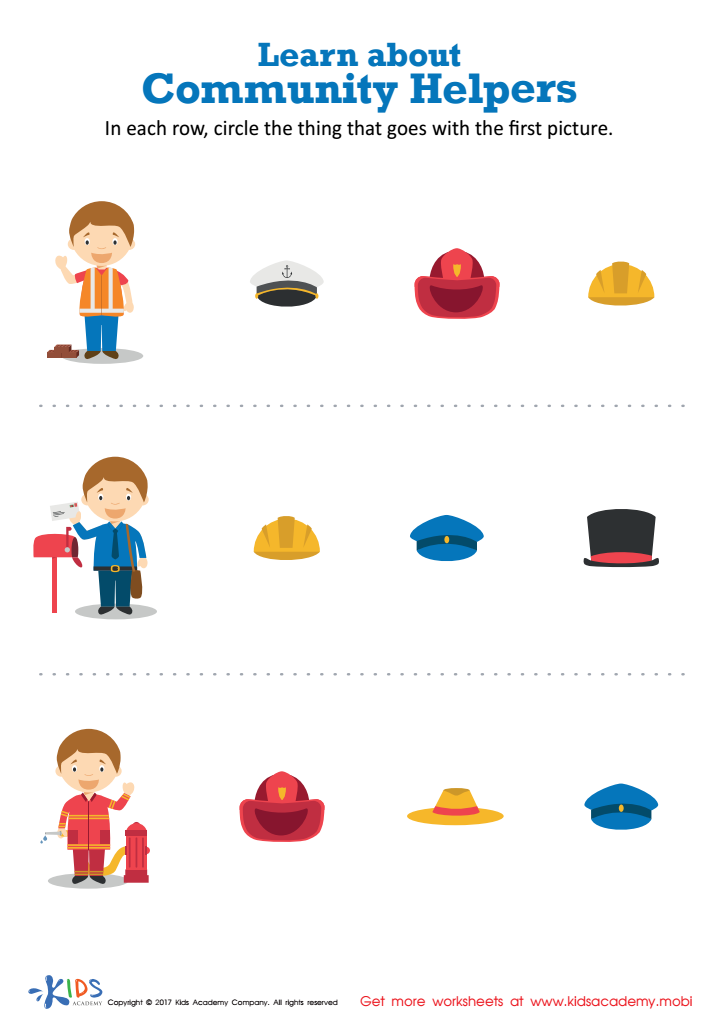
Learn about Community Helpers Printable
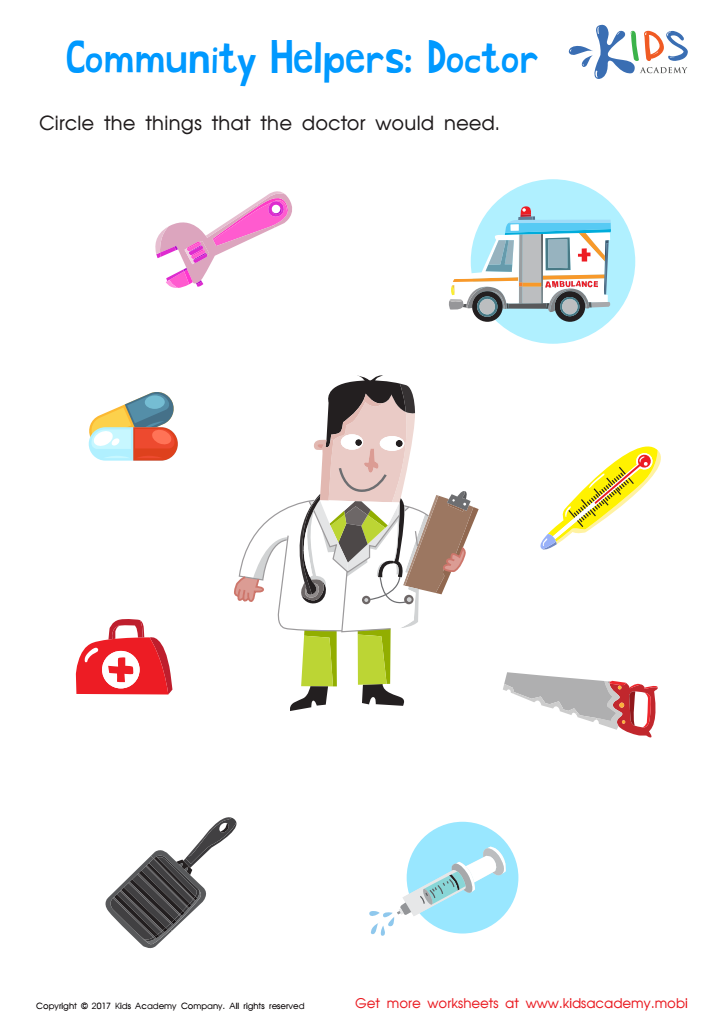
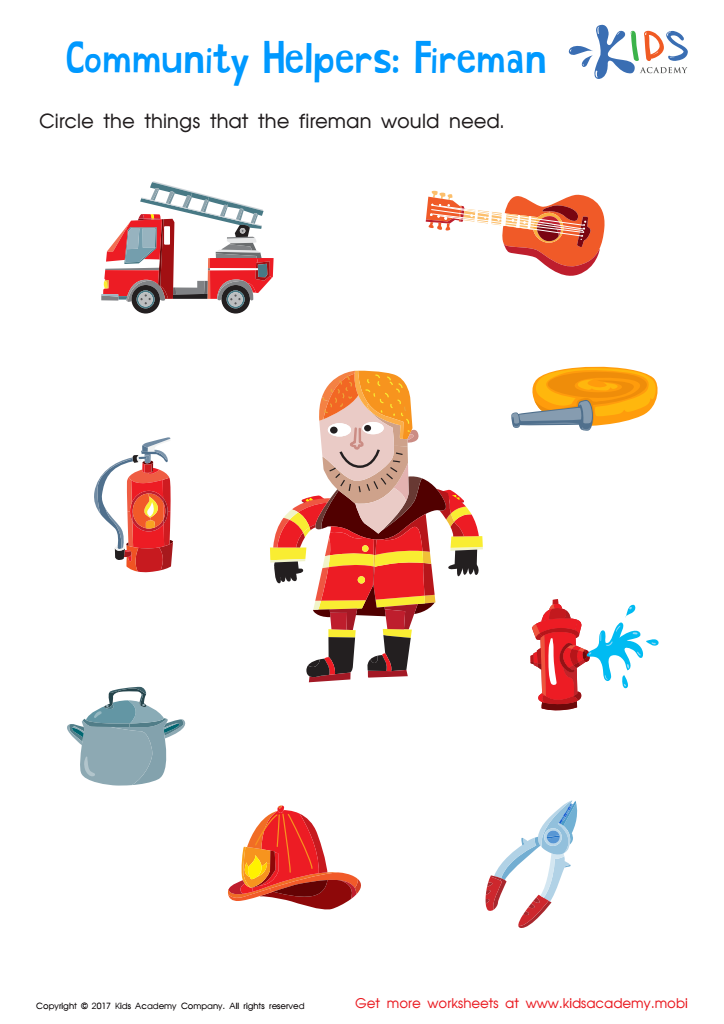
Fireman Worksheet
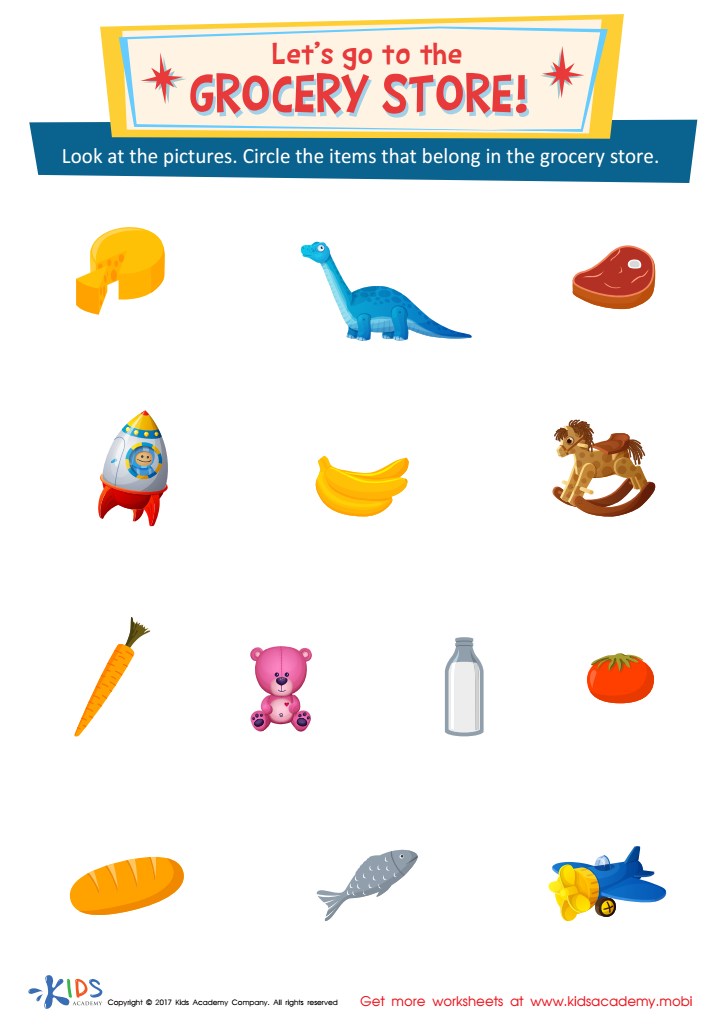
Grocery Store Worksheet
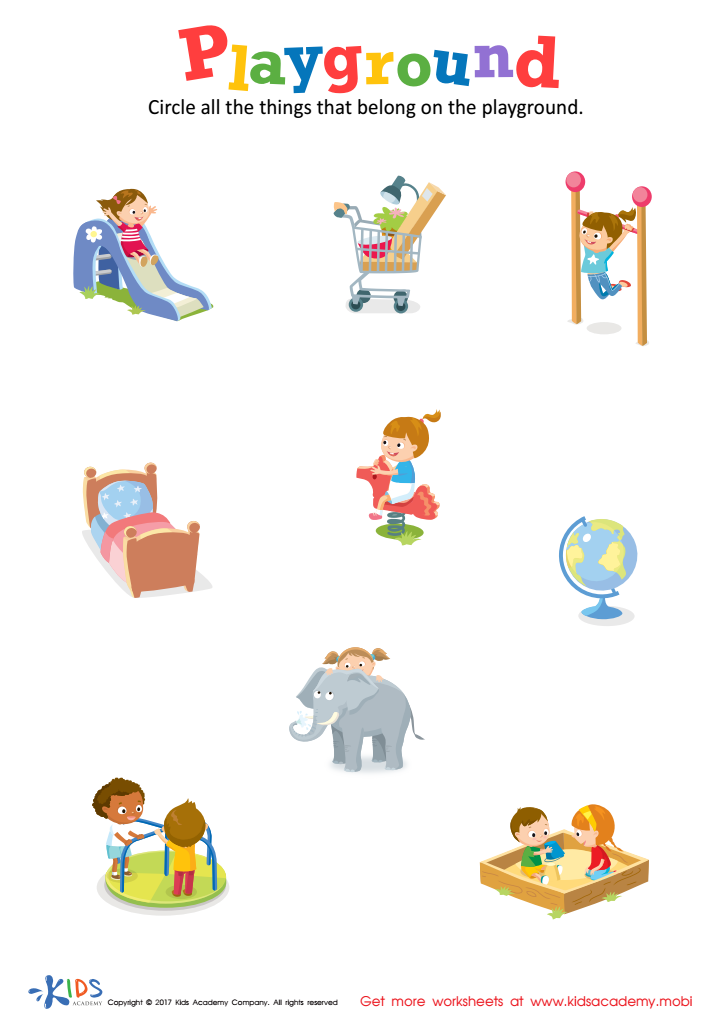
Playground Worksheet
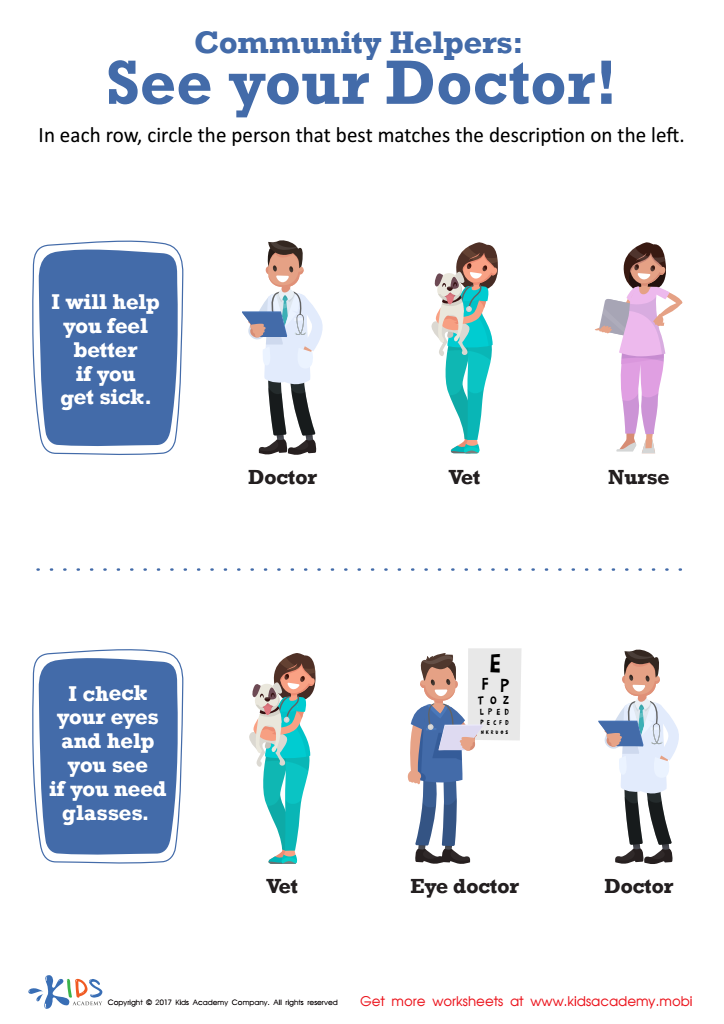
See Your Doctor (Part 1) Printable
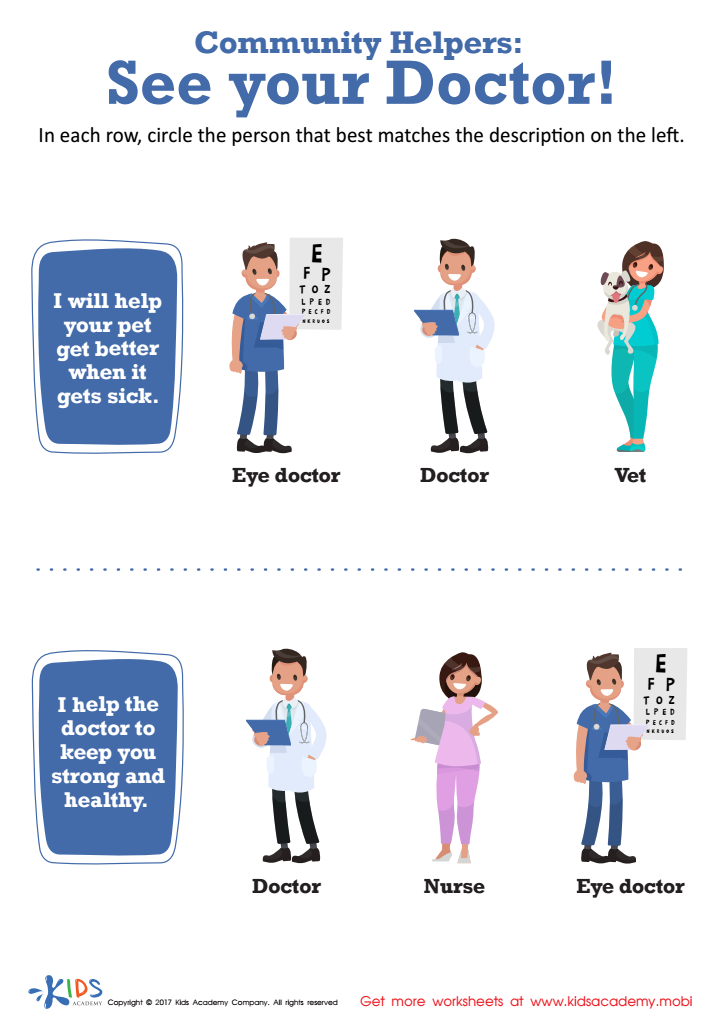
See Your Doctor (Part 2) Printable
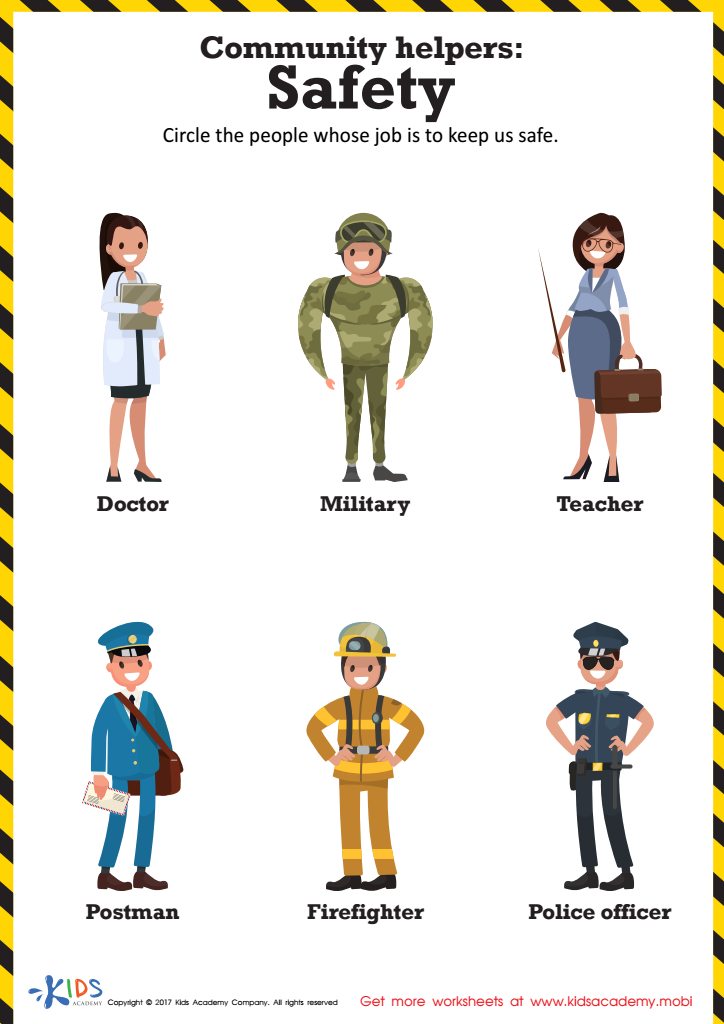
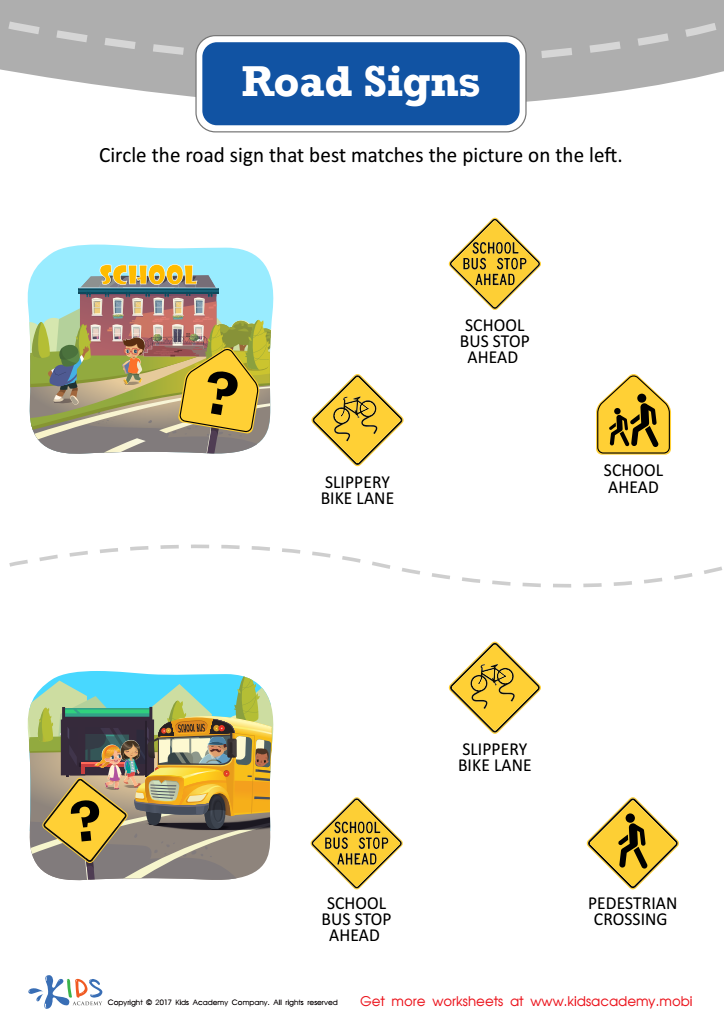
Road Signs (Part 1) Worksheet
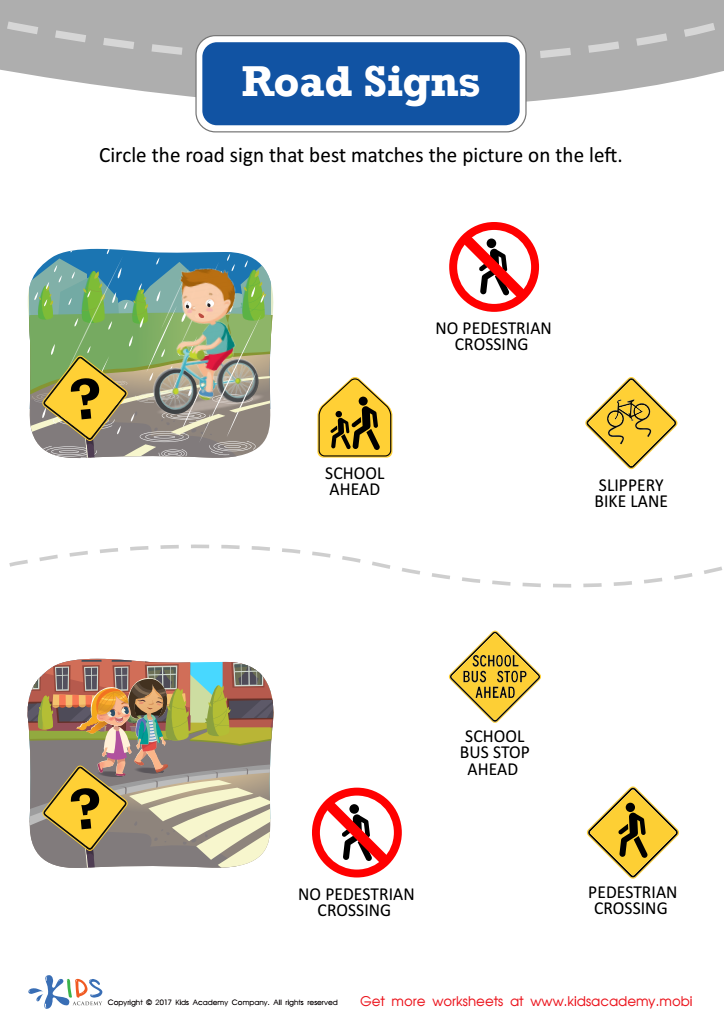
Road Signs (Part 2) Printable
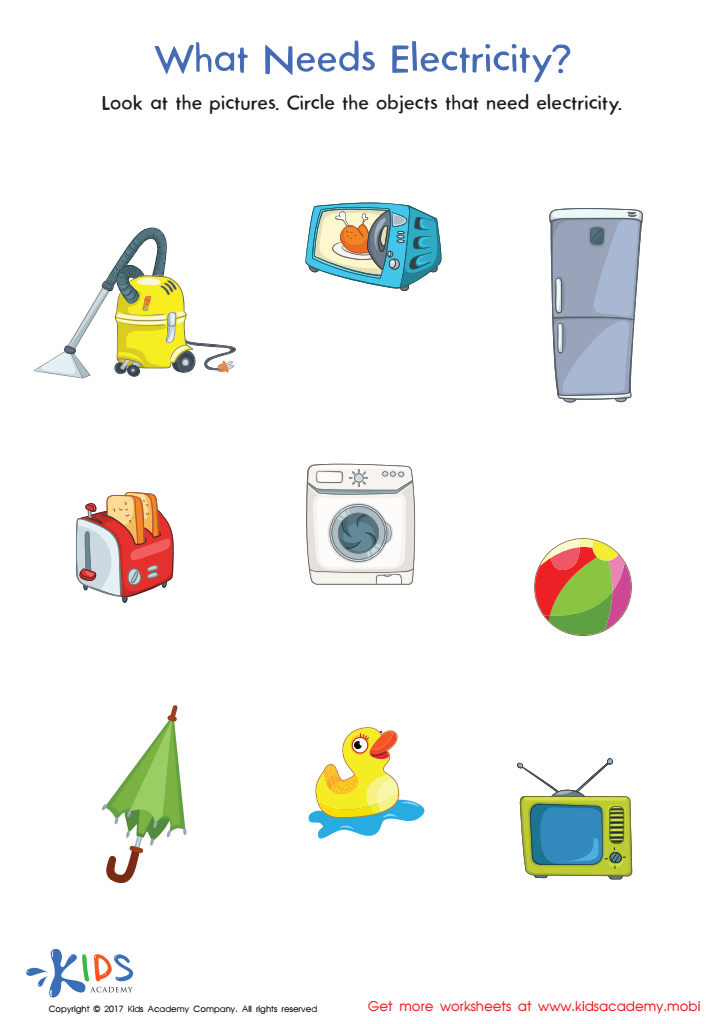
What Needs Electricity Printable
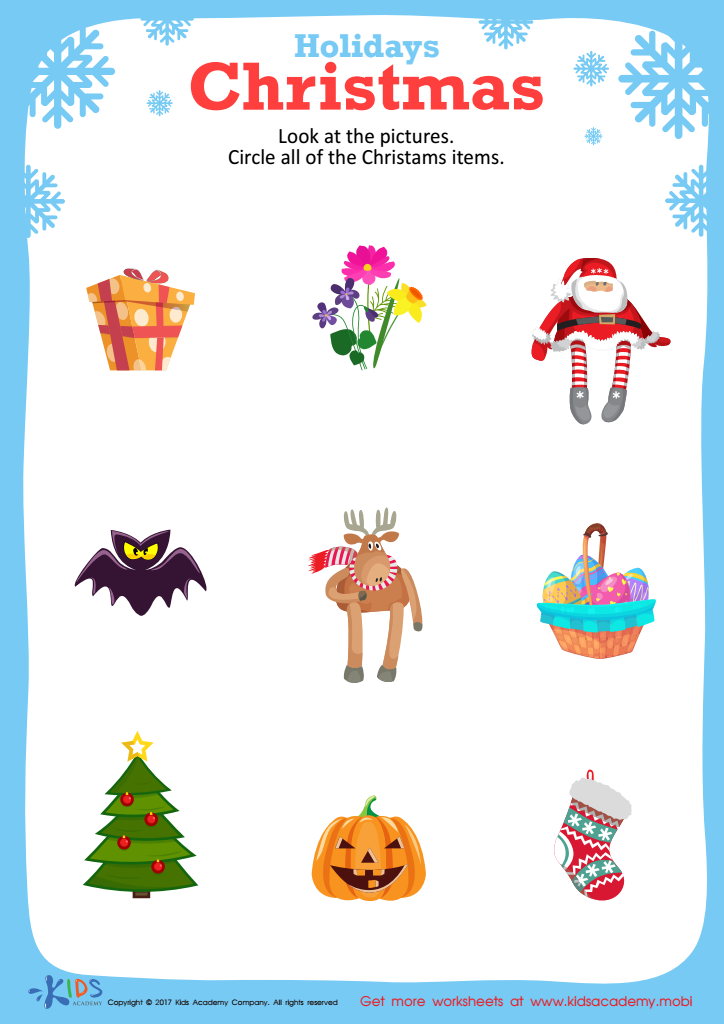
Christmas Holiday Worksheet
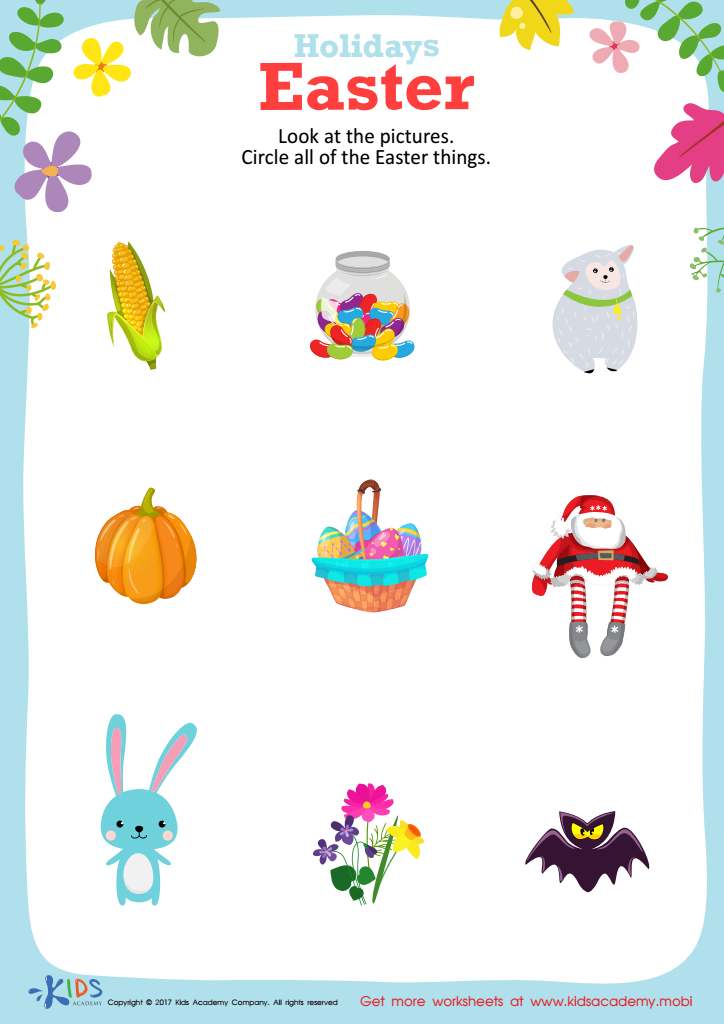
Easter Holiday Printable
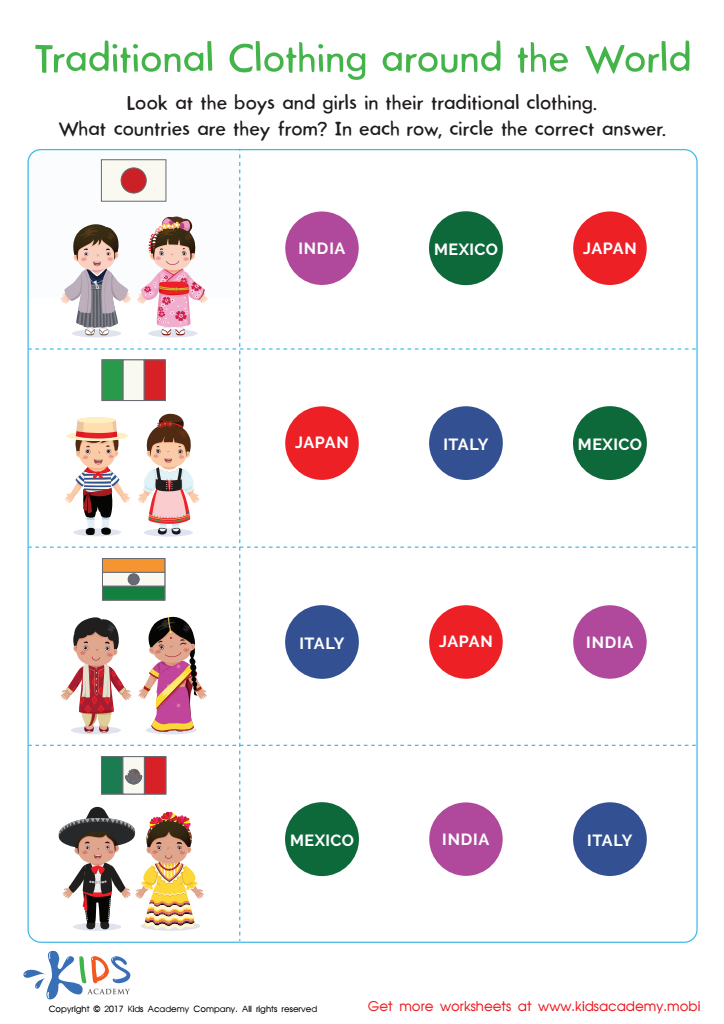
Traditional Clothing Worksheet
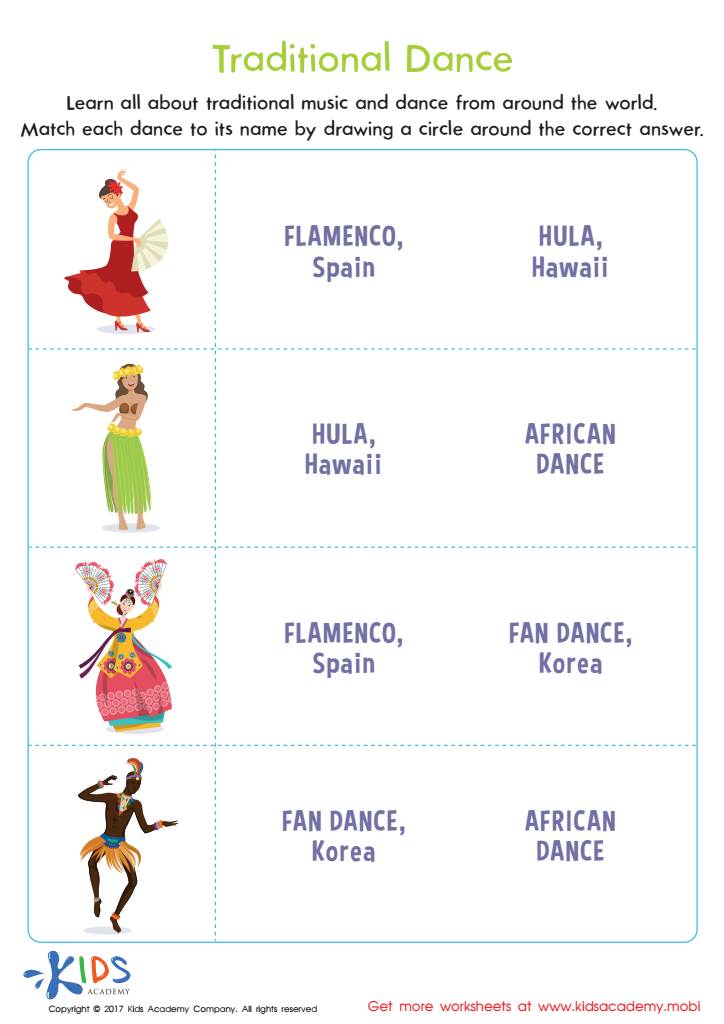
Traditional Dance Printable
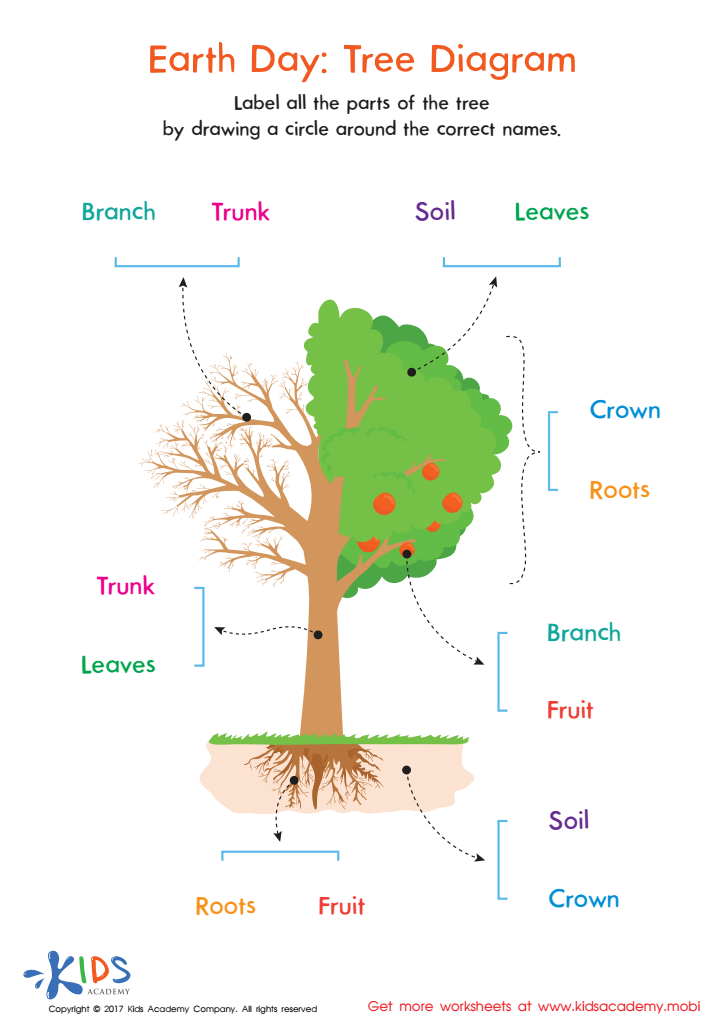
Earth Day: Tree Diagram Worksheet
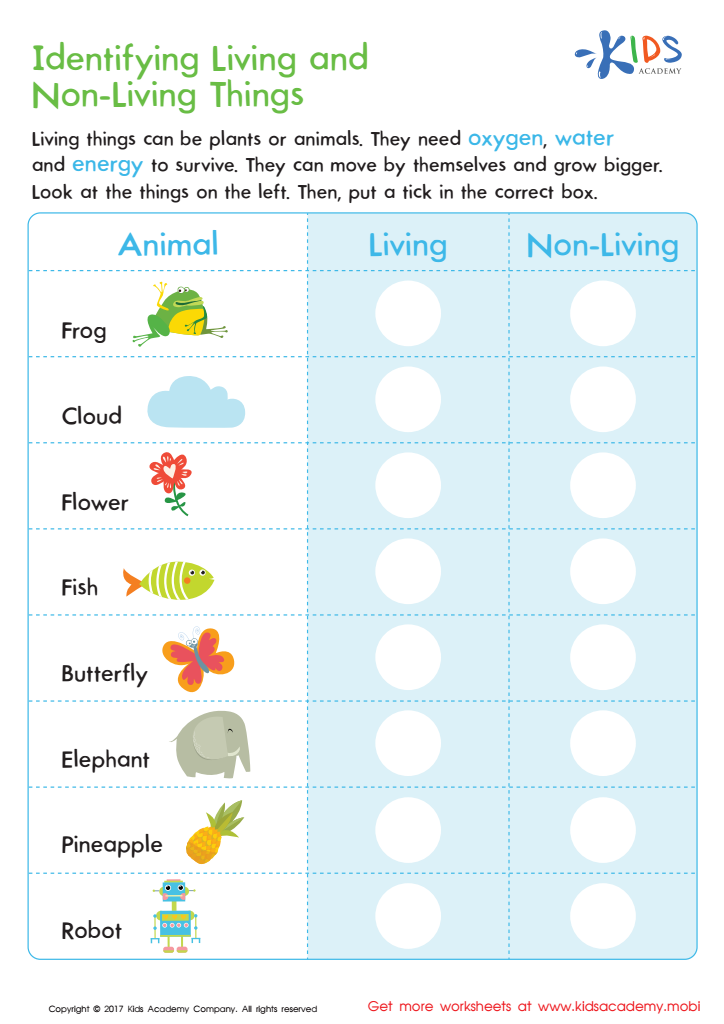
Identifying Living or Non–living Worksheet







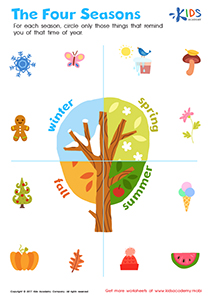
Understanding the normal world around us is crucial for children aged 5-8 as it lays the foundation for their social, emotional, and cognitive development. At this age, children are inherently curious and eager to learn about their environment. Teachers and parents should nurture this curiosity by guiding them in exploring everyday phenomena—from the seasons and weather to the habitats of local animals.
Engagement with the normal world instills vital life skills, such as observation, critical thinking, and problem-solving. Teaching children about their surroundings enhances their vocabulary and reinforces concepts encountered in science and social studies. It also helps them develop empathy and a sense of responsibility towards their community and the environment.
Additionally, exploration encourages outdoor play and physical activity, crucial for healthy growth. Capturing children’s attention about the world cultivates lasting interests and motivates them to ask questions and seek knowledge.
Furthermore, fostering a connection to the normal world can comfort children, offering them a sense of security and belonging. Parents and teachers play a pivotal role in validating their experiences and helping them understand and respect the diversity and wonders of the world around them. Engaging with their environment ultimately shapes them into informed and compassionate individuals.