Normal Worksheets for Ages 6-8 - Page 65
1541 filtered results
-
From - To
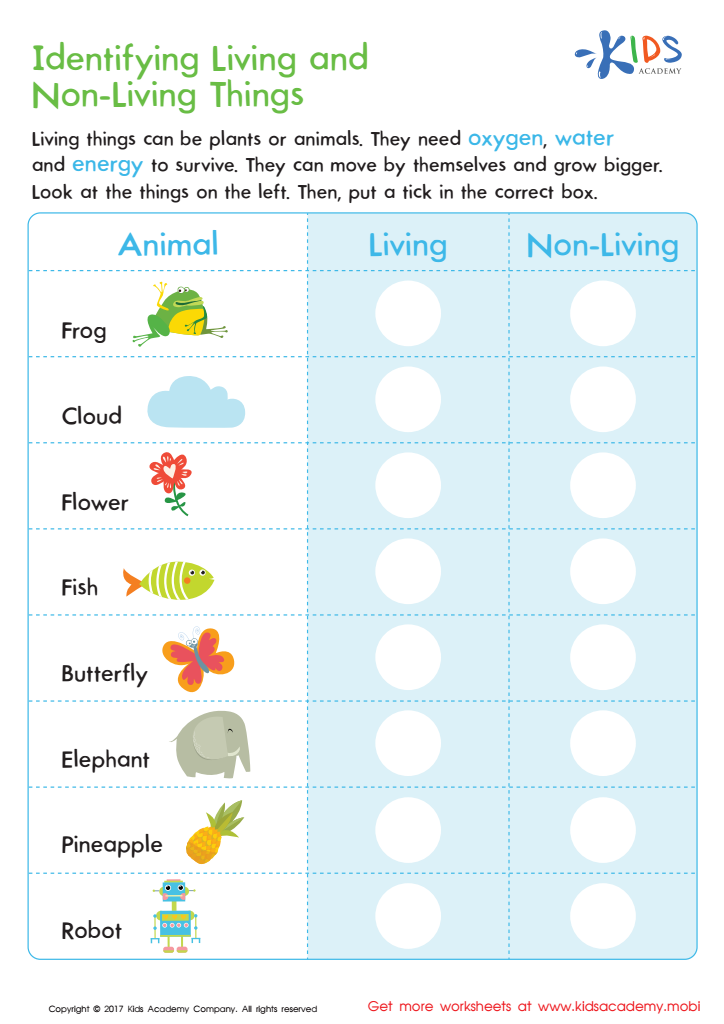
Identifying Living or Non–living Worksheet
 Assign to My Students
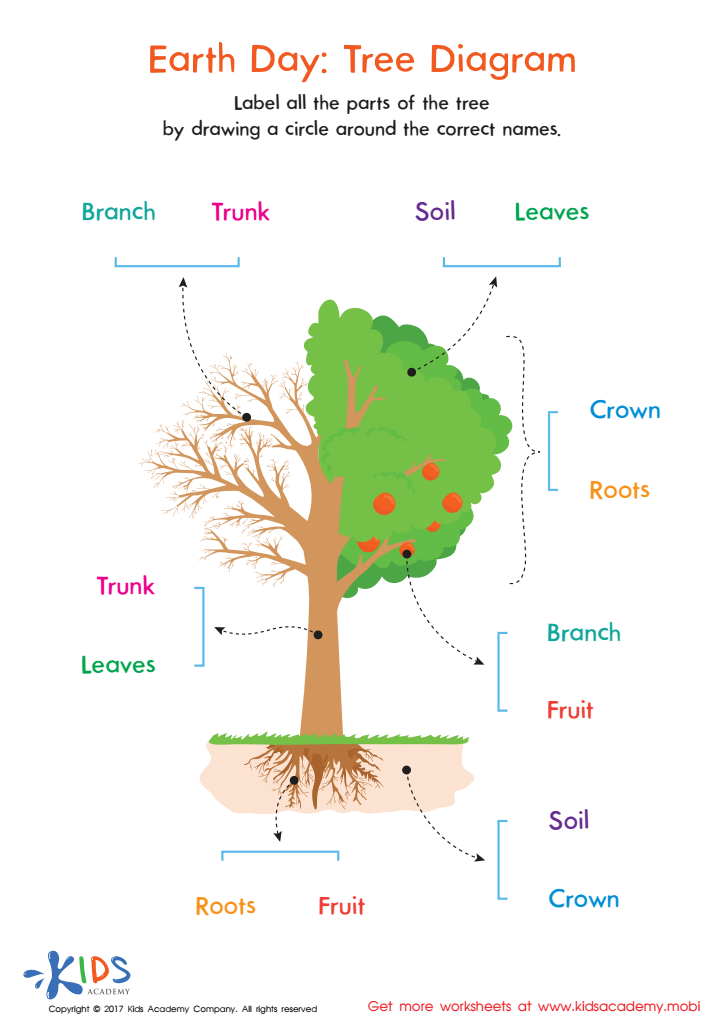
Earth Day: Tree Diagram Worksheet
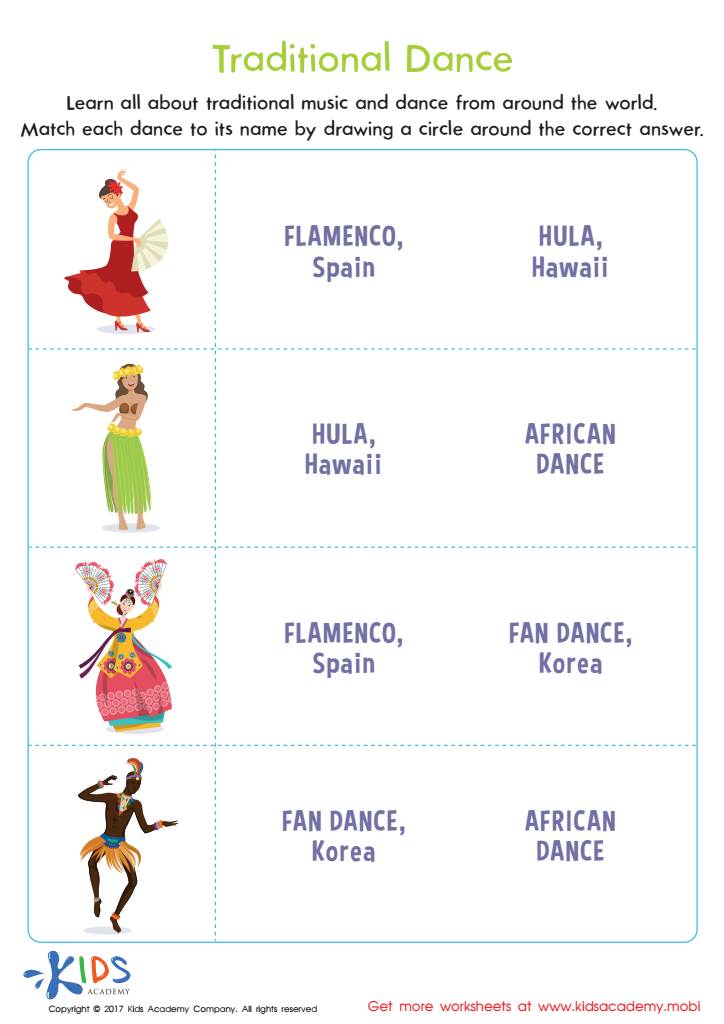
Traditional Dance Printable
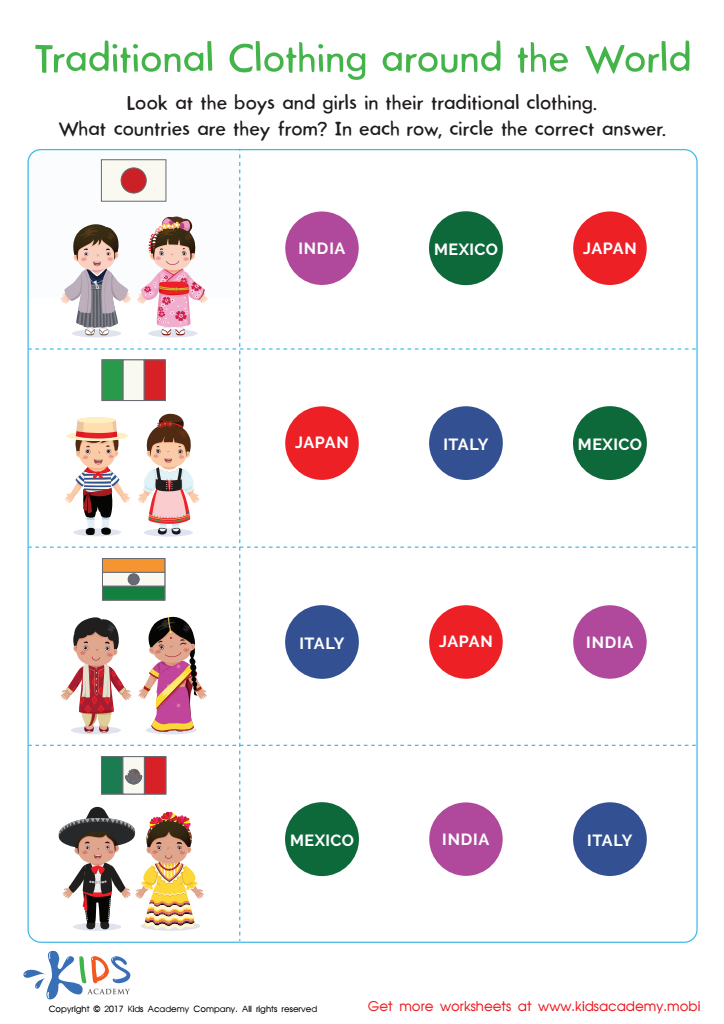
Traditional Clothing Worksheet









Parents and teachers should care about what is considered "normal" development for children ages 6-8, as this stage is crucial for emotional, cognitive, and social growth. During these formative years, children begin to develop a stronger sense of self and establish peer relationships, which influences their self-esteem and interpersonal skills. Understanding normal development helps caregivers identify milestones in areas such as language skills, motor coordination, and emotional regulation. This knowledge aids in recognizing when a child may need additional support or intervention, ensuring that they grow in a nurturing environment.
Moreover, this age is marked by increased curiosity and learning engagement, so it's essential to provide appropriate educational resources and encourage an inquiry-based approach to learning. Parents and teachers who are aware of normal behaviors and challenges can create supportive settings, promote positive behaviors, and foster resilience. Understanding normal development also bridges communication with fellow educators and therapists, enhancing the child's overall success. When adults are informed about typical growth patterns, they better equip children to thrive academically, emotionally, and socially, ultimately setting the foundation for a well-rounded adulthood. Investing in this understanding enriches not only the child's developmental trajectory but also strengthens the parent-teacher partnership.








