Normal Plants and Animals Worksheets for Ages 6-8 - Page 5
99 filtered results
-
From - To
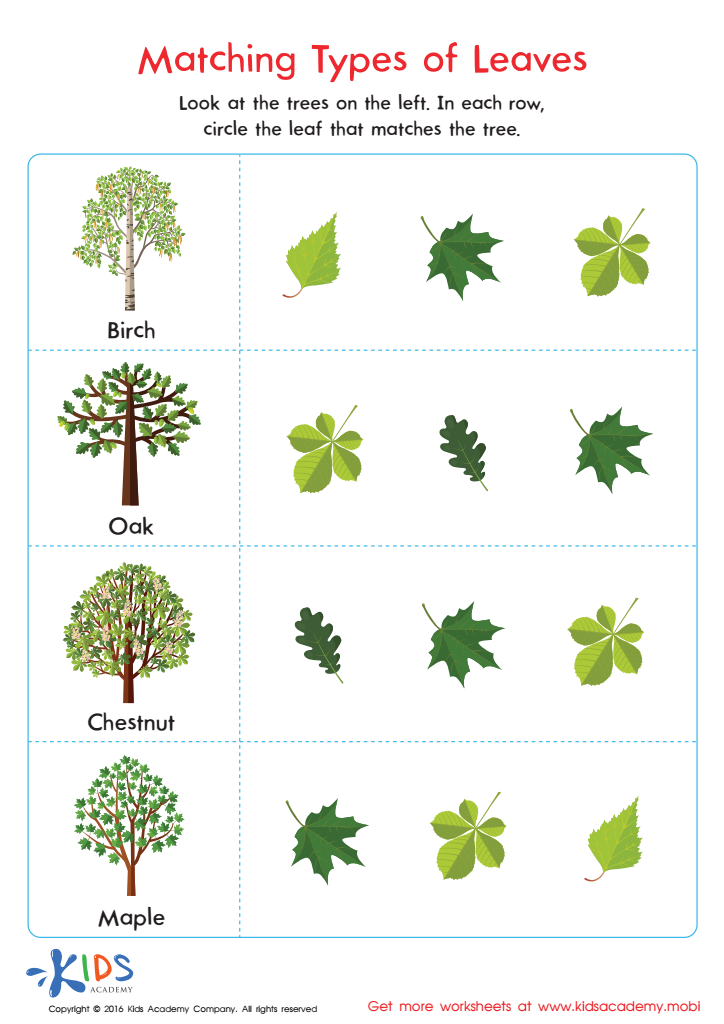
Matching Types of Leaves Printable
 Assign to My Students
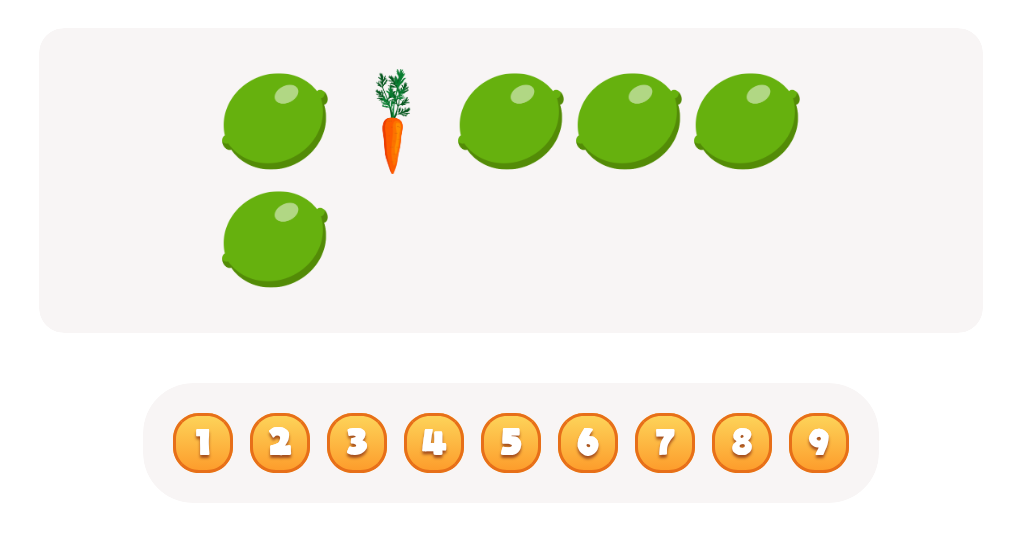

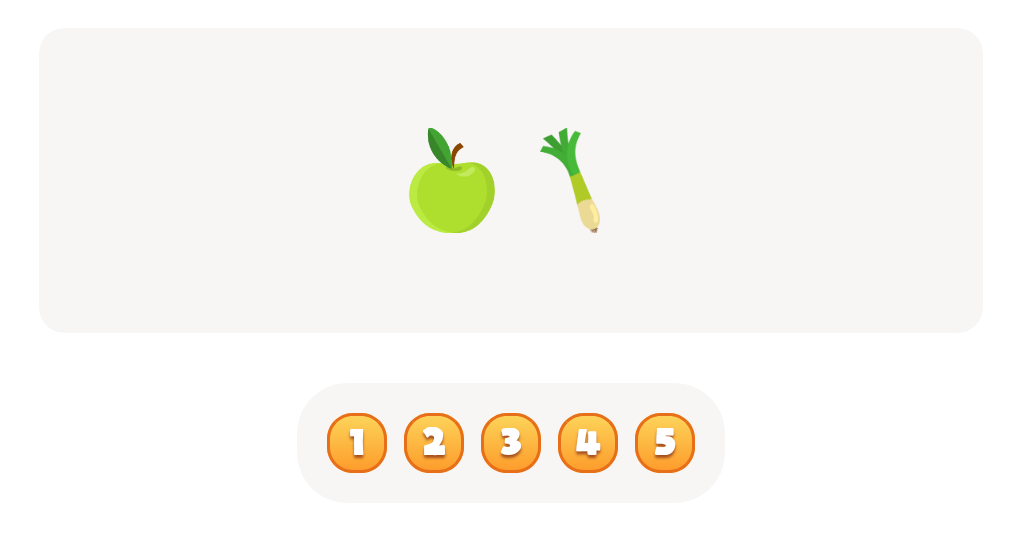
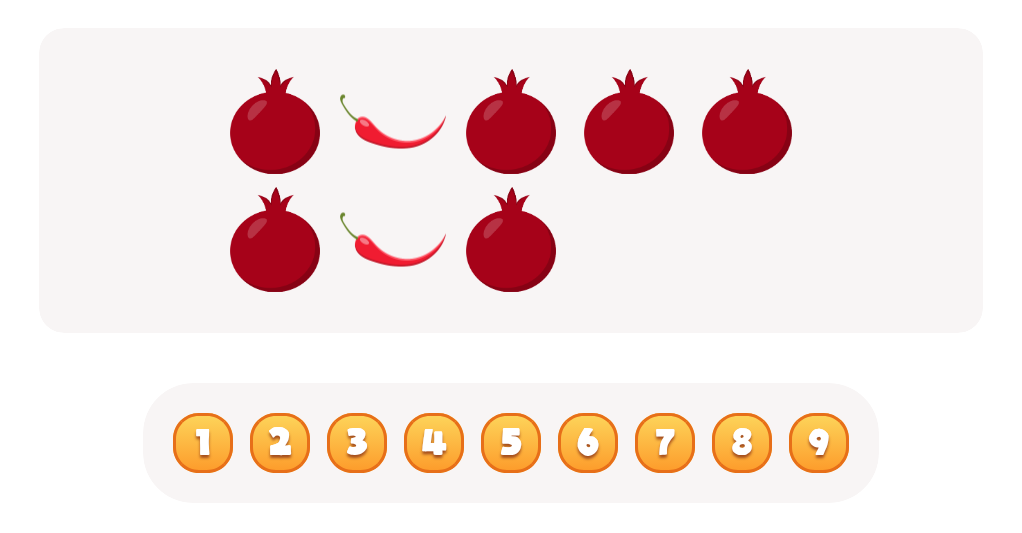
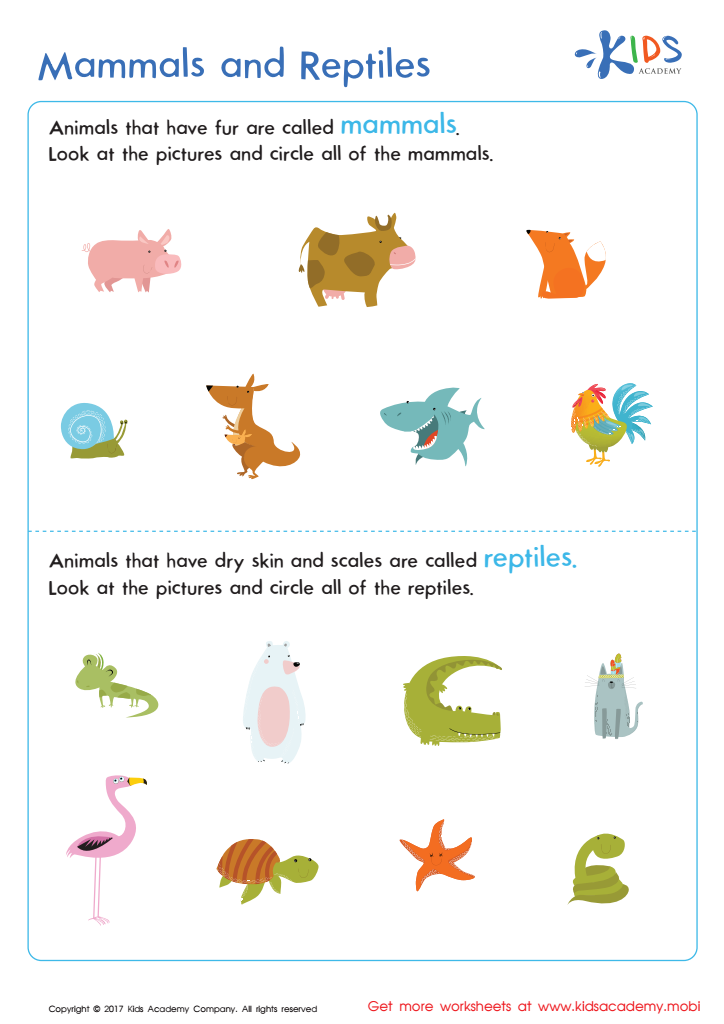
Mammals and Reptiles Worksheet
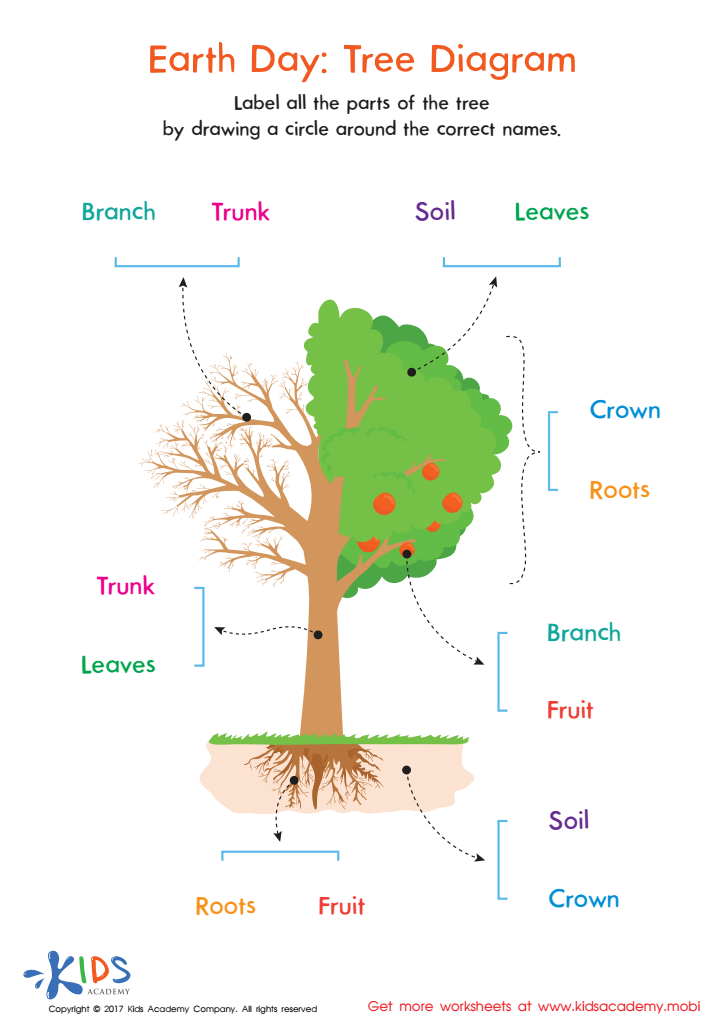
Earth Day: Tree Diagram Worksheet








Understanding normal plants and animals is crucial for children aged 6-8 as it fosters a sense of curiosity and appreciation for the world around them. At this age, children are naturally inquisitive, and exploring plants and animals helps them answer fundamental questions about life. Engaging with topics such as local flora and fauna encourages observation skills, critical thinking, and scientific reasoning.
Parents and teachers should care because learning about normal plants and animals can enhance environmental awareness, teaching children their role within ecosystems and the importance of biodiversity. This foundation can spark interests in conservation and biology, crucial for future stewardship of the planet. Moreover, direct interactions with nature, like exploring gardens or parks, support physical health by encouraging outdoor activity and exploration.
Furthermore, studies show that experiencing nature can benefit emotional well-being, reducing stress and anxiety levels. Using plants and animals as a springboard for learning allows for interdisciplinary connections across subjects like math, art, and writing. In short, normal plants and animals provide a vibrant context for children, enabling holistic development while instilling values of curiosity, responsibility, and respect for nature.







