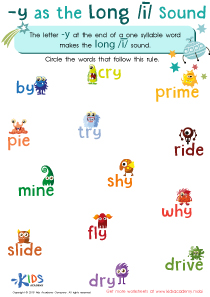
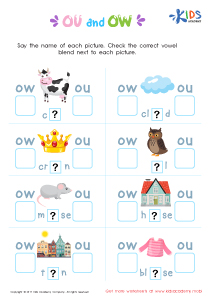
Normal Long Vowels Worksheets for Ages 6-9
23 filtered results
-
From - To
Welcome to our "Normal Long Vowels Worksheets" page, specially designed for children aged 6-9! These engaging and interactive worksheets are perfect for helping young learners develop a strong understanding of long vowels. Each worksheet features colorful visuals and fun activities that make learning exciting and accessible. Children will enjoy practicing their phonics skills, identifying long vowel sounds, and improving their reading and writing abilities. Whether in the classroom or at home, these worksheets are a valuable resource for enhancing literacy skills while keeping young minds engaged. Start your child’s journey to reading success today with our carefully crafted long vowels activities!
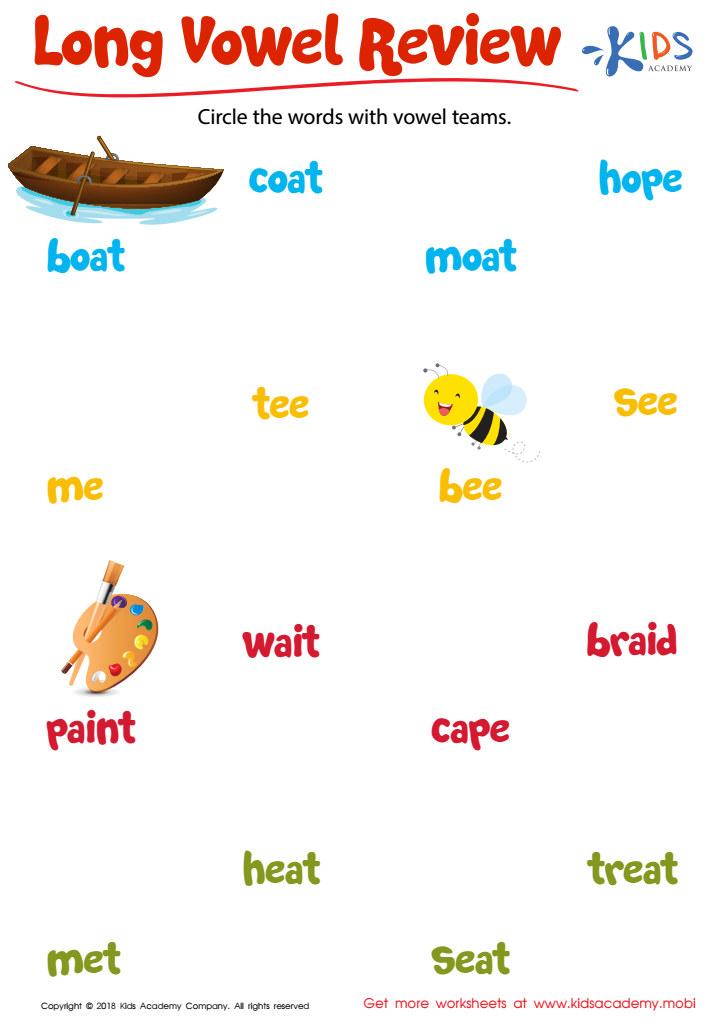
Long Vowel Review Worksheet
 Assign to My Students
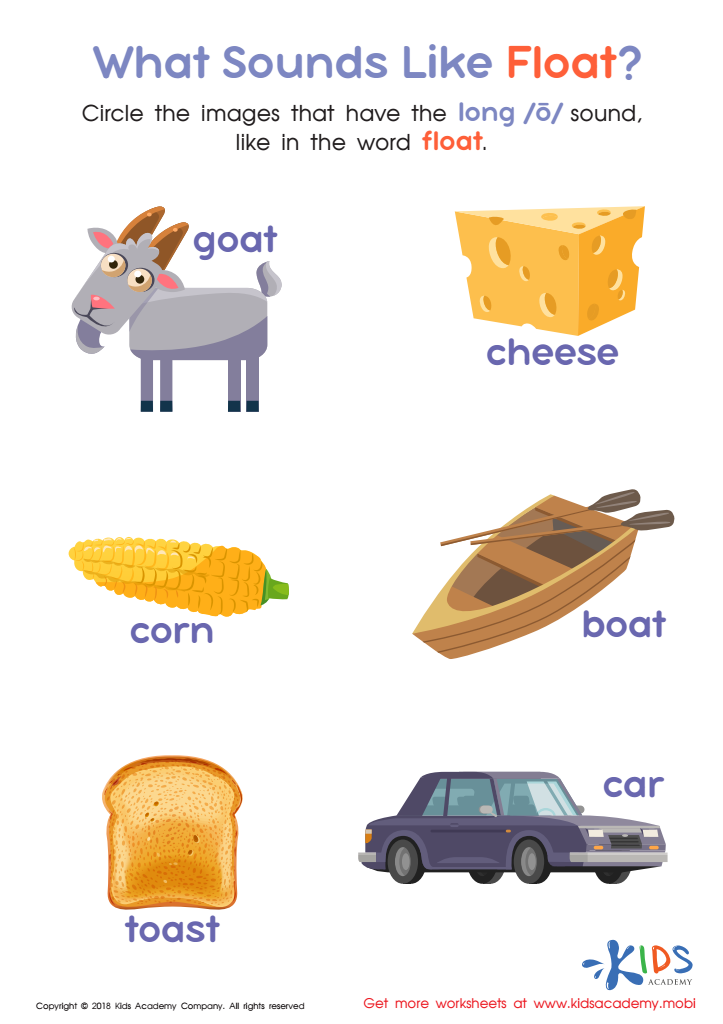
What Sounds Like Float? Worksheet
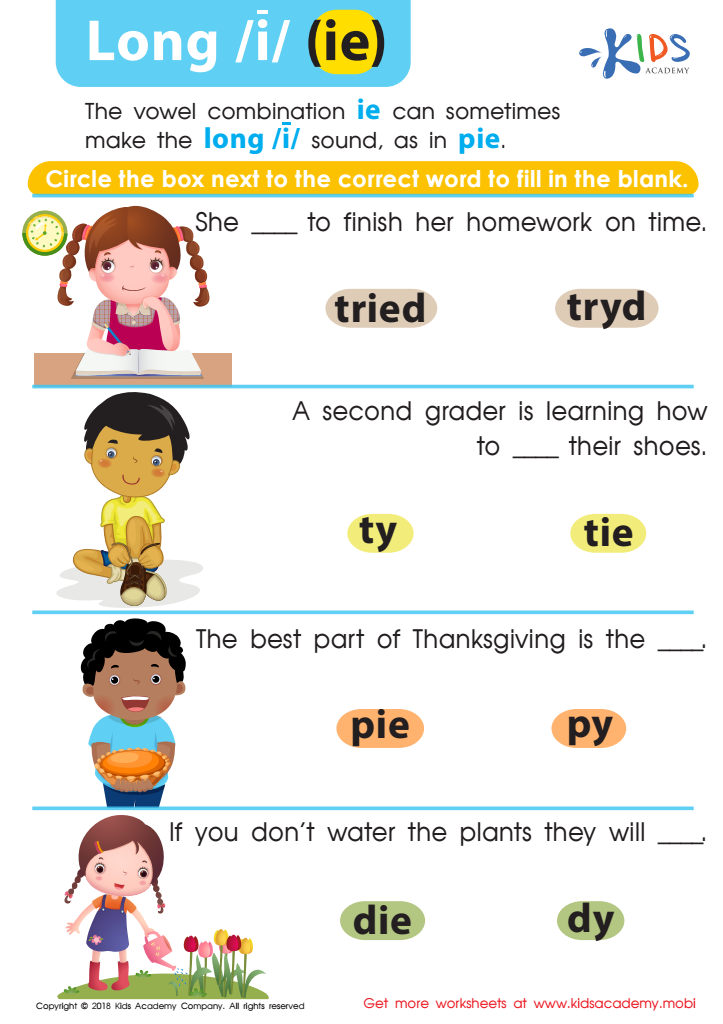
Reading: Long I and IE Worksheet
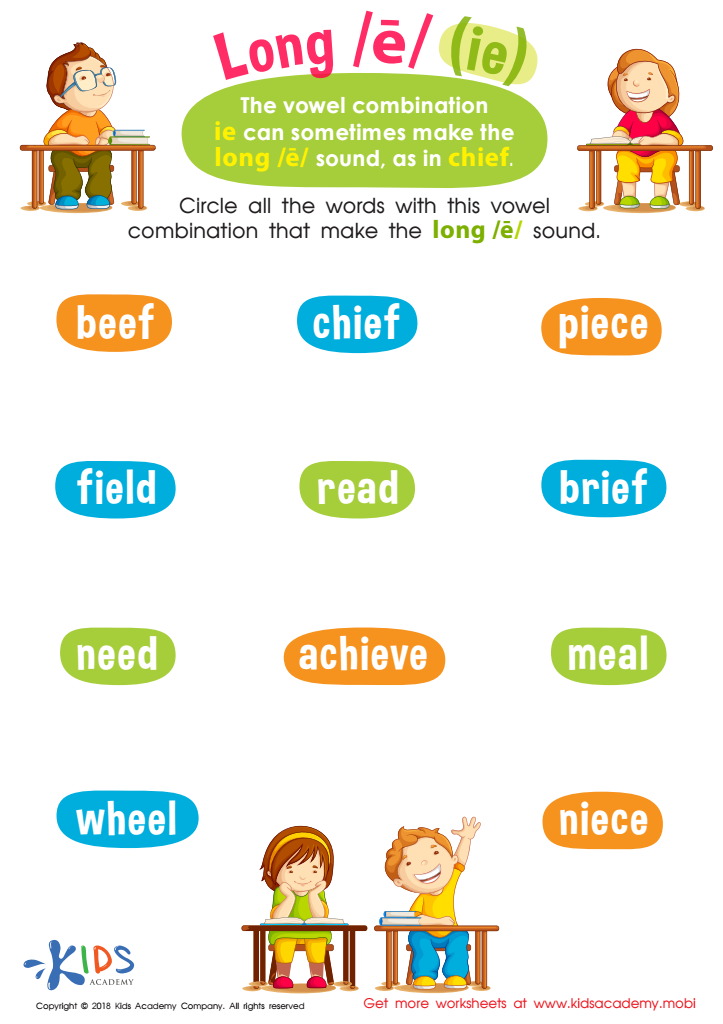
Reading: Long E and IE Worksheet
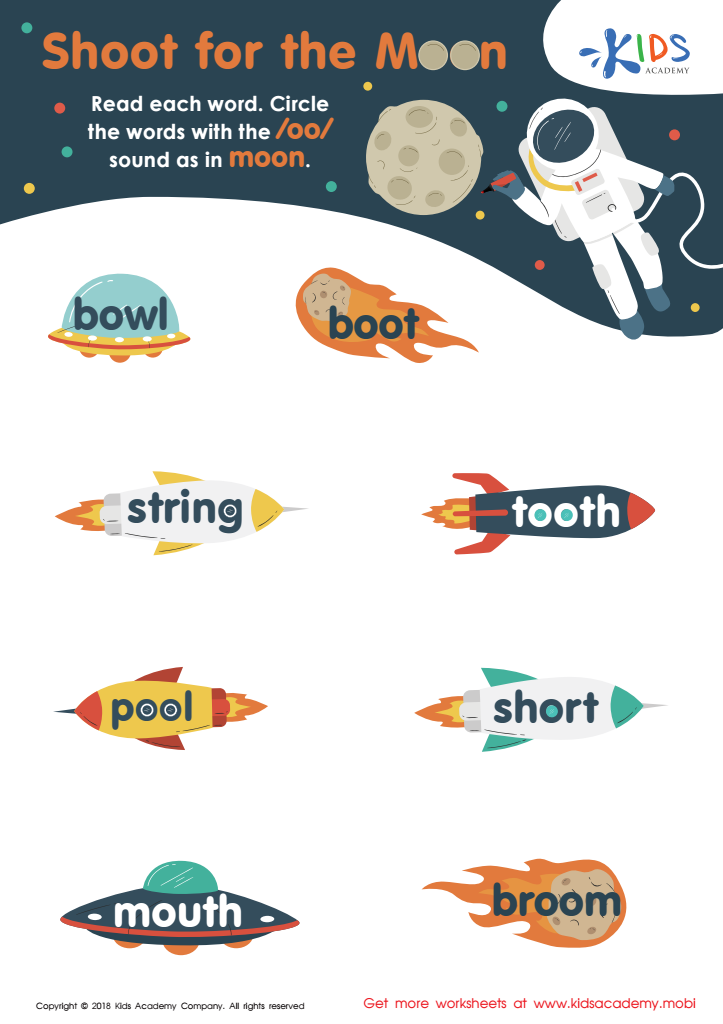
Reading: Shoot for the Moon Worksheet
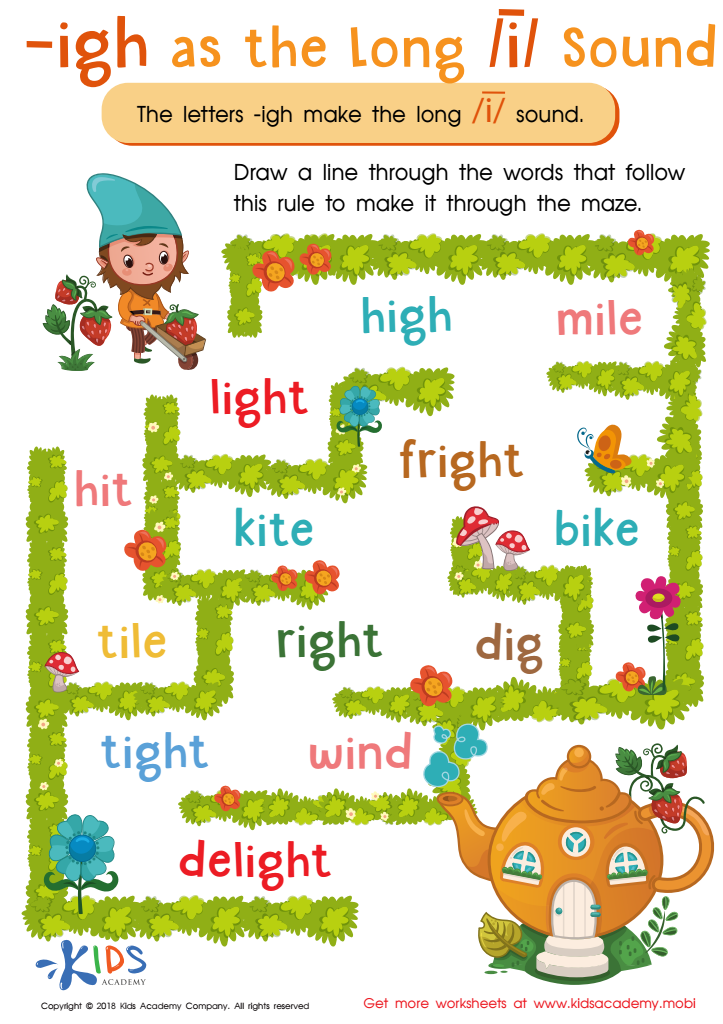
Reading: IGH as Long I Worksheet
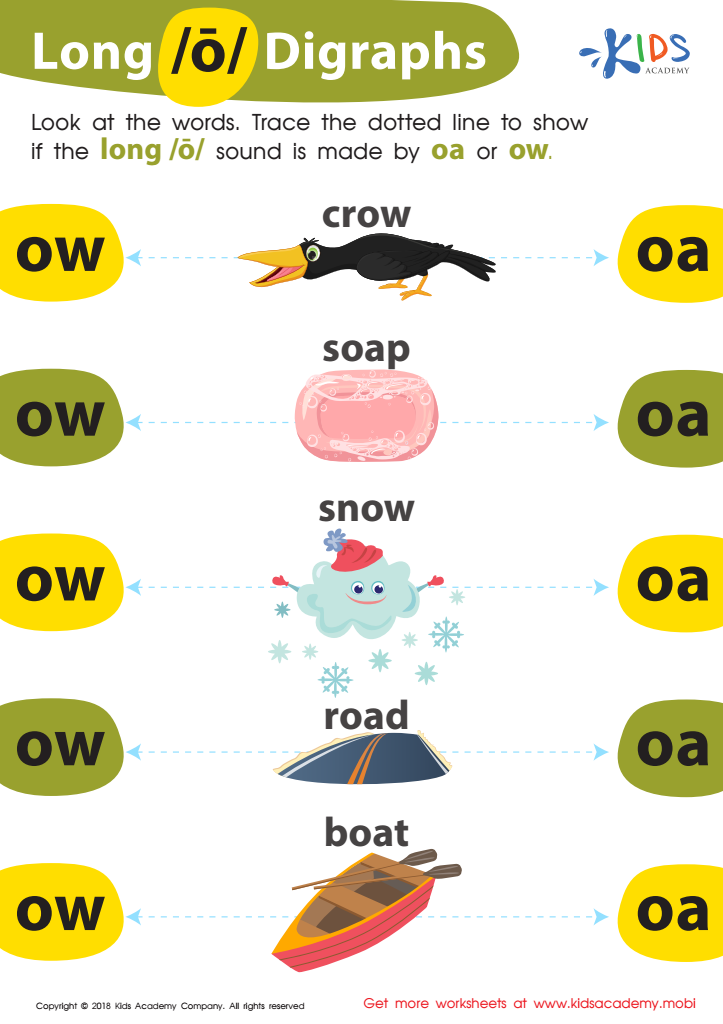
Reading: Long O Digraphs Worksheet
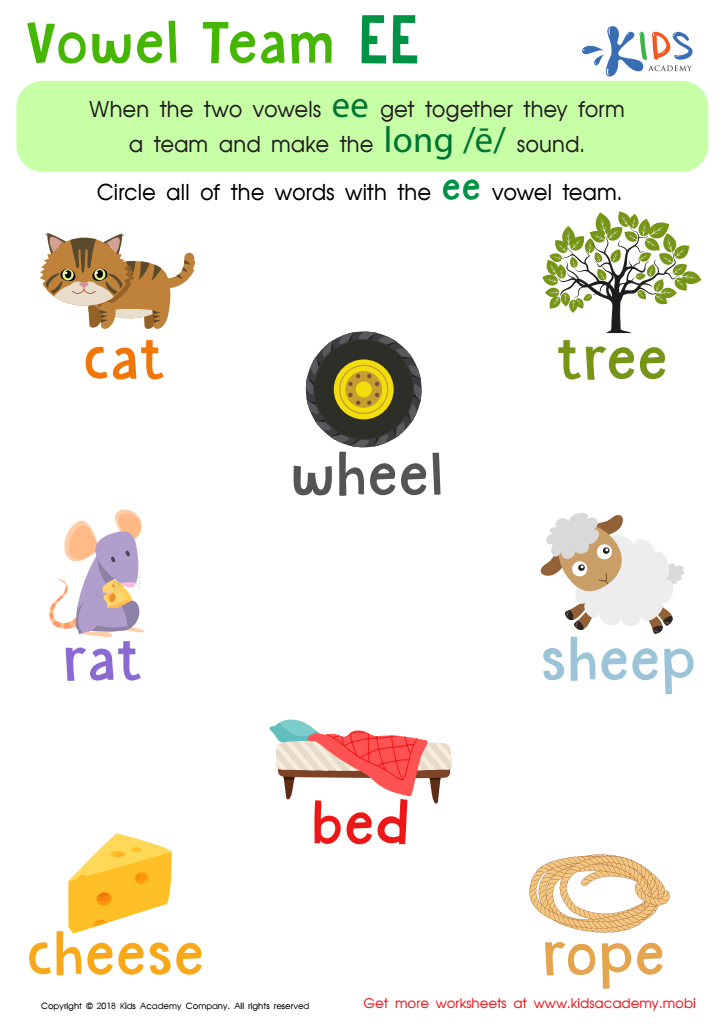
Reading: Vowel Team EE Worksheet
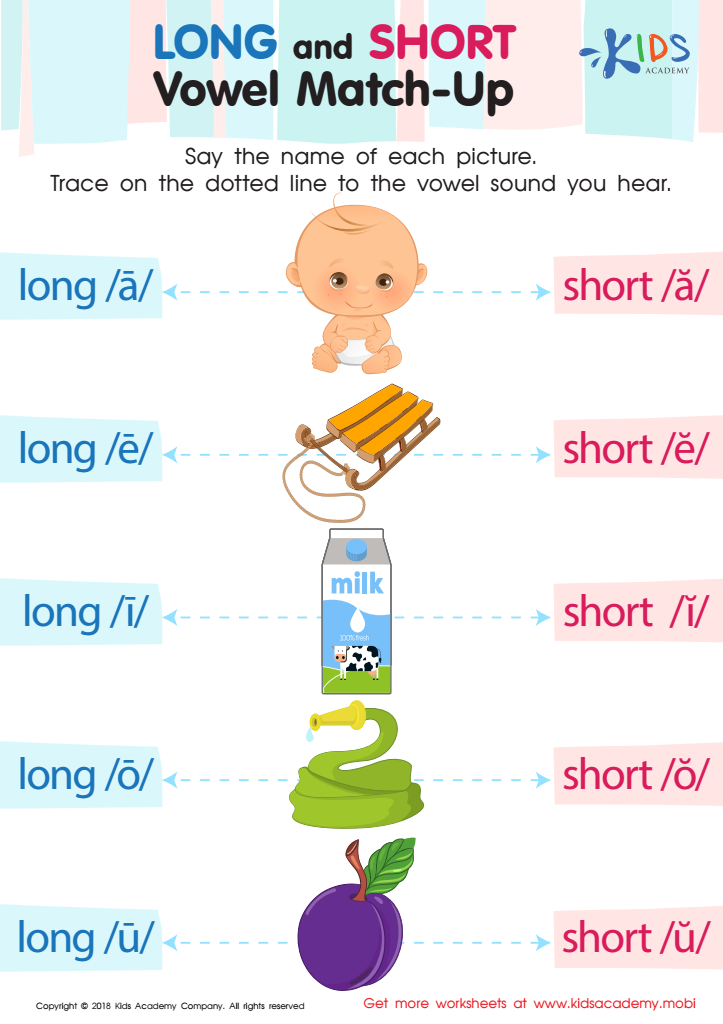
Long and Short Vowel Match up Reading Worksheet
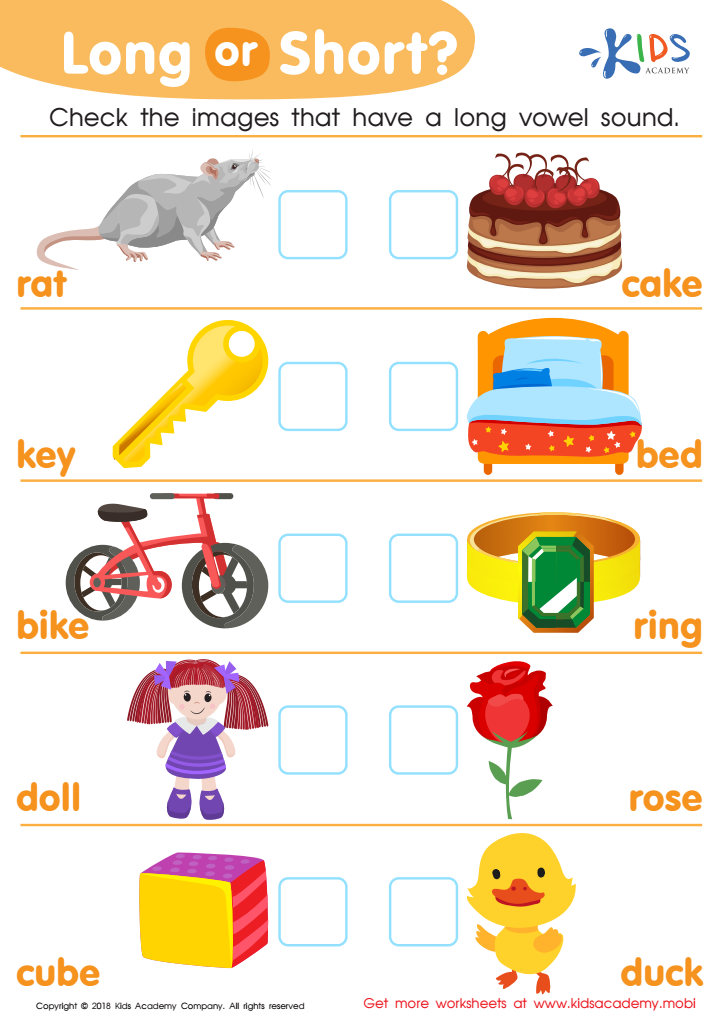
Long or Short Reading Worksheet
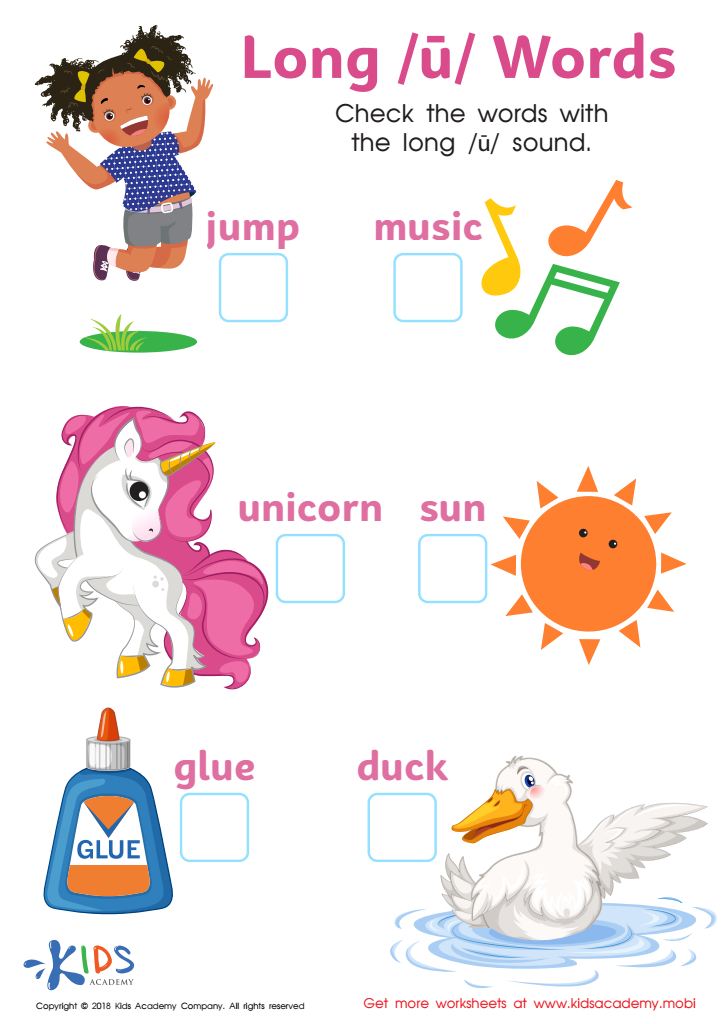
Long U Words Reading Worksheet
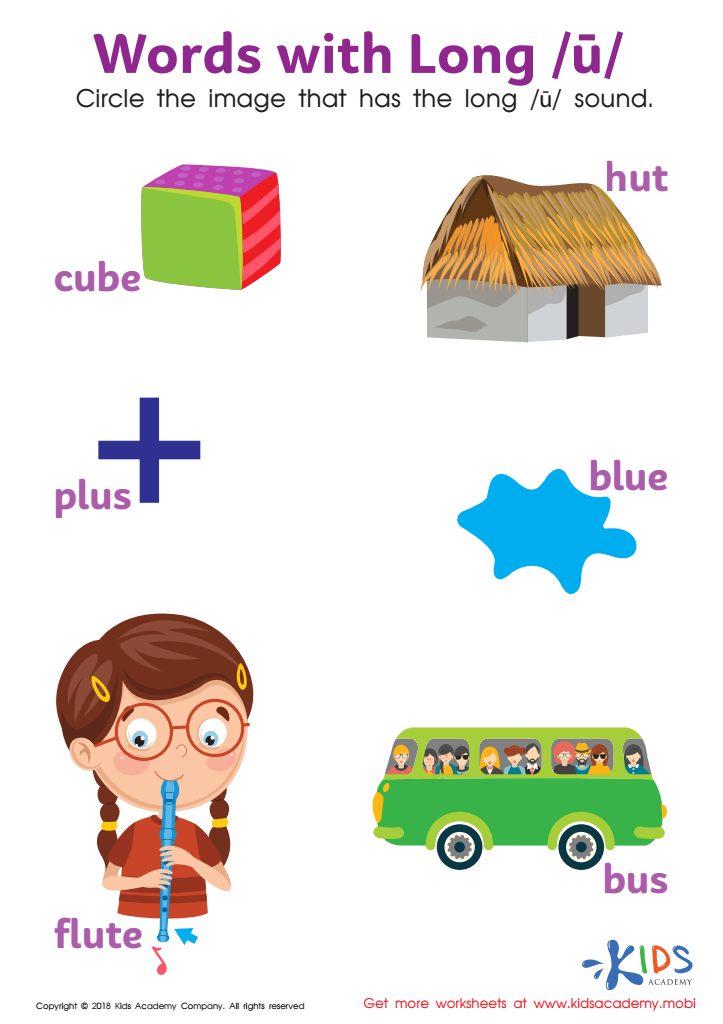
Words with Long U Reading Worksheet
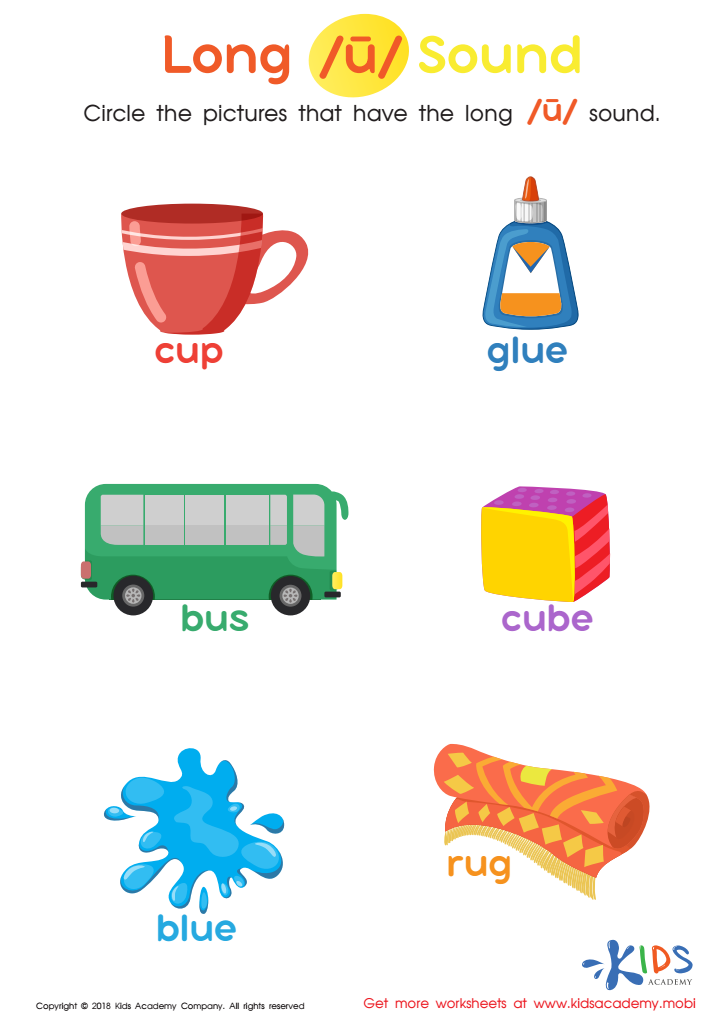
Long «u» Sound Worksheet
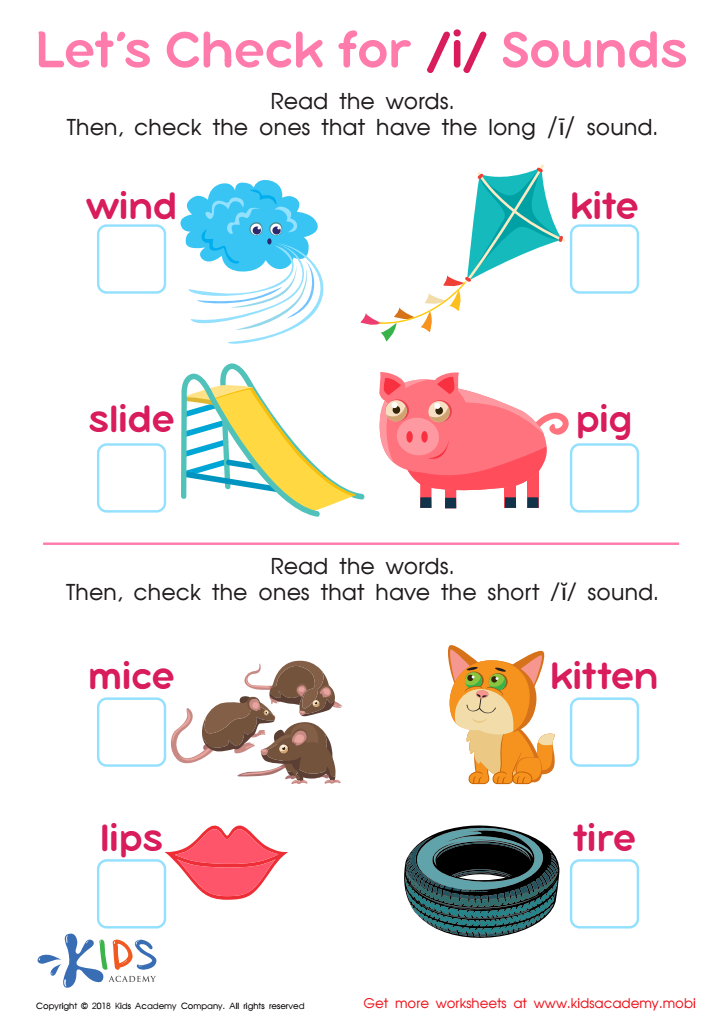
Let's Check for «i» Sounds Worksheet
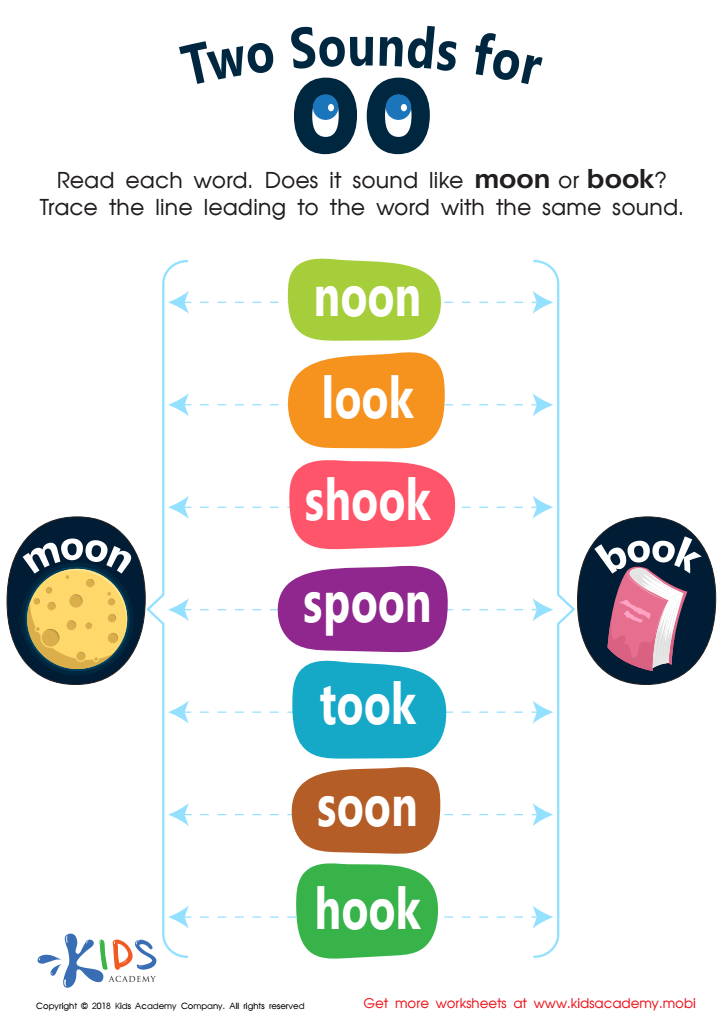
Two Sounds for OO Worksheet
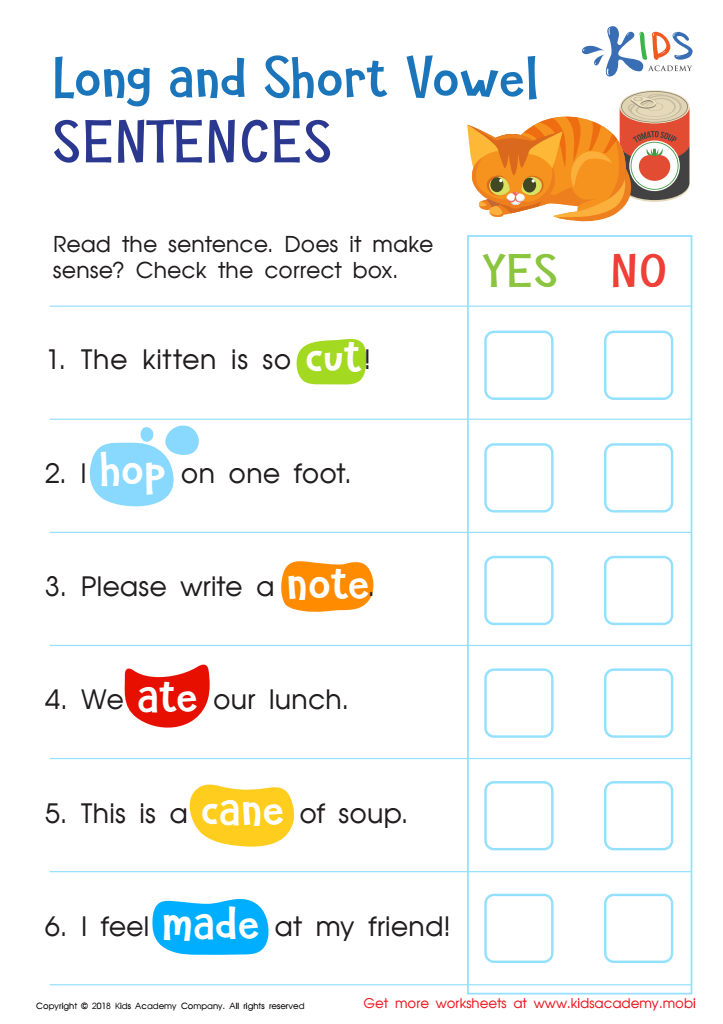
Long and Short Vowel Sentences: Assessment Worksheet
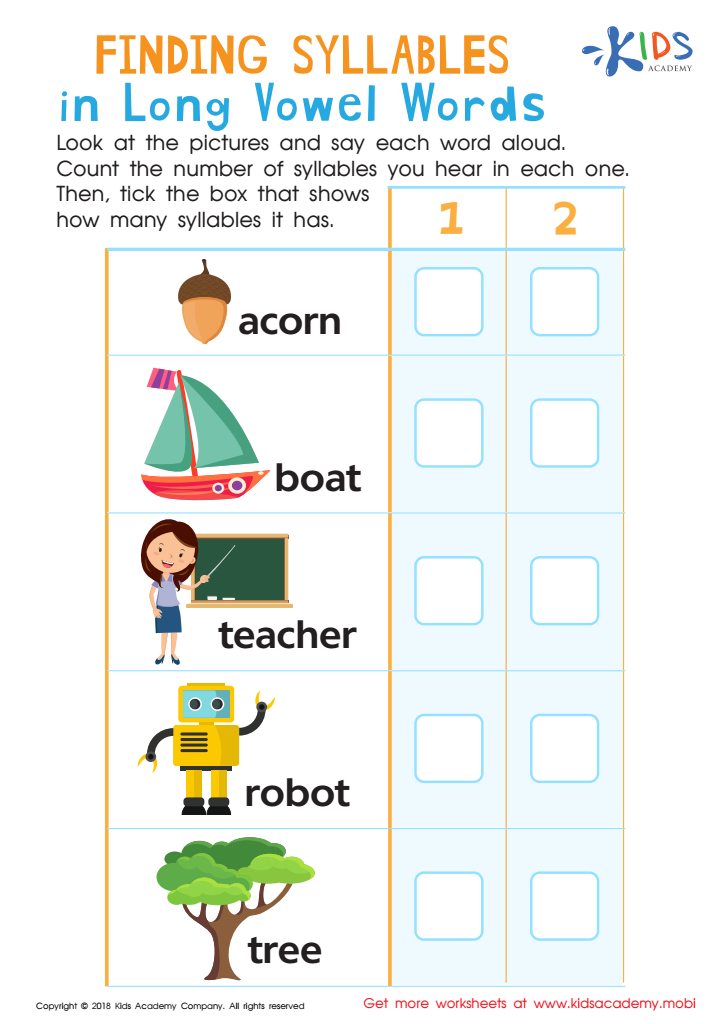
Finding Syllables in Long Vowel Words Worksheet
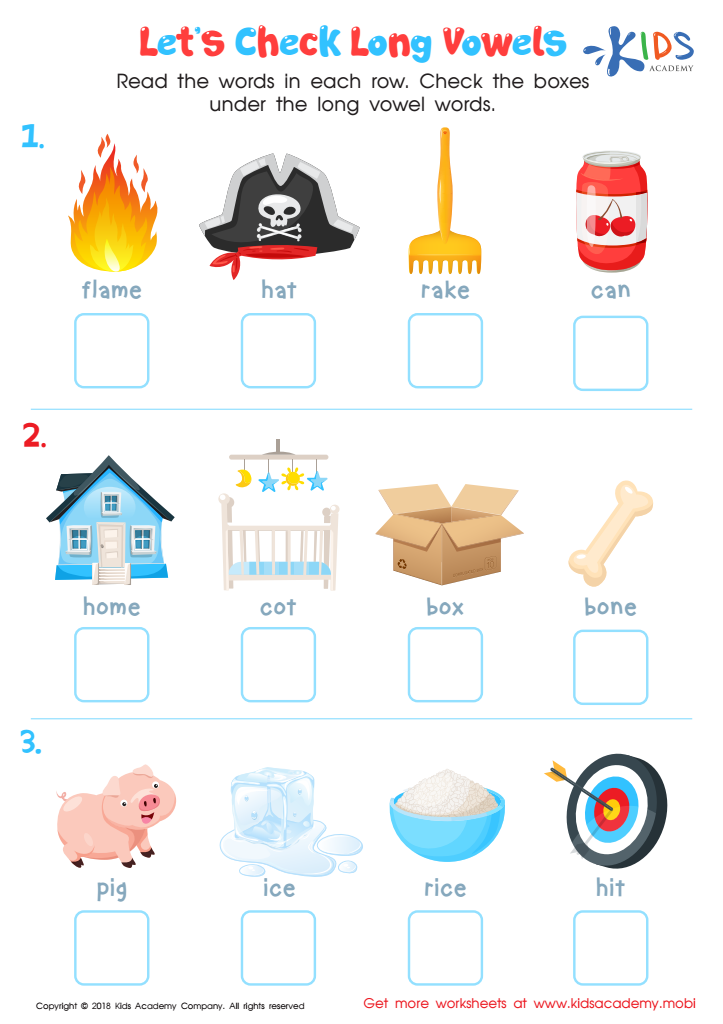
Let's Check Long Vowels: Assessment Worksheet
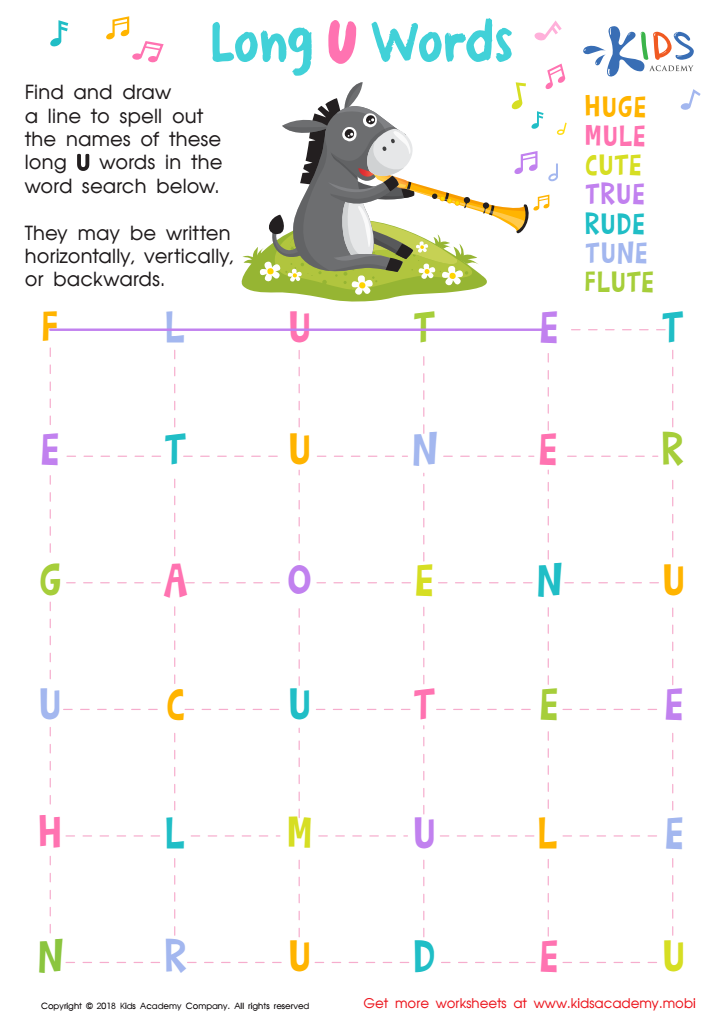
Long /u/ Words Worksheet
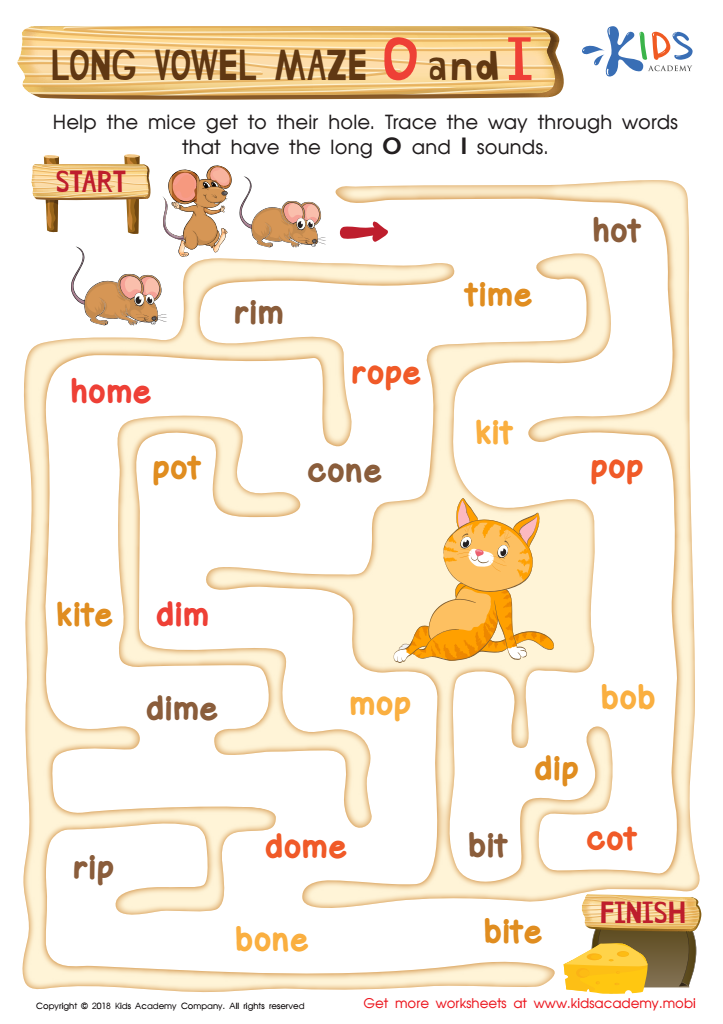
Long Vowel Maze /o/ and /i/ Worksheet
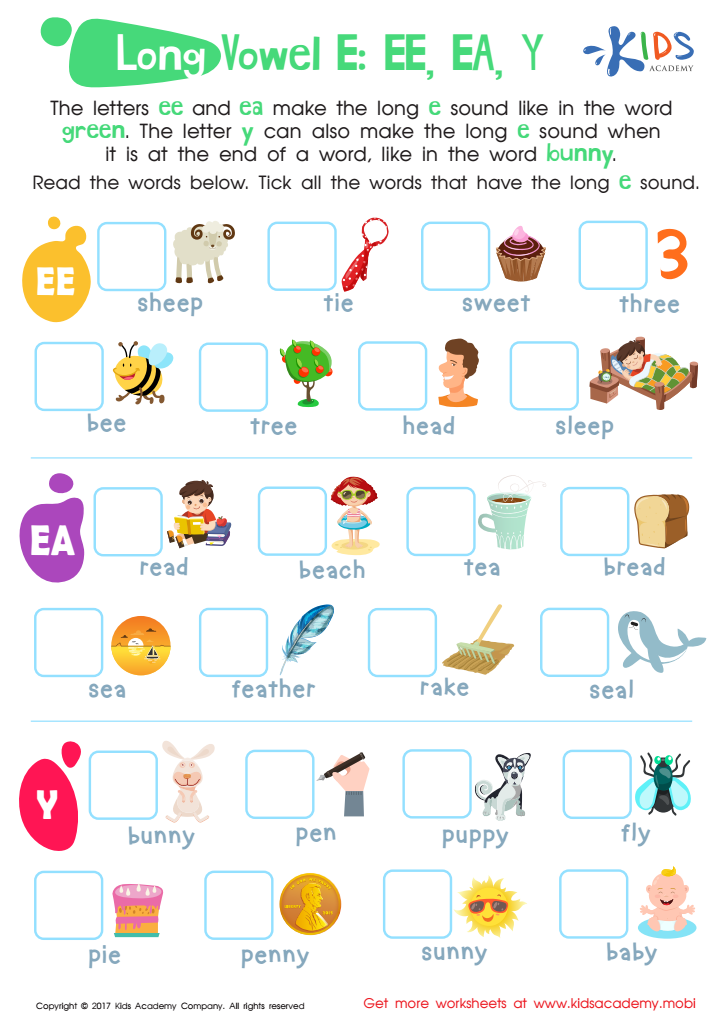
Long Vowel E Printable
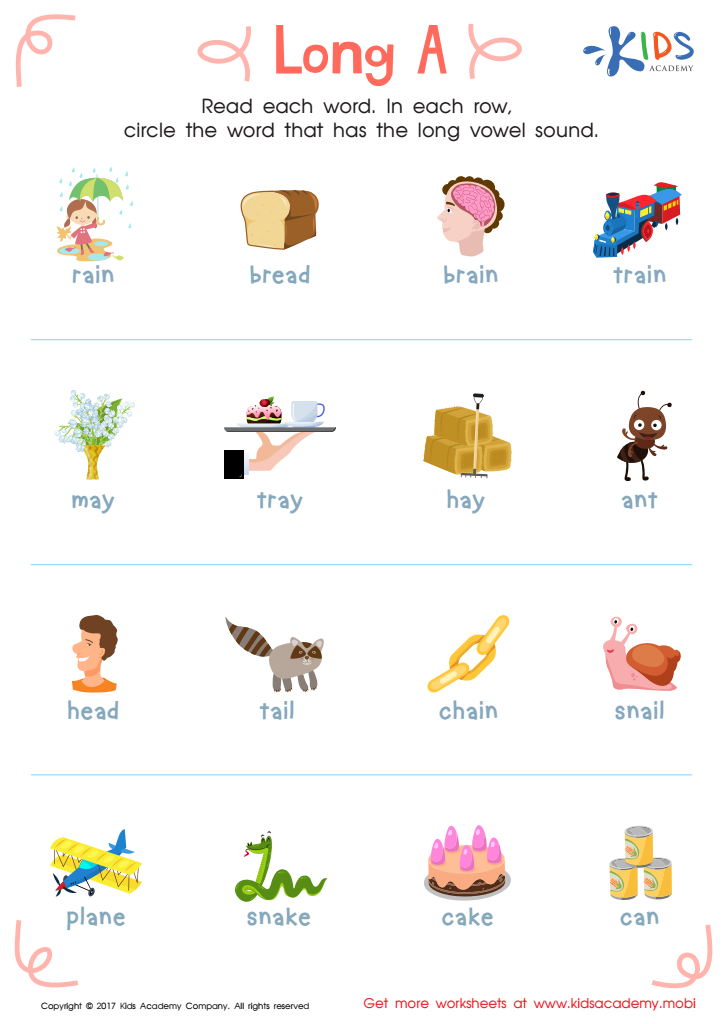
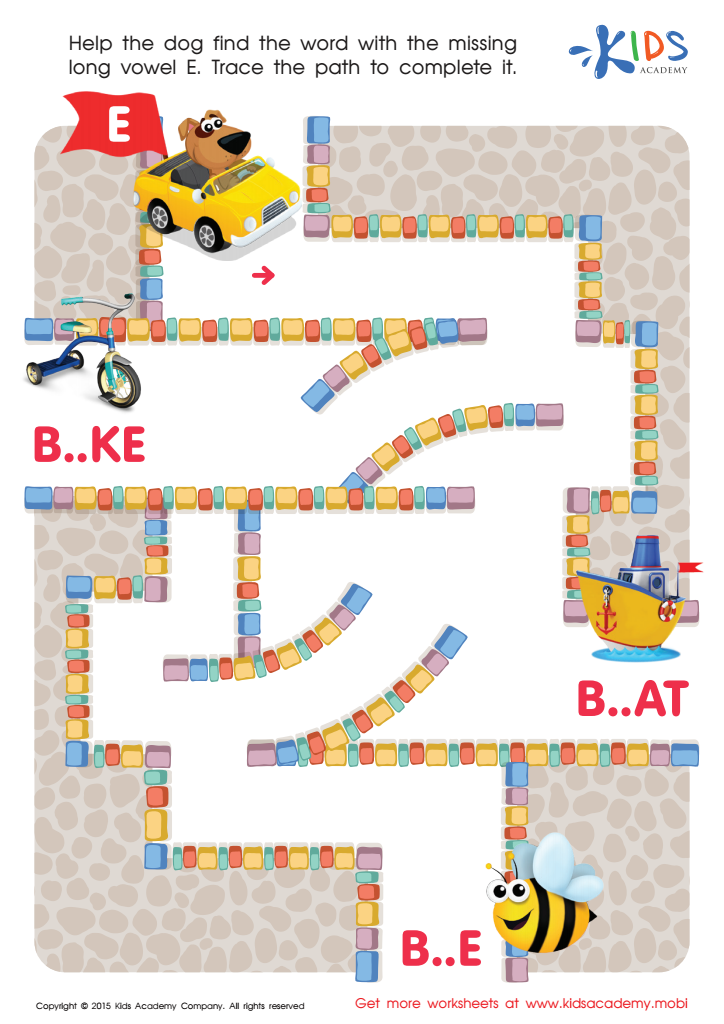
Long Vowel Sound E Worksheet



Normal long vowels play a critical role in the literacy development of children aged 6 to 9. At this age, children are honing their reading and writing skills, which serve as foundational building blocks for their academic success. Long vowels—like the 'a' in "cake," 'e' in "tree," 'i' in "time," 'o' in "home," and 'u' in "mule"—help children recognize phonetic patterns, enhancing their decoding abilities when faced with unfamiliar words.
Teaching long vowels fosters better spelling, as children learn to connect vowel sounds with corresponding letters, enabling them to write more accurately. Additionally, understanding long vowels supports vocabulary expansion. Children exposed to long vowel sounds in reading are more likely to engage with a wider range of texts, allowing for deeper comprehension and enhanced critical thinking skills.
Moreover, familiarity with long vowels aids in boosting children’s confidence as they tackle more challenging reading materials. When parents and teachers emphasize long vowels, they not only help facilitate early literacy but also create a supportive learning environment where children can thrive. This investment in phonetic understanding ultimately sets the stage for lifelong learning and a love for reading, laying the groundwork for academic achievement and future success.