Normal Silent Vowels Worksheets for Ages 6-9
5 filtered results
-
From - To
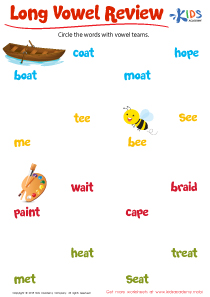
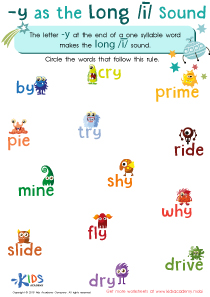
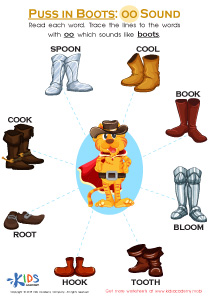
Enhance your child’s reading and pronunciation skills with our engaging "Normal Silent Vowels Worksheets" for ages 6-9. Specially designed for young learners, these worksheets help kids recognize and practice silent vowels within common words. Through fun activities and exercises, children will discover the magic of silent letters, boosting their vocabulary and spelling abilities. Perfect for use at home or in the classroom, our worksheets provide a solid foundation in language skills, ensuring kids progress confidently in their reading journey. Transform silent vowels from confusing hurdles into stepping stones for literacy success! Download now and watch your child's skills soar.
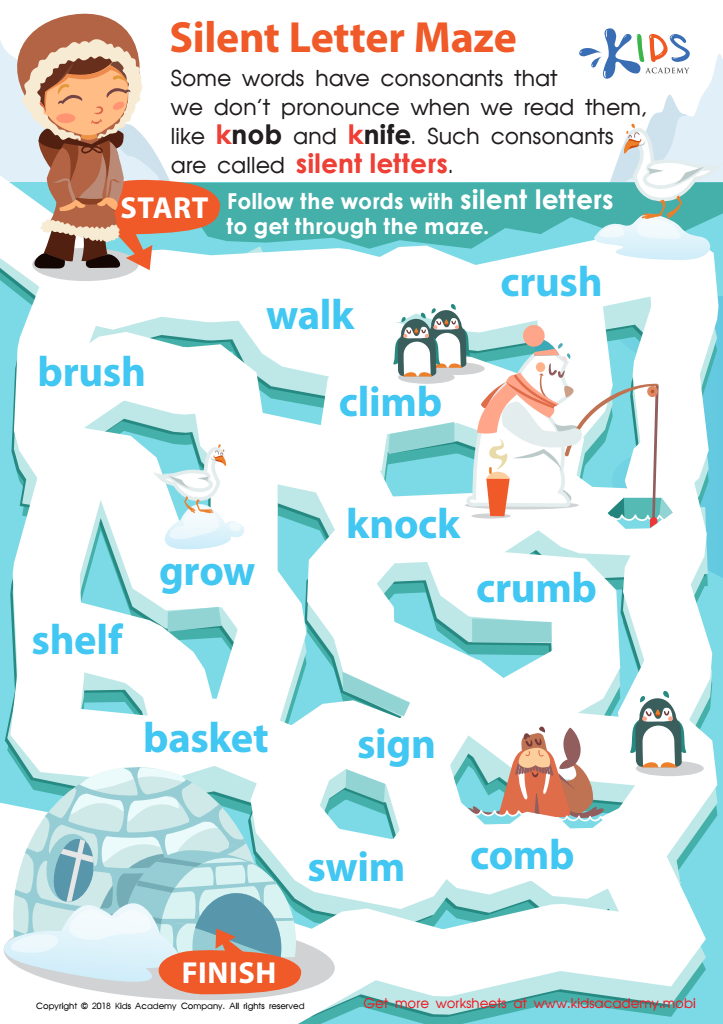
Silent Letter Maze Worksheet
 Assign to My Students
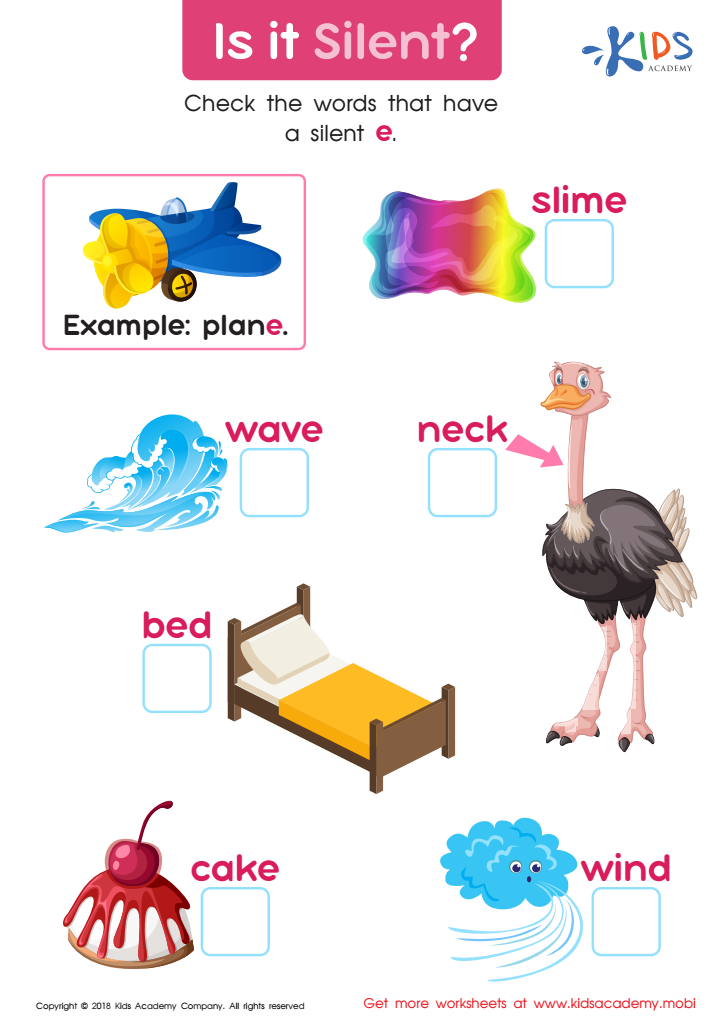
Is It Silent? Worksheet
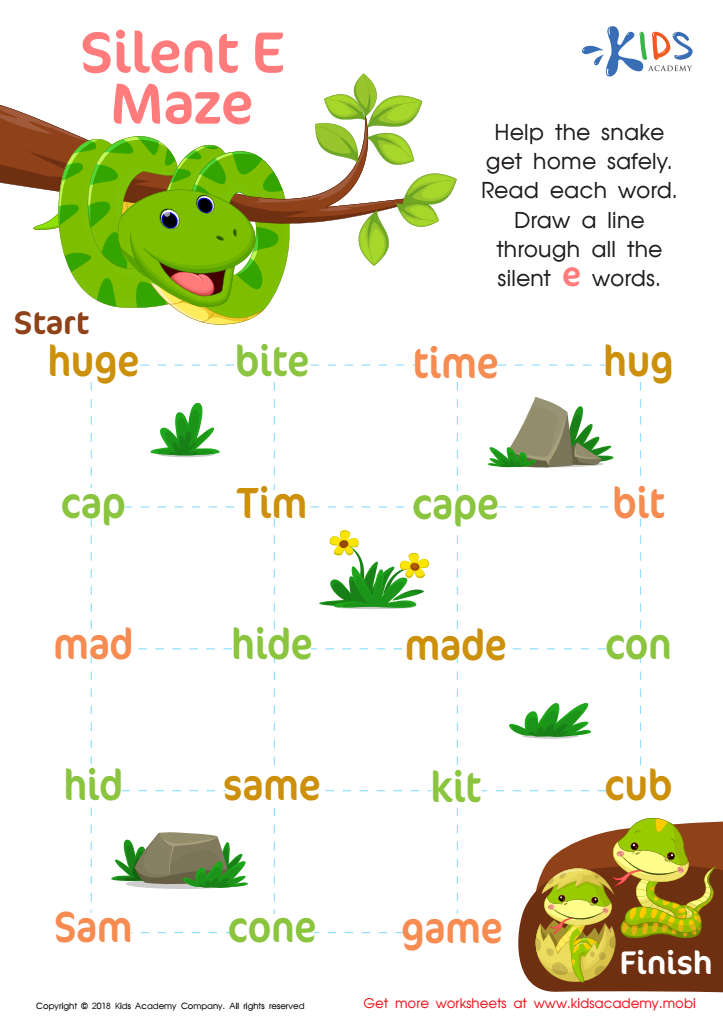
Silent E Maze Worksheet
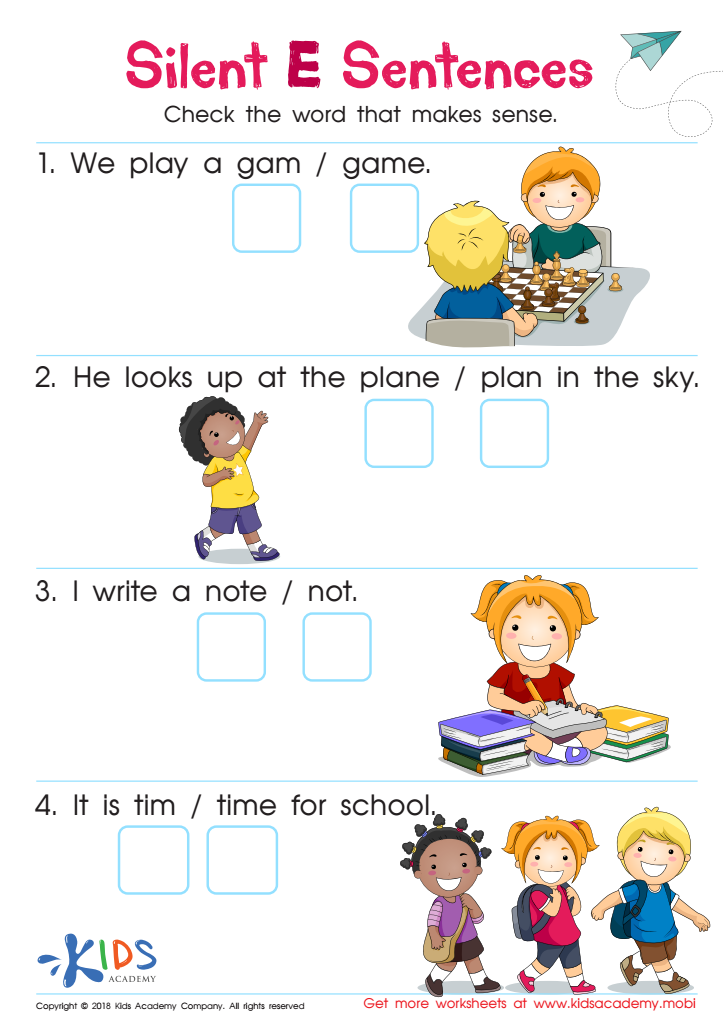
Silent E Sentences Worksheet
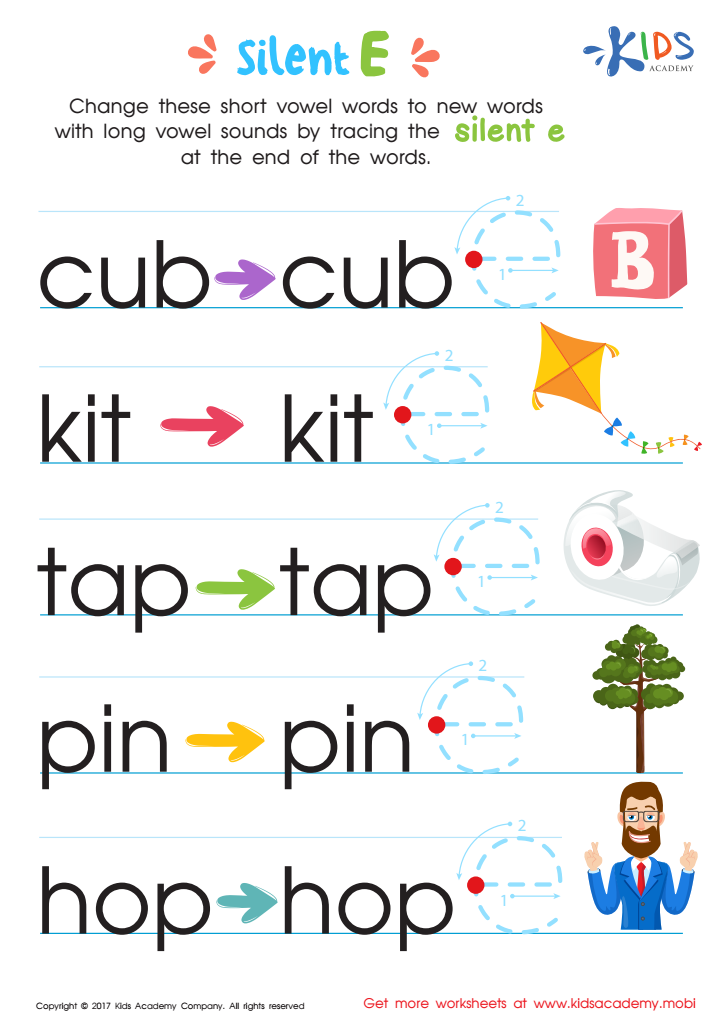
Silent E Words Worksheet


Understanding Normal Silent Vowels is crucial for the literacy development of children aged 6-9, a critical phase for language acquisition and phonemic awareness. During this period, kids transition from recognizing basic letter sounds to decoding more complex words. Silent vowels, often found in words like "bake," "kite," and "hope," play a significant role in English orthography. If children grasp the concept of silent vowels early on, they can more accurately read and spell a broader range of words. This boosts their reading fluency, comprehension, and confidence, laying a strong foundation for future academic success.
Parents and teachers should emphasize learning these patterns because misunderstanding silent vowels can lead to common reading and spelling errors, making English feel inconsistent and frustrating. Instructional strategies like phonics games, word sorting activities, and multisensory learning can make this process engaging and effective. Additionally, recognizing silent vowels aids in vocabulary expansion, as children can more easily infer the meaning of new words if they can accurately decode them. Ultimately, mastering silent vowels will not only enhance a child's reading skills but also foster a love for reading and learning, encouraging lifelong literacy and academic accomplishment. Clear understanding during this foundational stage sets the stage for advanced language skills in the future.