Normal English for Beginners Worksheets for Ages 6-9 - Page 3
59 filtered results
-
From - To

Letter P Tracing Page
 Assign to My Students
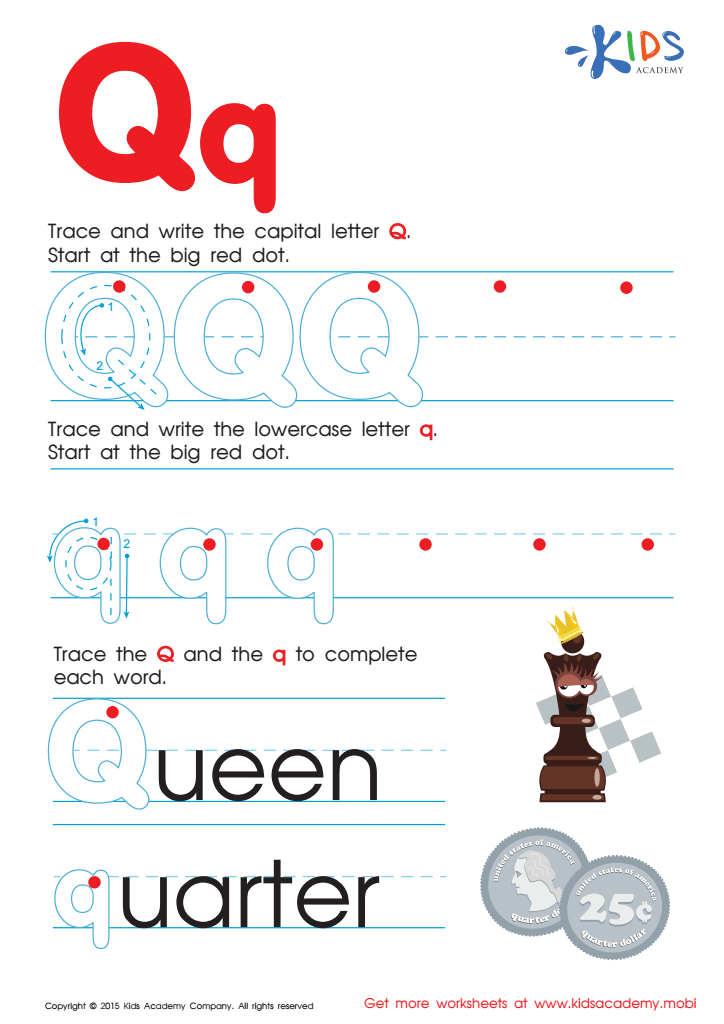
Letter Q Tracing Page
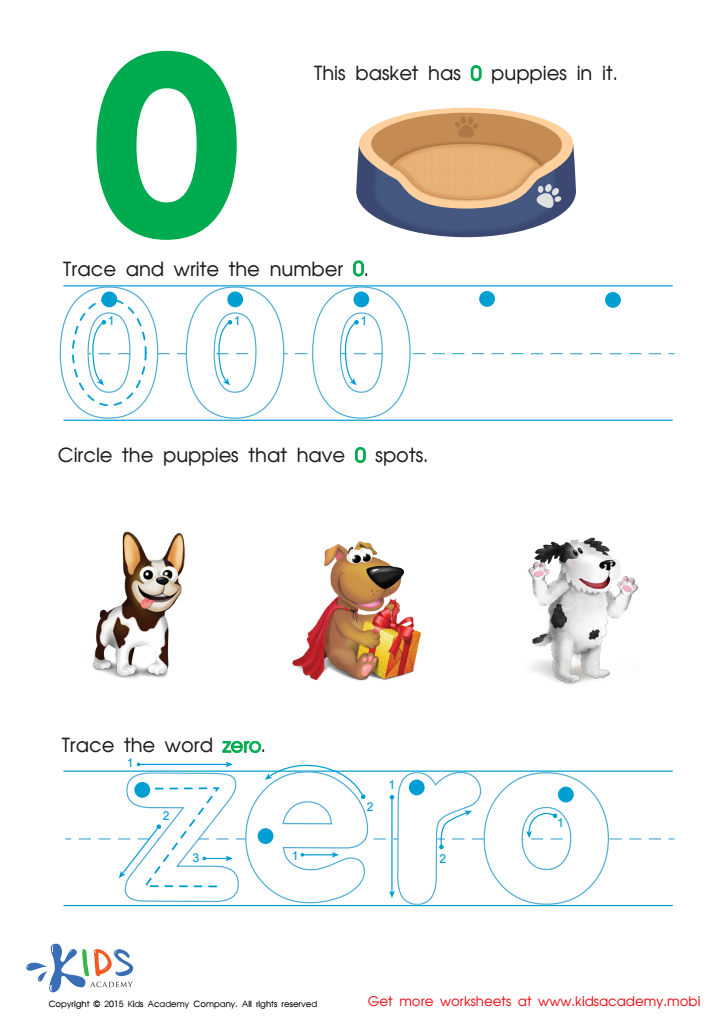
Trace And Write Number 0 Worksheet
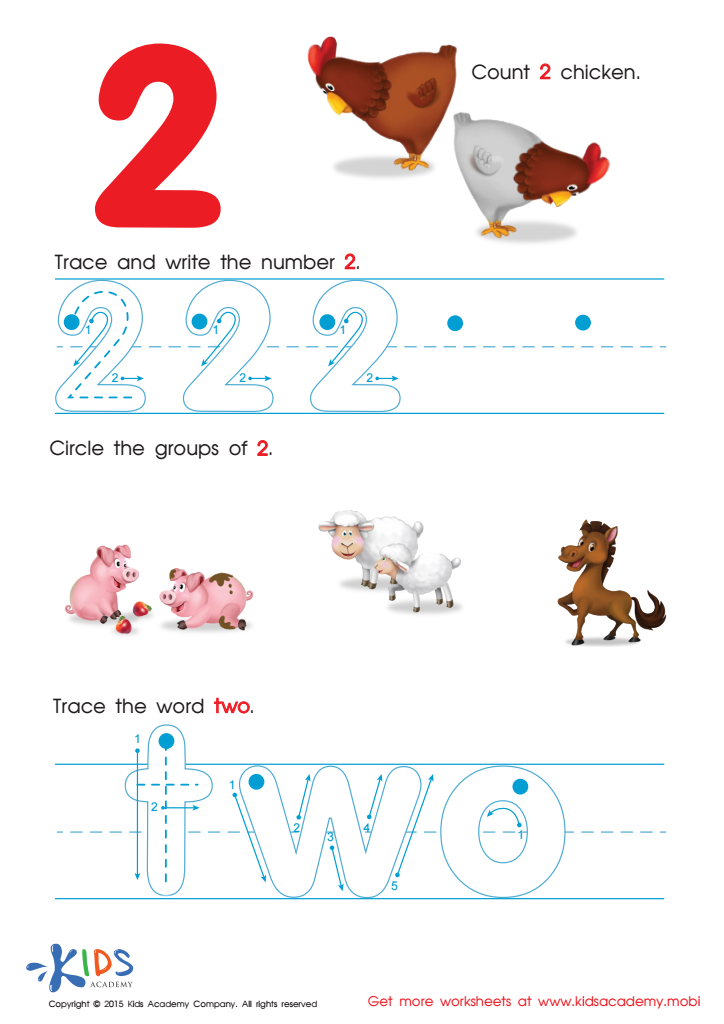
Learn to Write the Number 2 Worksheet
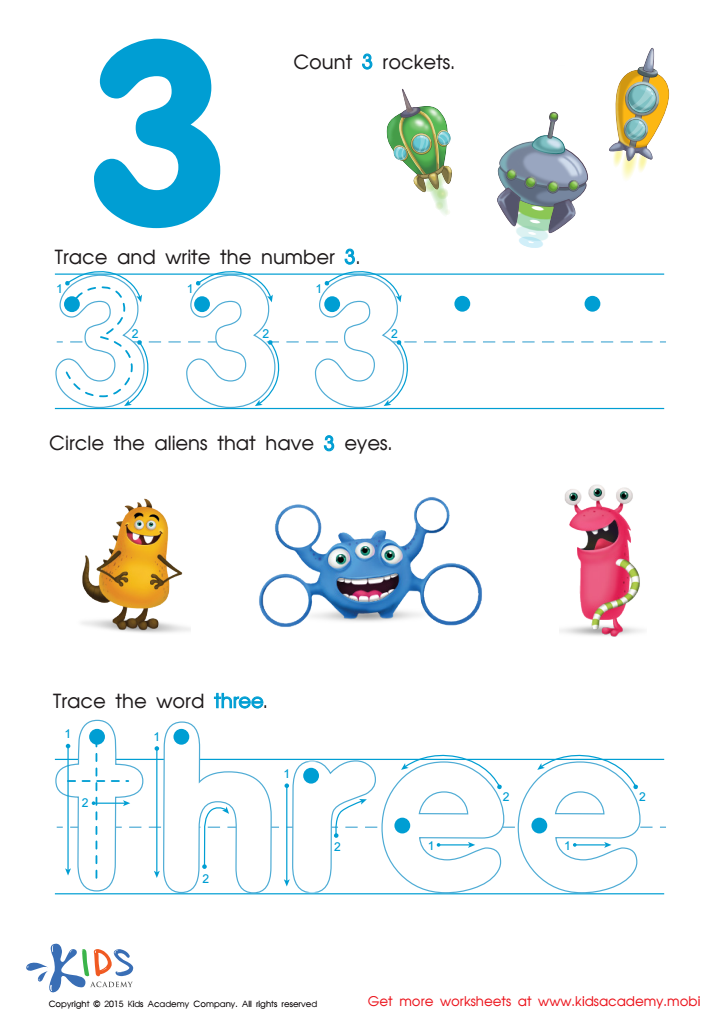
Learning Number Three Worksheet
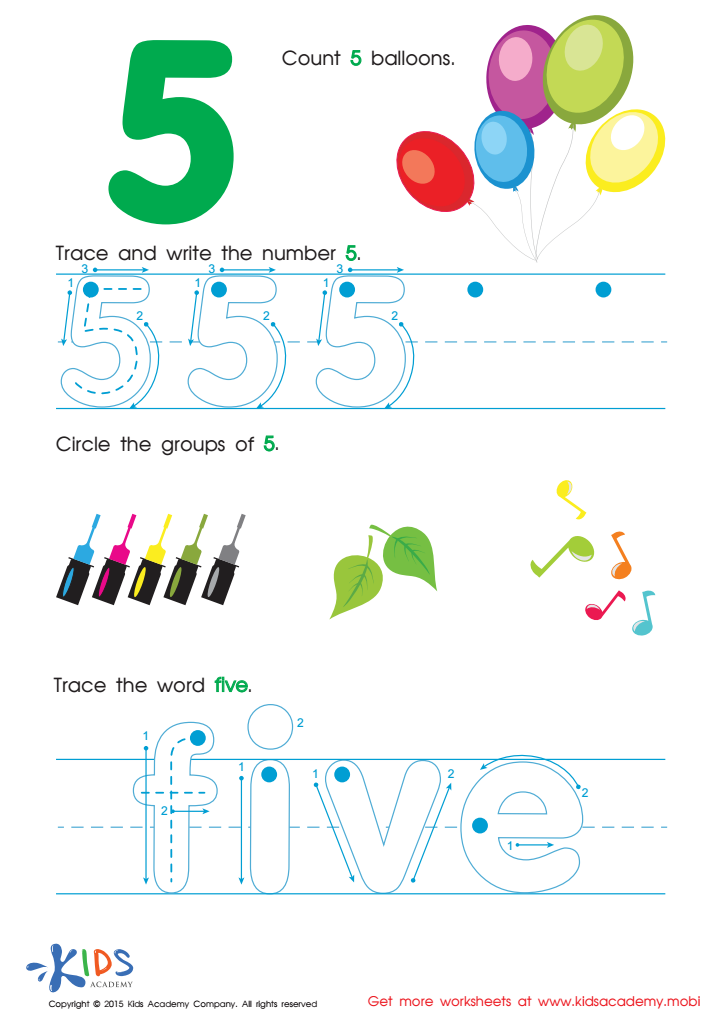
Practice Writing Number 5 Worksheet
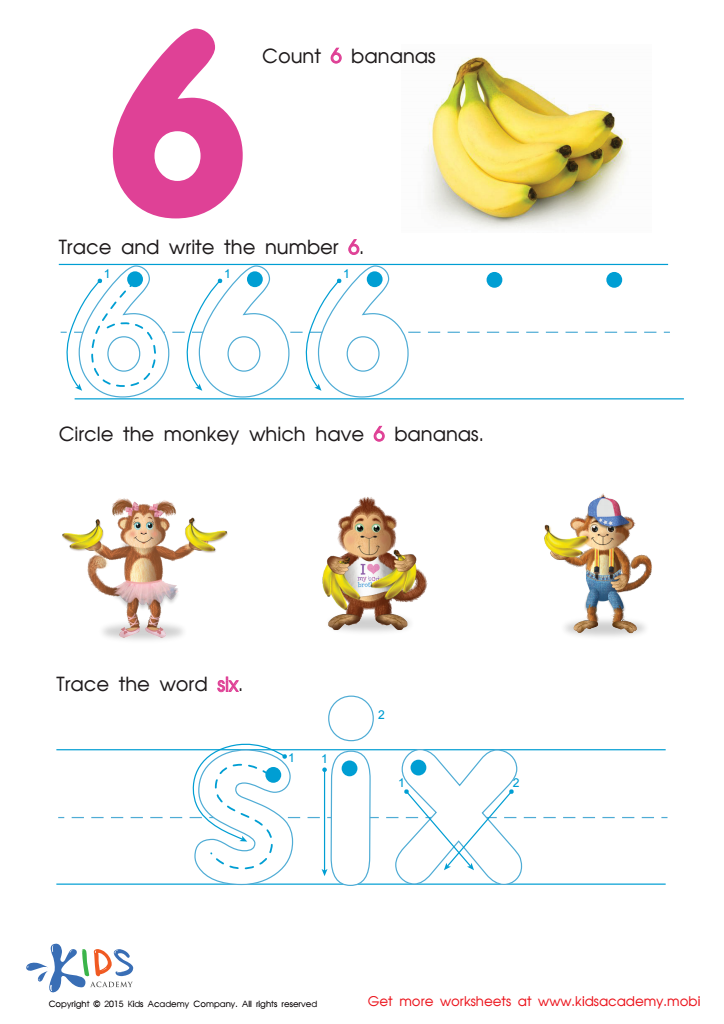
Tracing And Writing Number 6 Worksheet
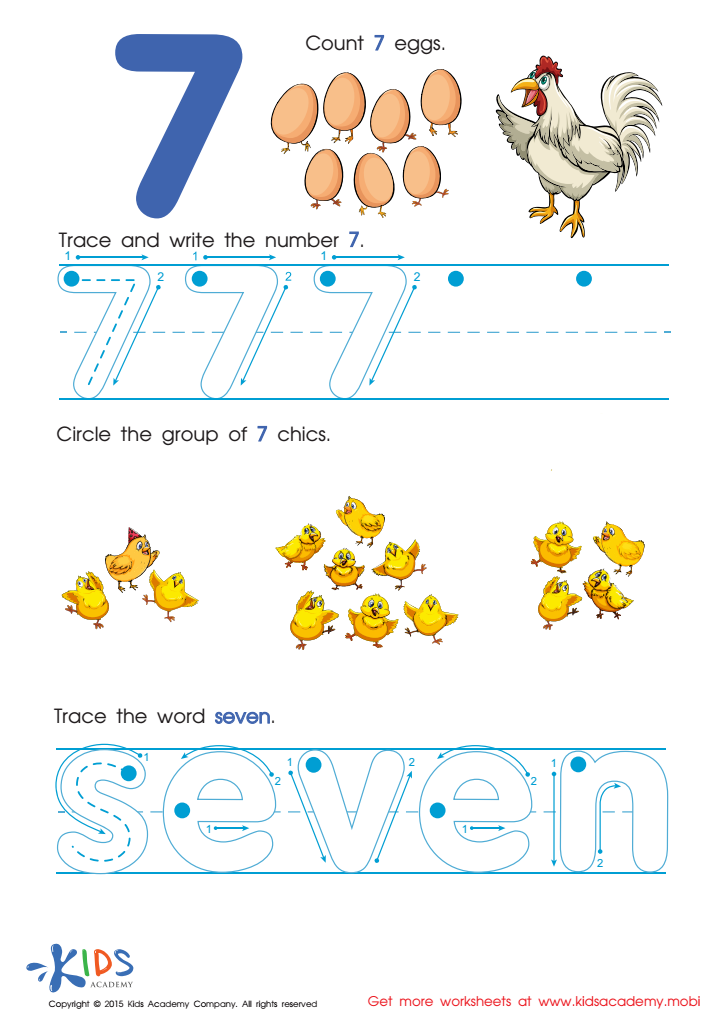
Trace And Write Number 7 with Fun Worksheet
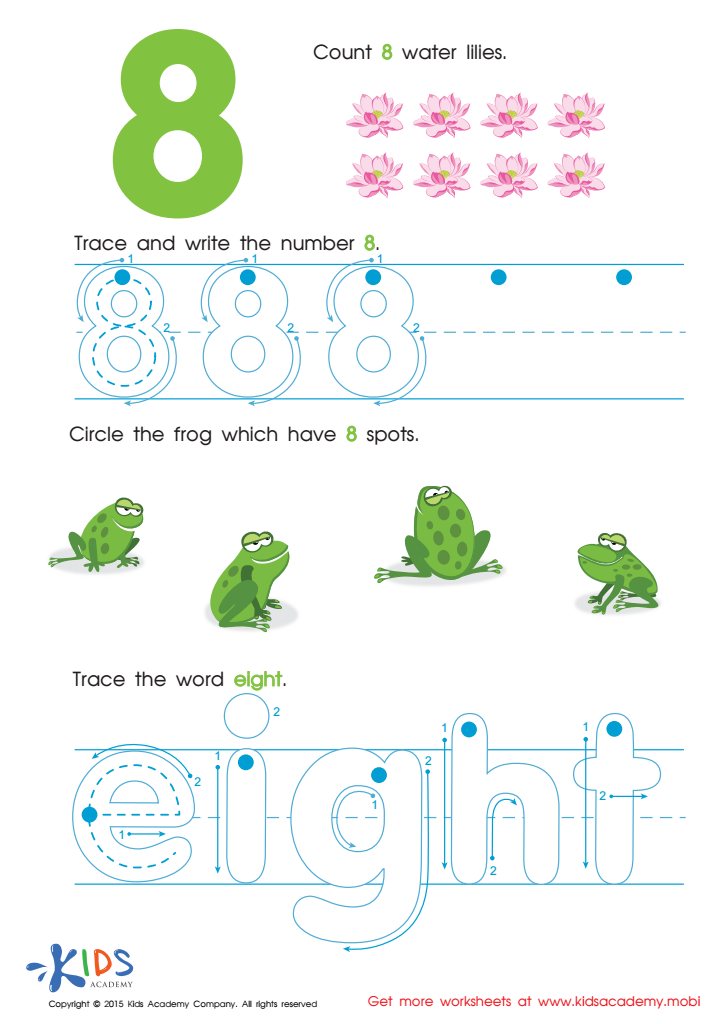
Learn Number 8 Easily Worksheet
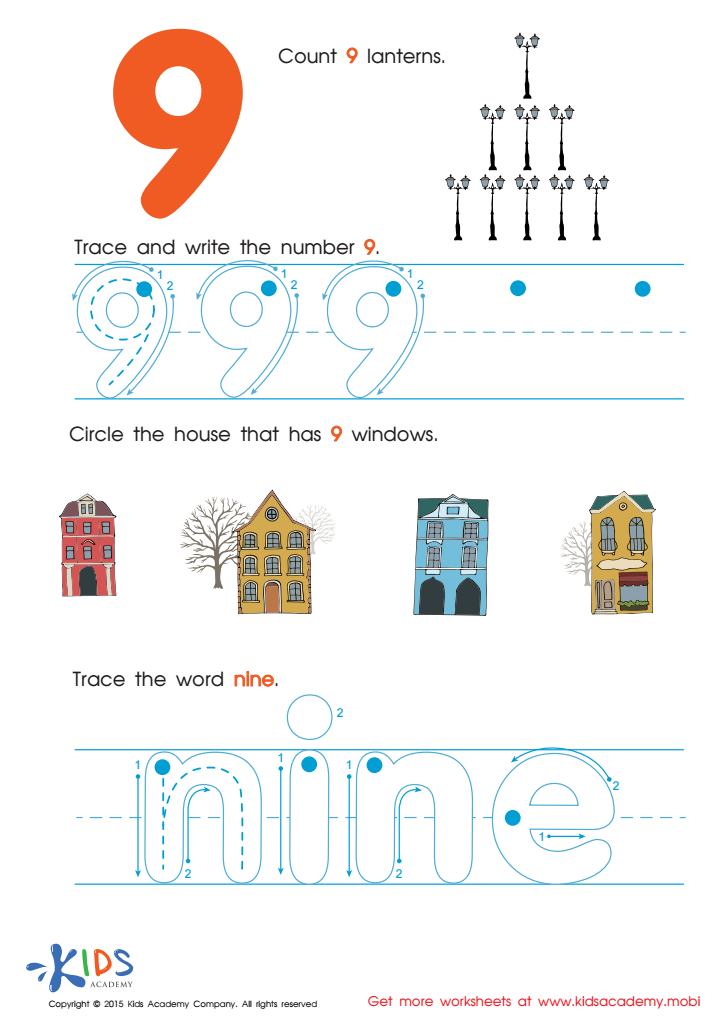
Tracing And Learning to Write Number 9 Worksheet
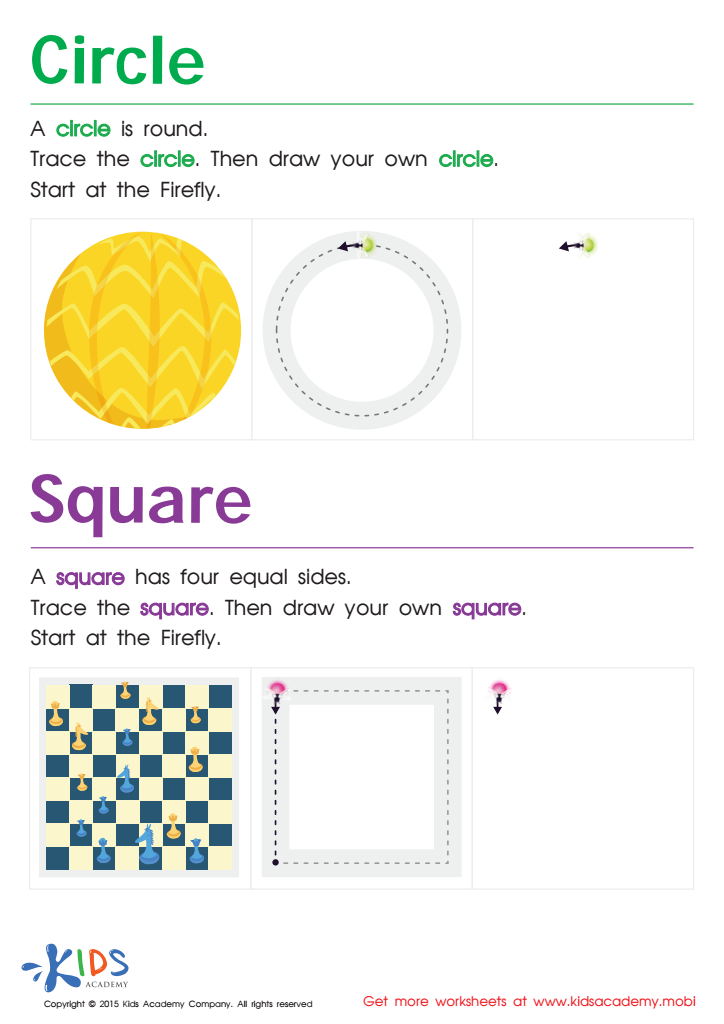
Trace And Draw a Circle And a Square Worksheet





Ensuring that children ages 6-9 have a strong foundation in Normal English for beginners is critical for their academic and social development. For parents and teachers, investing in this foundational learning sets the stage for a child's future success in various areas. At this developmental stage, children are highly receptive and capable of learning new concepts rapidly. Introducing normal English early helps in the cultivation of effective communication skills, which are paramount for expressing needs, building relationships, and actively participating in classroom activities.
Additionally, understanding basic English provides children with a structural framework for more advanced subjects. As language is the medium through which most education is delivered, proficiency in English eases their learning process in subjects such as science, math, and social studies. Children with a robust grasp of normal English tend to have improved reading comprehension, which boosts their confidence and fosters a positive attitude towards learning. Socially, being able to articulate feelings and thoughts helps children establish meaningful friendships and nurture a collaborative learning environment.
Moreover, early exposure to normal English also supports cognitive development, including memory, problem-solving, and logical thinking. By prioritizing this early, parents and teachers are essentially equipping children with vital tools needed for both immediate and long-term personal and academic achievements.