Normal Comparing Numbers Worksheets for Ages 6-9 - Page 2
32 filtered results
-
From - To
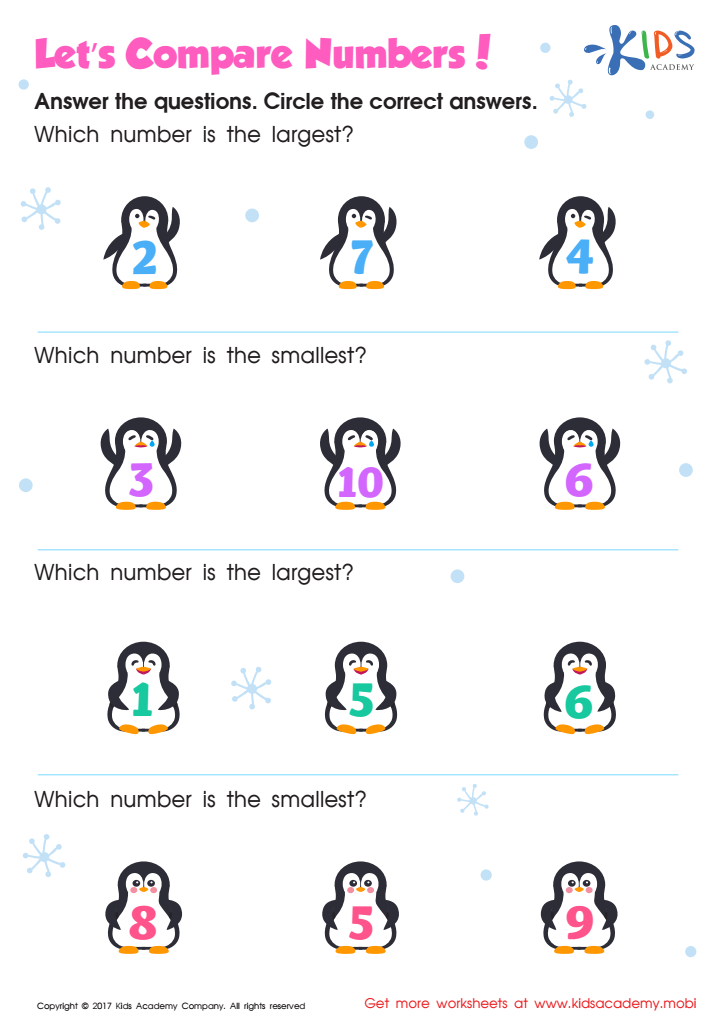
Comparing Numbers 1–10 Worksheet Kindergarten
 Assign to My Students
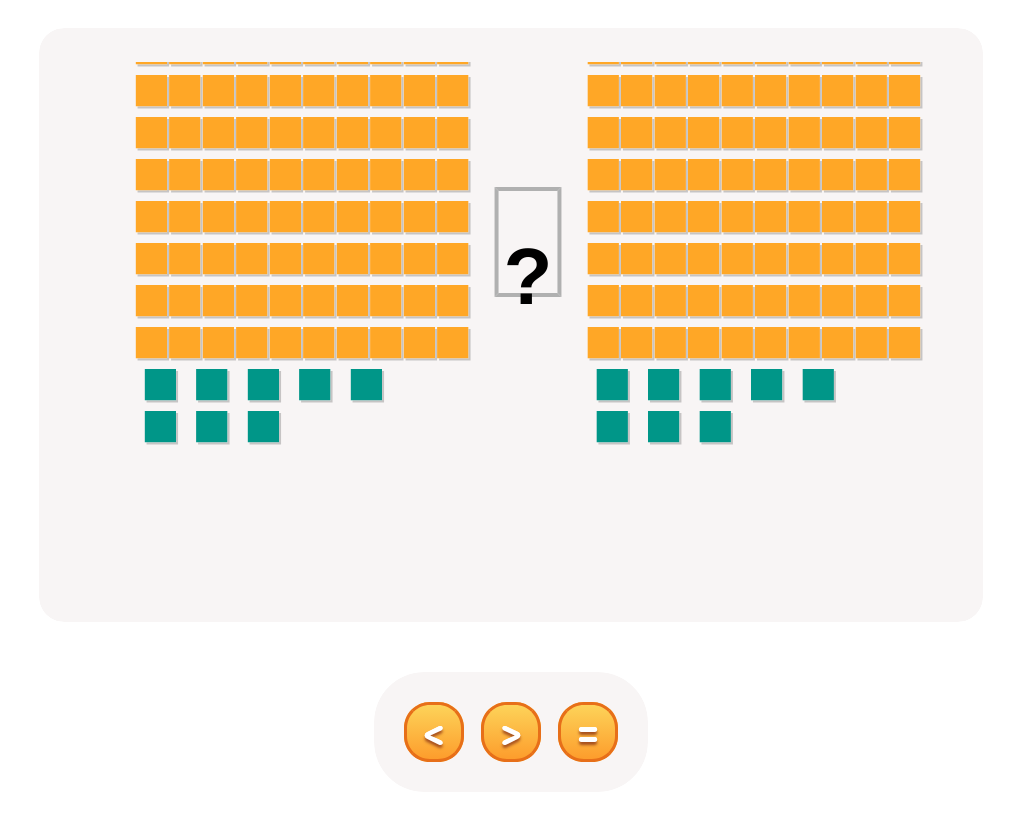

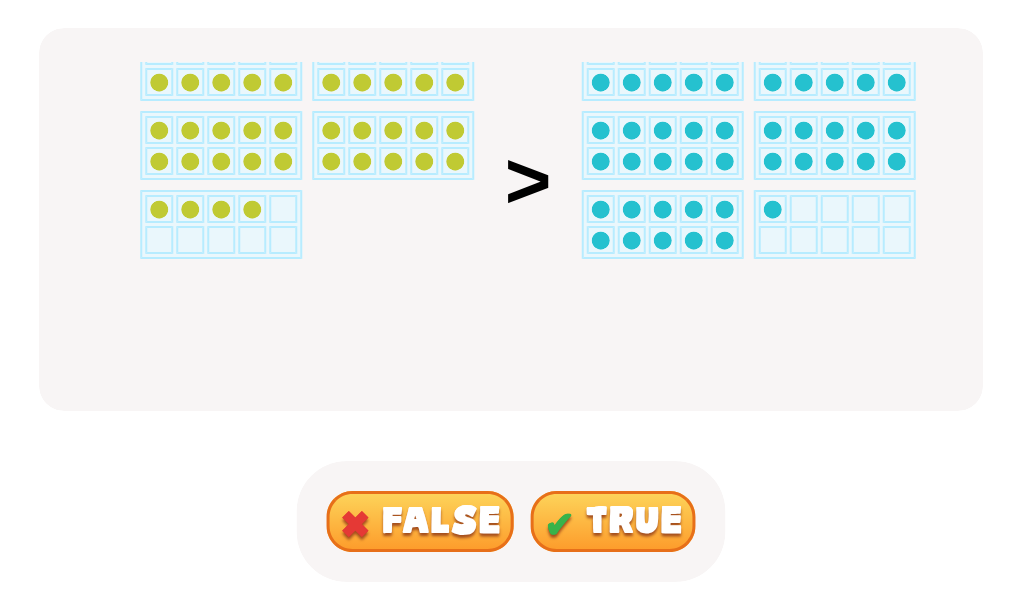
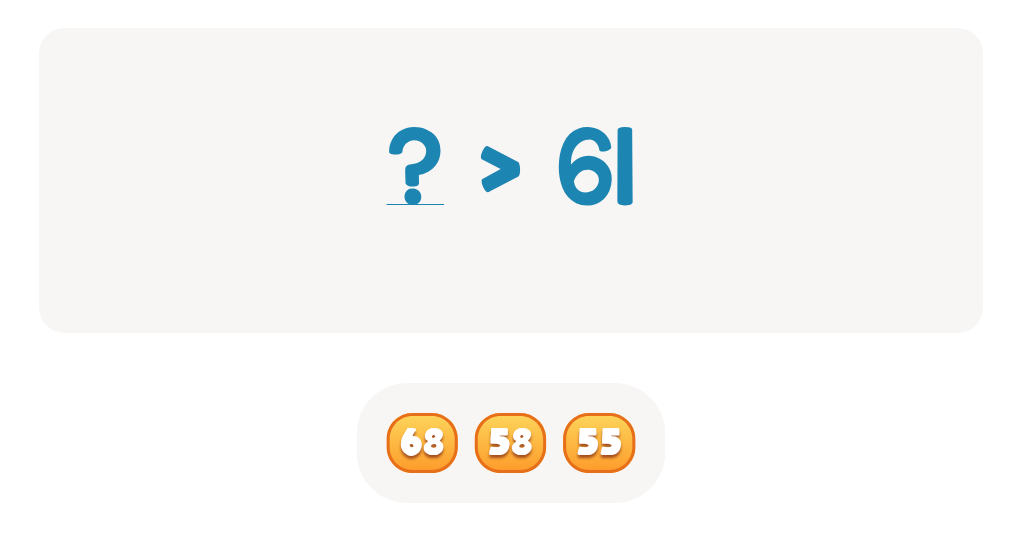
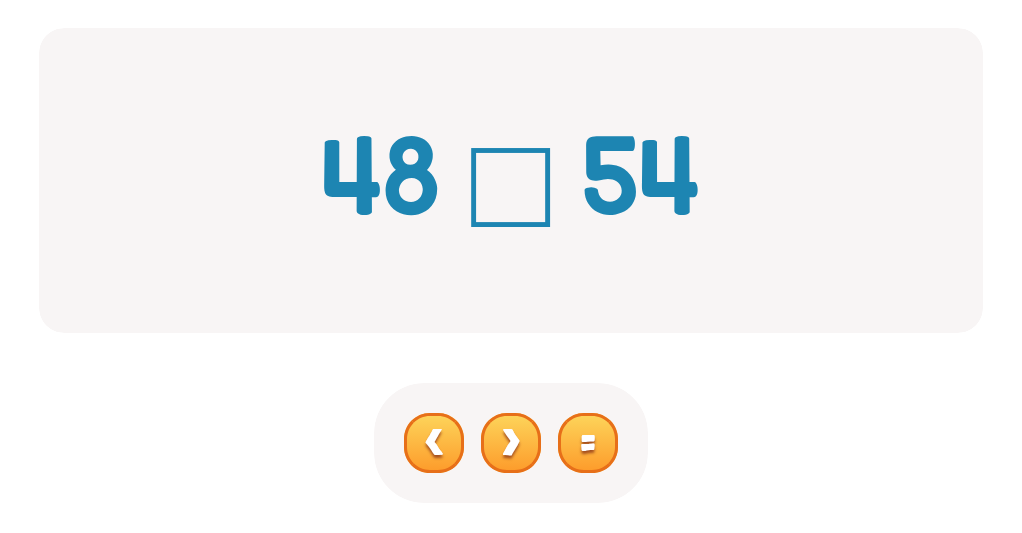
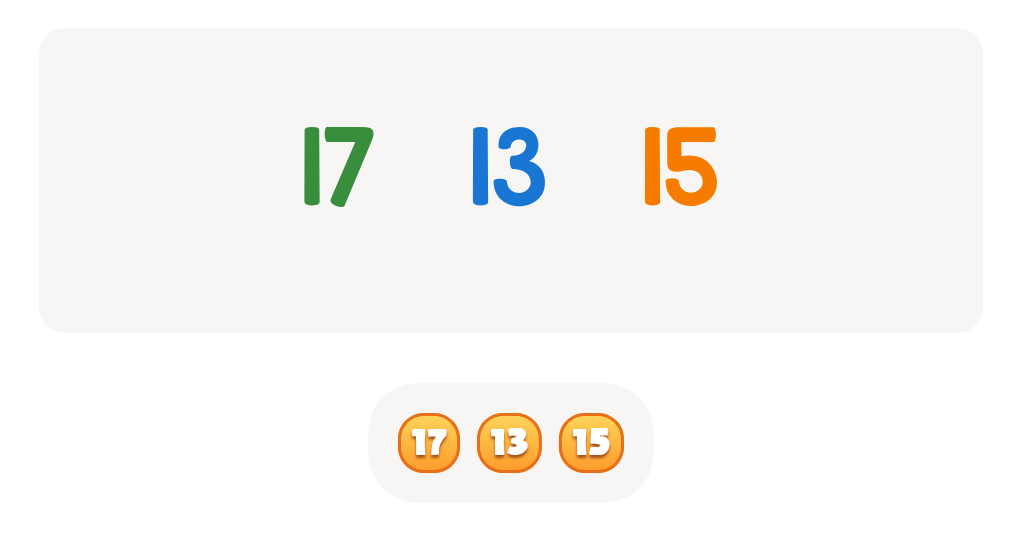
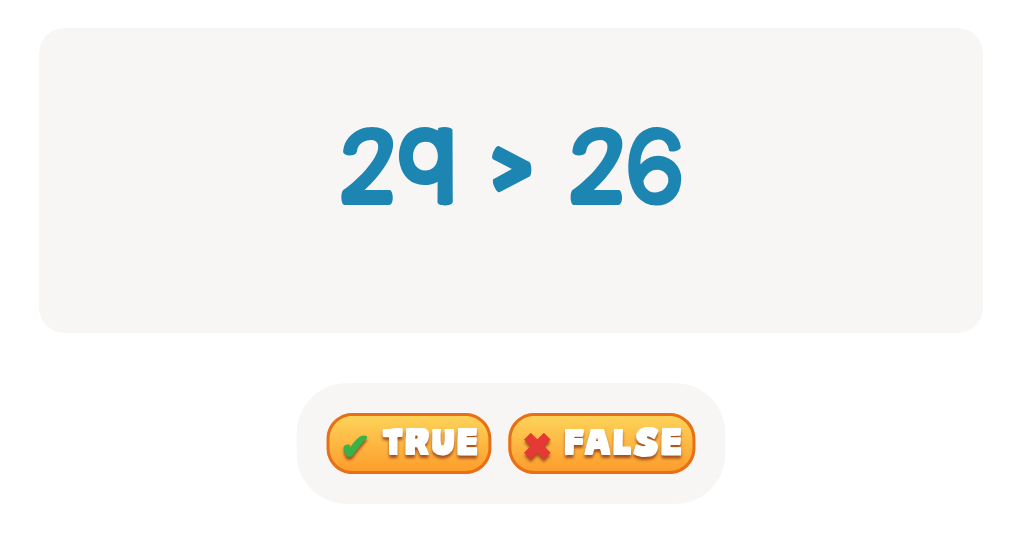
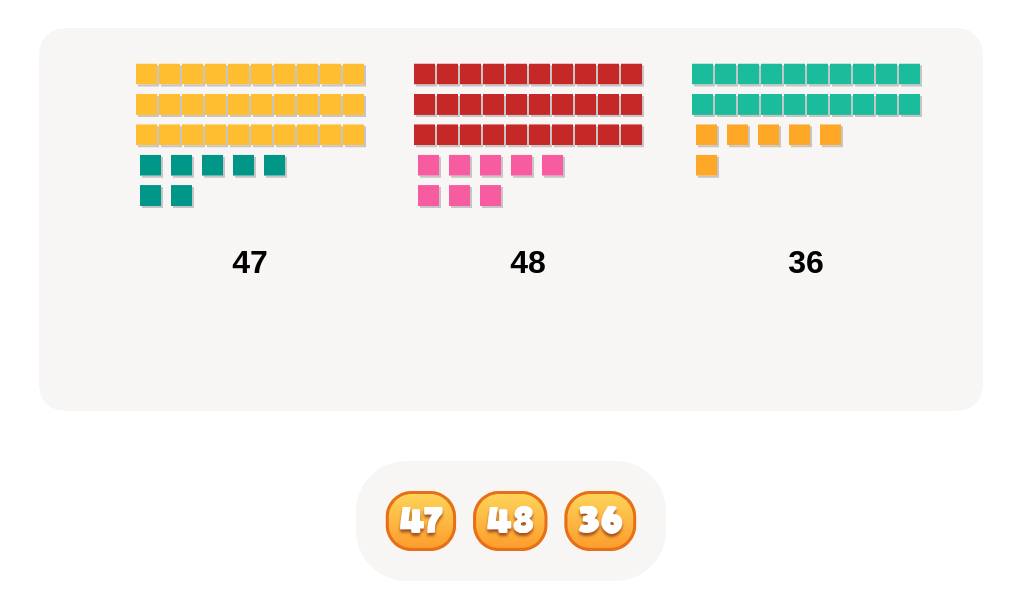
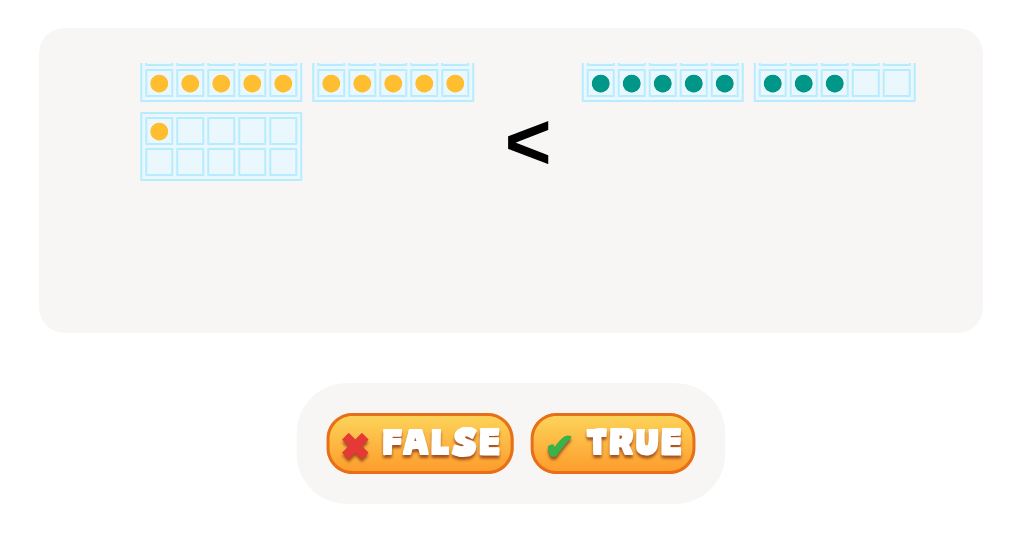
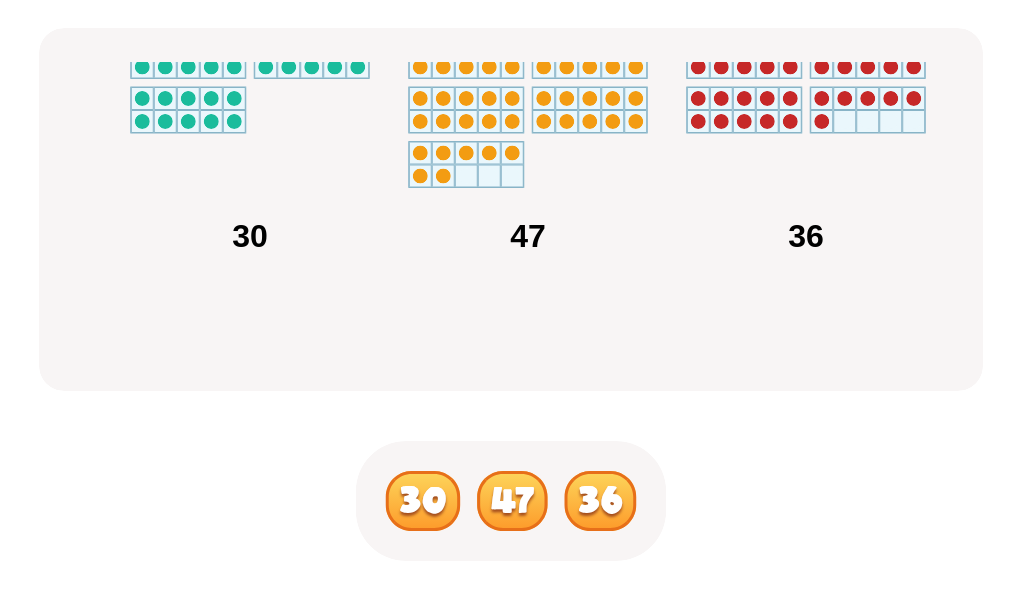
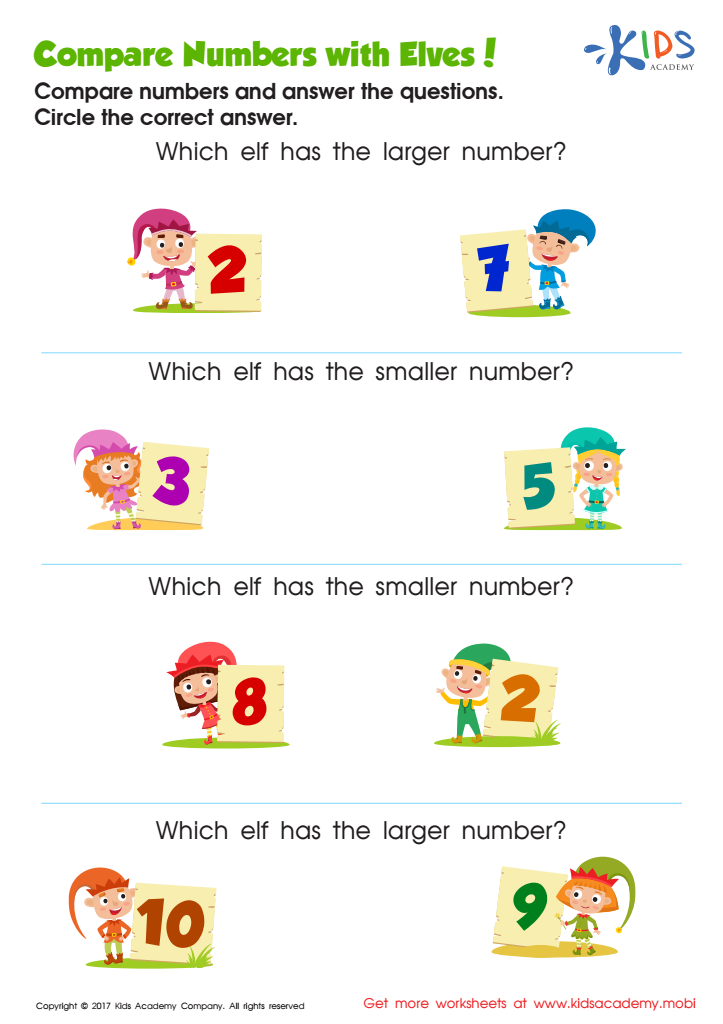
Comparing Numbers Worksheet for Kindergarten
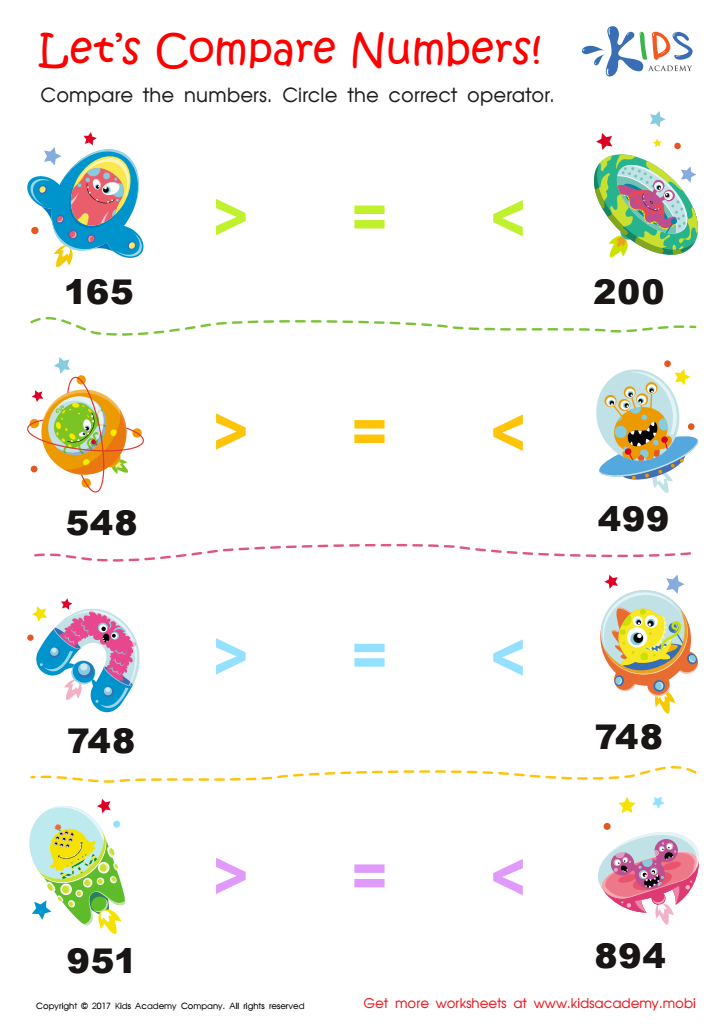
Comparing Numbers Worksheet for 2nd Grade
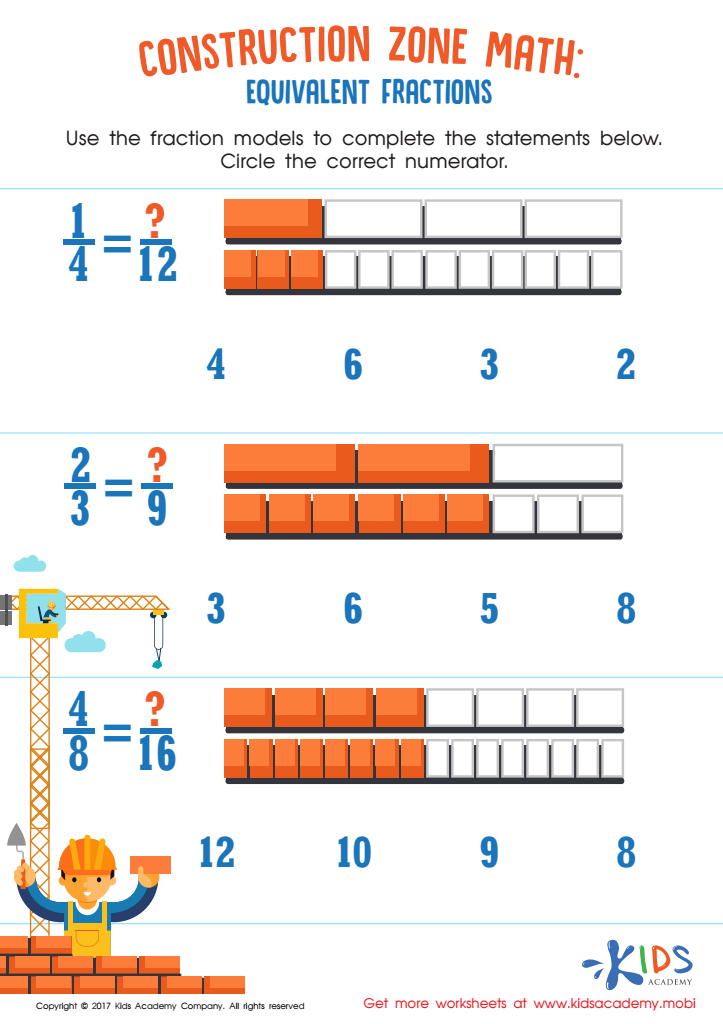
Equivalent Fractions Worksheet
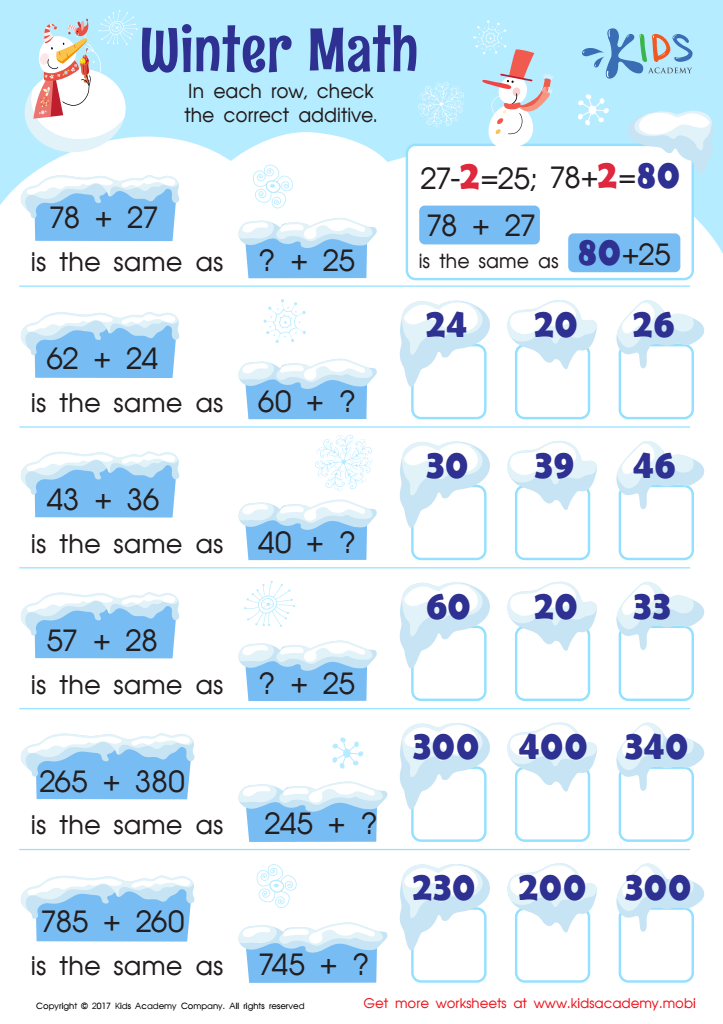
Free Addition Worksheet
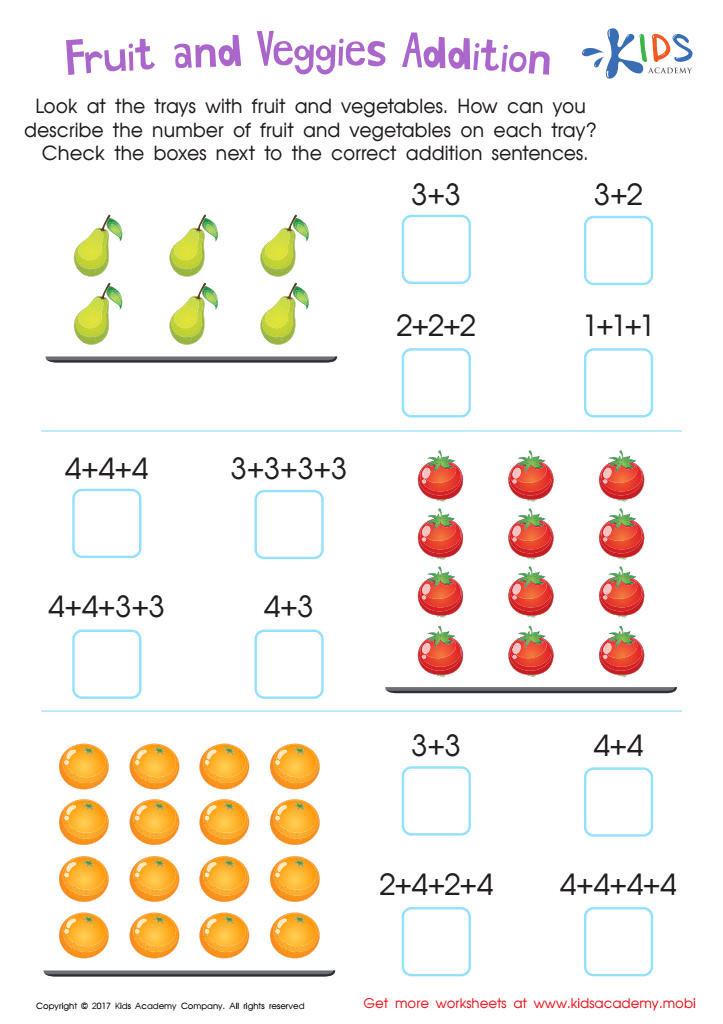
Fruit and Veggies Worksheet
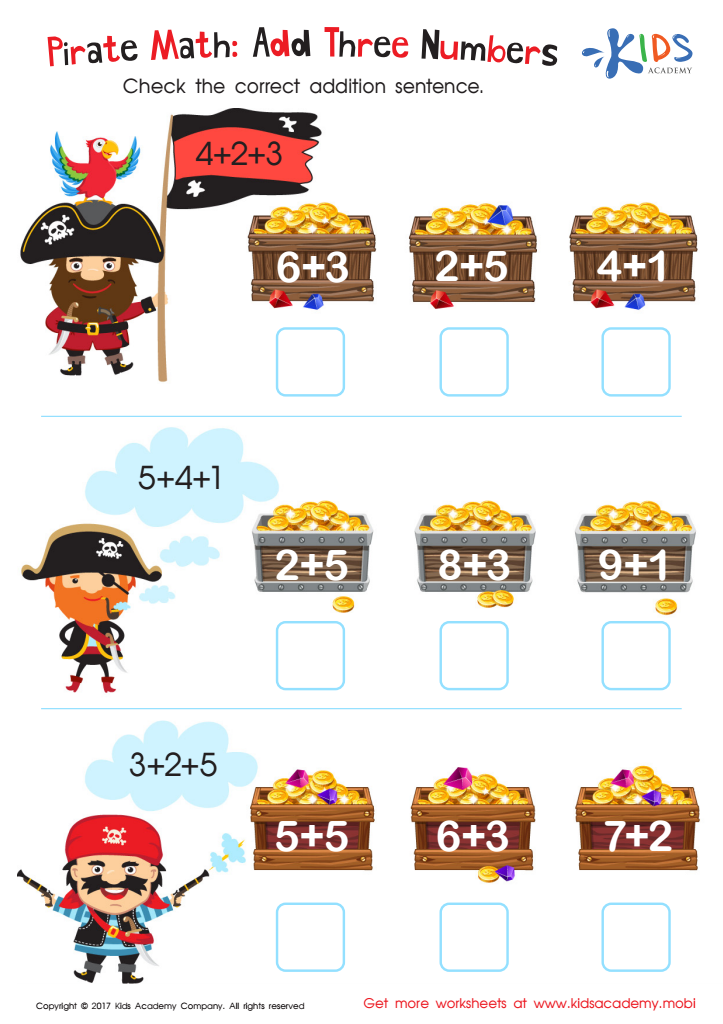
Pirate Math Printable
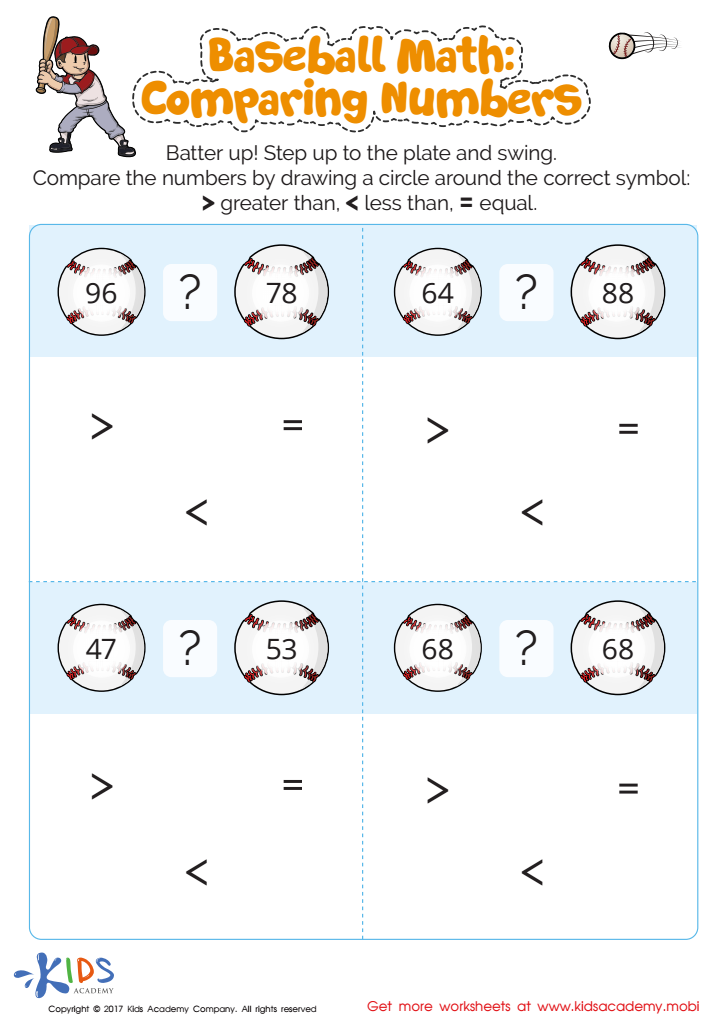
Compare Numbers Printable








Understanding normal comparing numbers is vital for children aged 6-9 because it lays the groundwork for essential math skills they will need throughout their academic and everyday lives. At this stage, children begin to develop number sense, the ability to understand and work with numbers flexibly. Comparing numbers involves recognizing which numbers are larger, smaller, or equal, and this skill is foundational for mastering more complex concepts like addition, subtraction, place value, and even problem-solving later on.
Parents and teachers who prioritize teaching normal comparing numbers help boost children's confidence and competence in math. By engaging in activities like memory games, number line exercises, or simple practical exercises such as comparing the number of apples to oranges, they make learning interactive and fun. This not only captures the child's interest but also reinforces their ability to apply math concepts to real-life situations.
Moreover, strong skills in comparing numbers are linked to better performance in standardized tests and broader academic success. Early proficiency in this area also fosters a positive attitude towards math, reducing math anxiety and encouraging a lifelong curiosity and enthusiasm for the subject. Therefore, paying attention to this simple yet significant aspect of early math education is crucial for laying a robust foundation for future learning.