Normal Numbers Worksheets for Ages 6-9
236 filtered results
-
From - To
Discover a collection of engaging normal numbers worksheets designed specifically for children ages 6-9! These worksheets help young learners master number recognition, counting, and basic arithmetic skills through fun and interactive activities. With vibrant illustrations and age-appropriate challenges, kids will enjoy practicing their math skills while building confidence in their abilities. Our comprehensive resources encourage independent learning and are perfect for both classroom use and at-home practice. Whether you’re a teacher or a parent, these worksheets are an excellent tool to support your child’s numerical development. Explore our selection and watch your child thrive as they learn numbers effortlessly!
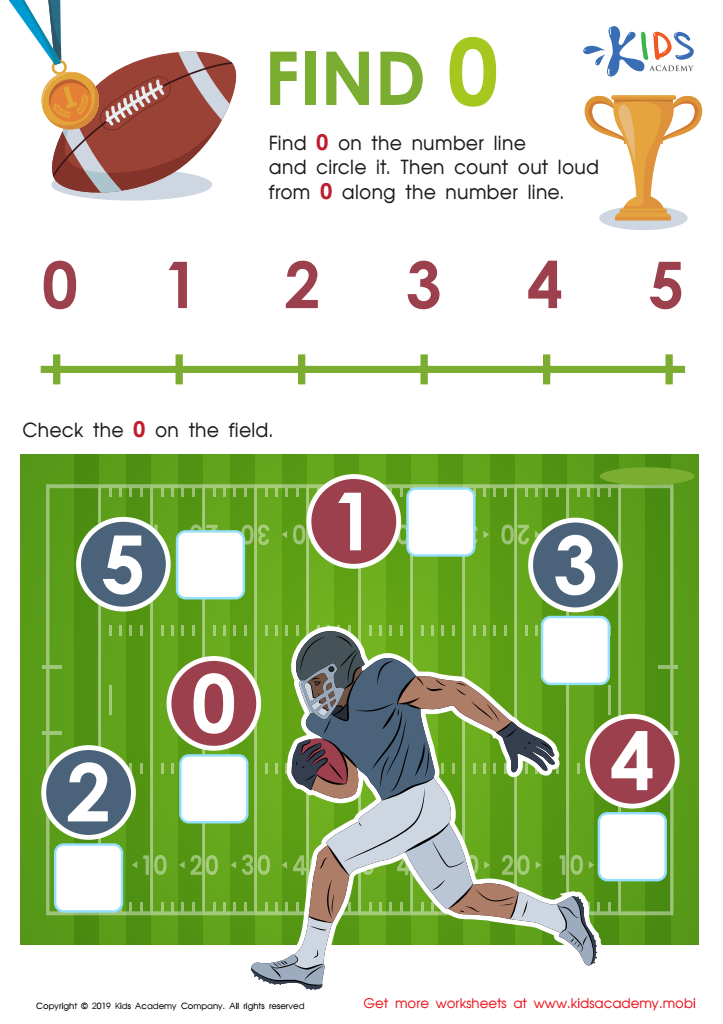
Find 0 Worksheet
 Assign to My Students
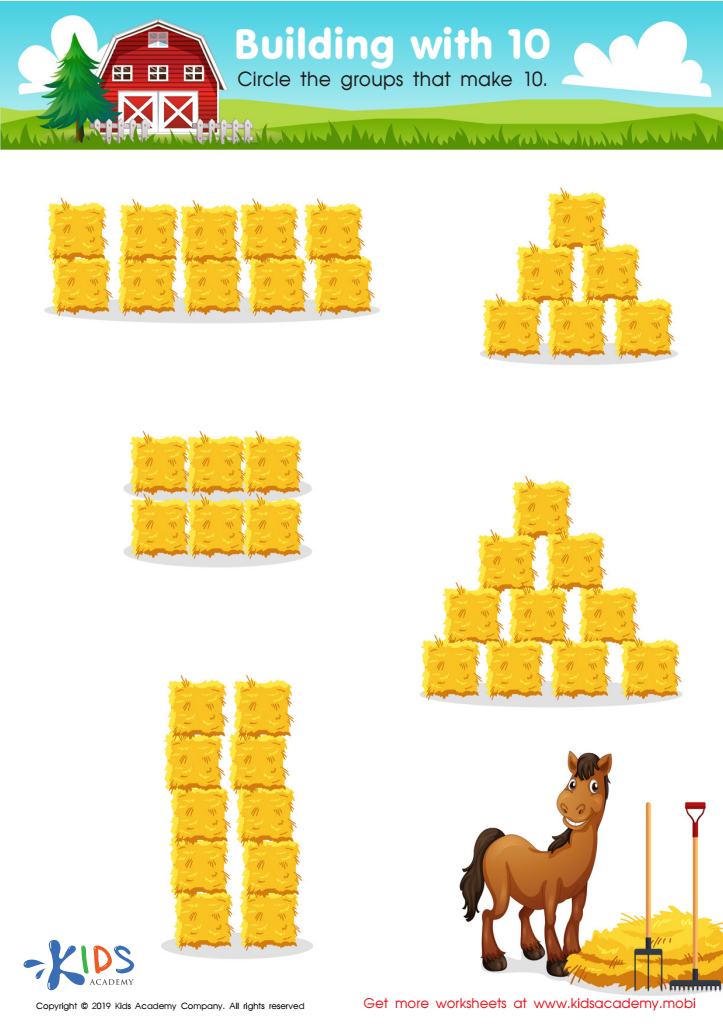
Building with 10 Worksheet
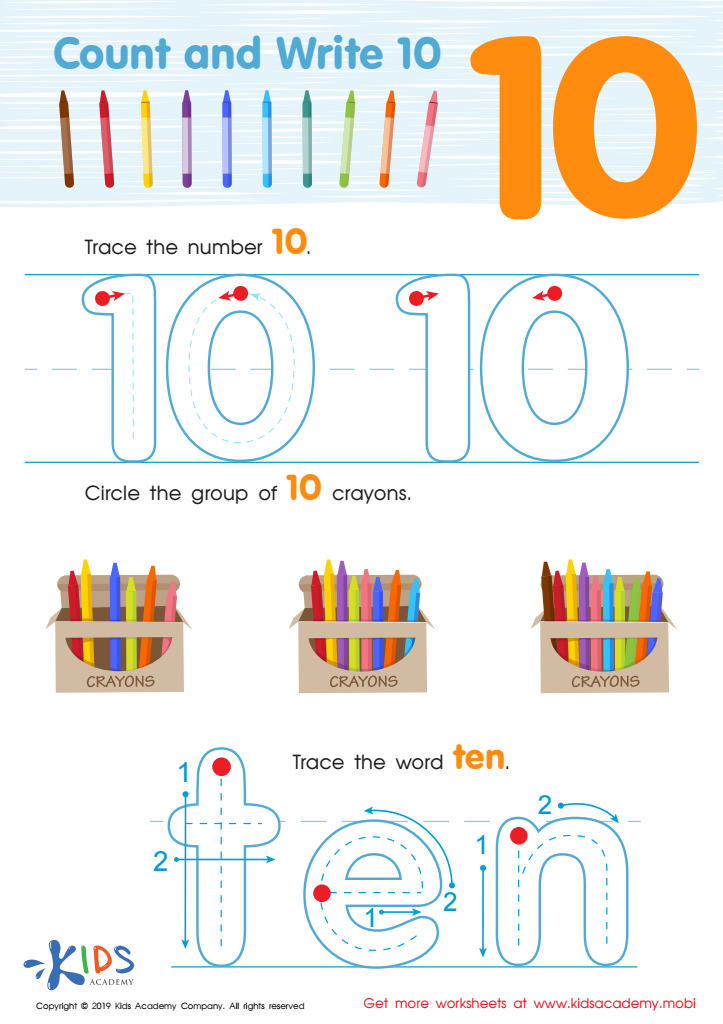
Count and Write 10 Worksheet
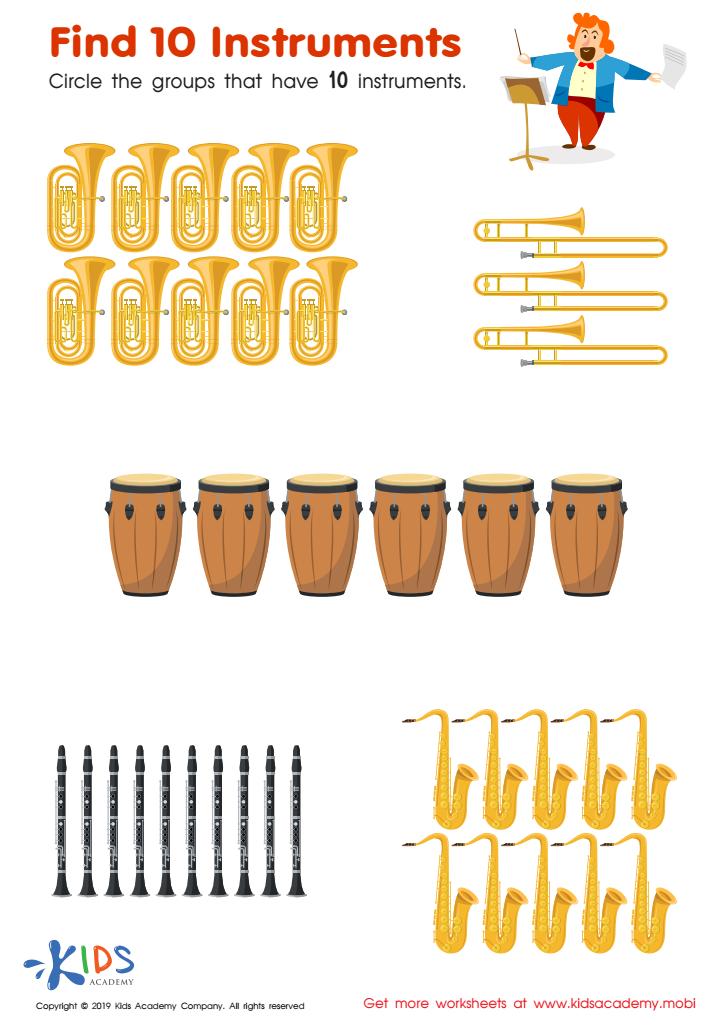
Find 10 Instruments Worksheet
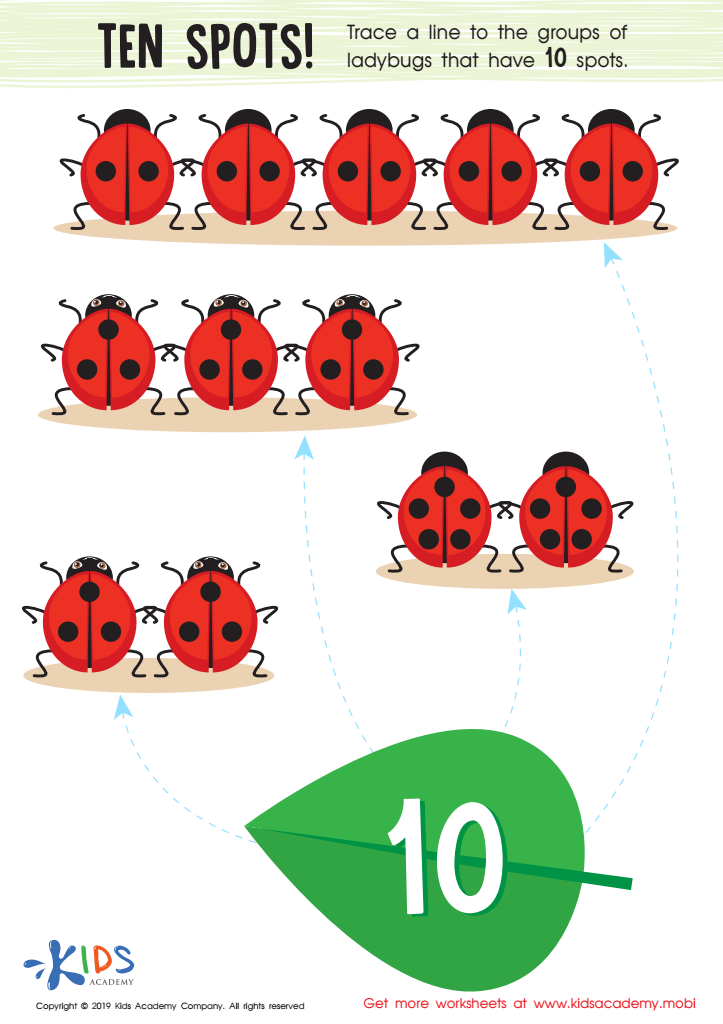
Ten Spots Worksheet

Lily Pad Pond Counting Worksheet
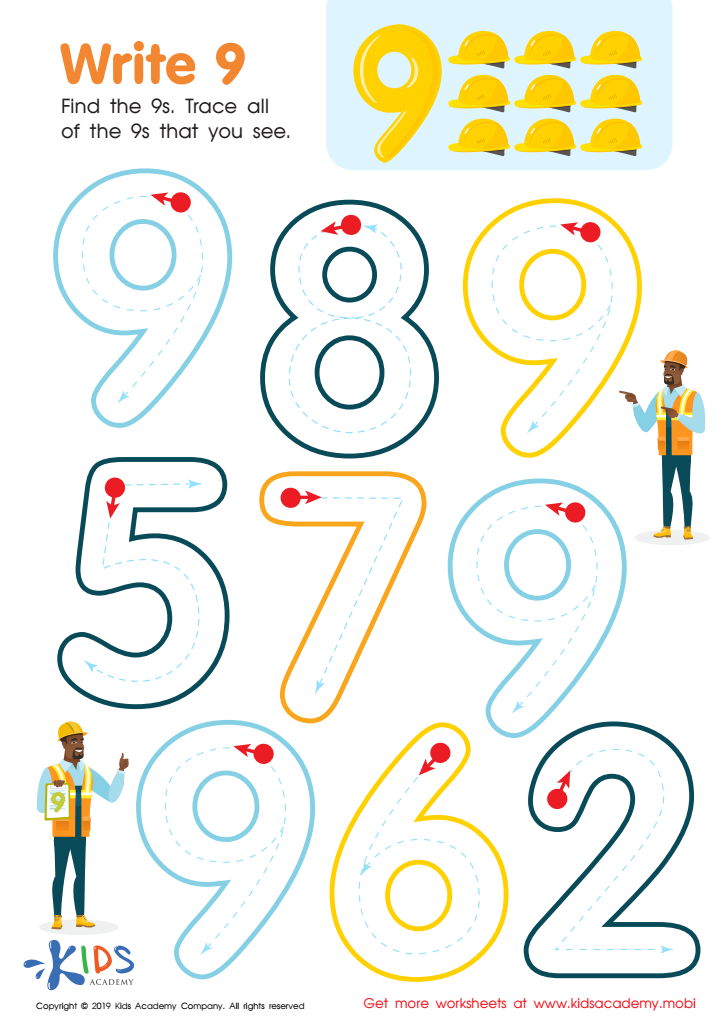
Write 9 Worksheet
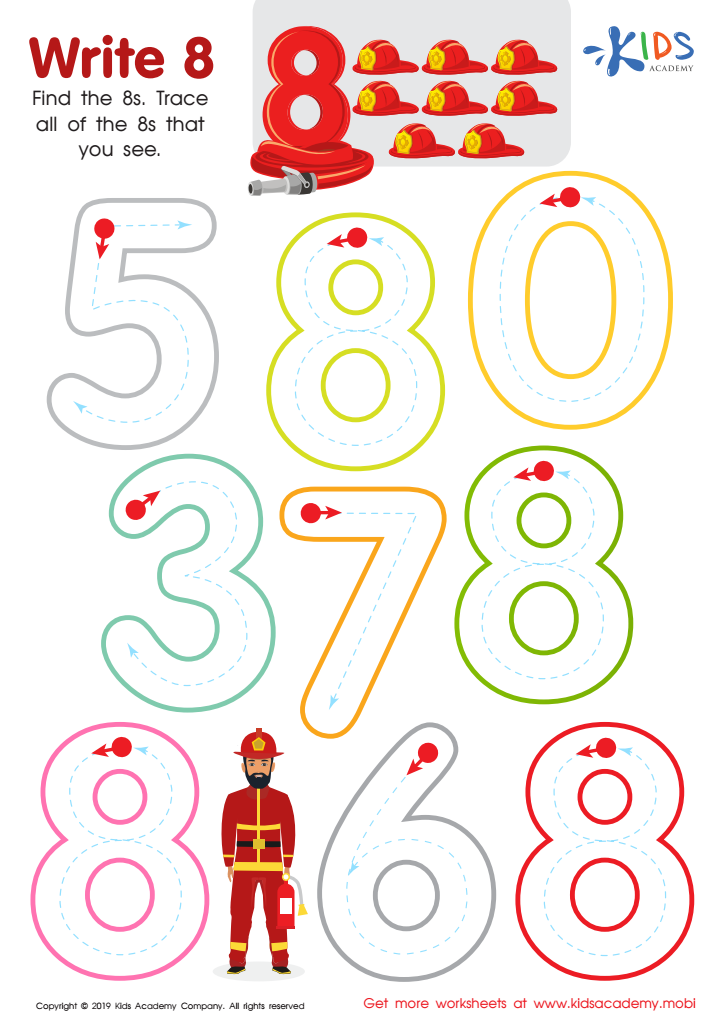
Write 8 Worksheet

8 Petals Worksheet
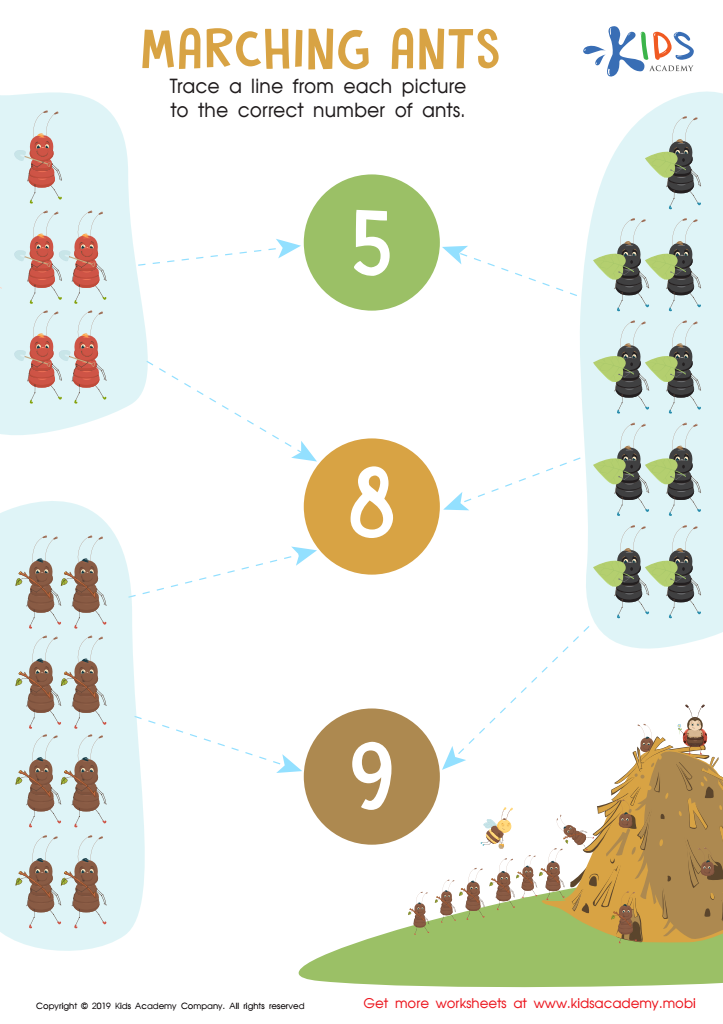
Marching Ants Worksheet
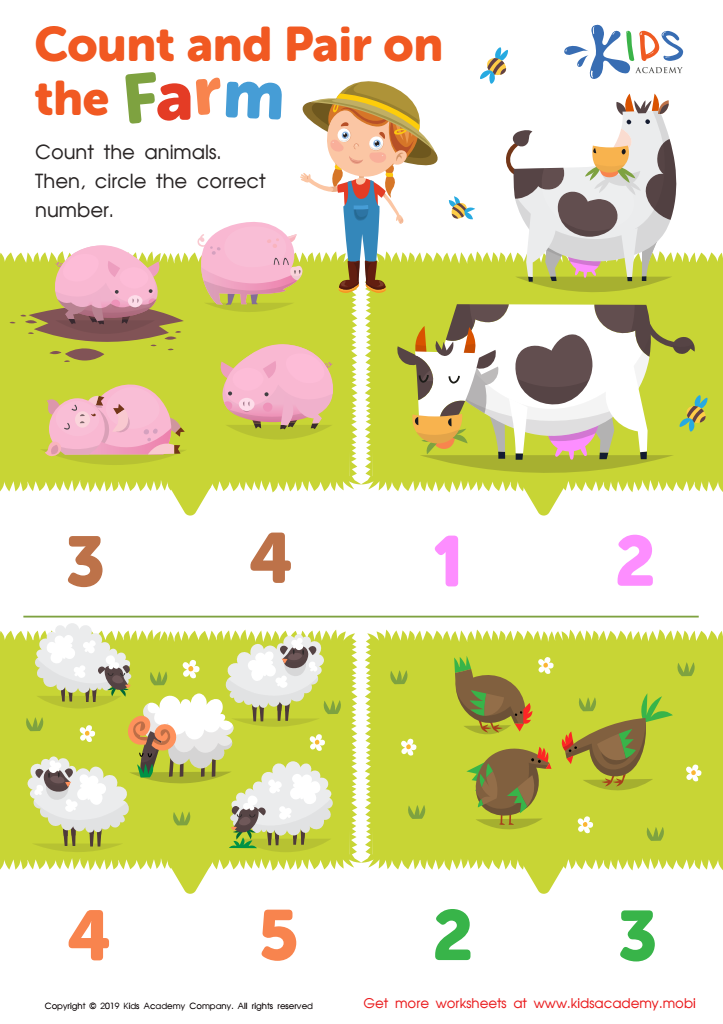
Count and Pair on the Farm Worksheet
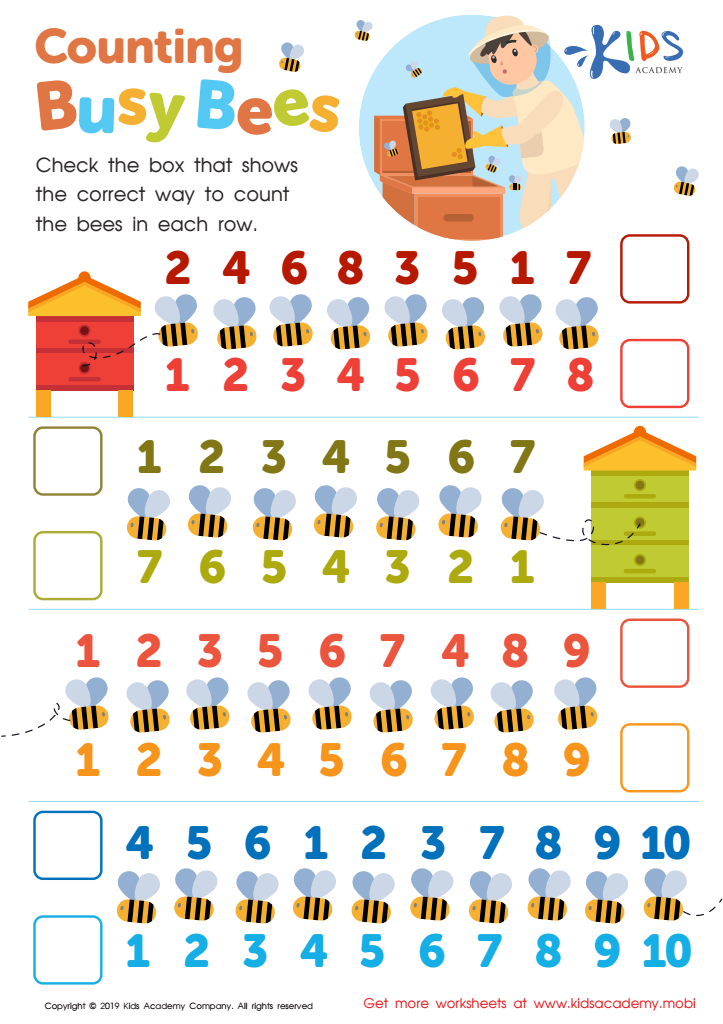
Counting Busy Bees Worksheet
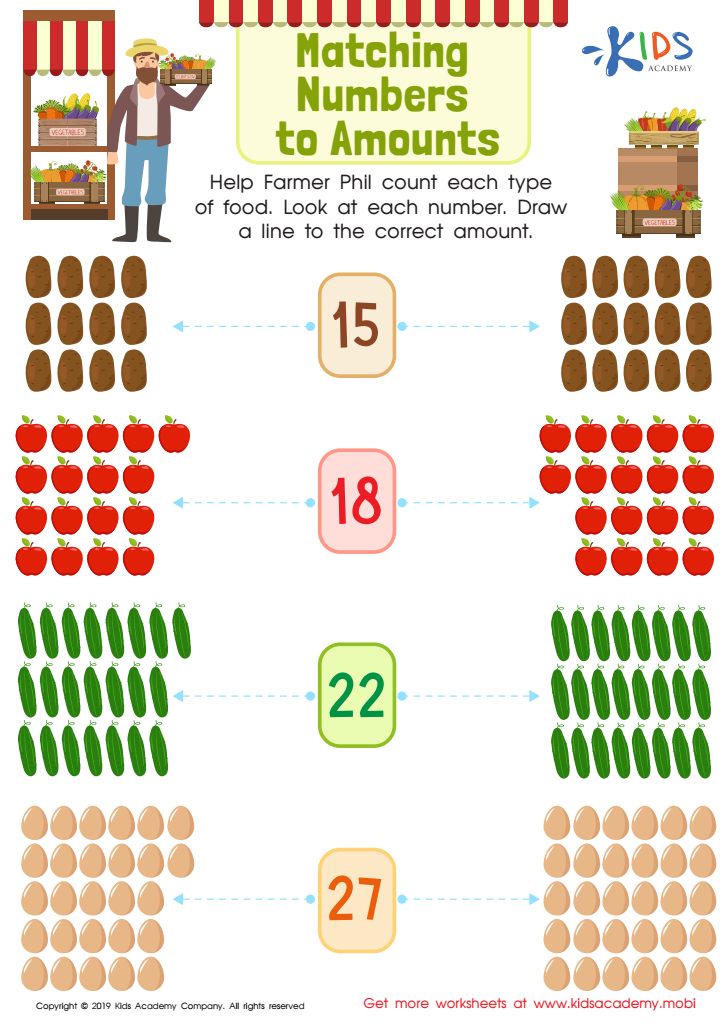
Matching Numbers to Amounts Worksheet
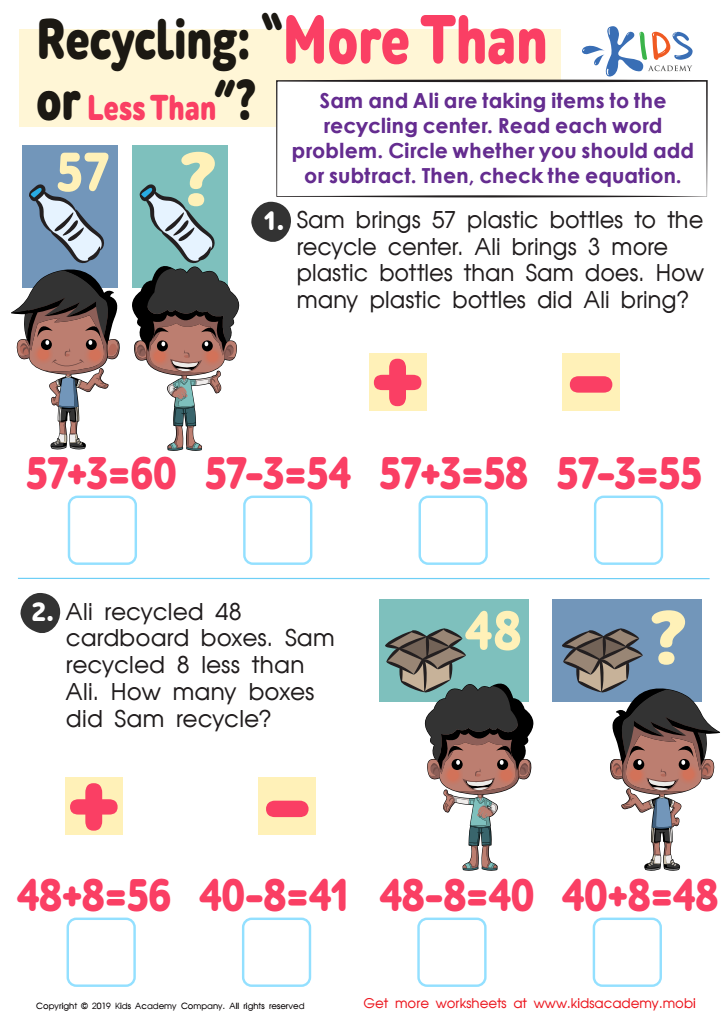
Recycling - More or Less Worksheet

Build with 7 Worksheet
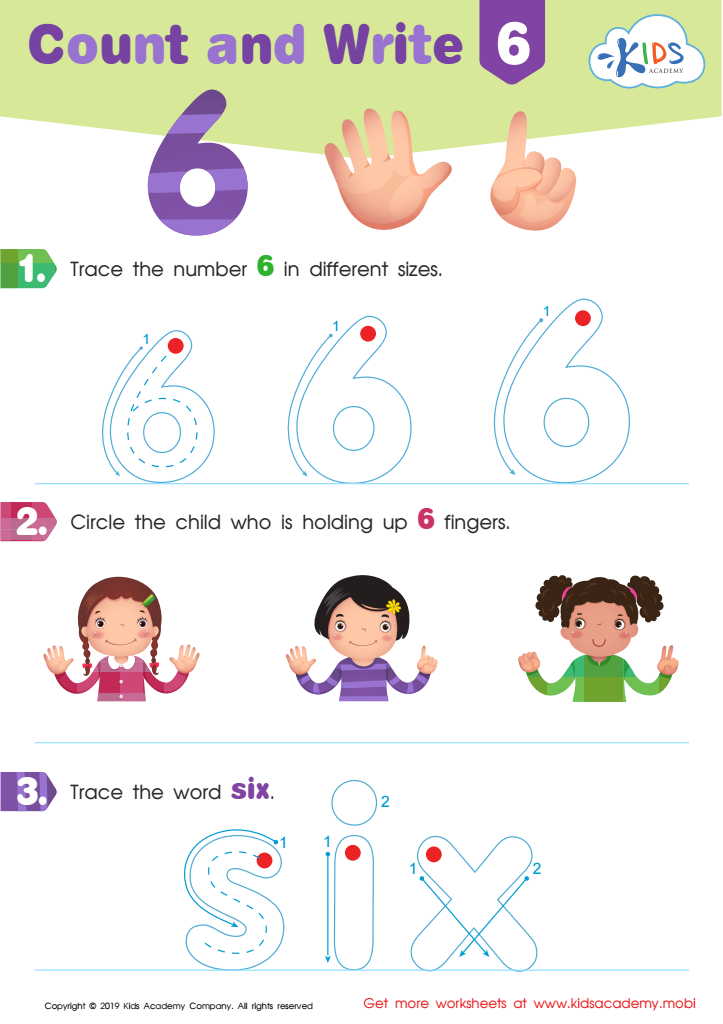
Count and Write 6 Worksheet
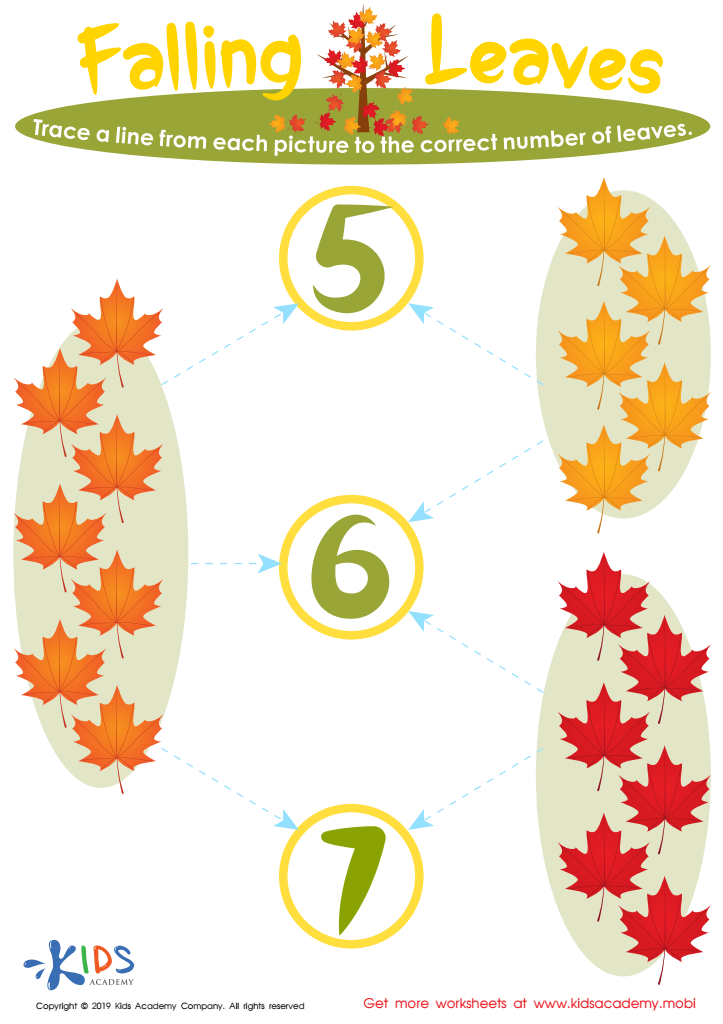
Falling Leaves Worksheet
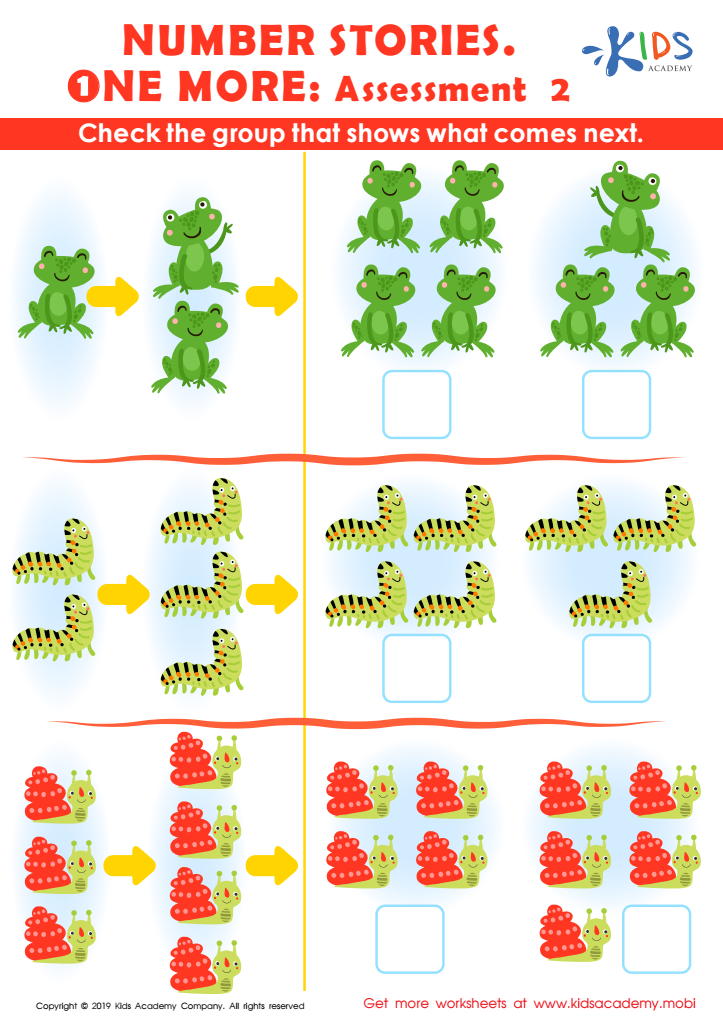
Number Stories One More – Assessment 2 Worksheet
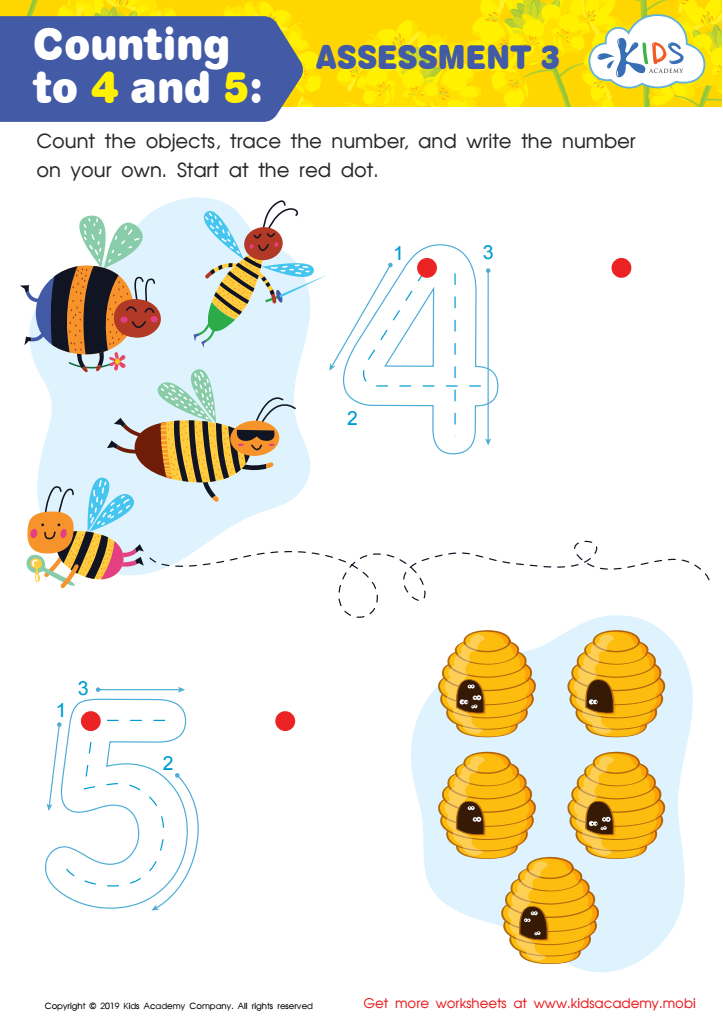
Counting to 4 and 5: Assessment 3 Worksheet
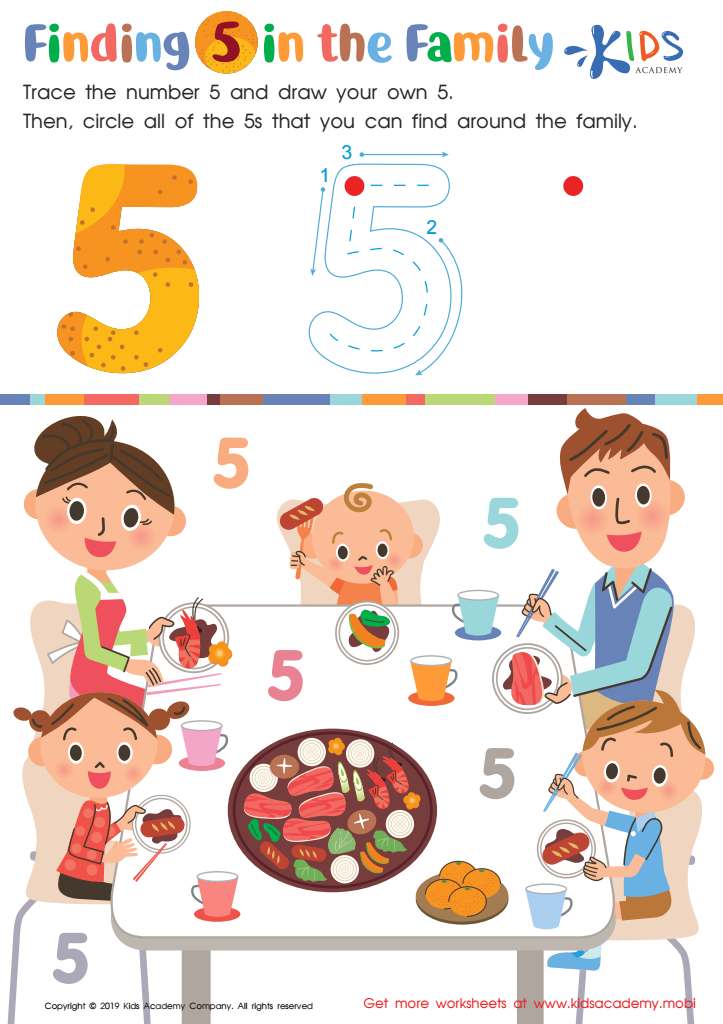
Finding 5 in the Family Worksheet
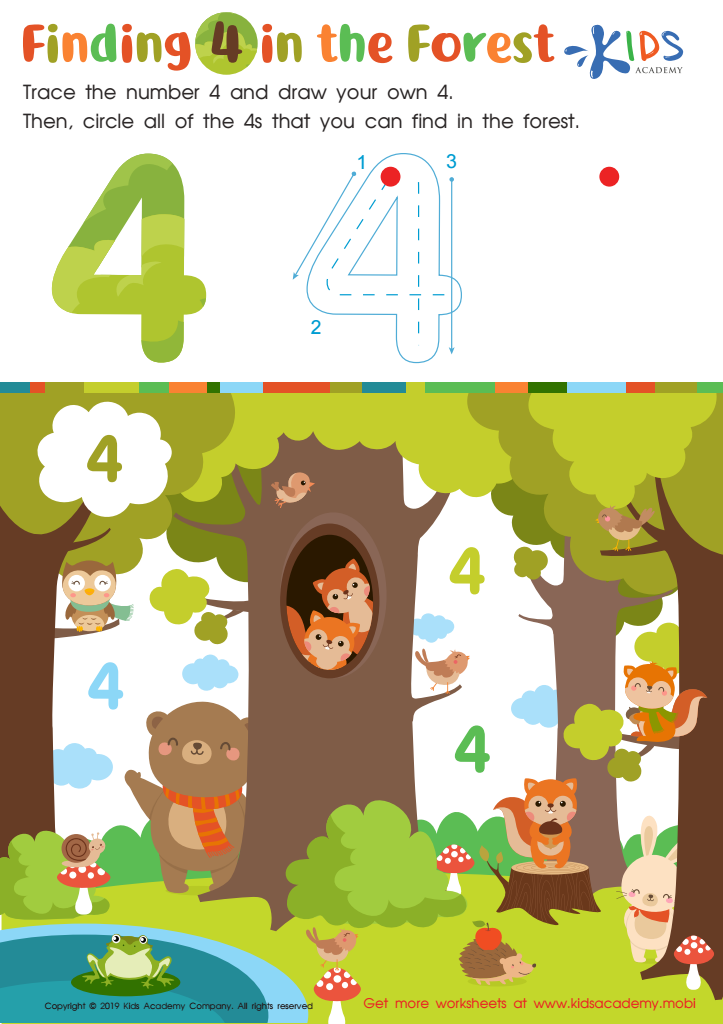
Finding 4 in the Forest Worksheet
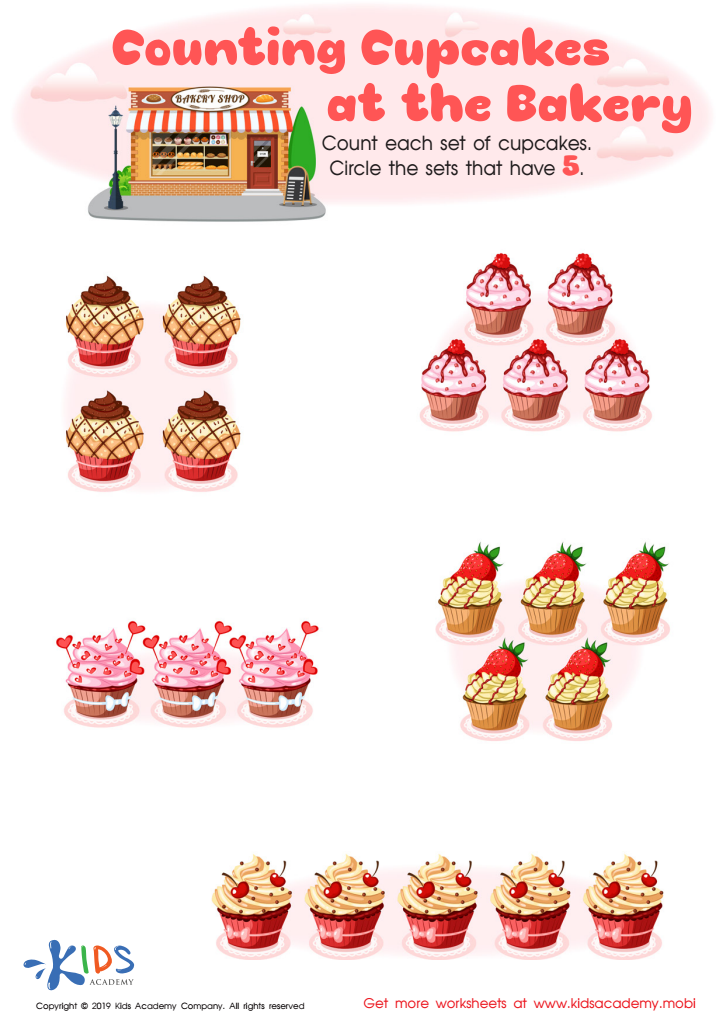
Counting Cupcakes Worksheet
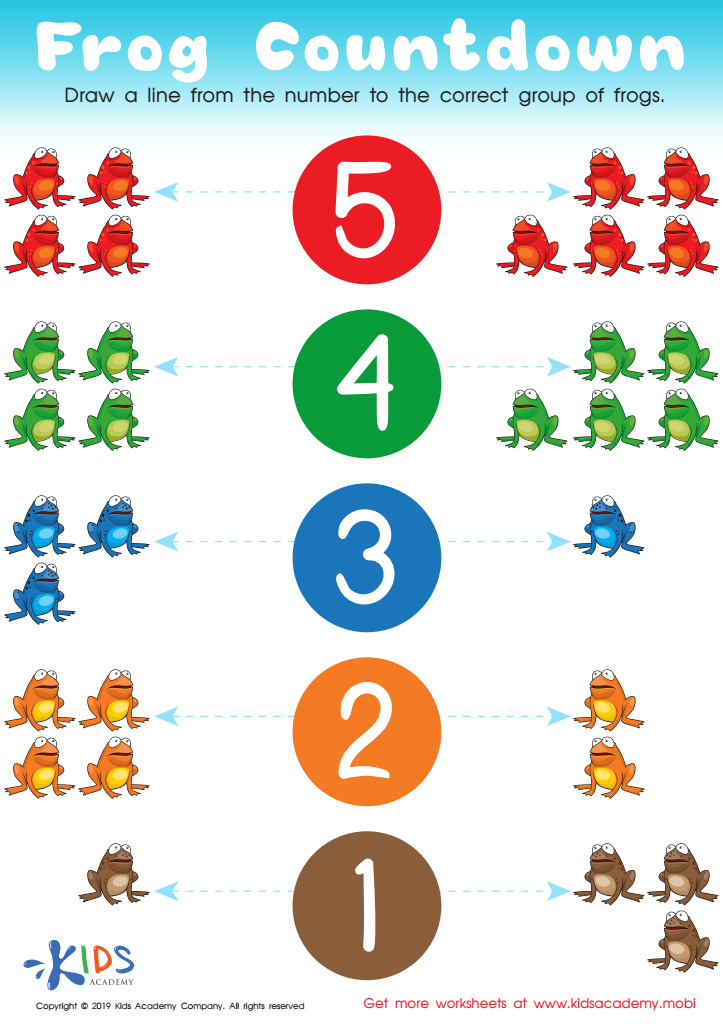
Frog Countdown Worksheet
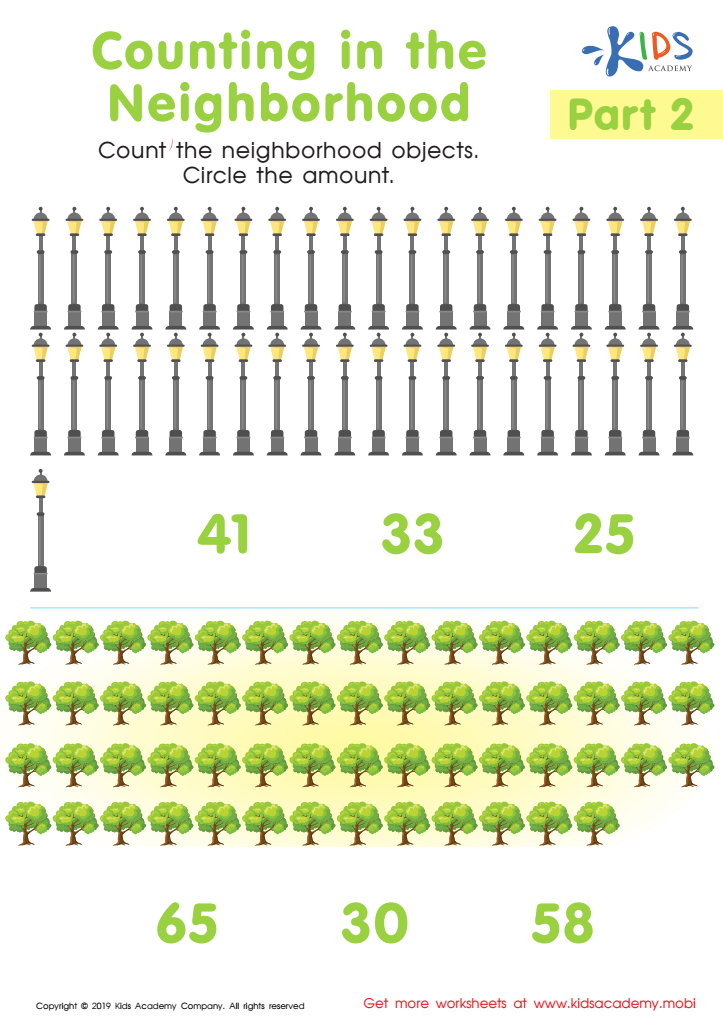
Counting In The Neighborhood Part 2 Worksheet








Normal numbers are fascinating mathematical concepts that can spark curiosity and critical thinking in children ages 6-9. Understanding normal numbers can help children grasp fundamental principles of probability and randomness, nurturing their problem-solving skills. Teaching young learners about normal numbers encourages them to think about the distribution of digits in numbers and how patterns emerge.
Parents and teachers play a crucial role in building a strong mathematical foundation. When young students engage with normal numbers, they develop an appreciation for statistics and data analysis. This understanding is essential as they advance in their education and face increasingly complex mathematical concepts.
Moreover, exploring normal numbers fosters a sense of wonder and excitement about math. It encourages children to see mathematics as a dynamic and rich field, rather than a static set of rules. This can mitigate math anxiety and motivate kids to pursue further studies in STEM (Science, Technology, Engineering, and Mathematics).
Integrating normal numbers into everyday learning also promotes communication skills as children discuss their findings and share perspectives with peers. Ultimately, cultivating a positive mindset toward mathematics at an early age sets the stage for lifelong learning and can lead to a deeper engagement with the world around them.








