Normal Reading Fiction Worksheets for Ages 6-9 - Page 5
100 filtered results
-
From - To
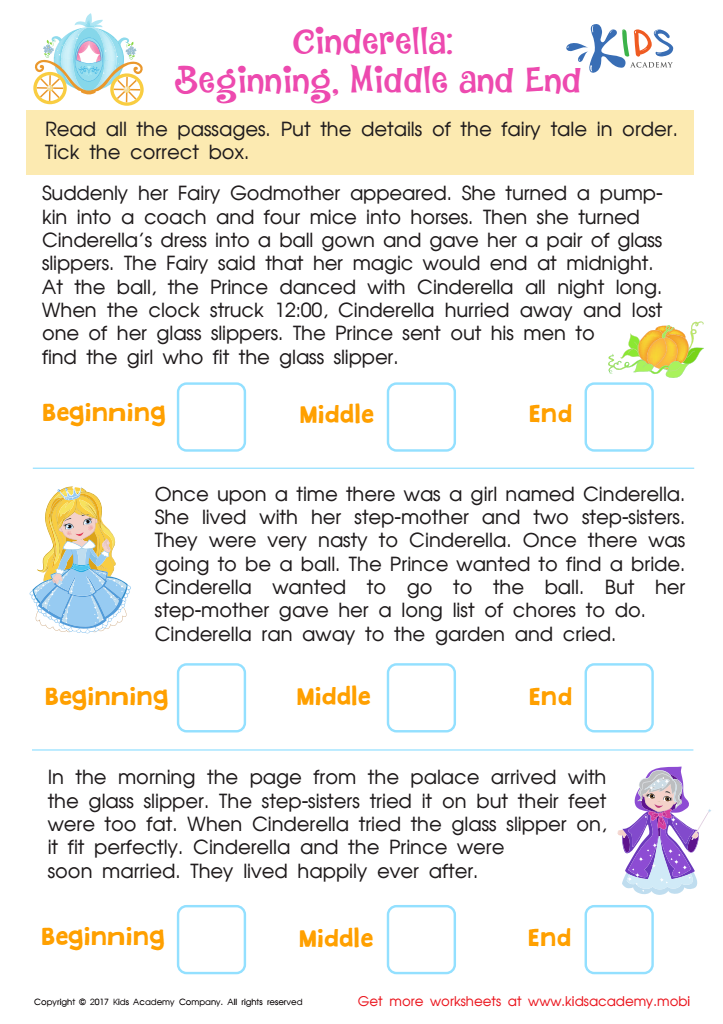
Cinderella: Beginning, Middle and End Worksheet
 Assign to My Students
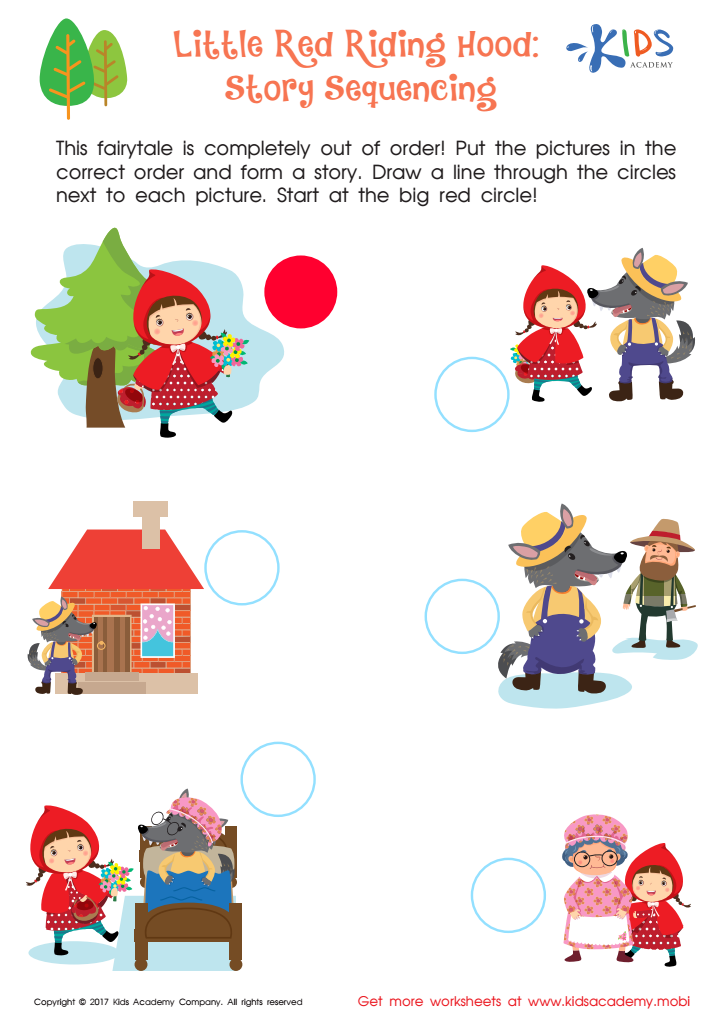
Story Sequencing Printable
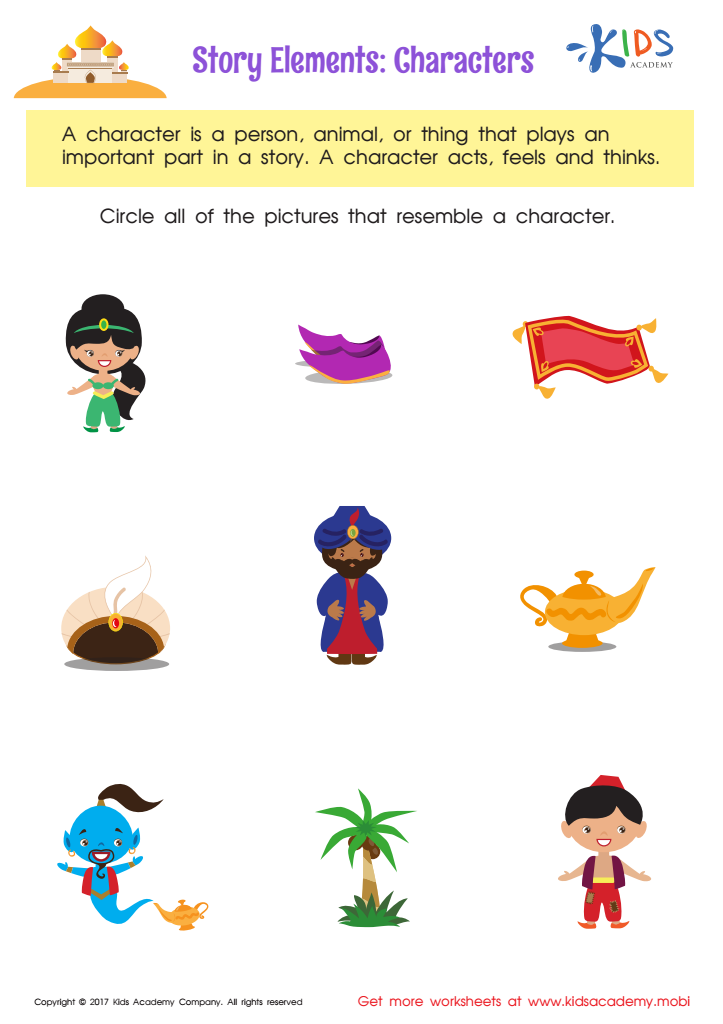
Story Elements Printable
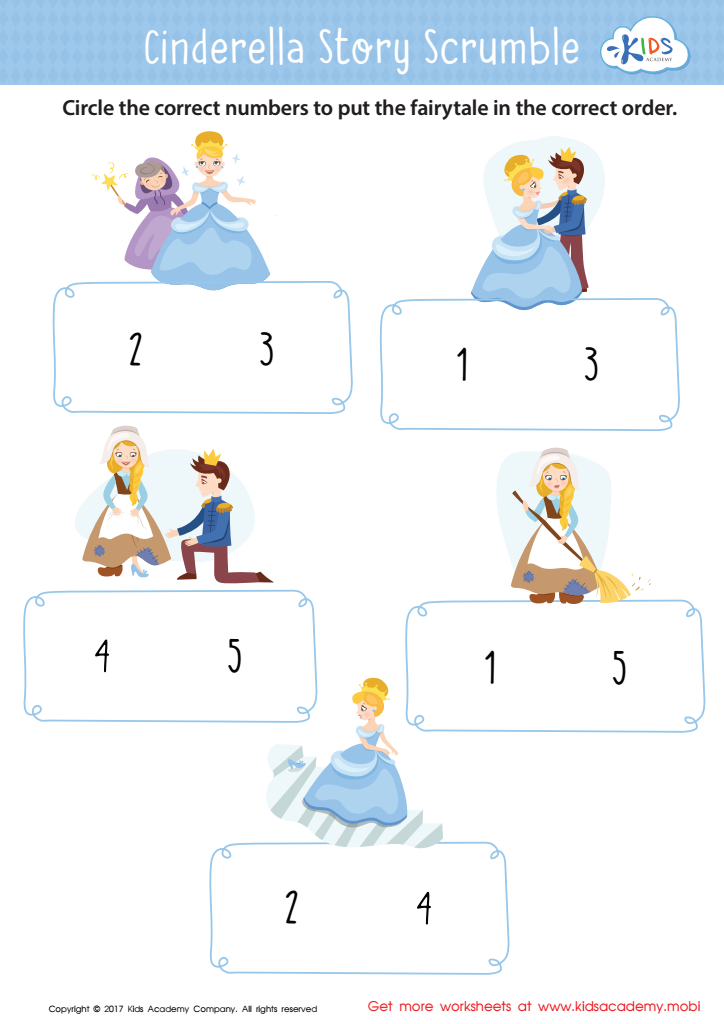
Cinderella Story Sequencing Worksheet








Normal Reading Fiction for ages 6-9 holds a vital place in a child's developmental journey, making it crucial for parents and teachers to prioritize this genre. At this stage, children are developing essential literacy skills, including vocabulary, comprehension, and critical thinking. Engaging with age-appropriate fiction allows young readers to explore varied themes, fostering a love for reading and encouraging creativity and imagination.
Fiction helps children understand different perspectives and cultures, promoting empathy and social awareness. Stories often reflect real-life situations, enabling them to navigate their feelings and experiences, and offering spaces to discuss important values like friendship, honesty, and resilience.
Moreover, normal reading fiction is specially tailored to their cognitive abilities, ensuring that the stories are engaging yet comprehensible. It helps build confidence as children learn to decode texts, while also providing enjoyment that will keep them coming back to books.
For parents and teachers, nurturing this love for reading through normal fiction creates a foundation for lifelong learning, enhancing educational outcomes in all subjects. By reading together, they also strengthen bonds and dialogue, fostering a home and school culture that values literacy. Ultimately, investing time in normal reading fiction is both valuable and enriching for a child's holistic development.







