Normal Physical Science Worksheets for Ages 6-9 - Page 3
71 filtered results
-
From - To
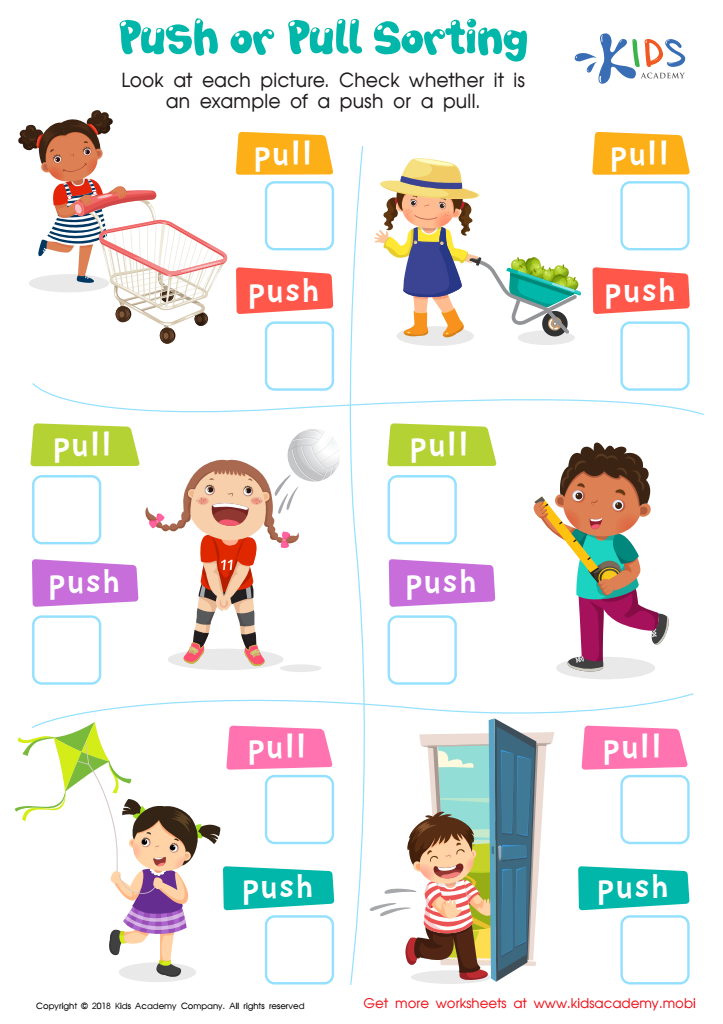
Push or Pull Sorting Worksheet
 Assign to My Students
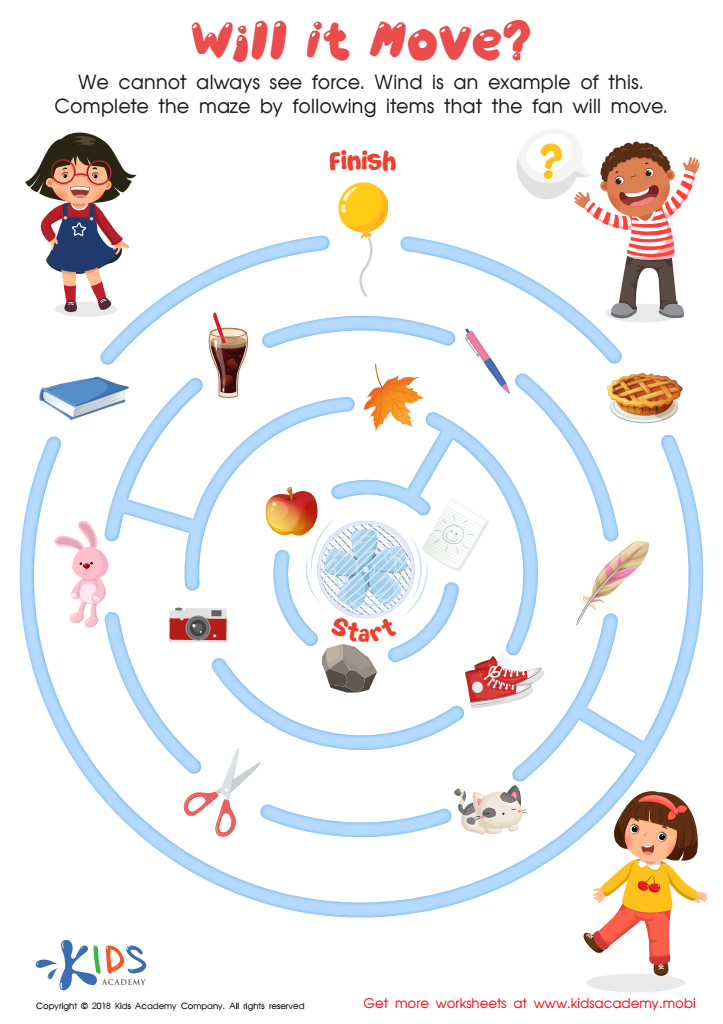
Will it Move? Worksheet
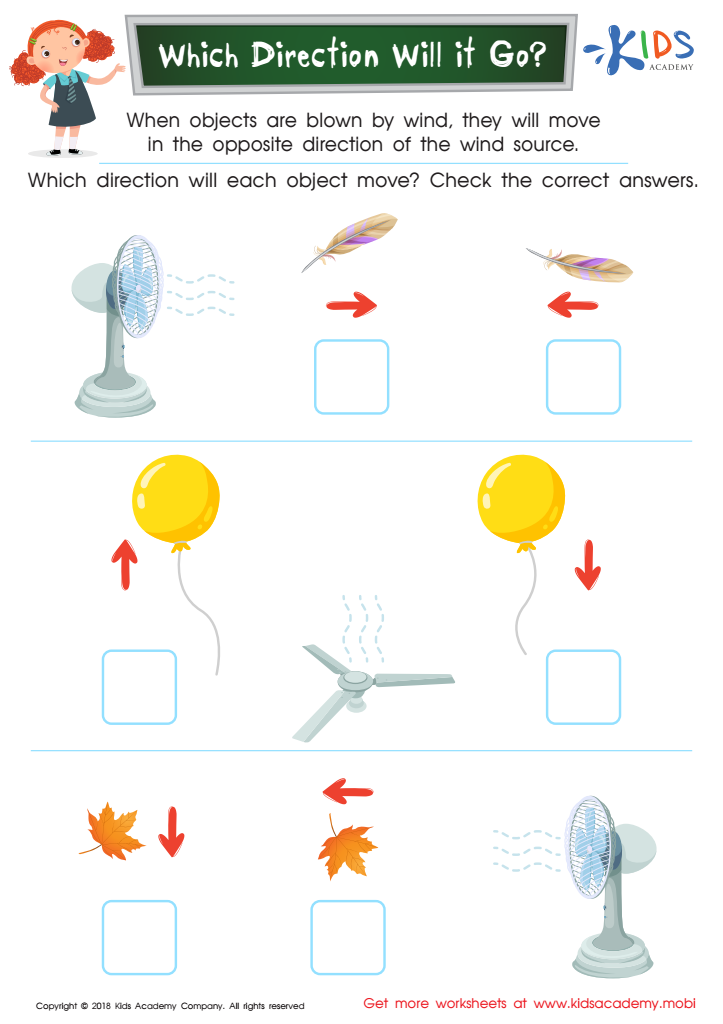
Which Direction Will it Go? Worksheet
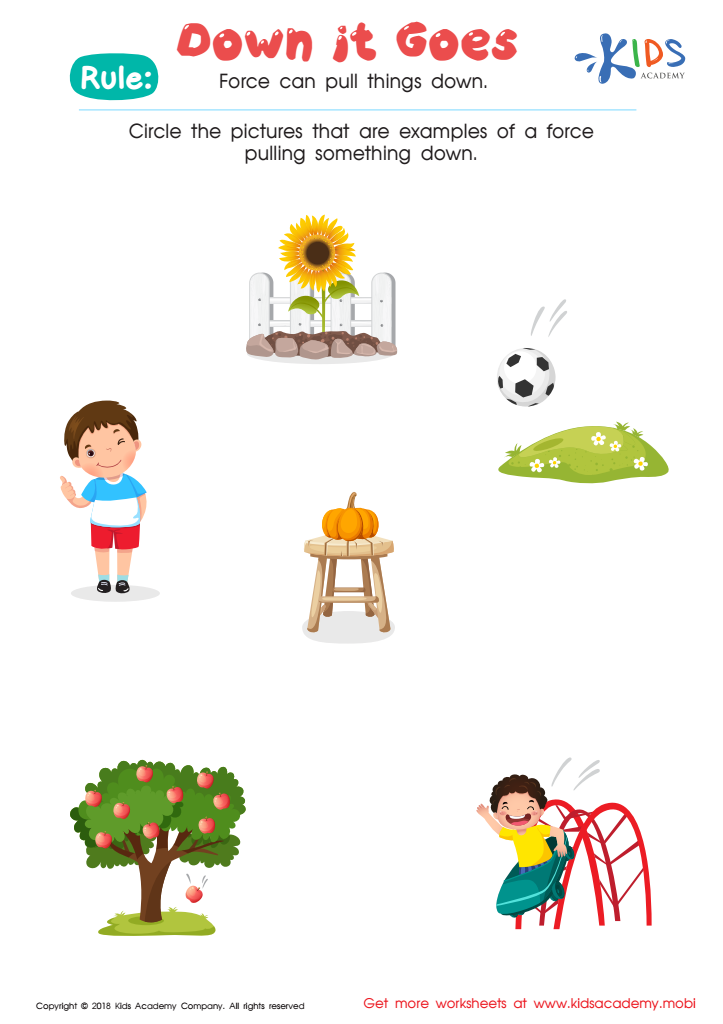
Down it Goes Worksheet
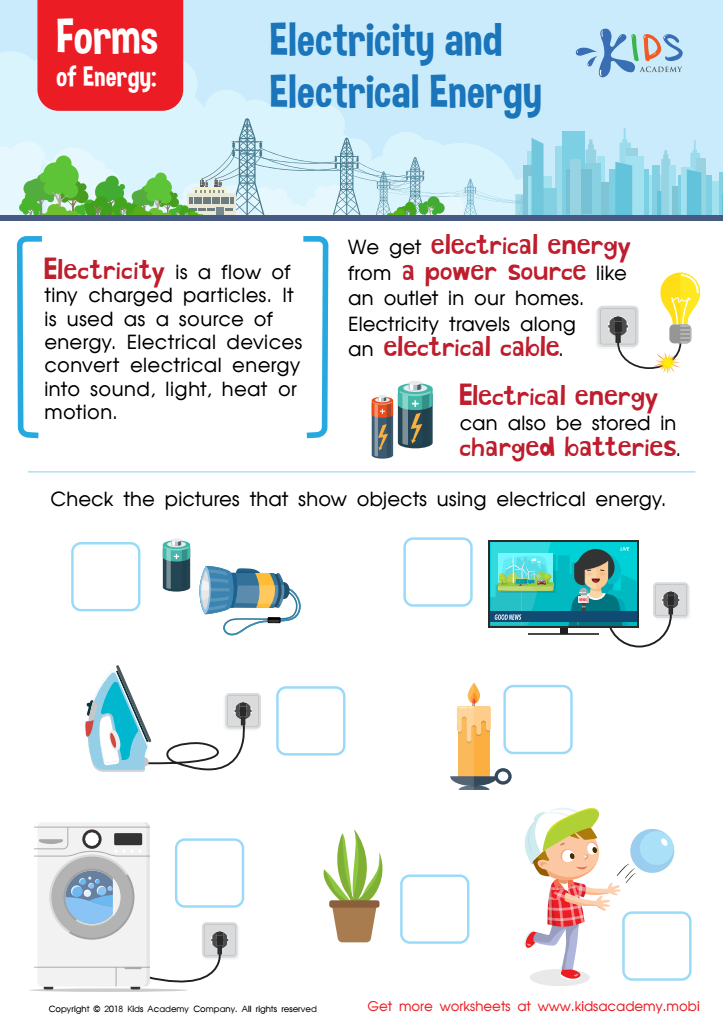
Forms of Energy Worksheet
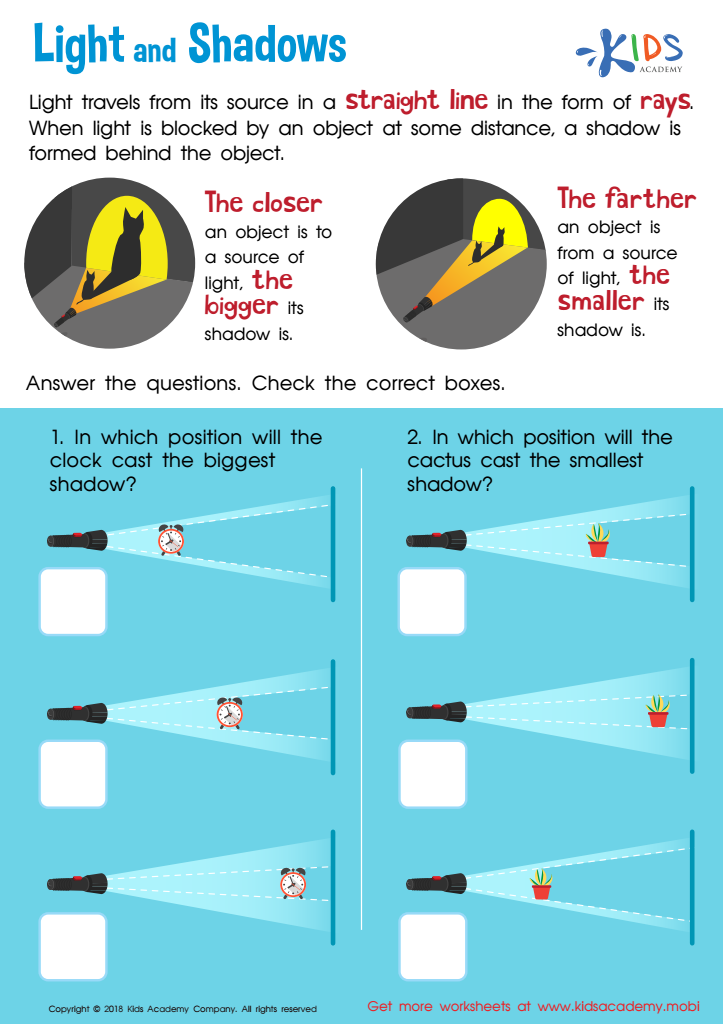
Light and Shadow Worksheet for Grade 3
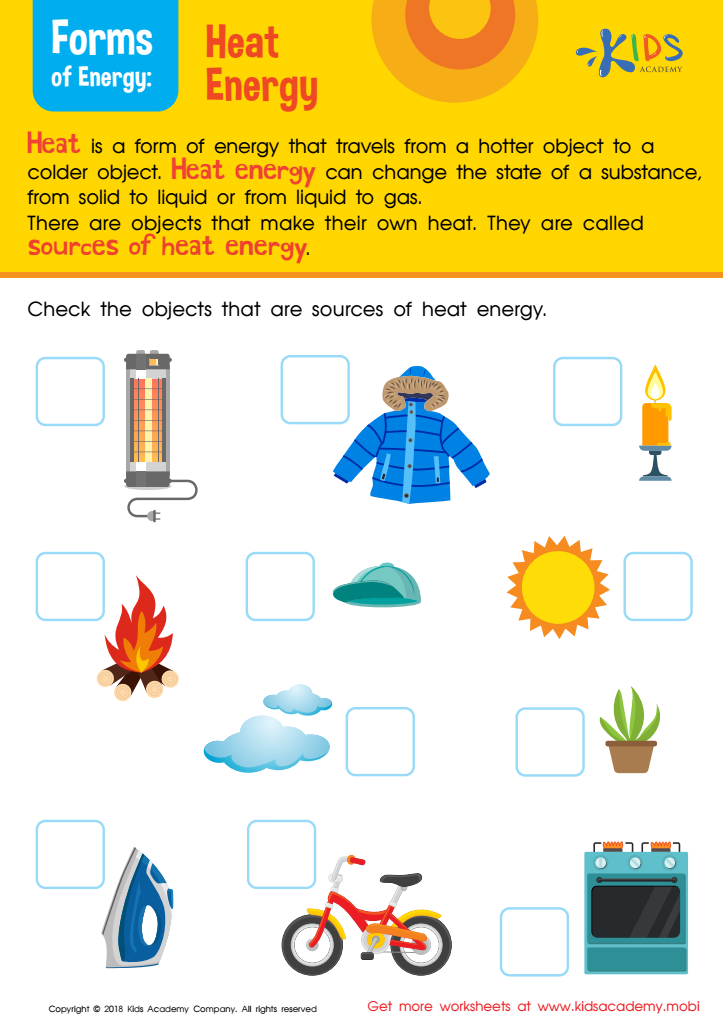
Sources of Heat Energy Worksheet
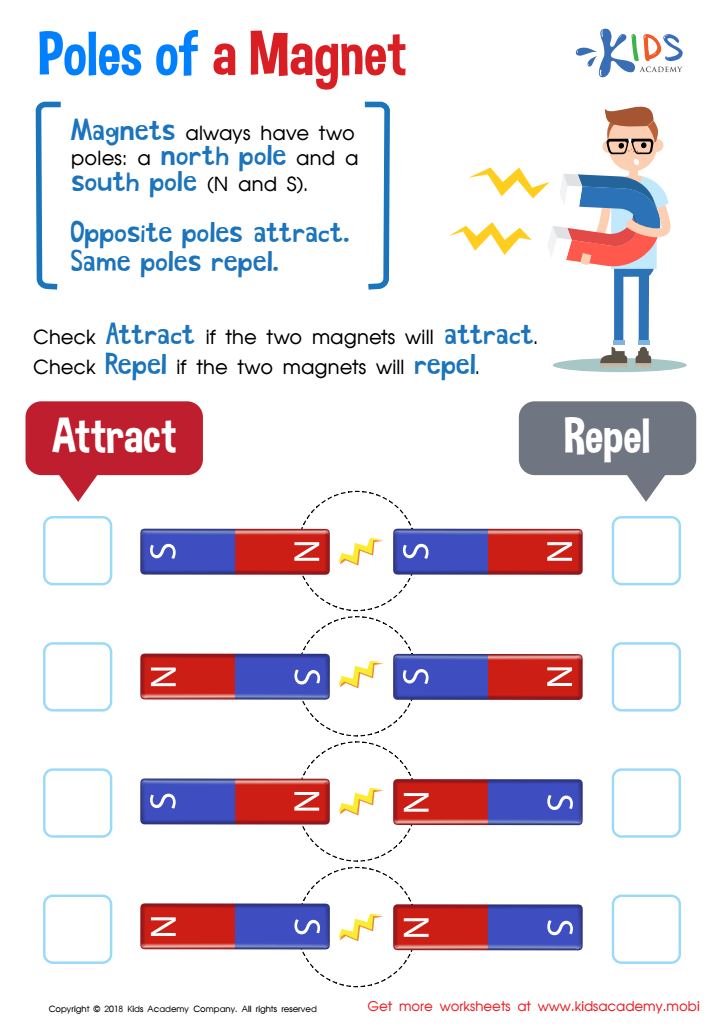
Magnet Poles Attract or Repel Worksheet
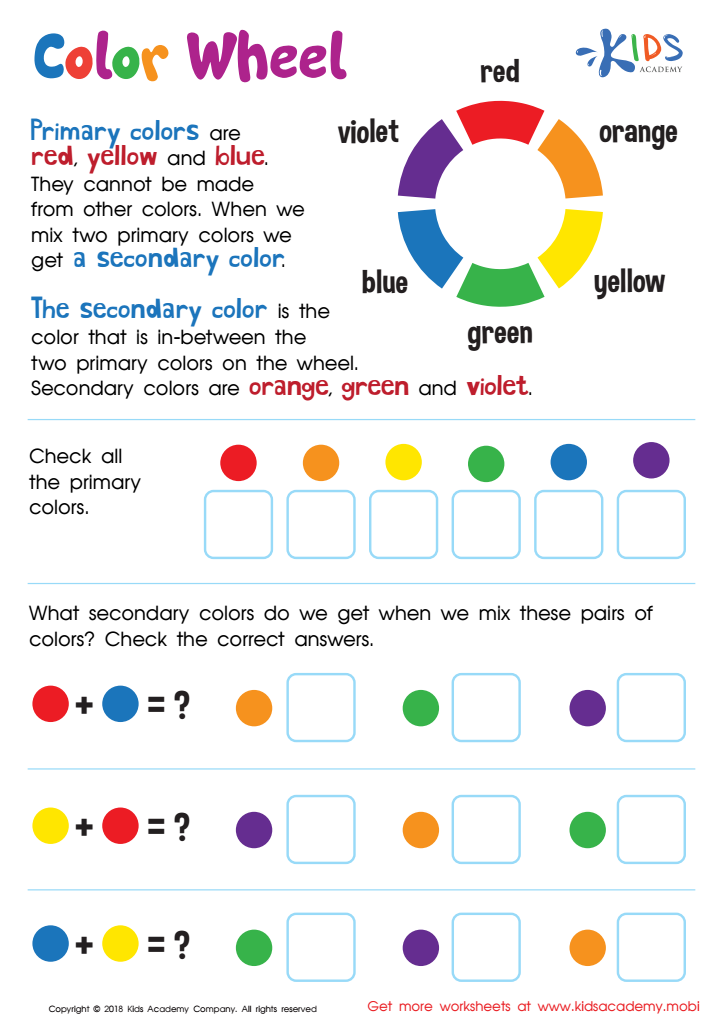
Primary and Secondary Colors Worksheet
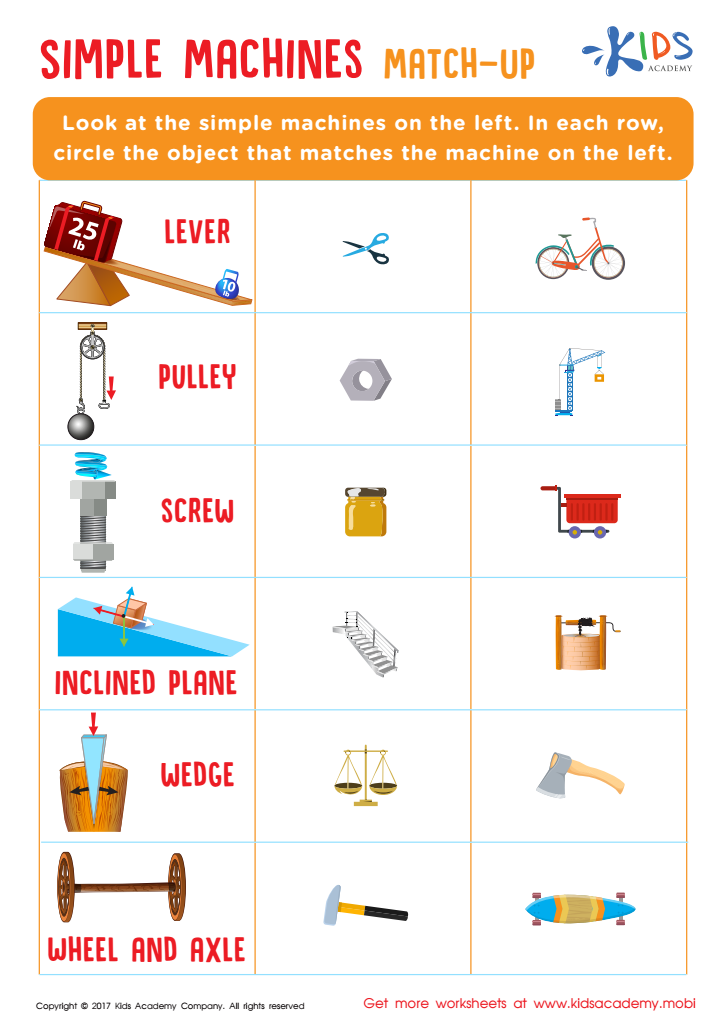
Simple Machines Worksheet
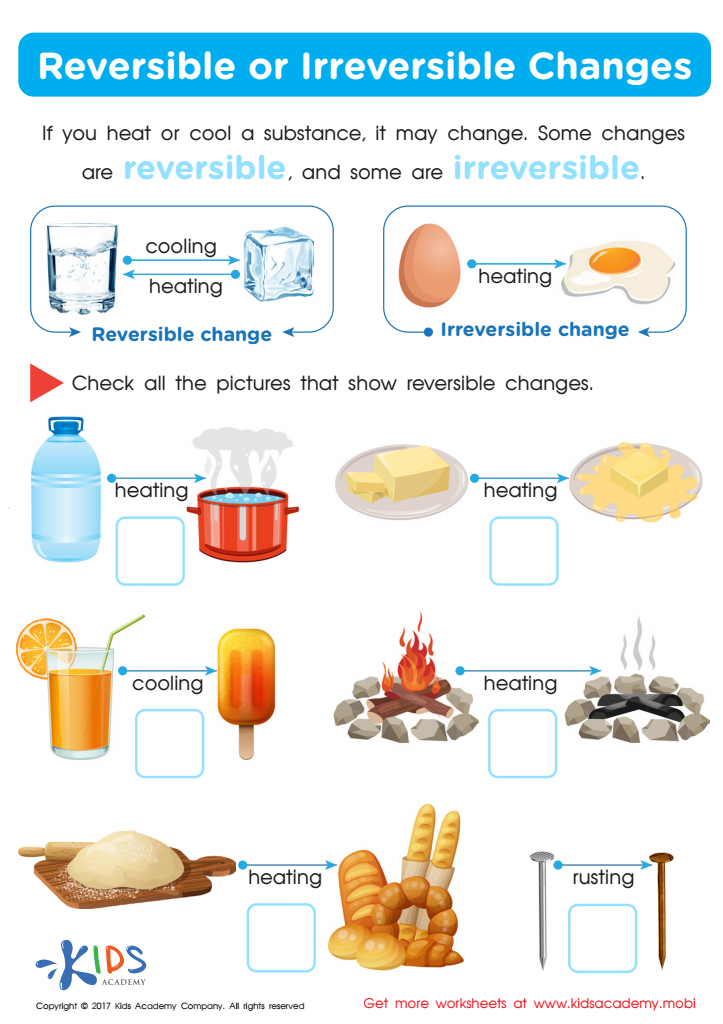
Reversible Irreversible Changes Worksheet
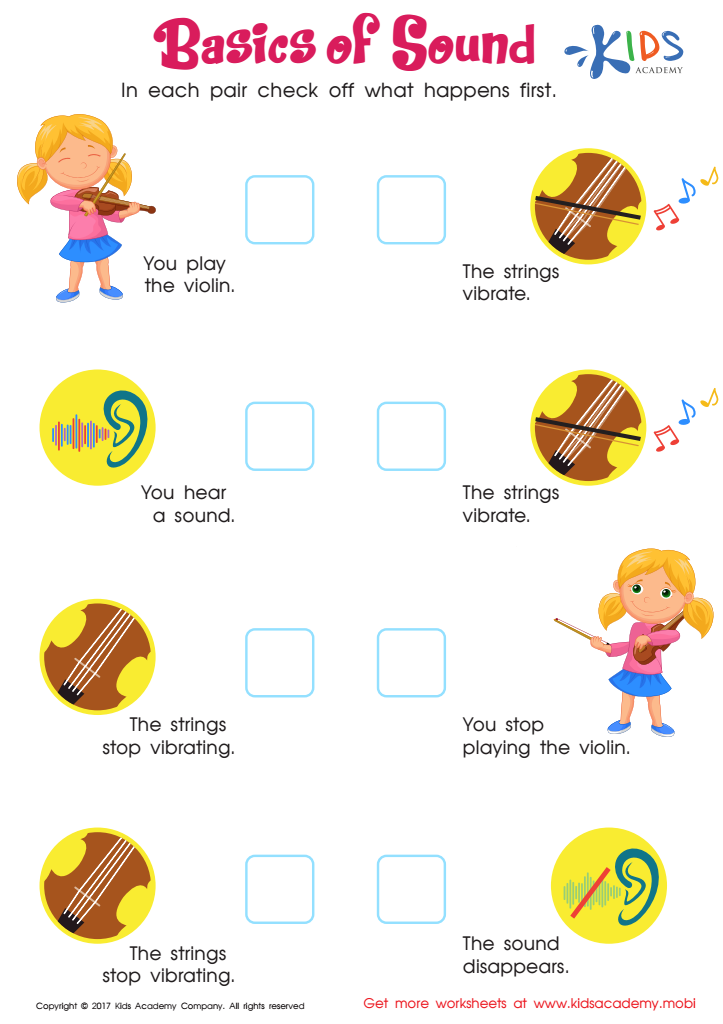
Basics Of Sound Worksheet
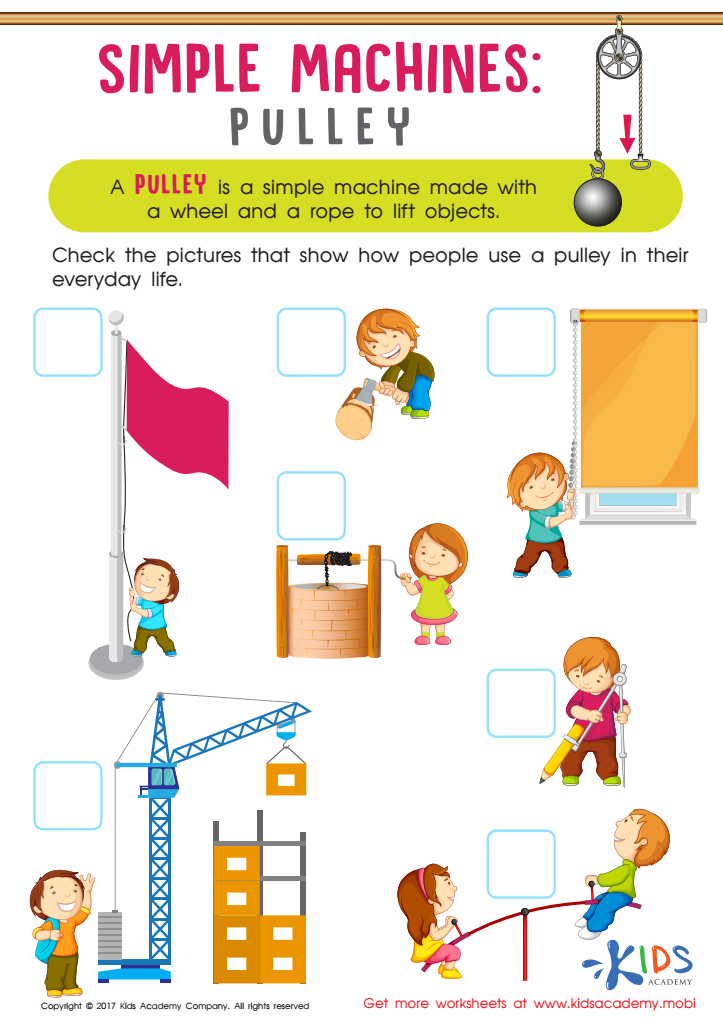
Simple Machines Pulley Worksheet
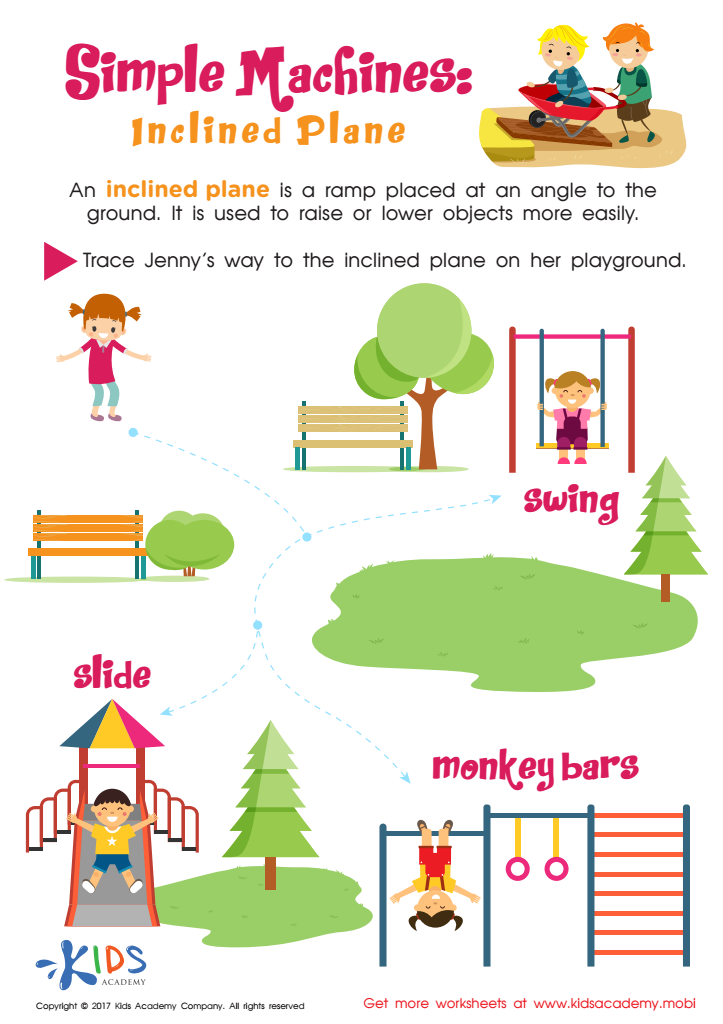
Simple Machines Inclined Plane Worksheet
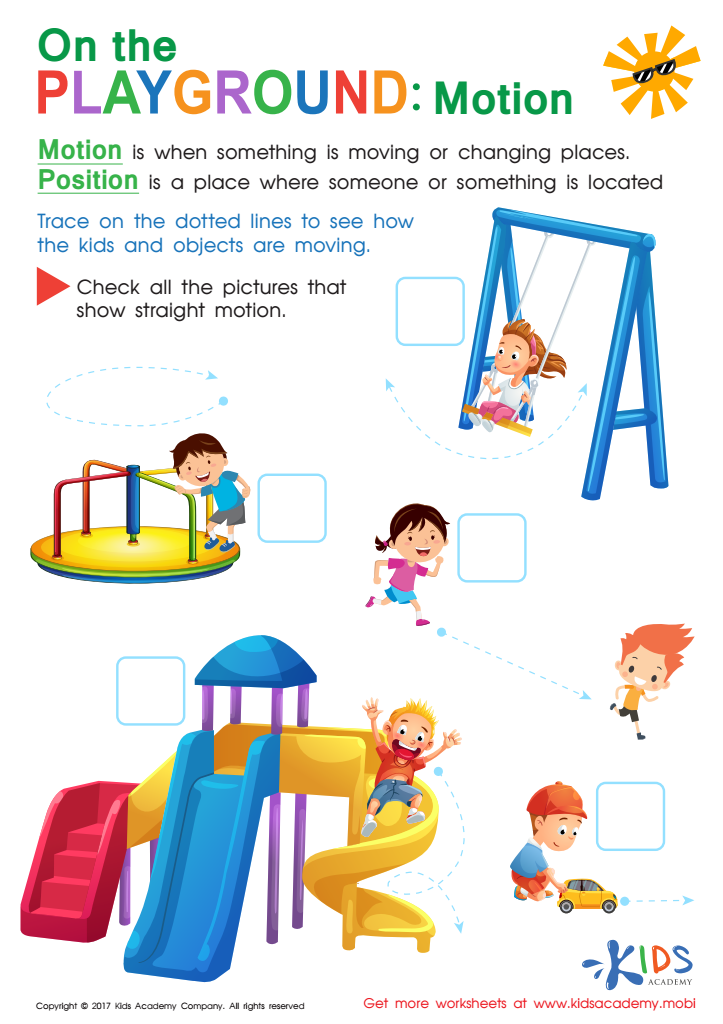
Position and Motion Worksheet
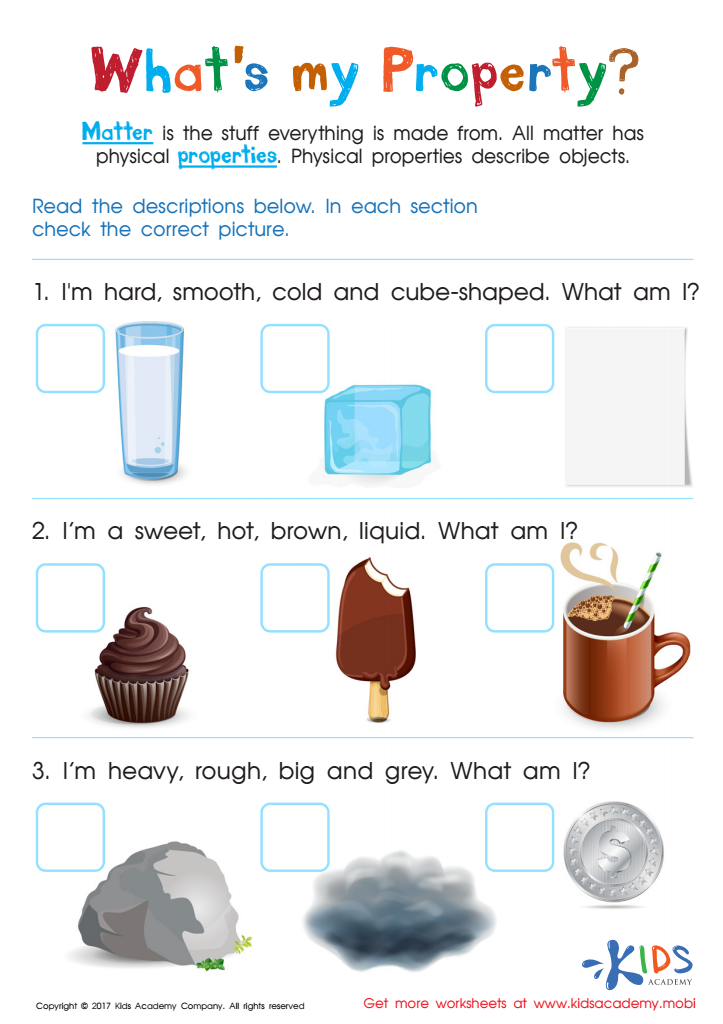
Physical Properties Of Matter Worksheet
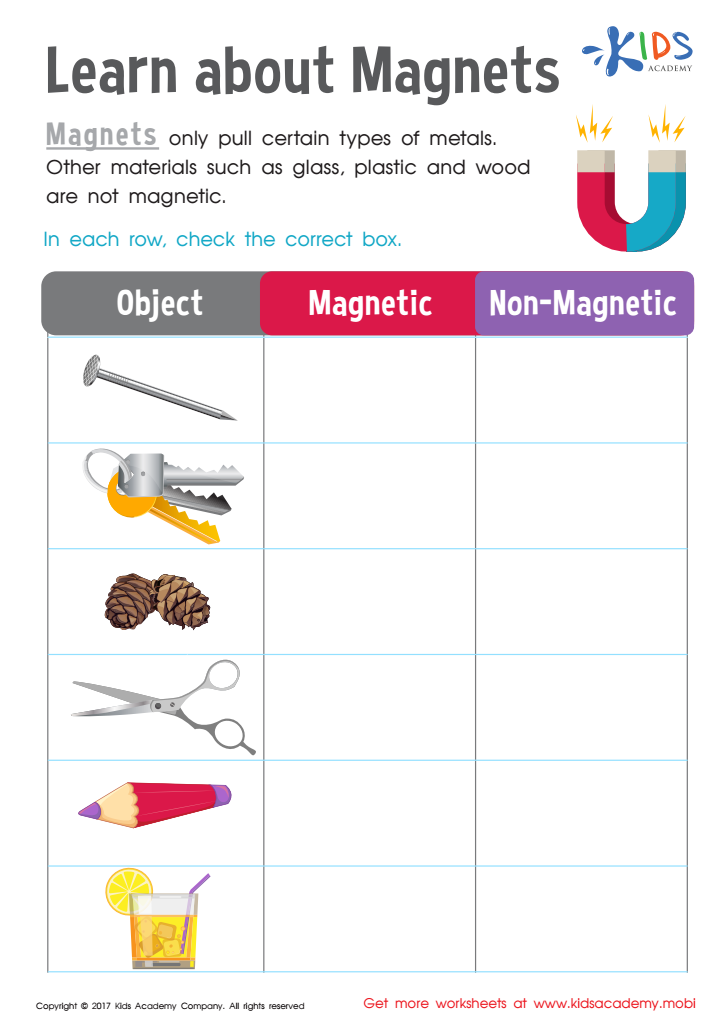
Magnetic Or Not Worksheet
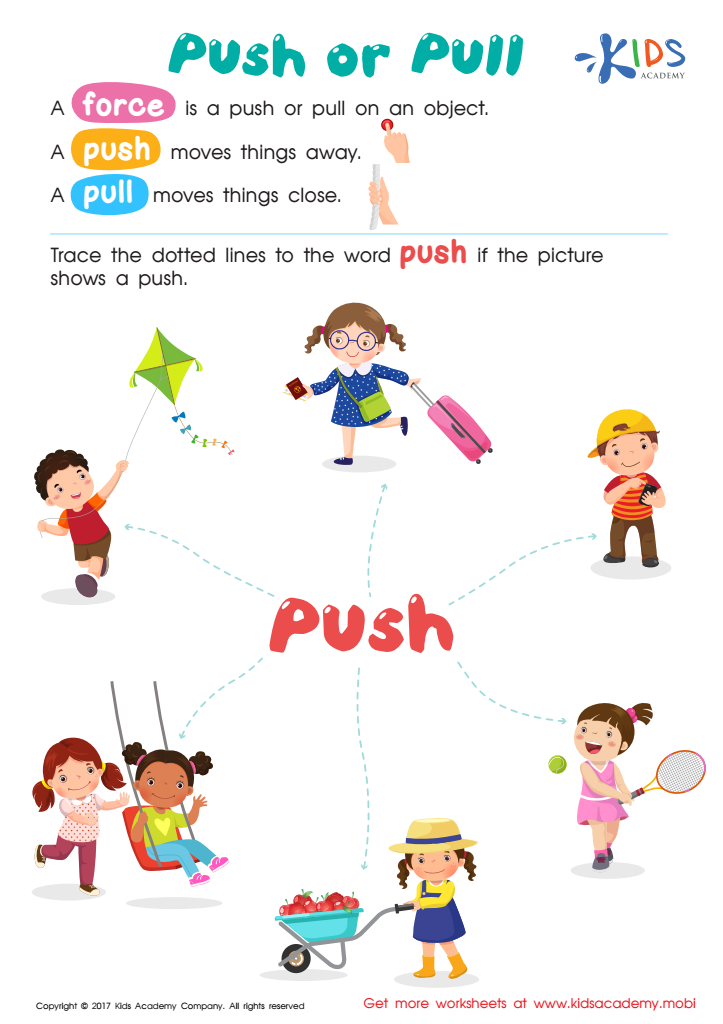
Push or Pull Worksheet
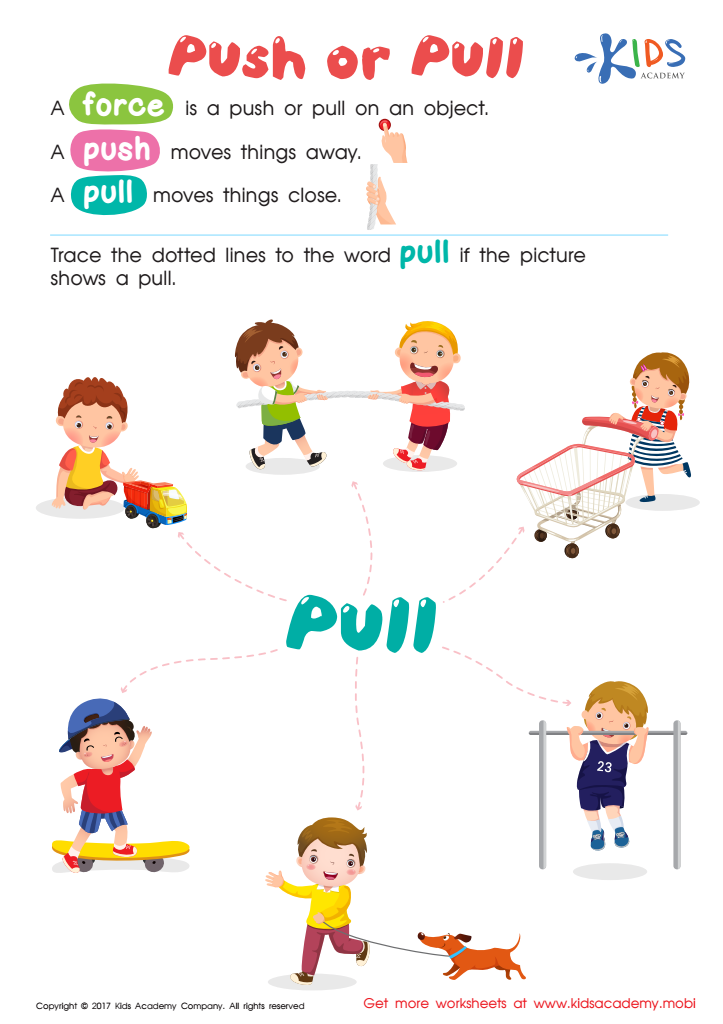
Pull or Push Worksheet
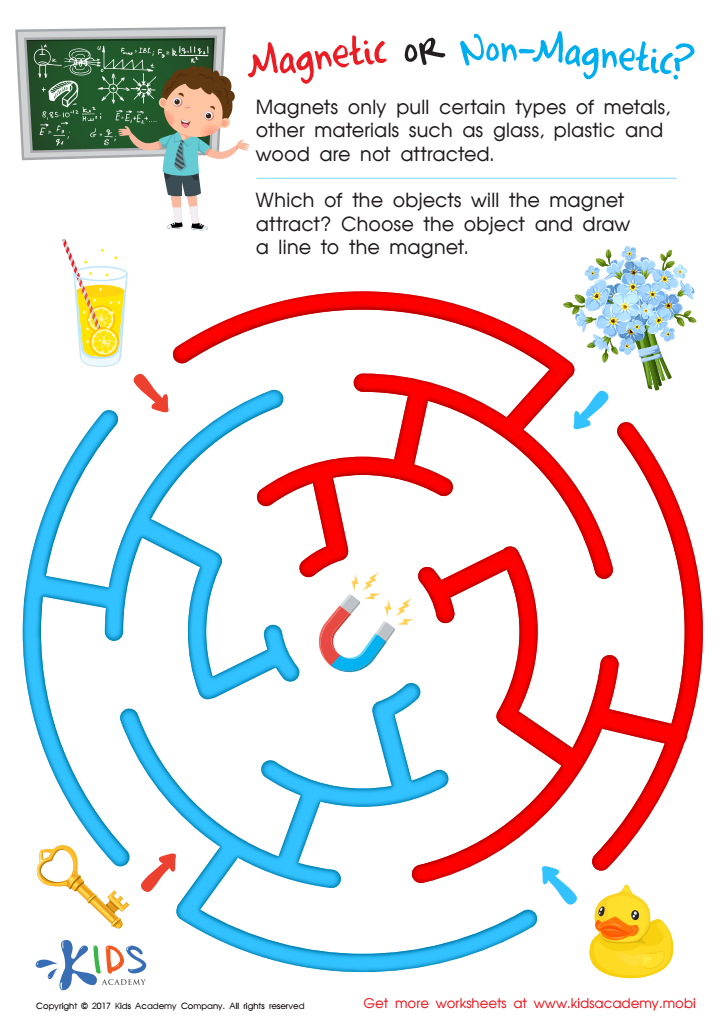
Magnetic or Non–Magnetic Worksheet
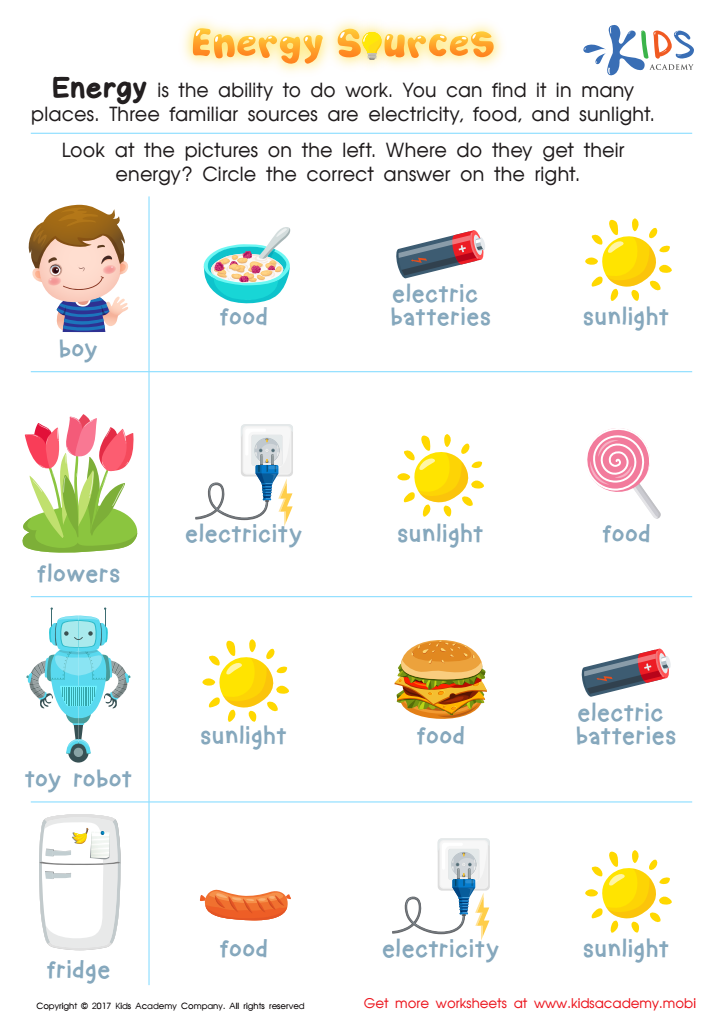
Energy Sources Printable
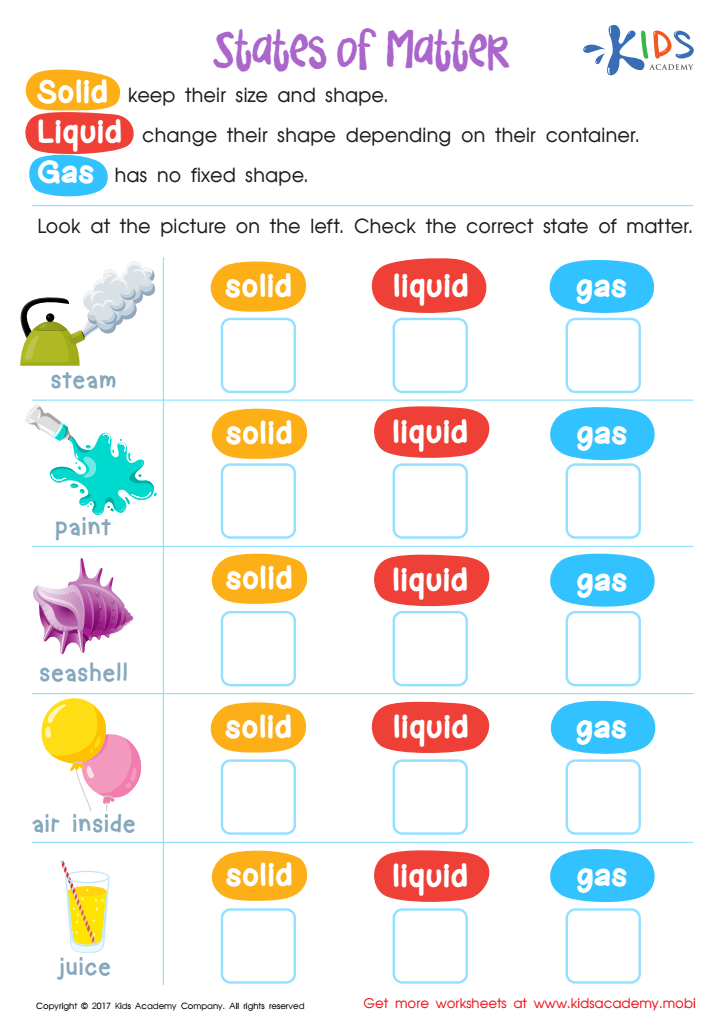
Physical Science: States of Matter Worksheet
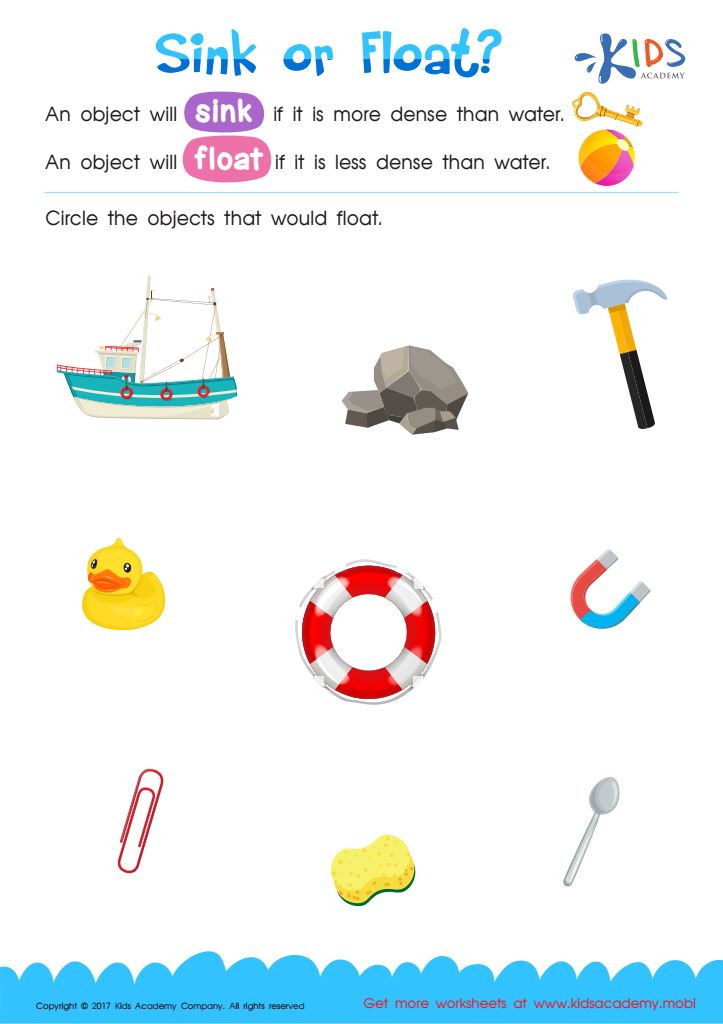
Sink or Float Printable





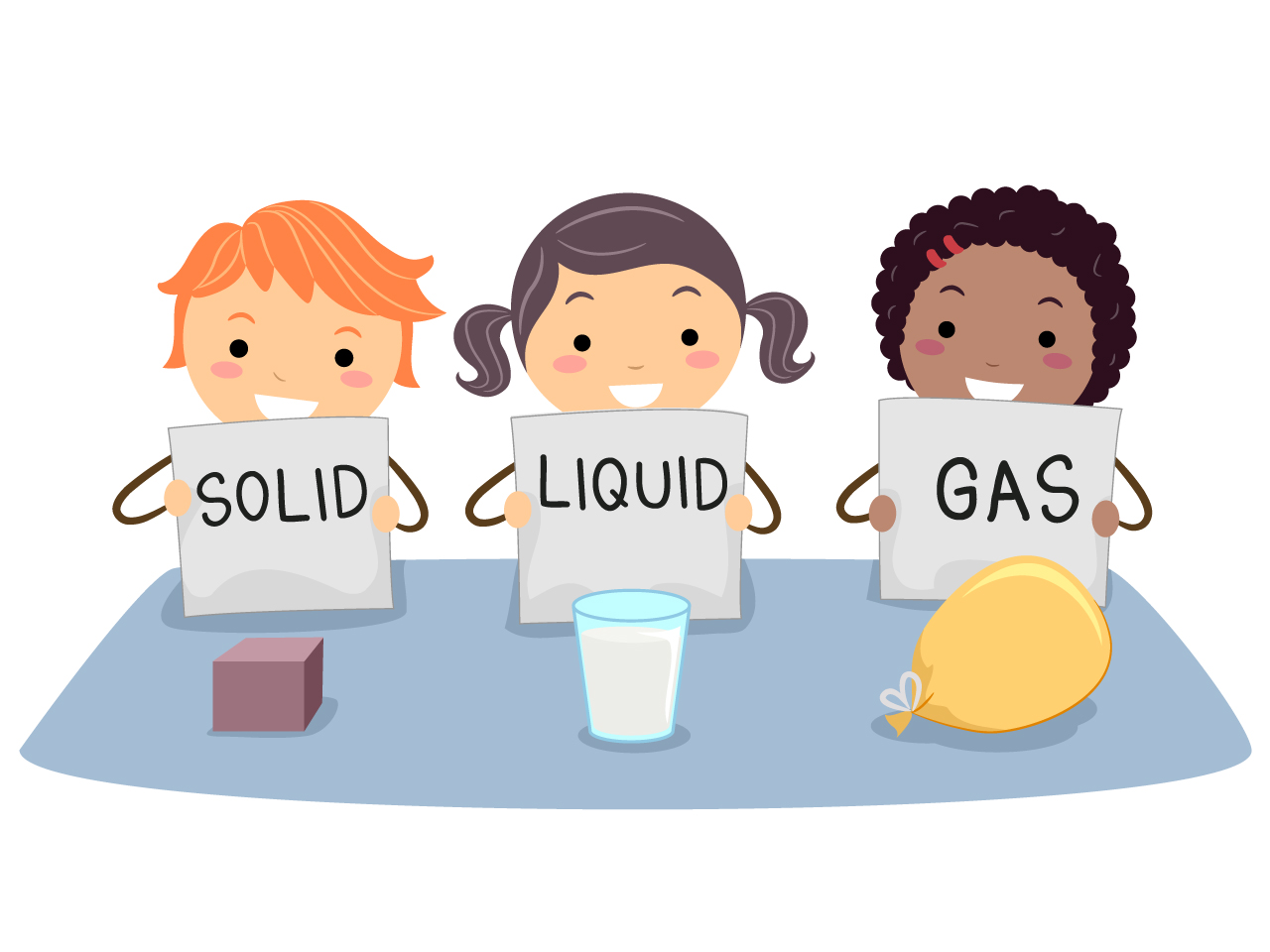

Normal Physical Science for ages 6-9 plays a crucial role in shaping the foundational understanding of young learners about the world around them. At this early stage, children are naturally curious and eager to explore, making it an ideal time to introduce them to scientific concepts. Engaging with physical science helps children develop critical thinking and problem-solving skills as they observe, experiment, and draw conclusions about their environment.
Parents and teachers should care because this subject encourages a love for learning and inquiry. It builds confidence in asking questions and seeking answers, which are essential skills for lifelong learning. Furthermore, hands-on experiments and activities promote collaboration and communication among peers, fostering social skills alongside academic comprehension.
Moreover, understanding basic physical science concepts—like matter, energy, motion, and simple machines—prepares children for more advanced scientific studies later in life. It also helps them relate abstract concepts to real-world situations, enhancing their ability to understand complex information as they grow. Overall, nurturing an early appreciation for Normal Physical Science not only enriches students’ educational experiences but also equips them with essential tools to thrive in a rapidly changing world.







