Normal Space Worksheets for Ages 6-9 - Page 2
35 filtered results
-
From - To
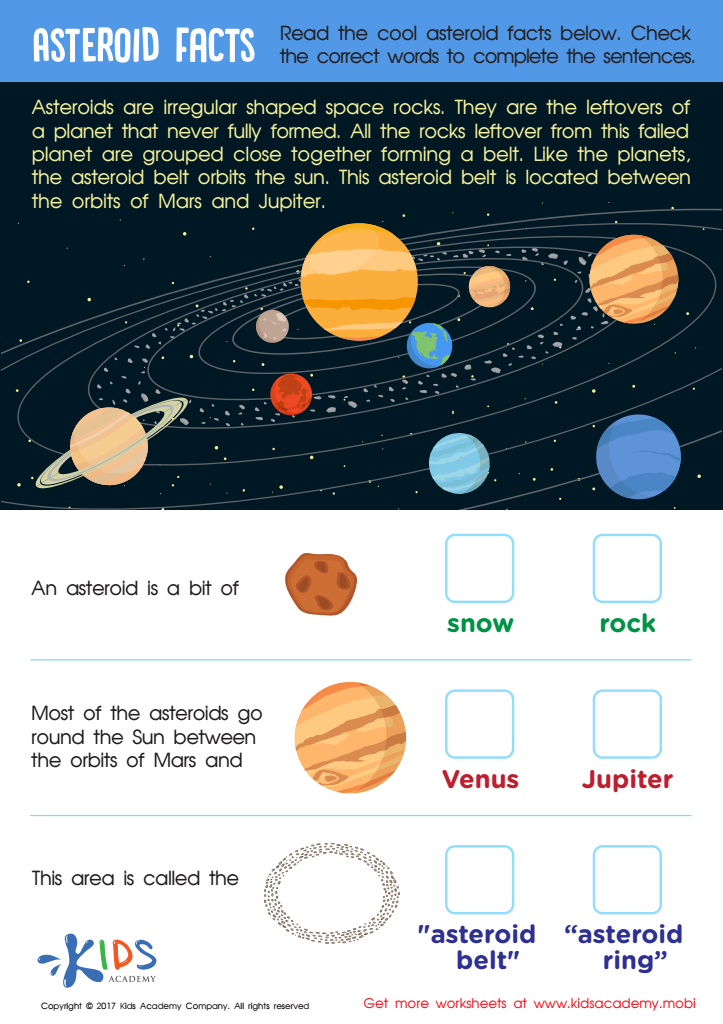
Asteroid Facts Worksheet
 Assign to My Students
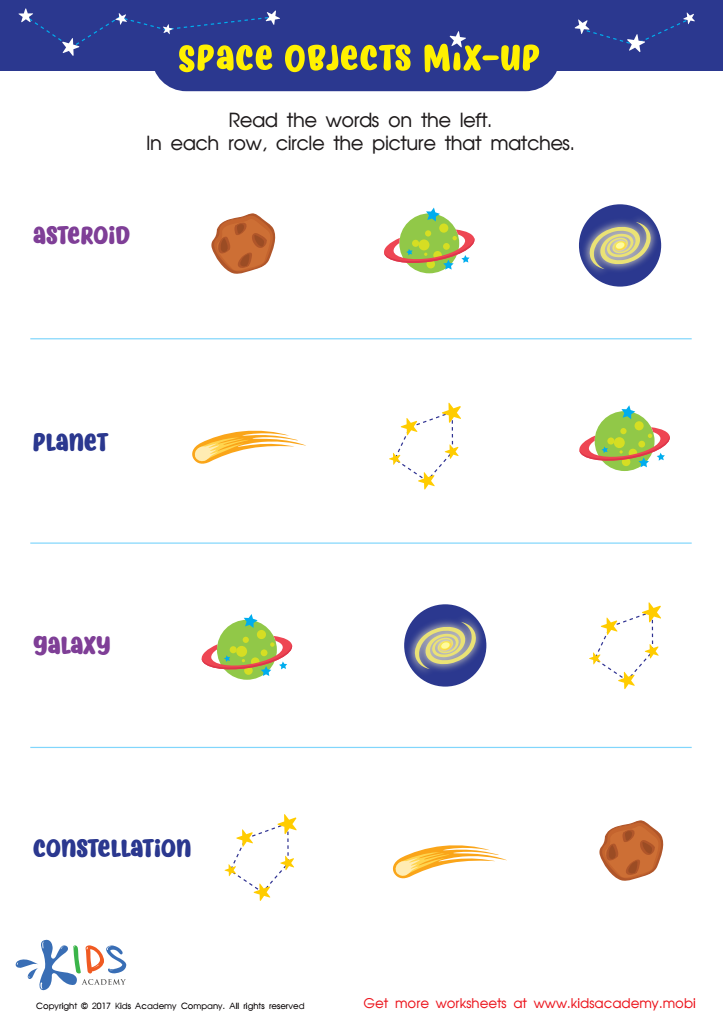
Science: Space Objects Worksheet
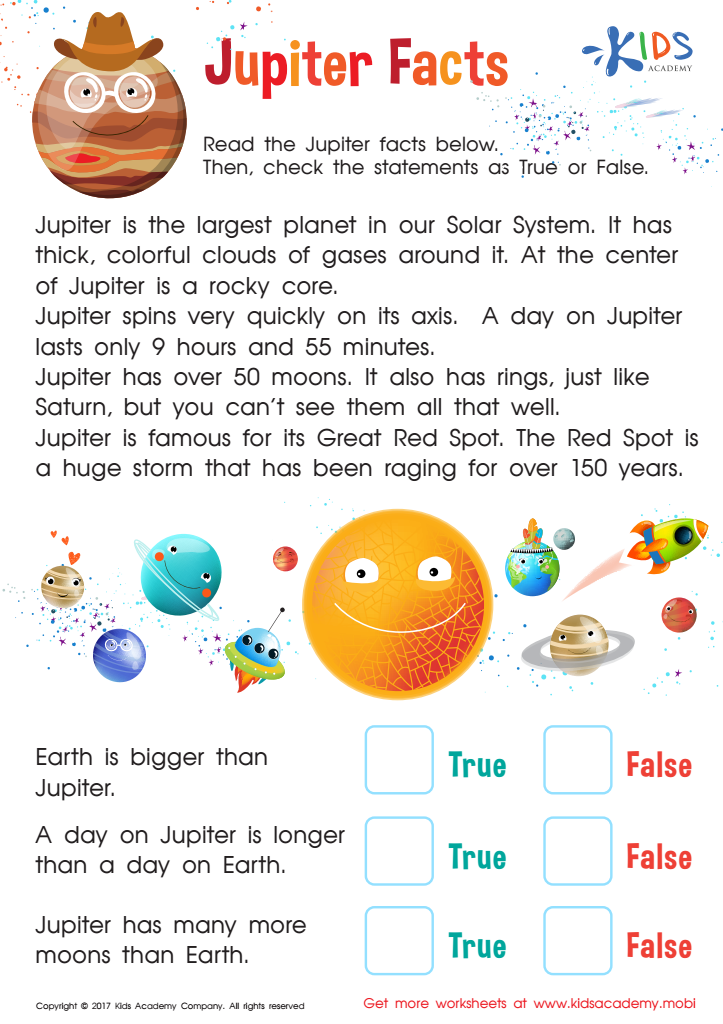
Jupiter Facts Worksheet
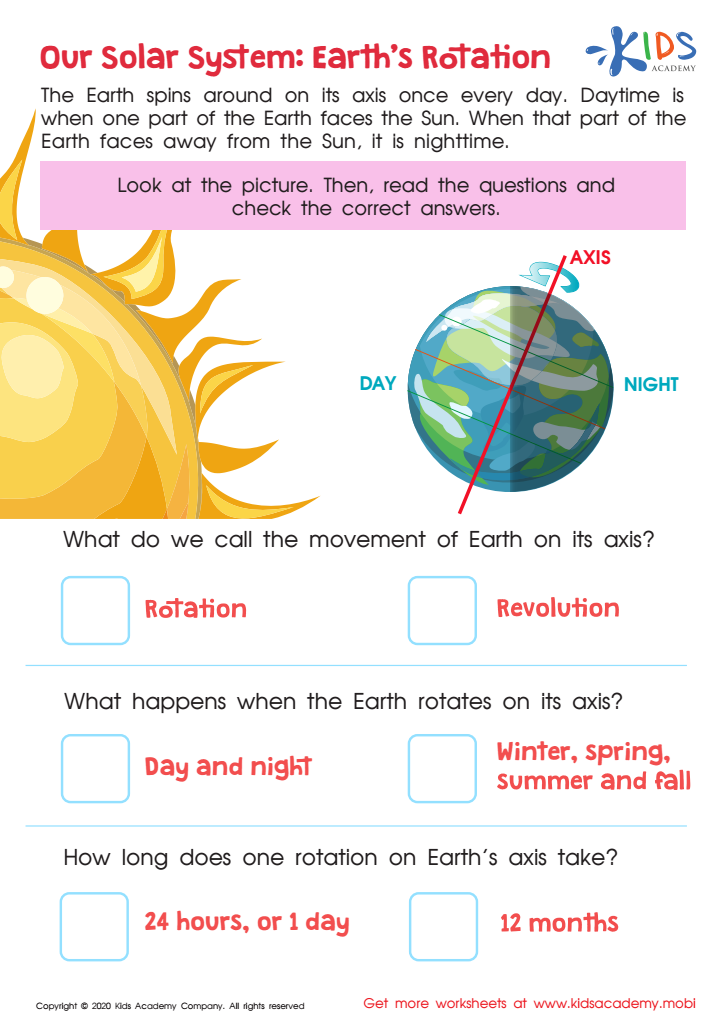
Our Solar System: Earth's Rotation Printable
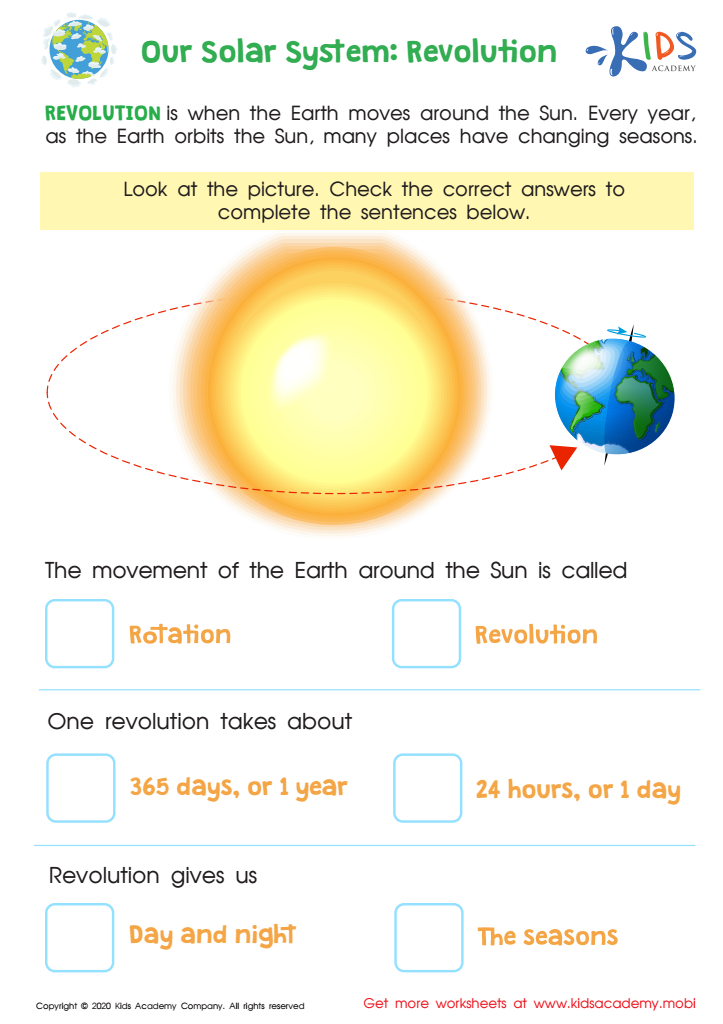
Our Solar System: Revolution Printable
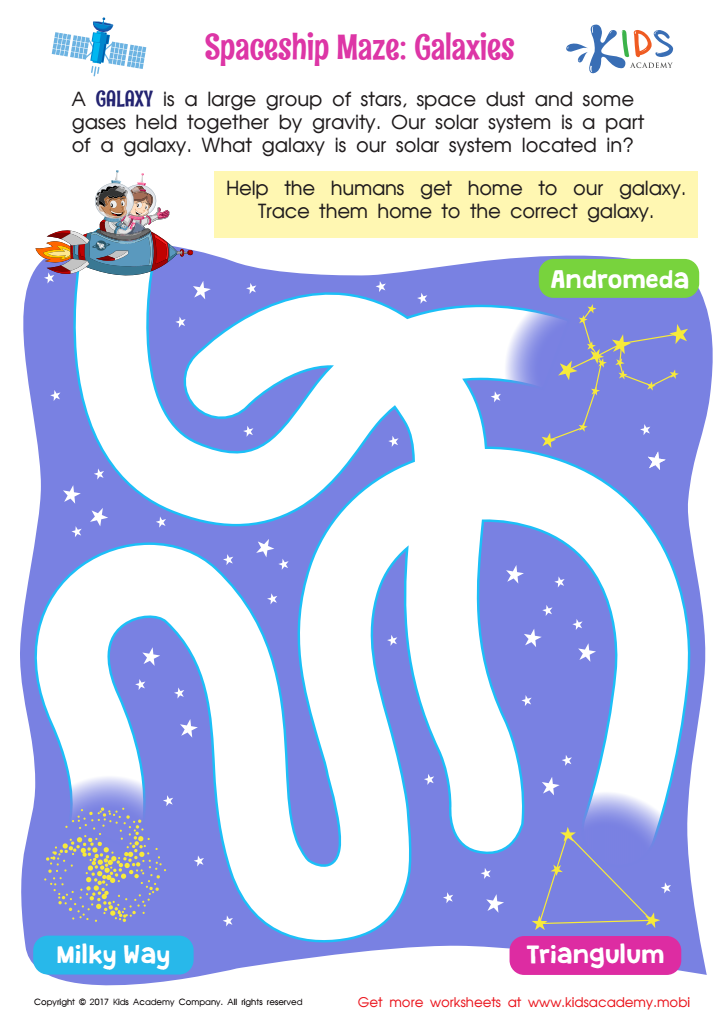
Spaceship Maze: Galaxies Worksheet
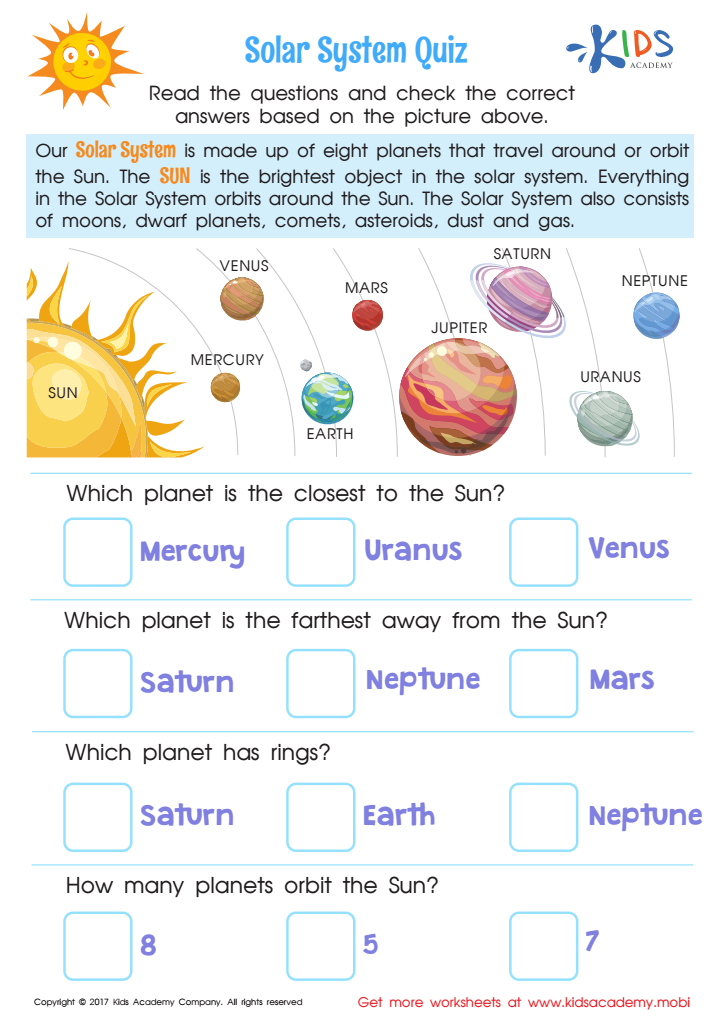
Solar System Quiz Printable
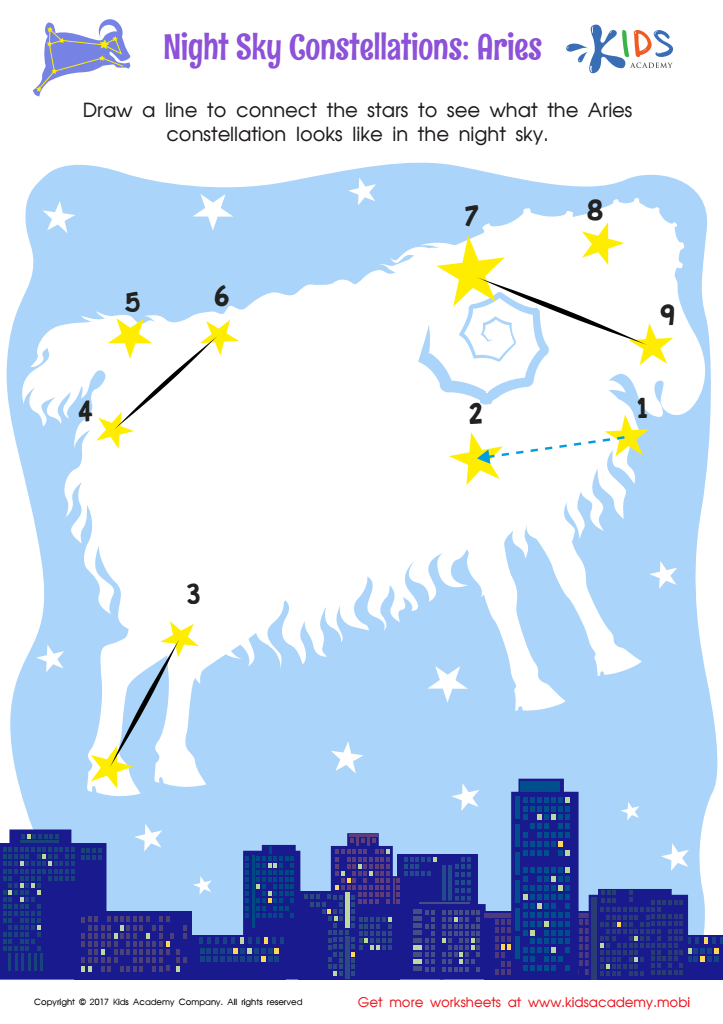
Night Sky Constellations: Aries Worksheet
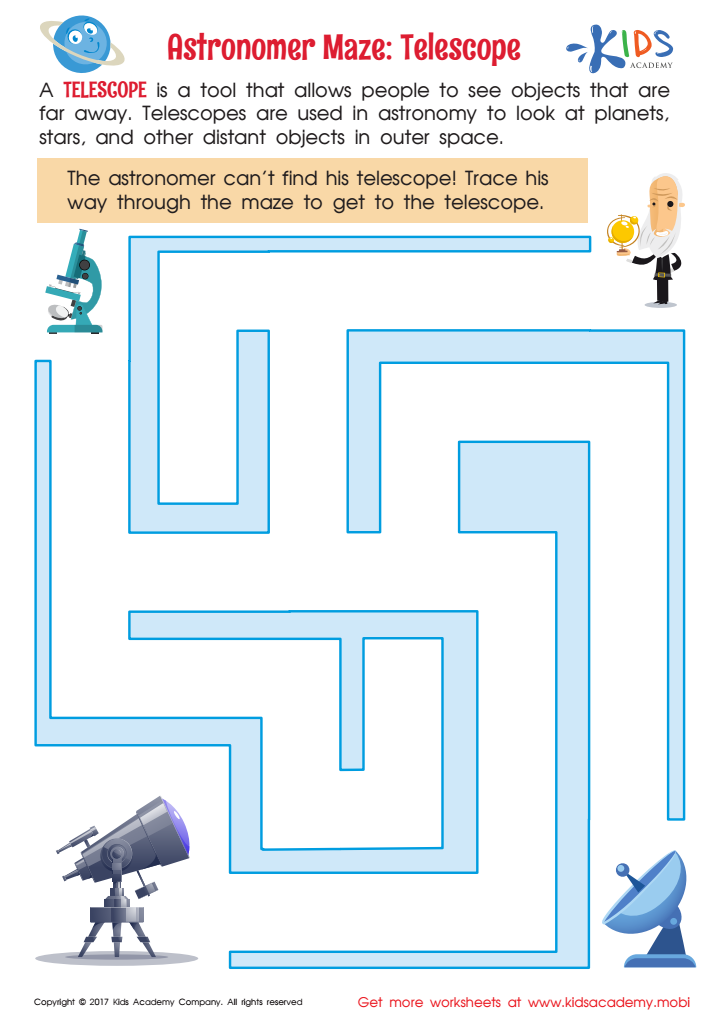
Astronomer Maze: Telescope Worksheet
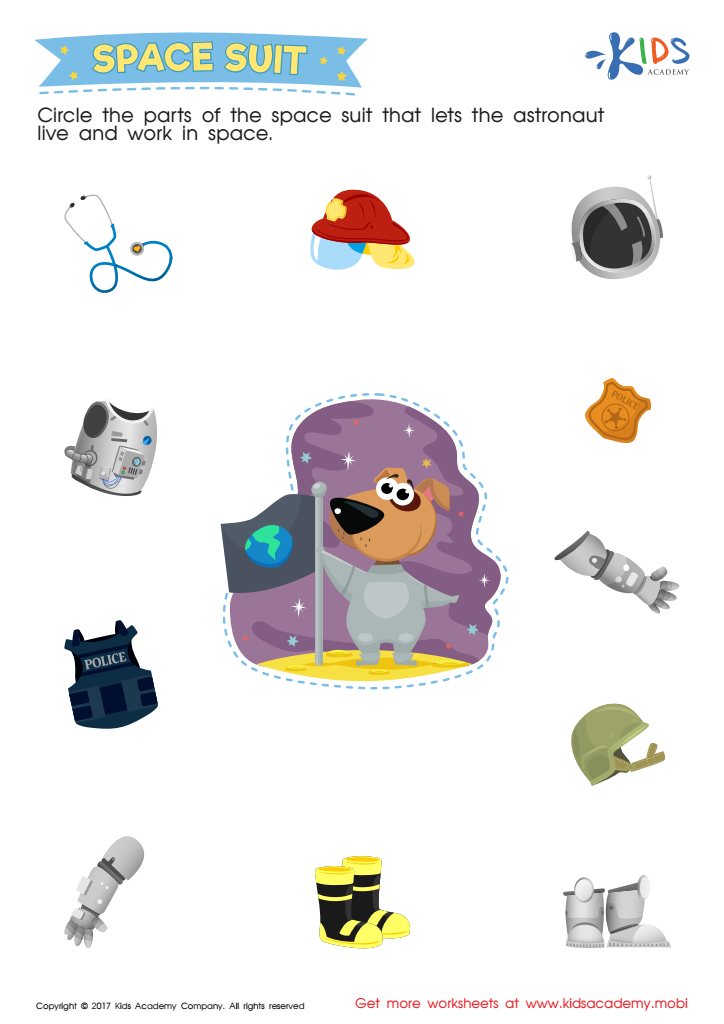
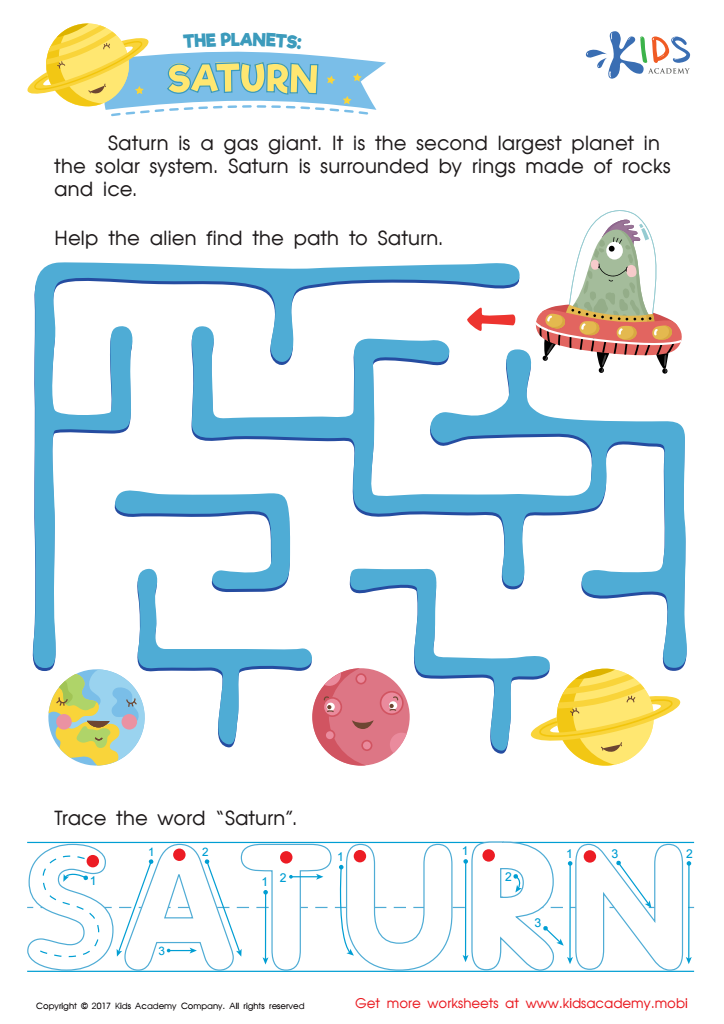
The Planets: Saturn Printable


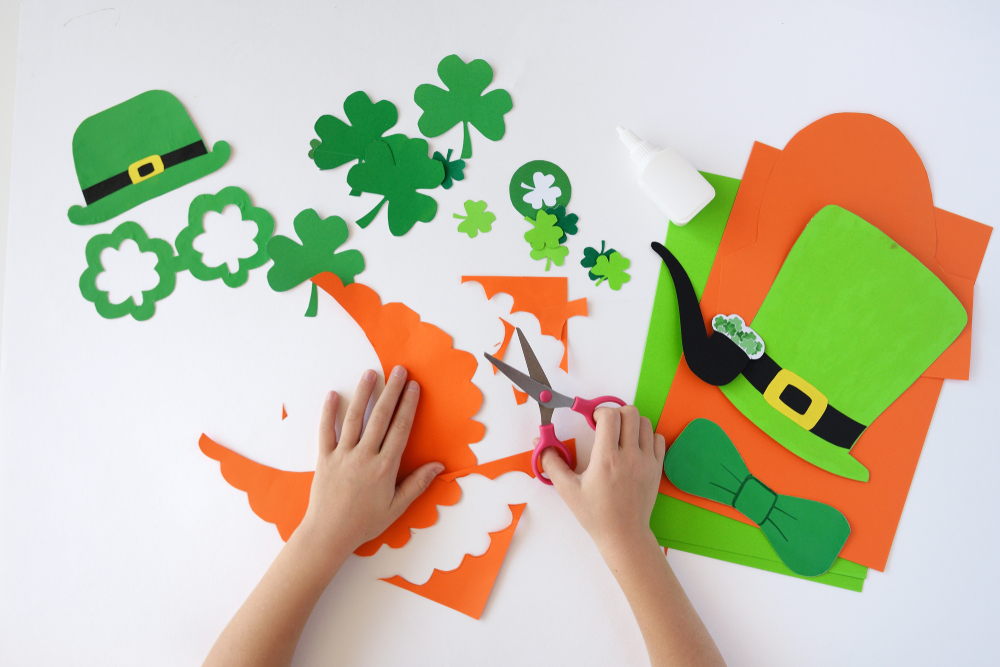


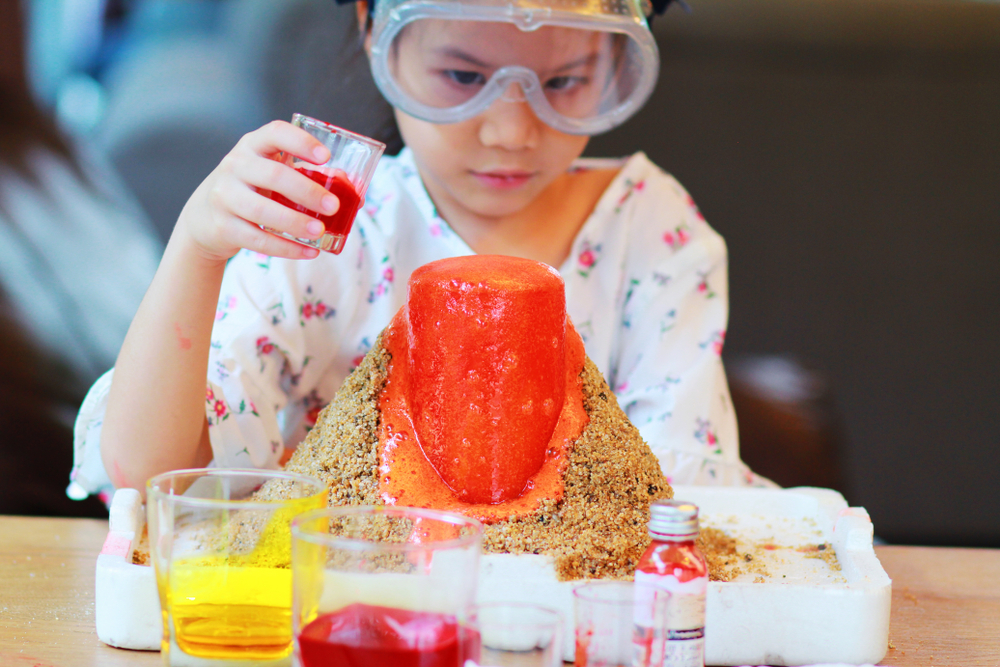

Parents and teachers should care about creating and maintaining a nurturing, structured, and stimulating environment—referred to as “Normal Space”—for children aged 6-9 because it critically influences their emotional, social, and cognitive development during these formative years. At this age, children transition from the purely play-based learning of early childhood to more structured, academic learning, and a well-designed space helps facilitate this shift smoothly.
First and foremost, a Normal Space fosters a sense of security and belonging. Consistency and structure in physical and relational environments contribute to emotional stability, which is crucial for young children. It's in this secure space that children have the confidence to explore and take risks, essential elements for learning and creativity.
Additionally, well-organized spaces with stimulating materials and resources cater to the burgeoning curiosity and cognitive skills of young children. A range of accessible books, educational toys, and creative supplies support varied types of learning—visual, auditory, and kinesthetic. This diversity helps children learn in multiple ways and adapt their learning styles as they develop.
Finally, a Normal Space promotes social development. It provides areas for group activities, nurturing teamwork and effective communication, while also offering quiet zones for solitary work, helping children balance social interactions with introspective tasks.
In essence, mindful attention to Normal Space ensures children can flourish academically and personally, setting solid foundations for lifelong learning and well-being.







