Filters

80 filtered results

Clear all filters
Favorites
With answer key
Interactive

80 filtered results

Difficulty Level

Grade


Check out this FREE Trial Lesson on Community for age 6-9!

Parks & Recreation

Favorites
With answer key
Interactive
  • 6-9
  • Interactive
  • Community
  • Normal
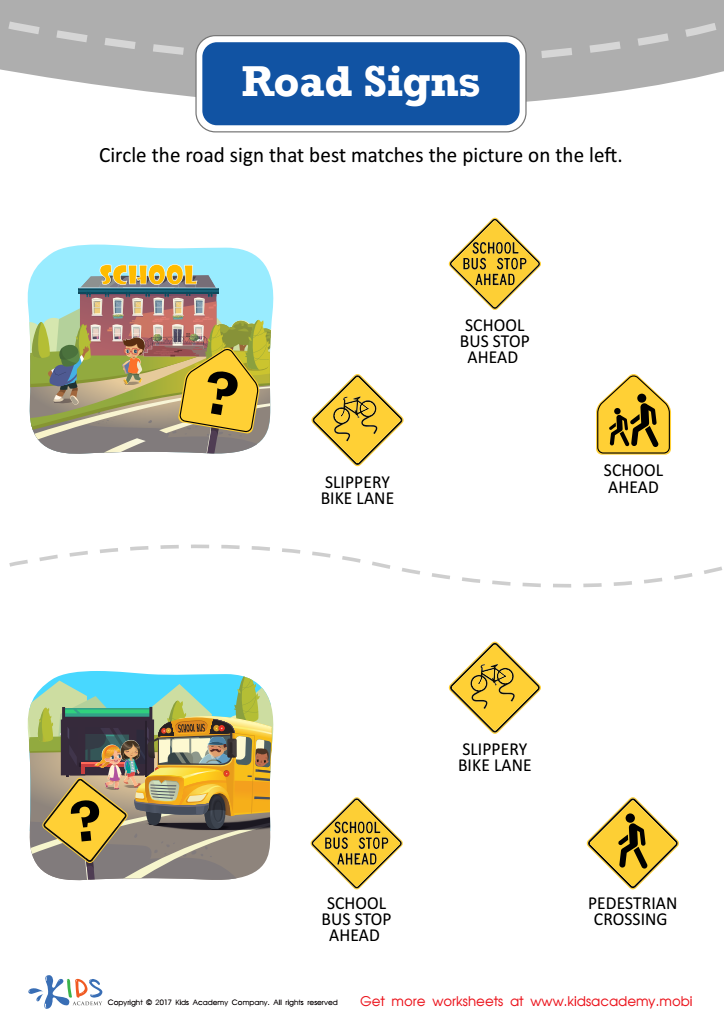
Road Signs Worksheet Printable

Road Signs (Part 1) Worksheet

Kids are exposed to danger near roads, so help them recognize traffic signs with this printable. It'll foster their reading comprehension and symbol recognition, while keeping them safe.
Road Signs (Part 1) Worksheet
Worksheet
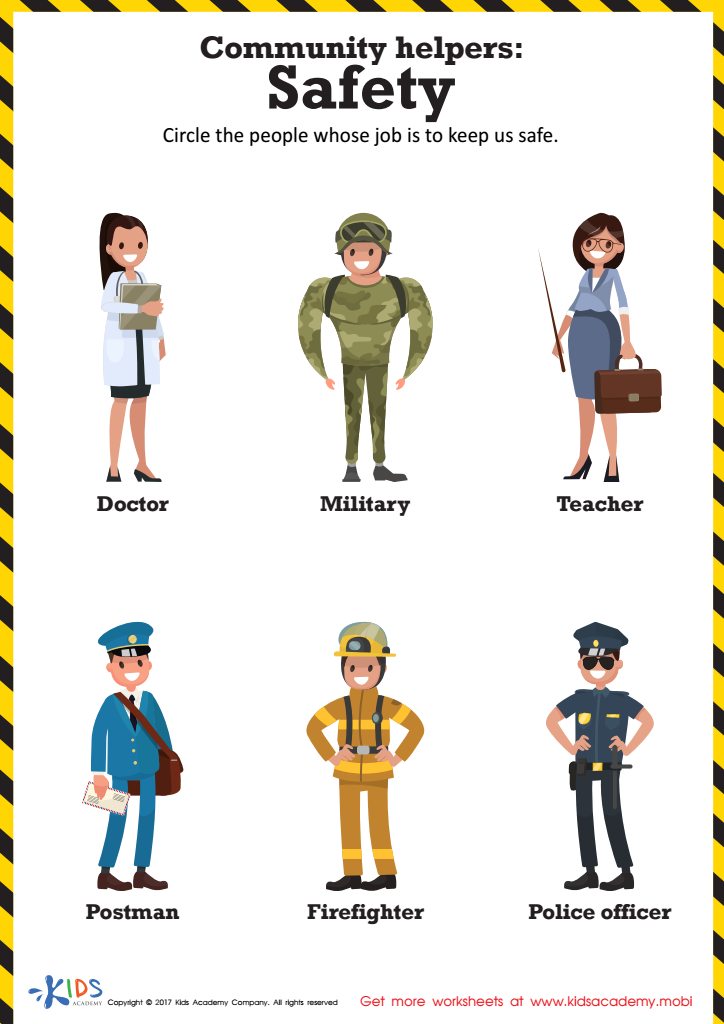
Community Helpers: Safety Printable

Safety Worksheet

Safety Worksheet
Worksheet
See Your Doctor Worksheet

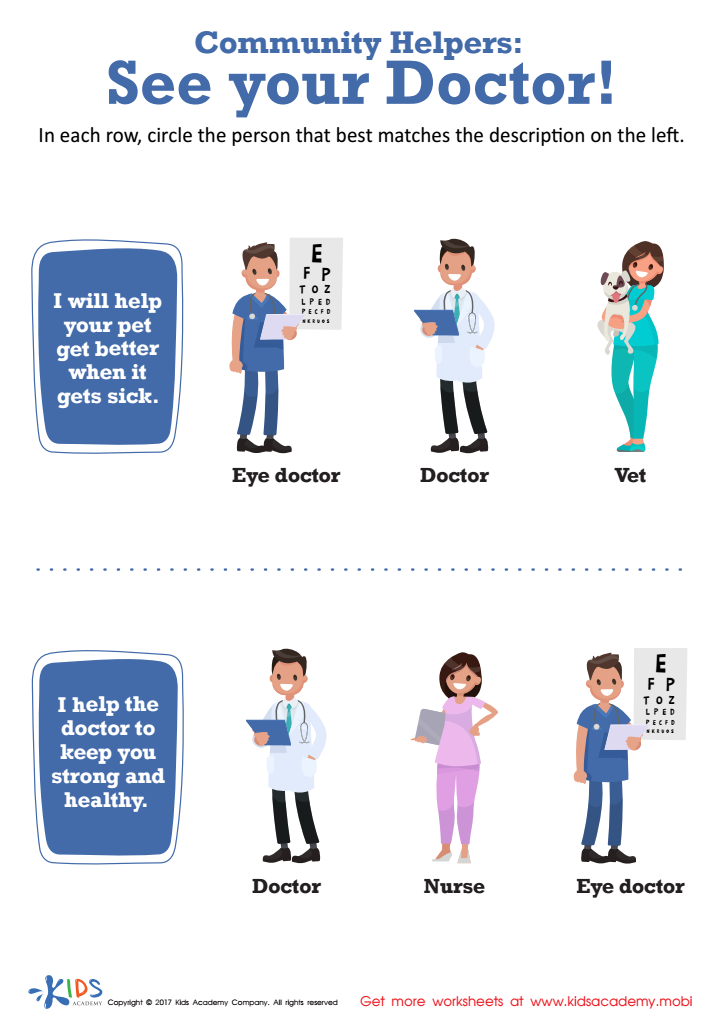
See Your Doctor (Part 2) Printable

Nurses, vets and eye doctors fulfill important needs in our communities. With this worksheet, your child can recognize and classify different types of doctors and explore potential interests. Learn more about the people in our community, and start a conversation about potential interests. A great way to make your child think about different types of doctors!
See Your Doctor (Part 2) Printable
Worksheet
See Your Doctor Worksheet

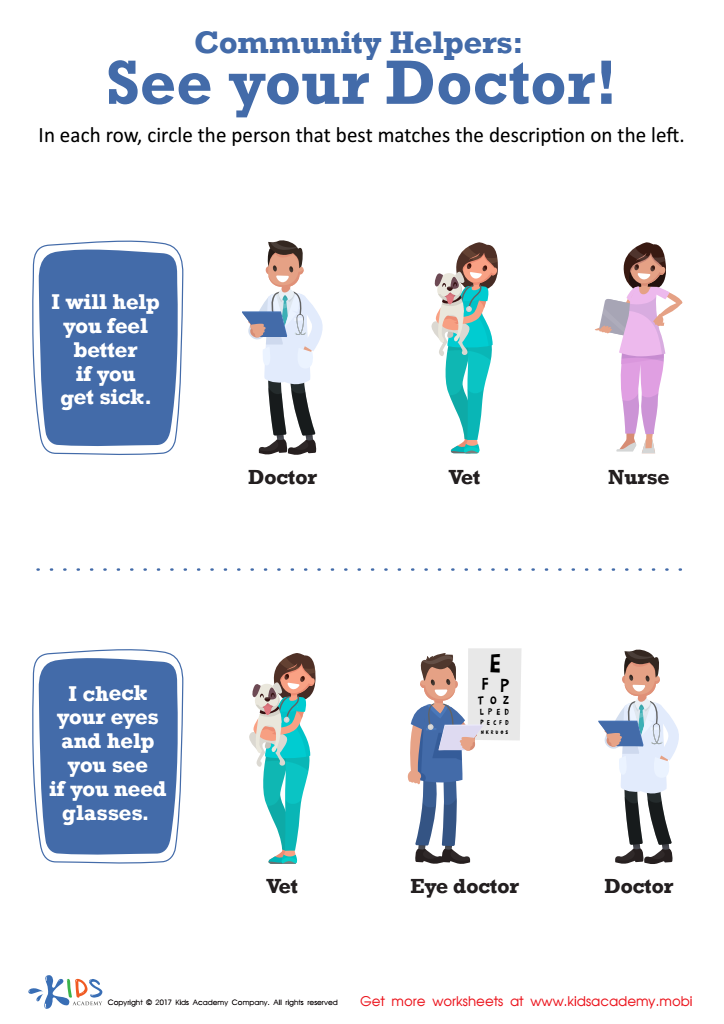
See Your Doctor (Part 1) Printable

Your child may be scared of doctors, but this worksheet can help them appreciate them. It teaches about different types of doctors and helps them understand more about their community. Learning about different professions is a great way to discover potential interests, so let's get started with community helpers!
See Your Doctor (Part 1) Printable
Worksheet
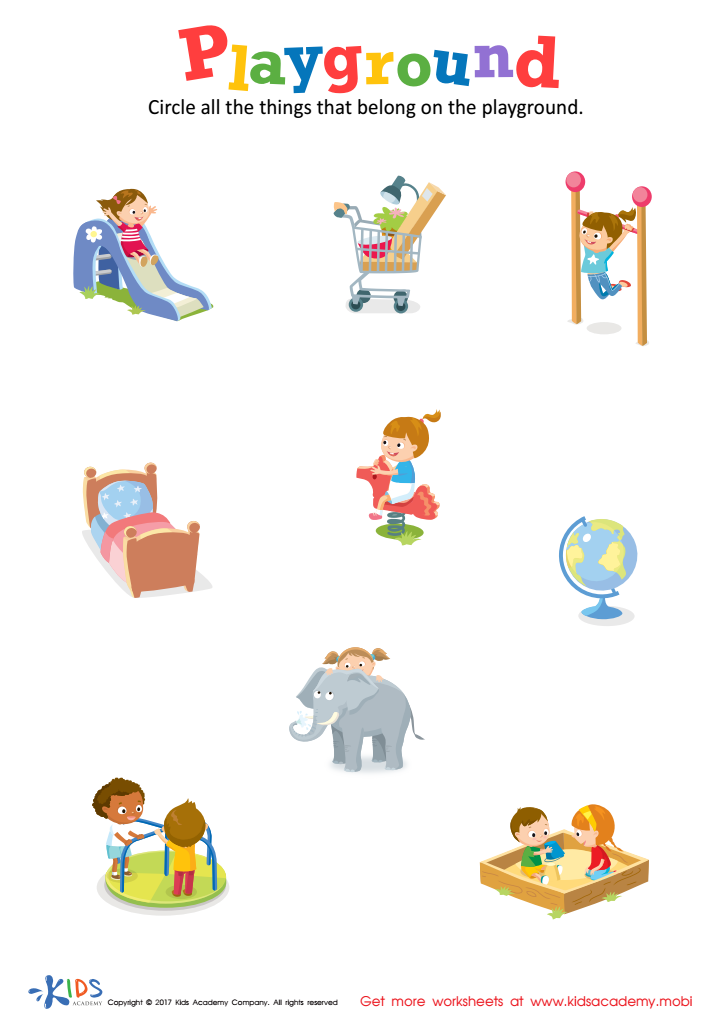
Playground Sorting Worksheet

Playground Worksheet

Head to the park with this playground worksheet! It strengthens sorting and cognitive skills while encouraging problem solving. Plus, it's fun-filled and engaging! When finished, head out to the park to see what items your child finds in the playground!
Playground Worksheet
Worksheet
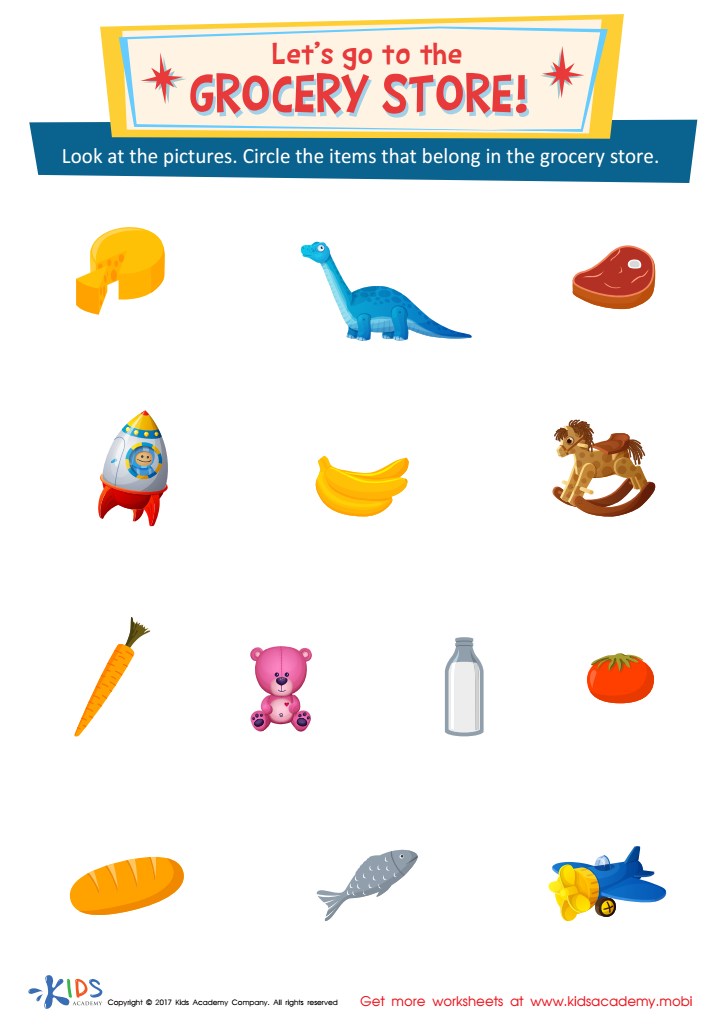
Grocery Store Sorting Worksheet

Grocery Store Worksheet

Kids love going to the grocery store for free samples and munchies! With this grocery store sorting worksheet, they can practice sorting, problem-solving and thinking skills. Learning experiences from real life, like grocery shopping, can be brought to your child's desk for fun matching activities. Try it out and look for these items the next time you go to the store!
Grocery Store Worksheet
Worksheet
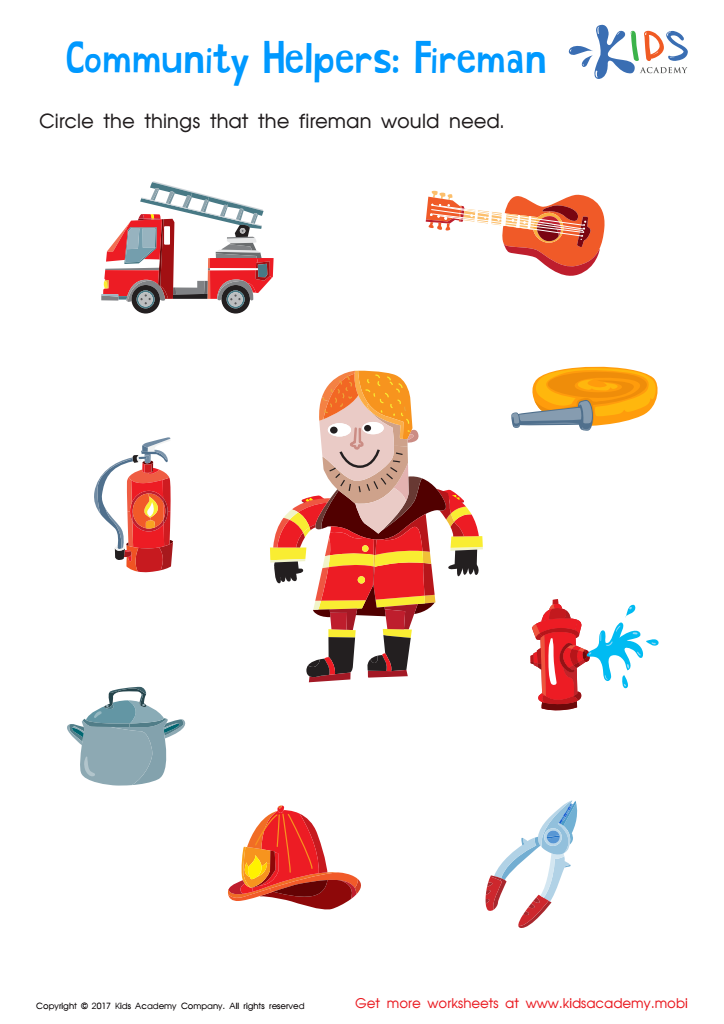
Community Helpers Fireman

Fireman Worksheet

Kids love firemen and their big fire engines! Inspire your child to learn about their duties with this fun fireman worksheet. It'll help your child understand the role of firemen, as well as develop matching and problem solving skills. Get your kid started on understanding a key role in society and have fun too!
Fireman Worksheet
Worksheet
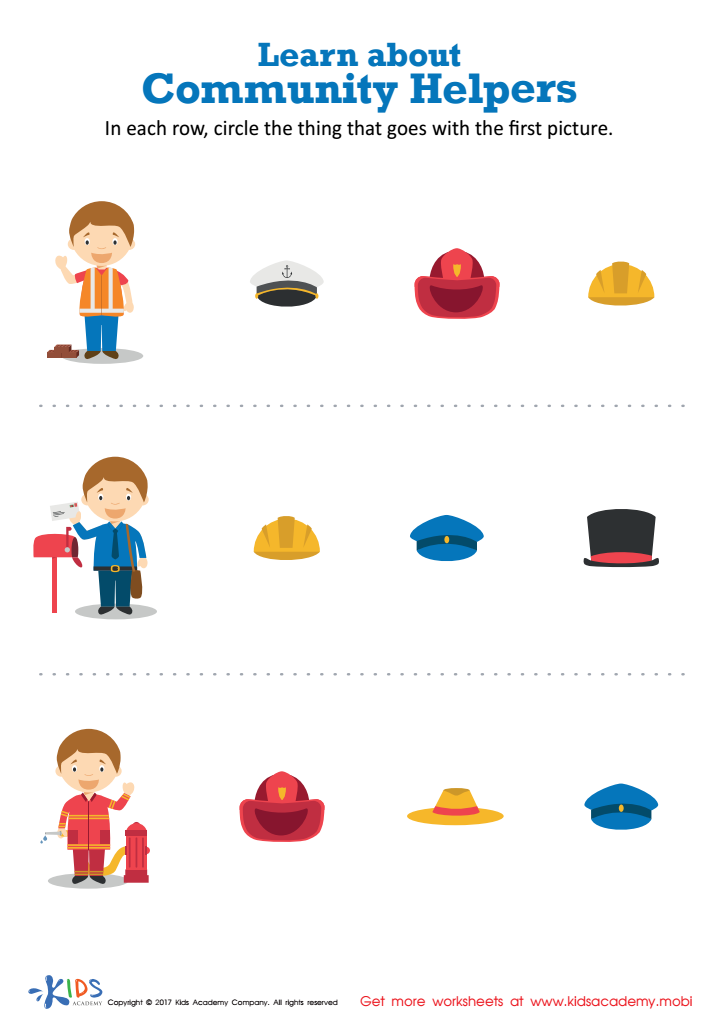
Community Helpers Printable Worksheet

Learn about Community Helpers Printable

Introduce your little one to the amazing and hard-working people in the community with this free worksheet. It will help them use matching and observational skills to match the correct hat to its worker and recognize community helpers. Perfect for early learners, this worksheet uses familiar images to help them gain a deeper appreciation for their community helpers!
Learn about Community Helpers Printable

Worksheet


... 3 4

Normal Community provides a pivotal foundation for children ages 6-9, a critical period for social, emotional, and academic development. During these early years, children begin to form their identities and understand their roles within a community. For parents and teachers, fostering a sense of normalcy and community helps children feel secure, valued, and connected.

A well-functioning community teaches children important social skills, such as empathy, cooperation, and conflict resolution. These skills are essential for creating harmonious interactions and developing a child’s ability to collaborate and communicate effectively with peers and adults. Children learn about fairness, taking turns, and understanding diverse perspectives, which are vital for becoming compassionate, well-rounded individuals.

Moreover, a stable community boosts a child's self-esteem and confidence. When children feel understood and supported, they are more likely to take academic and social risks, leading to enhanced learning experiences. Parents and teachers play critical roles in modeling positive behaviors, setting expectations, and providing consistent routines, which contribute to a structured environment that promotes growth and learning.

In essence, caring about a child's normal community sets the stage for lifelong success by nurturing well-balanced, secure, and socially adept individuals who are prepared to face future challenges with resilience and optimism.