Normal Geography Worksheets for Ages 6-9 - Page 2
48 filtered results
-
From - To
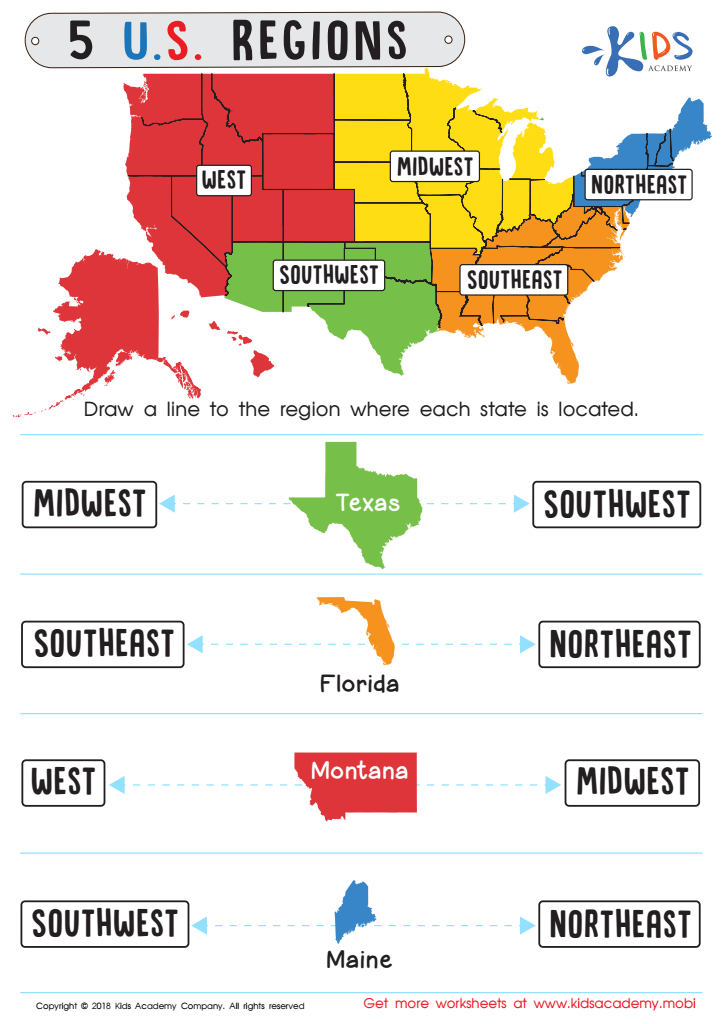
5 U.S. Regions Worksheet
 Assign to My Students
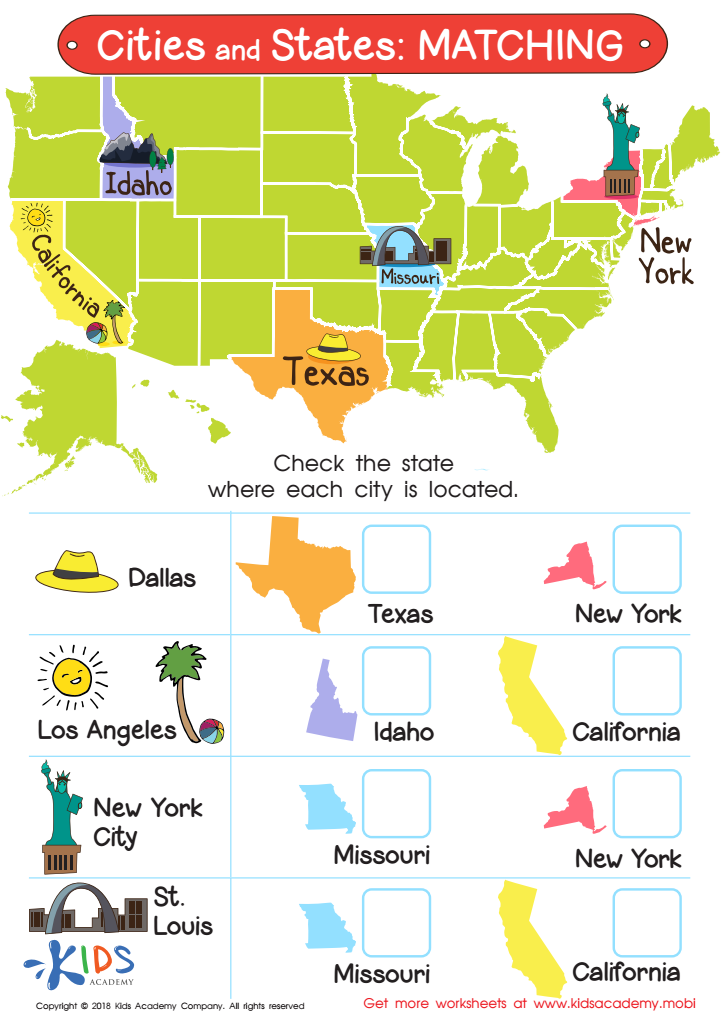
Cities and States: Matching Worksheet
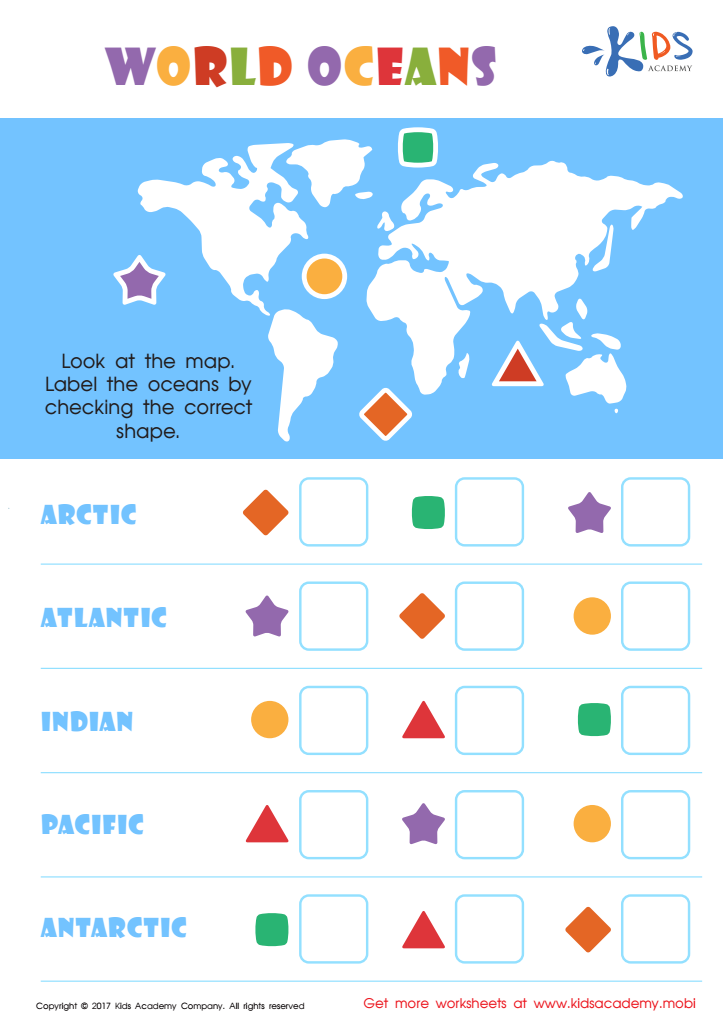
World Oceans Printable
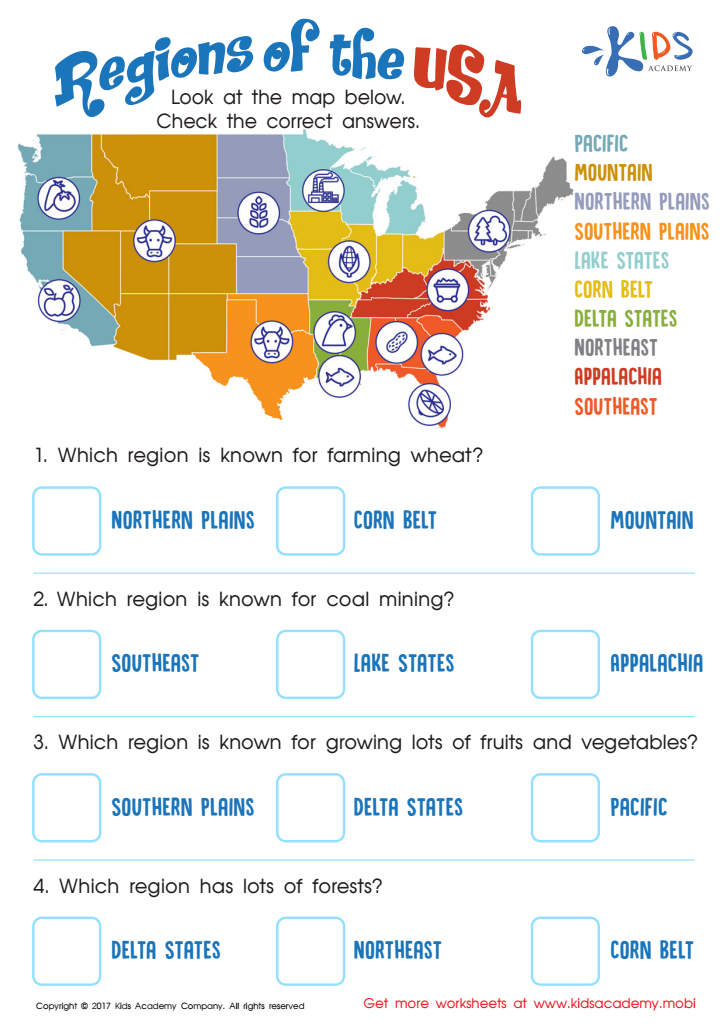
Regions of the USA Worksheet
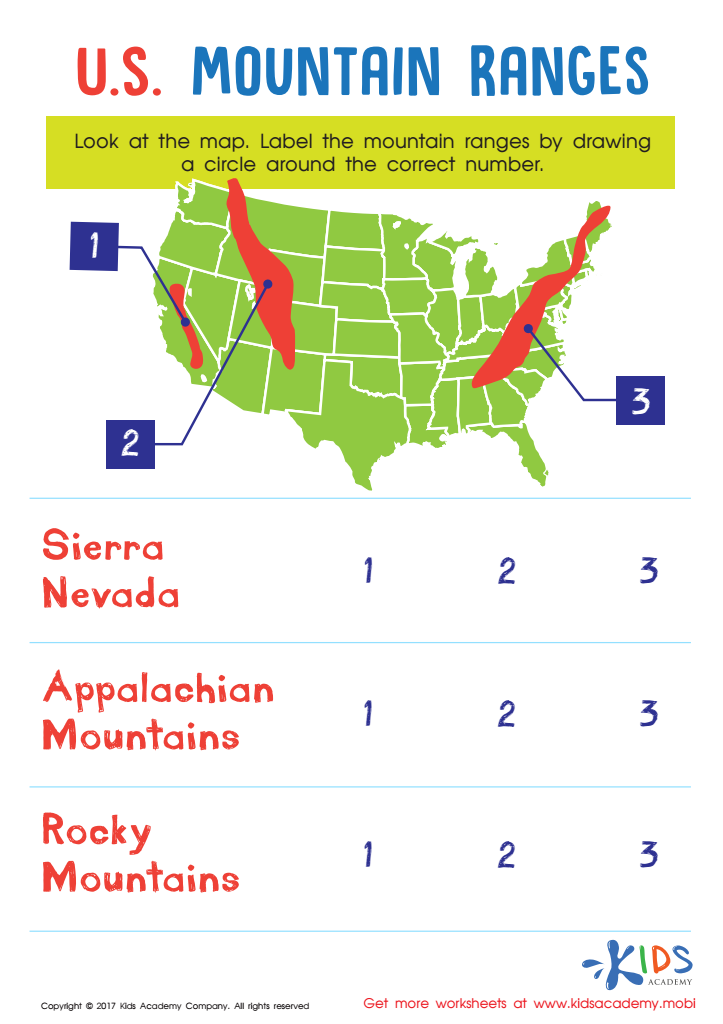
US Mountain Ranges Worksheet
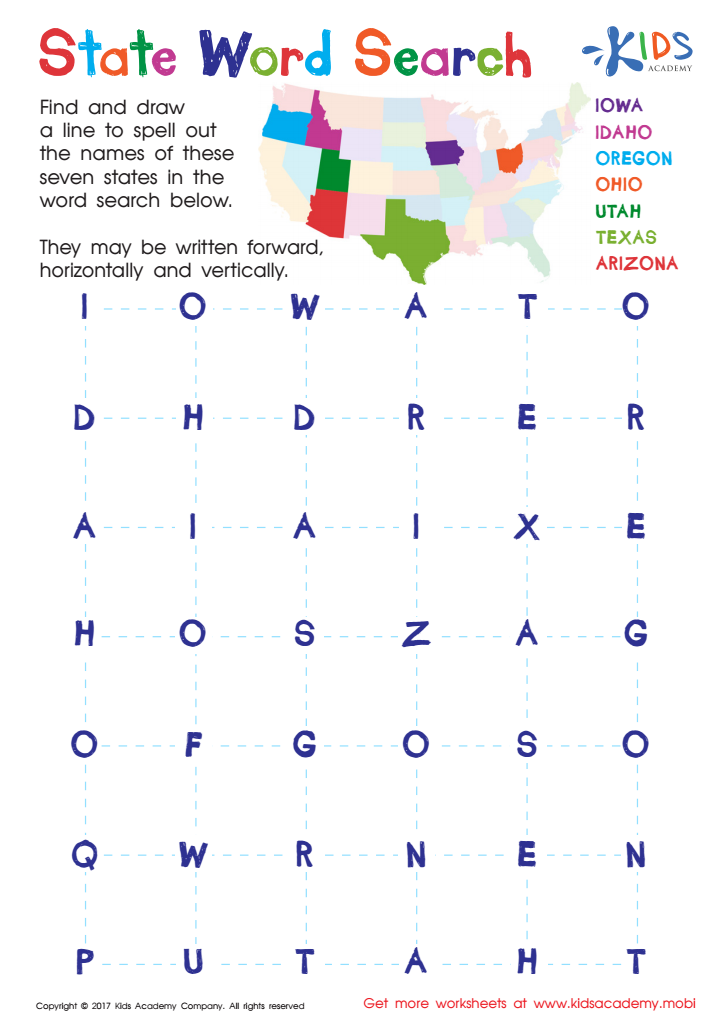
State Word Search Worksheet
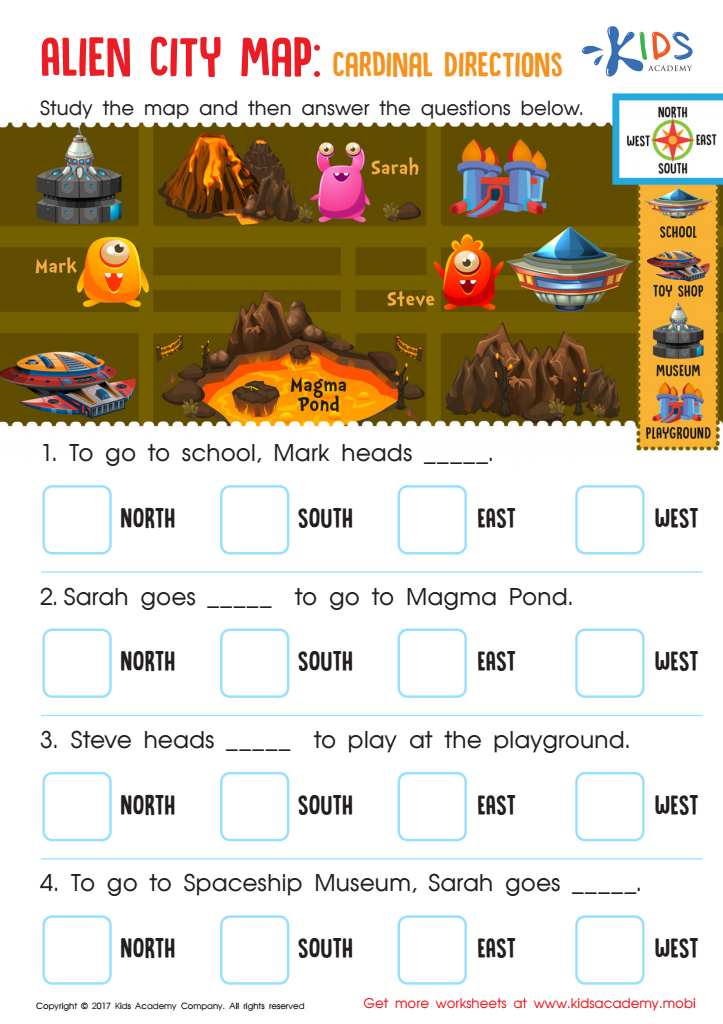
Alien City Map: Cardinal Directions Worksheet
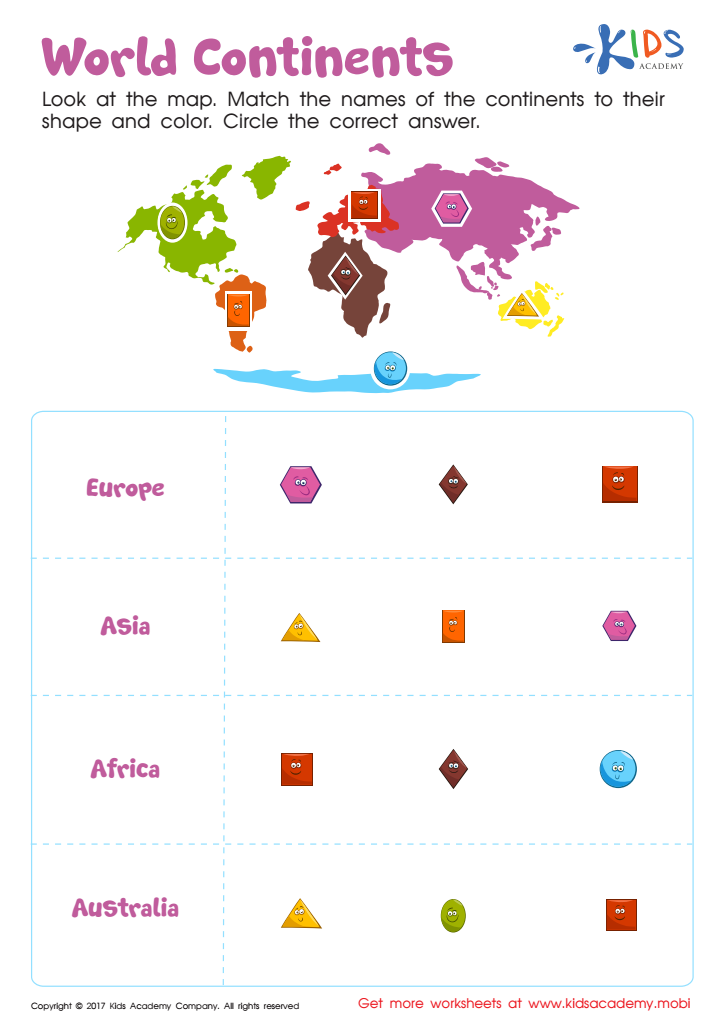
World Continents Worksheet
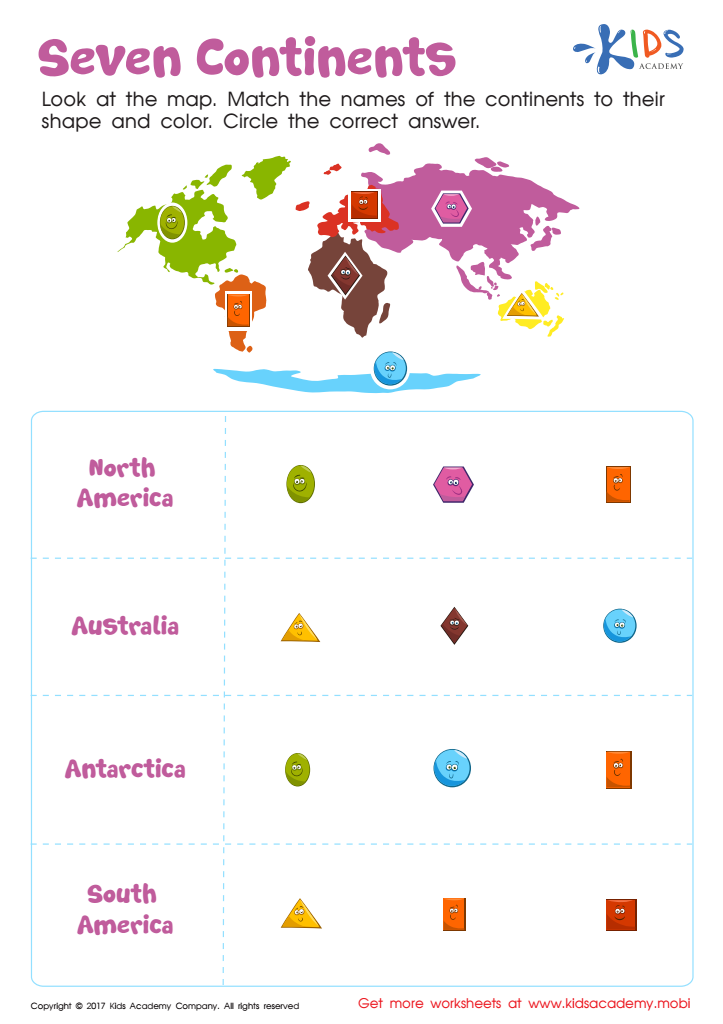
Seven Continents Worksheet
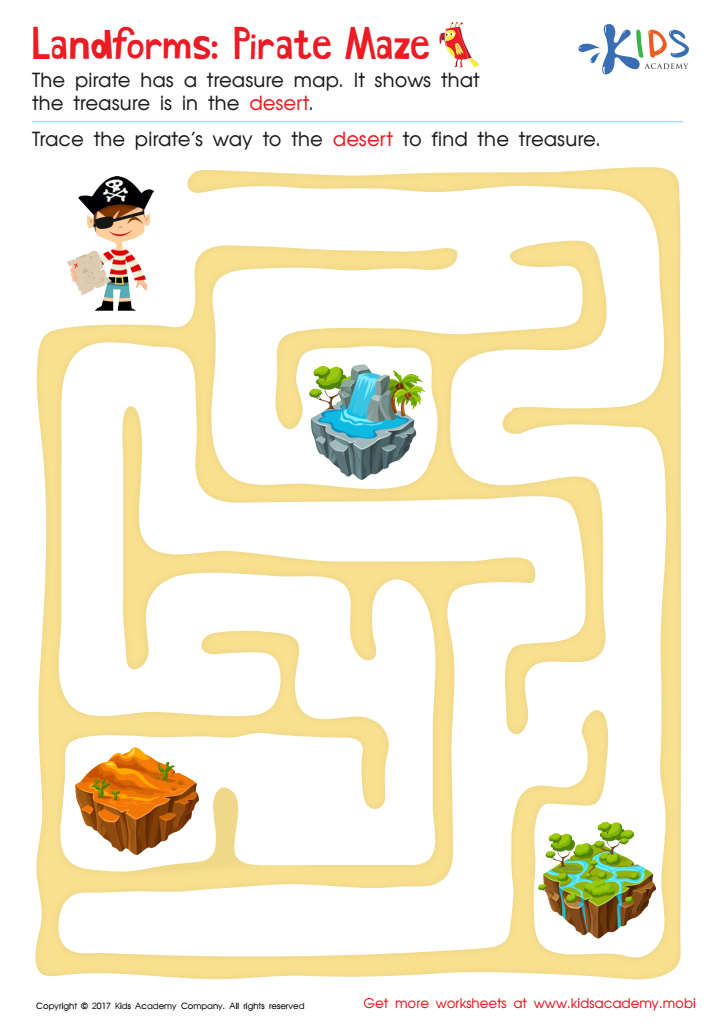
Landforms: Pirate Maze Printable
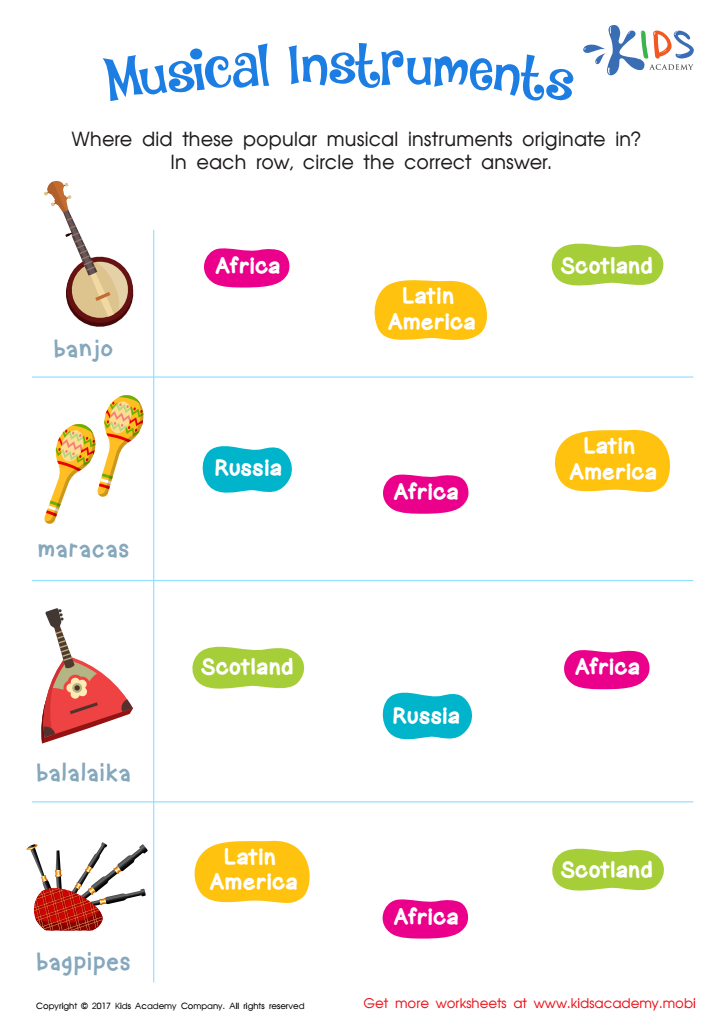
Musical Instruments Printable
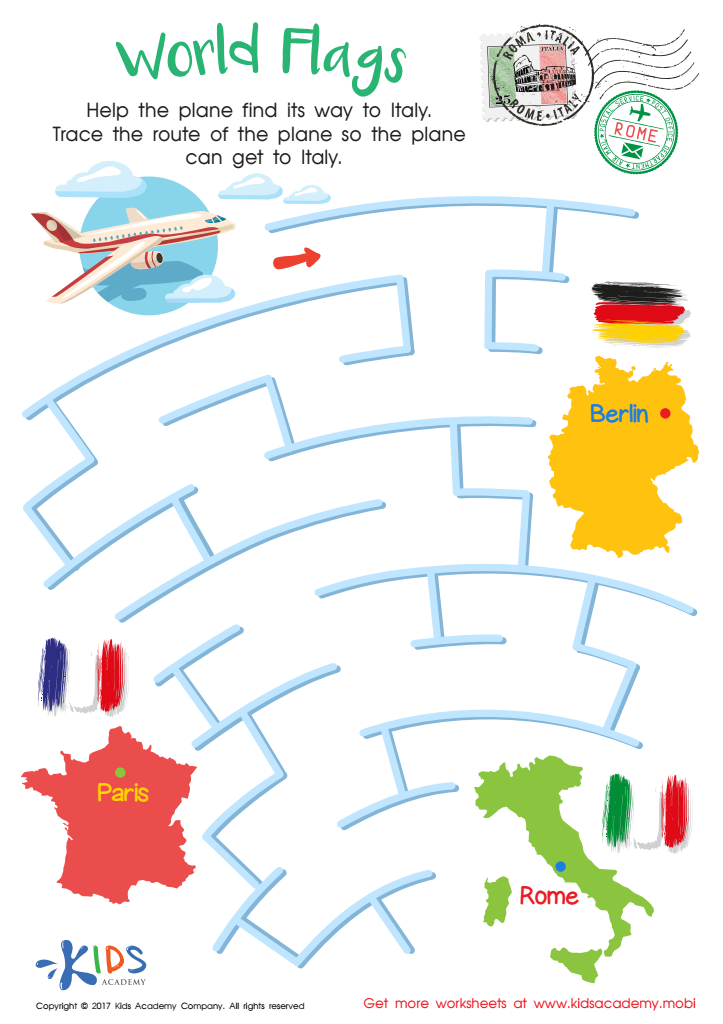
World Flags Maze Worksheet
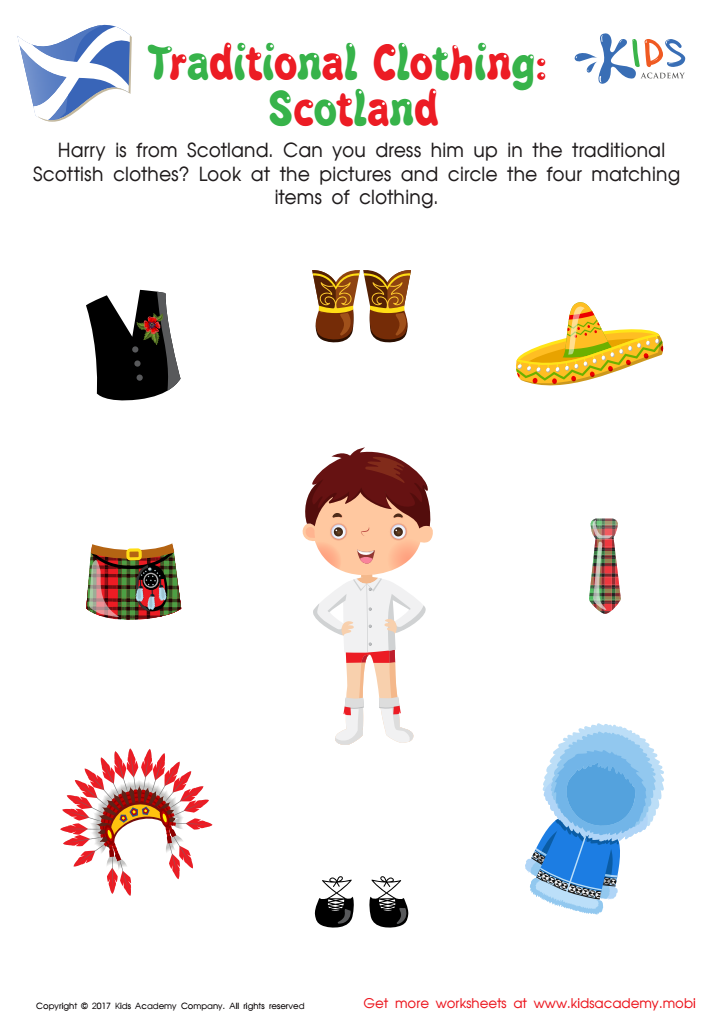
Traditional Clothing in Scotland Worksheet
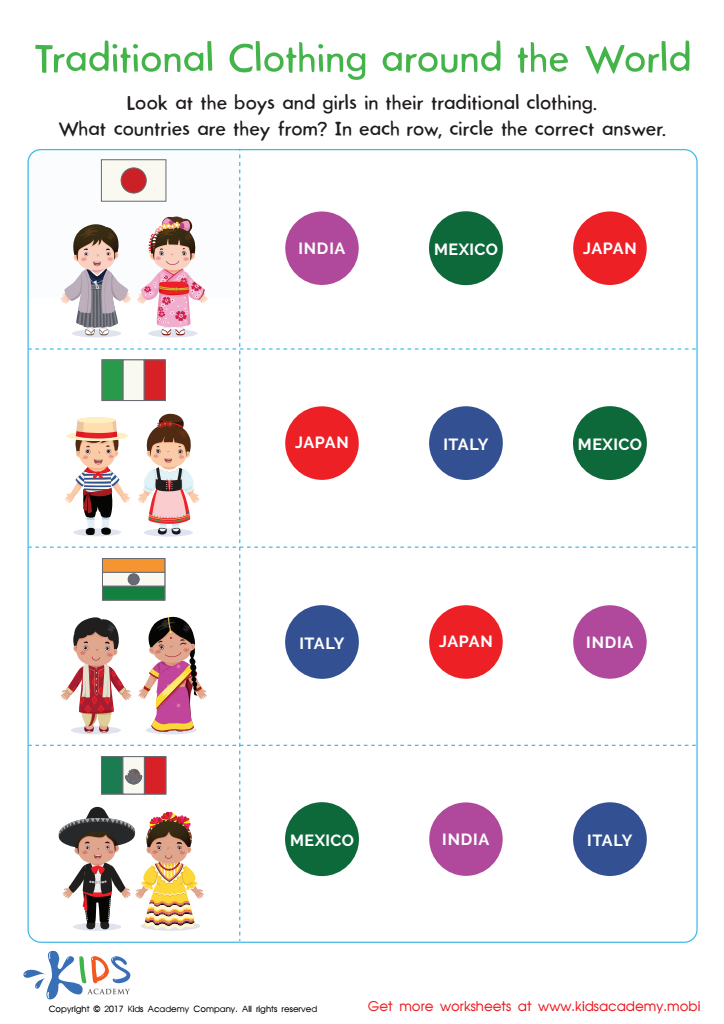
Traditional Clothing Worksheet
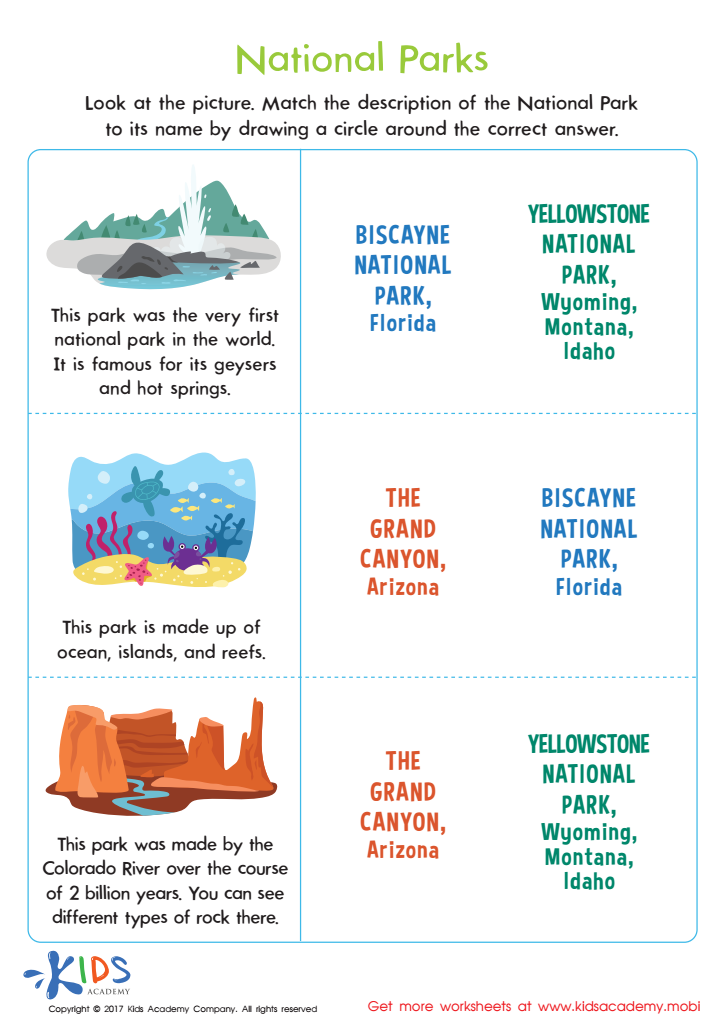
National Parks Printable
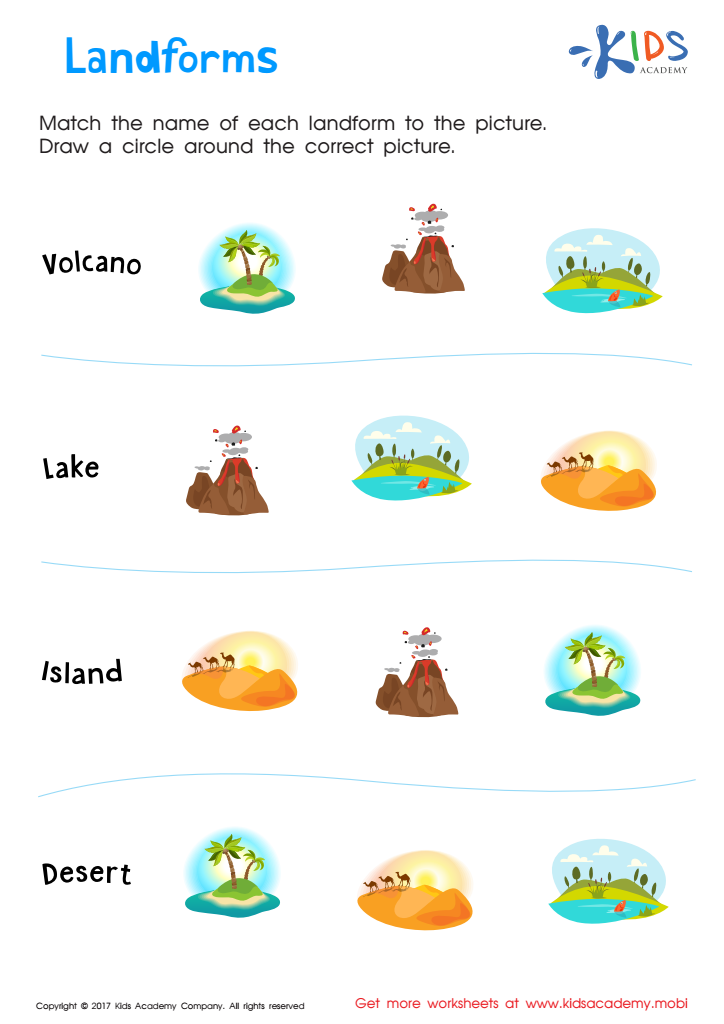
Landforms Printable
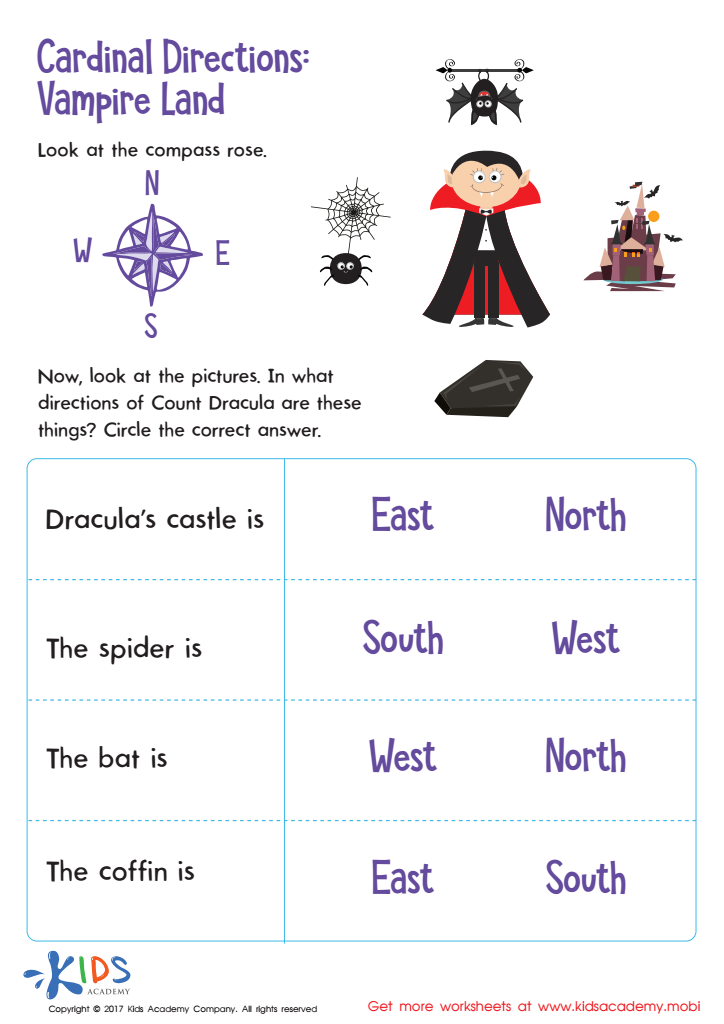
Cardinal Directions Printable
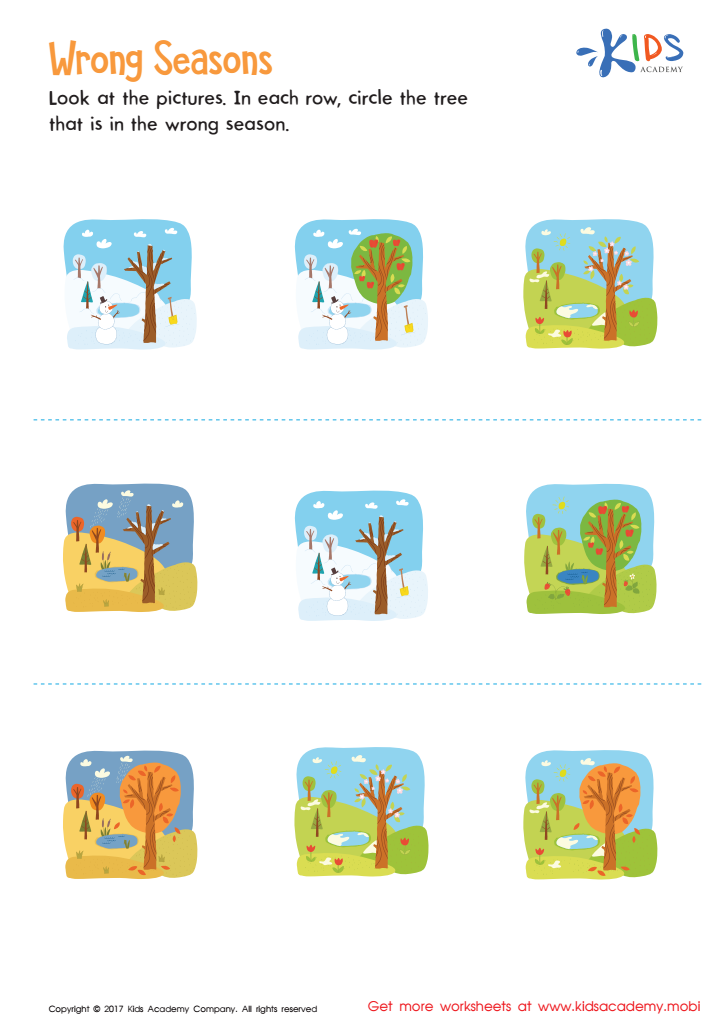
Wrong Seasons Worksheet
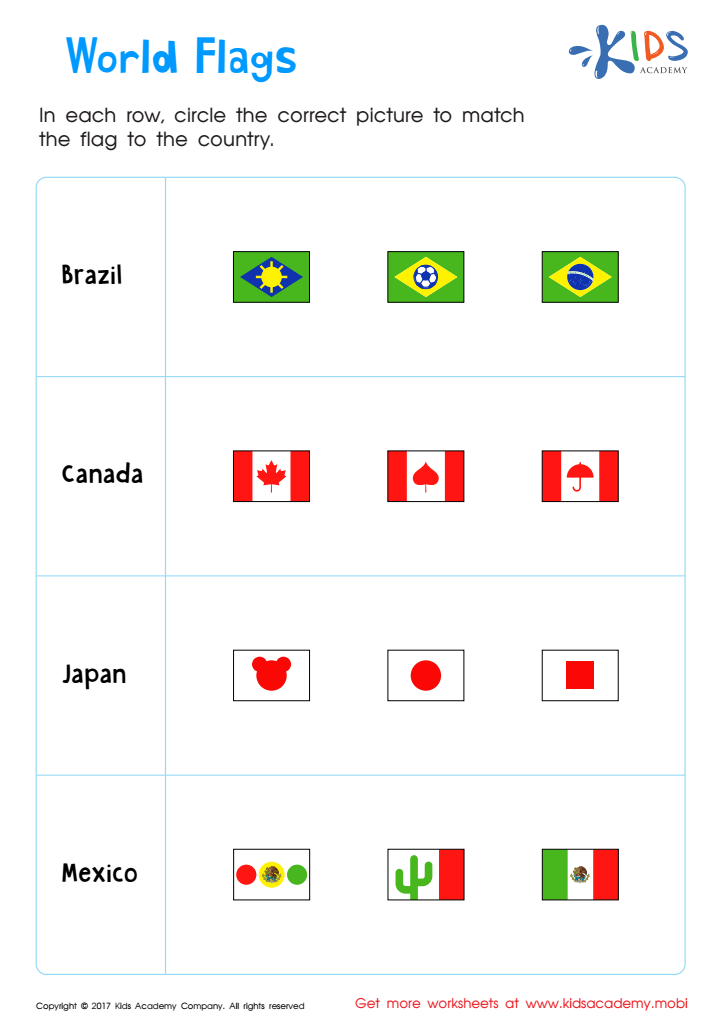
World Flags Printable
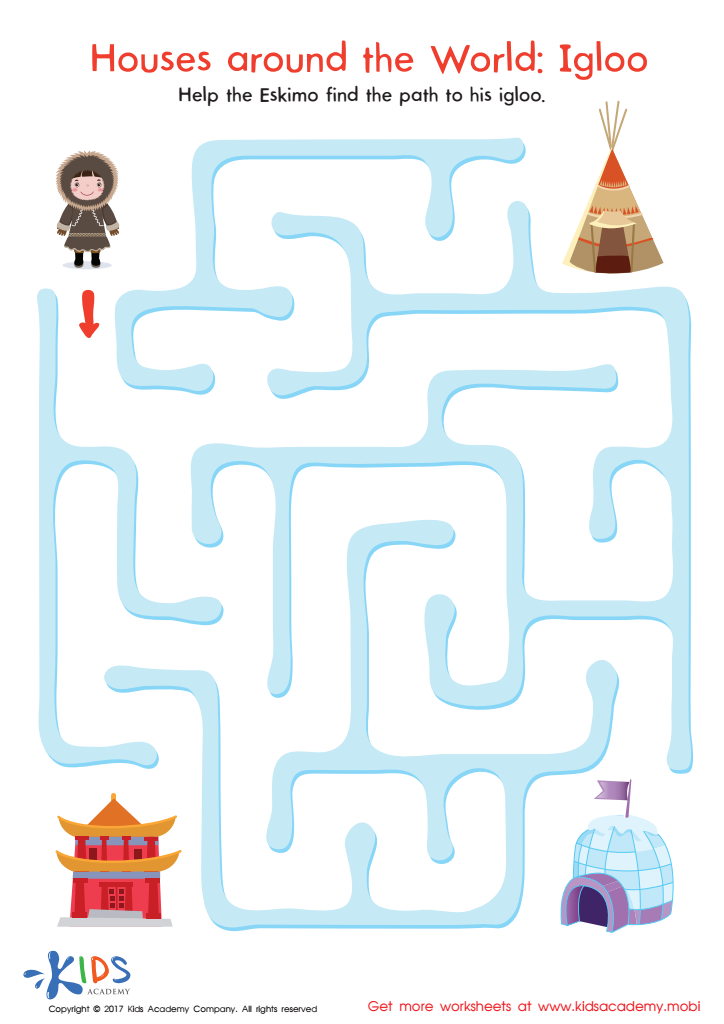
Houses Around the World: Igloo Printable
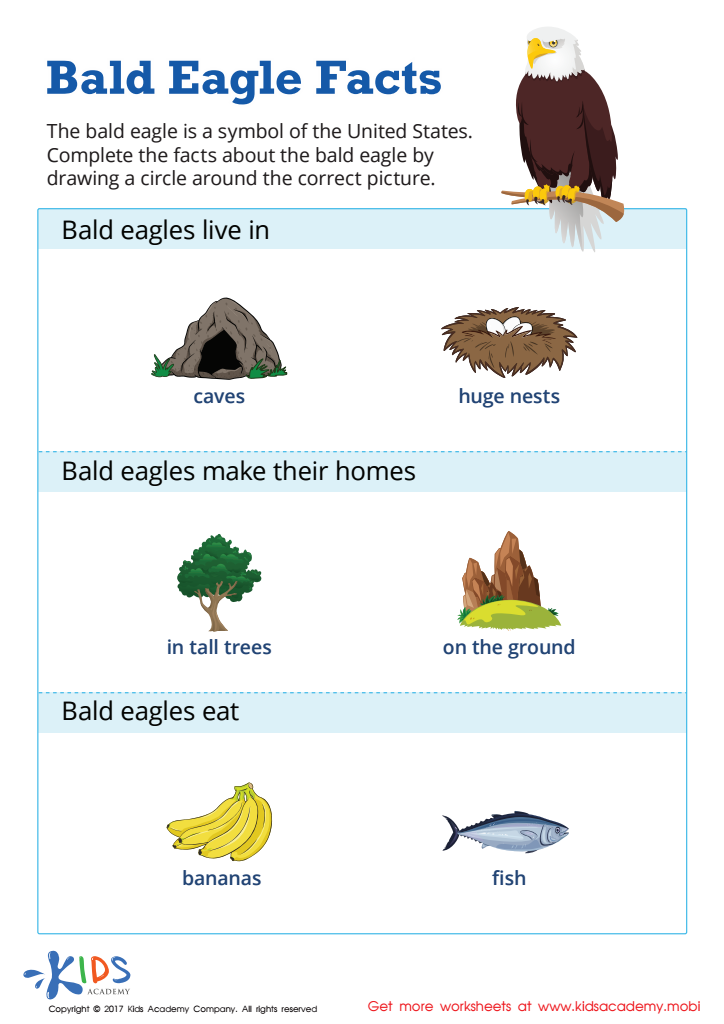
Bald Eagle Facts Worksheet
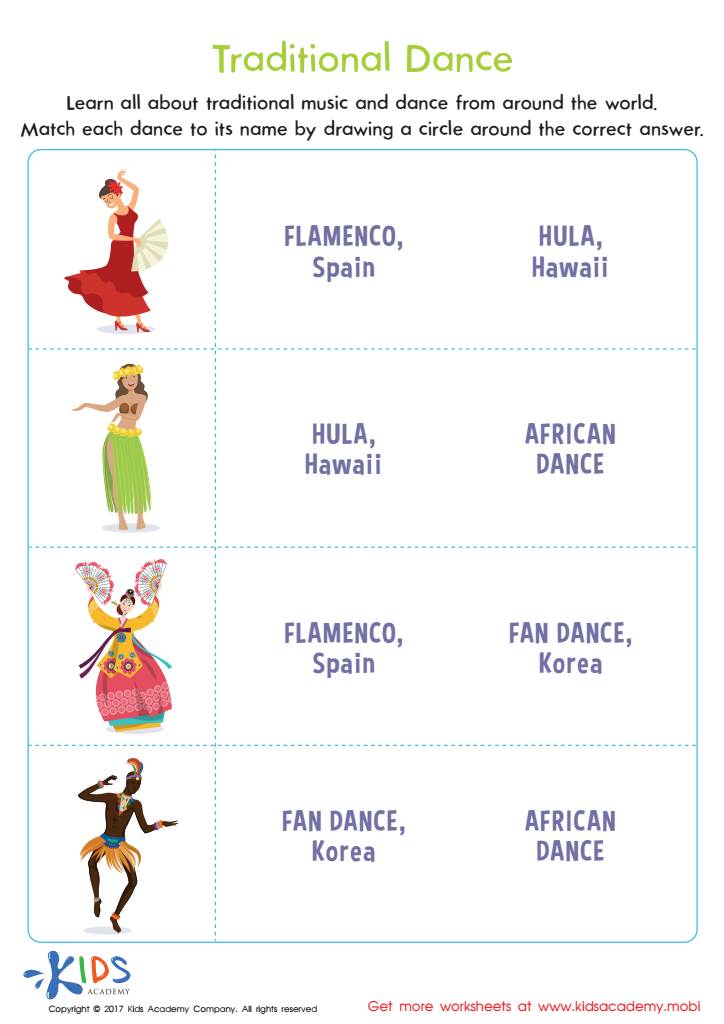
Traditional Dance Printable




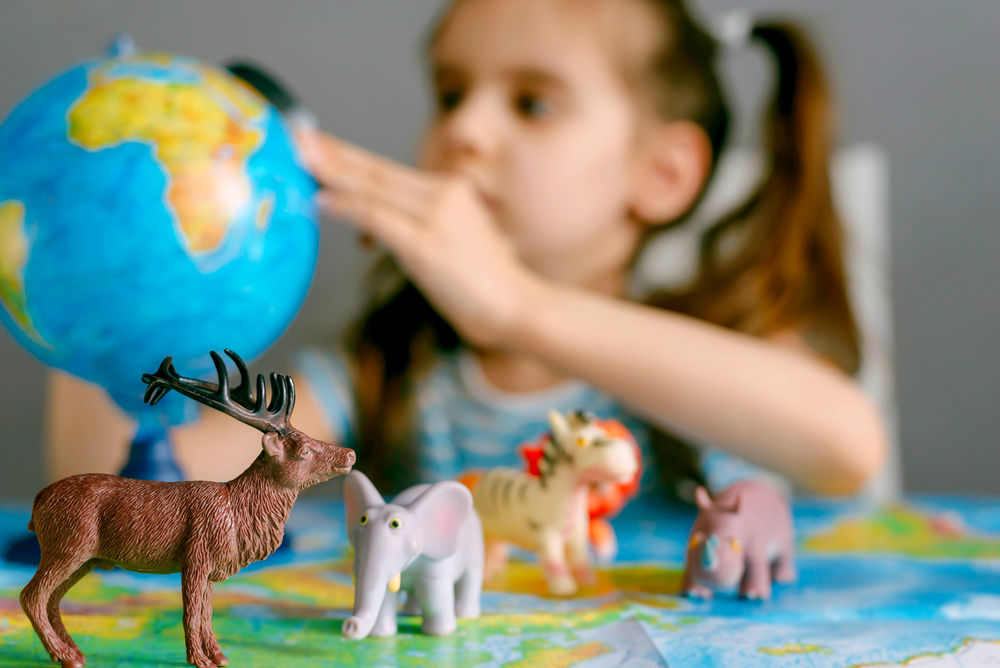

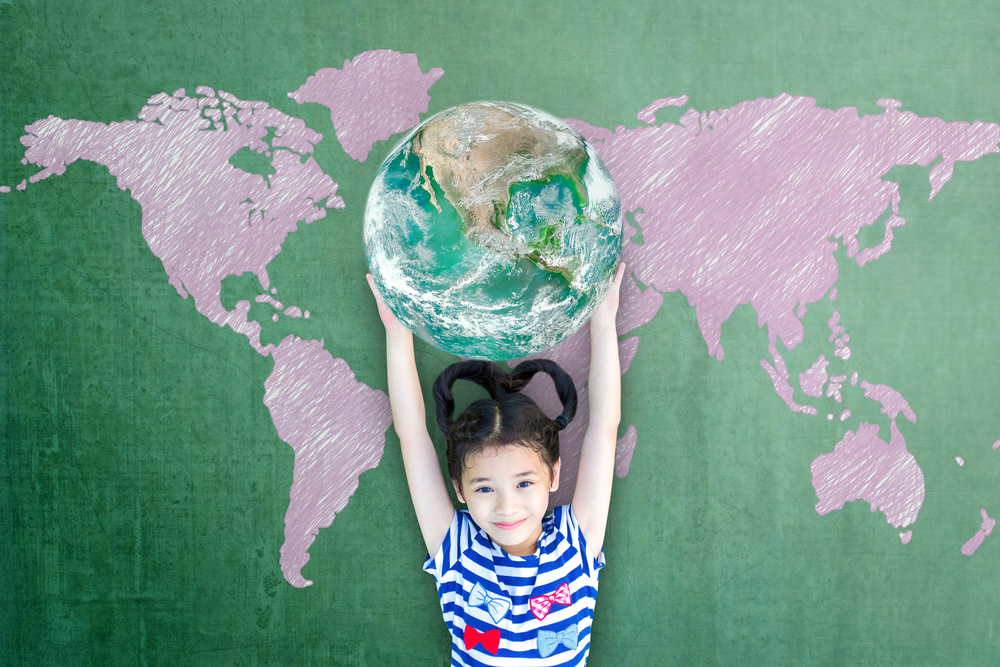
Normal Geography is crucial for children aged 6-9, as it serves as the foundation for their understanding of the world. This age group is naturally curious, and introducing them to geographical concepts fosters their sense of exploration and discovery. Understanding geography helps children develop a sense of place and context, enhancing their ability to relate to and interact with their environment.
Learning geography at an early age nurtures critical cognitive skills, such as spatial awareness, map reading, and the ability to visualize locations and their relationships. It also cultivates an understanding of diverse cultures, ecosystems, and global interconnections, promoting empathy and global citizenship. By learning about various countries, landscapes, and communities, children can appreciate the richness of diversity in the world.
Furthermore, geography supports other academic subjects, integrating science, social studies, and history into a holistic learning experience. Parents and teachers who promote geographic literacy early on help children build a well-rounded knowledge base, encouraging informed decision-making and critical thinking as they grow. Ultimately, instilling a love and understanding of geography can inspire the next generation to become informed residents of a global society, equipping them with the awareness needed to address real-world challenges.