Normal Vowel Blends Worksheets for Ages 7-9
11 filtered results
-
From - To
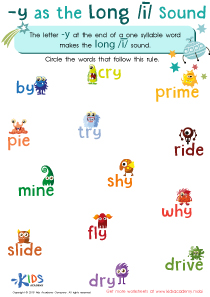
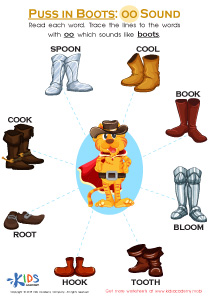
Enhance your child's reading skills with our Normal Vowel Blends Worksheets for ages 7-9. Perfect for young learners, these engaging worksheets focus on common vowel blends to improve phonemic awareness and reading fluency. Each activity is designed to make learning fun through diverse exercises including matching, fill-in-the-blanks, and reading practice. Suitable for both classroom and home use, our worksheets help solidify foundational literacy skills. Download and print these resources to give your child the confidence they need to excel in reading. Visit Kids Academy for educational tools that make learning enjoyable and effective.
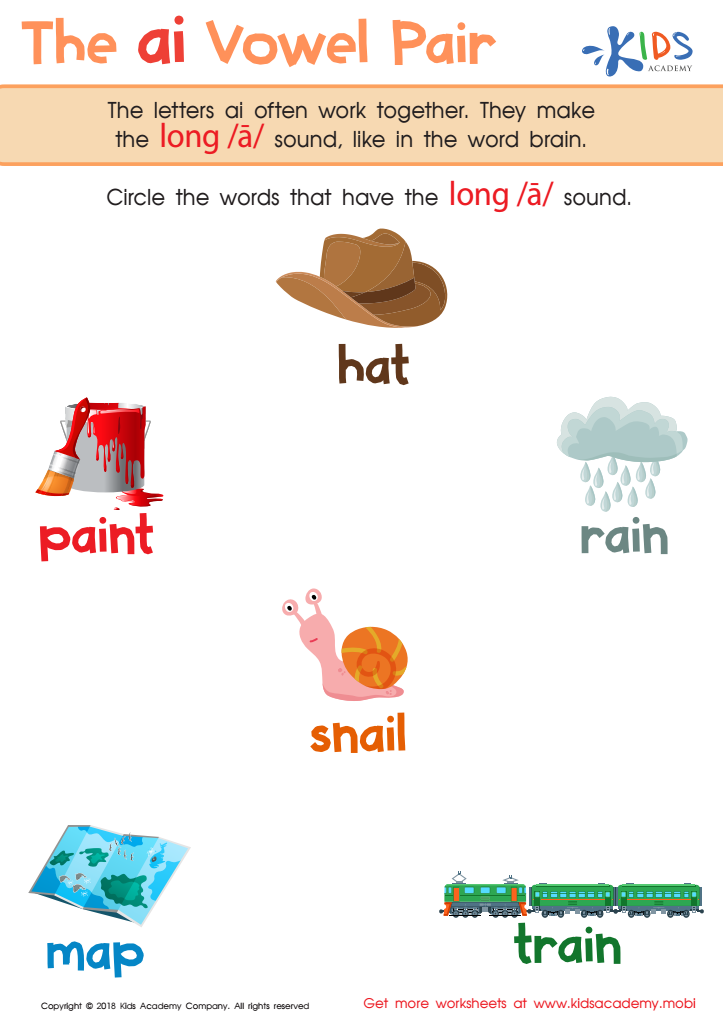
The AI Vowel Pair Worksheet
 Assign to My Students
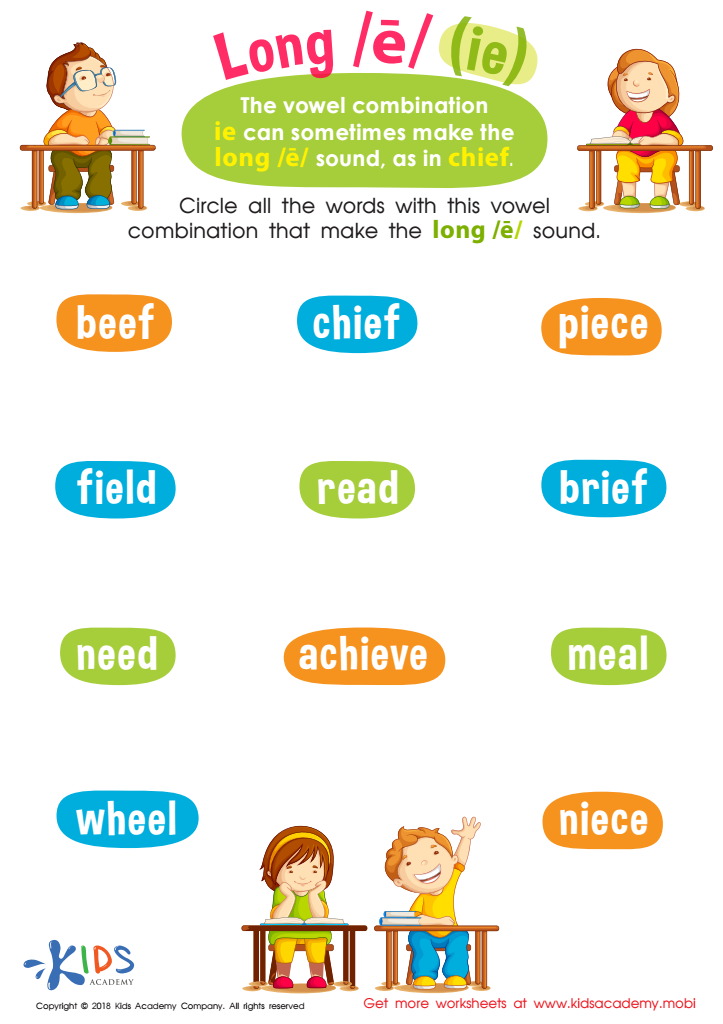
Reading: Long E and IE Worksheet
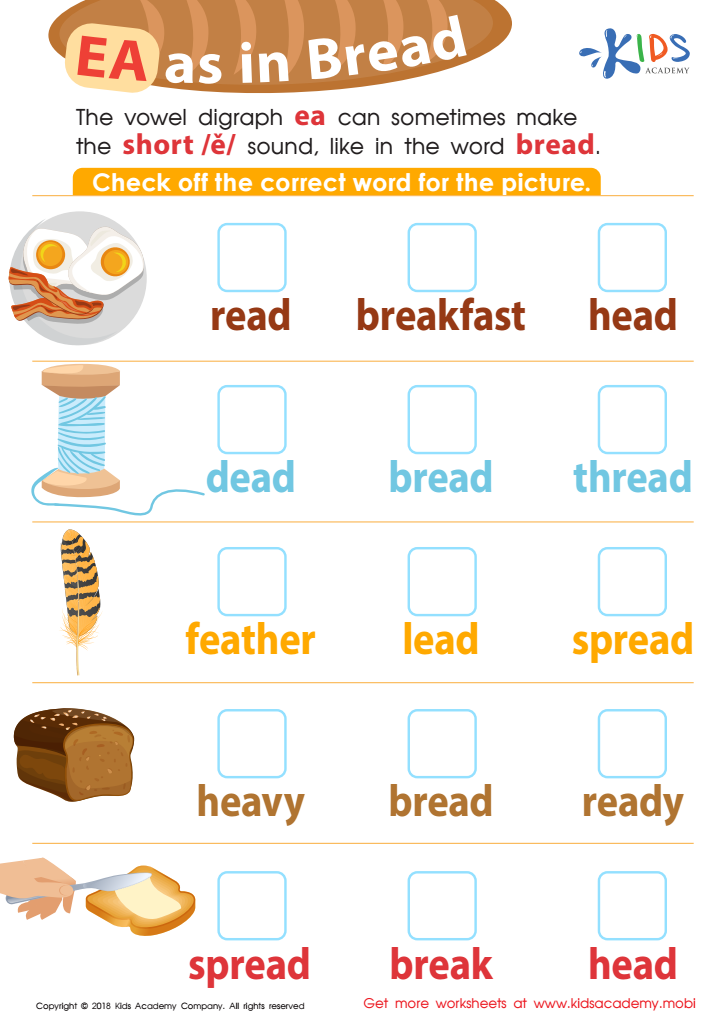
Reading: EA as in Bread Worksheet
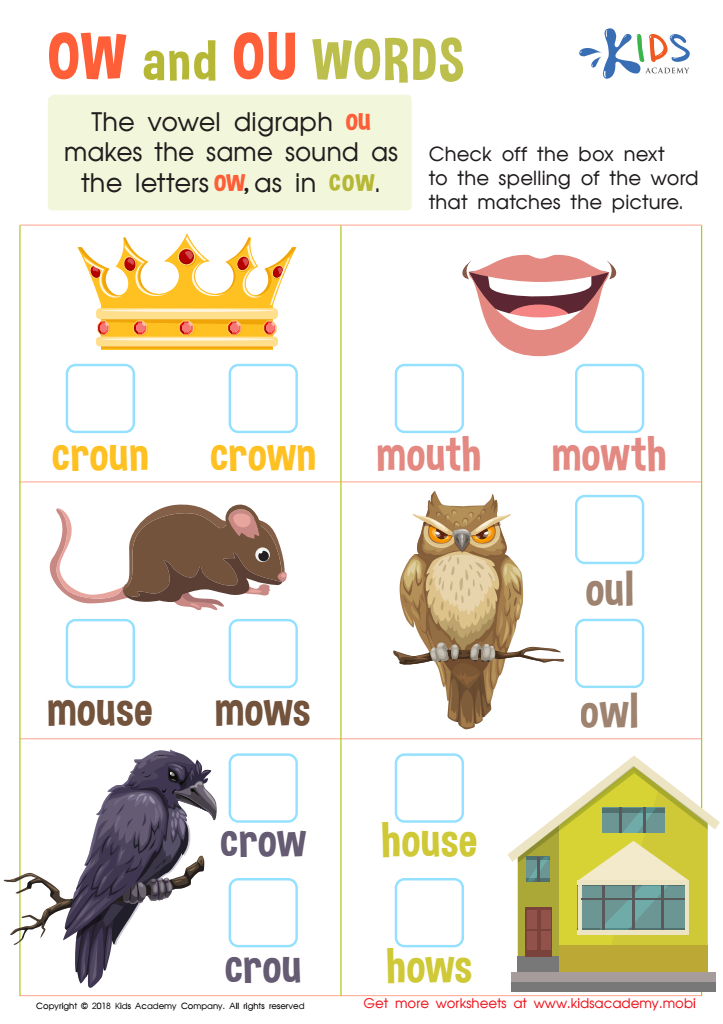
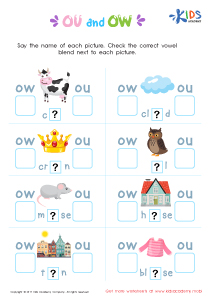
Reading: OW and OU Words Worksheet
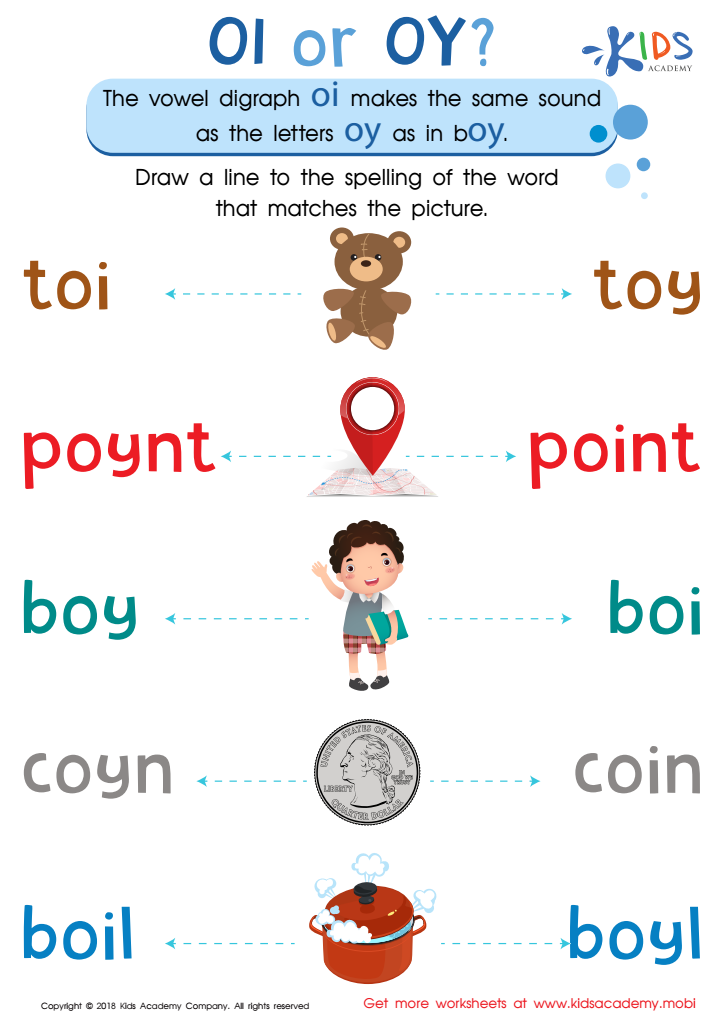
Reading: OI and OY Worksheet
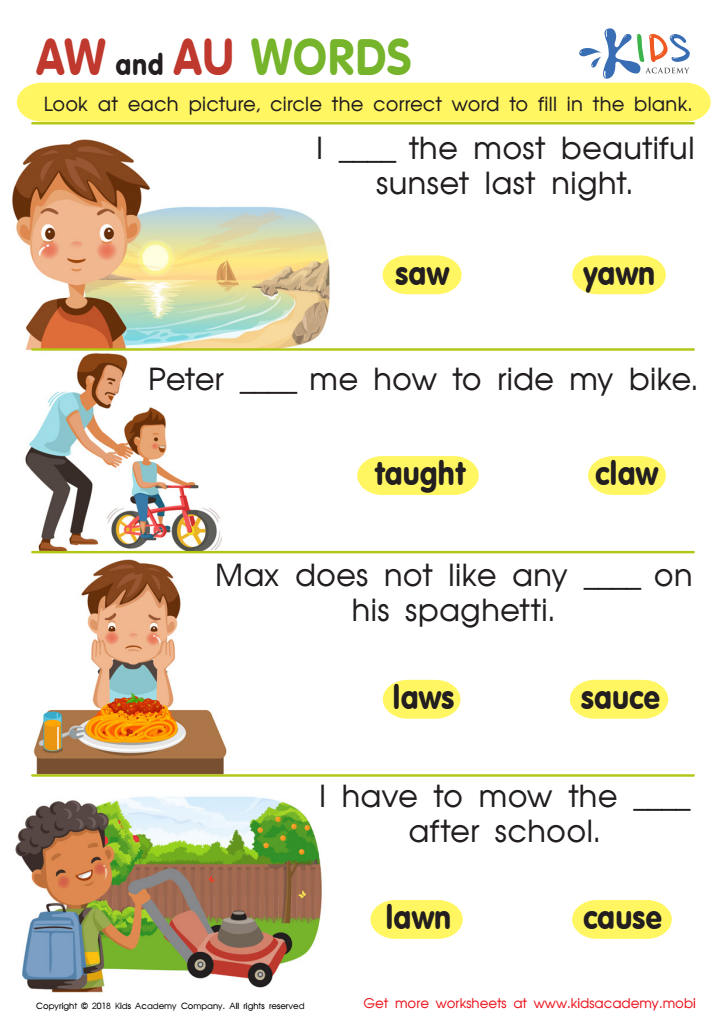
Reading: AW and AU Words Worksheet
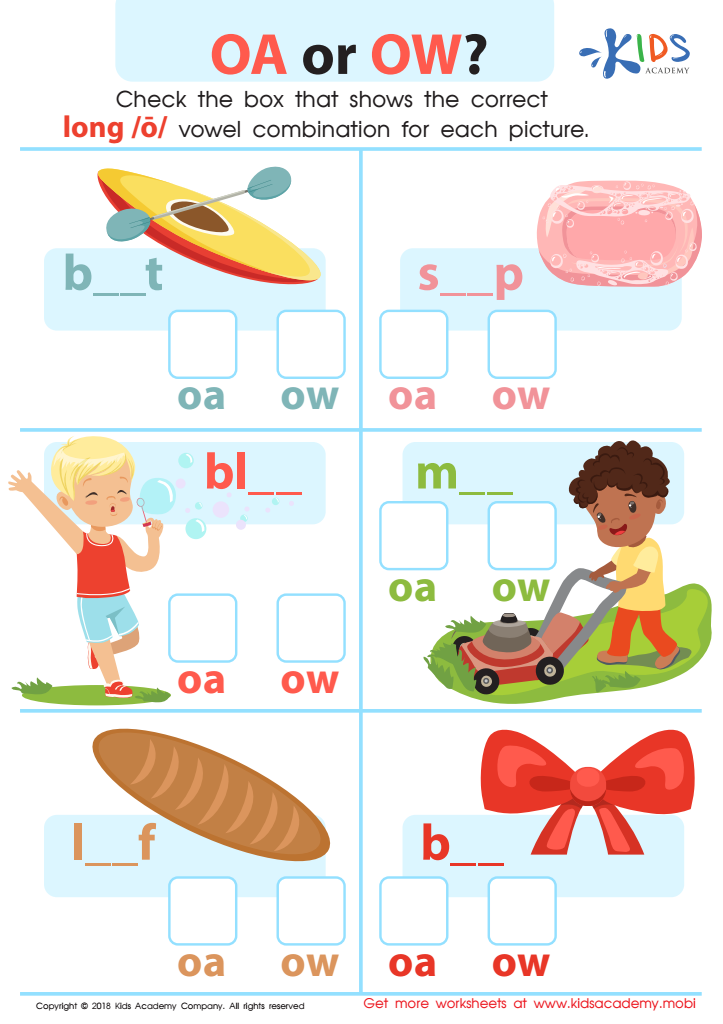
Reading: OA or OW Worksheet
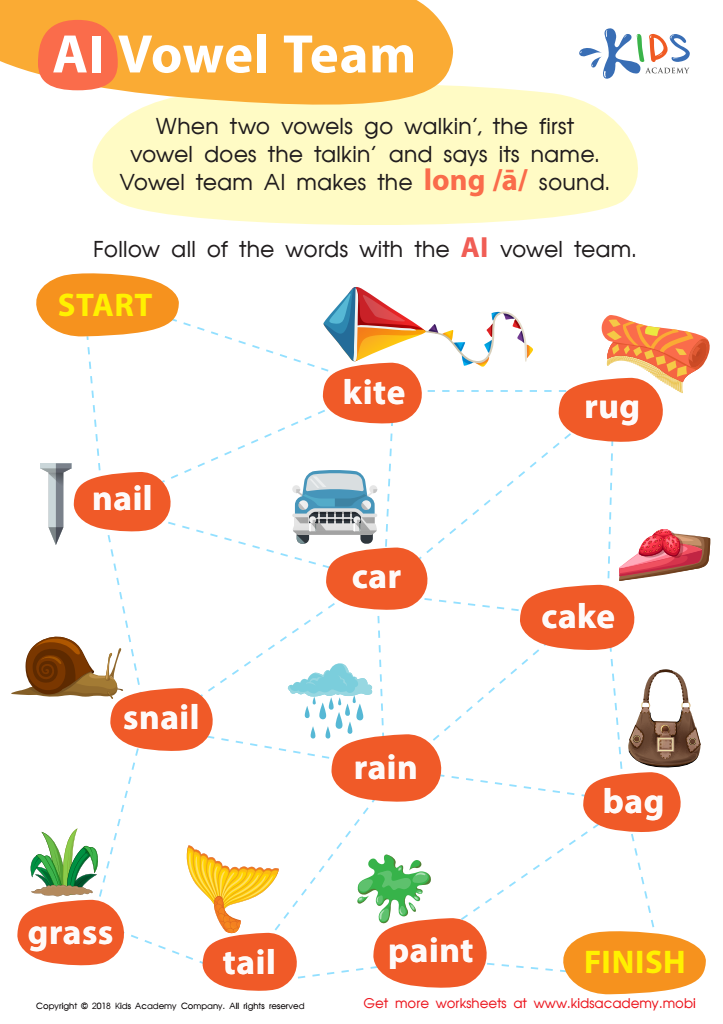
Reading: AI Vowel Team Worksheet
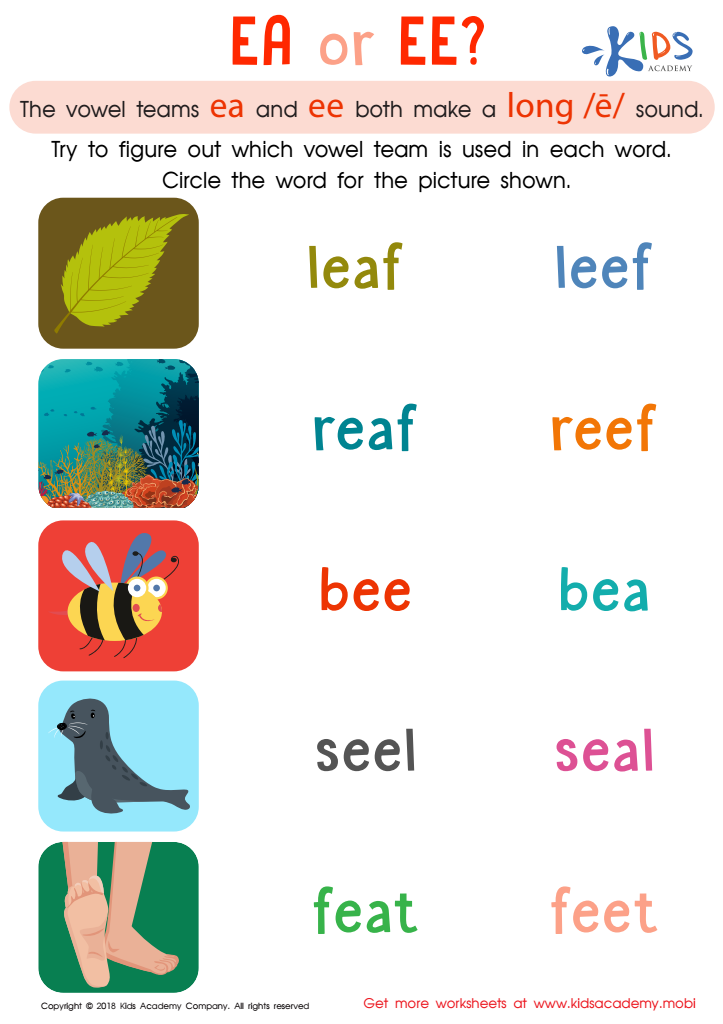
Reading: EA and EE Worksheet
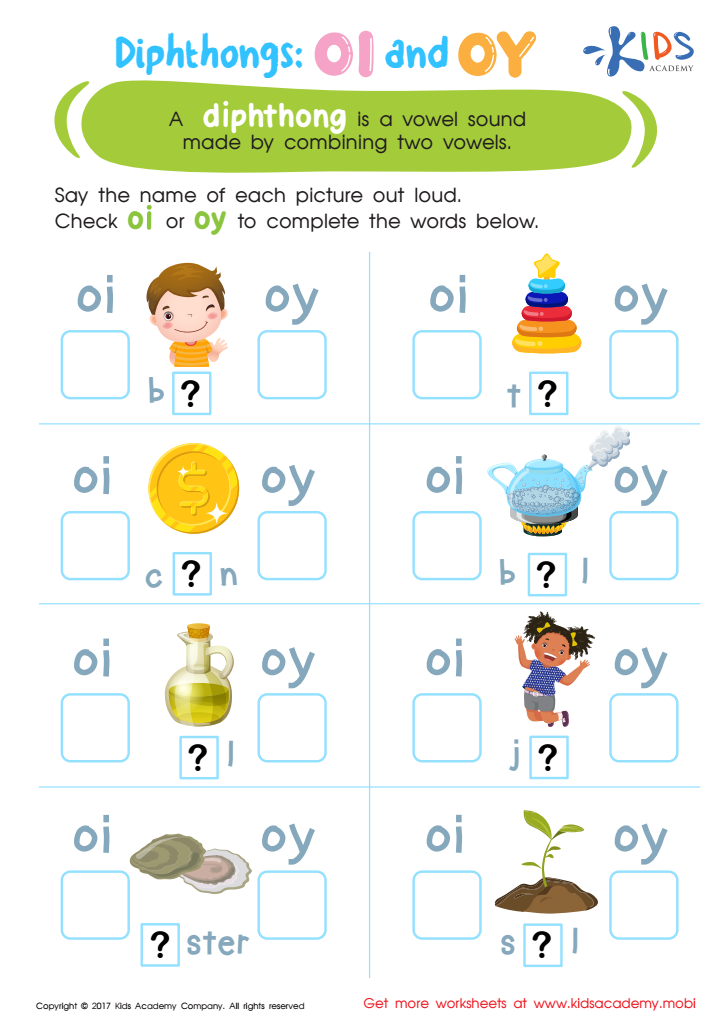
Vowel Diphthongs OI OY Worksheet
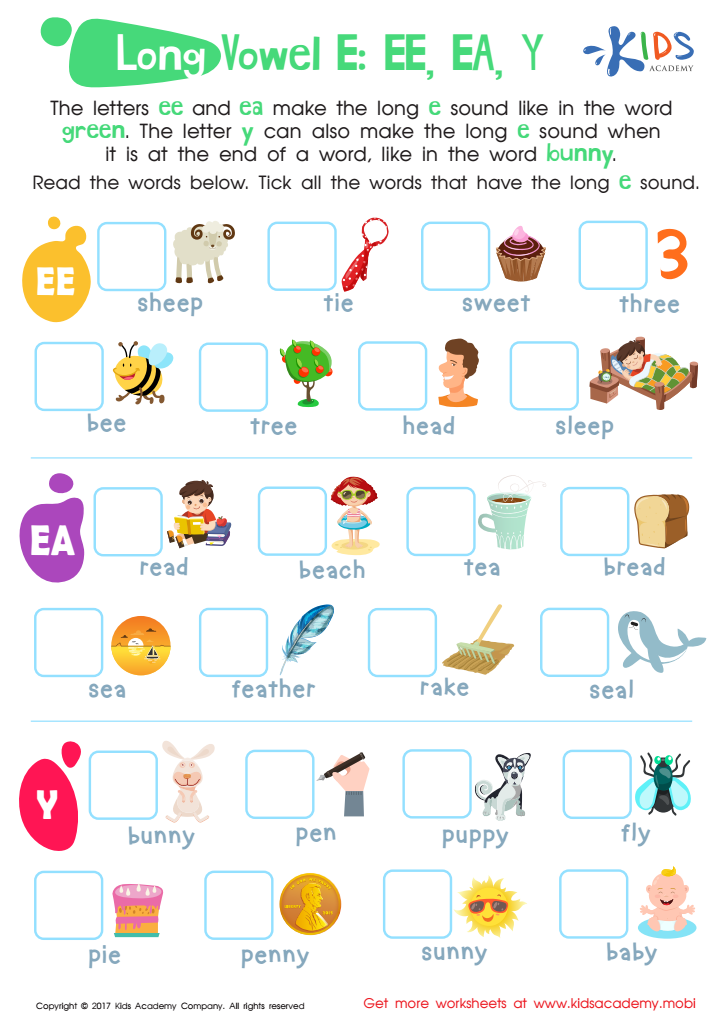
Long Vowel E Printable





Normal vowel blends are combinations of vowel sounds that occur together within a word to create a distinct pronunciation. For children ages 7-9, mastering these blends is crucial for several reasons:
-
Reading Proficiency: Understanding vowel blends helps children decode words more efficiently, leading to improved reading fluency. Recognizing and pronouncing blends correctly allows kids to tackle new words with greater ease, fostering a more enjoyable reading experience.
-
Spelling Skills: Students who can identify and use vowel blends are better spellers. Recognizing patterns in these blends helps children spell words more accurately, which is integral in writing.
-
Vocabulary Expansion: By mastering vowel blends, children acquire new words more easily. This not only enhances their vocabulary but also aids in comprehension and communication.
-
Phonemic Awareness: Learning about vowel blends increases phonemic awareness, which is the ability to hear, identify, and manipulate individual sounds in spoken words. This foundational skill is vital for both reading and writing development.
-
Confidence: Mastery of vowel blends instills confidence in young learners. As they become more skillful readers and spellers, they are likely to participate more in classroom activities and enjoy a sense of accomplishment.
Overall, a strong grasp of normal vowel blends supports literacy and lays the groundwork for future academic success. Parents and teachers should prioritize this areas as part of their literacy education strategies.