Normal Comparing Numbers Worksheets for Ages 7-9 - Page 2
29 filtered results
-
From - To
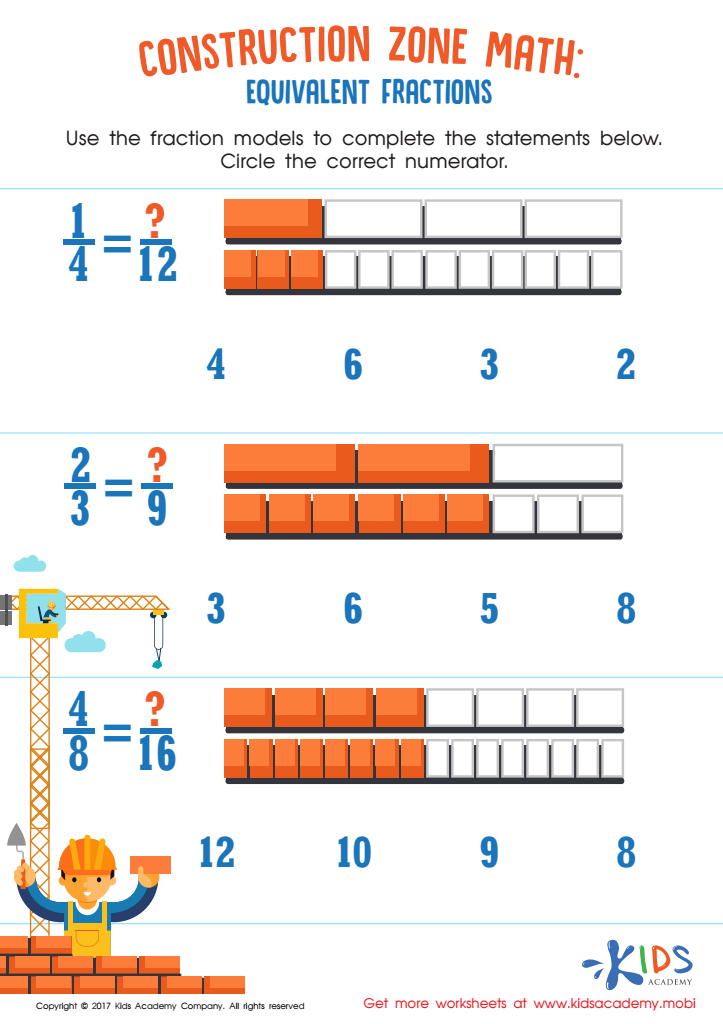
Equivalent Fractions Worksheet
 Assign to My Students

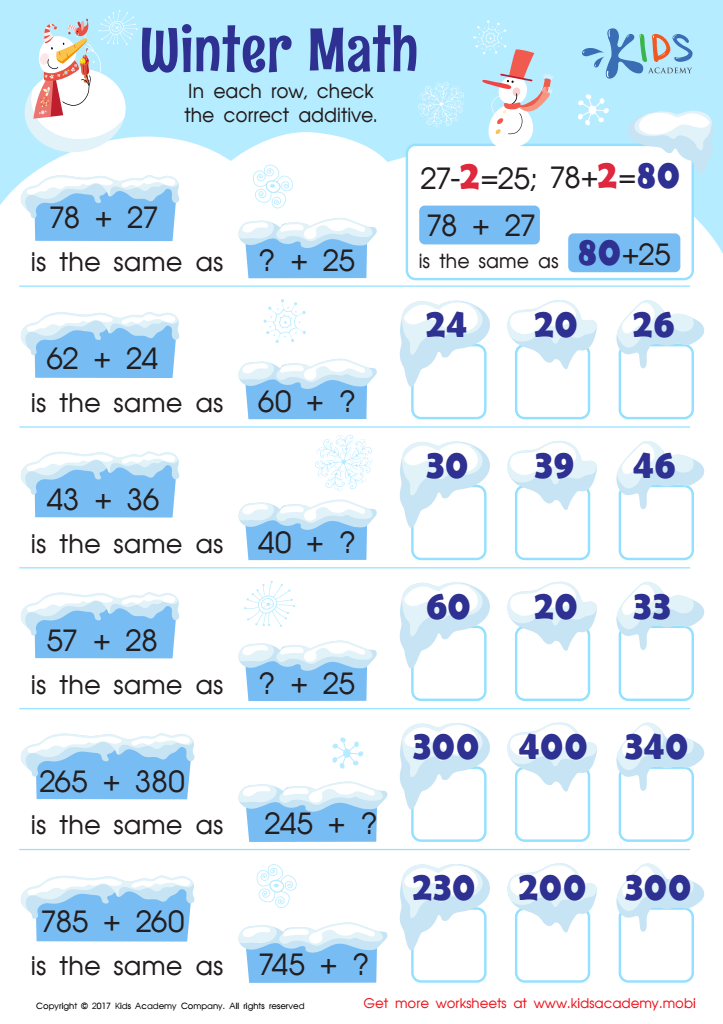
Free Addition Worksheet
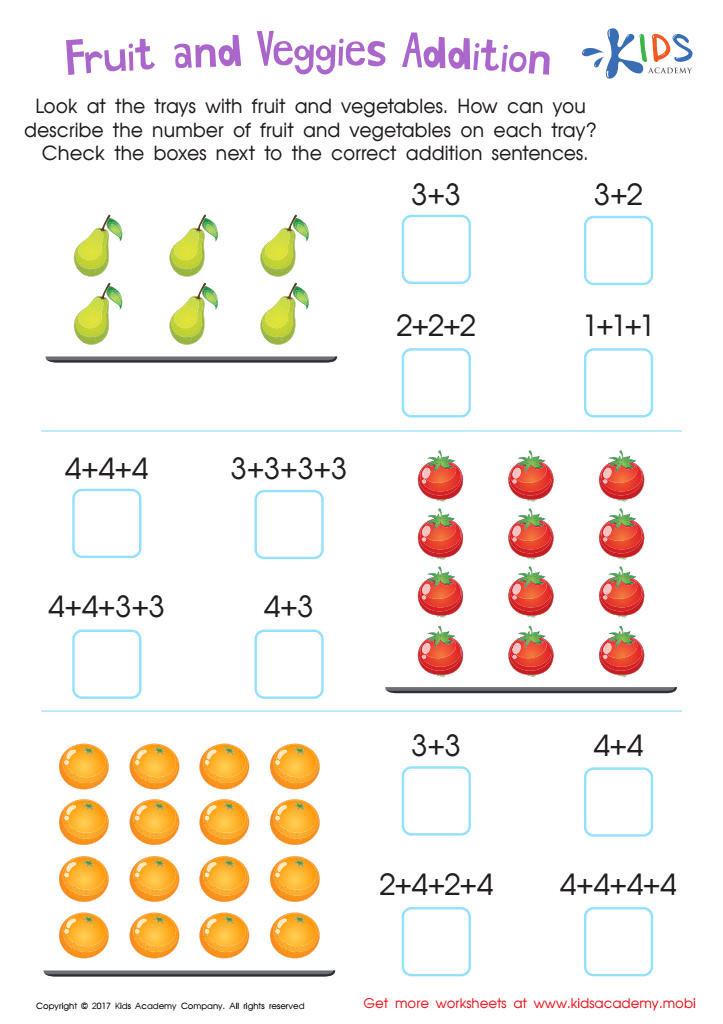
Fruit and Veggies Worksheet
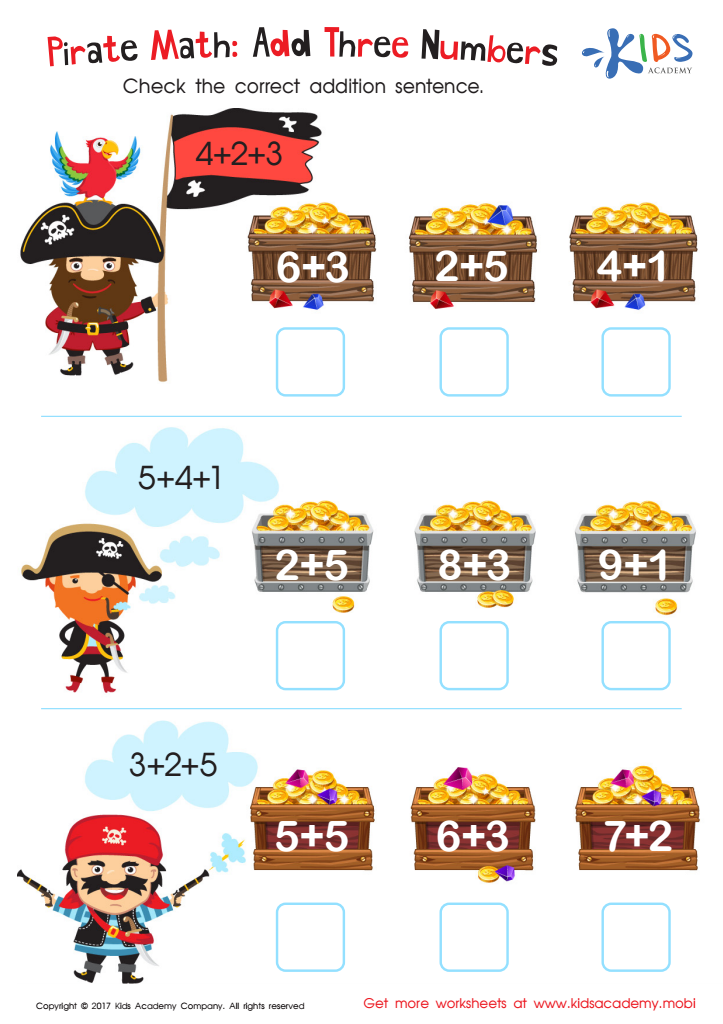
Pirate Math Printable
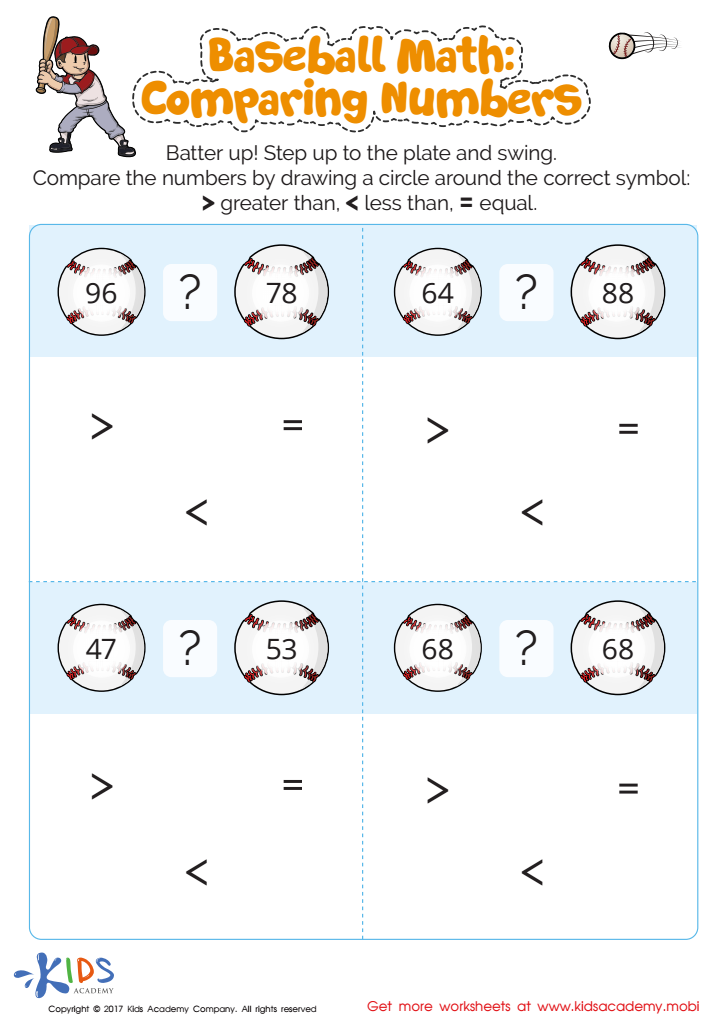
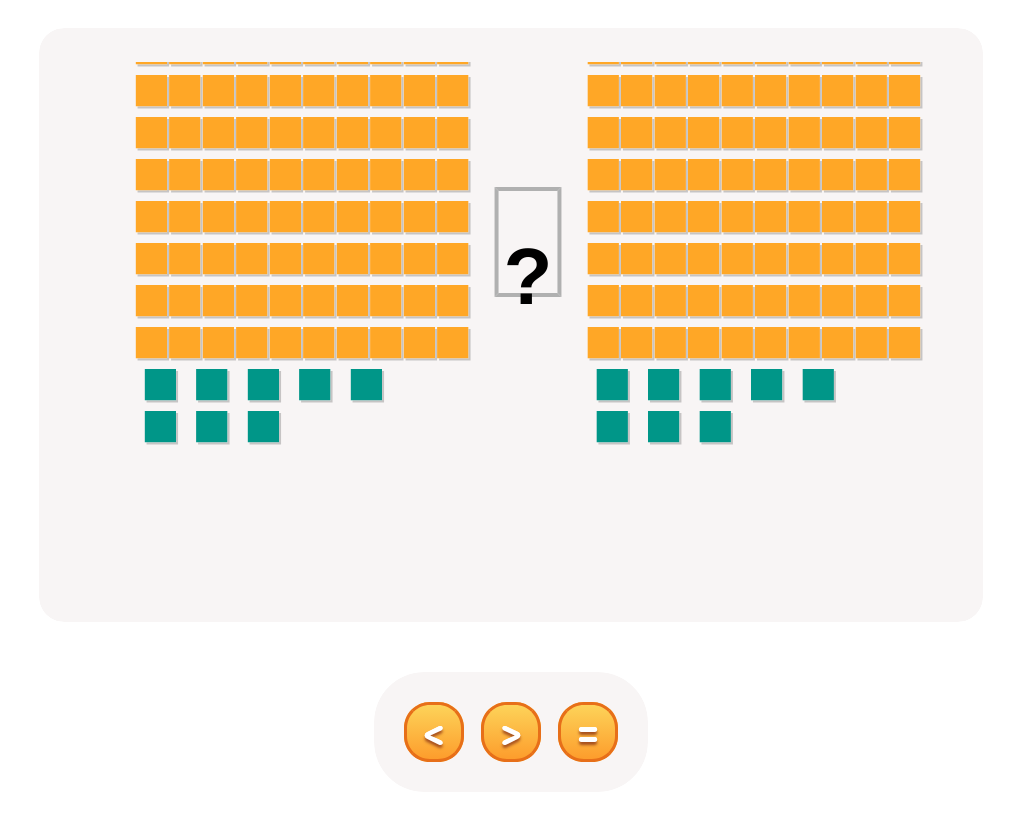
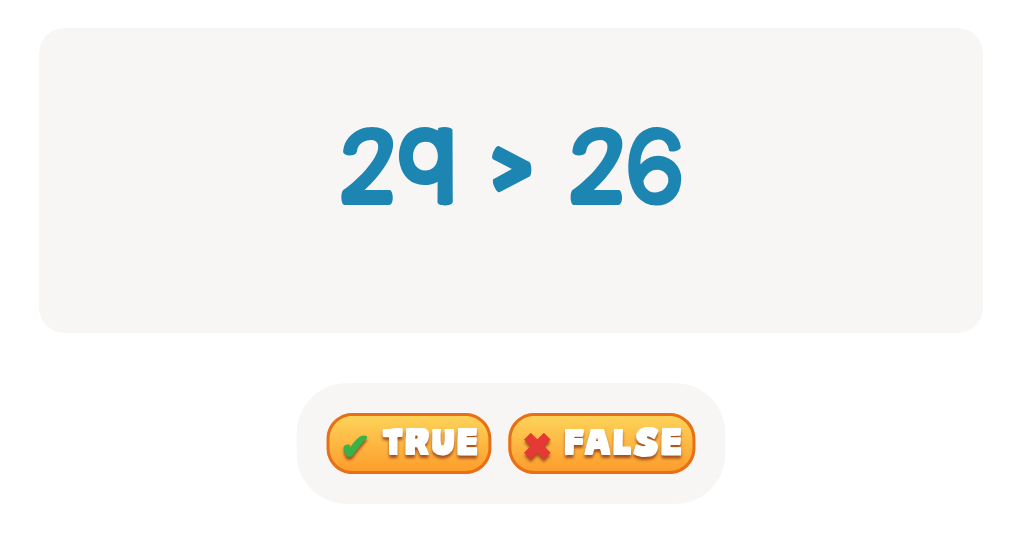
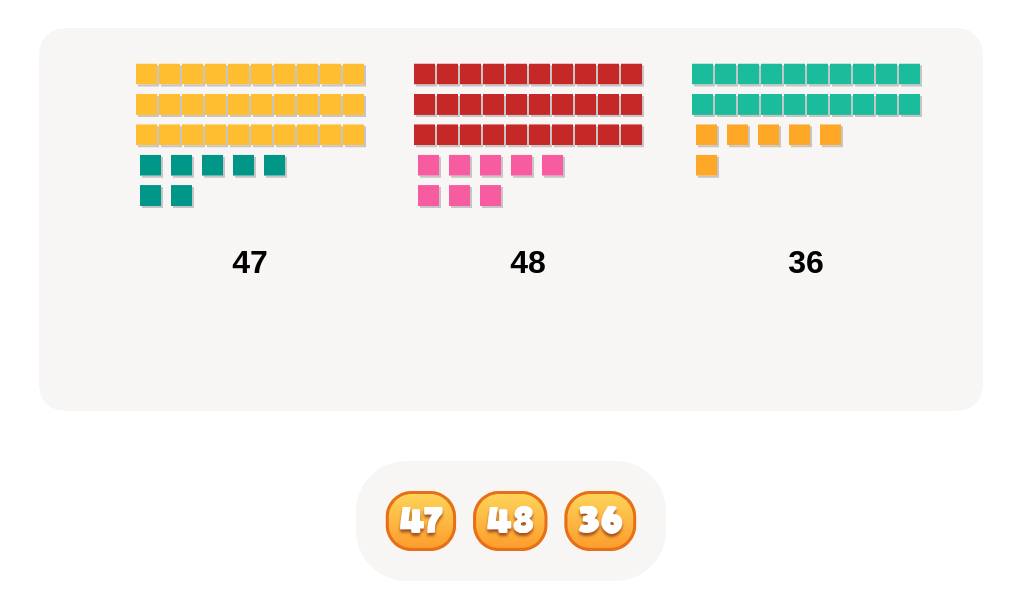
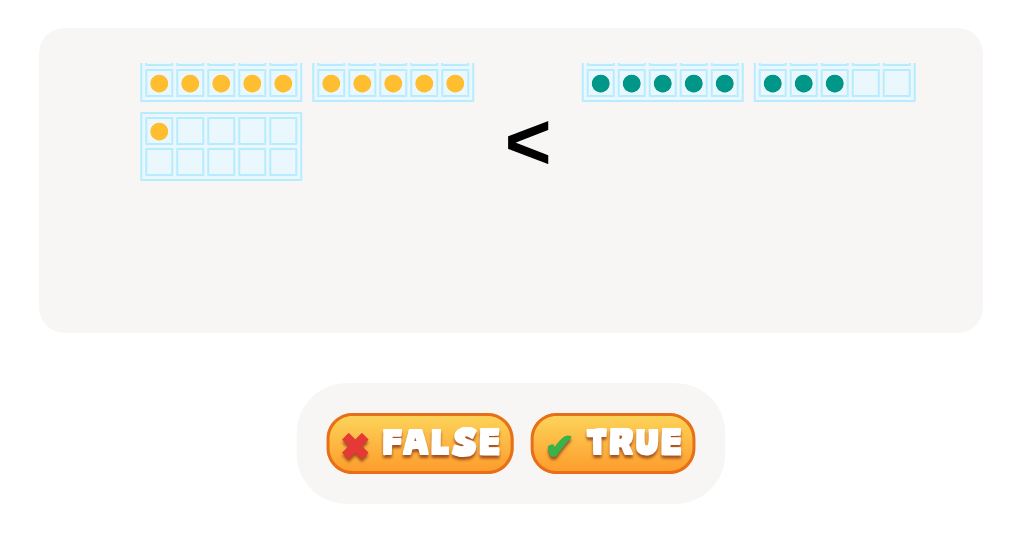
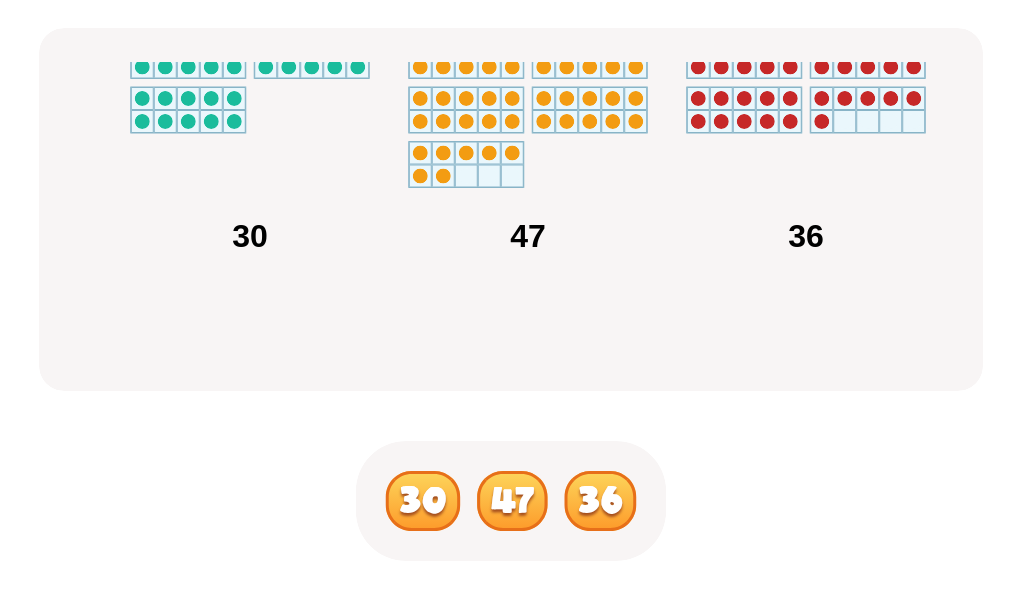
Compare Numbers Printable



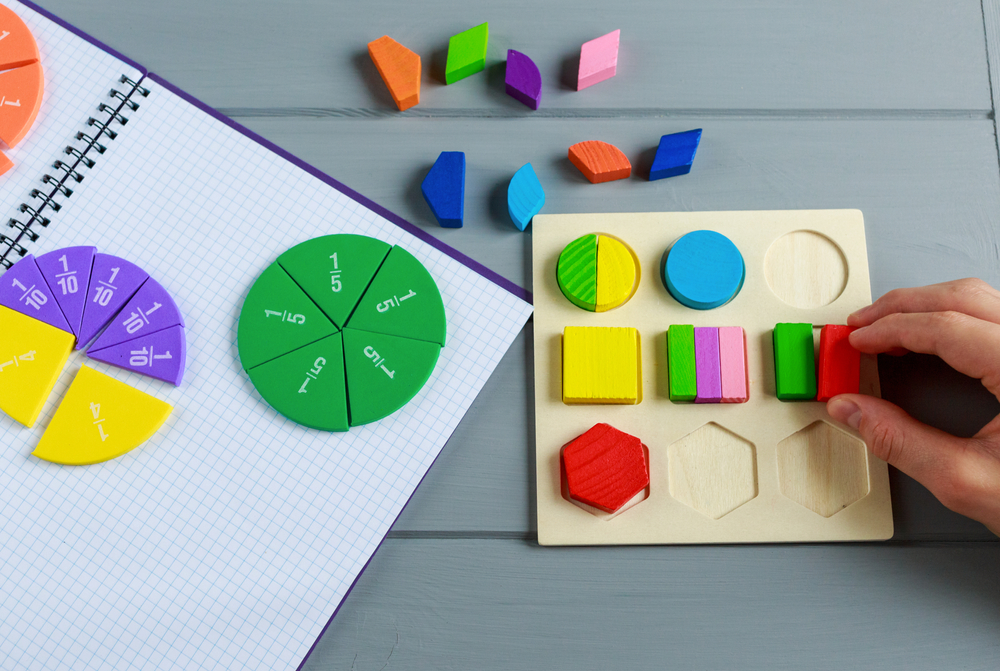



Normal comparing numbers is a critical skill for children aged 7-9, a developmental stage where they begin to build a strong foundation in mathematics. Understanding how to compare numbers helps students grasp essential concepts of greater than, less than, and equal to, which are vital for their overall number sense. This skill enhances their ability to analyze quantities and make informed decisions in real-life situations, such as budgeting or assessing scores.
For parents and teachers, fostering the ability to compare numbers can improve students' confidence and motivation in math. It encourages logical thinking and problem-solving skills that are applicable beyond the classroom, promoting critical life skills. Additionally, as children develop these numerical comparisons, they are setting the groundwork for more advanced mathematical concepts such as fractions, measurement, and algebra, which they will encounter later.
Moreover, integrating fun activities and discussions around comparing numbers helps keep children engaged in their learning, making math less intimidating and more enjoyable. Therefore, a strong emphasis on this area not only supports academic success but also contributes to a child's overall cognitive development and enthusiasm for learning, both of which are essential for their future growth and achievements.