Normal Geometry Worksheets for Ages 7-9 - Page 2
27 filtered results
-
From - To
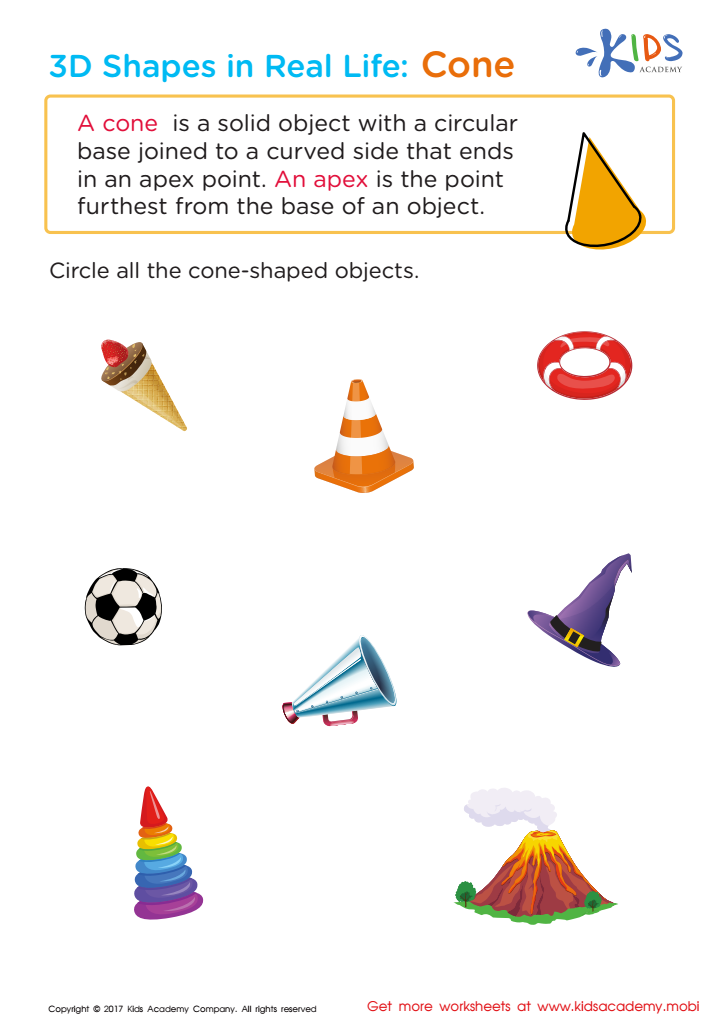
Shapes in Real Life: Cone Worksheet
 Assign to My Students











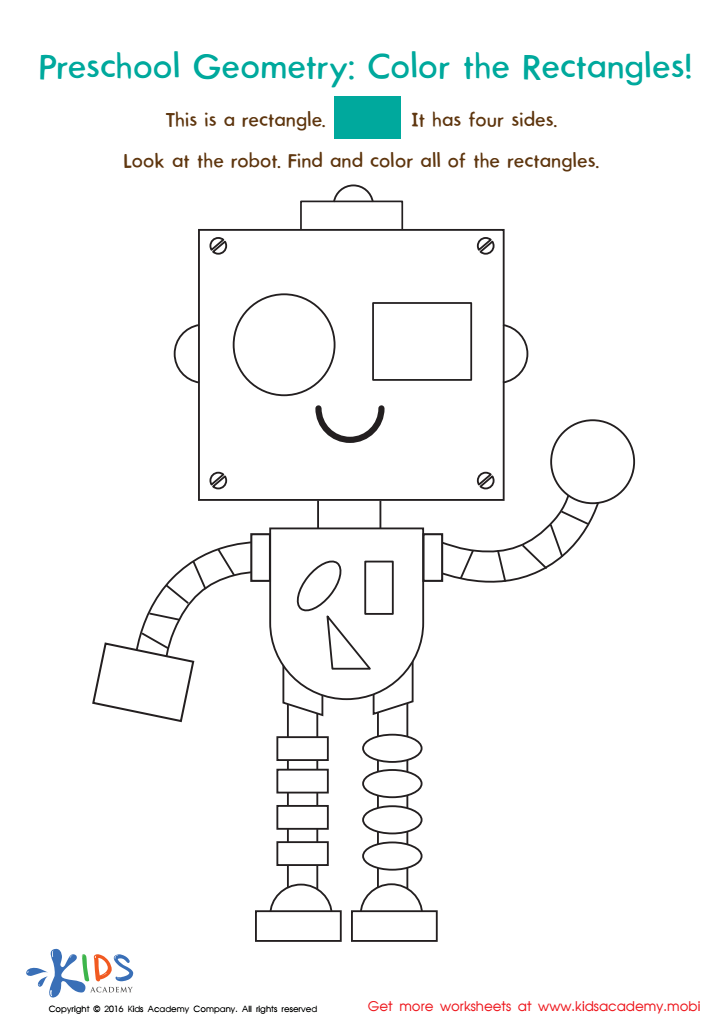
Geometry Worksheet
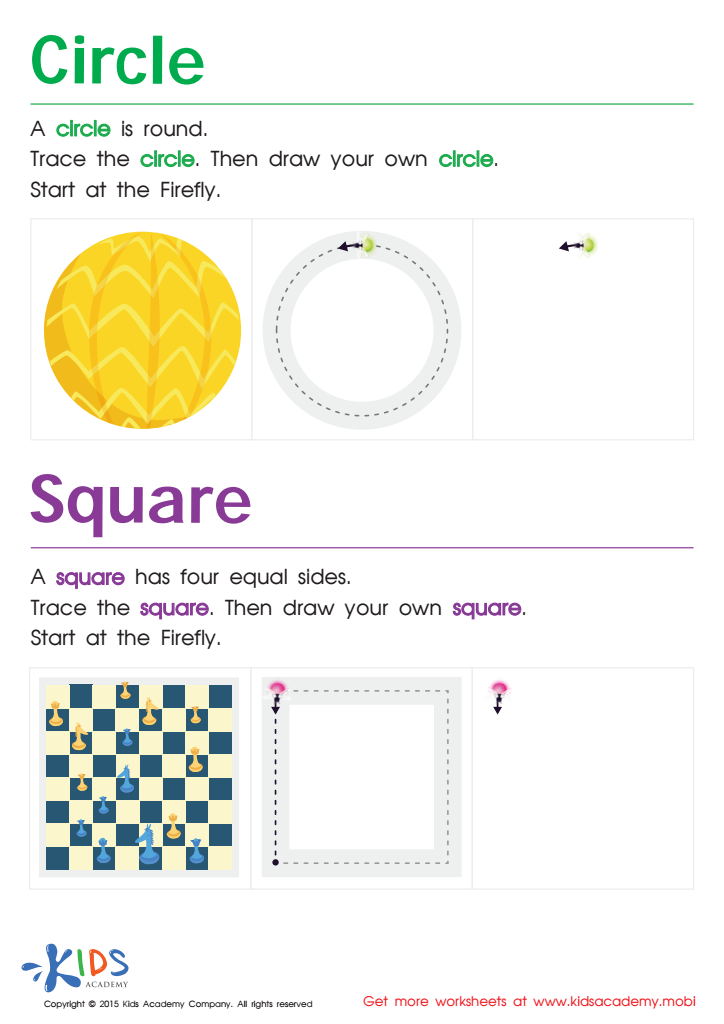
Trace And Draw a Circle And a Square Worksheet








Normal Geometry for Ages 7-9 is essential because it lays the foundation for critical thinking, spatial awareness, and problem-solving skills. During these formative years, children begin to explore the world of shapes, sizes, and their properties, which helps them develop a strong mathematical sense. Understanding geometry enhances their ability to visualize, manipulate, and interact with their environment more effectively.
Additionally, this subject encourages the development of logical reasoning. Children learn to classify shapes, understand symmetry, and grasp concepts like area and perimeter. These skills are not only crucial for advanced mathematics but also play a significant role in everyday life, from understanding architectural designs to navigating distances in daily activities.
Furthermore, incorporating geometry in early education supports cross-curricular learning. For instance, lessons can tie into art through shape creation, or into science via the study of natural forms. This interdisciplinary approach helps to make learning engaging and relevant.
Ultimately, by nurturing geometric understanding early on, parents and teachers are ensuring that children build confidence in their mathematical abilities, setting them up for future academic success and empowered critical thinking throughout their lives.








