Normal Animals Worksheets for Ages 7-9 - Page 2
38 filtered results
-
From - To
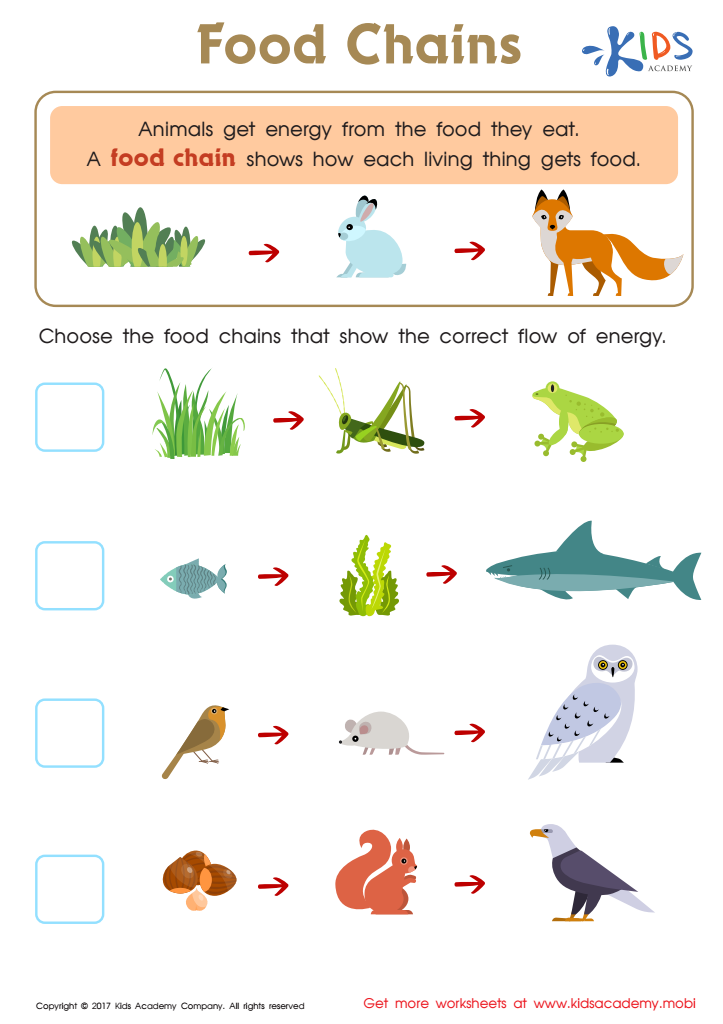
Food Webs and Food Chains Worksheet
 Assign to My Students
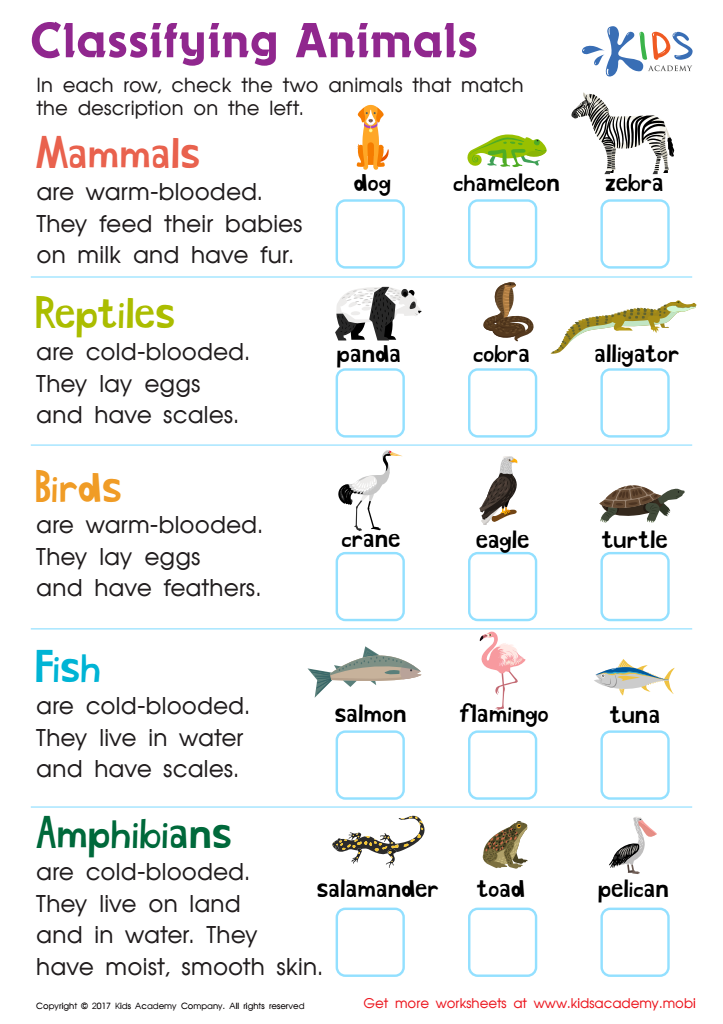
Classifying Animals Worksheet
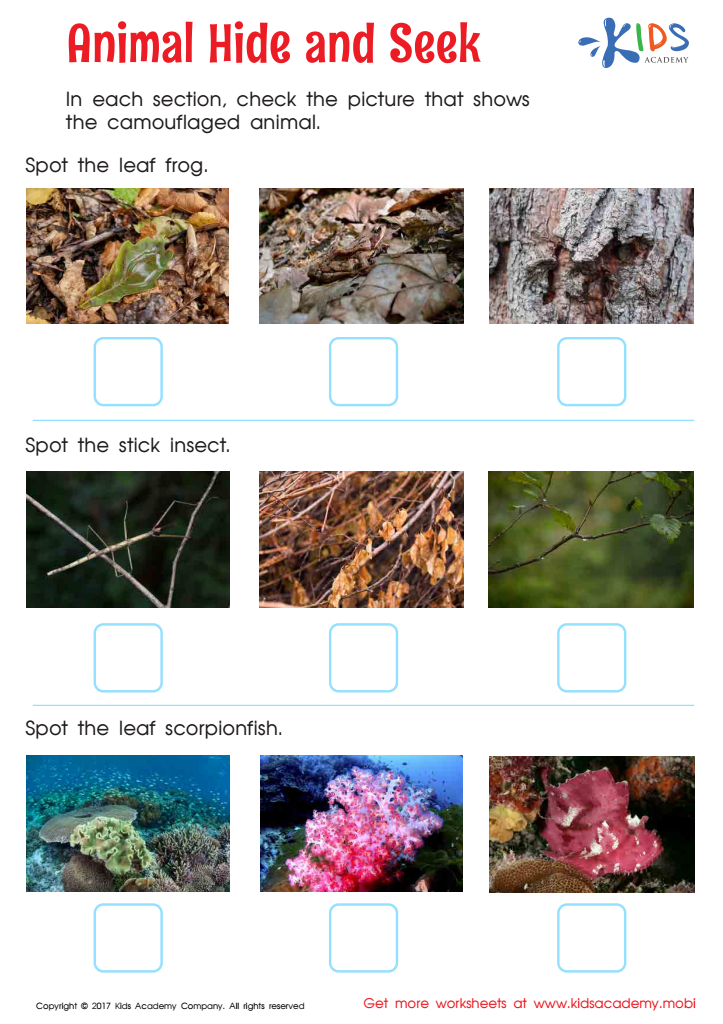
Animal Hide and Seek Worksheet
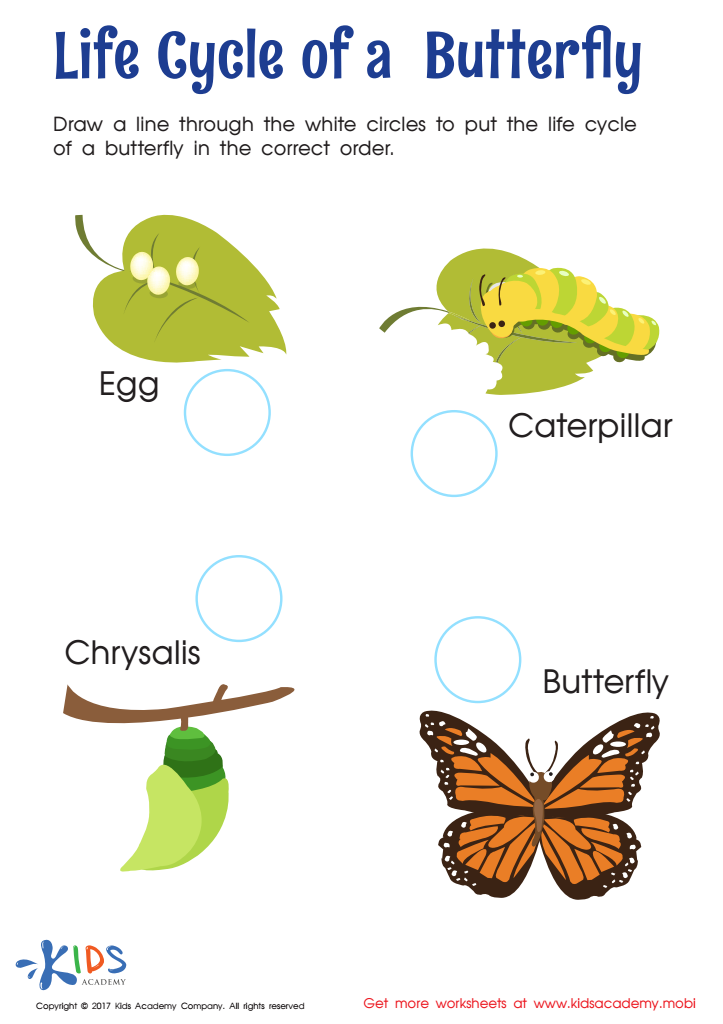
Life Cycle of Butterfly Worksheet
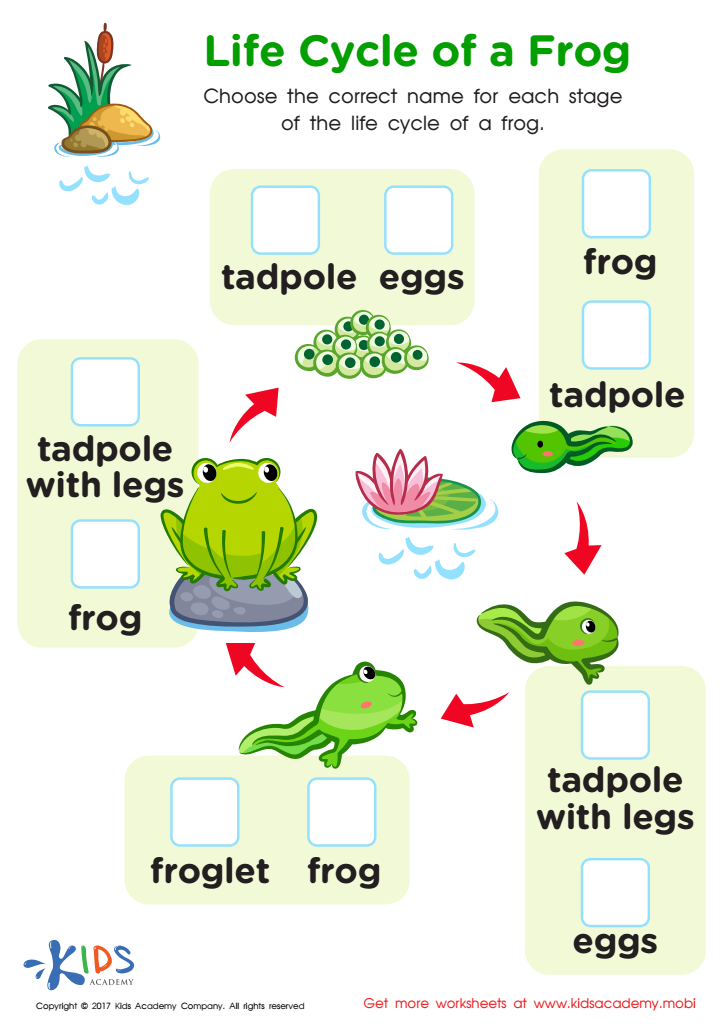
Life Cycle Frog Printable
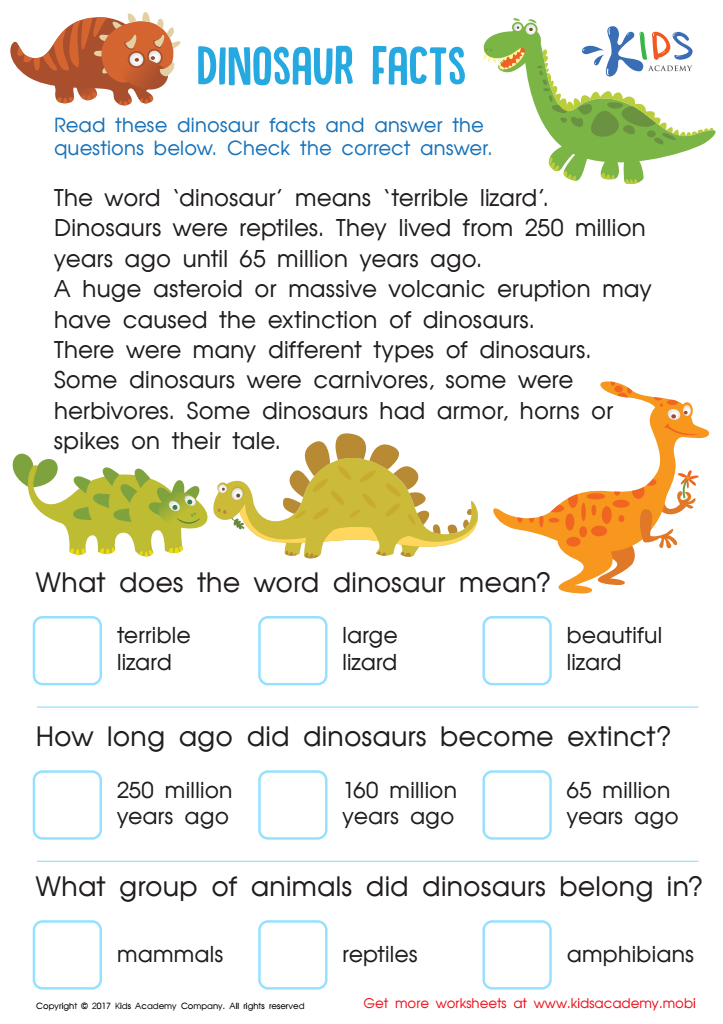
Dinosaur Facts Worksheet
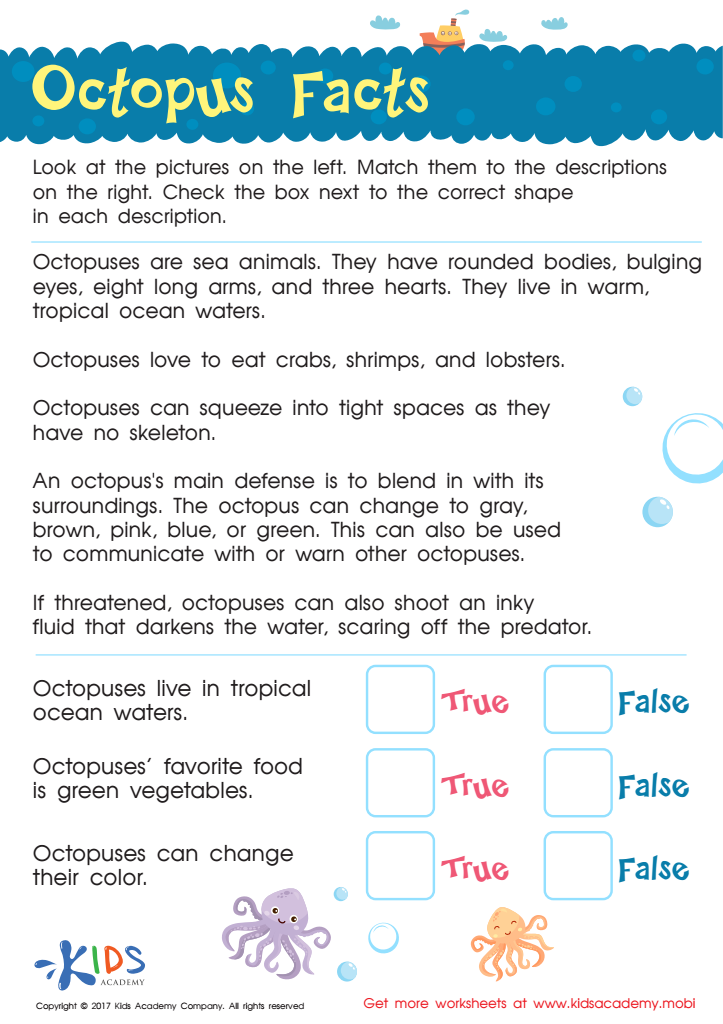
Octopus Facts Worksheet For Kids
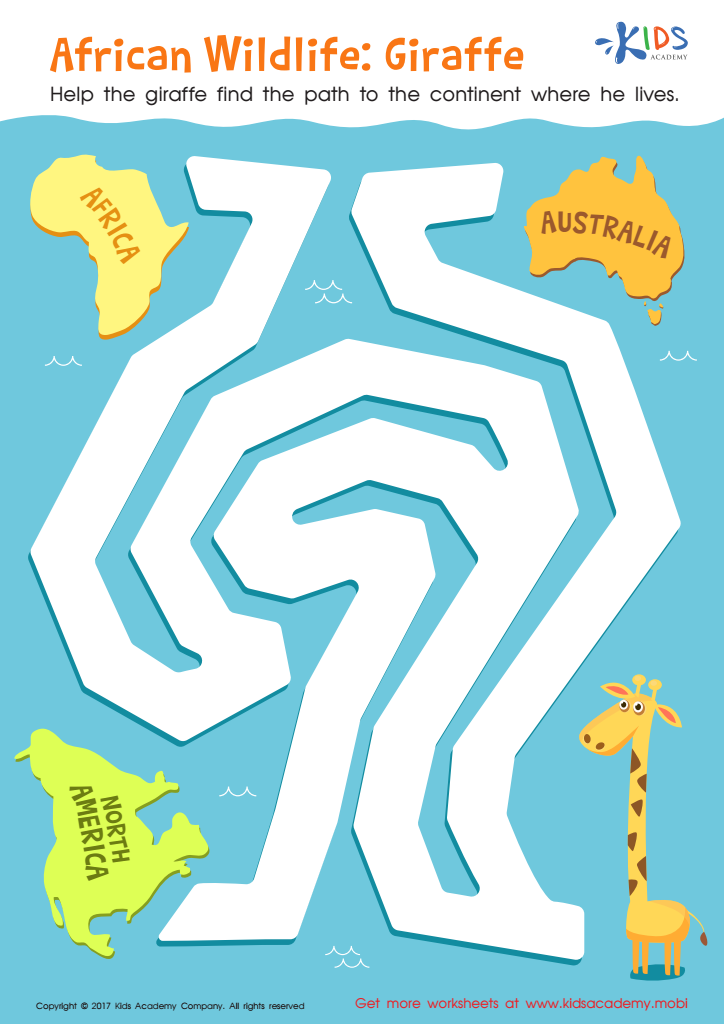
African Wildlife: Giraffe Worksheet
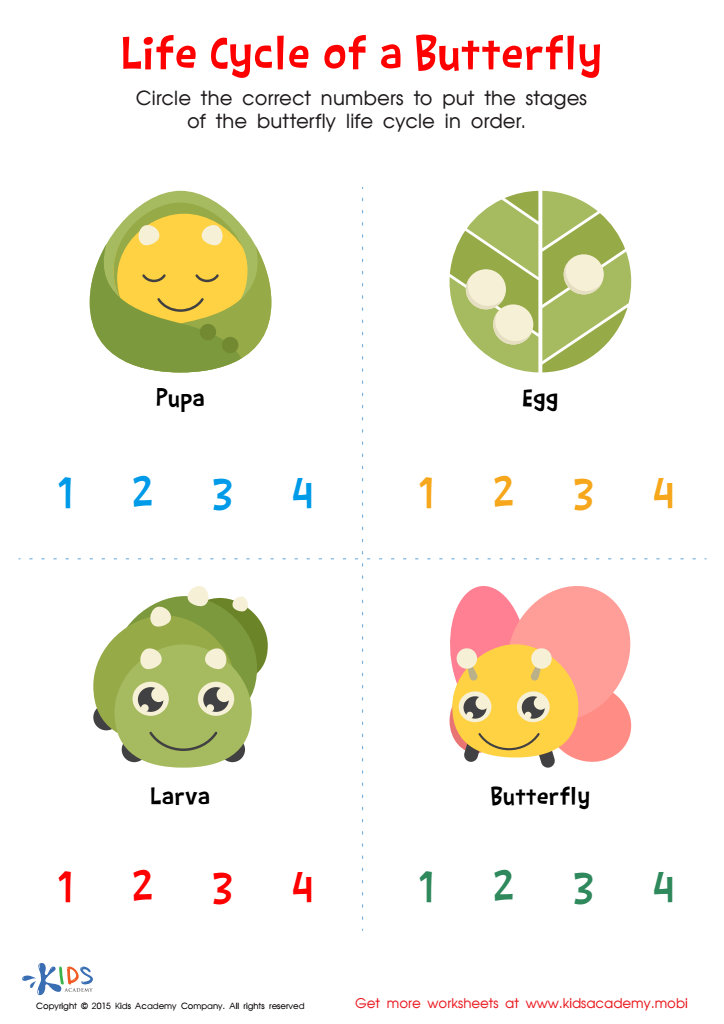
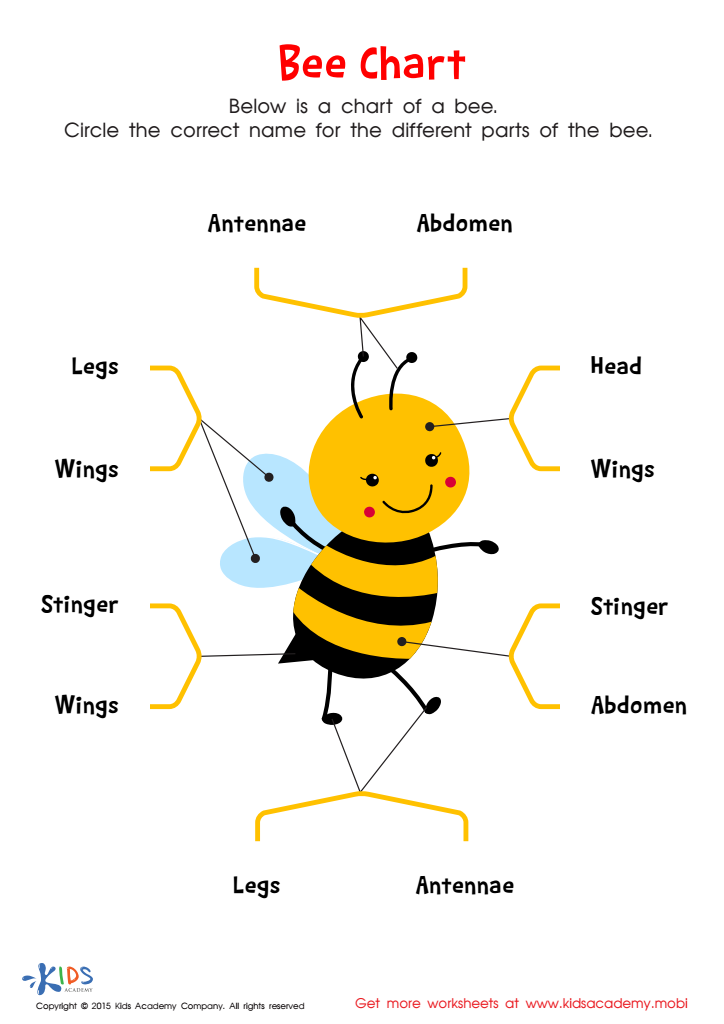
Life Cycle of Butterfly Printable
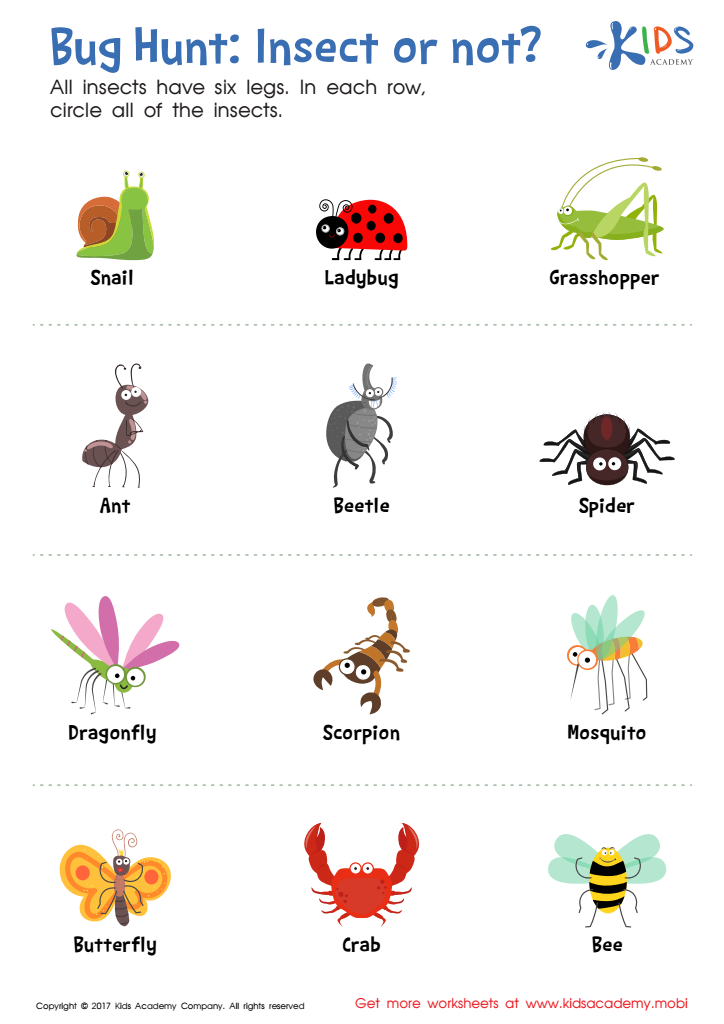
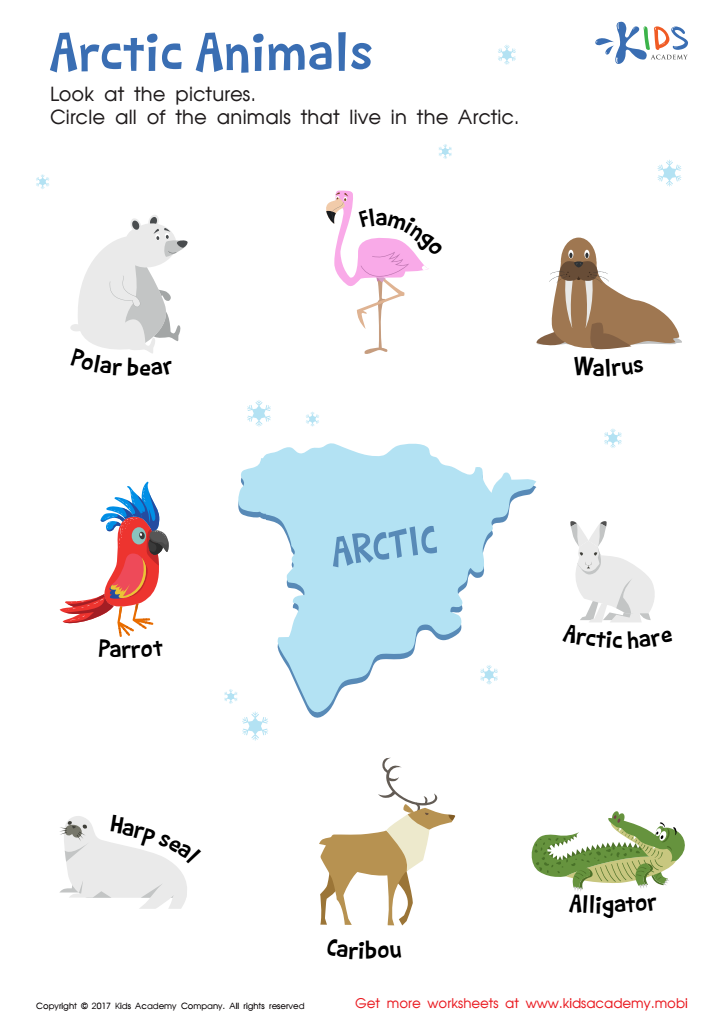
Arctic Animals Worksheet
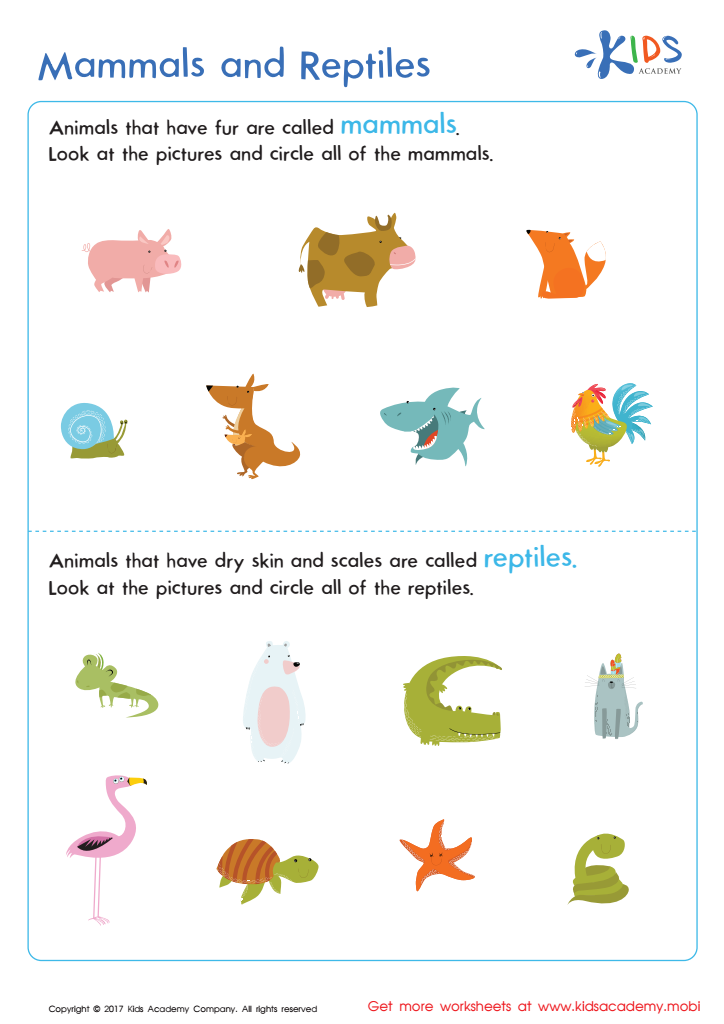
Mammals and Reptiles Worksheet
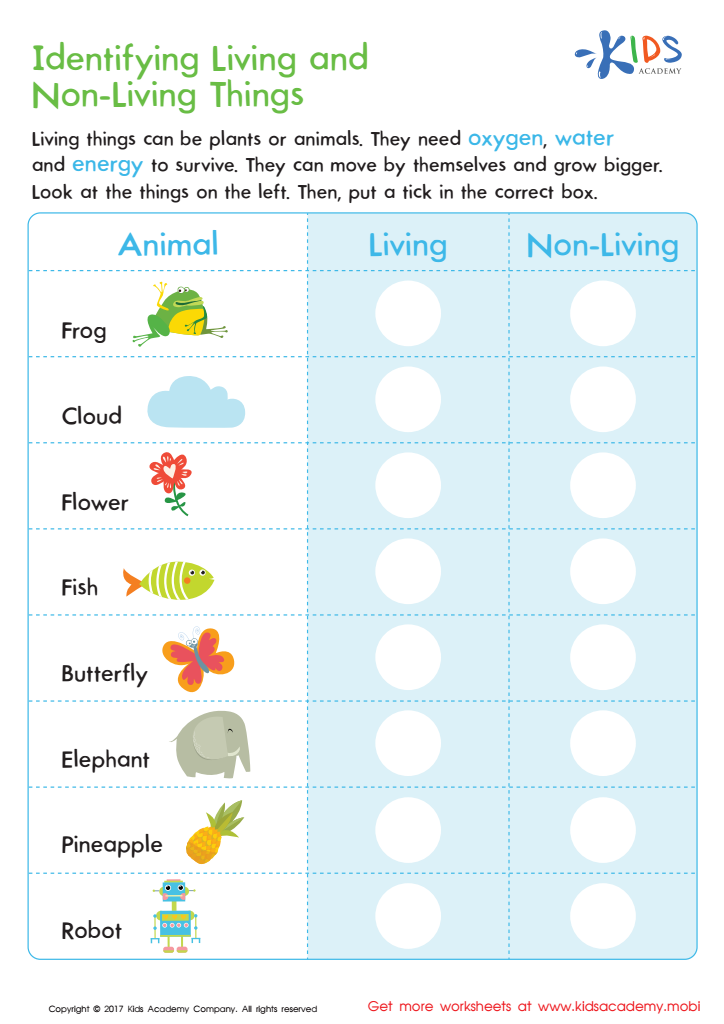
Identifying Living or Non–living Worksheet


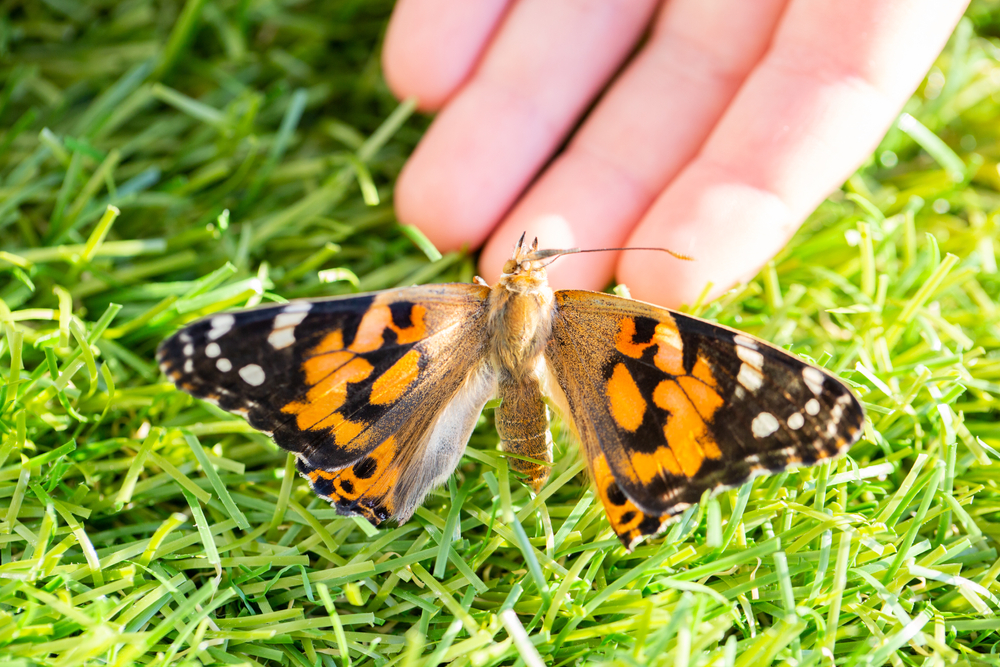





Parents and teachers should care about "Normal Animals" for children ages 7-9 because this age group is naturally curious and eager to learn about the world around them, and animals are a captivating subject. Exploring the characteristics, habitats, and behaviors of 'normal' animals—meaning those that are commonly found in various environments—enhances children's understanding of biodiversity and fosters a connection to nature.
Teaching children about normal animals can also promote literacy, as they engage in reading about different species and writing projects involving animal research. Furthermore, animal studies encourage curiosity and questioning, key components of critical thinking.
In addition, these lessons can foster empathy and respect towards living creatures, which are important values in developing responsible citizens. Children who learn about animals in their environment are more likely to appreciate and advocate for wildlife and habitat preservation as they grow older.
Moreover, discussions about normal animals can spark conversations about local ecosystems, conservation, and environmental stewardship, further broadening their knowledge and awareness. Engaging with animals can also facilitate creativity and imagination through storytelling, art projects, and interactive activities, making learning fun and memorable for young children.








