Fine Motor Skills Preschool Numbers Worksheets - Page 2
56 filtered results
-
From - To
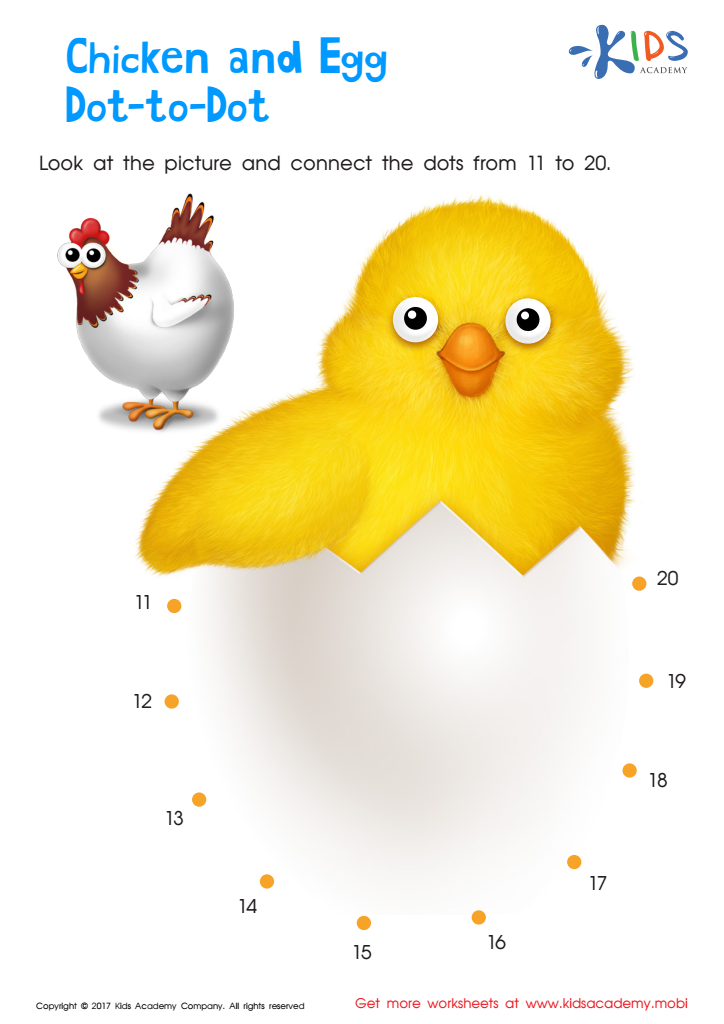
Ordering 11–20: Chicken & Egg Dot–to–dot Worksheet
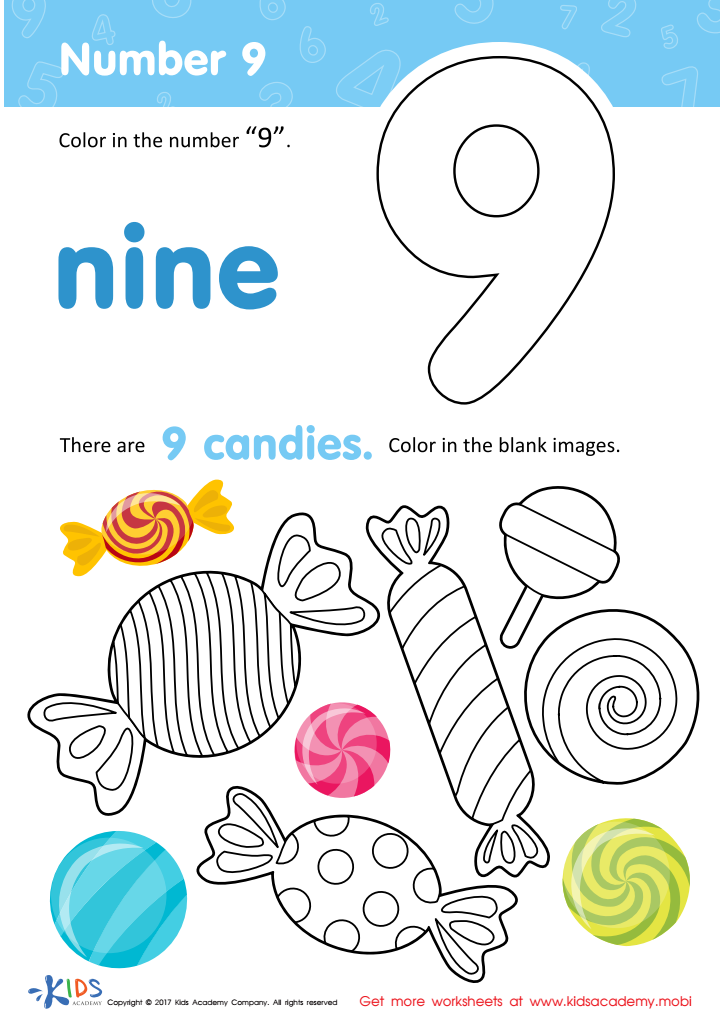
Number 9 Printable
 Assign to My Students
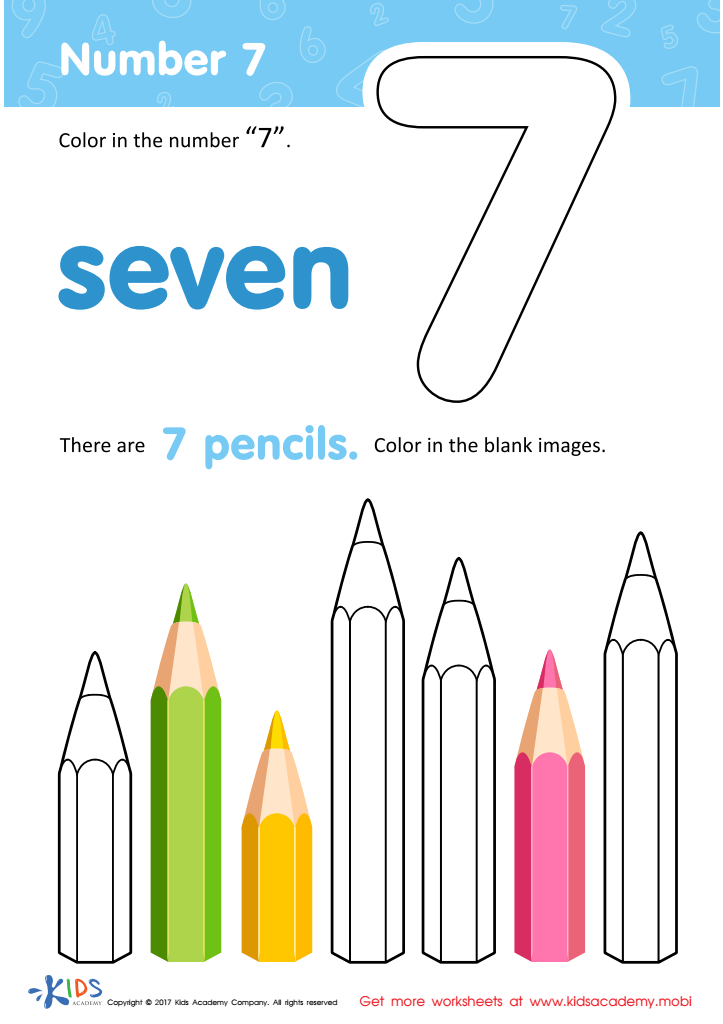
Number 7 Worksheet
Assign to My Students
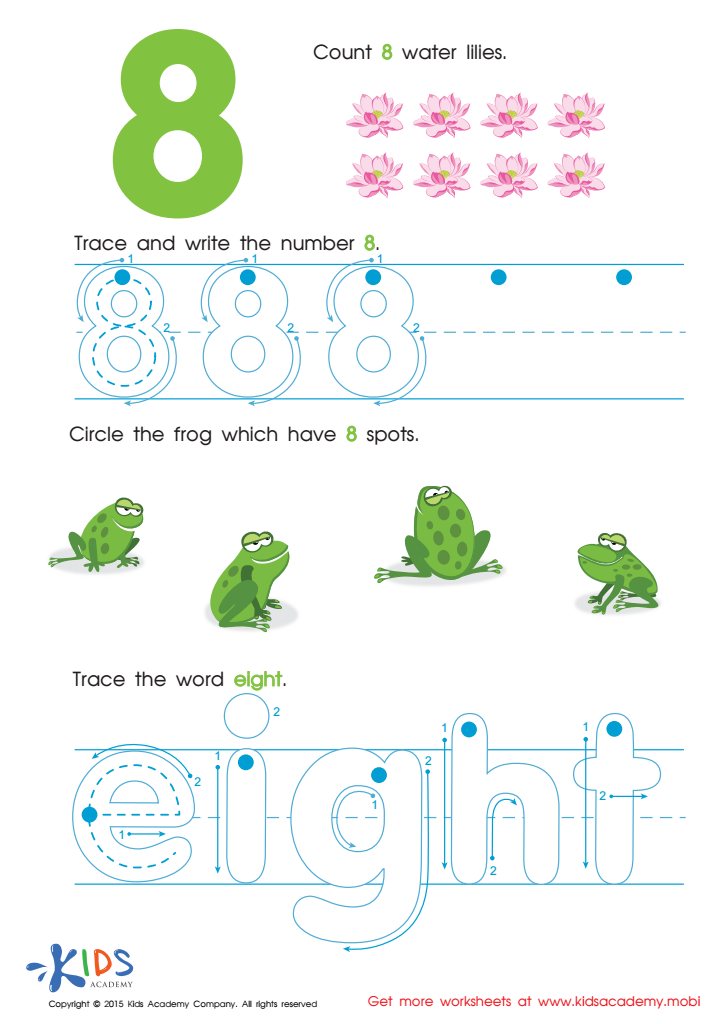
Learn Number 8 Easily Worksheet
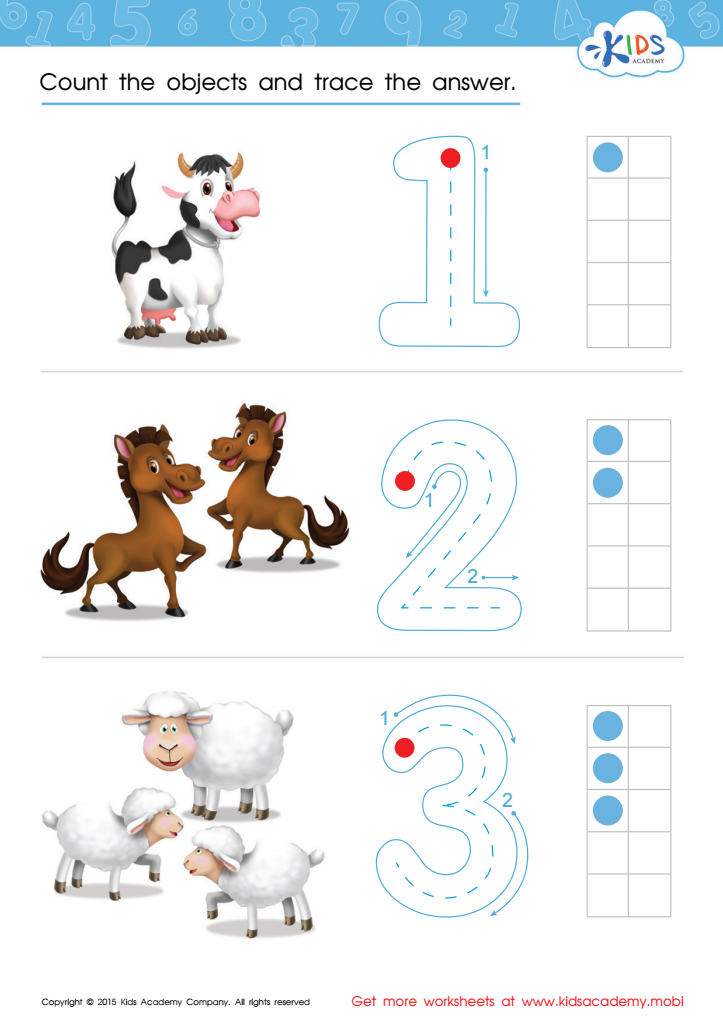
Count and Trace 1 – 3 Worksheet
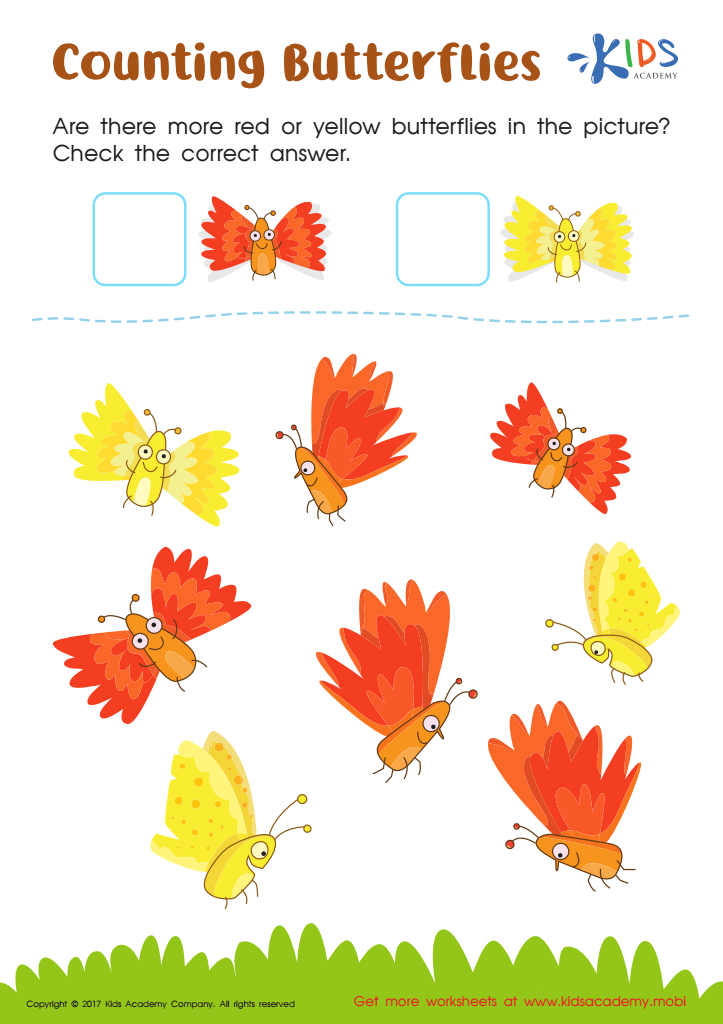
Counting Butterflies Worksheet
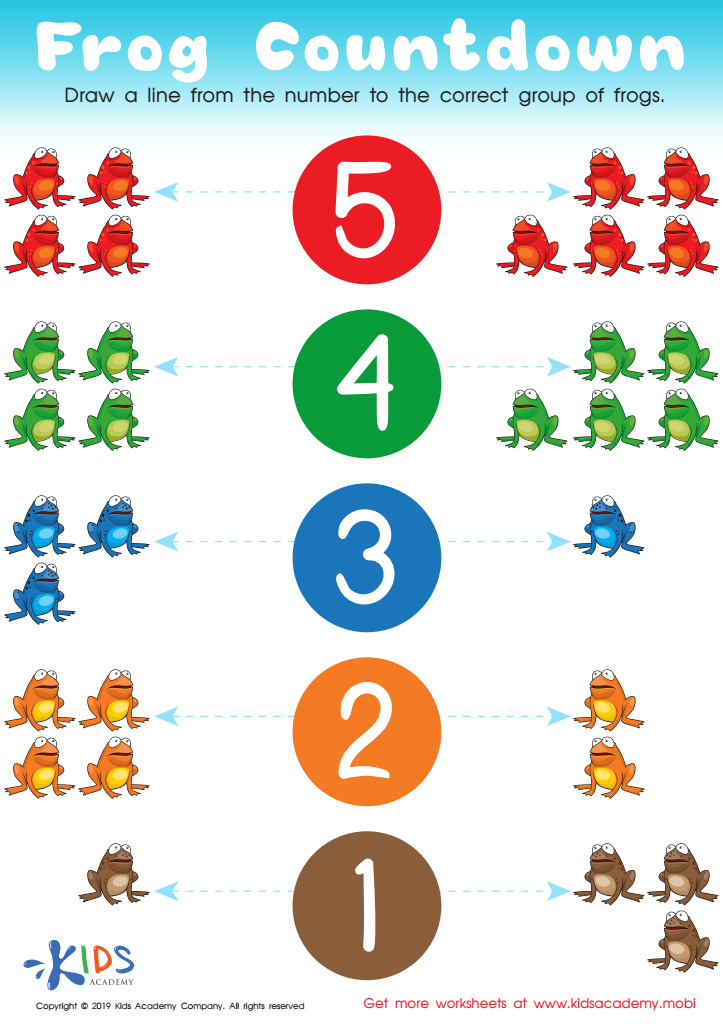
Frog Countdown Worksheet

Eight Geese Worksheet

Pirate Ship Connect Dots Worksheet
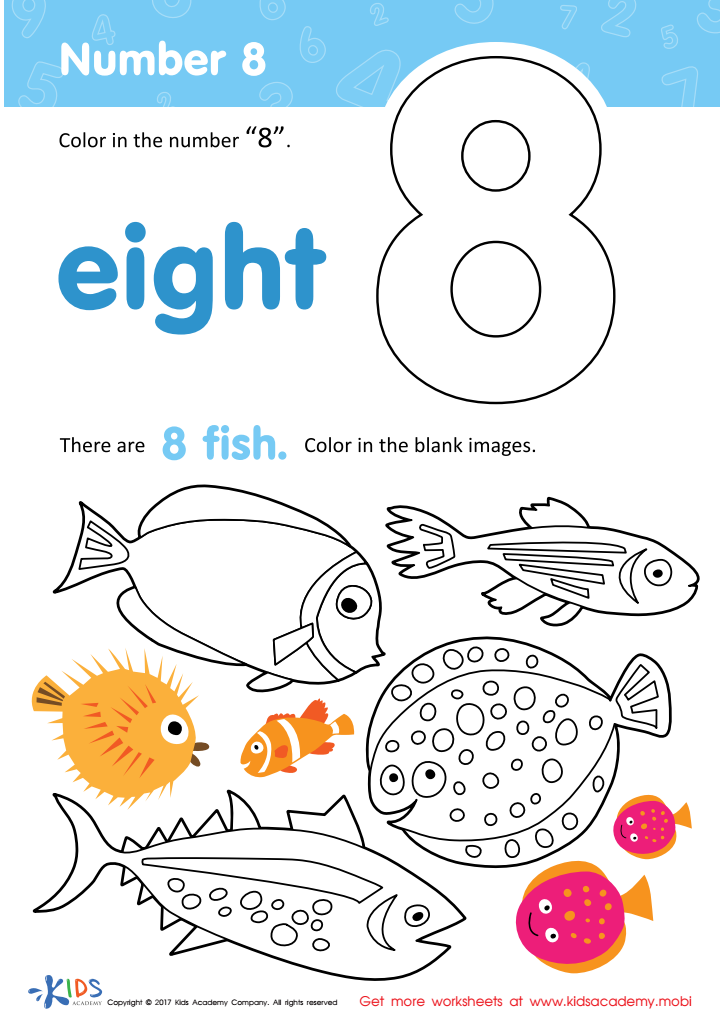
Number 8 Printable
Assign to My Students
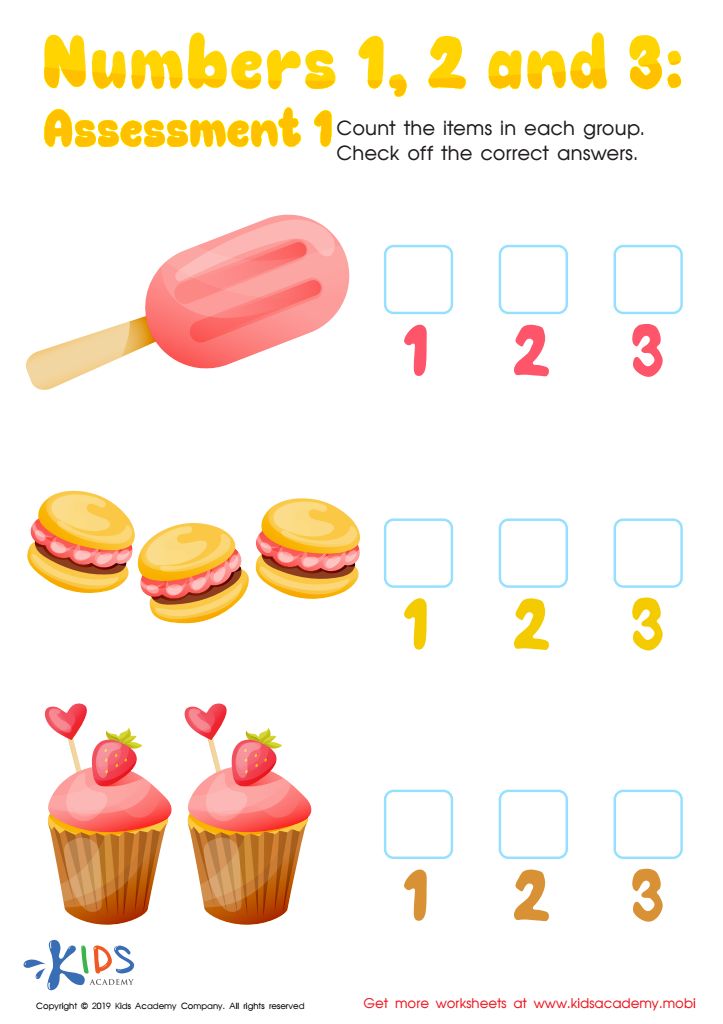
Numbers 1, 2 and 3: Assessment 1 Worksheet
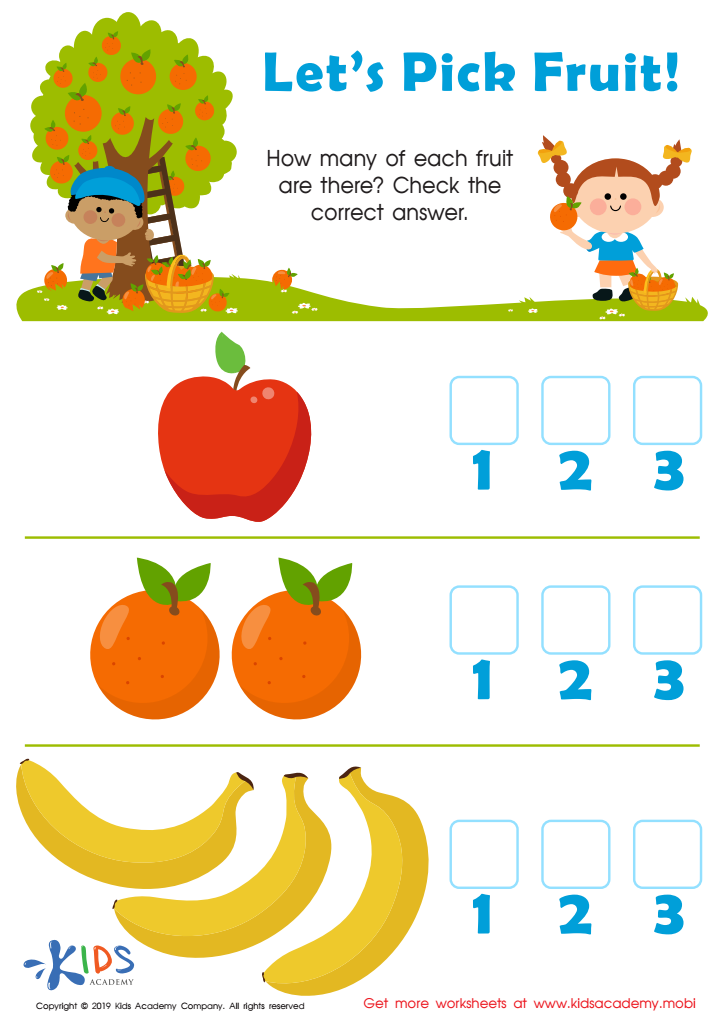
Let's Pick Fruit Worksheet

Underwater Adventure Worksheet
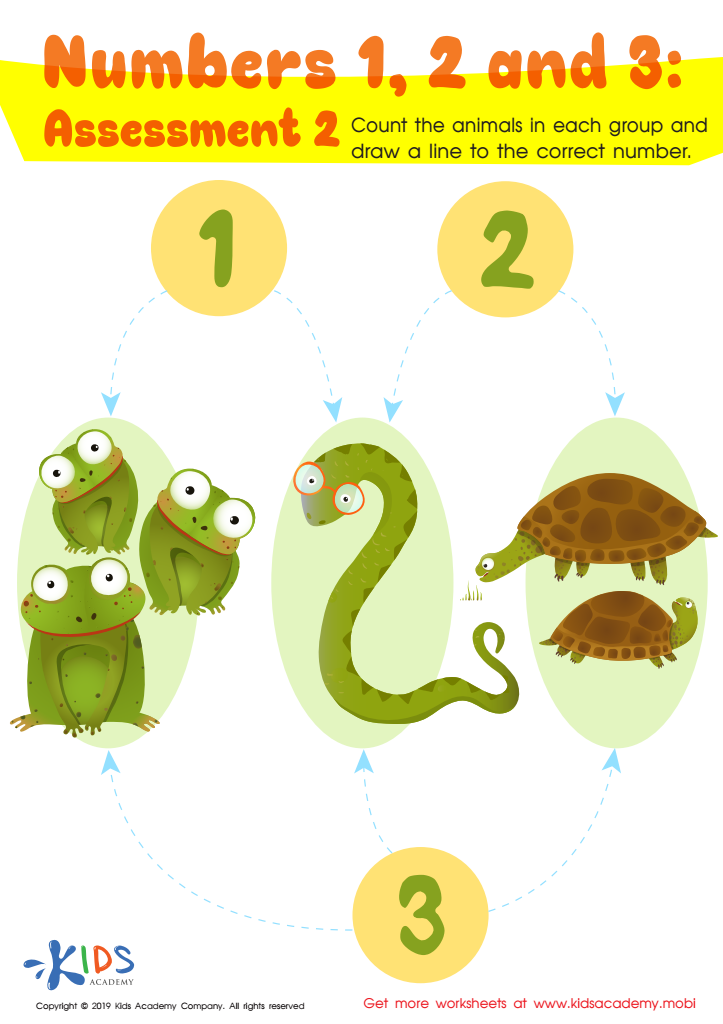
Numbers 1, 2 and 3: Assessment 2 Worksheet
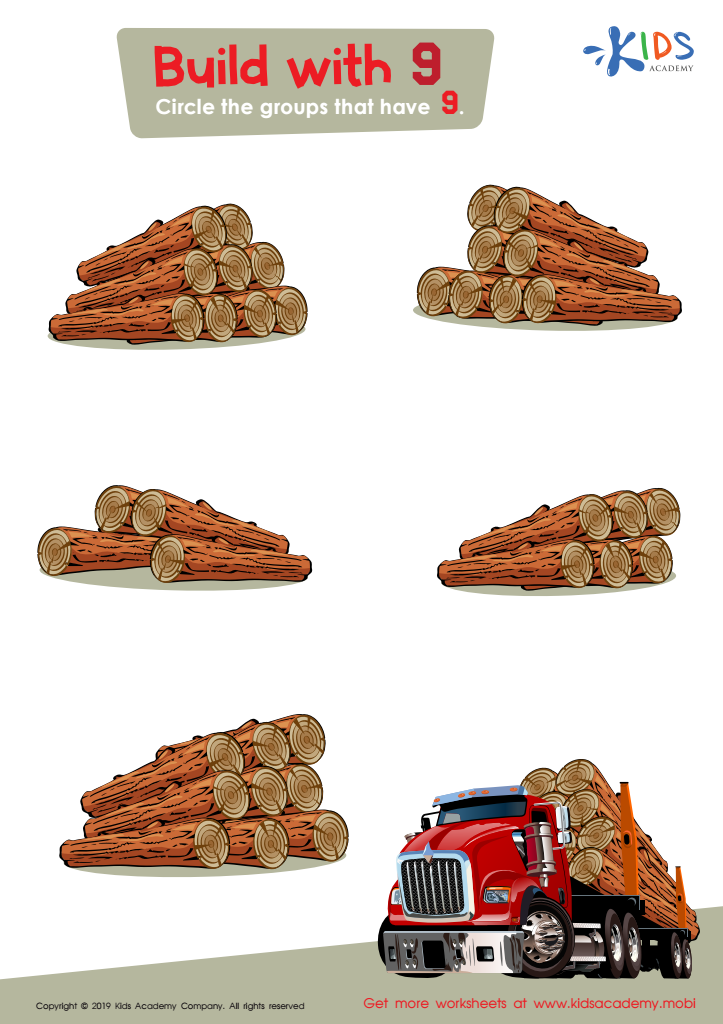
Build with 9 Worksheet
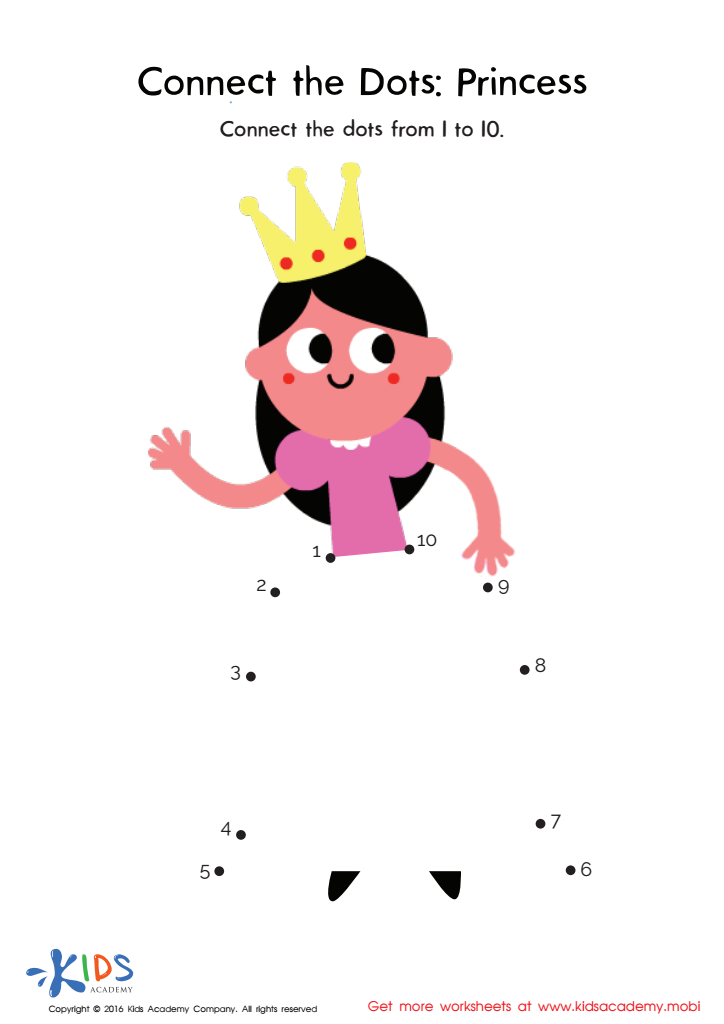
Princess Connect Dots Worksheet
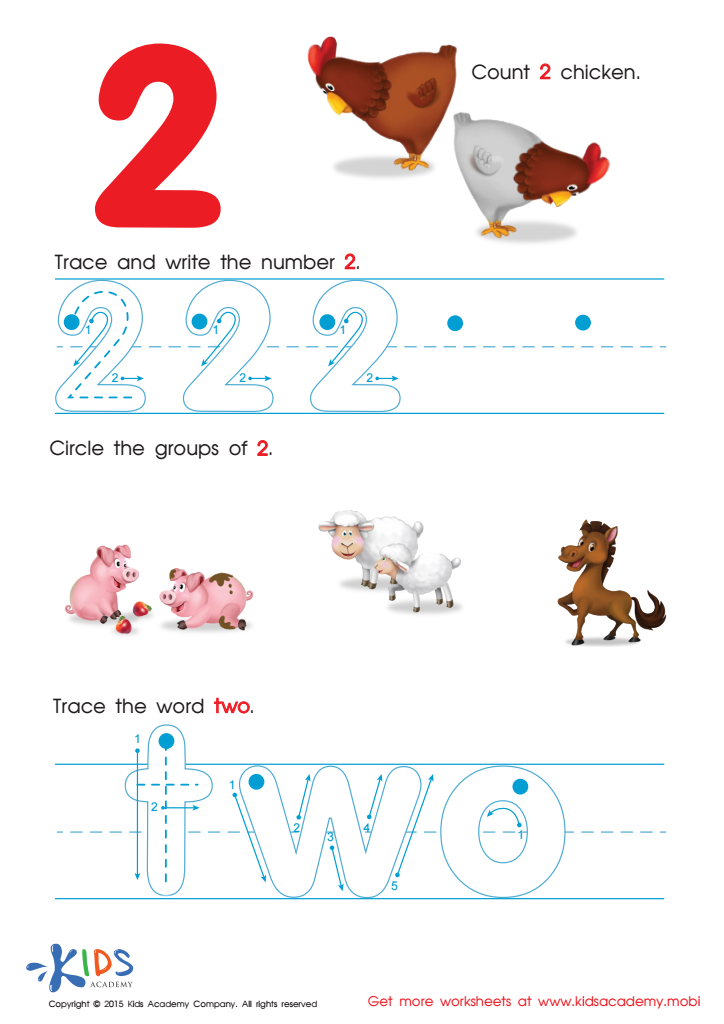
Learn to Write the Number 2 Worksheet
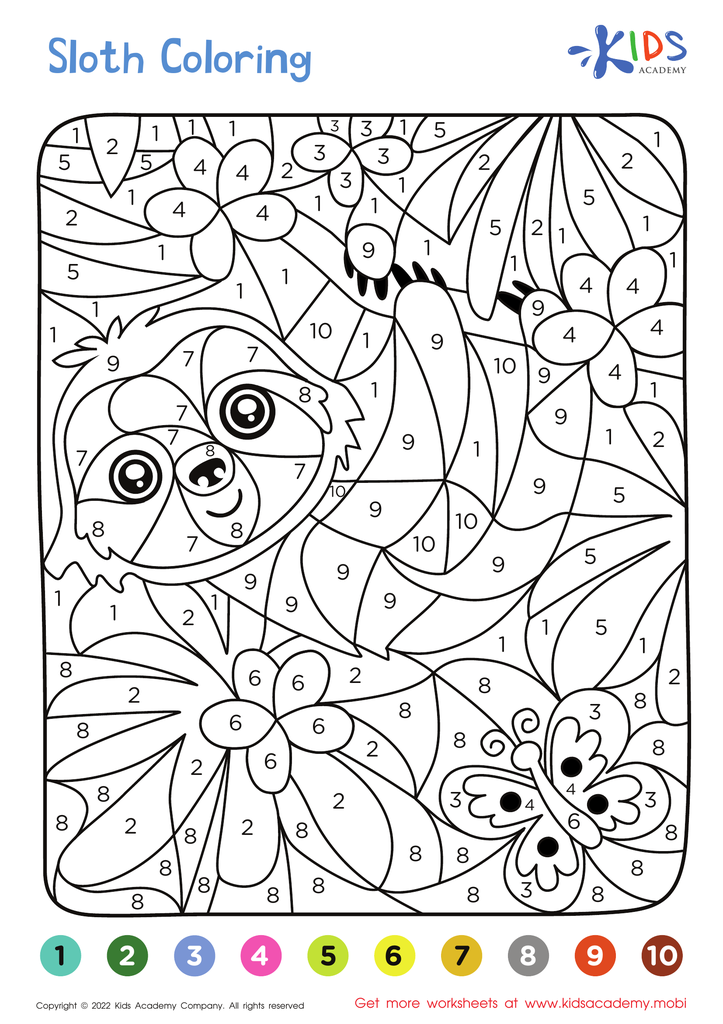
Sloth – Coloring by Numbers
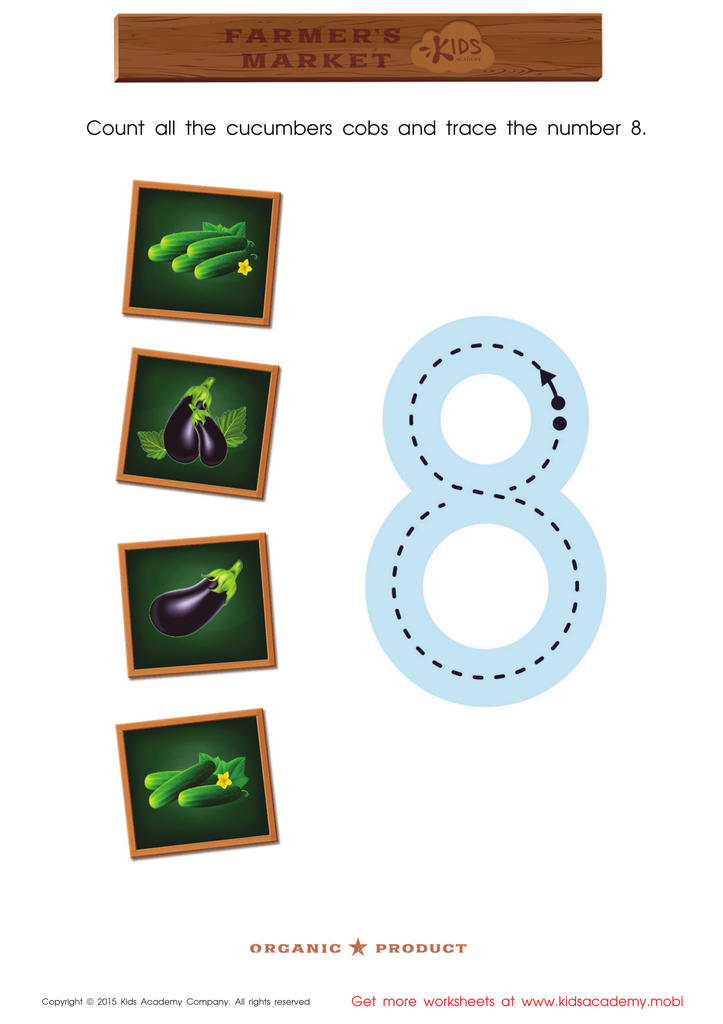
Count the Cucumbers and Trace the Number 8 Printable
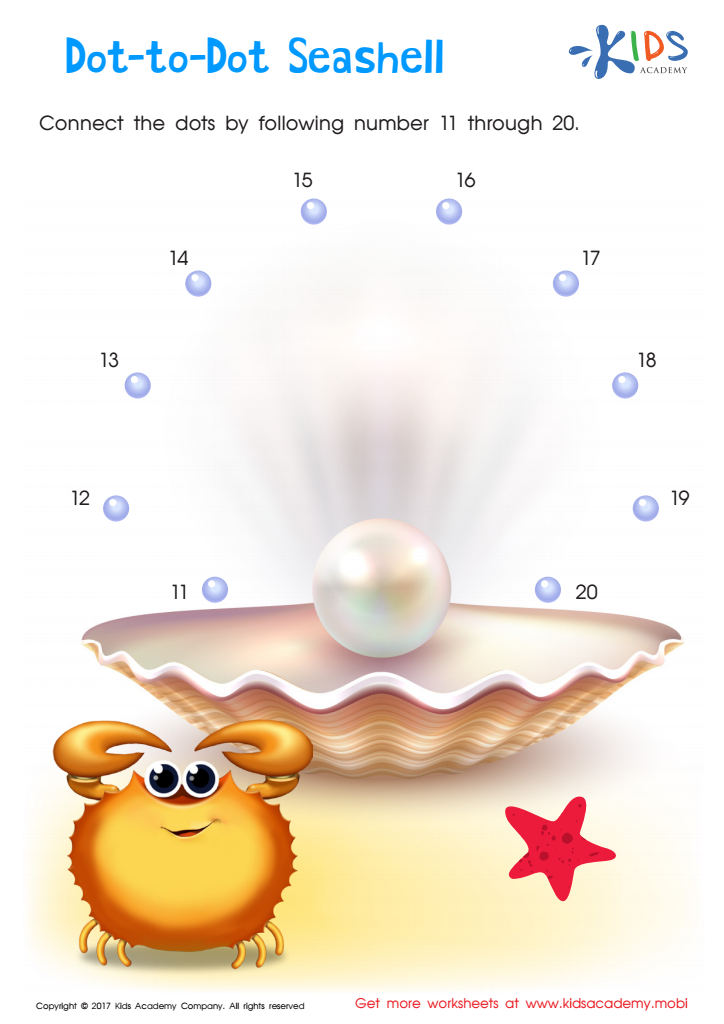
Ordering 11–20: Dot–to–dot Seashell Printable
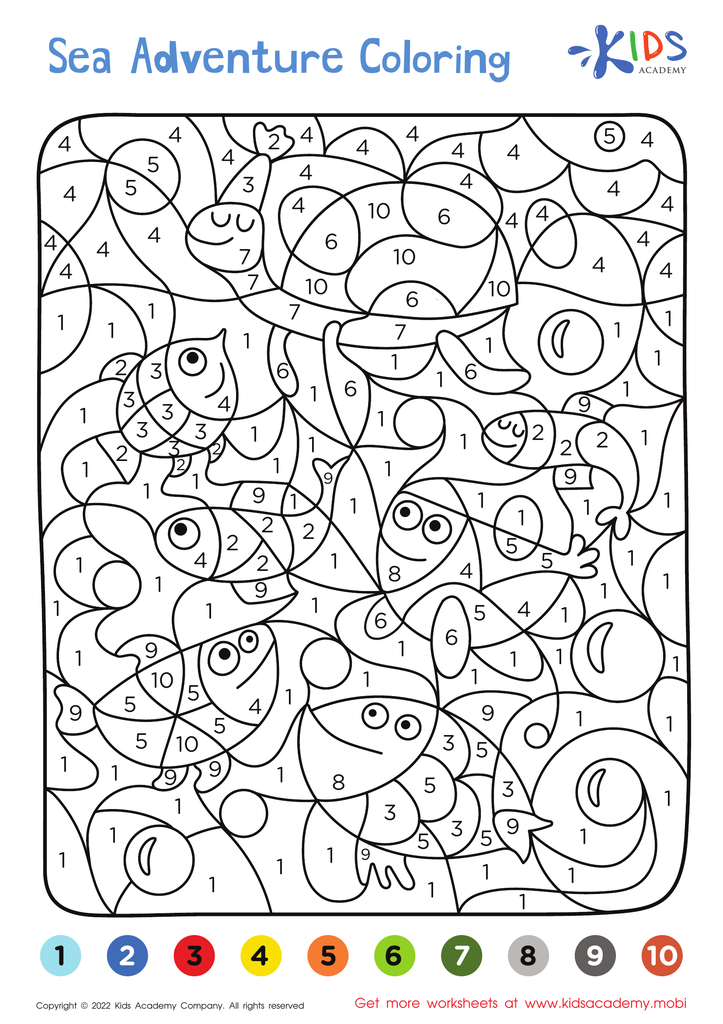
Sea Adventure – Coloring by Numbers
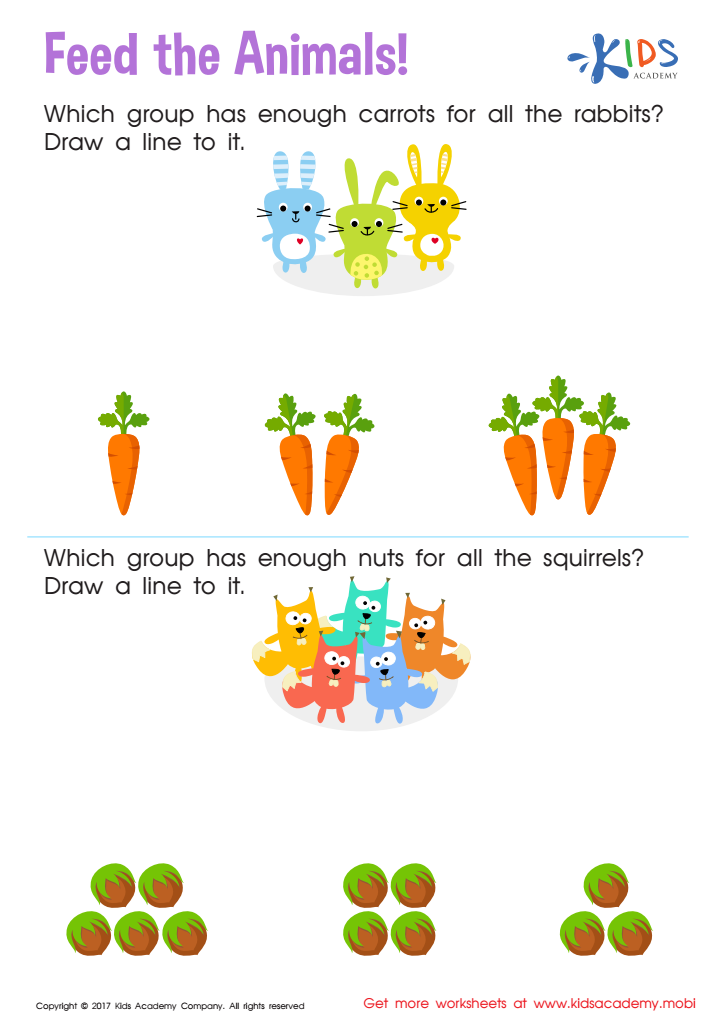
Count and Match: Feed the Animals Worksheet
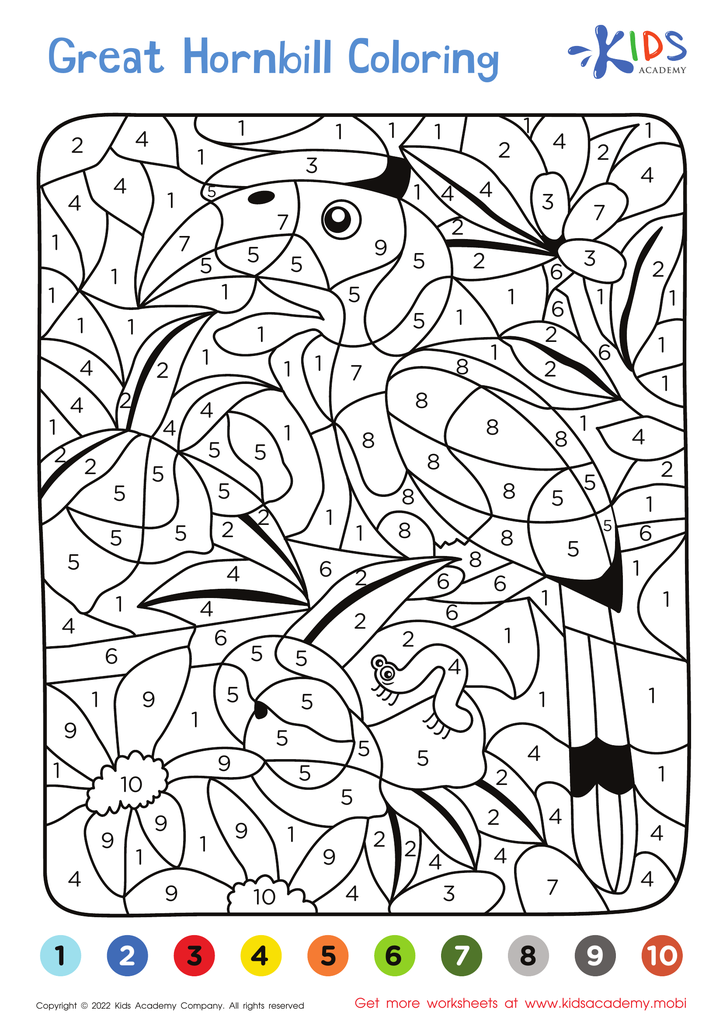
Great Hornbill – Coloring by Numbers
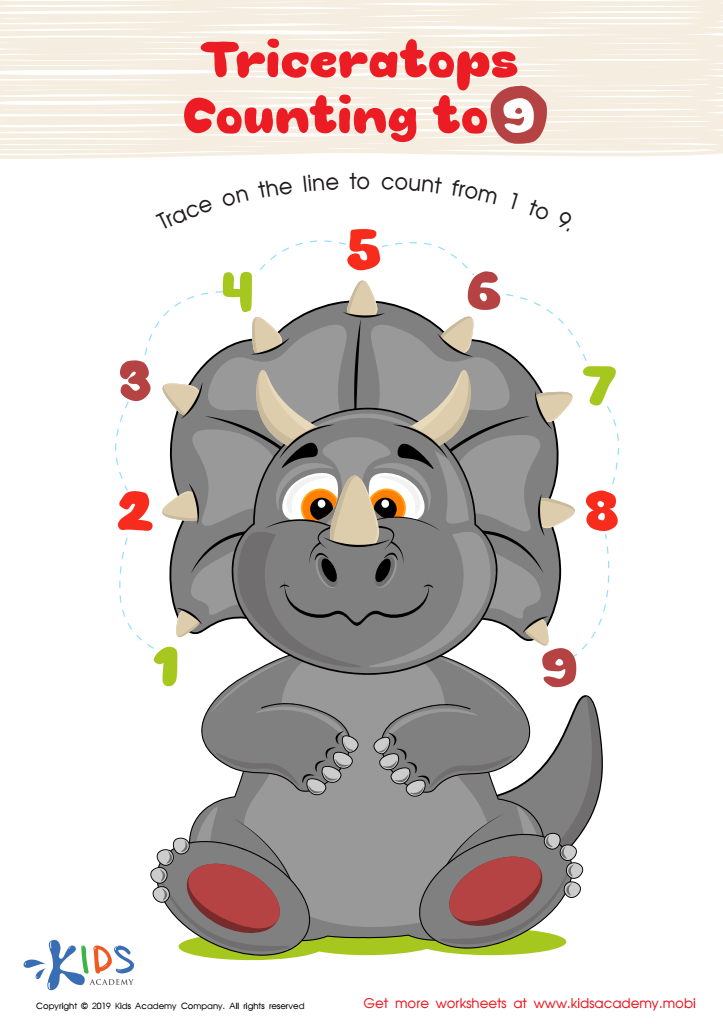
Triceratops Counting to 9 Worksheet








Fine motor skills are essential for preschool children as they serve as the building blocks for various academic and daily activities. For both parents and teachers, understanding the significance of fine motor skills in relation to preschool numbers is crucial for several reasons.
Firstly, fine motor skills enable children to develop the hand-eye coordination necessary for writing numbers neatly and accurately. This skill is foundational for early math and literacy tasks. When children practice gripping pencils, using scissors, or manipulating small objects, they strengthen the muscle control needed for more complex tasks later on.
Secondly, fine motor activities can enhance cognitive development. Engaging in tasks like counting, sorting, or threading beads not only reinforces number recognition but also encourages critical thinking and problem-solving capabilities. These activities create a hands-on learning environment that makes abstract concepts more tangible.
Furthermore, developing fine motor skills can foster a child’s confidence and independence. When they can manipulate tools and materials effectively, they are more likely to participate actively in classroom activities, leading to a greater enthusiasm for learning.
Overall, prioritizing fine motor skill development in relation to preschool numbers can significantly impact a child’s educational journey, providing them with the confidence and skills necessary for future success.