Story sequencing Reading Worksheets
24 filtered results
-
From - To
Our Story Sequencing Reading Worksheets are designed to help young learners develop essential reading comprehension skills through engaging and interactive activities. These resources encourage students to analyze the order of events in stories, allowing them to understand narrative structure better. By sequencing stories, children enhance their ability to recall key details and make connections within the text. Available in printable formats, these worksheets cater to various reading levels and include colorful visuals to capture students' interest. Perfect for at-home learning or classroom activities, our worksheets make story skills enjoyable and effective, setting a strong foundation for future reading success.
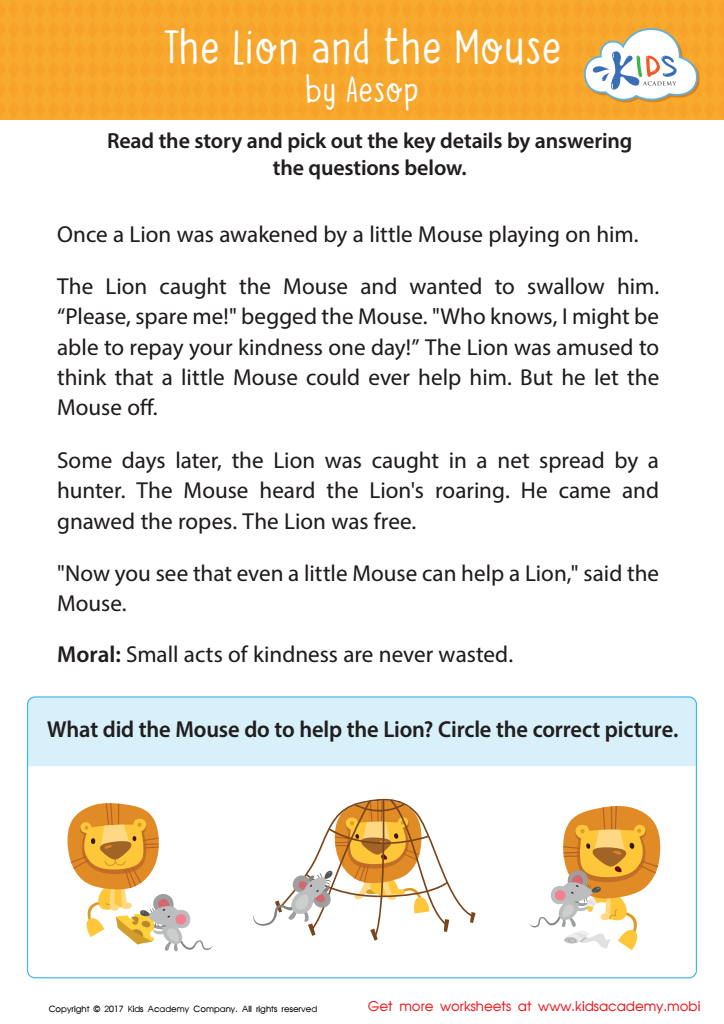
The Lion and The Mouse Sequencing Worksheet
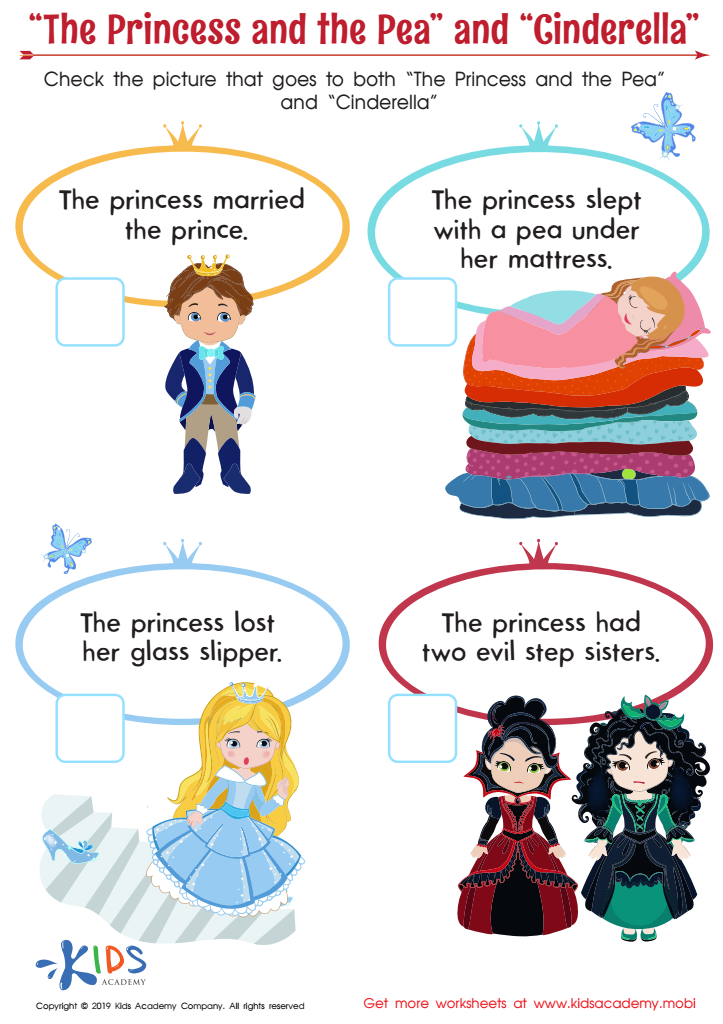
“The Princess and the Pea” and “Cinderella” Worksheet
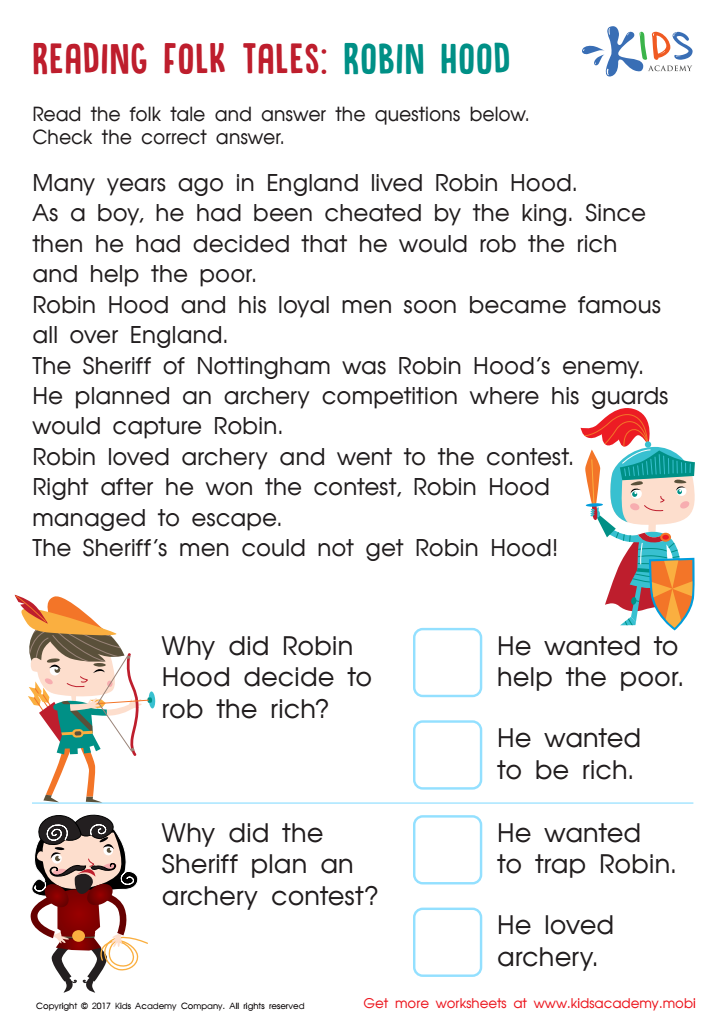
Robin Hood Folktale Worksheet
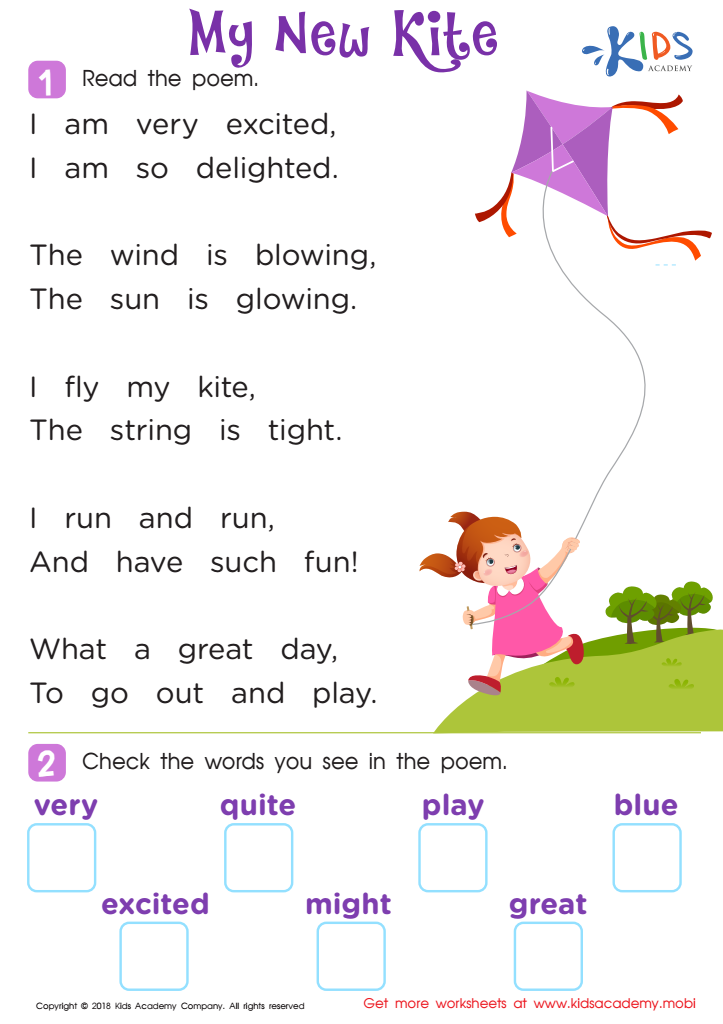
Poem: My New Kite Worksheet
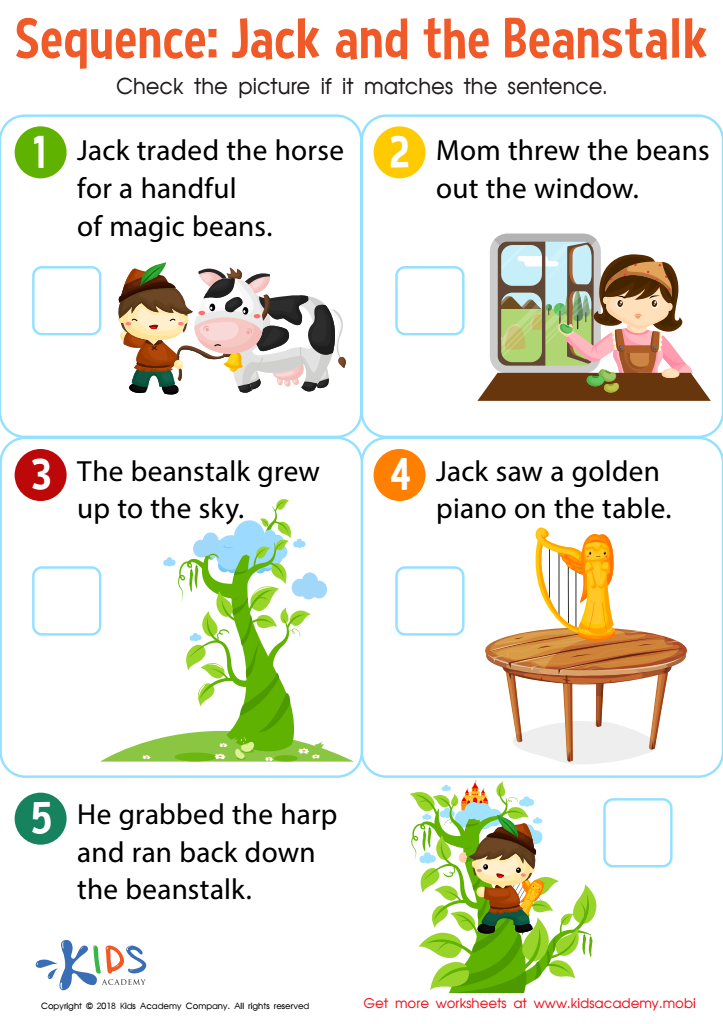
Sequence: Jack and The Beanstalk Worksheet
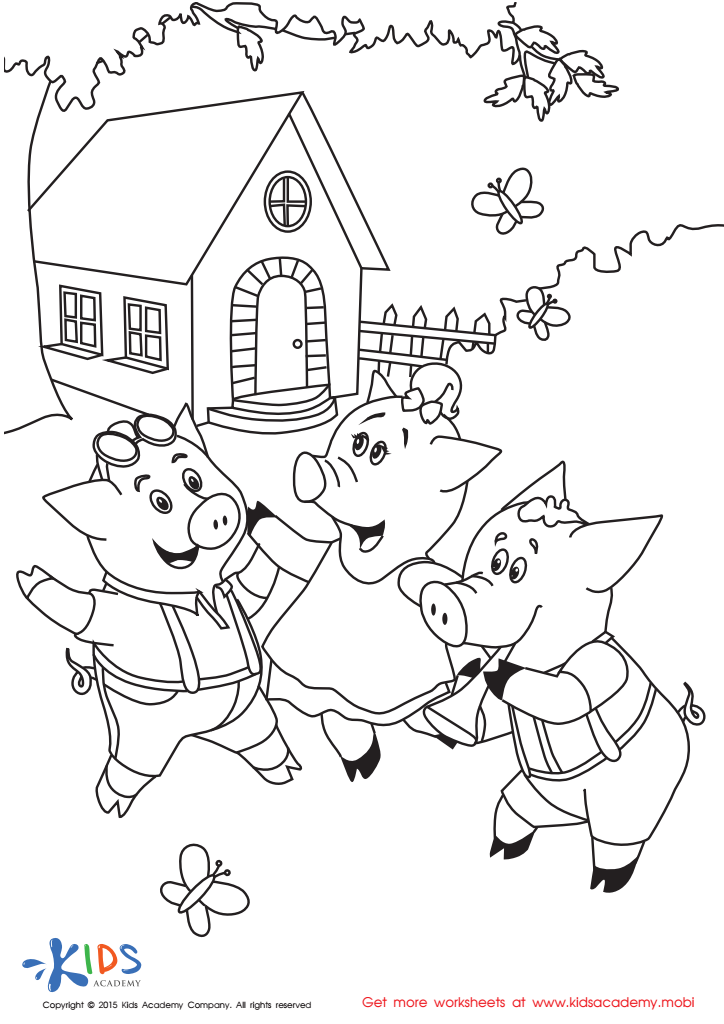
Folktales Printable PDF Worksheet: The 3 Little Pigs
 Assign to My Students
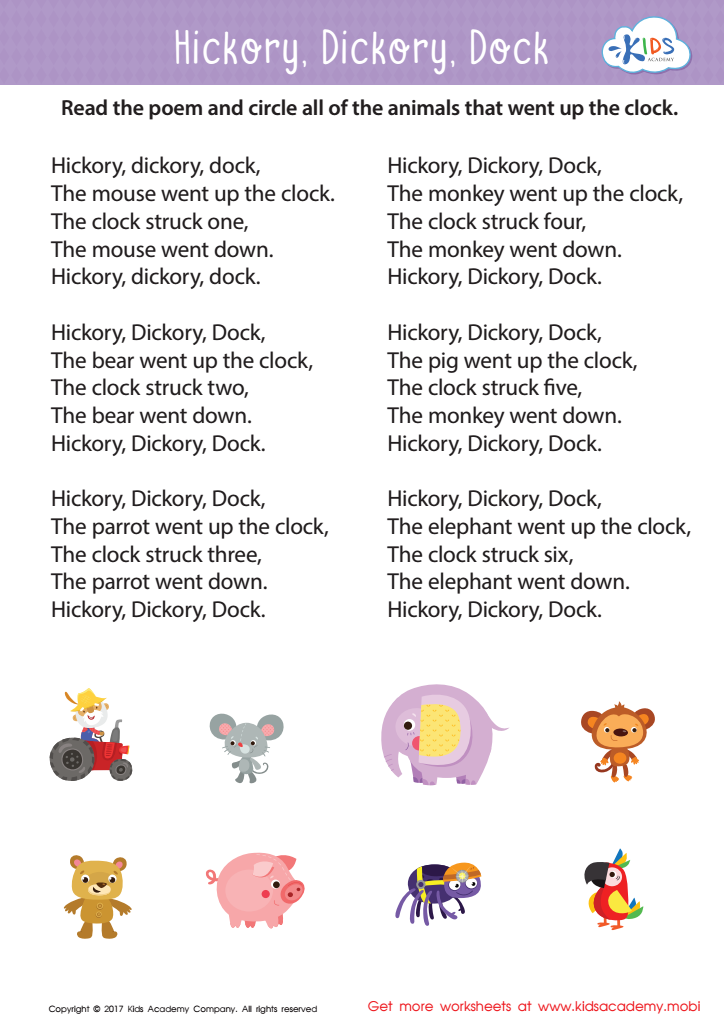
Hickory Dickory Dock Sequencing Worksheet
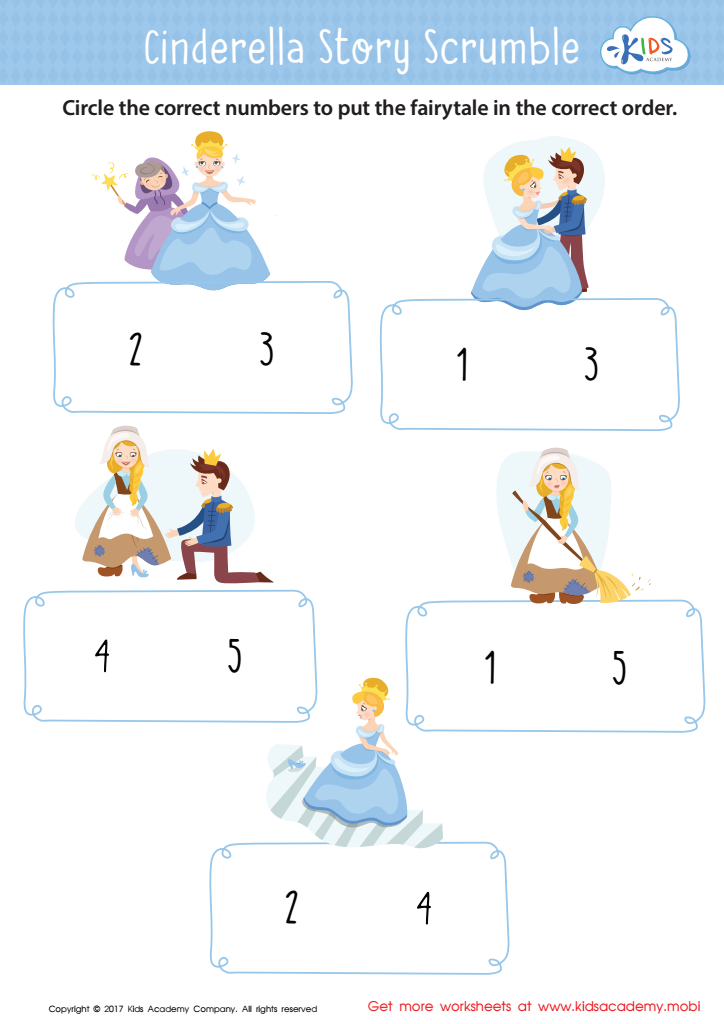
Cinderella Story Sequencing Worksheet
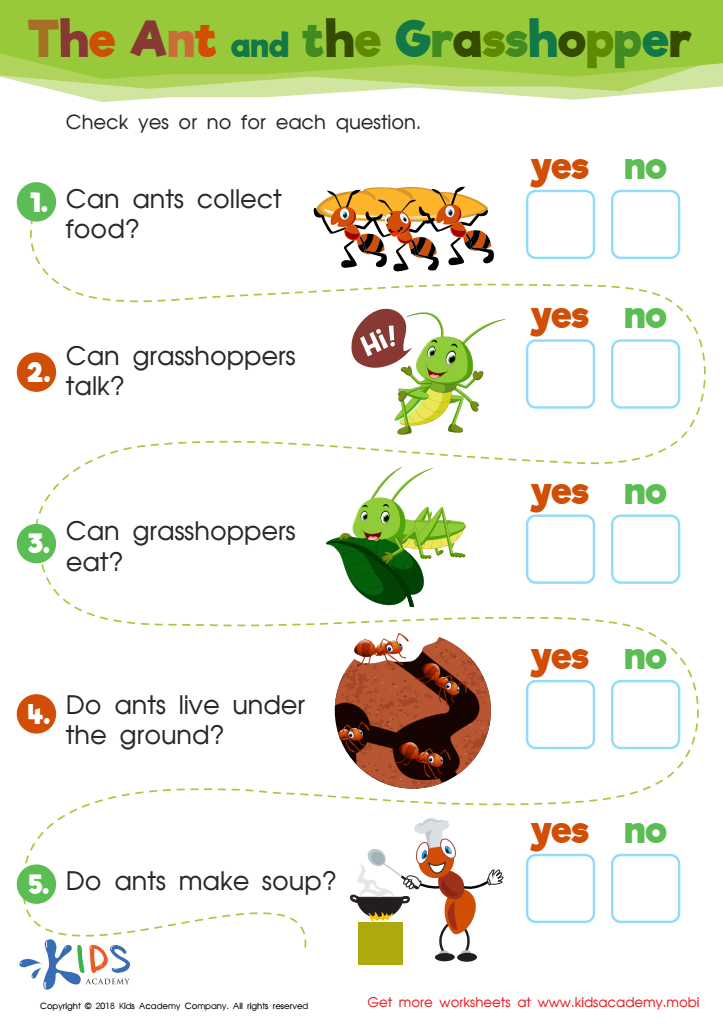
The Ant and The Grasshopper Worksheet
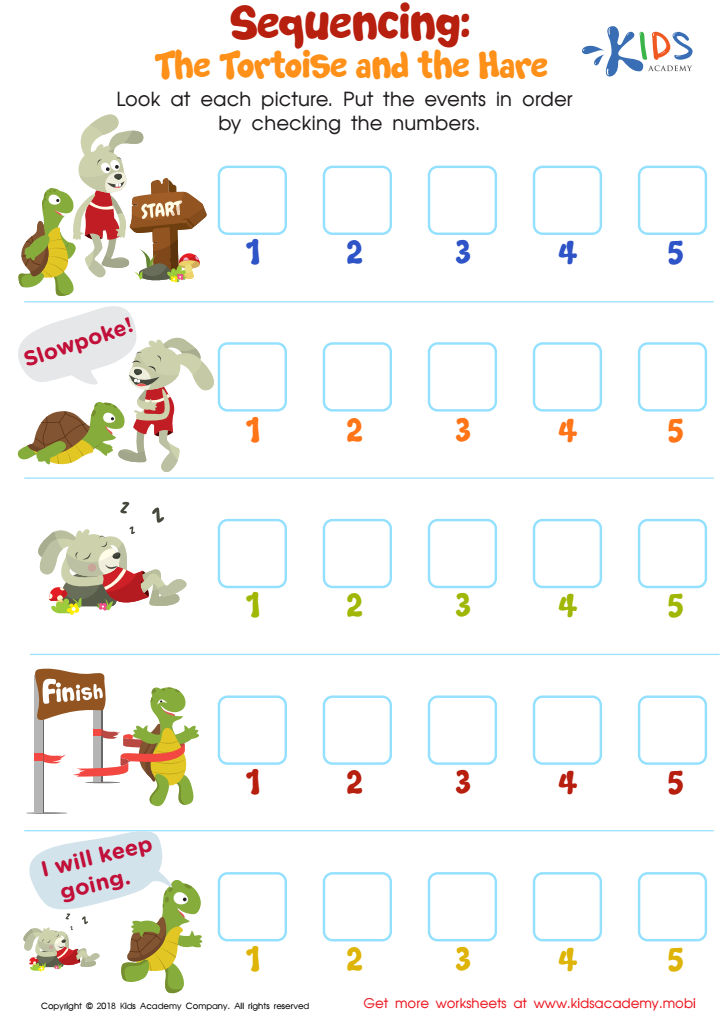
Sequencing: The Tortoise and the Hare Worksheet
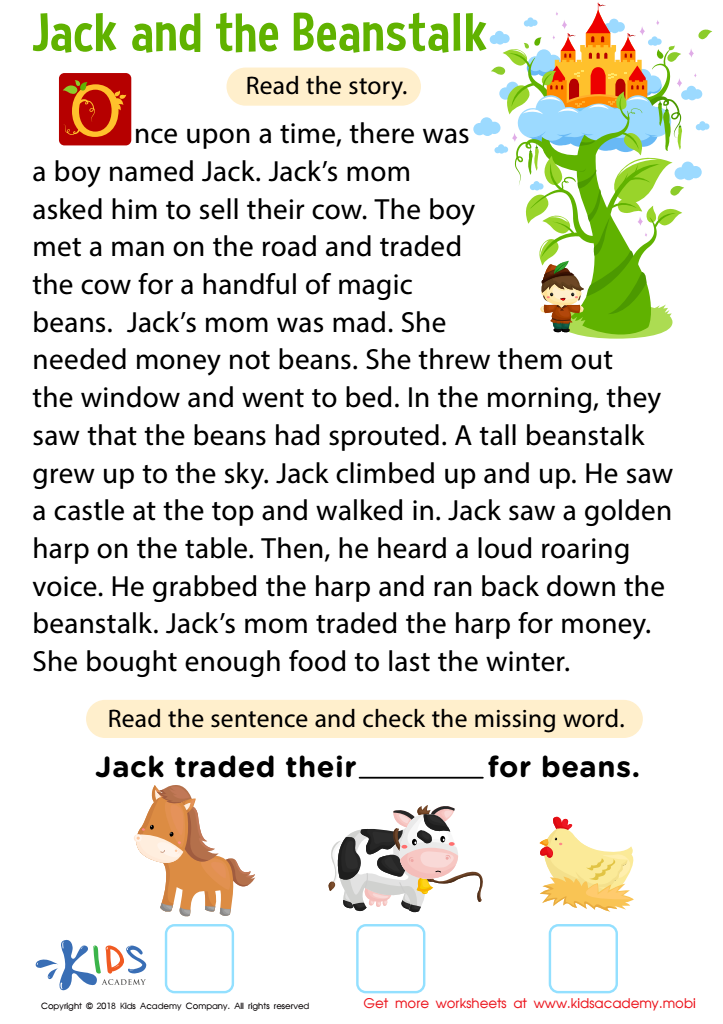
Jack and Beanstalk Worksheet
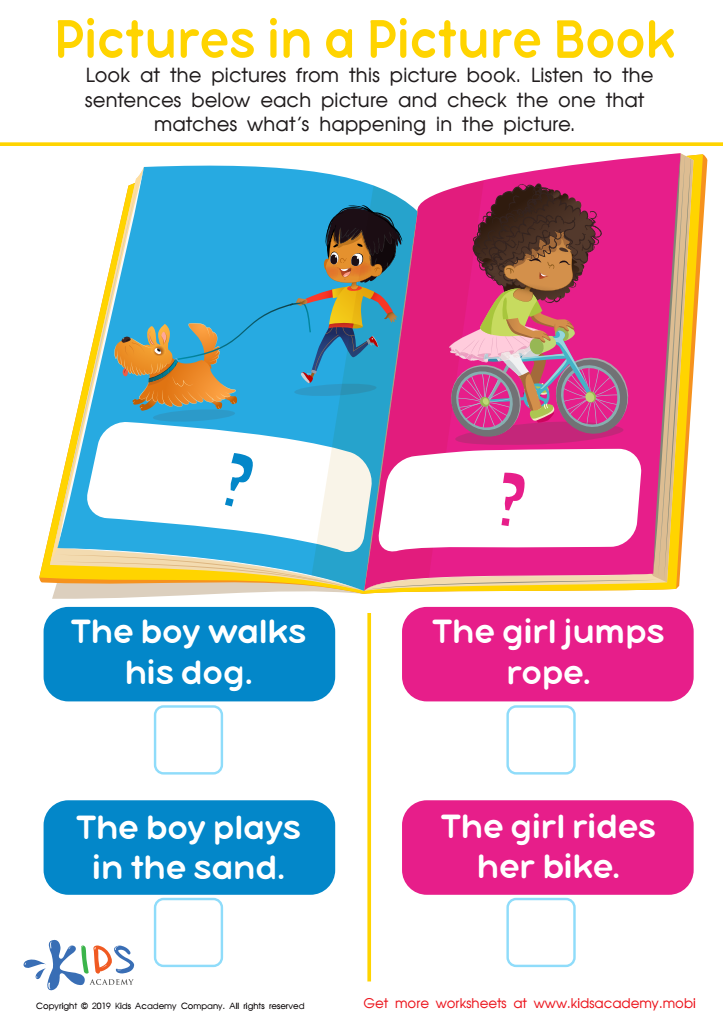
Picture in Books Worksheet
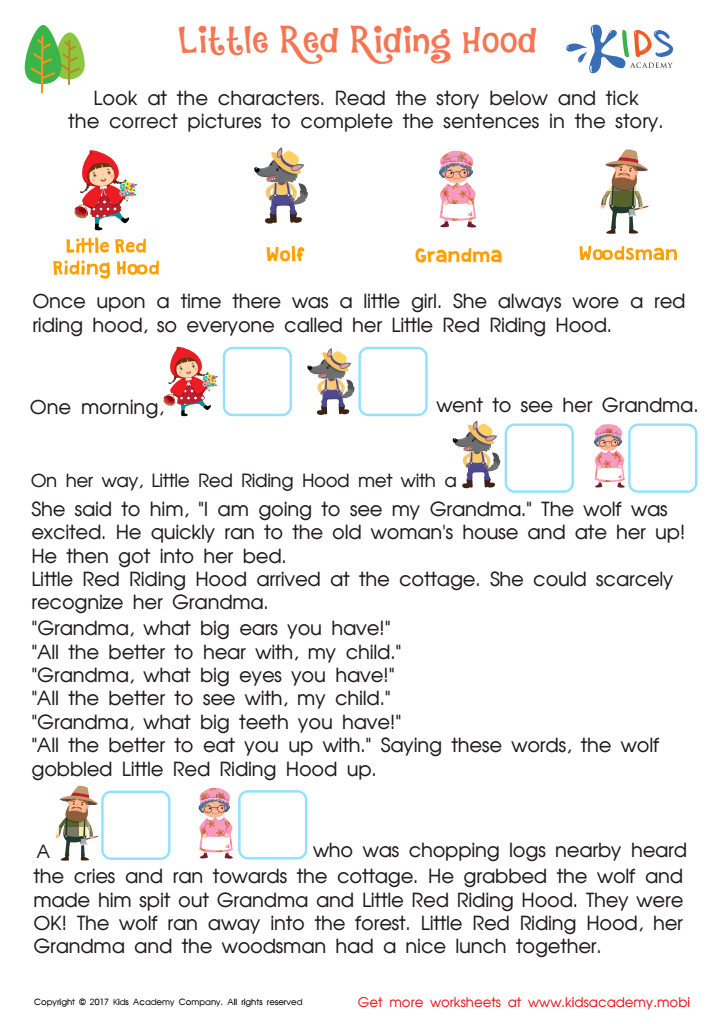
Little Red Riding Hood Printable
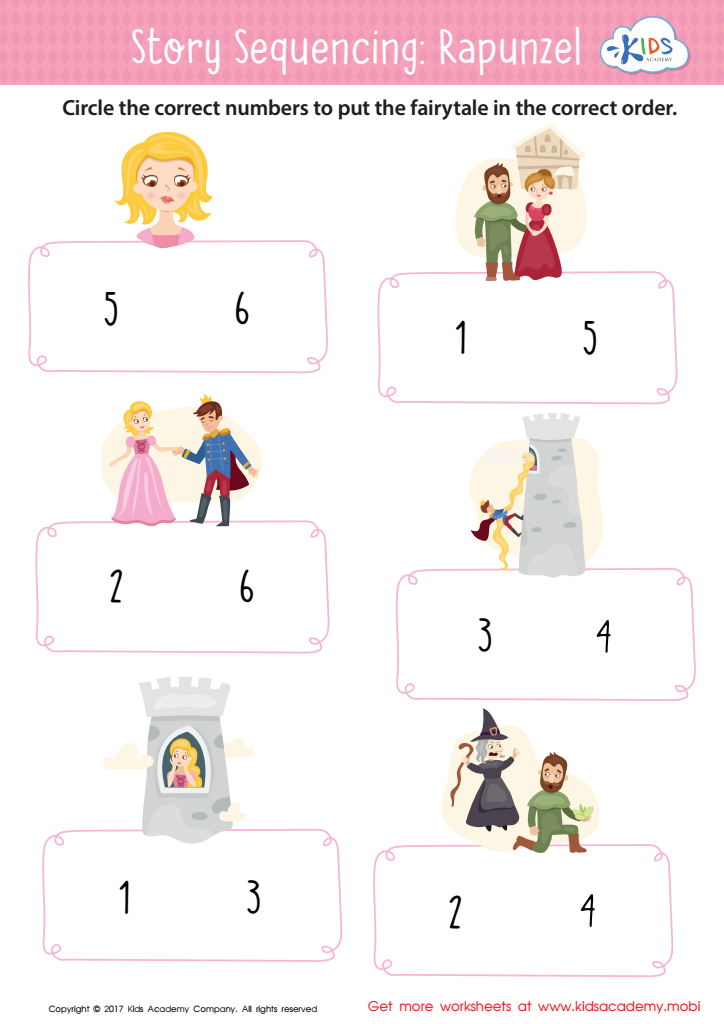
Rapunzel Story Sequencing Worksheet
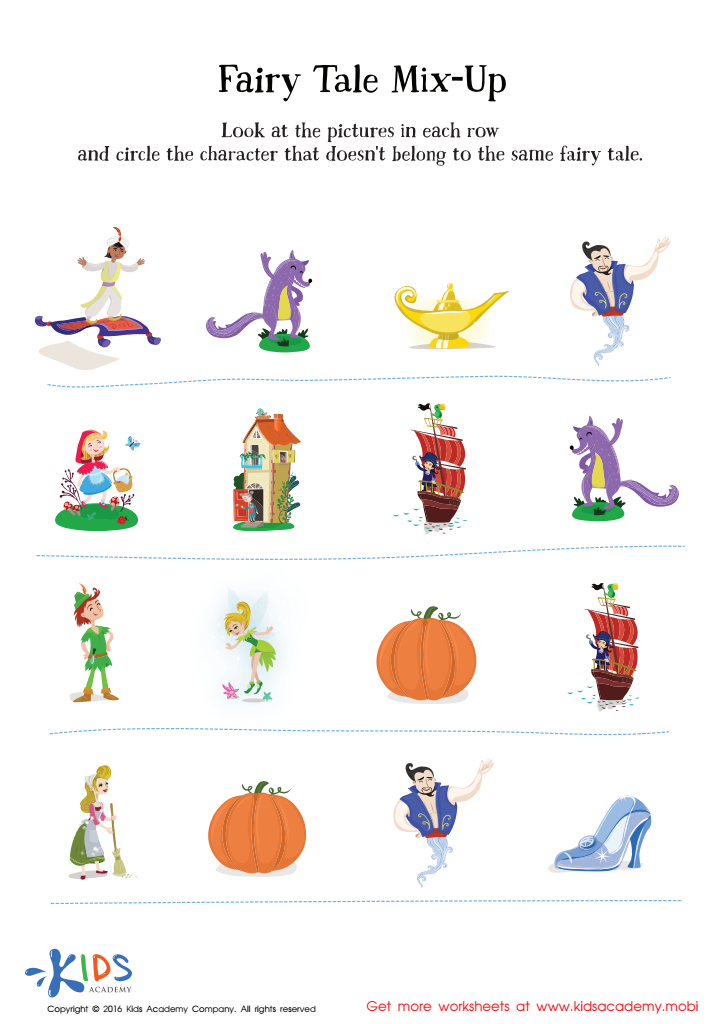
Fairy Tale Worksheet: Story Mix Up
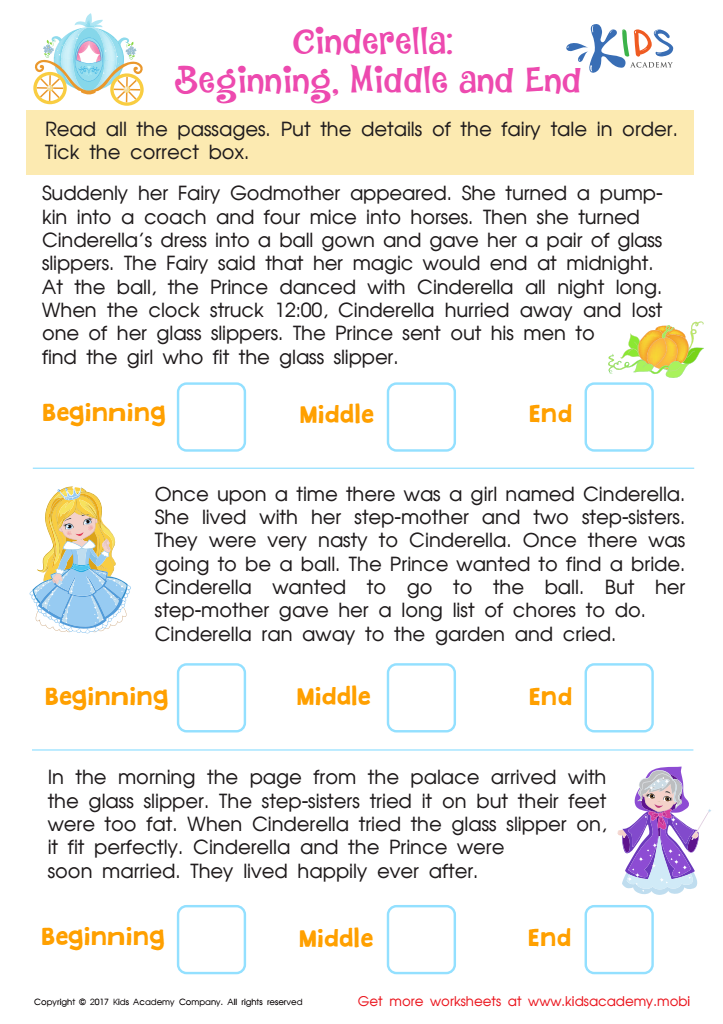
Cinderella: Beginning, Middle and End Worksheet
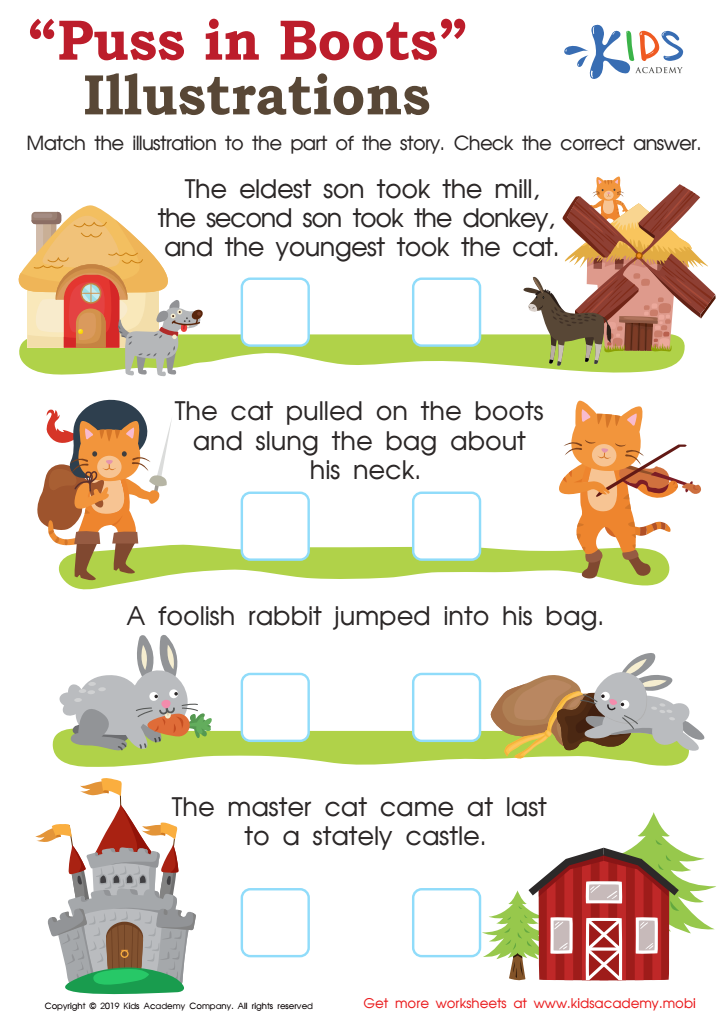
Puss in Boots Illustrations Worksheet
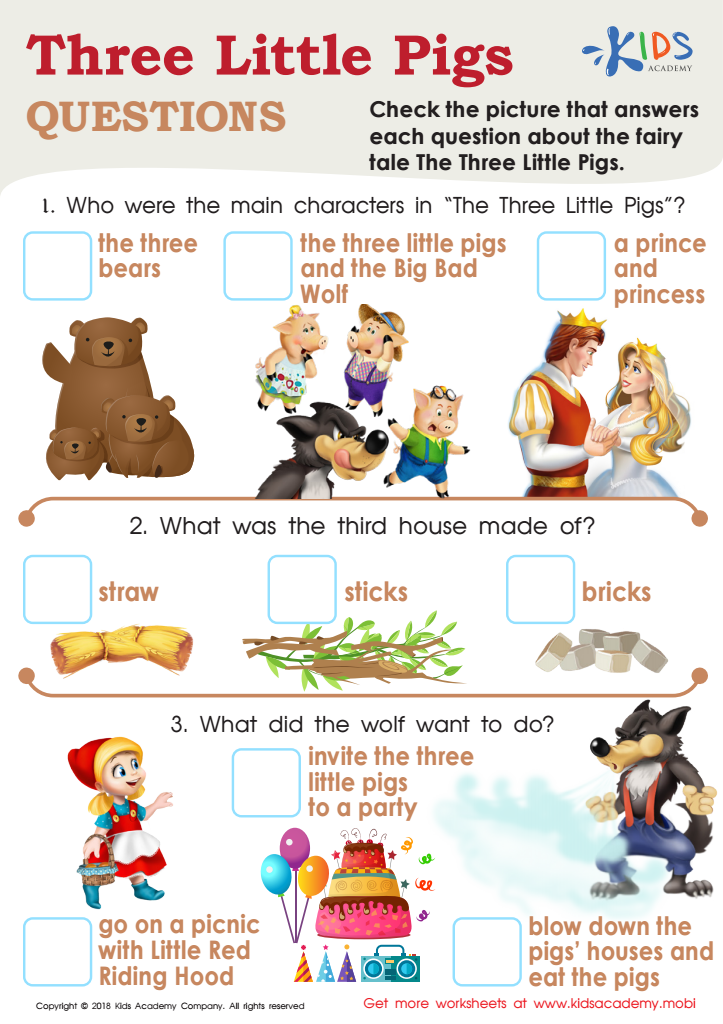
Three Little Pigs Questions Worksheet
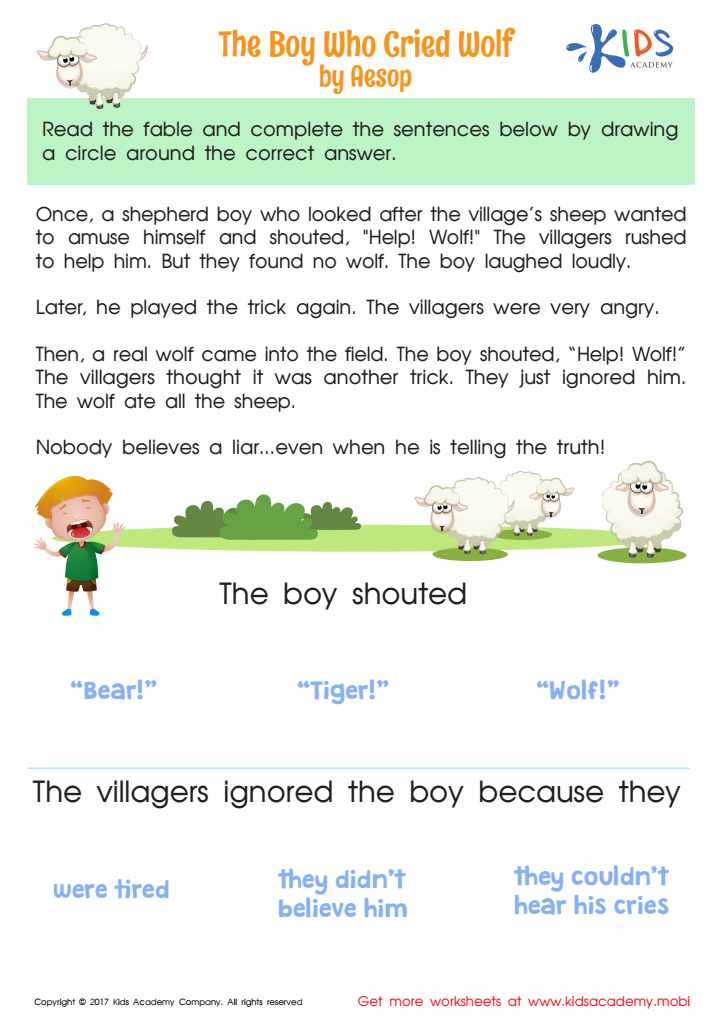
The Boy Who Cried Wolf Worksheet
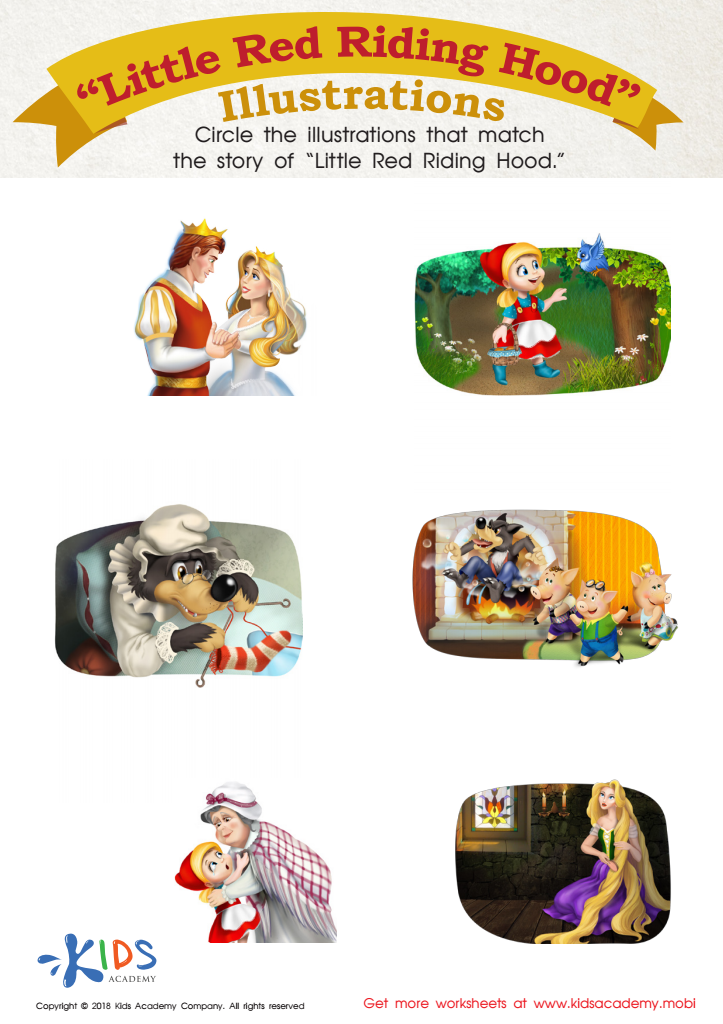
Little Red Riding Hood: Illustrations Worksheet
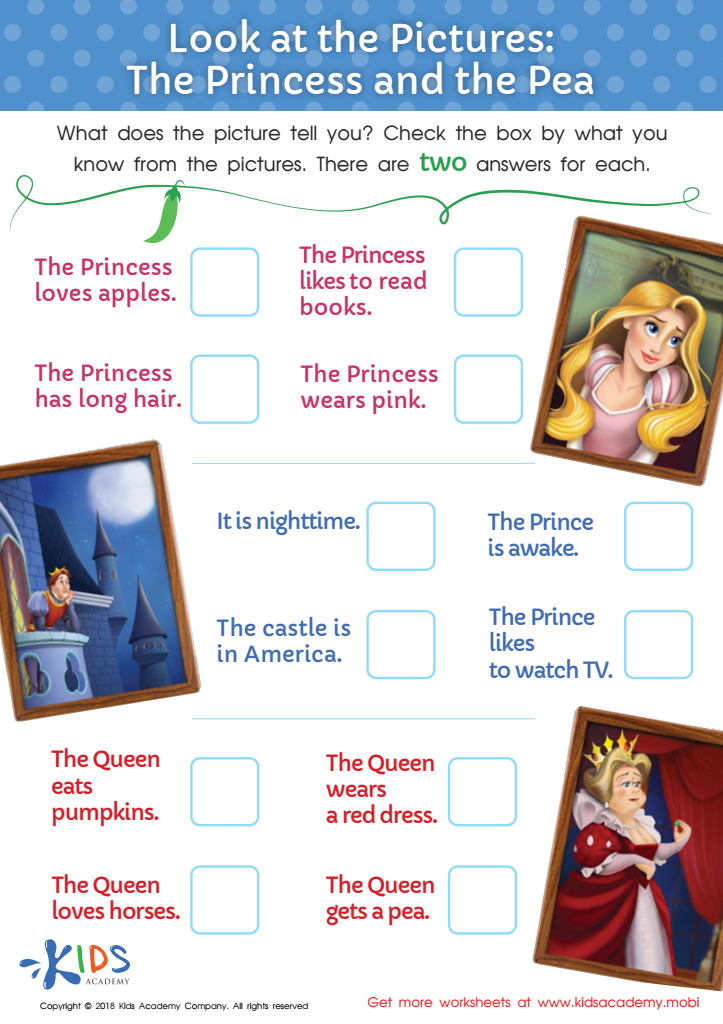
Look at the Pictures: The Princess and the Pea Worksheet
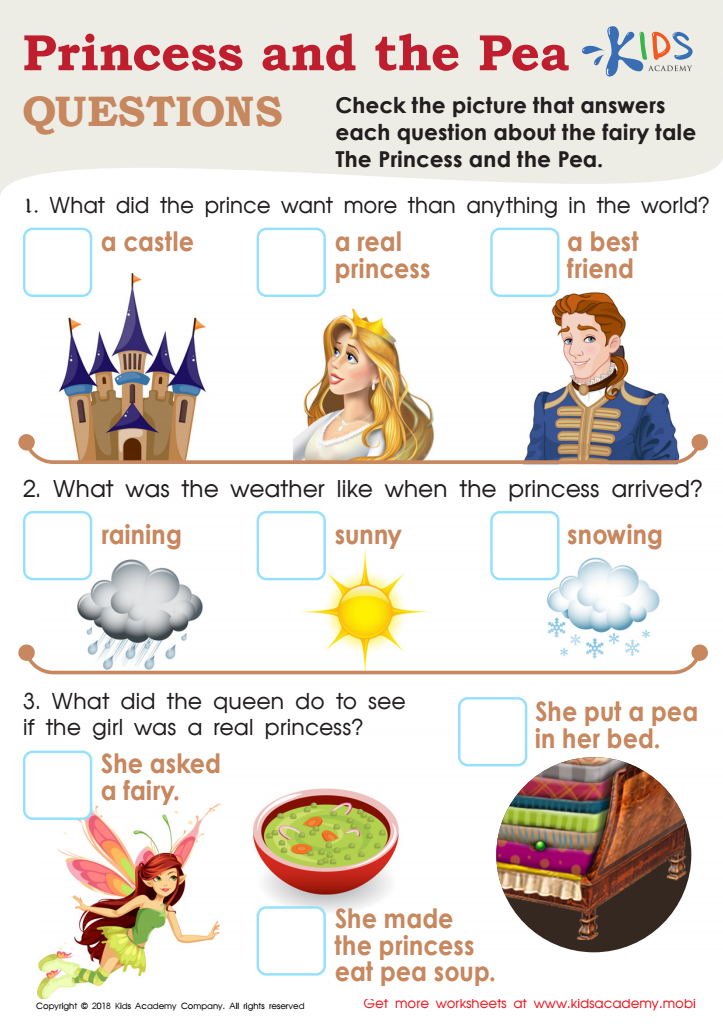
Princess and the Pea Questions Worksheet
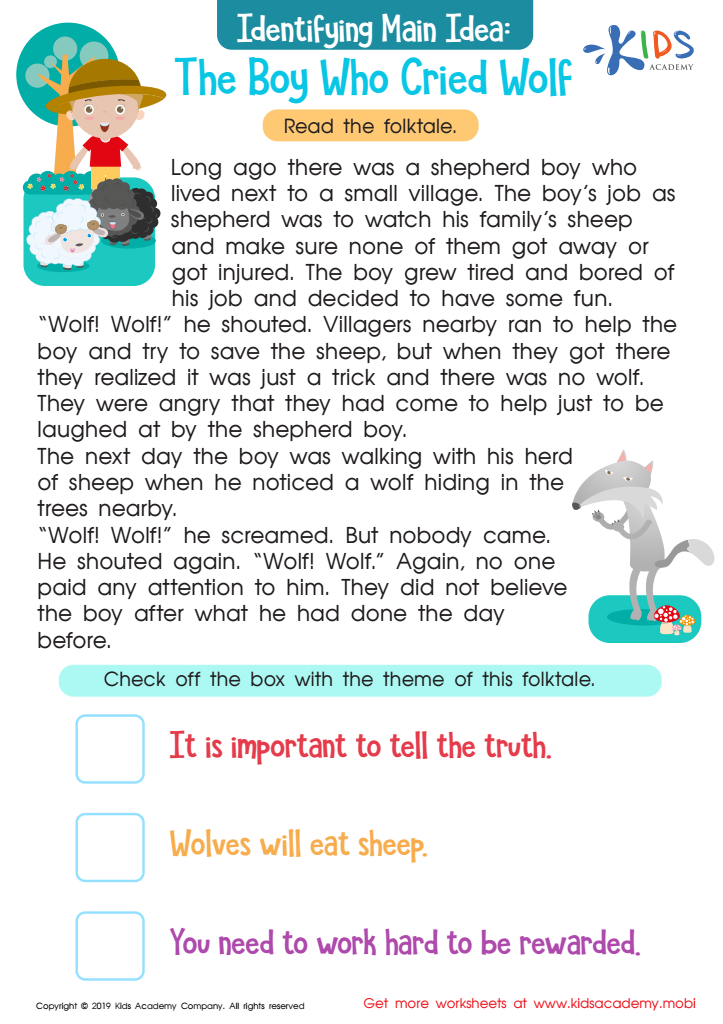
The Boy Who Cried Wolf Part 2 Worksheet
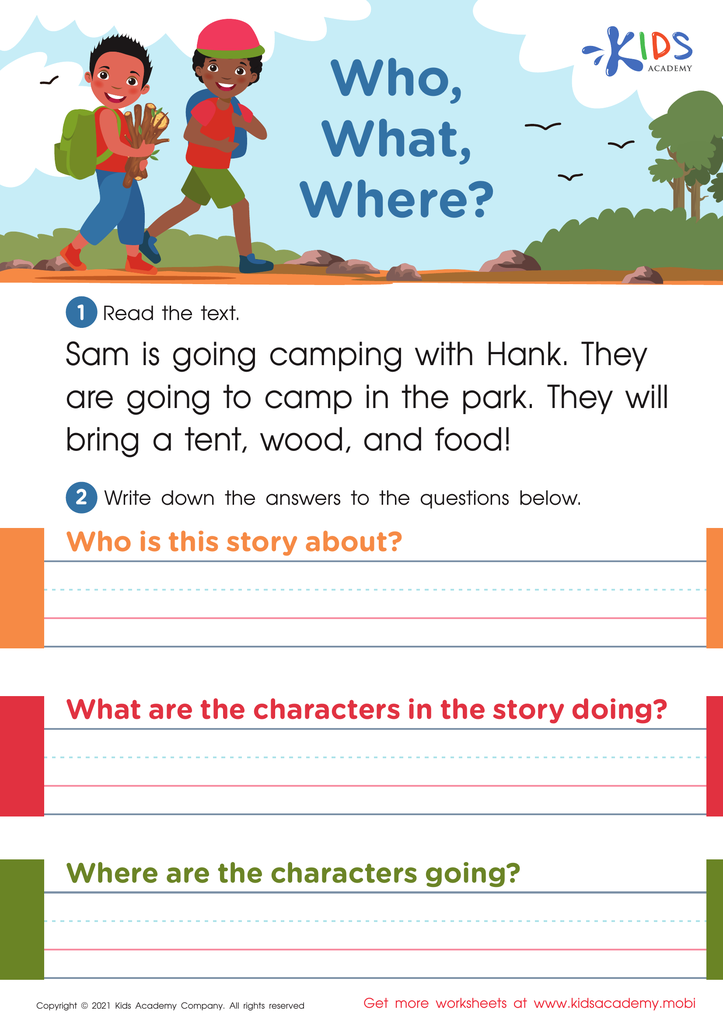
Who, What, Where? Worksheet








Story sequencing is a critical skill for early readers, and both parents and teachers should prioritize its development. Firstly, story sequencing enhances comprehension. Understanding the order of events within a story helps children grasp the storyline, leading to better retention and recall of information. This skill encourages them to make connections between events, characters, and themes, fostering a deeper appreciation for literature.
Moreover, story sequencing promotes critical thinking. When children sequence stories, they analyze what happens first, next, and last. This process develops their ability to predict outcomes and understand cause-and-effect relationships, essential components of cognitive development.
Parents and teachers also benefit from story sequencing as it serves as a foundational literacy skill. As children improve their sequencing ability, they become more proficient readers, enhancing their overall academic performance.
Additionally, engaging in story sequencing activities encourages collaboration and dialogue between parents and children or teachers and students. These interactions can strengthen bonds and create a positive learning environment.
In summary, story sequencing is not only vital for reading comprehension and critical thinking but also fosters collaborative learning. Investing time in developing this skill yields significant long-term benefits for children’s educational journeys.








