Vocabulary development Science Worksheets
18 filtered results
-
From - To
Enhance your child's science vocabulary with our engaging Vocabulary Development Science Worksheets! Designed for early learners, these worksheets provide a fun and interactive way for students to explore essential scientific terms and concepts. Featuring captivating illustrations and clear instructions, our resources make vocabulary building enjoyable. Whether in the classroom or at home, these worksheets encourage exploration and comprehension across various science topics, from plants and animals to the earth and space. Help your child develop a strong foundation in scientific language, promote curiosity, and foster a love of learning with our thoughtfully crafted worksheets. Perfect for teachers and parents alike!
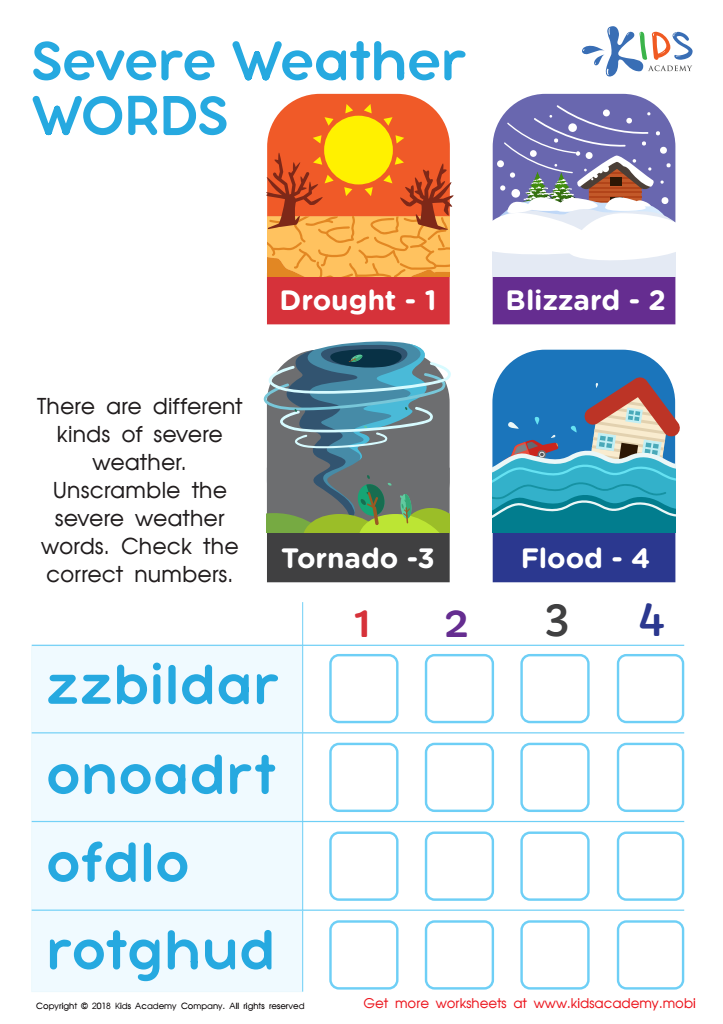
Severe Weather Words Worksheet
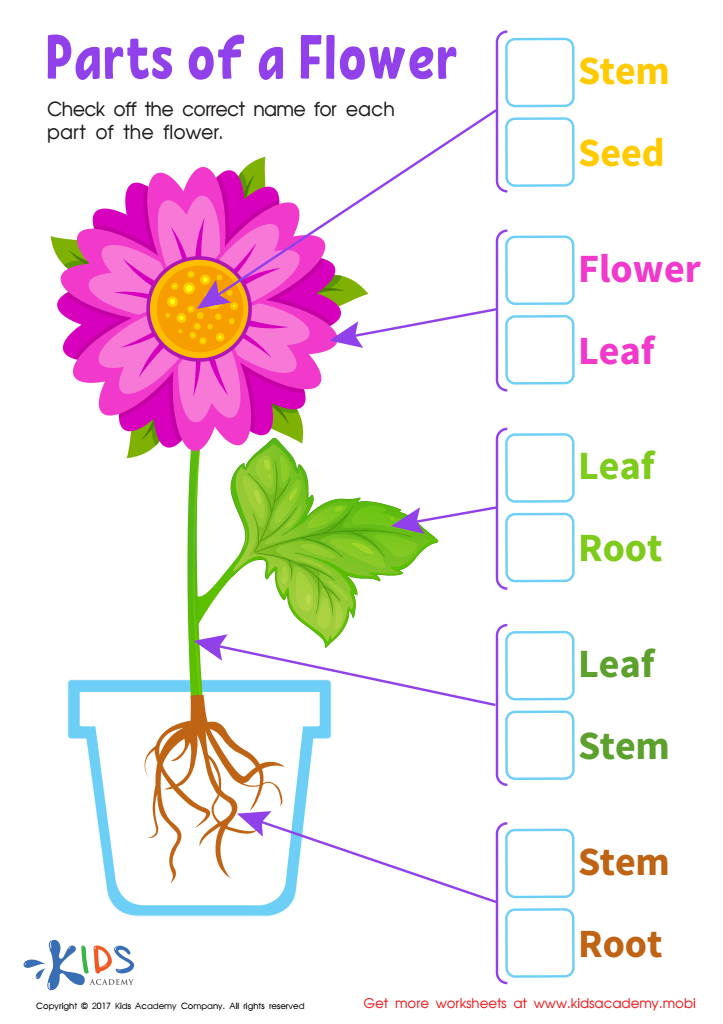
Parts Flower Printable
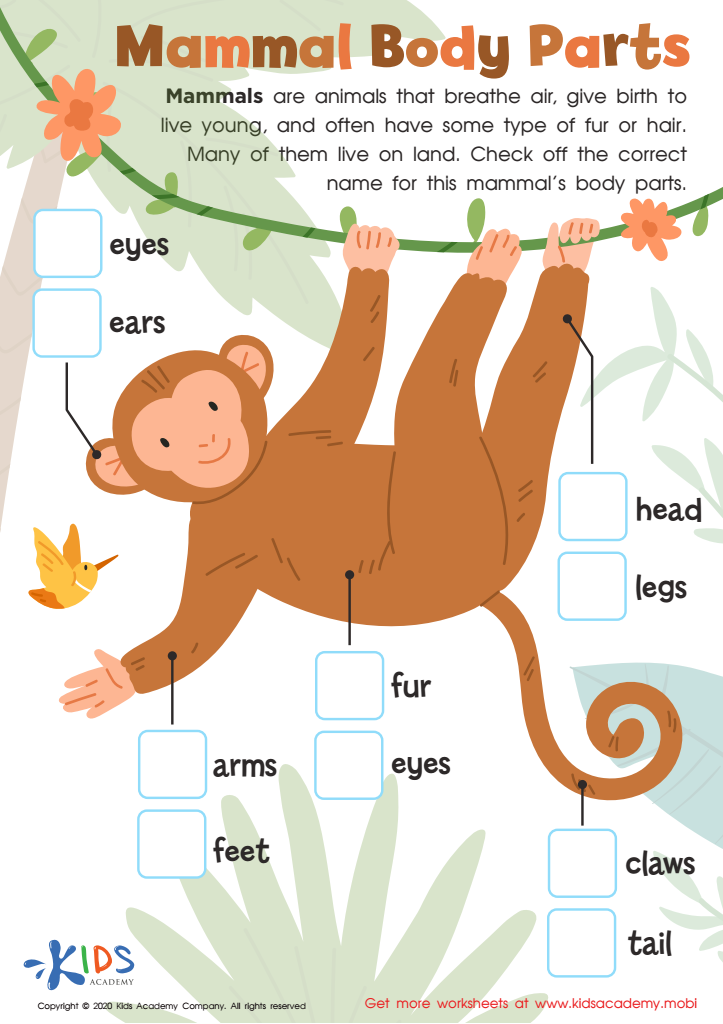
Mammal Body Parts Worksheet
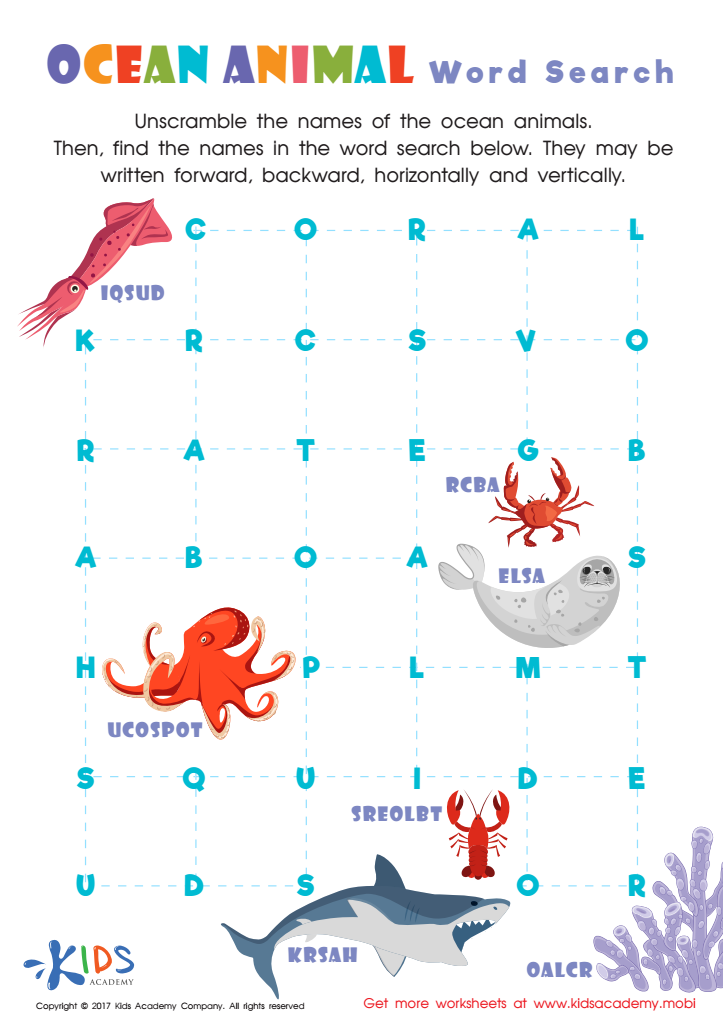
Ocean Animals Word Search Printable
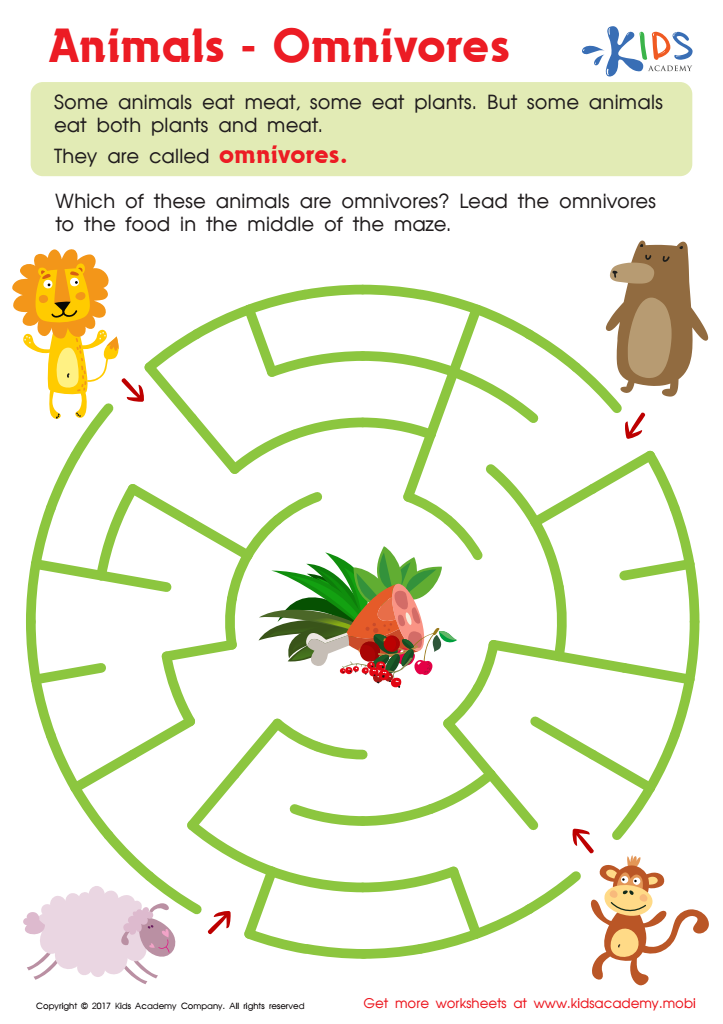
Omnivores Animals Worksheet
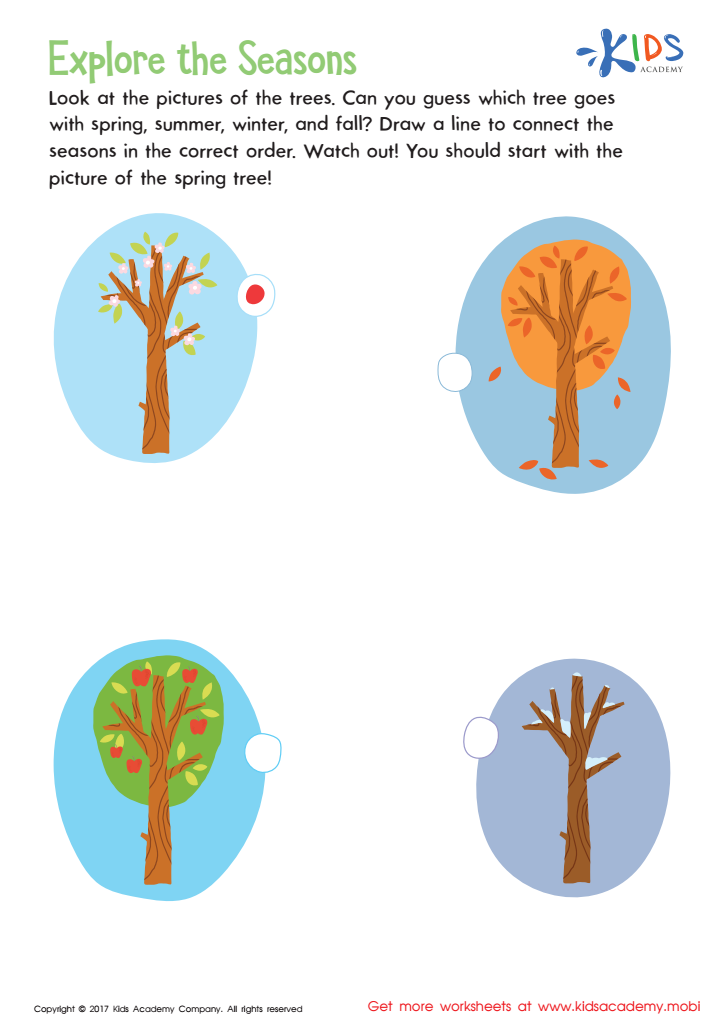
Explore the Seasons Worksheet
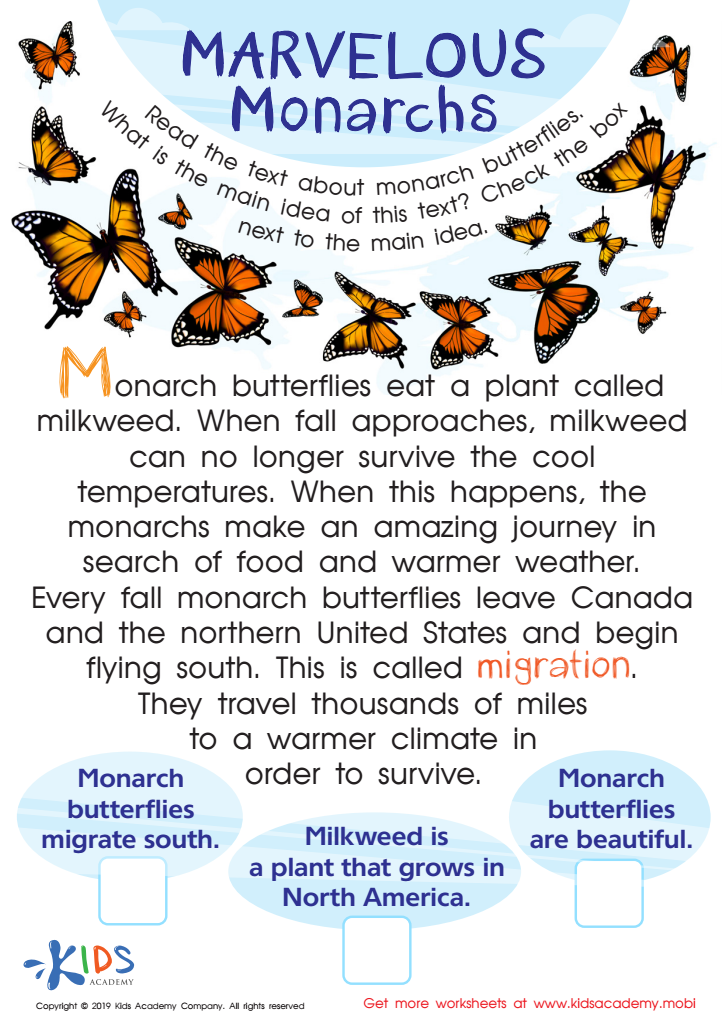
Marvelous Monarchs Worksheet
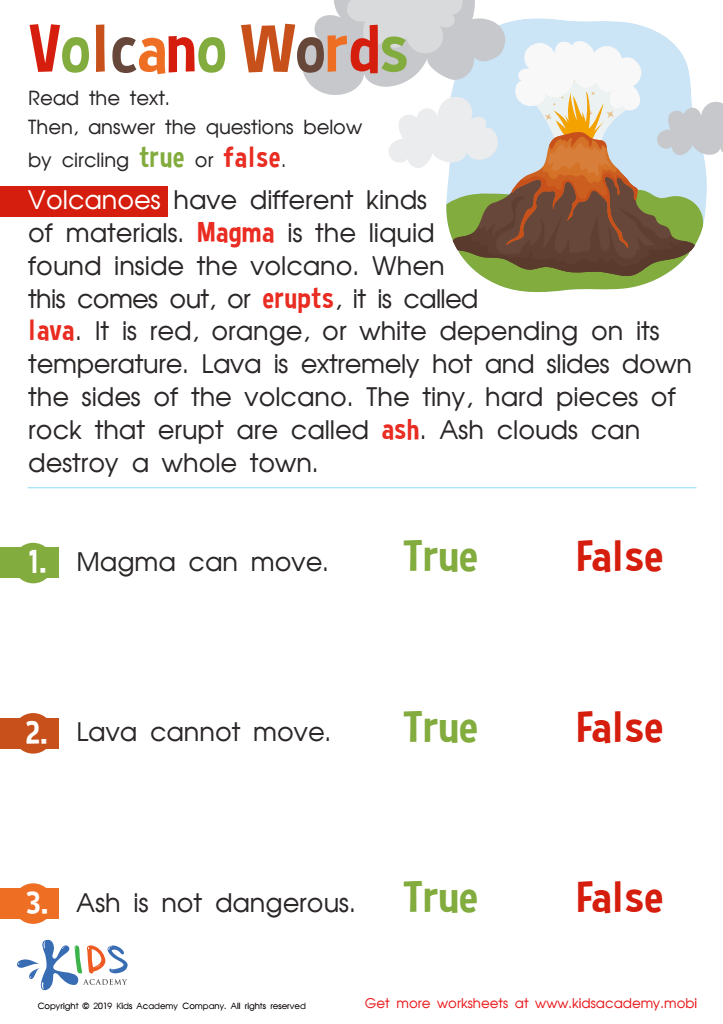
Volcano Words Worksheet
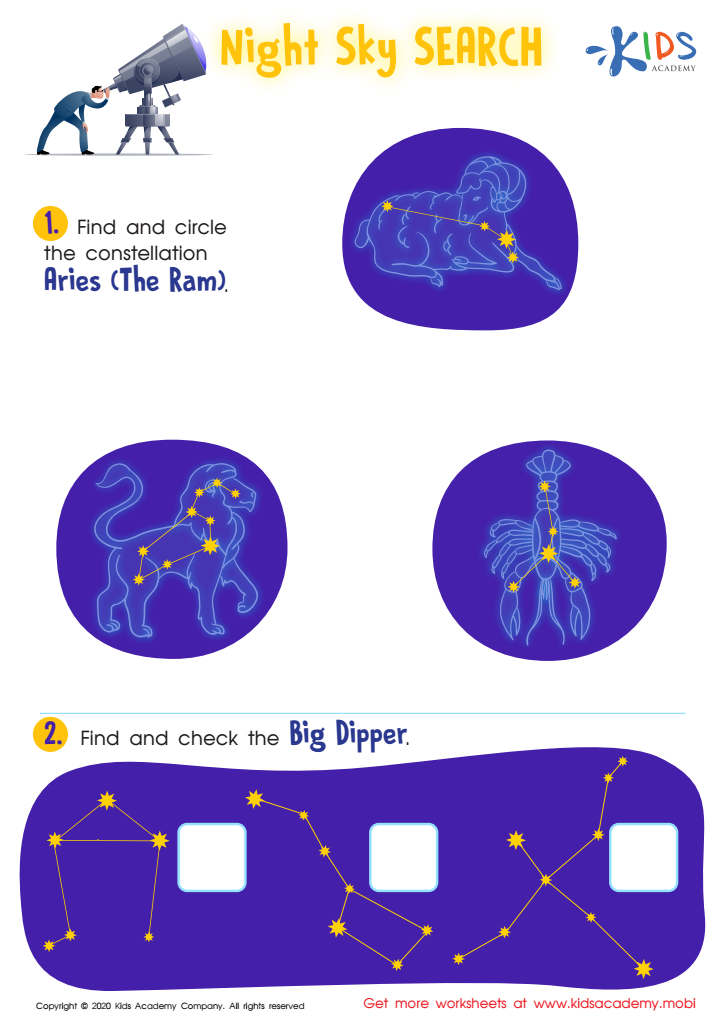
Night Sky Search Worksheet
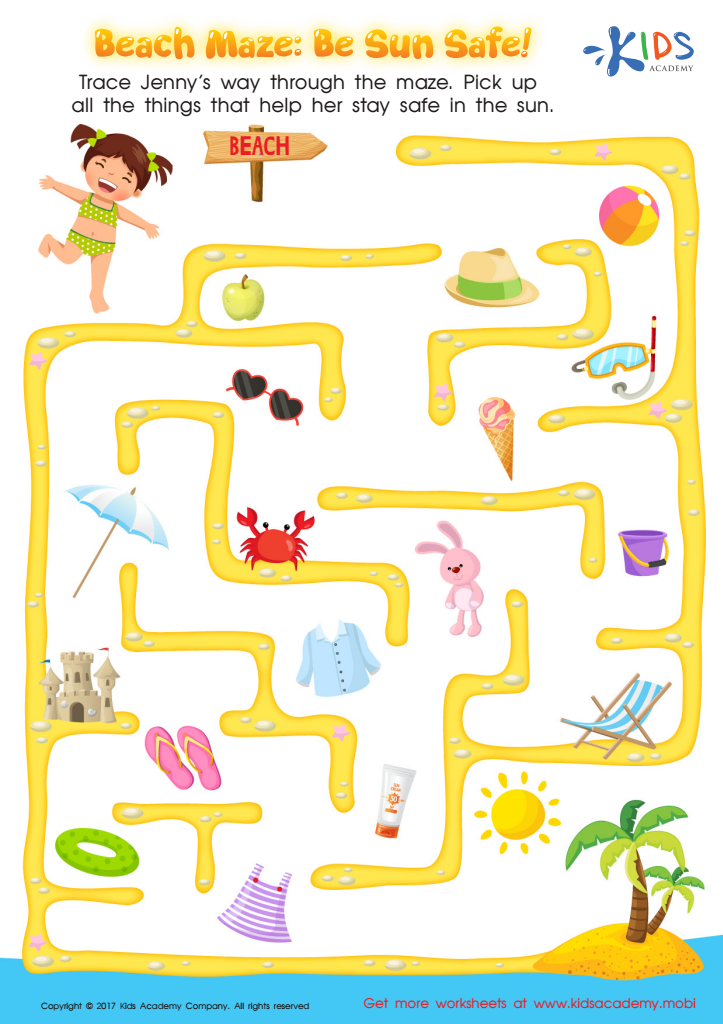
Beach Maze: Sun Safe Worksheet
Musical Band Worksheet
 Assign to My Students
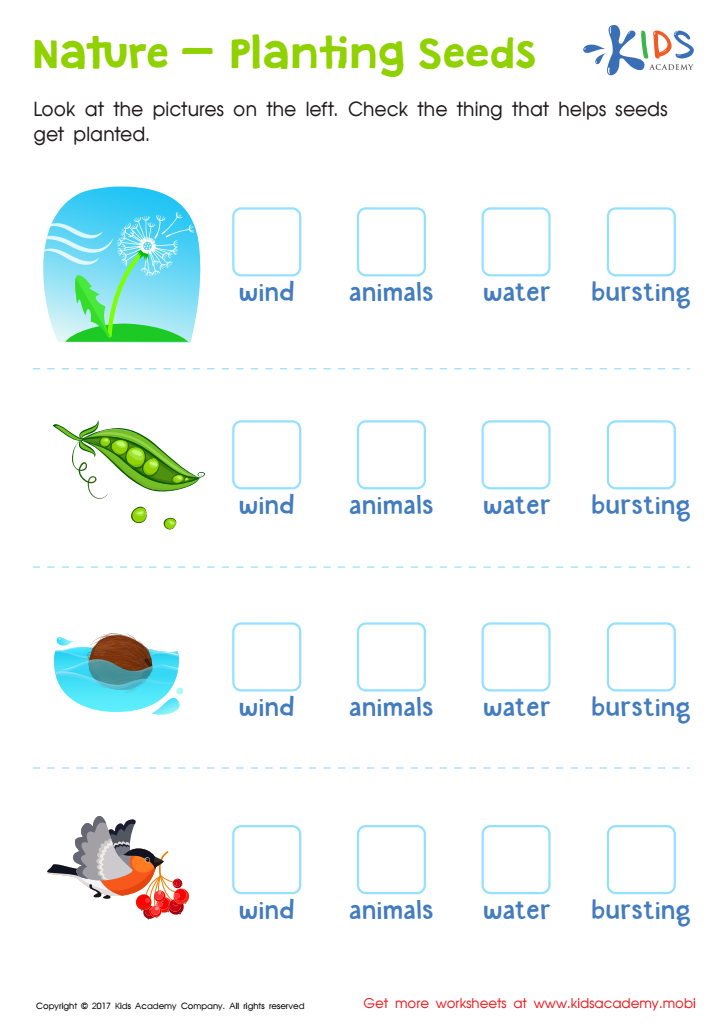
Nature Planting Seeds Worksheet
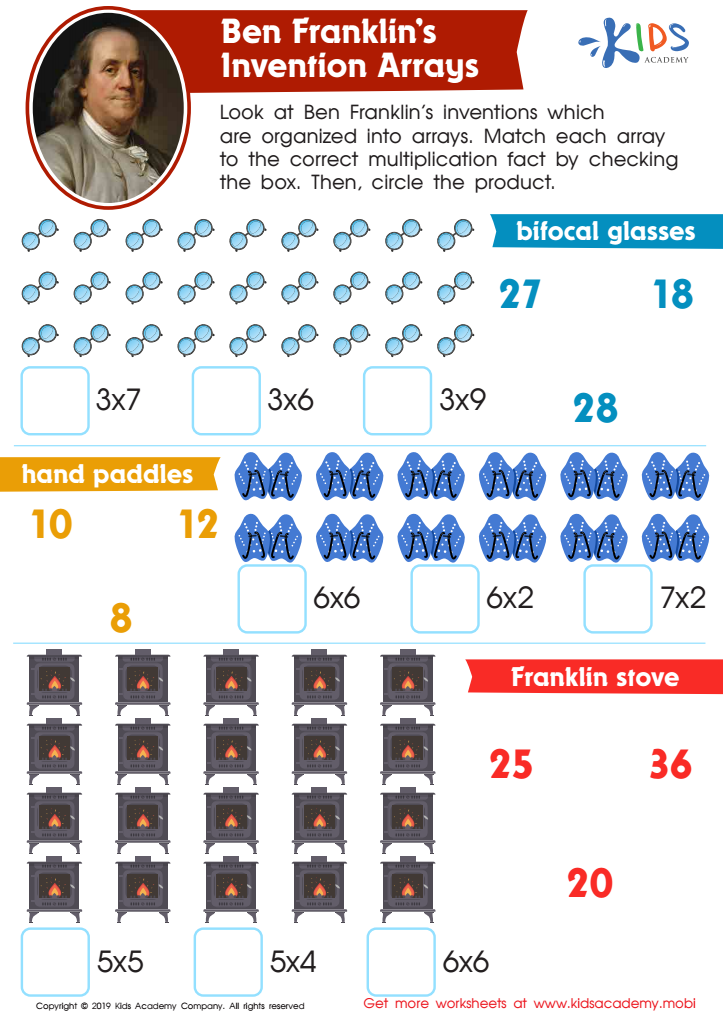
Ben Franklin’s Invention Arrays Worksheet
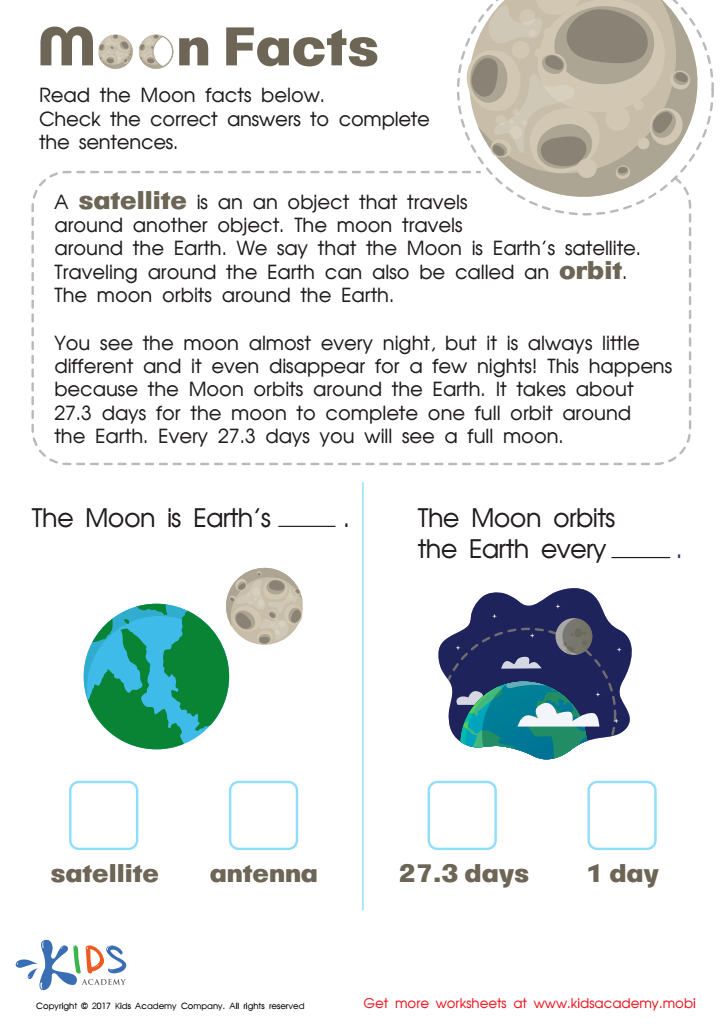
Moon Facts Worksheet
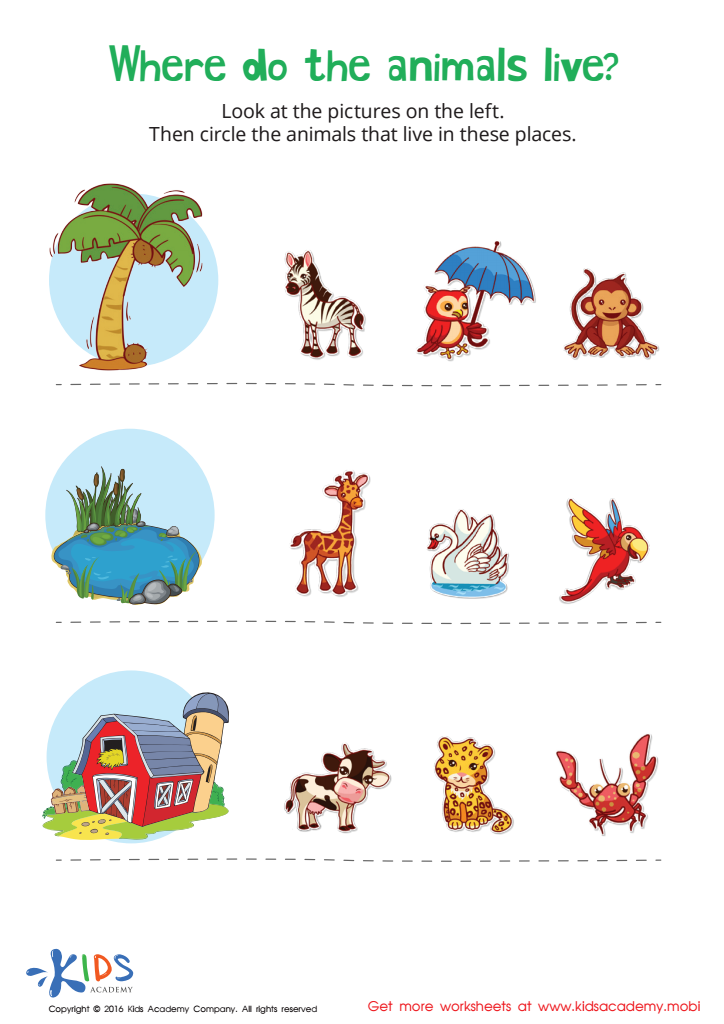
Where Animals Live Worksheet
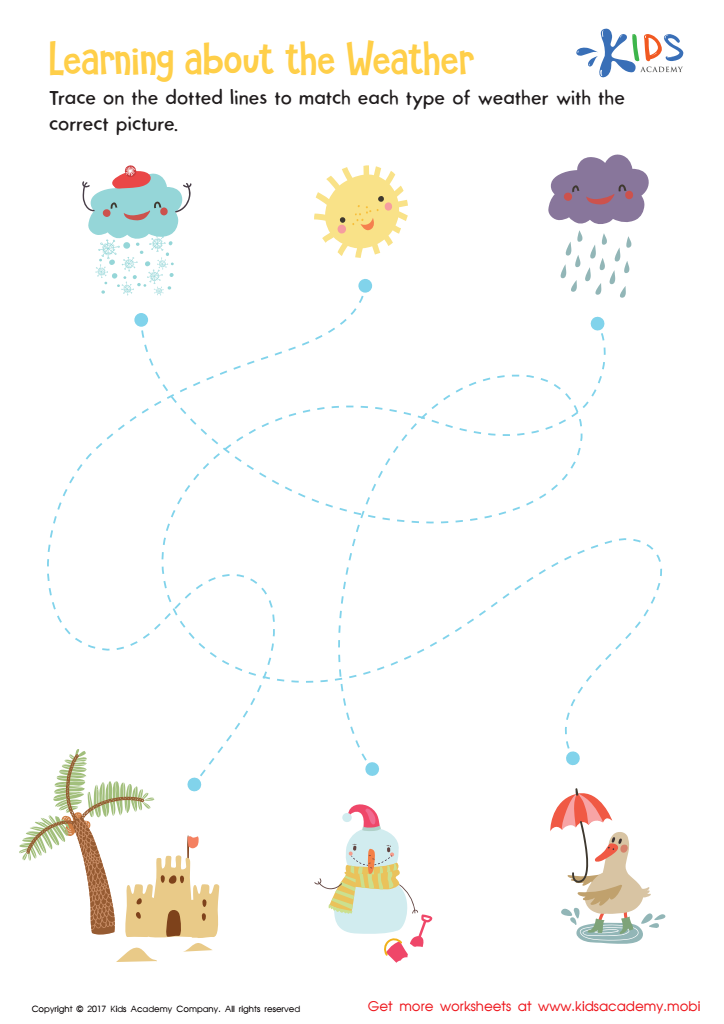
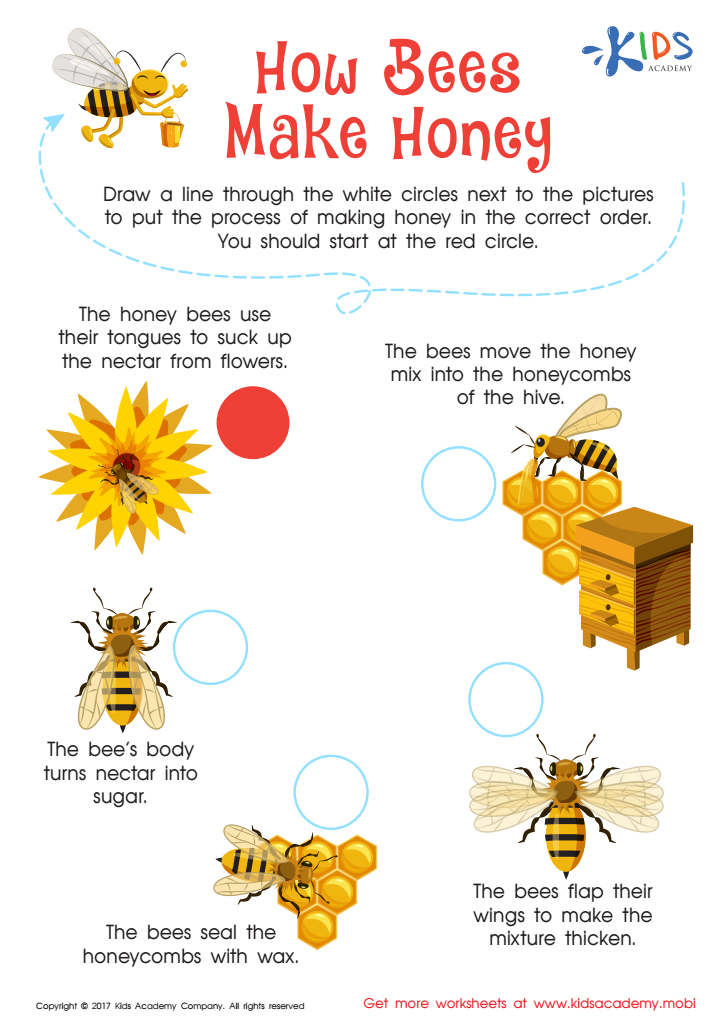
Honey Bee Worksheet
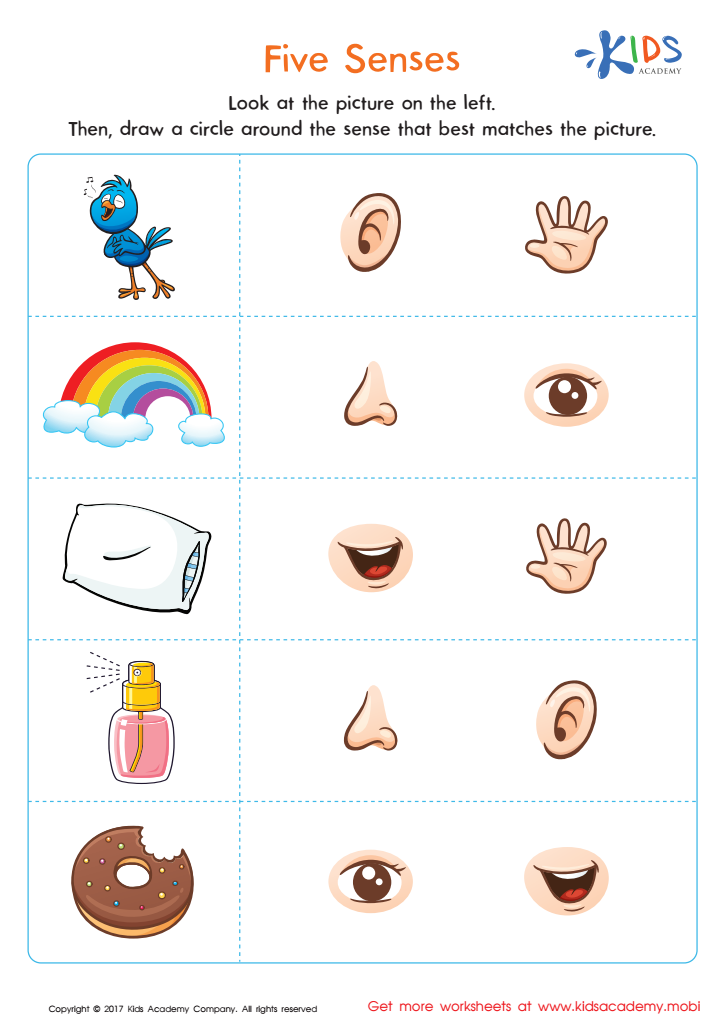
Five Senses Printable








Vocabulary development is crucial for children's success in school and life. As parents and teachers, understanding its science helps sharpen instructional strategies. A rich vocabulary enhances reading comprehension, allowing children to grasp complex texts and ideas. Research shows that most students improve their literacy and academic performance when they understand words within context.
The National Reading Panel emphasizes that vocabulary instruction directly impacts overall reading achievement. With strong vocabulary skills, students can express themselves clearly, engage in discussions, and participate more actively in learning environments. Furthermore, vocabulary knowledge influences writing skills; children with extensive vocabularies can articulate their thoughts more effectively, which is critical for academic success.
Additionally, early vocabulary development is linked to future career opportunities and lifelong learning. A stronger vocabulary equips children to dominate in various subjects by making connections across disciplines, fostering critical thinking, and enhancing problem-solving abilities.
In today’s diverse and rapidly changing world, vocabulary empowers students to communicate their ideas confidently, promoting social integration and emotional intelligence. Therefore, alongside the traditional curriculum, parents and teachers should prioritize vocabulary instruction. It lays the foundation for academic achievement and personal growth, ultimately nurturing a generation of informed and articulate individuals.







