Weather Vocabulary Science Worksheets
4 filtered results
-
From - To
Explore our engaging "Weather Vocabulary Science Worksheets" designed for young learners to enhance their understanding of weather elements. These worksheets provide a fun and interactive way to learn essential vocabulary related to weather phenomena, such as rain, snow, clouds, and temperature. Perfect for early grade teachers, our resources promote hands-on learning through activities like word searches, matching games, and fill-in-the-blanks. Each worksheet encourages critical thinking and enhances vocabulary retention while aligning with educational standards. Download today to help your students become weather-savvy and deepen their appreciation for the world around them, making learning both effective and enjoyable!
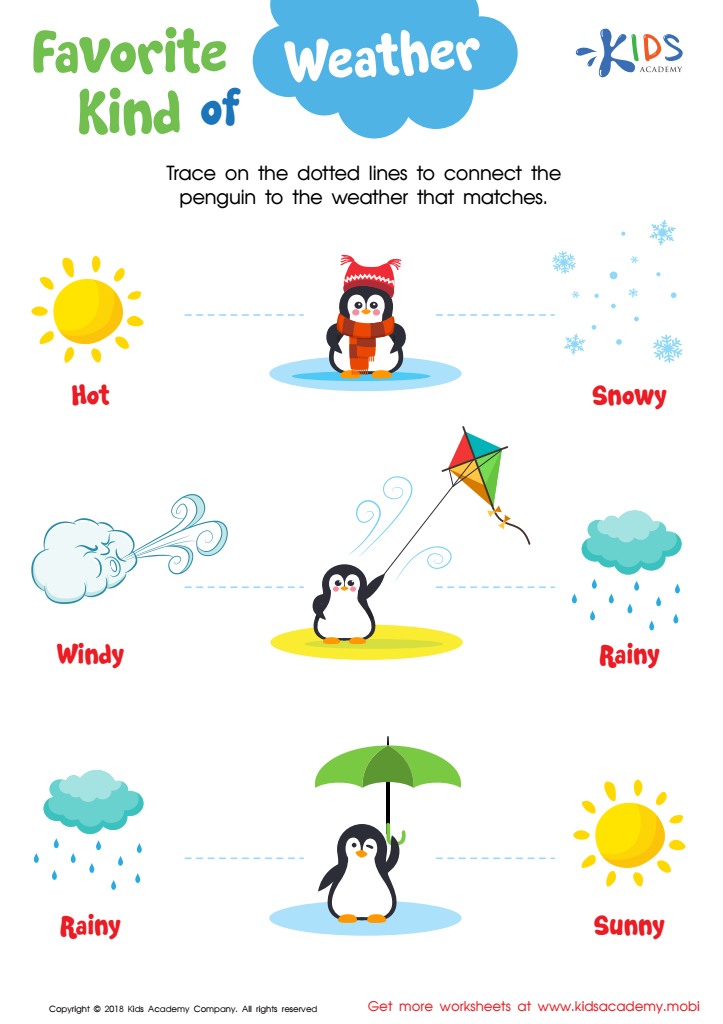
Favorite Kind of Weather Worksheet
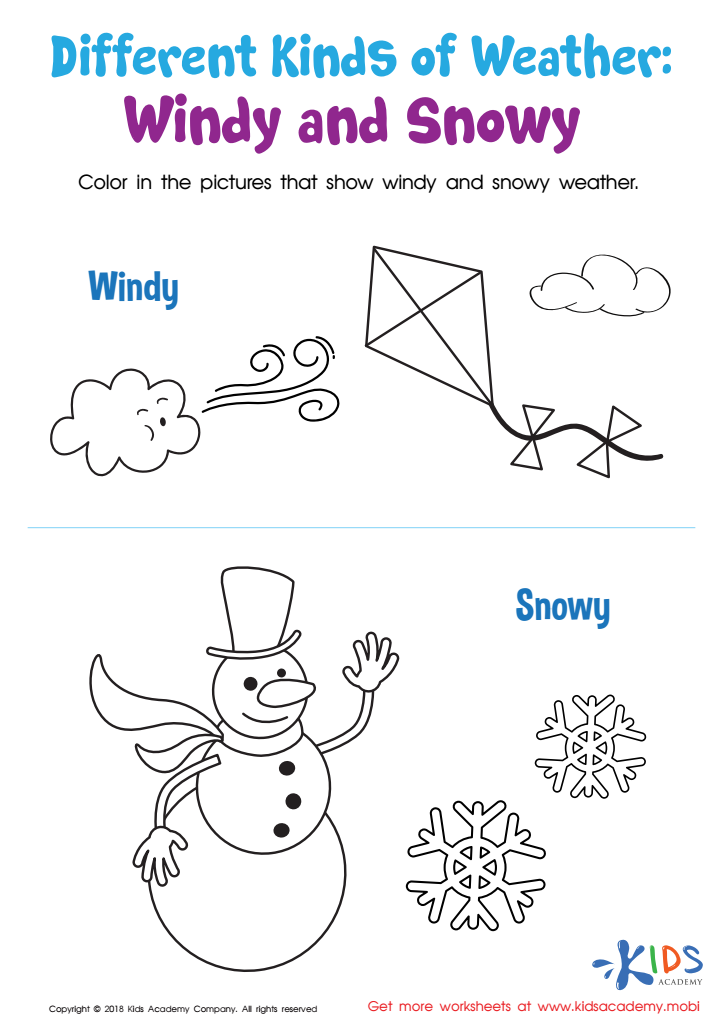
Different Kinds of Weather: Windy and Snowy Worksheet
 Assign to My Students
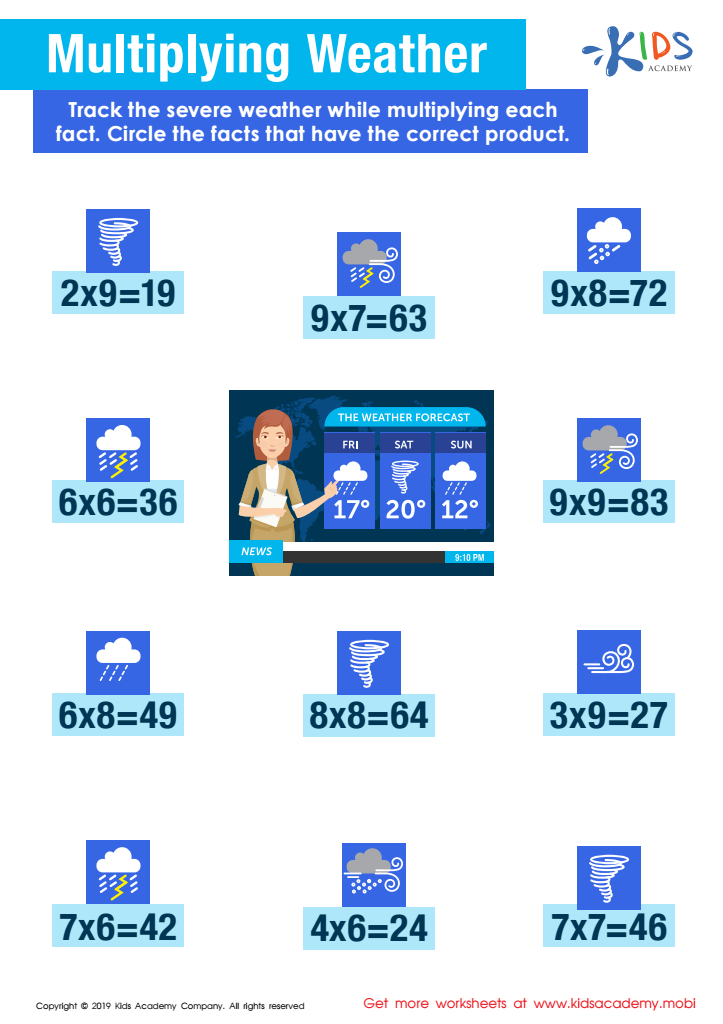
Multiplying Weather Worksheet






.jpg)

Weather vocabulary science is essential for parents and teachers because it plays a crucial role in children's understanding of the world around them. Weather is a daily experience that influences our lives, from planning outdoor activities to understanding natural phenomena. Teaching children the specific terms related to weather—such as temperature, humidity, precipitation, and storm systems—enhances their observational skills and scientific literacy.
By learning weather vocabulary, children can better comprehend weather forecasts and environmental changes, fostering informed decision-making. This vocabulary also supports critical thinking; children learn to ask questions about their surroundings and make predictions based on weather patterns. Moreover, knowledge of weather terms cultivates curiosity and encourages exploration, as children engage in discussions and experiments related to meteorology.
For teachers, incorporating weather vocabulary into the curriculum promotes interdisciplinary learning, linking science with language arts, mathematics, and geography. For parents, discussing weather terms can become a valuable bonding activity, facilitating quality conversations and inspiring future STEM interests. Ultimately, fostering a strong grasp of weather vocabulary equips children with the language and understanding they need to navigate and appreciate the dynamic environment around them.







