Understanding ecosystems Plants and Animals Worksheets
6 filtered results
-
From - To
Welcome to our "Understanding Ecosystems: Plants and Animals Worksheets" resource! Here, you'll find engaging worksheets designed to help young learners explore the intricate relationships between plants and animals within various ecosystems. Our activities encourage critical thinking and promote awareness of biodiversity, habitats, and the importance of conservation. These resources are perfect for classroom use or at-home learning, fostering curiosity and understanding through interactive elements. Each worksheet is tailored to enhance student knowledge and retention while making science fun and accessible. Dive into the world of ecosystems with us and inspire the next generation of environmental stewards!
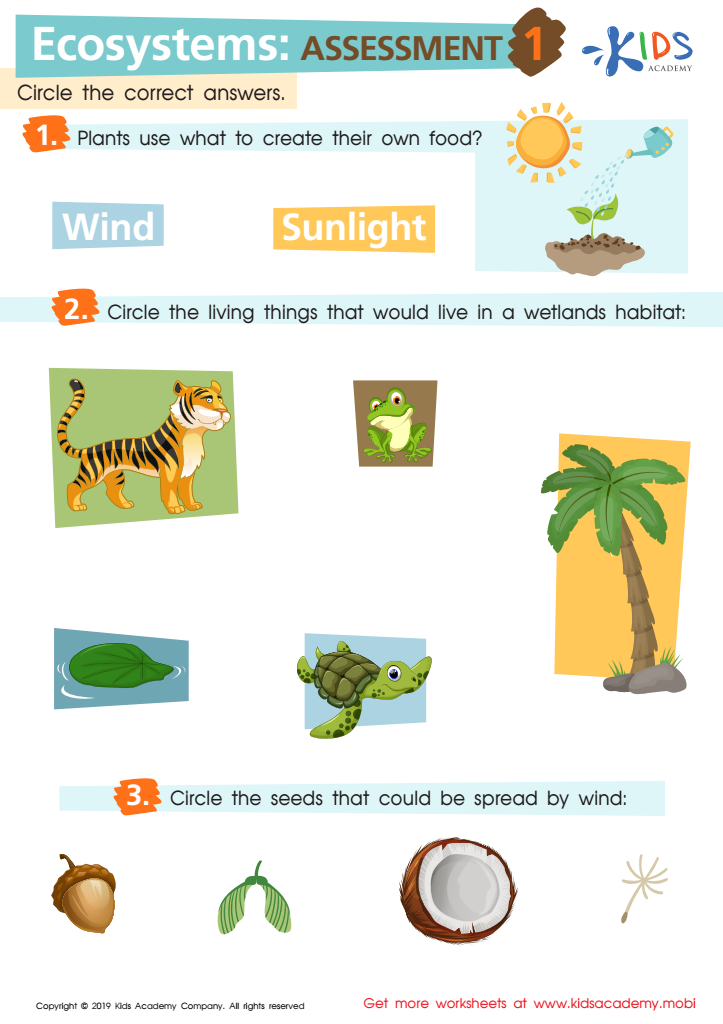
Ecosystems: Assessment 1 Worksheet
 Assign to My Students











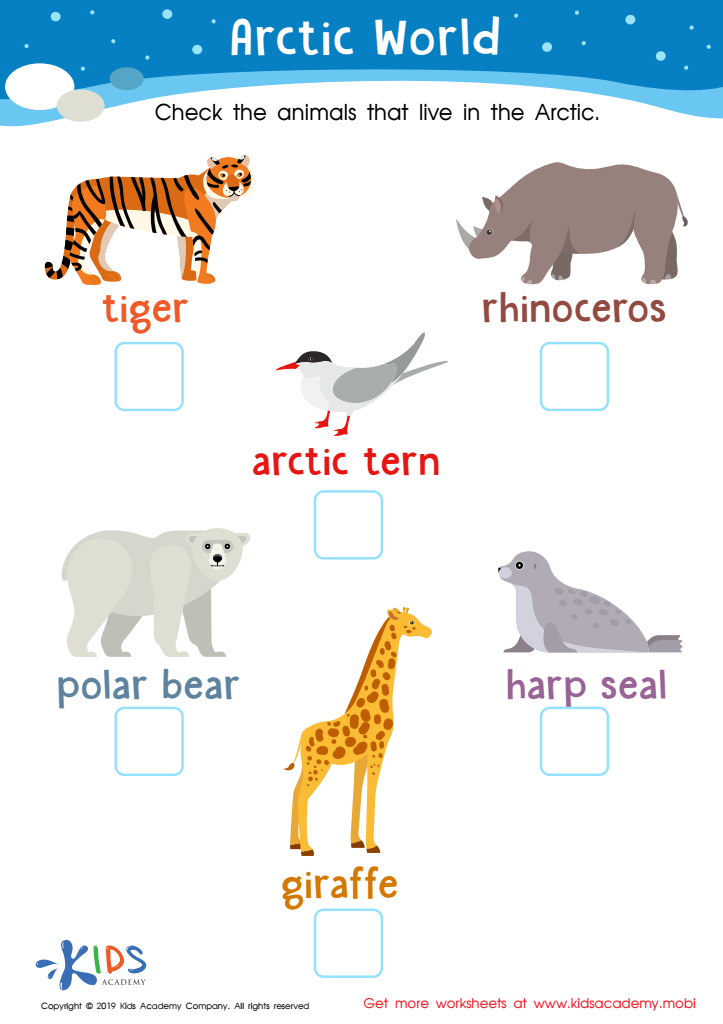
Arctic World Worksheet
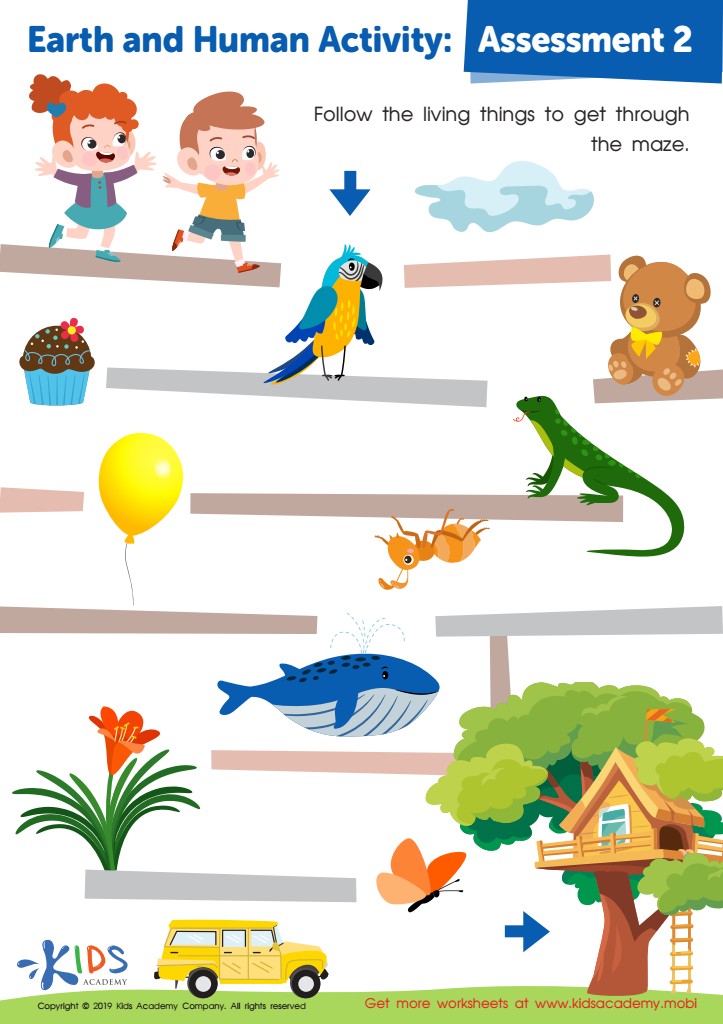
Earth and Human Activity: Assessment 2 Worksheet
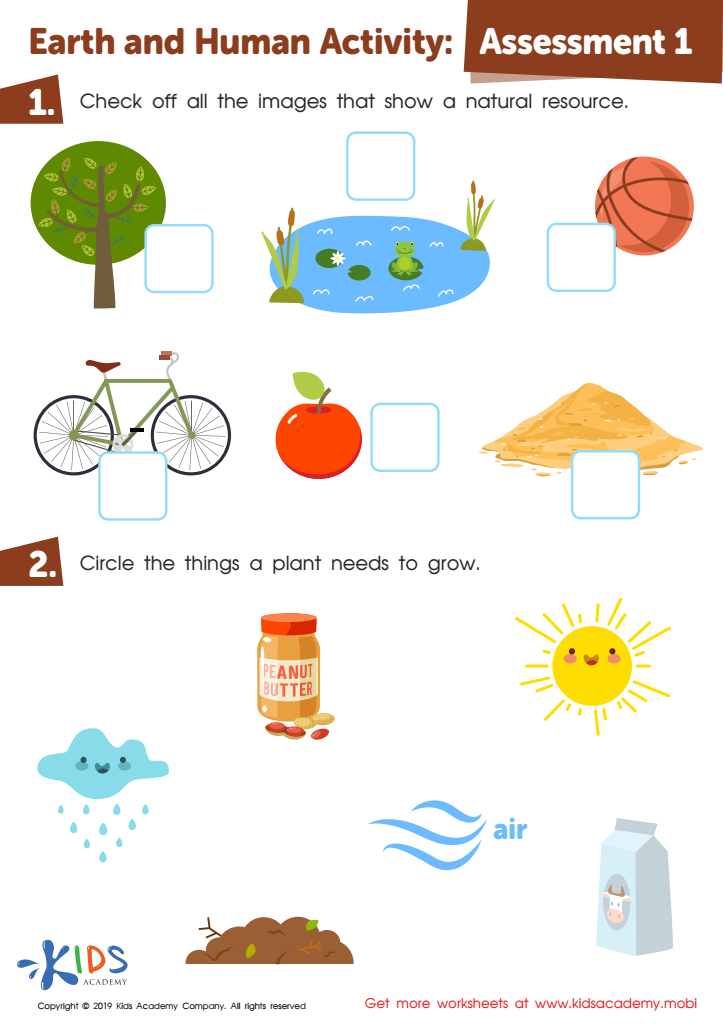
Earth and Human Activity: Assessment 1 Worksheet
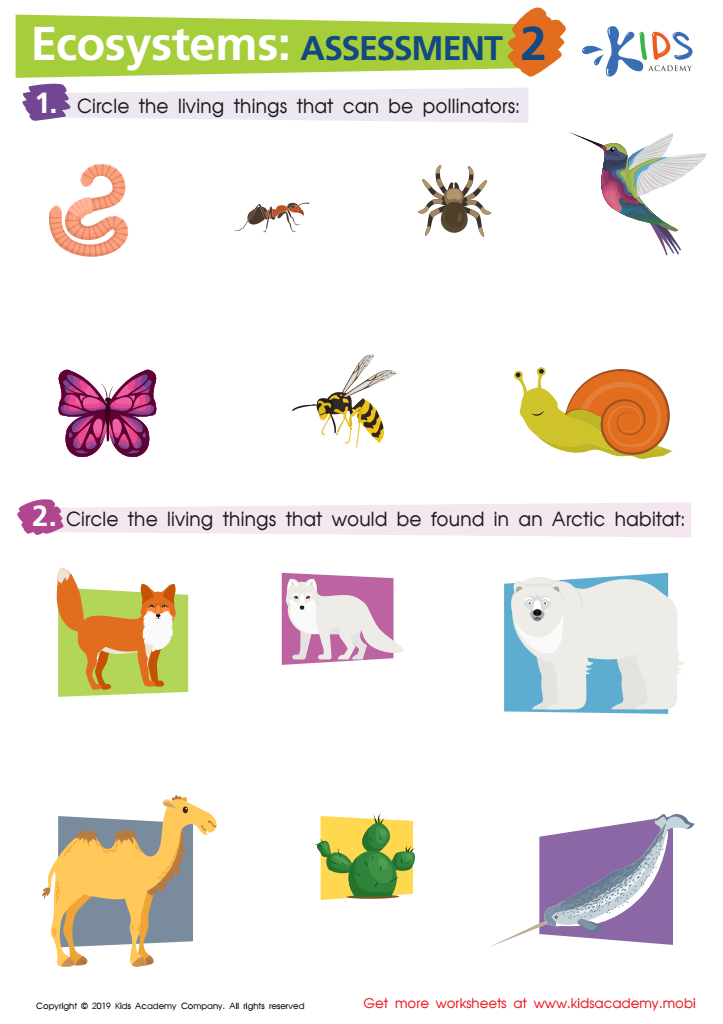
Ecosystems: Assessment 2 Worksheet
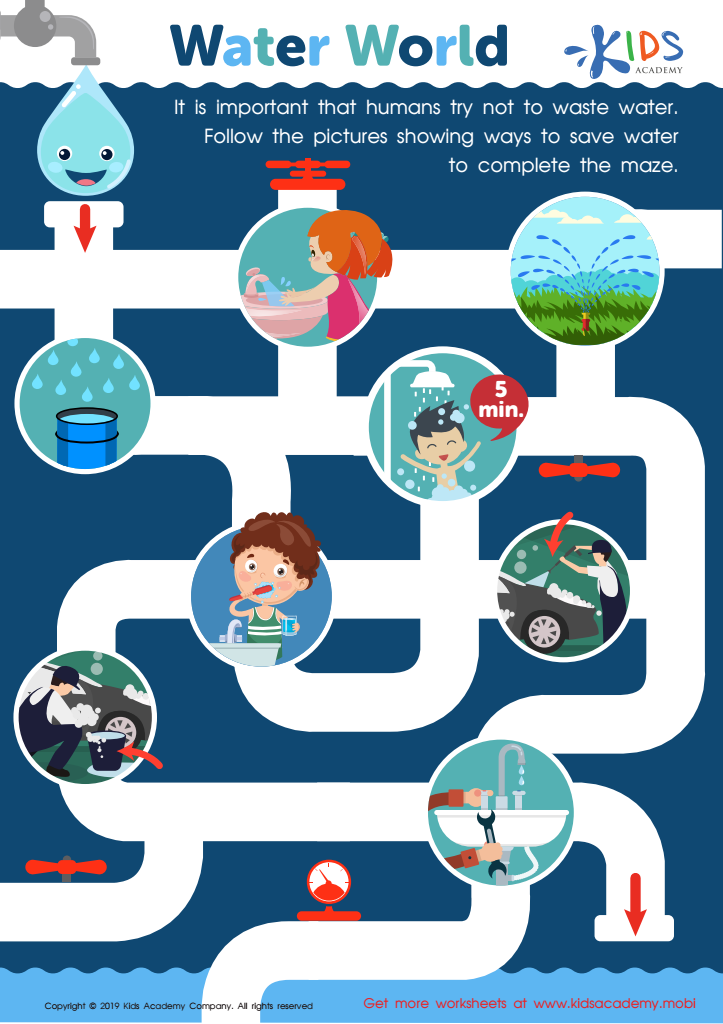
Water World Worksheet







Understanding ecosystems, including the intricate relationships between plants and animals, is crucial for parents and teachers for several reasons. First, it fosters environmental awareness among children, teaching them the importance of biodiversity and the role each species plays in the ecosystem. By instilling this knowledge early, we nurture environmentally responsible citizens who value conservation and sustainable practices.
Moreover, comprehension of ecosystems encourages critical thinking and inquiry-based learning. Students learn to observe, engage, and hypothesize about natural processes, cultivating essential skills for scientific literacy. Understanding how plants and animals interact with each other and their environment helps children appreciate the balance within ecosystems, reinforcing the concept of right actions leading to well-functioning habitats.
Additionally, educating children about ecosystems promotes empathy. By recognizing the interconnectedness of life, students learn to respect and care for all living beings, whether plants, animals, or fellow humans. This can lead to stronger advocacy for animal rights, habitat preservation, and overall environmental stewardship.
Lastly, knowledge of ecosystems aligns with many educational standards, providing a rich context for interdisciplinary learning. This understanding lays a foundation for future studies in biology, geography, and environmental science, equipping children with the tools to navigate and impact the world positively.








