Fine Motor Skills Grade 2 Worksheets - Page 3
156 filtered results
-
From - To
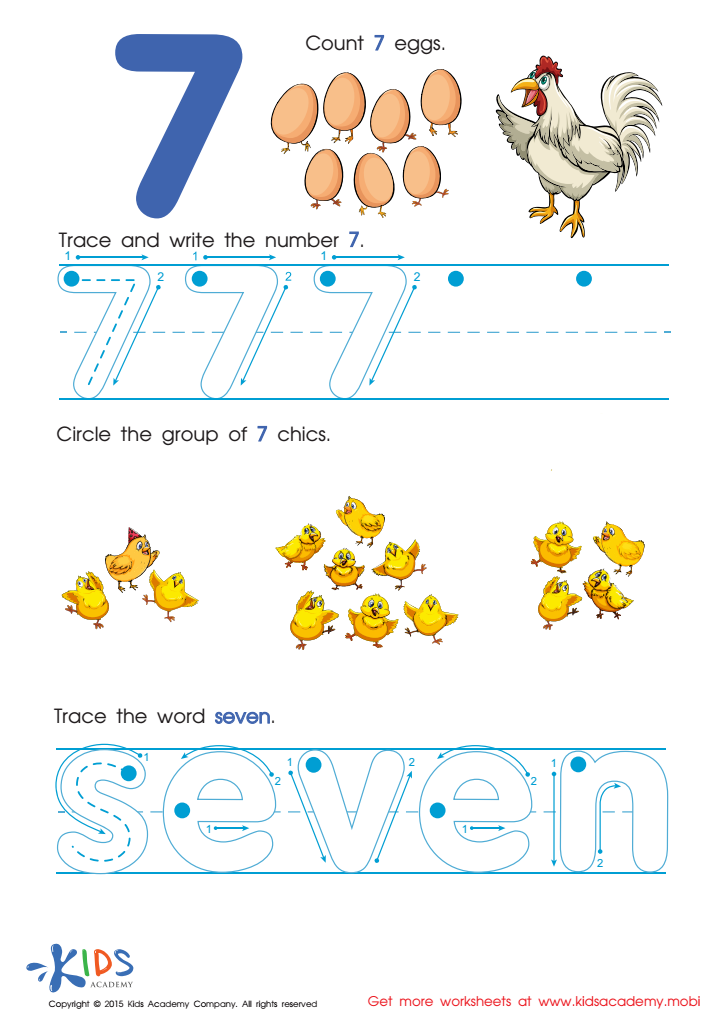
Trace And Write Number 7 with Fun Worksheet
Letter L Coloring Sheet
 Assign to My Students
Letter C Tracing Page
More Octopus Facts Worksheet

Black and Brown Coloring Fun Worksheet
Assign to My Students
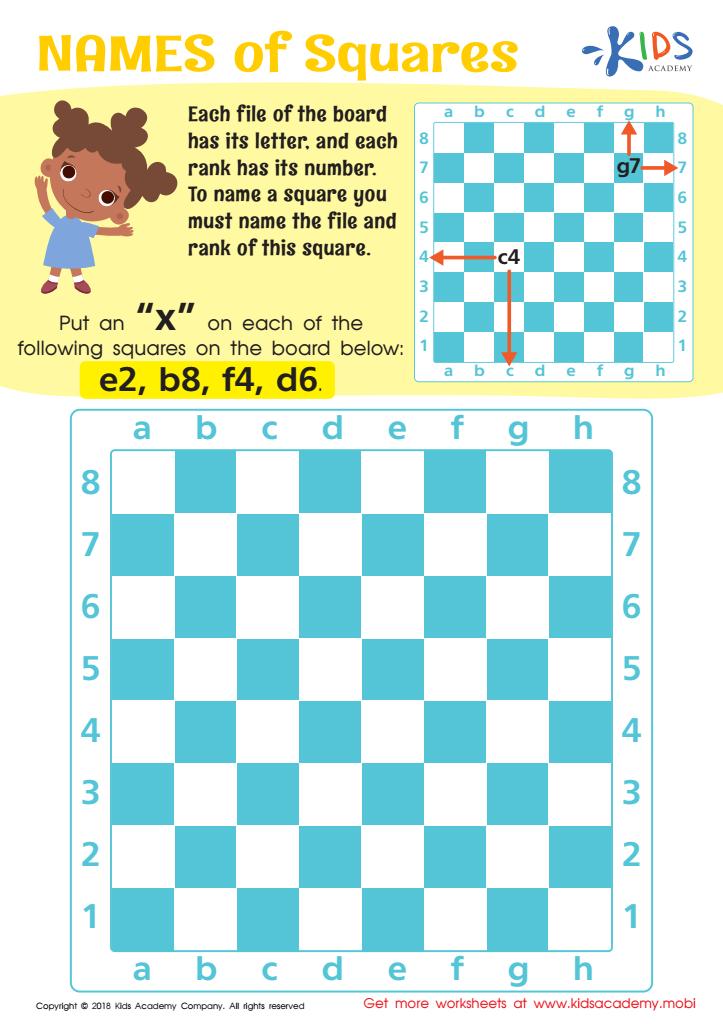
Names of Squares Worksheet
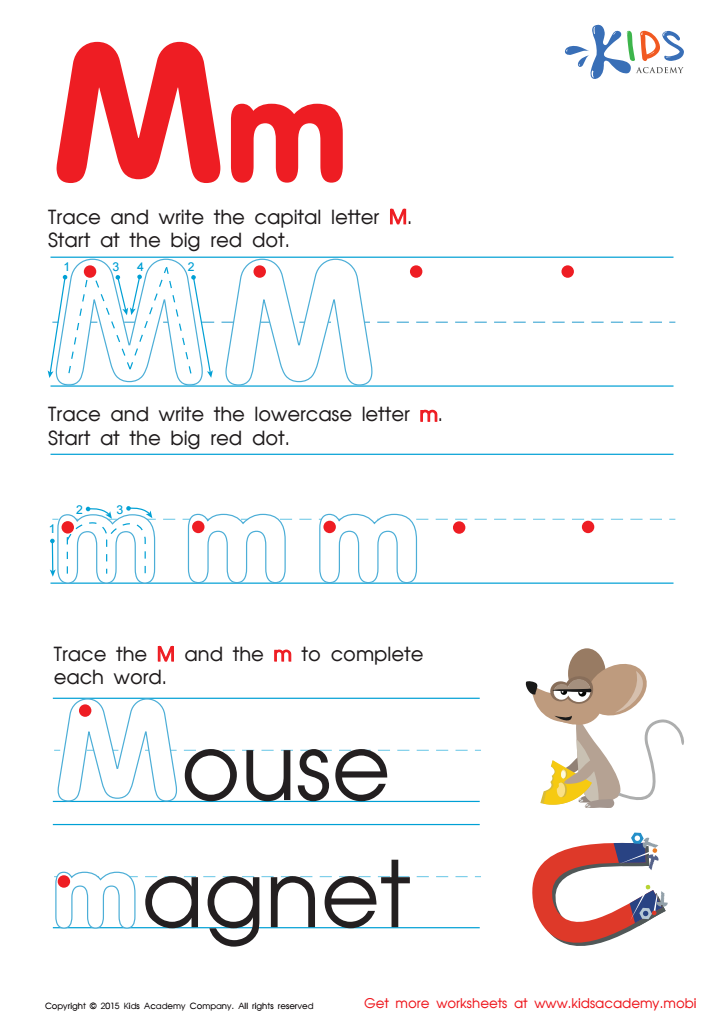
Letter M Tracing Page
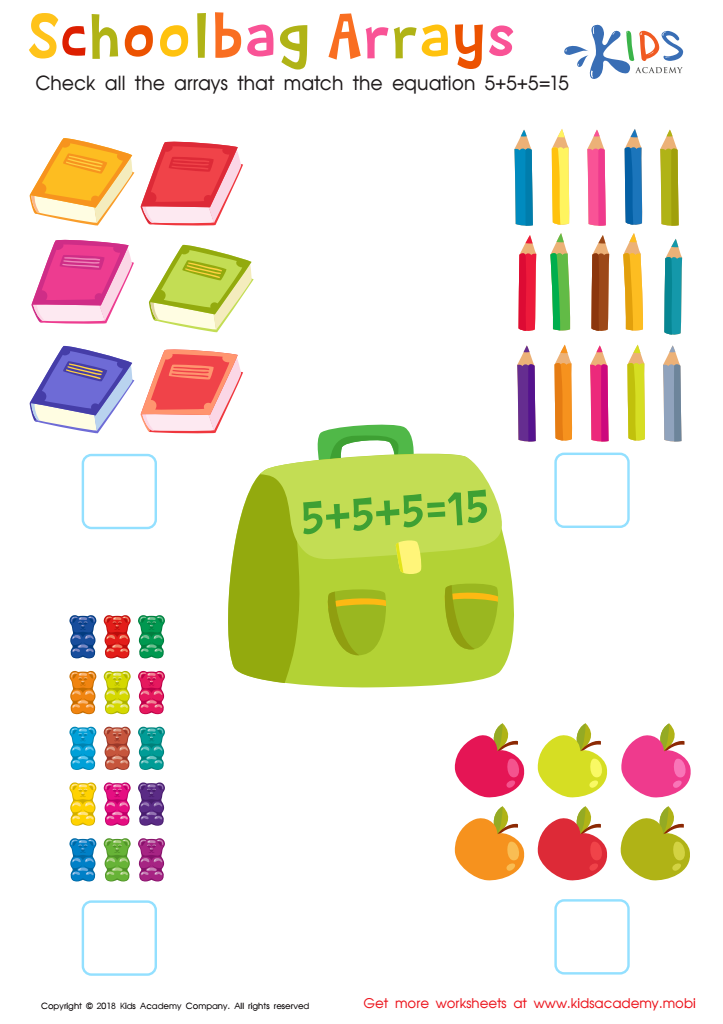
Schoolbag Arrays Worksheet
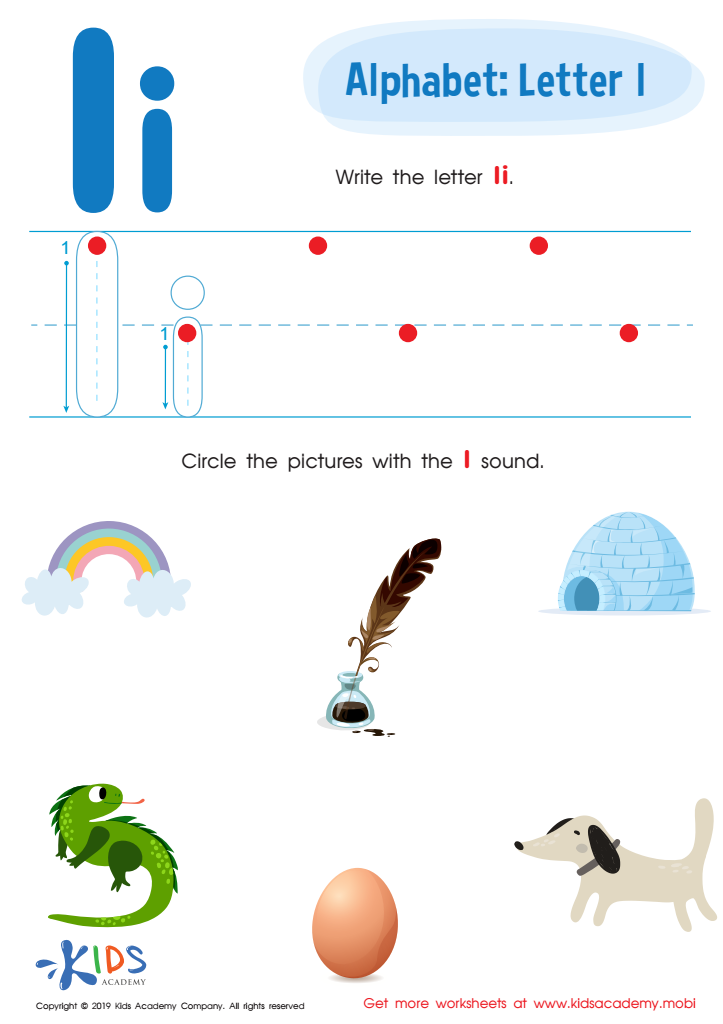
Letter I Tracing Worksheet
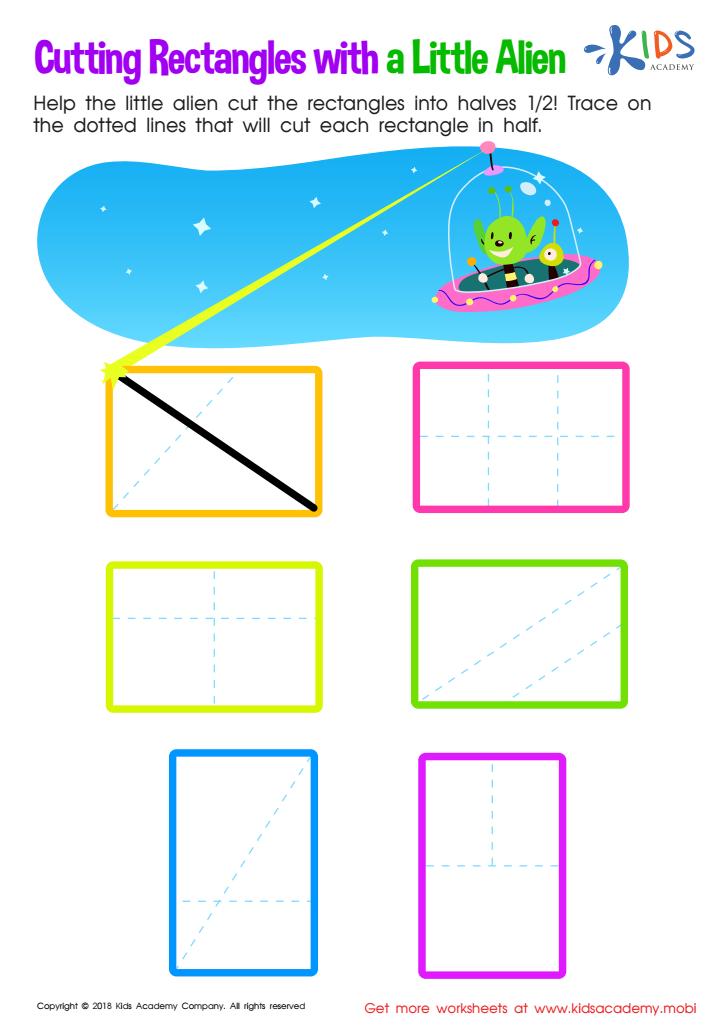
Cutting Rectangles with Alien Worksheet
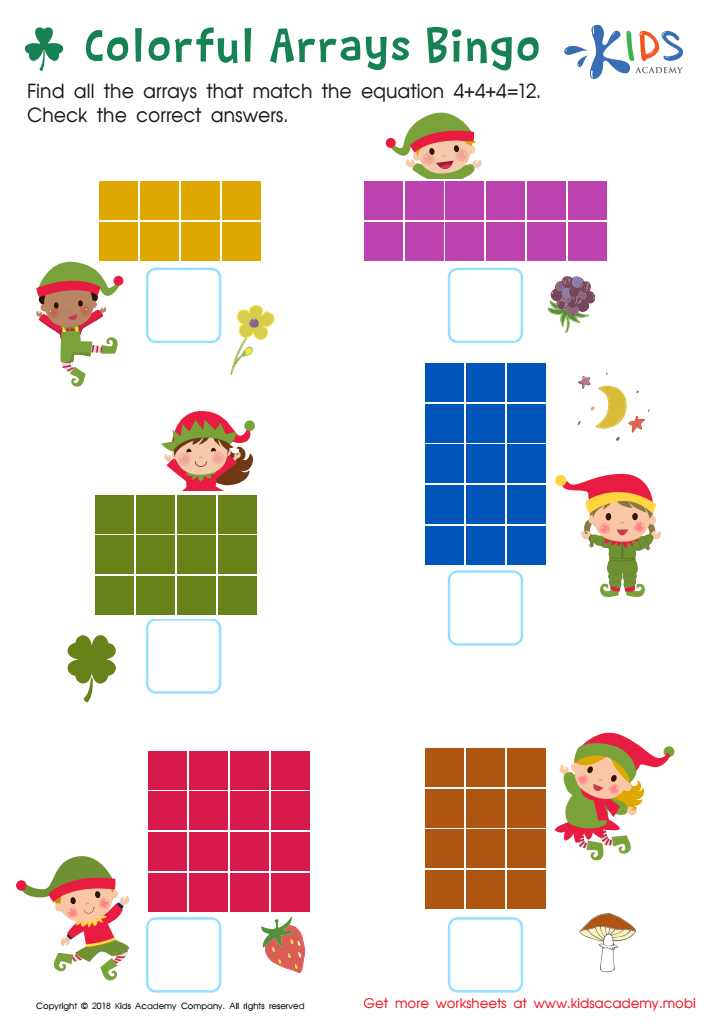
Colorful Arrays Bingo Worksheet
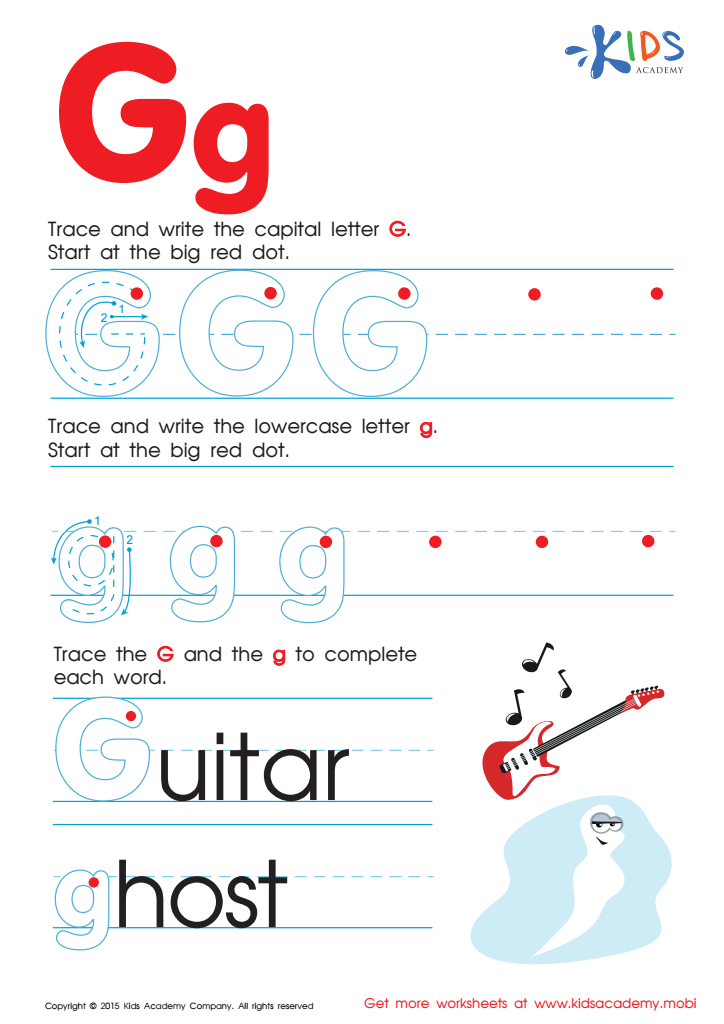
Letter G Tracing Page
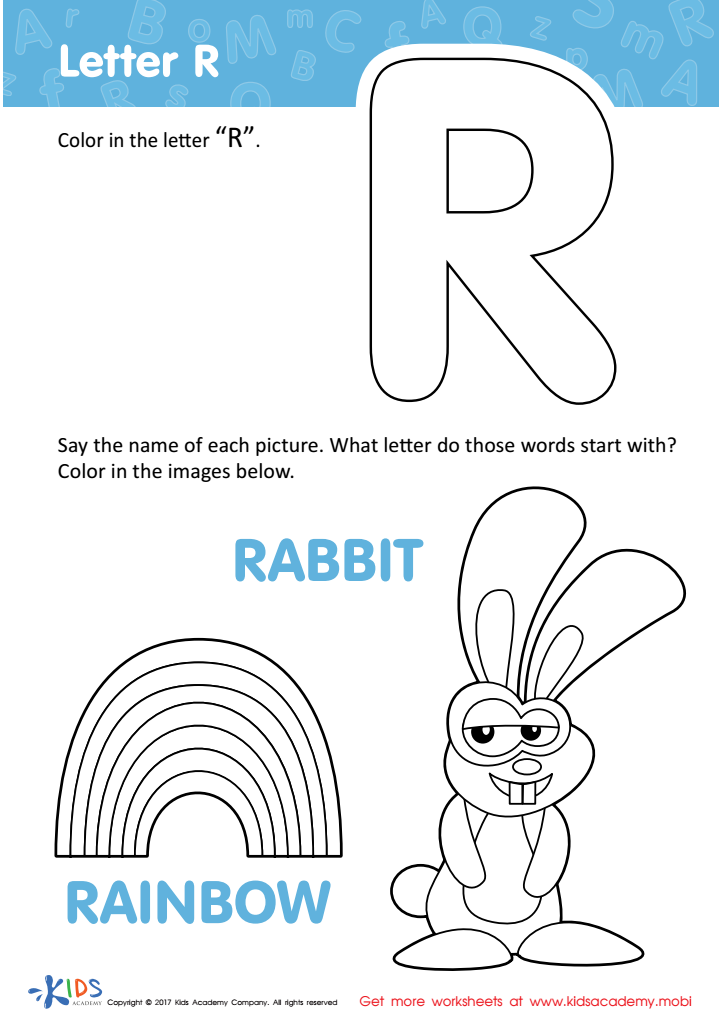
Letter R Coloring Sheet
Assign to My Students
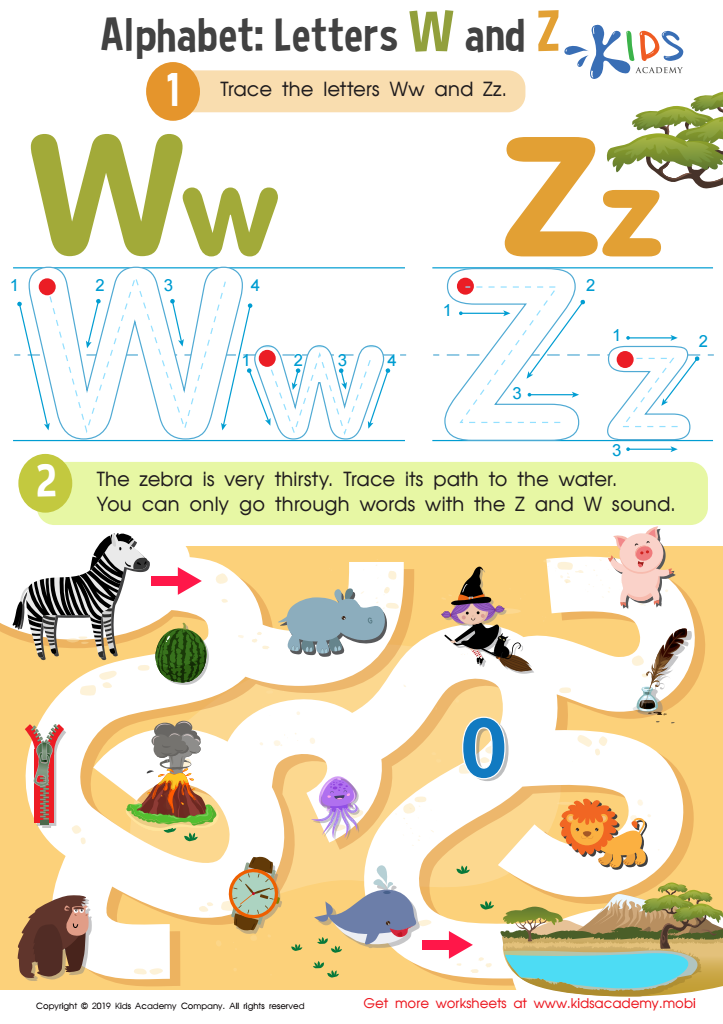
Letters W and Z Tracing Worksheet
Letter V Coloring Sheet
Assign to My Students
Letter C Coloring Sheet
Assign to My Students
Horses Worksheet
Little Mermaid Coloring Page
Assign to My Students







Fine motor skills are crucial for the development of a child’s physical and cognitive abilities, especially in Grade 2. These skills involve the coordination of small muscles in the hands and fingers, which are essential for tasks such as writing, cutting, and manipulating small objects. As children transition into more complex tasks in school, strong fine motor skills empower them to express their thoughts effectively and engage with educational activities confidently.
Parents and teachers should prioritize supporting fine motor development because these skills are foundational for academic success. For instance, proficiency in handwriting can affect a child's ability to communicate ideas clearly, directly impacting their performance across subjects. Additionally, children with well-developed fine motor skills often demonstrate greater self-sufficiency in daily tasks, boosting their confidence and encouraging autonomy.
Moreover, improving fine motor skills can also enhance a child’s focus and perseverance, as many related activities require practice and concentration. By engaging in play, arts and crafts, or simple home tasks, parents and teachers can create supportive environments that nurture these essential skills. Ultimately, fostering fine motor development can lead to improved academic outcomes and social interactions, laying a strong foundation for future learning.