Problem-Solving Skills Grade 3 Word Problems Worksheets - Page 2
42 filtered results
-
From - To
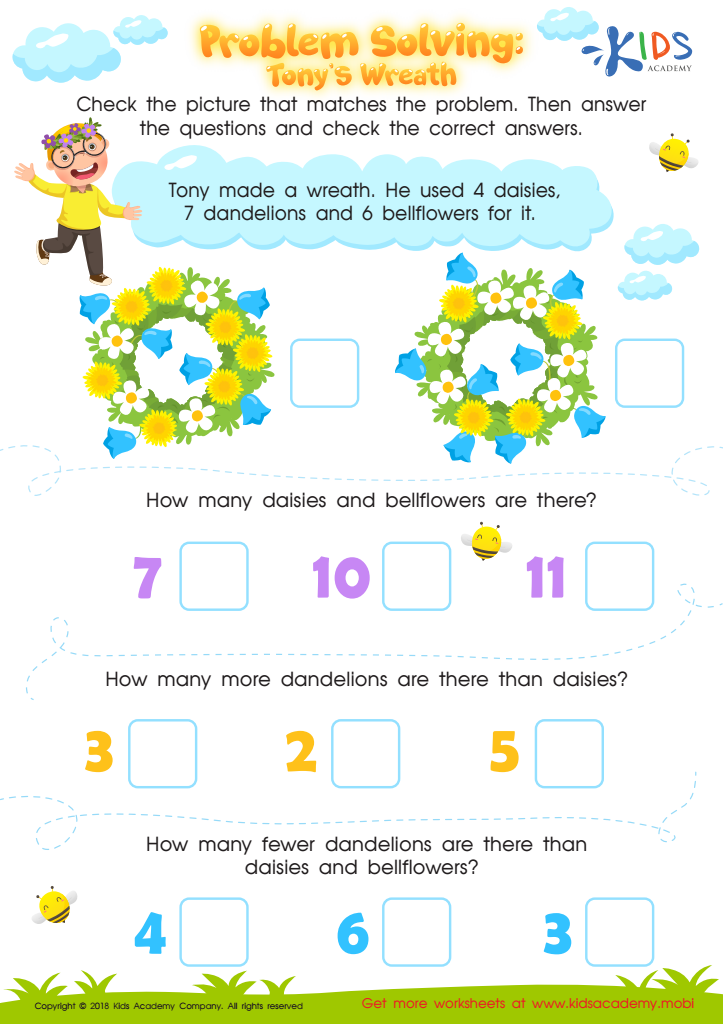
Problem Solving: Tony's Wreath Worksheet
 Assign to My Students
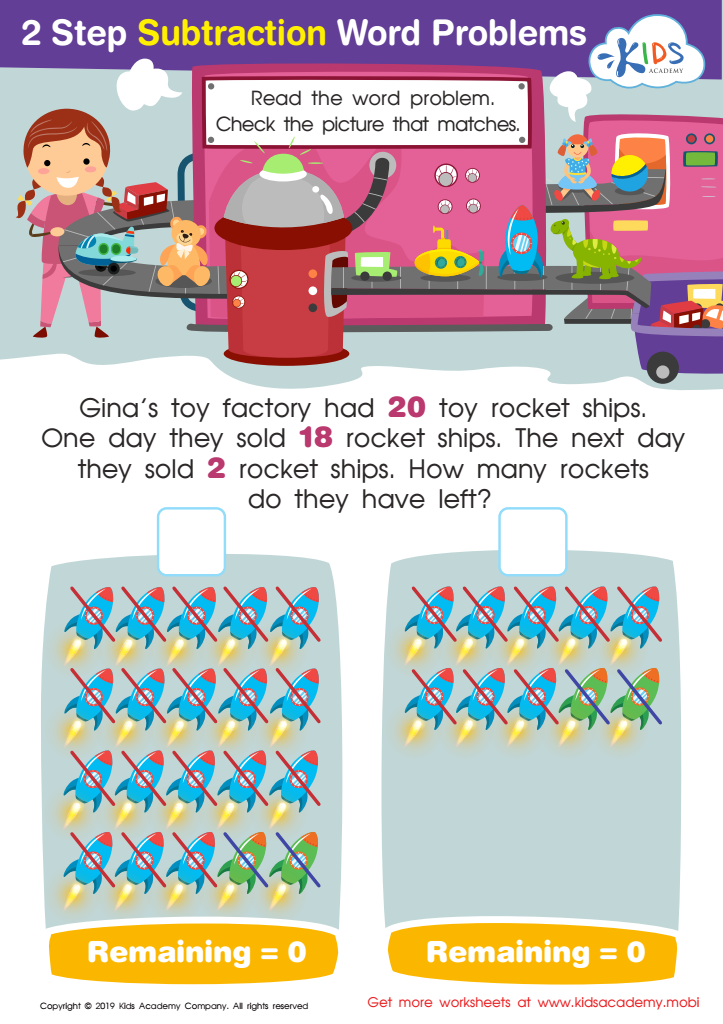
Step Subtraction Word Problems Worksheet
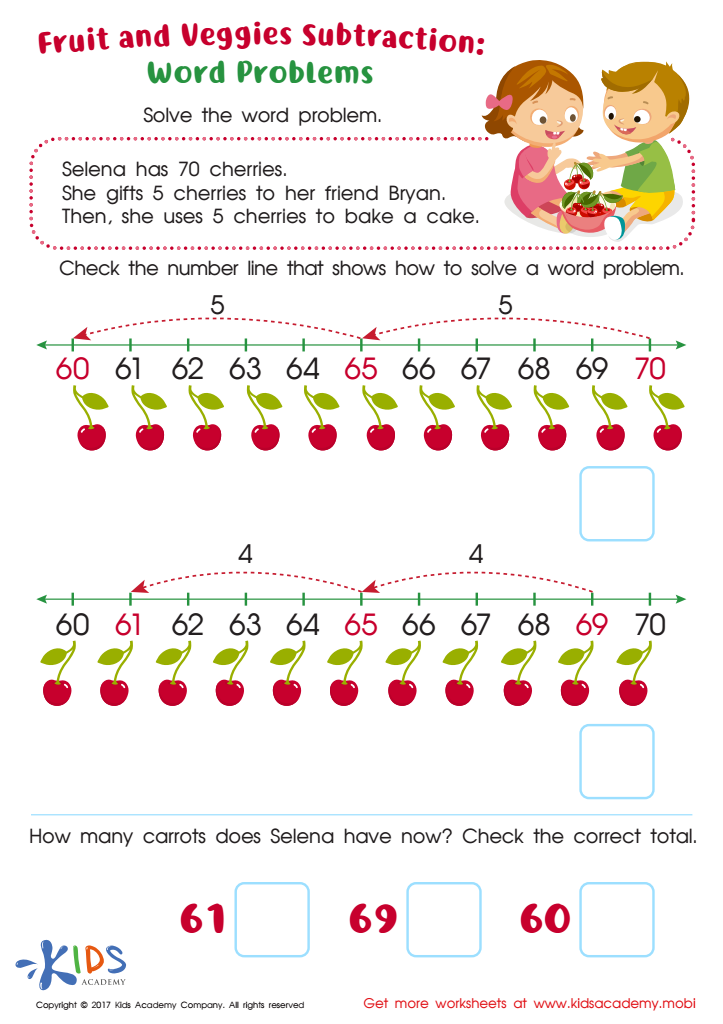
Subtraction Word Problems Free Printable
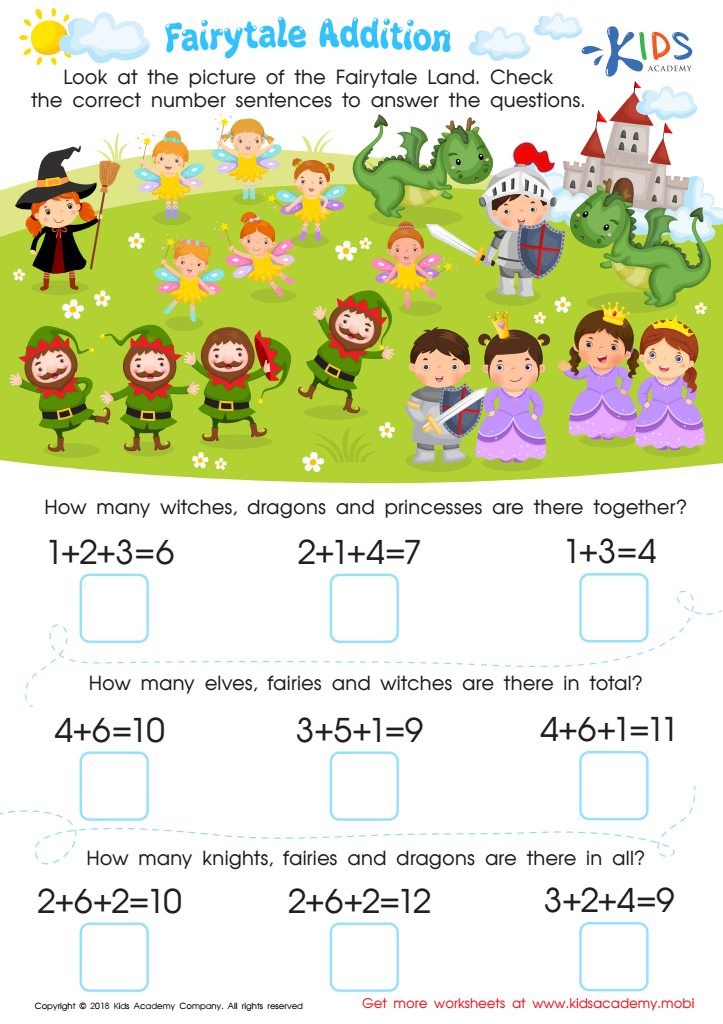
Fairytale Addition Worksheet
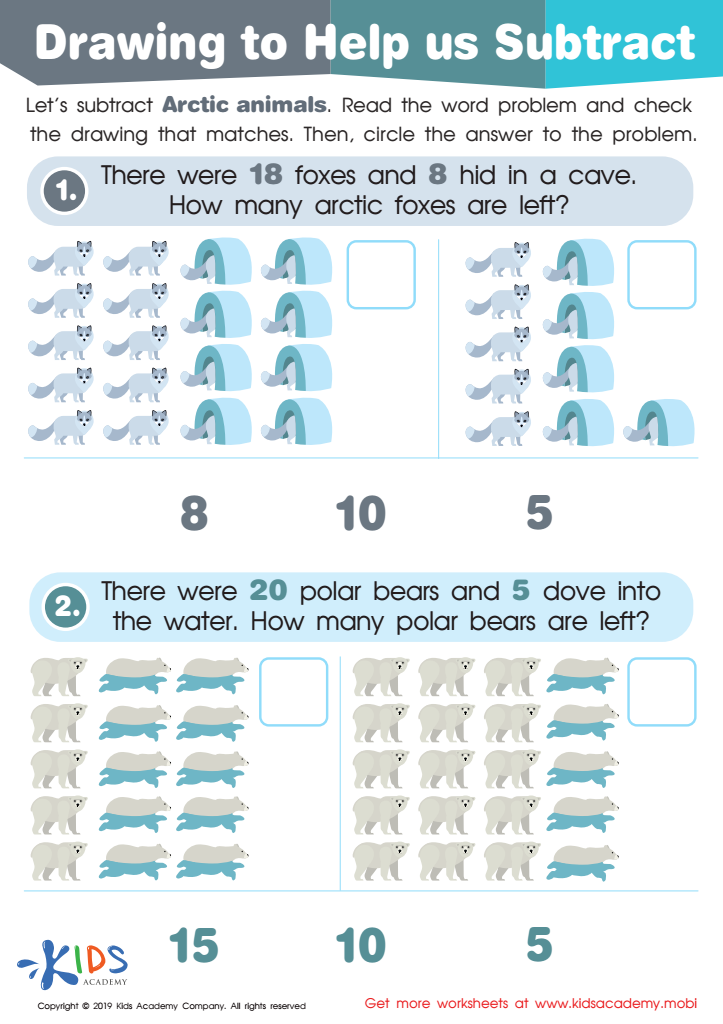
Drawing to Help Us Subtract Worksheet
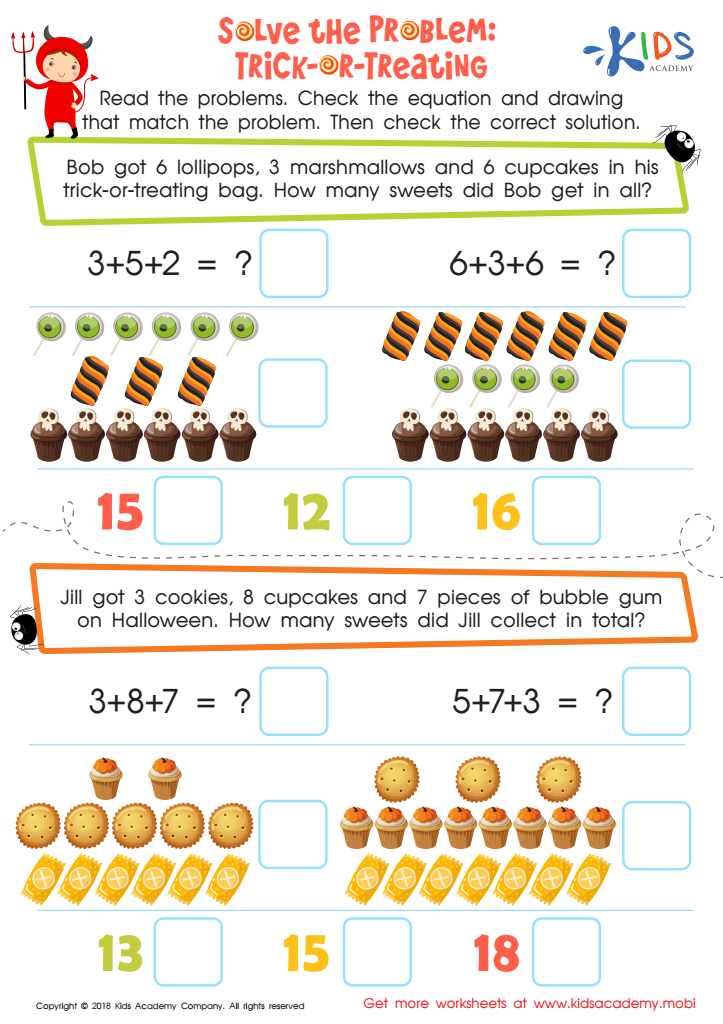
Solve the Problem: Trick–or–treating Worksheet
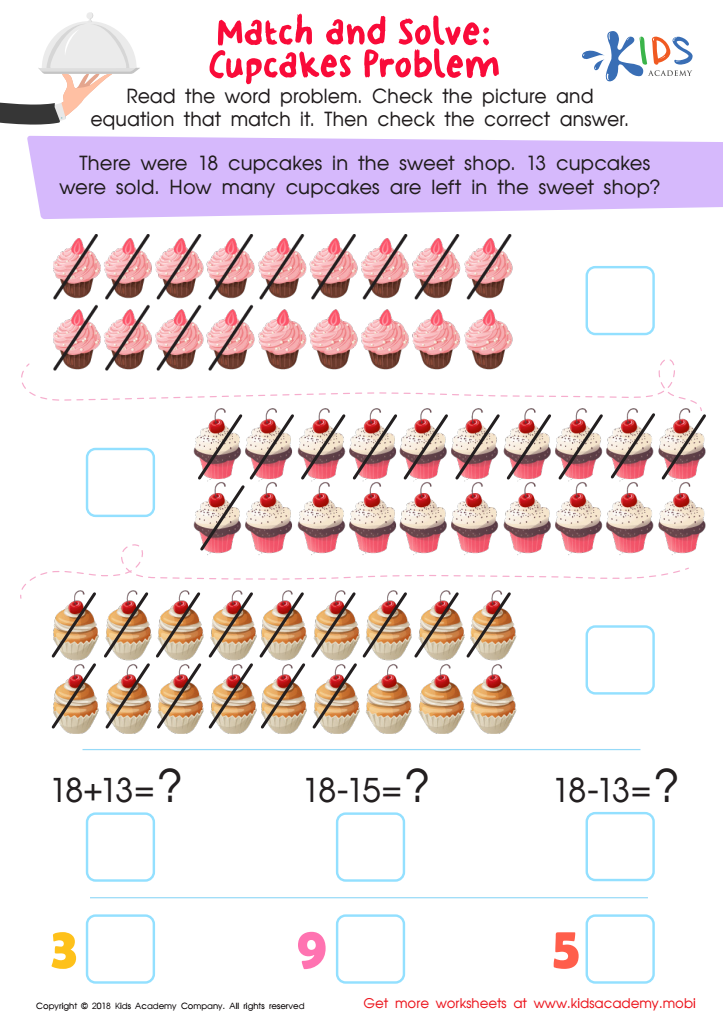
Match and Solve: Cupcakes Problem Worksheet
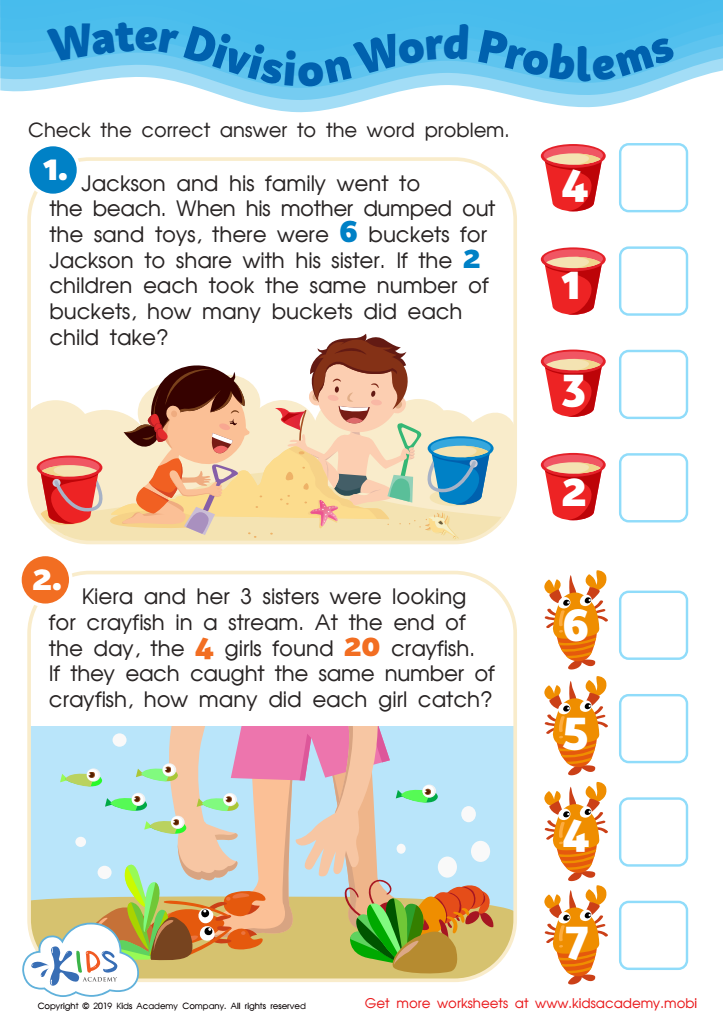
Water Division Word Problems Worksheet
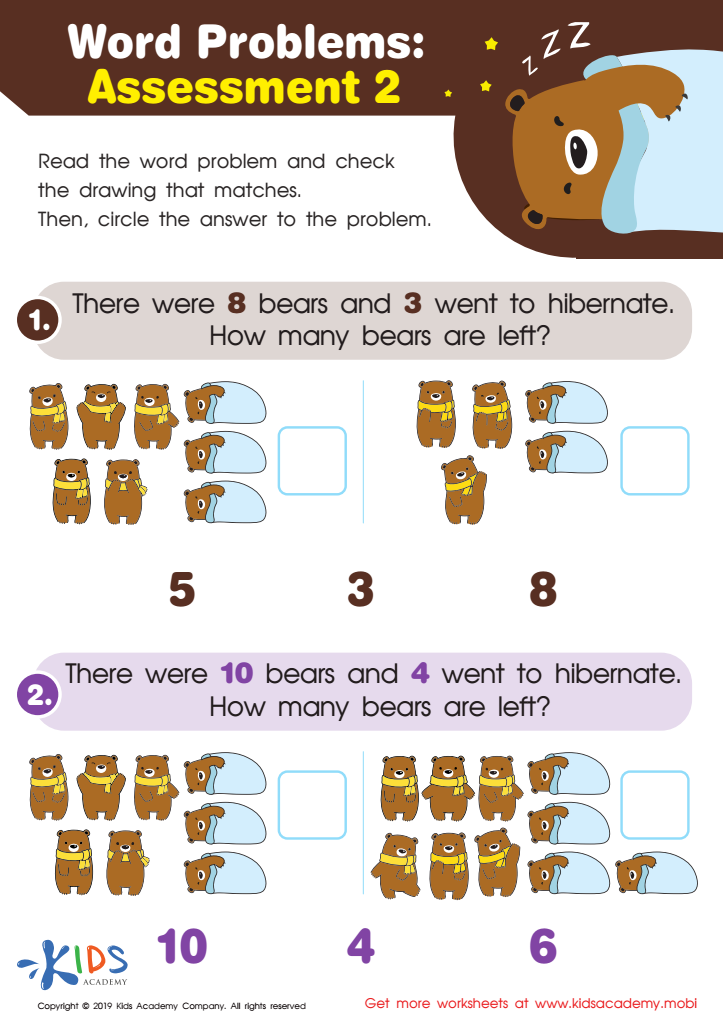
Word Problems: Assessment 2 Worksheet
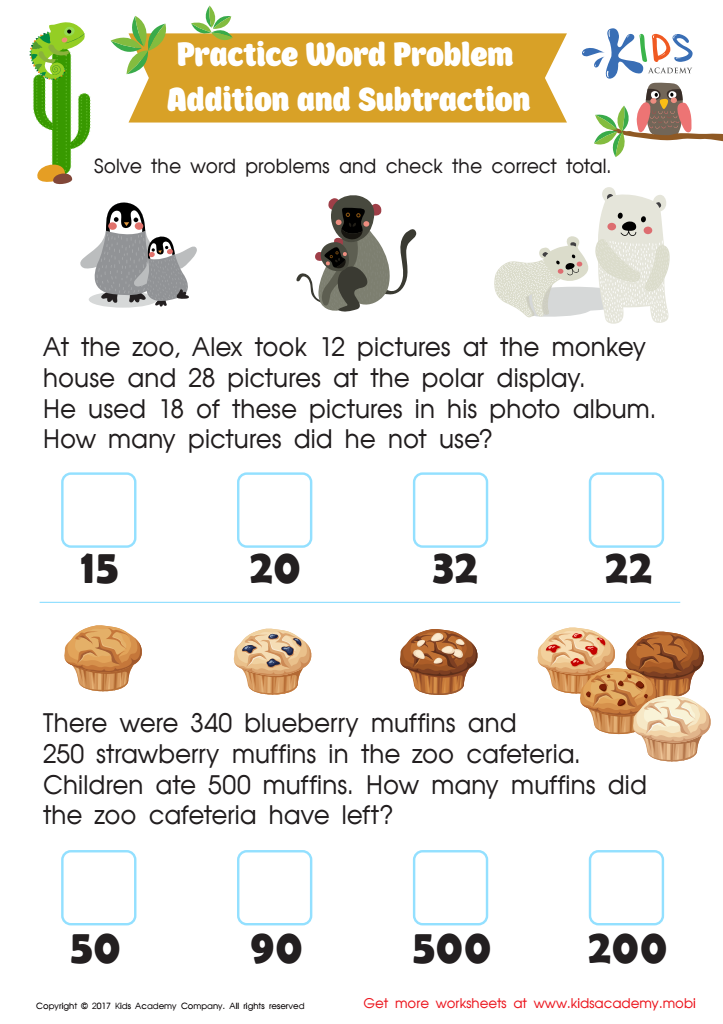
Addition and Subtraction: Word Problems Worksheet
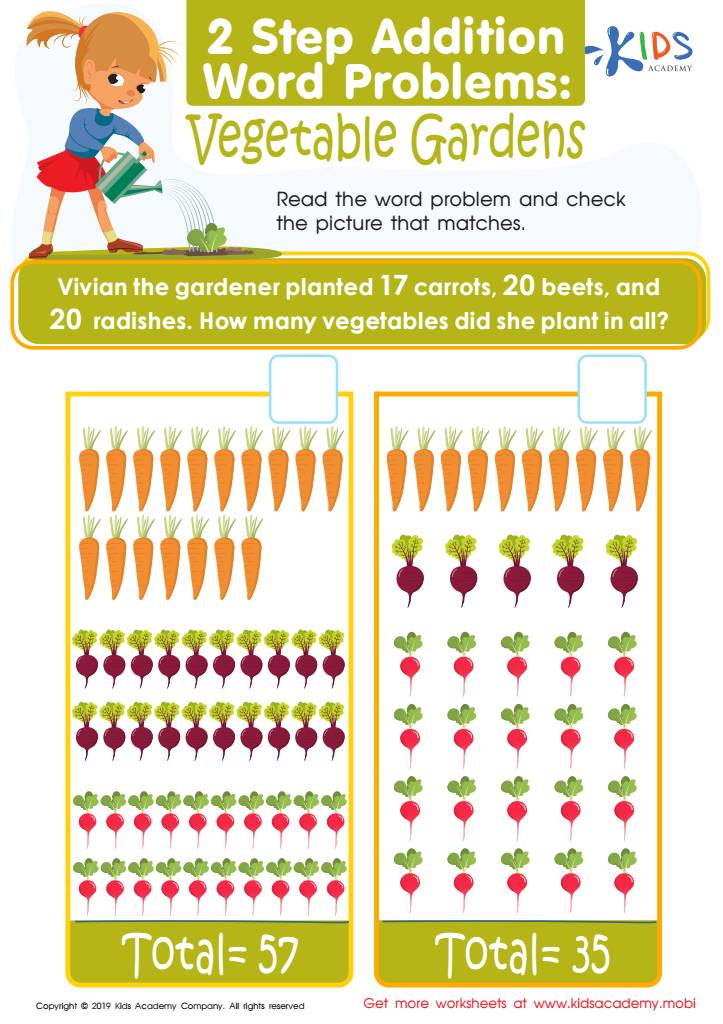
Vegetable Gardens Worksheet
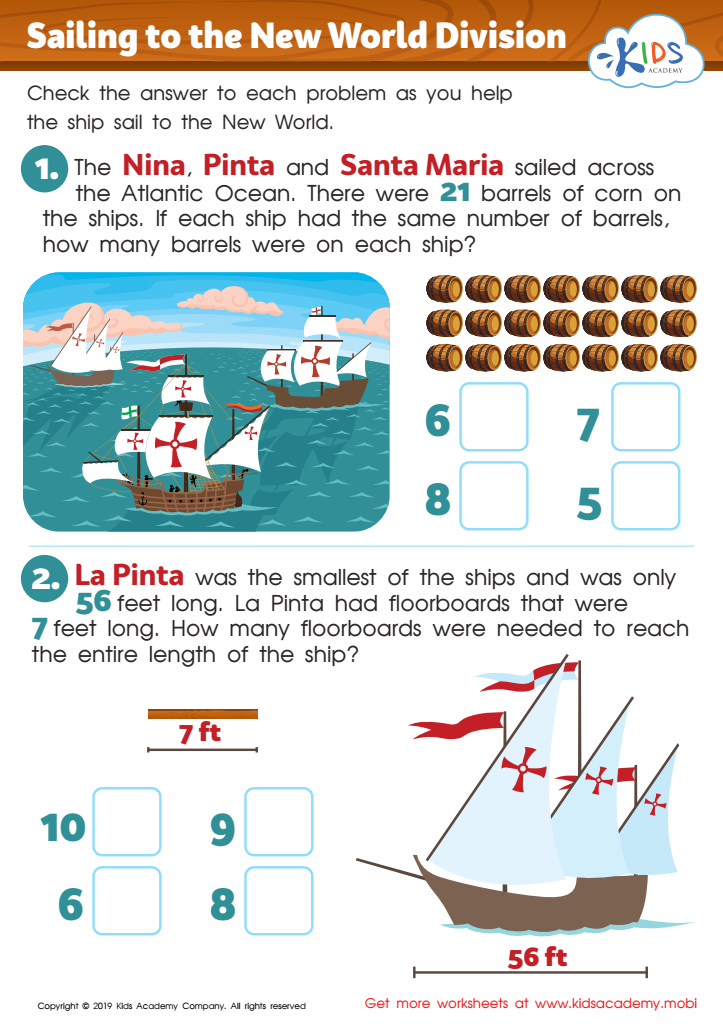
Sailing to the New World Division Worksheet
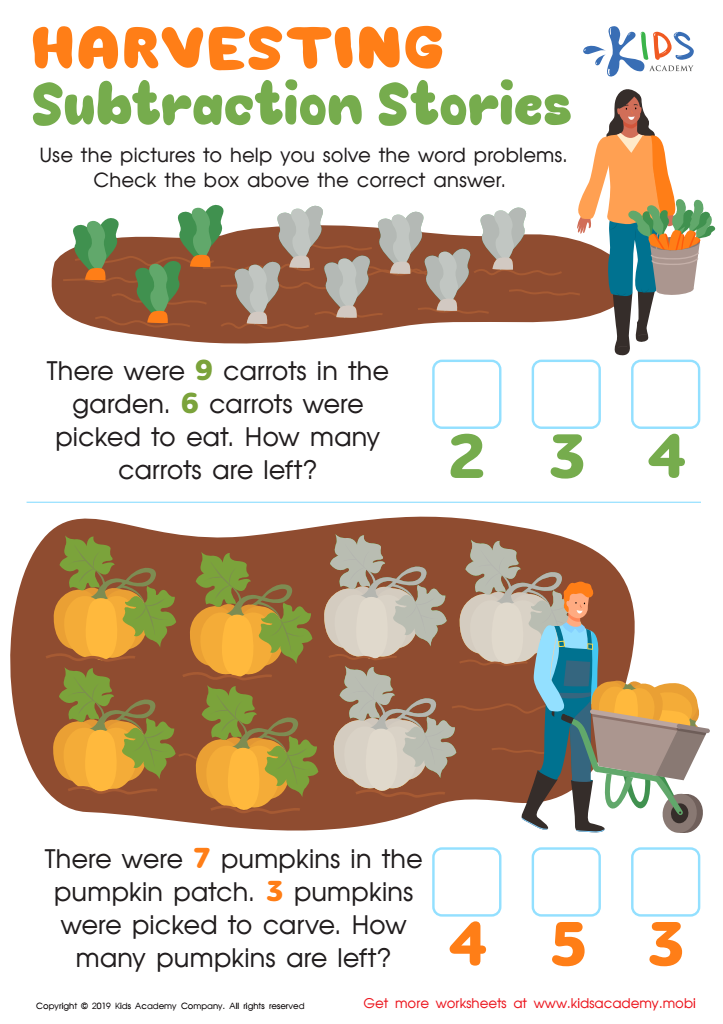
Harvesting Subtraction Stories Worksheet
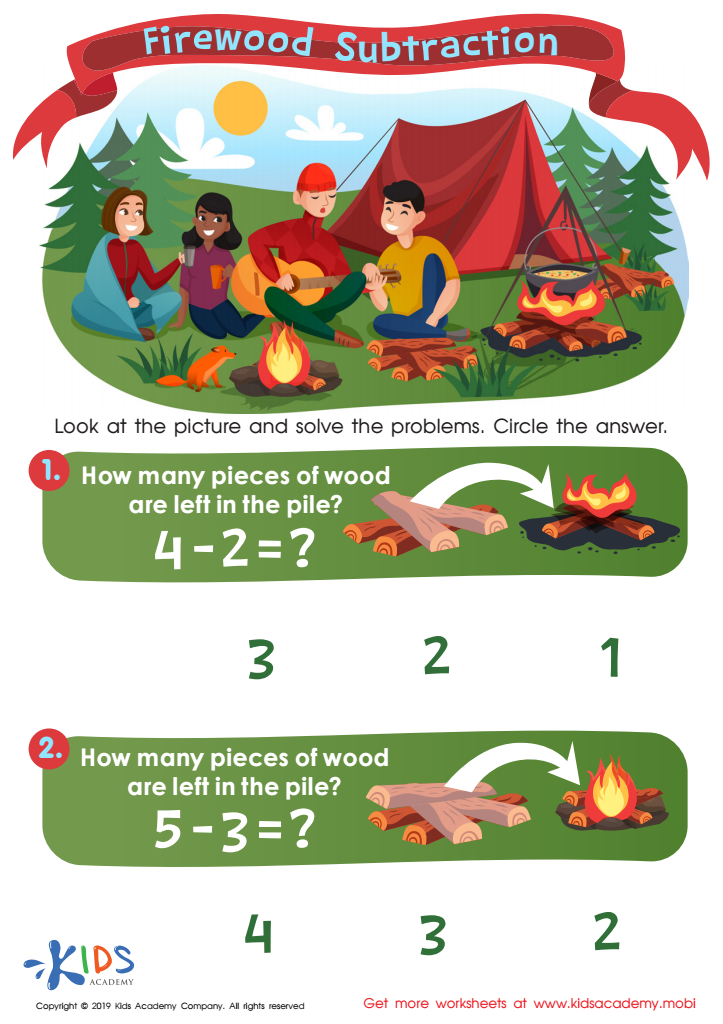
Firewood Subtraction Worksheet
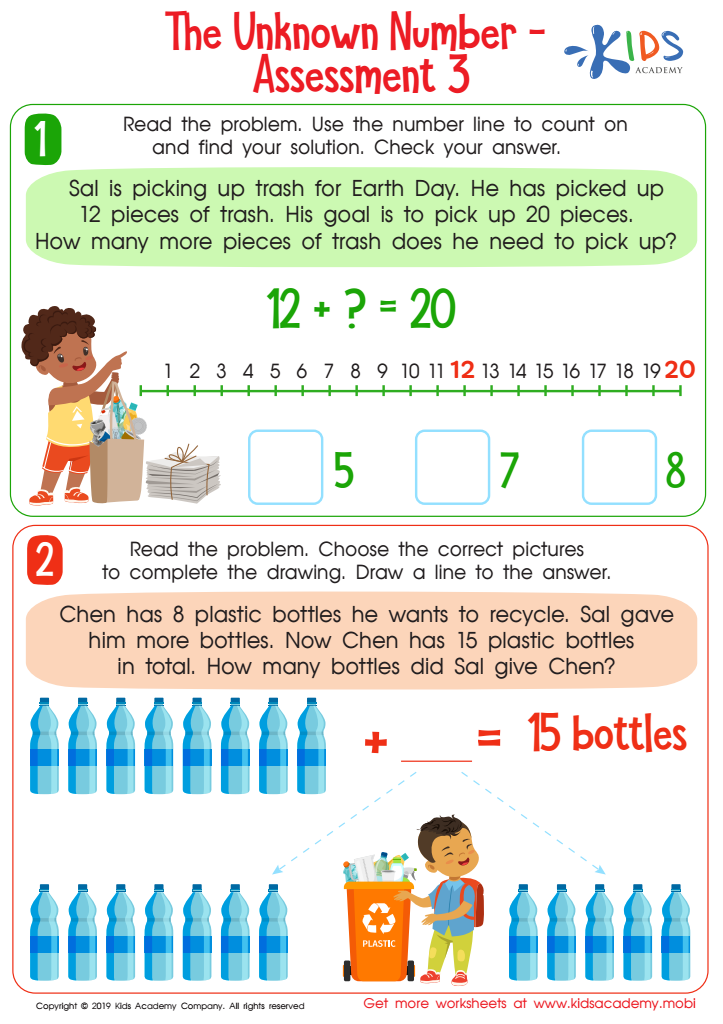
The Unknown Number - Assessment 3 Worksheet
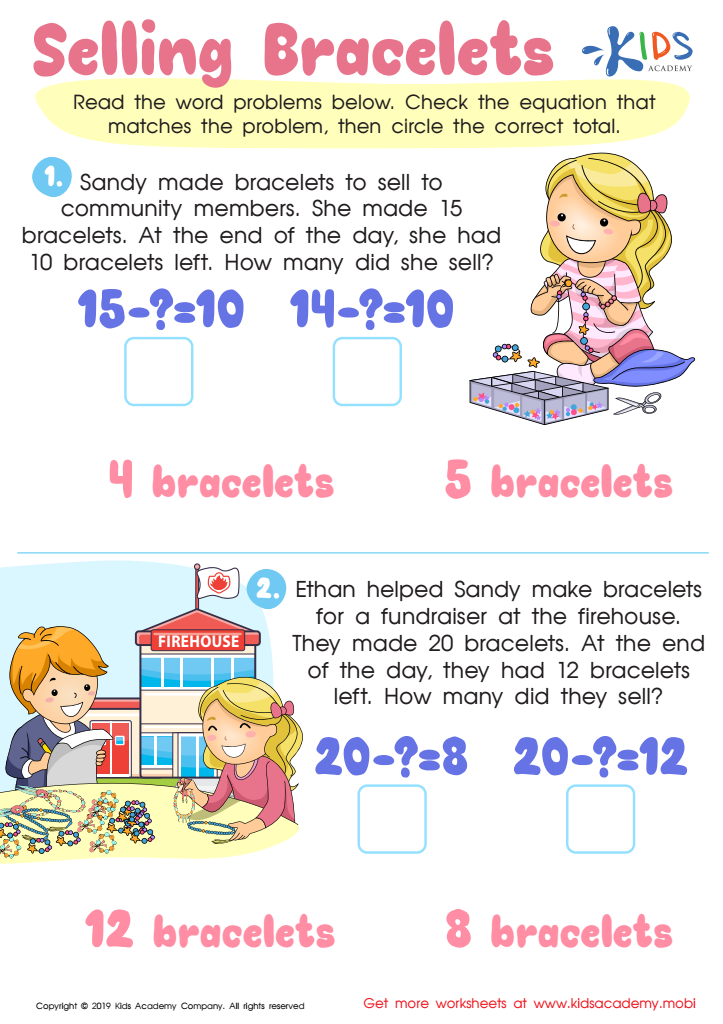
Selling the Bracelets Worksheet
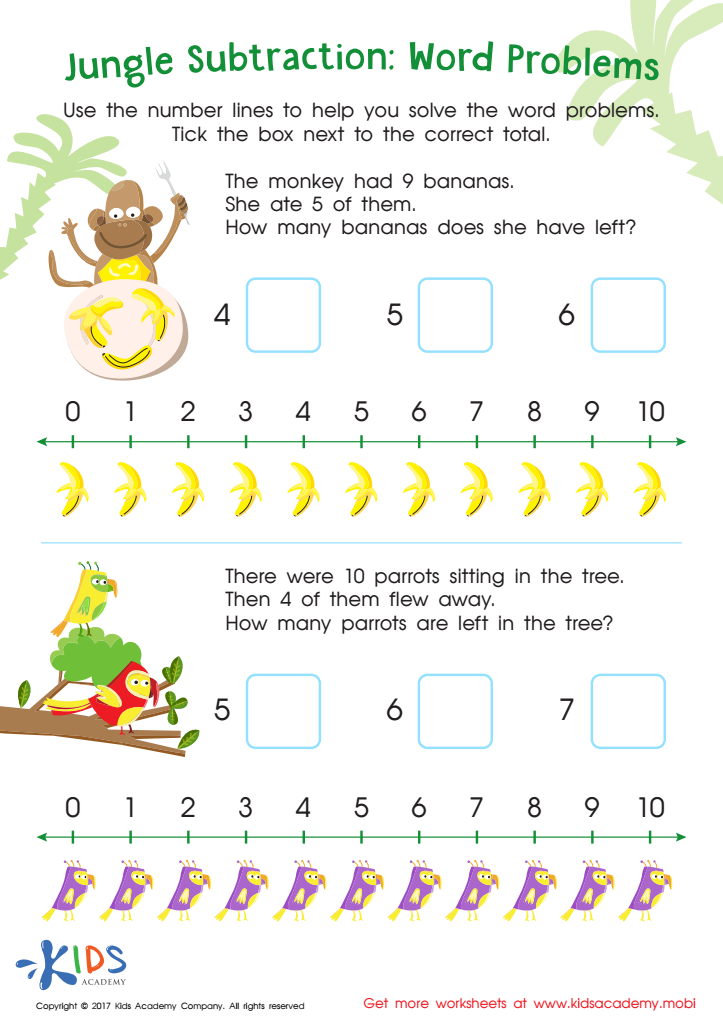
Jungle Subtraction Word Problems Substraction Worksheet
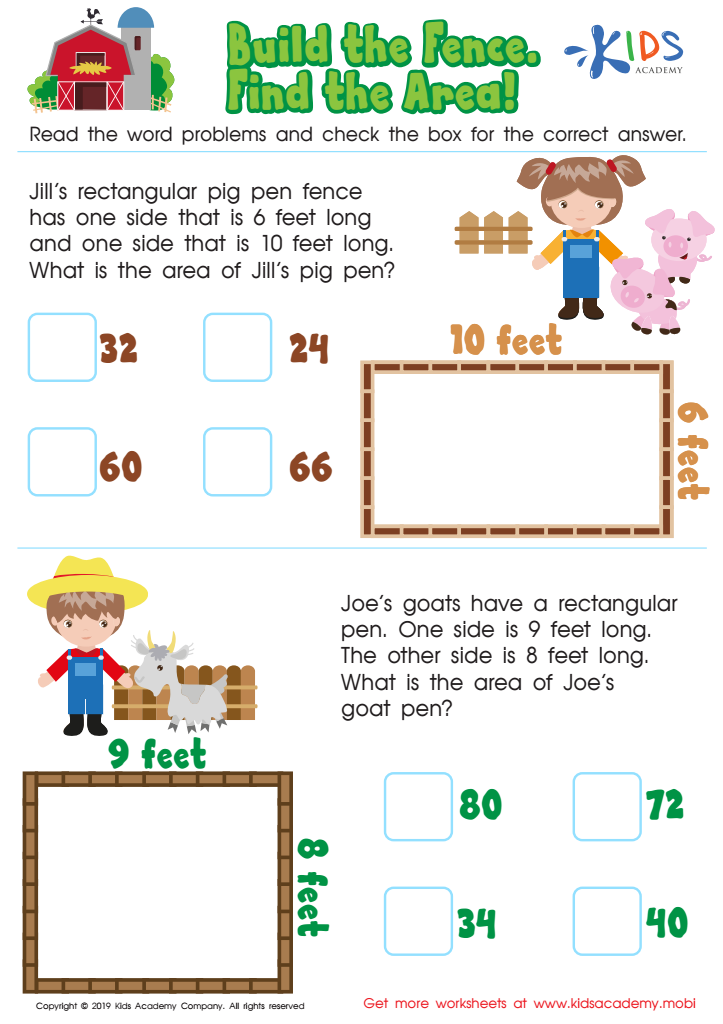
Build the Fence, Find the Area Worksheet








Problem-solving skills are crucial for young learners, particularly in Grade 3, as this is a pivotal stage in their education. At this age, children begin to transition from concrete mathematical concepts to more abstract thinking, and engaging with word problems helps facilitate this development. When parents and teachers emphasize these skills, children learn to approach problems critically and creatively.
Word problems in Grade 3 often require students to apply their understanding of addition, subtraction, multiplication, and division in real-life contexts. This not only reinforces basic arithmetic skills but also helps students to contextualize mathematics, making it more relevant. As children twist and turn their strategies to find solutions, they develop resilience, persistence, and confidence—traits that will benefit them in all areas of learning.
Moreover, mastering problem-solving skills nurtures critical thinking and reasoning abilities. It prepares students for more complex mathematical concepts in higher grades while laying the foundation for future success in a rapidly changing world. By guiding children through this pivotal learning experience, parents and teachers can instill a love for math, making them not only proficient learners but also capable problem solvers in everyday life.