For Teachers - Page 21


5 Math Manipulatives for Easy Learning
April 29, 2019

As kids get older, learning can begin to seem boring when the focus in school turns from playing to hard work! Math lessons can increasingly drain students since it takes a lot of brainpower and problem solving to work out difficult problems. Don’t let difficult new concepts zap your child’s zest for learning! Keep reading to discover how math manipulatives can make critical math concepts easy while inspiring little learners through fun games and hands-on activities!
The Most Common Reading Problems and Ways to Solve Them
April 22, 2019

Sometimes despite our best efforts as parents, our children face difficulty when it comes to learning. While no parent wants to learn that their child has a reading difficulty or disability, it’s critical to seek intervention as early as possible to maximize opportunities for success. This article discusses the signs of common reading problems, and offers you concrete ways to help struggling readers grow!
A Comprehensive Guide to Guided Reading for Parents and Teachers
April 19, 2019

Teaching kids is a huge job, since reading is one of the most critical skills students must learn in the early elementary years. Though the idea of such a big task might seem daunting, a guided reading program can be the ticket to literacy success in your school or at-home classroom. This article takes an in-depth look at guided reading and gives any teacher or parent ways to implement and support such a system effectively.
Creative Art Projects for Kids Using Recycled Materials
April 15, 2019
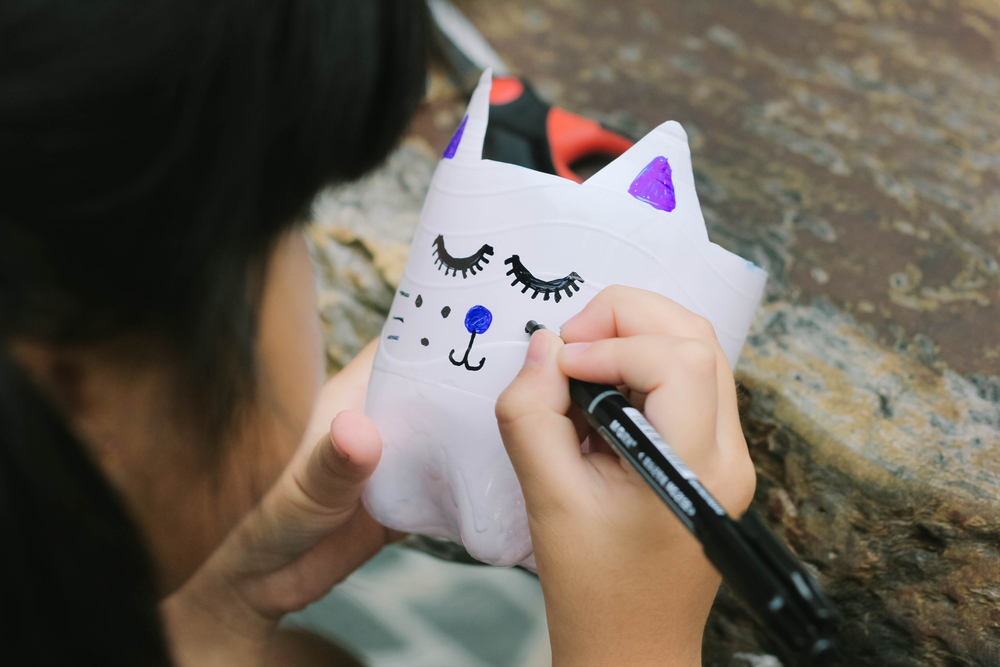
Spring is a great time to go green! The grass is growing and flowers are blooming, reminding us all what a beautiful place Earth can be. On Earth Day or every day, help your child grow a continuing sense of pride for keeping the planet clean using recycled crafts for kids. Keep reading to find fresh ideas for turning trash into treasure by reusing common household materials!
Top 10 Most Engaging Fraction Games and Activities for Kids
April 8, 2019

There’s probably no greater topic in elementary math that strikes dread in the hearts of students, parents, and teachers alike quite like learning fractions. As kids grow older, math skills get tougher, and suddenly we’re asking kids to understand a concept that is difficult for them to grasp. Make learning fractions easier for children using fun and engaging activities! This article will share the top ten best fraction games that make learning this tricky math concept a breeze!
Meaningful Earth Day Activities for Kids and Preschool Children
April 1, 2019

Even though it’s one of the largest holidays recognized worldwide, sometimes Earth Day gets lost in the shuffle as adults go about their daily grind. Don’t let your kids forget about this important holiday and celebrate with purpose using cool hands-on projects and literacy activities! Read this article to find fun-filled yet meaningful Earth Day activities for kids of all ages!
Numberless Word Problems: Elementary Math that Works
March 18, 2019

It’s no secret that kids struggle with word problems. Word problems in math serve as the bane of many student’s early elementary math experience. What if there was an easier way to teach kids to tackle these tough problems? If you’ve never thought about introducing numberless word problems to you child, it’s time to give it a fresh consideration! While taking numbers away from word problems might seem counterintuitive, the strategy can help kids understand the problems at a much deeper level. This article will walk you through understanding numberless word problems and how to introduce this strategy to your child to make solving word problems easier than ever!
Strategies to Increase Math Fluency
March 11, 2019

As a parent, you might be asking yourself, why is math fact fluency important? After all, we often think about the concept of fluency in regard to learning a second language. But much like speaking another language, we must be fluent in math to be able to understand it fully and communicate our thinking about math. This article will help your understand the importance of building math fluency while offering up 5 fantastic ways to increase your child’s fact fluency!
Fun Ways to Master Multiplication Tables
Feb. 18, 2019

Your child understands the concept behind multiplication, but what comes next? Chances are, your child will need to practice solving problems and working to learn multiplication tables. Once kids understand the math behind the operation, it’s time to learn how to solve problems with more speed and fluency. You might be wondering how to make learning multiplication facts more fun, and there’s no need to drill with endless worksheets or quizzes. This article shares 7 fun-filled ideas for learning multiplication tables with ease!
Map Skills for Elementary Kids: Value, Activities and Games
Feb. 9, 2019

On your last road trip, did your family use a map? If you’re like most families today, chances are you used an app like Google Maps. With today’s high-tech GPS technology, it’s tempting to think that kids no longer need to learn how to read a map. But that couldn’t be further from the truth! Because kids develop important spatial reasoning skills while learning to read maps, map skills for elementary kids is just as important as ever. This article shares all you need to know about map skills, including 5 fun activities and games to share with your child!
-
 Oct. 7, 2026
 -
 June 3, 2026
 -
 Aug. 4, 2026


