Logical Thinking worksheets activities for Ages 3-7 - Page 5
109 filtered results
-
From - To
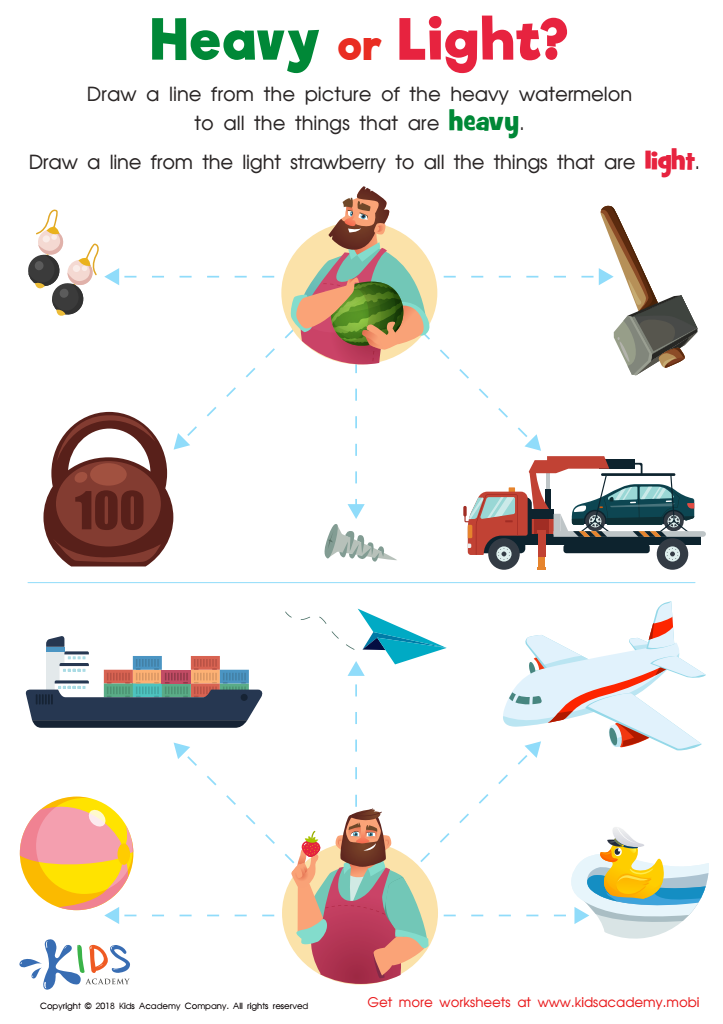
Heavy or Light? Worksheet
 Assign to My Students
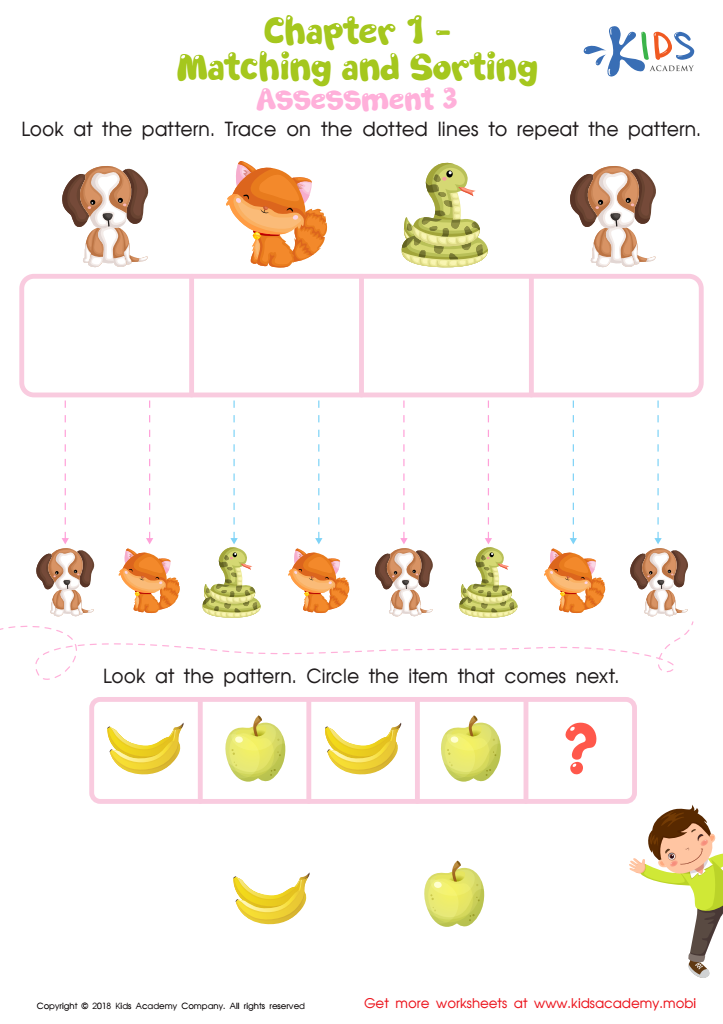
Matching and Sorting for Preschool: Assessment 3 Worksheet

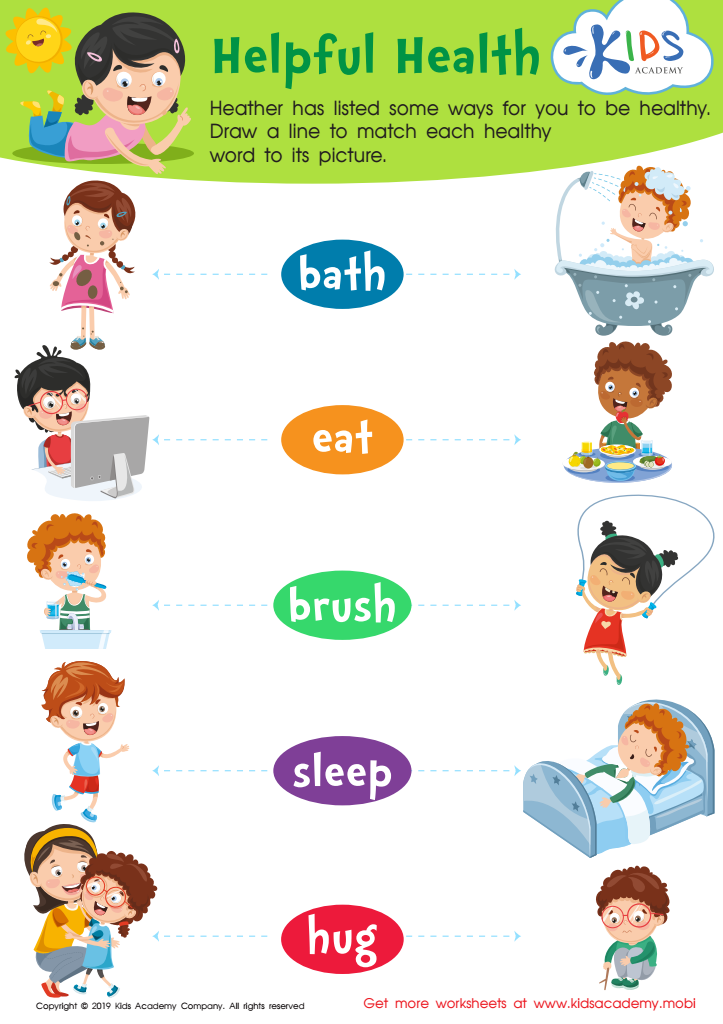
Helpful Health Worksheet
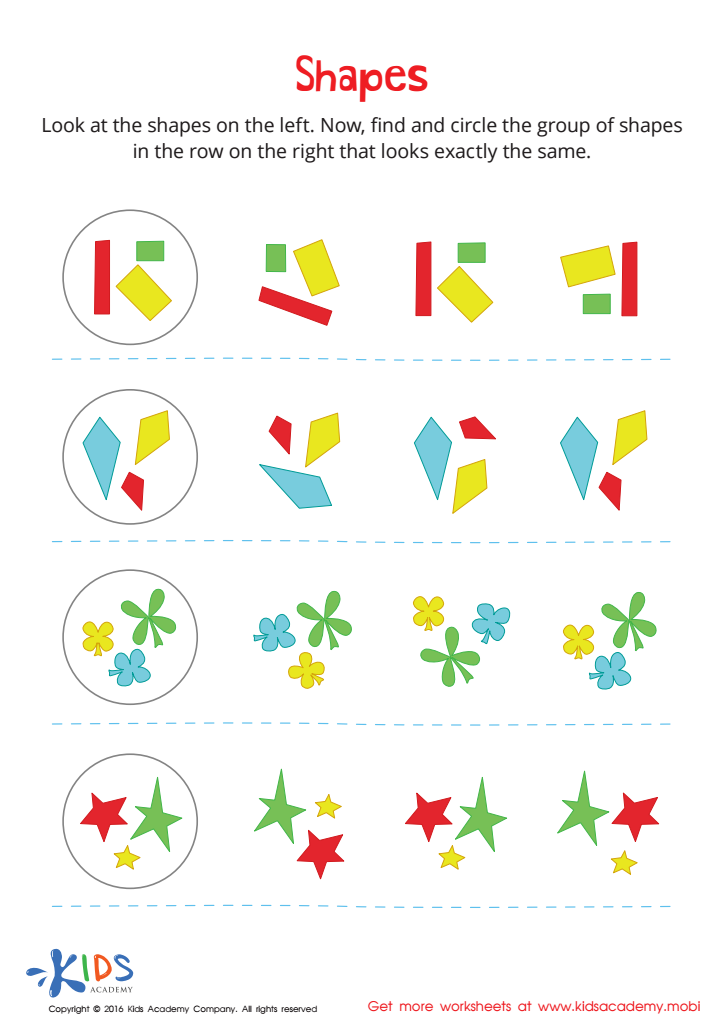
Shapes Worksheet
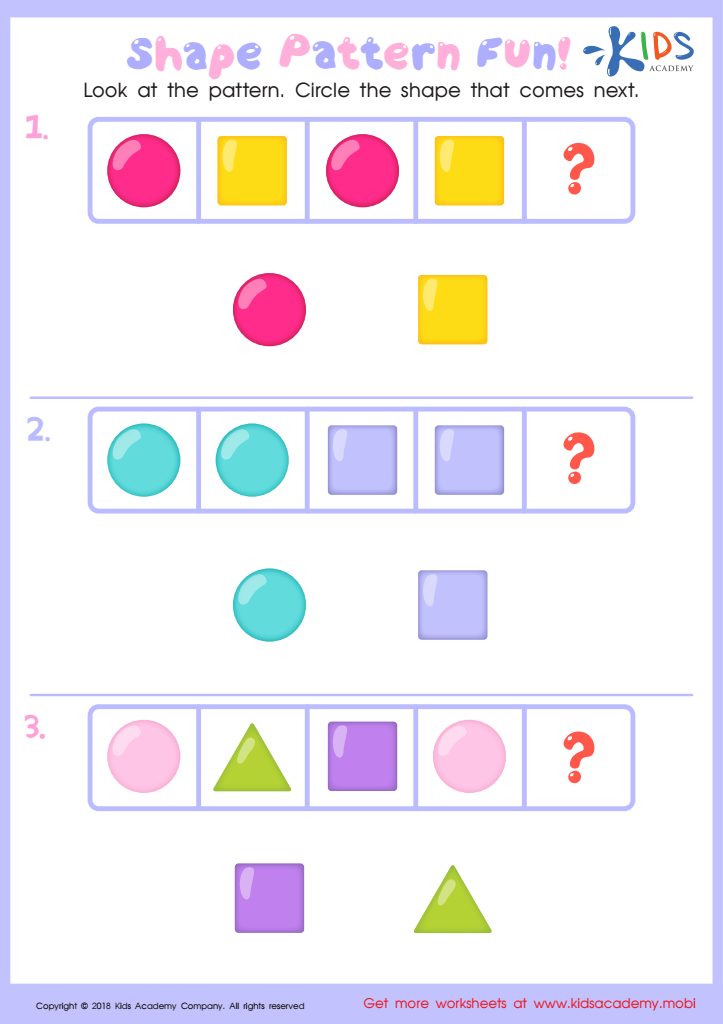
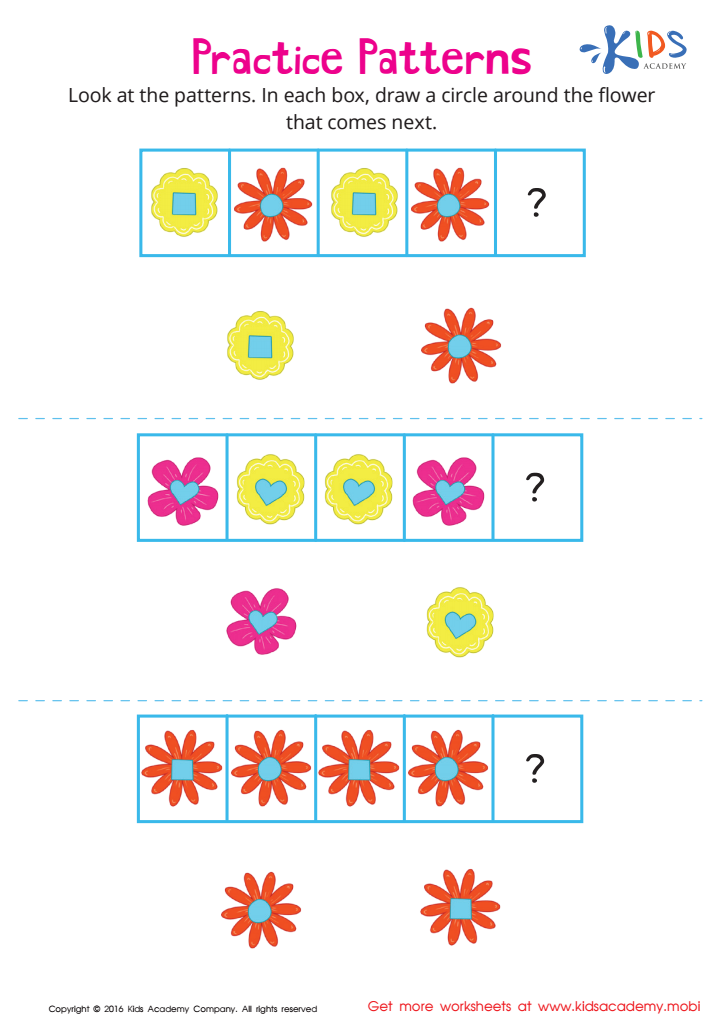
Shape Pattern Fun Worksheet
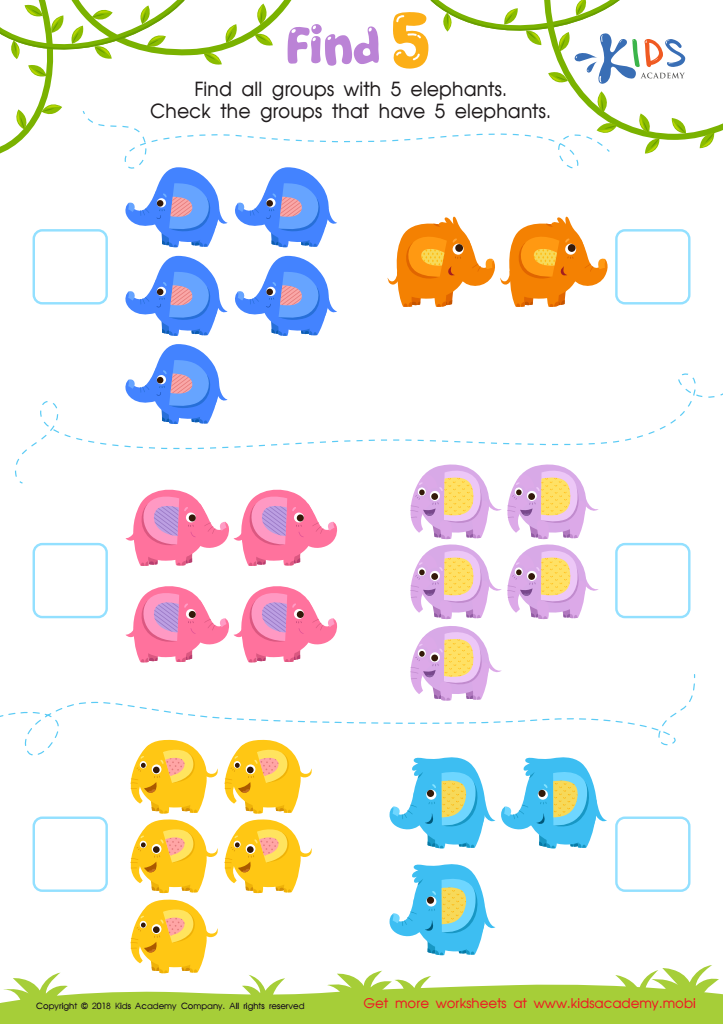
Find 5 Worksheet
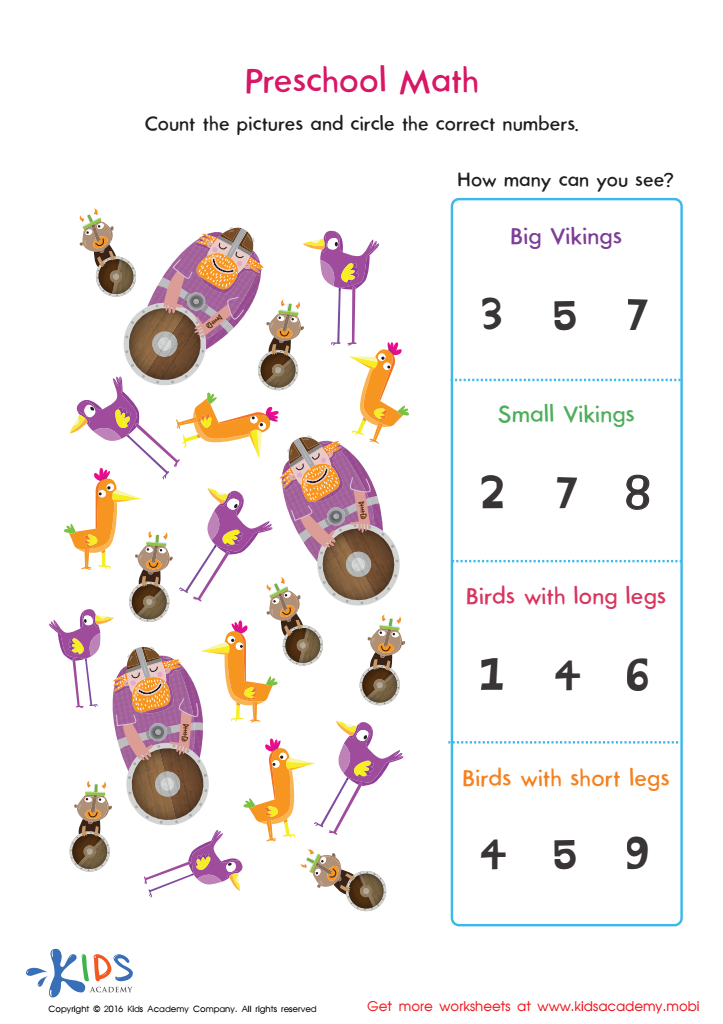
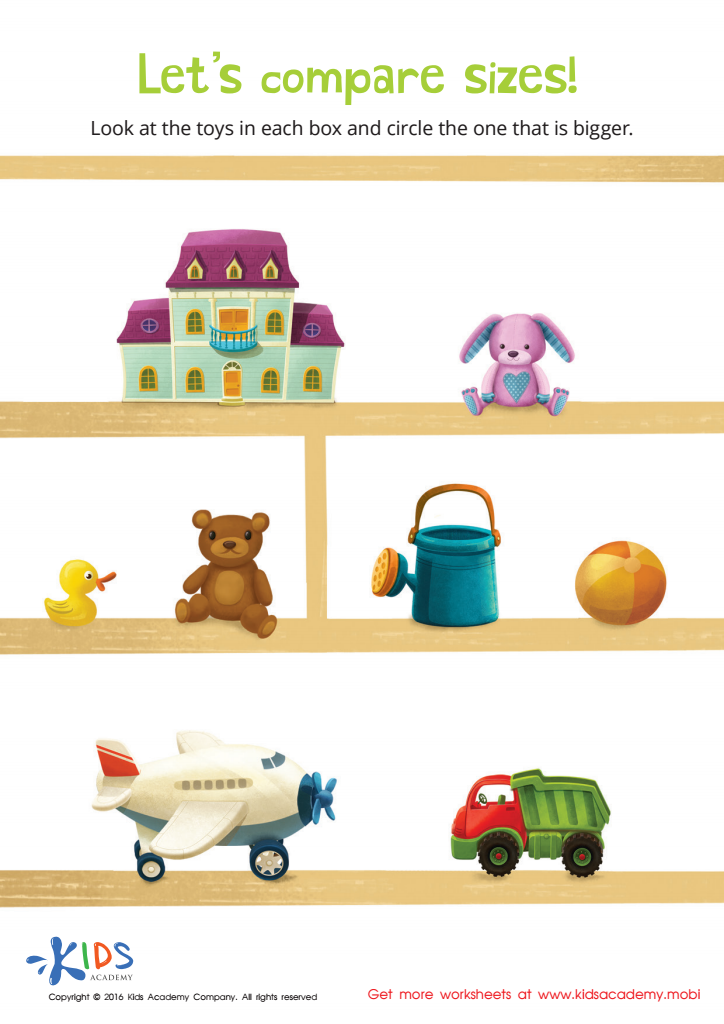
Classifying by Size Sorting Worksheet
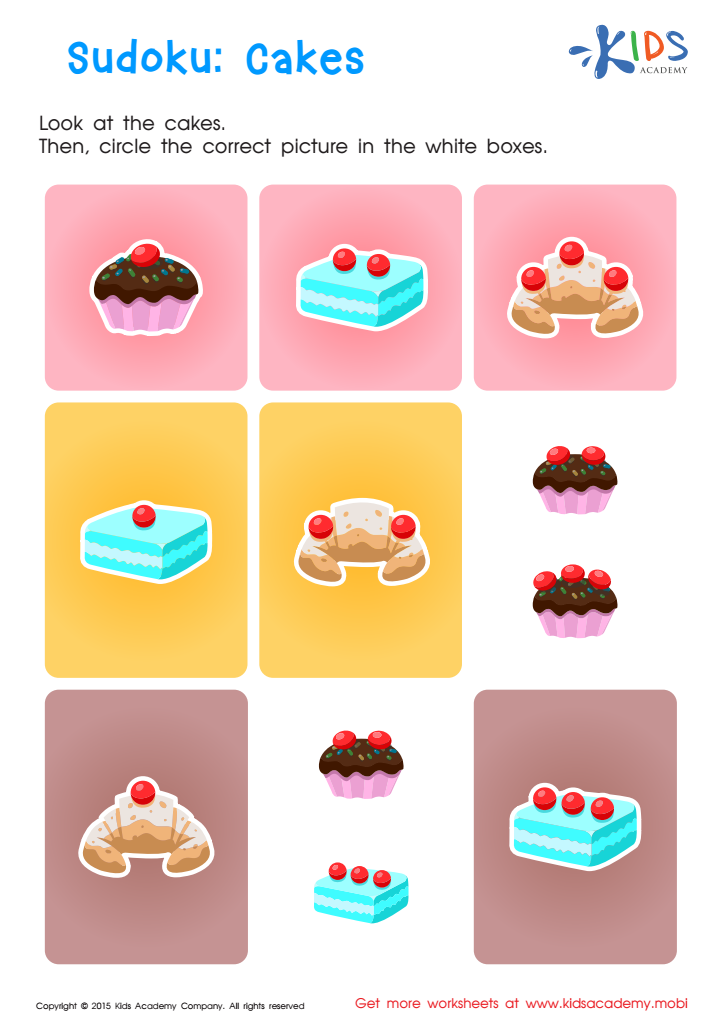
Sudoku Worksheet
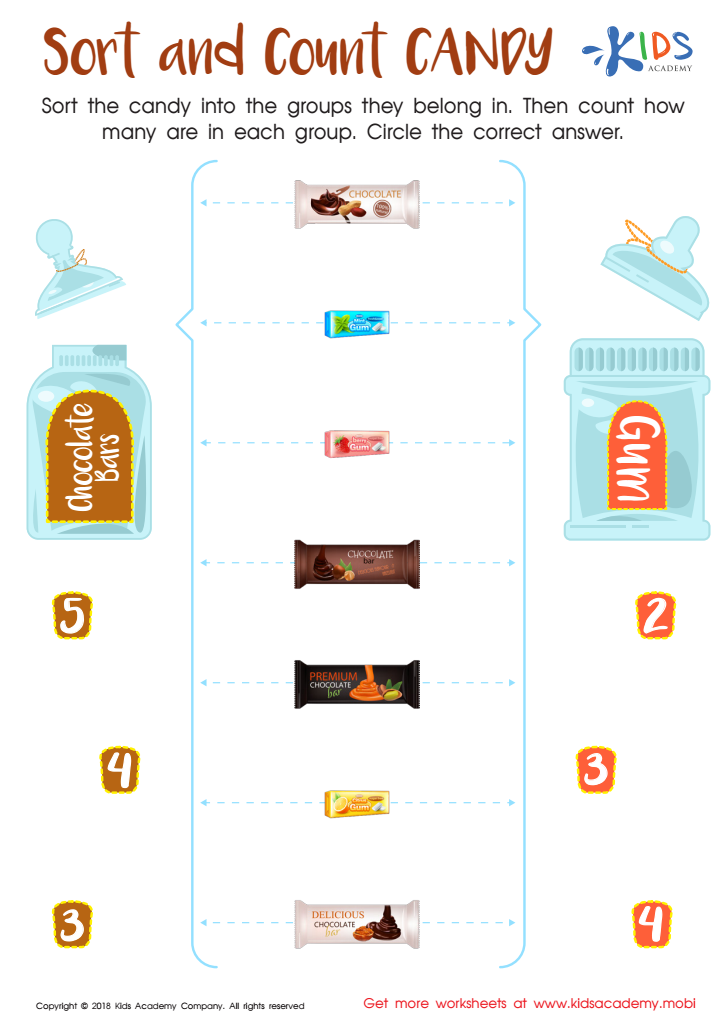
Sort and Count Candy Worksheet








Logical thinking activities are crucial for children aged 3-7 as they lay the foundational skills for problem-solving and critical reasoning. At this age, children's brains are highly adaptable, making it an ideal time to nurture these cognitive abilities. Engaging in logical thinking activities helps develop essential skills such as pattern recognition, classification, sequencing, and predicting outcomes. These skills are not just academic; they support everyday decision-making and promote self-regulation.
For parents and teachers, incorporating logical thinking into daily routines fosters a love for learning and curiosity about the world. Activities like sorting objects, solving puzzles, or engaging in simple programming games encourage exploration and experimentation, allowing children to practice persistence and resilience when facing challenges. Furthermore, logical thinking enhances language development and communication, as children learn to articulate their reasoning and understand the perspectives of others.
Investing in logical thinking activities nurtures lifelong learners equipped to tackle complex real-world issues. Ultimately, it prepares them not only for academic success but also for collaborative and innovative thinking in their future endeavors. By fostering a strong foundation in logical reasoning, parents and teachers can empower children to become critical thinkers ready to navigate an increasingly complex world.








