Mazes worksheets activities for Ages 3-7 - Page 3
66 filtered results
-
From - To
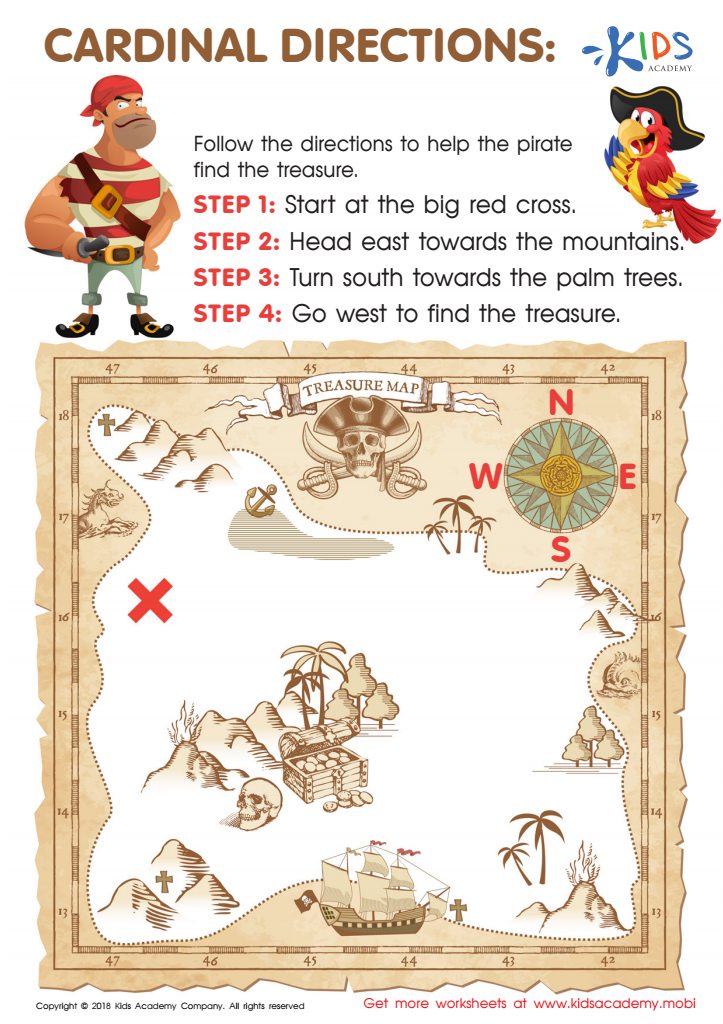
Cardinal Directions Treasure Map Maze Worksheet
 Assign to My Students
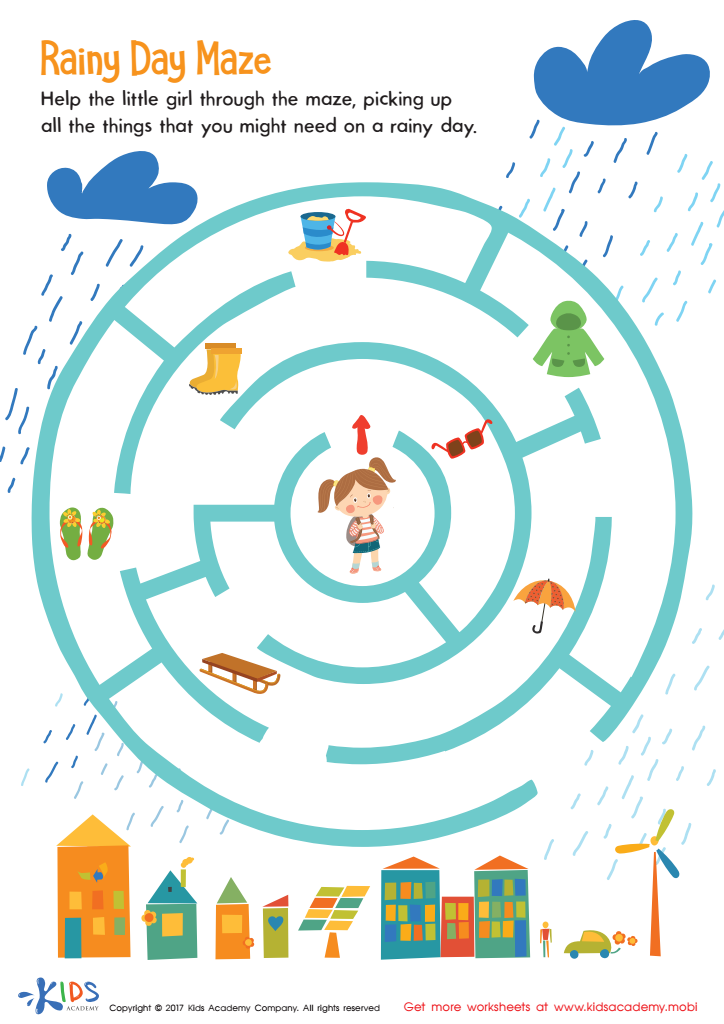
Rainy Day Maze Worksheet
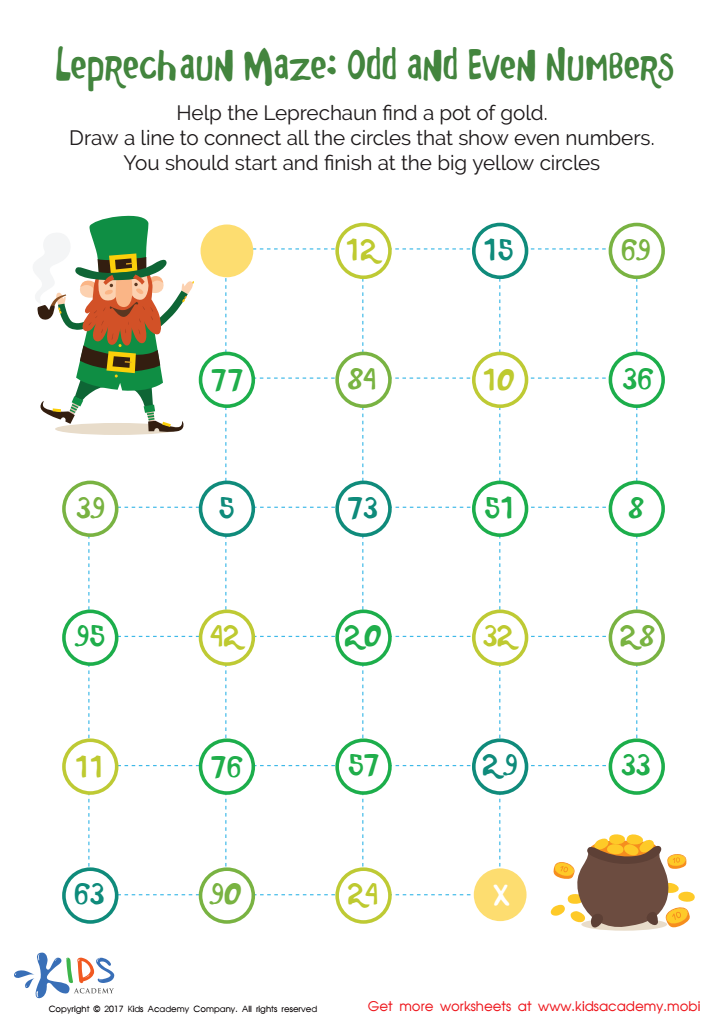
Leprechaun Maze Printable
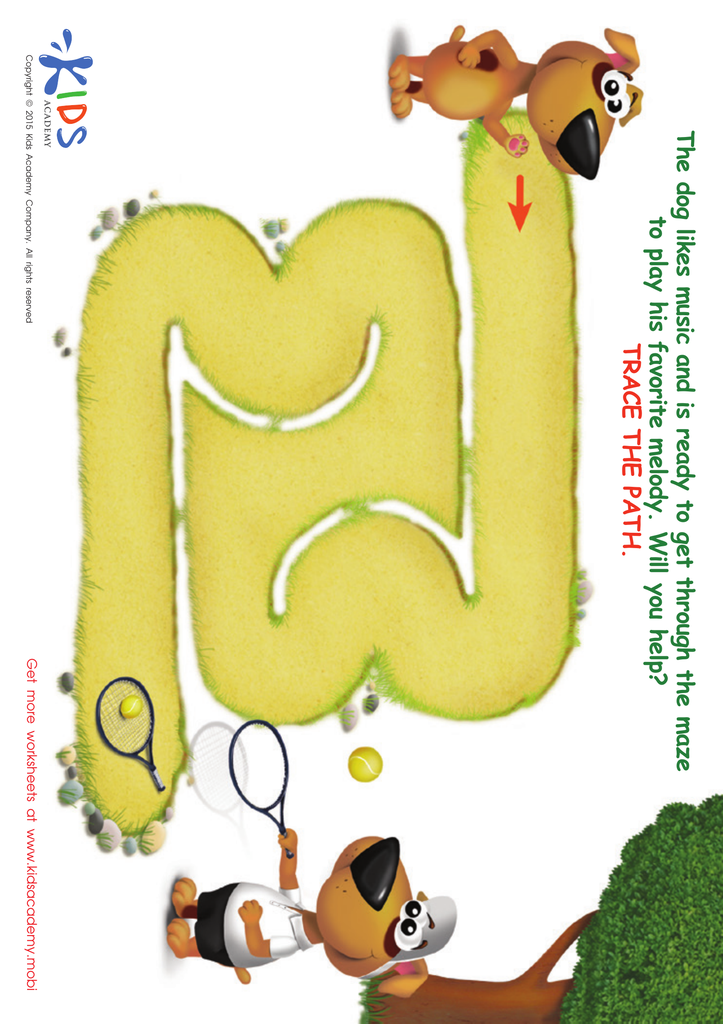
Tennis Player Maze Worksheet
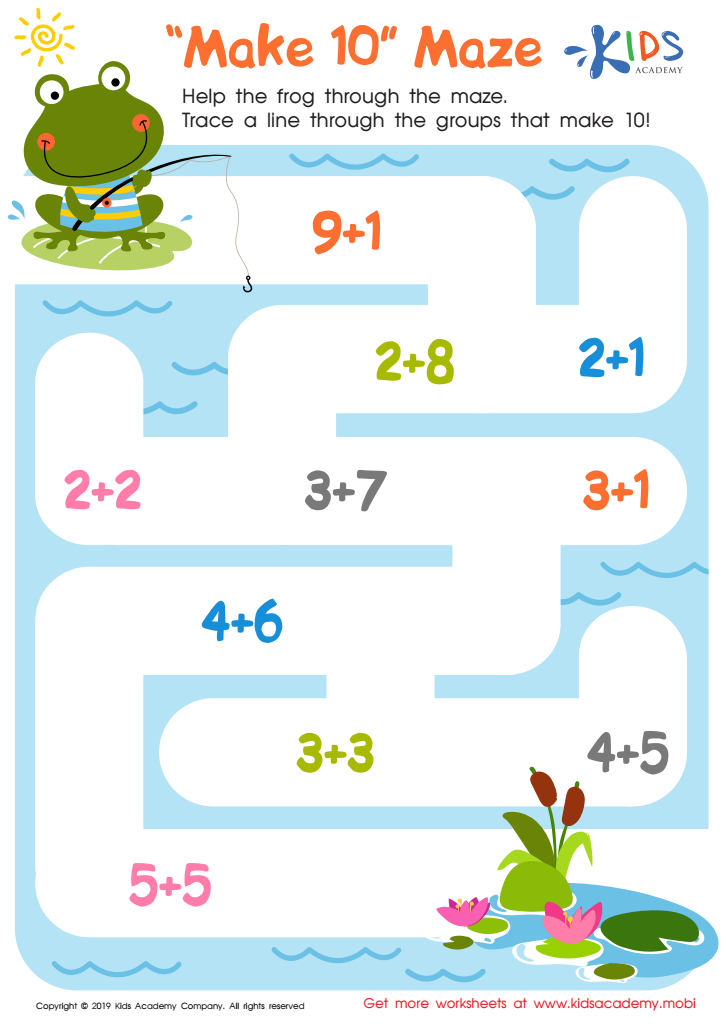
Make 10 Maze Worksheet
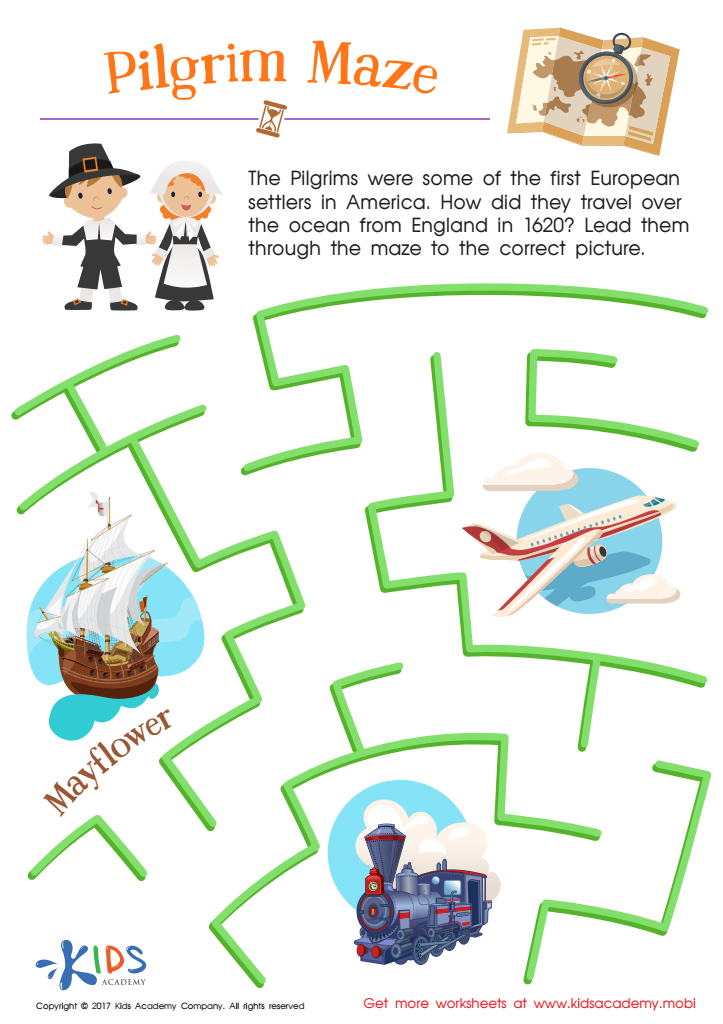
Pilgrim Maze Worksheet
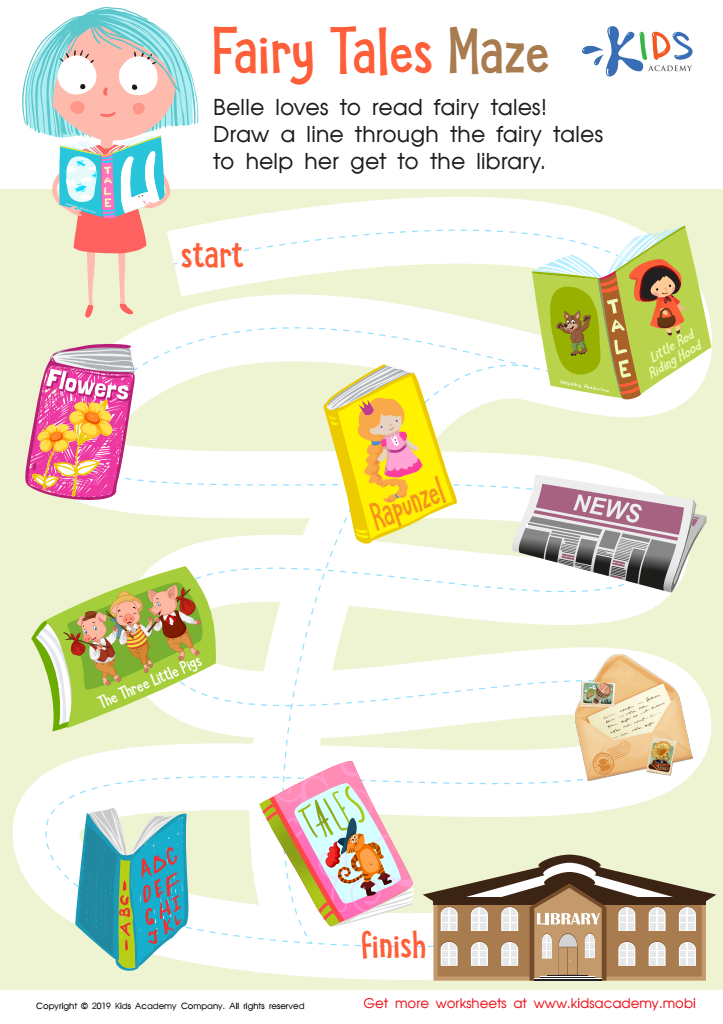
Fairy Tales Maze Worksheet
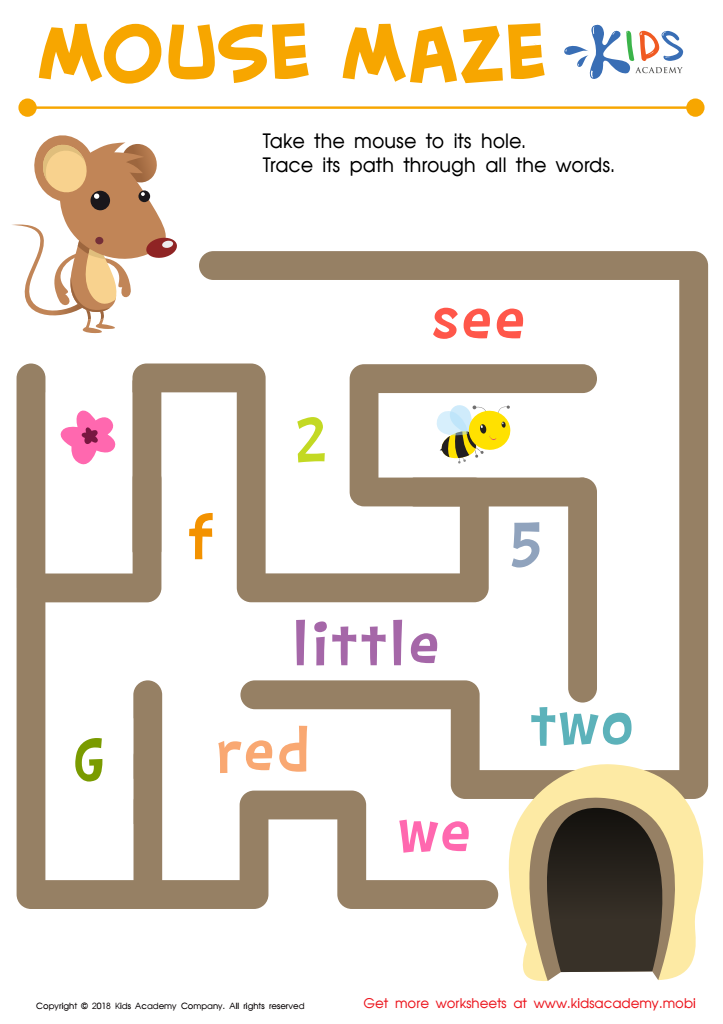
Find Words Mouse Maze Worksheet
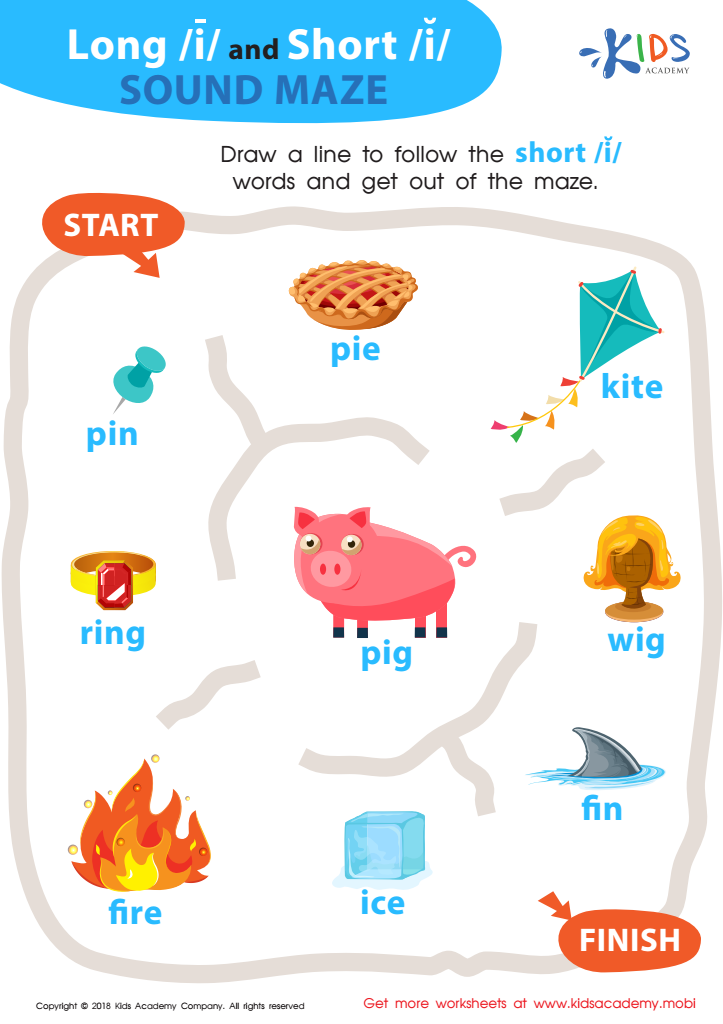
Reading: Long I and Short I Sound Maze Worksheet
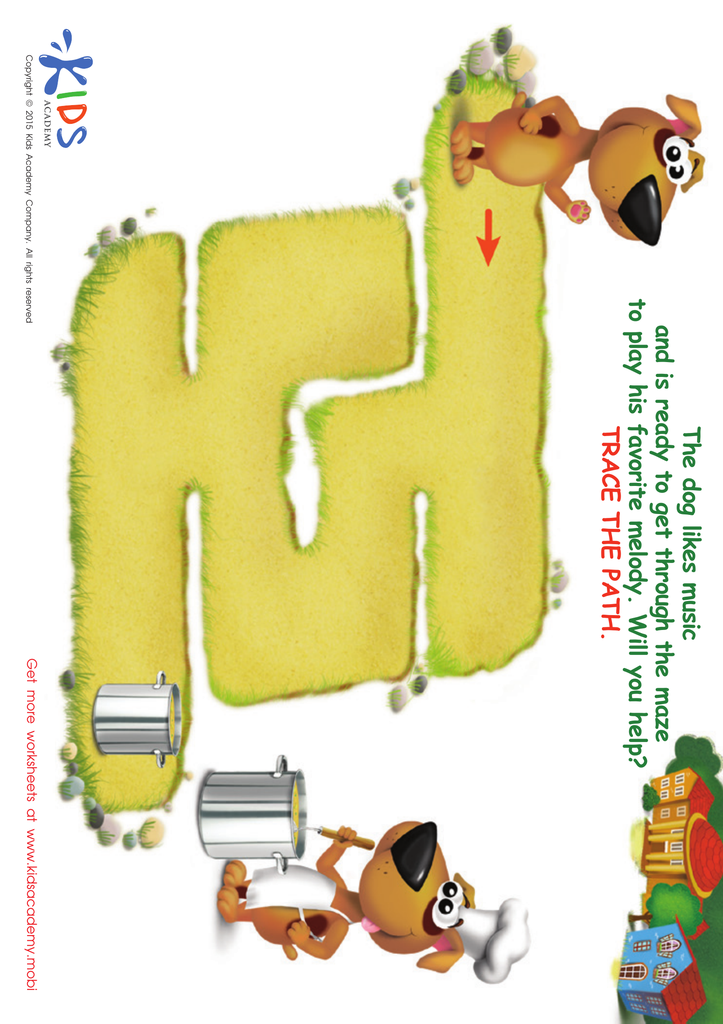
Cook Maze Worksheet
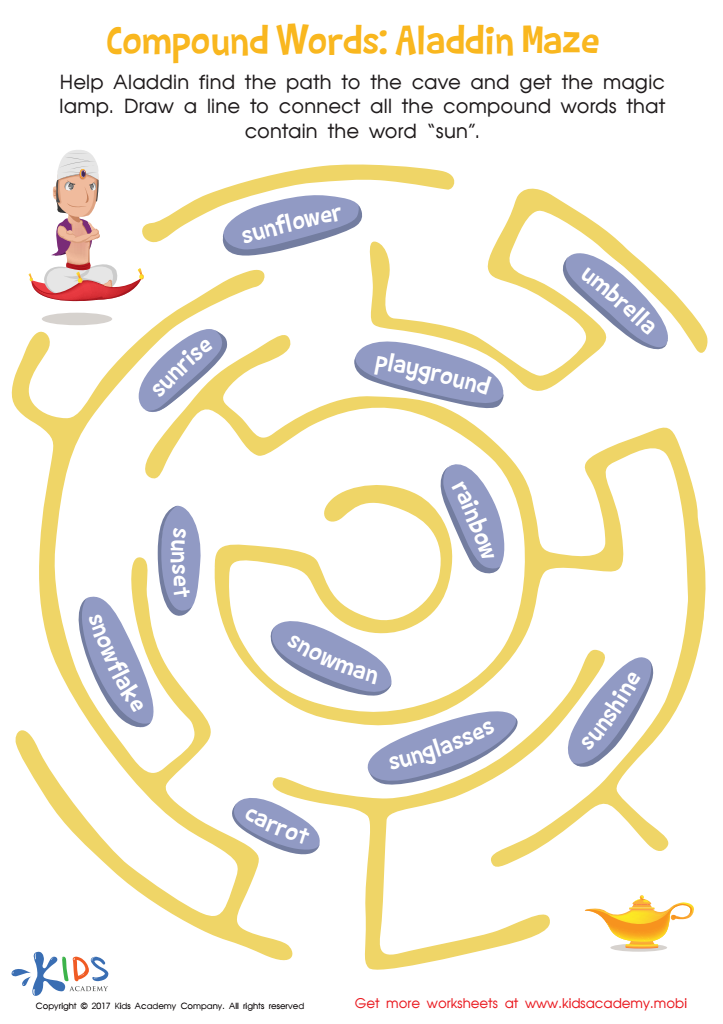
Compound Aladdin Maze Word Structure Worksheet
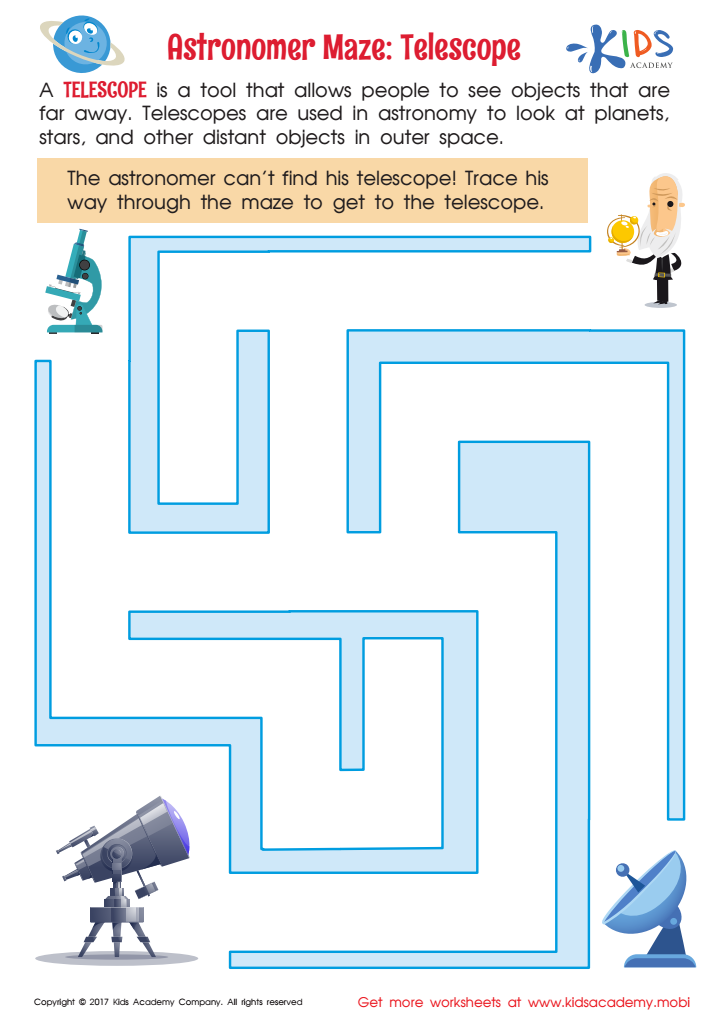
Astronomer Maze: Telescope Worksheet
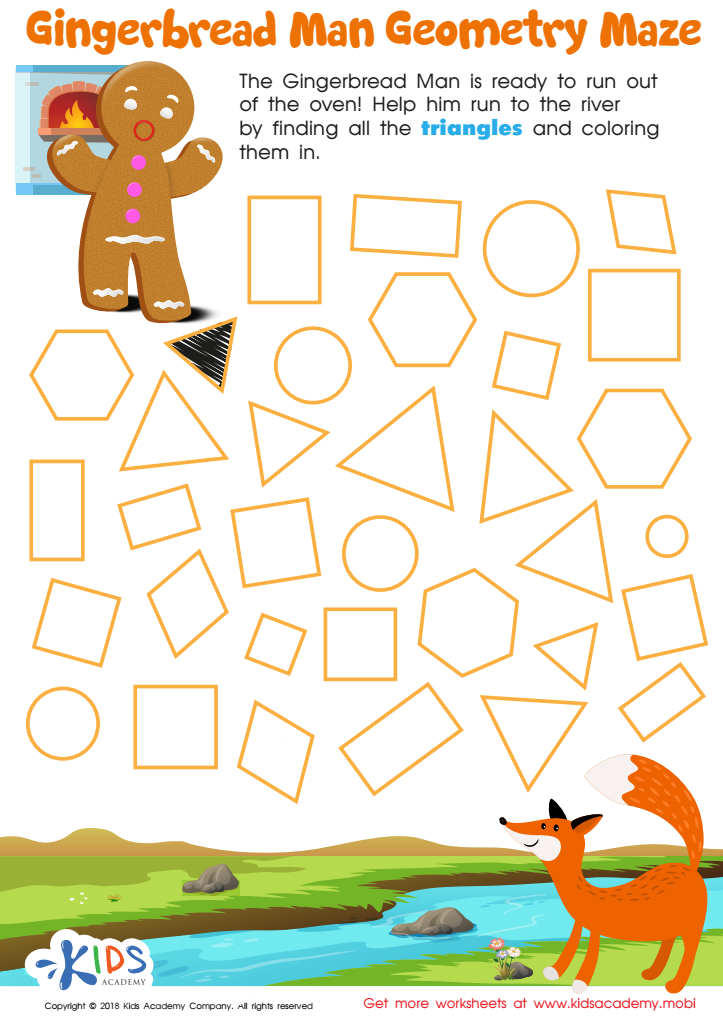
Gingerbread Man Geometry Maze Worksheet
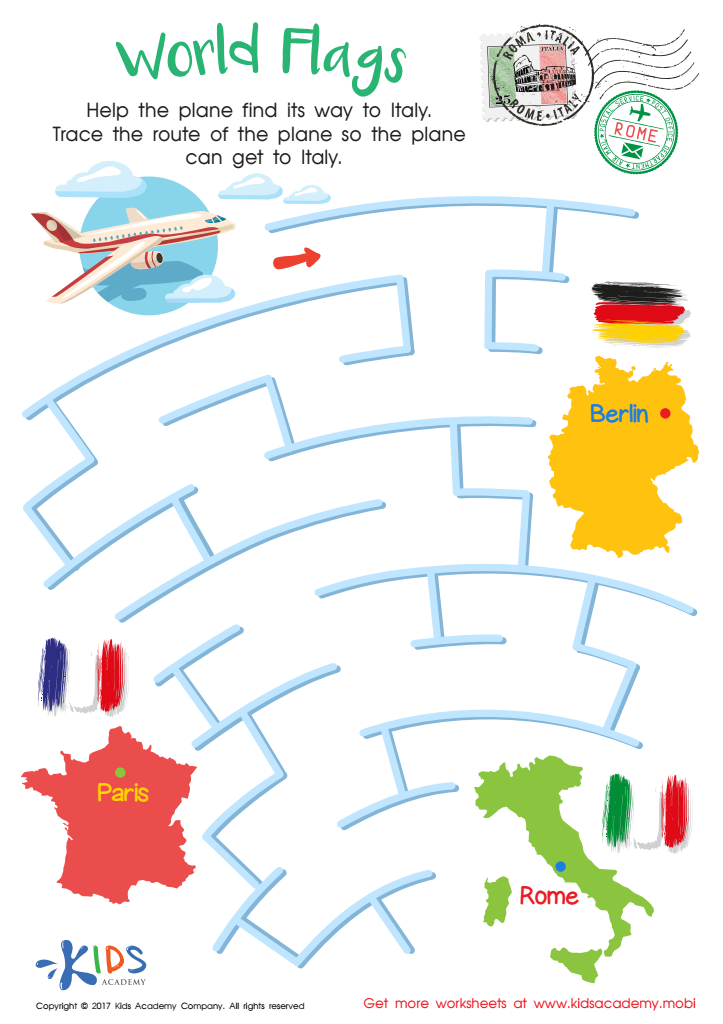
World Flags Maze Worksheet
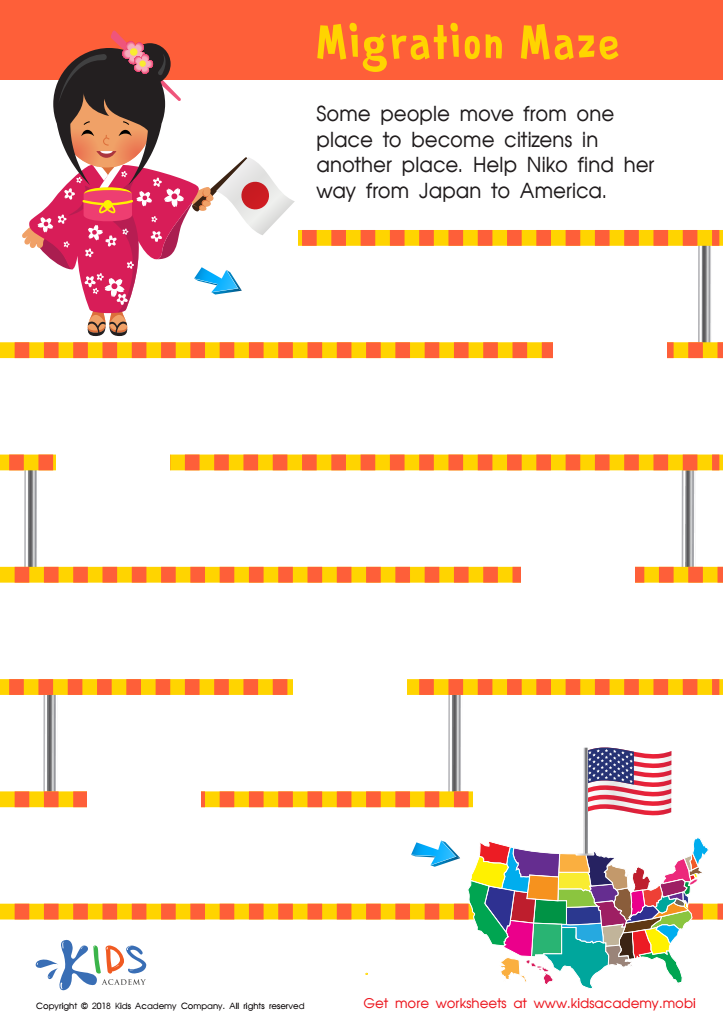
Migration Maze Worksheet
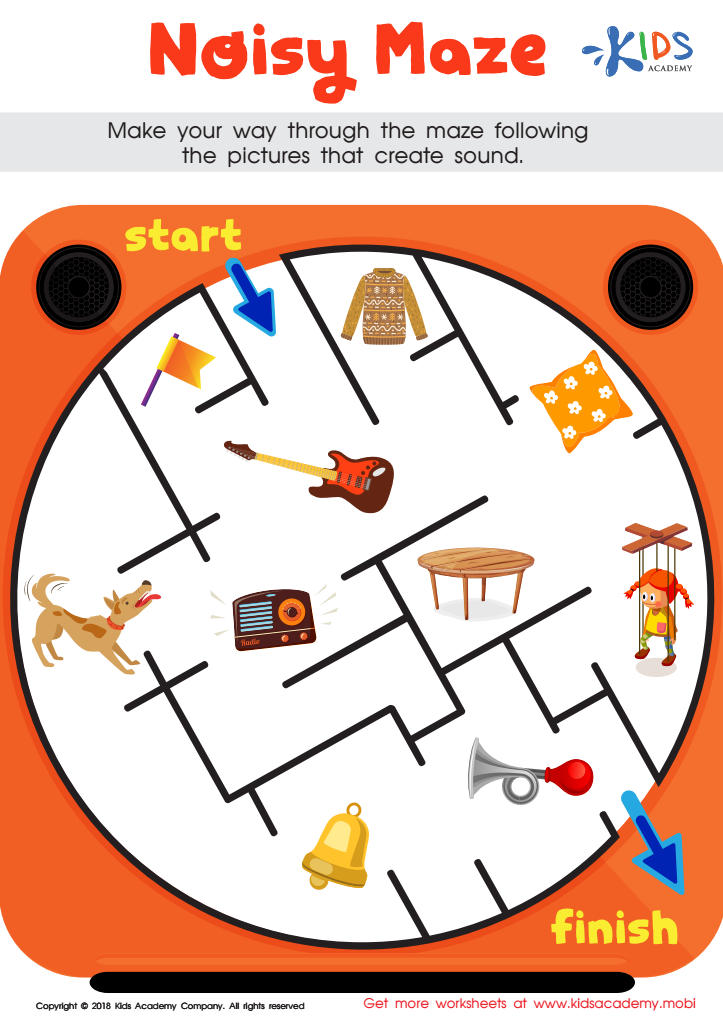
Noisy Maze Worksheet
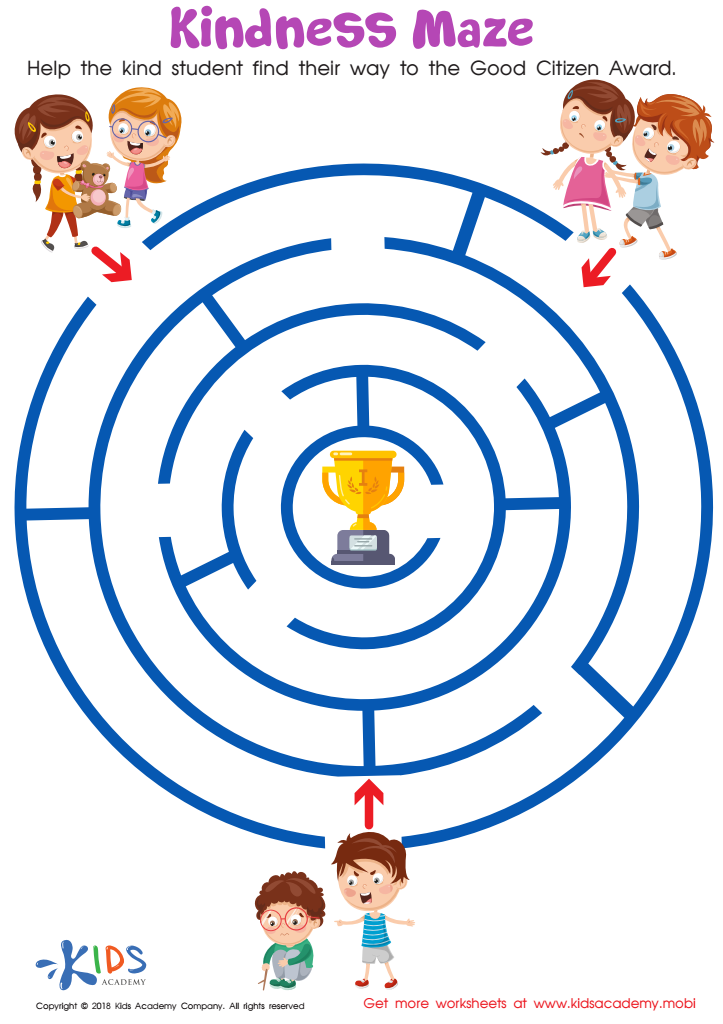
Kindness Maze Worksheet







Mazes are an engaging and educational activity that offers numerous benefits for children aged 3-7, making them an important focus for both parents and teachers. Firstly, solving mazes enhances fine motor skills as children use pencils, crayons, or their fingers to navigate pathways, promoting hand-eye coordination and control. Additionally, mazes stimulate critical thinking and problem-solving abilities. Children must analyze their options, think strategically, and develop logical reasoning skills as they determine the best route to the finish.
Moreover, mazes foster patience, perseverance, and a sense of accomplishment. Completing a maze can provide young learners with a sense of victory, which boosts their self-esteem. This positive reinforcement encourages children to tackle increasingly complex problems in the future.
Mazes also serve as a versatile tool for language development; educators can incorporate themes or stories into maze activities, simultaneously enhancing vocabulary and comprehension. Furthermore, when done in group settings, maze activities promote social skills such as teamwork and turn-taking.
Ultimately, parents and teachers should prioritize maze activities as they creatively combine play with essential skill development, supporting a child's cognitive and motor growth in a fun and interactive manner.








