Tracing Letters worksheets activities for Ages 3-7 - Page 3
57 filtered results
-
From - To
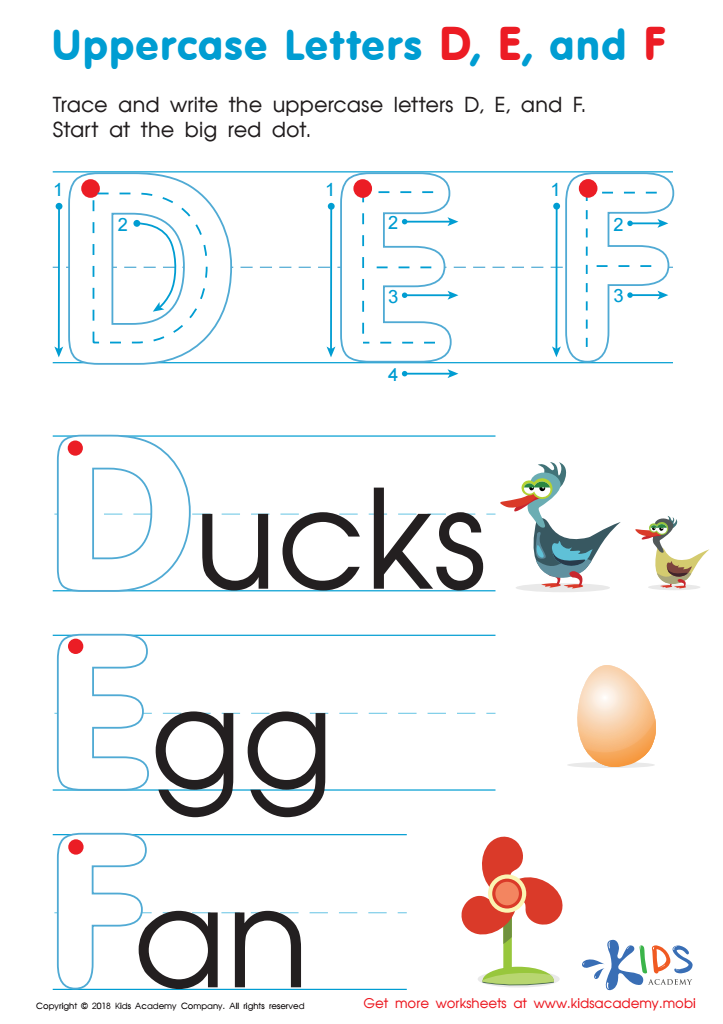
Uppercase Letters D, E, and F Worksheet
 Assign to My Students
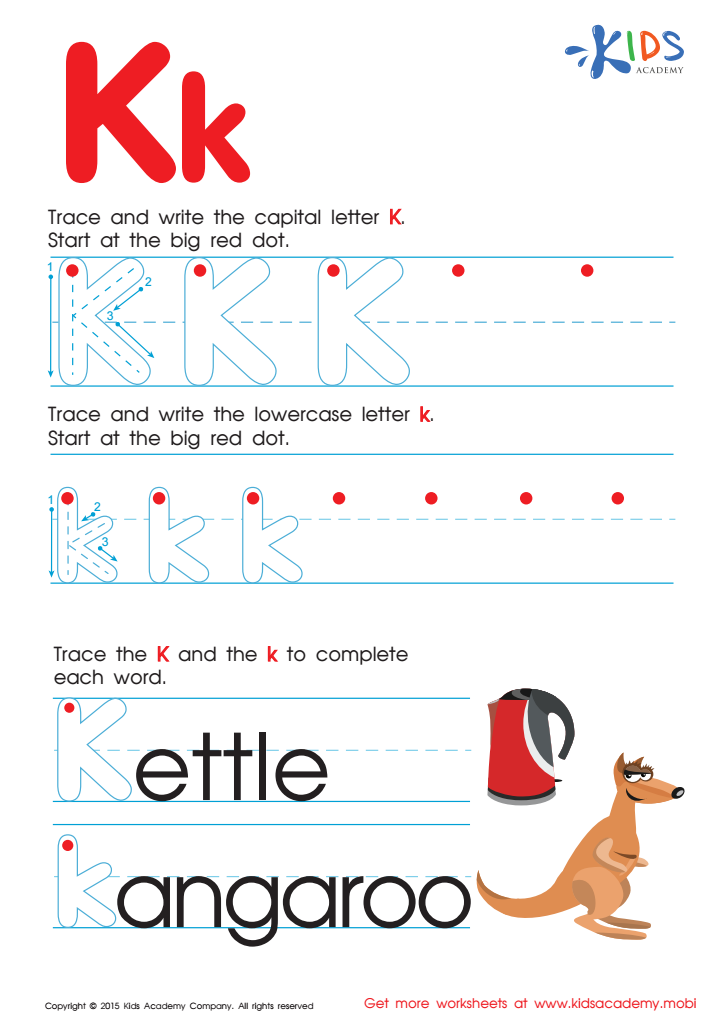
Letter K Tracing Page
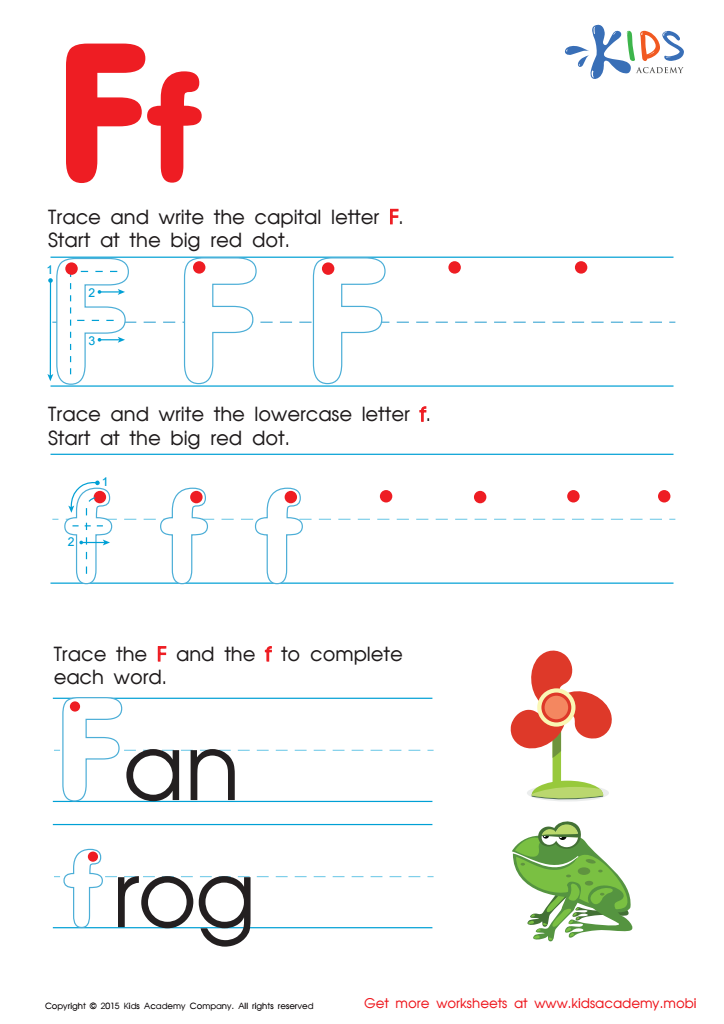
Letter F Tracing Page
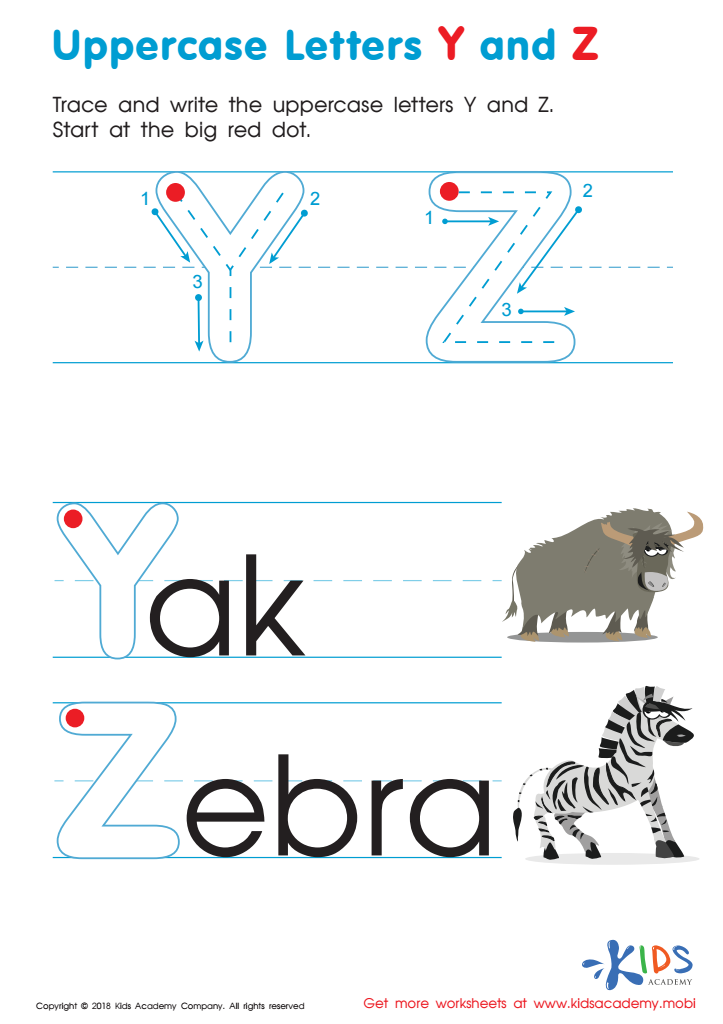
Uppercase Letters Y Z Worksheet
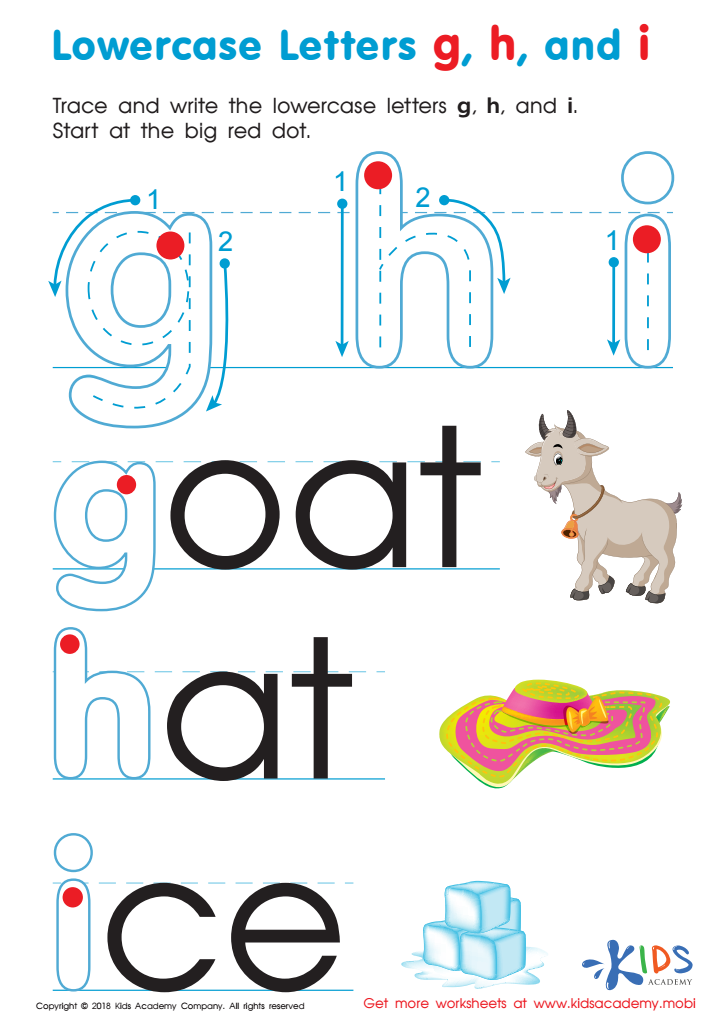
Lowercase Letters g h i Worksheet
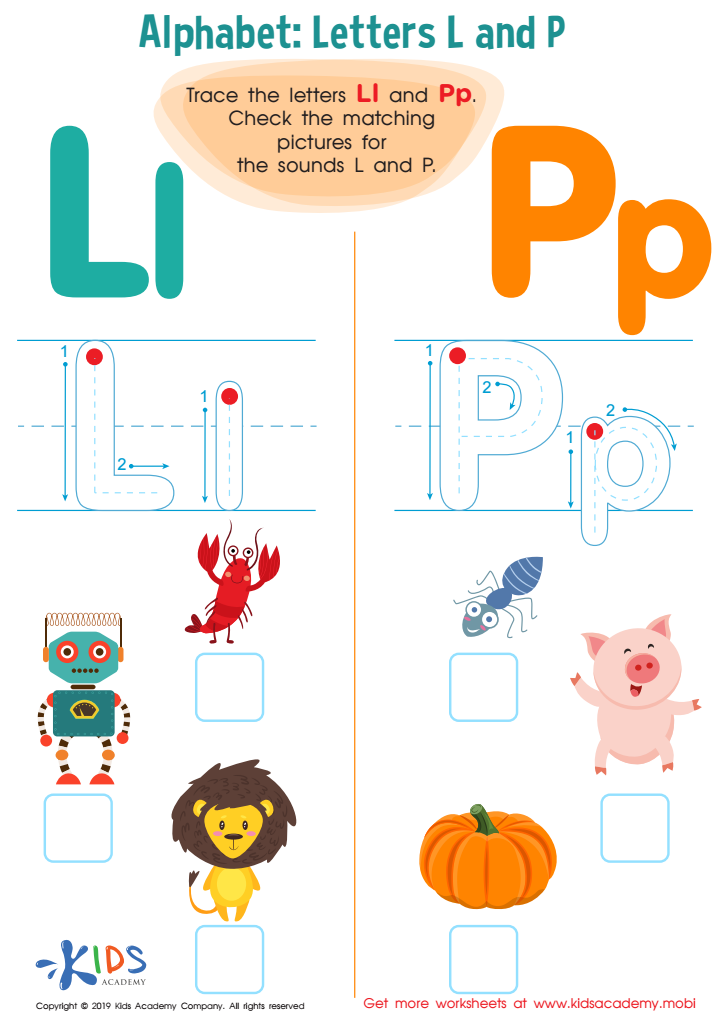
Letter L and P Tracing Worksheet
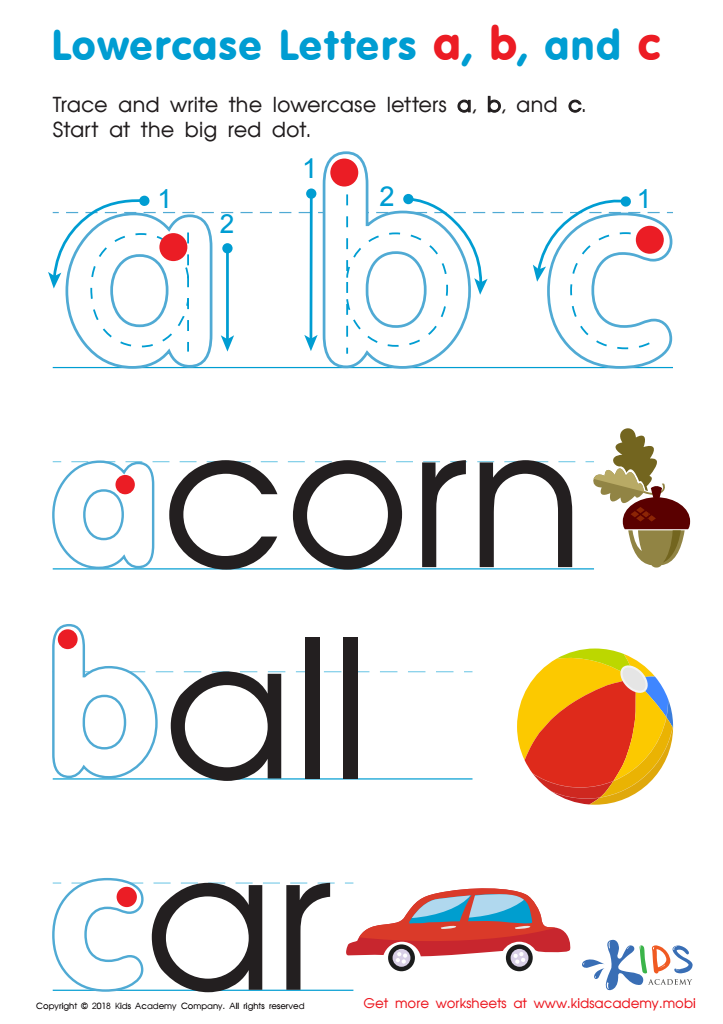
Lowercase Letters a b c Worksheet
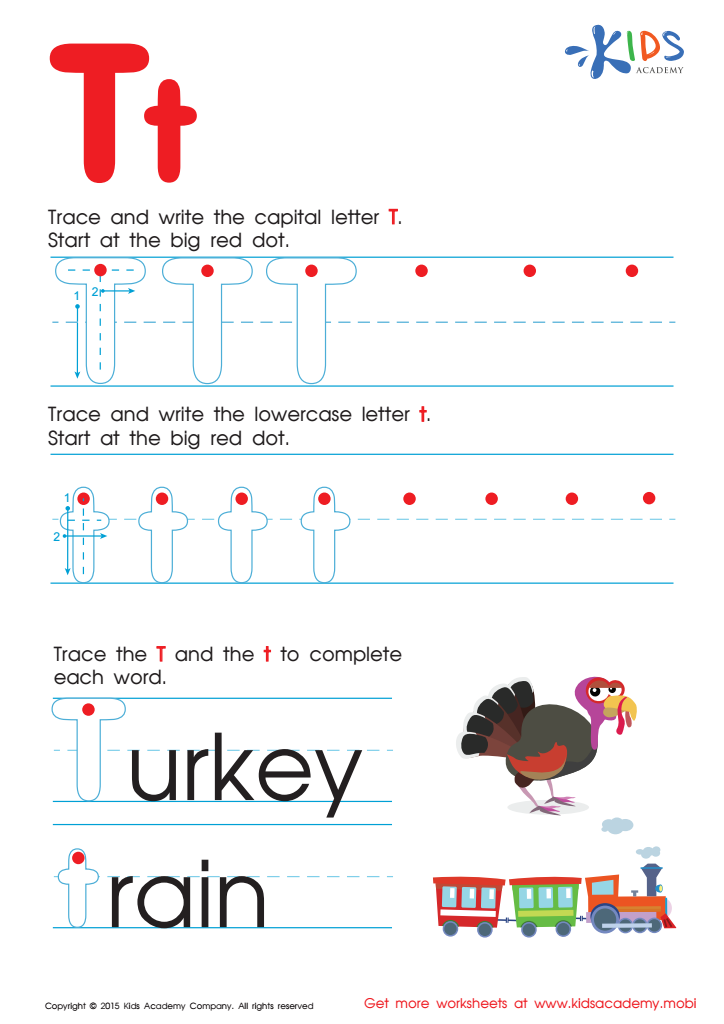
Letter T Tracing Page
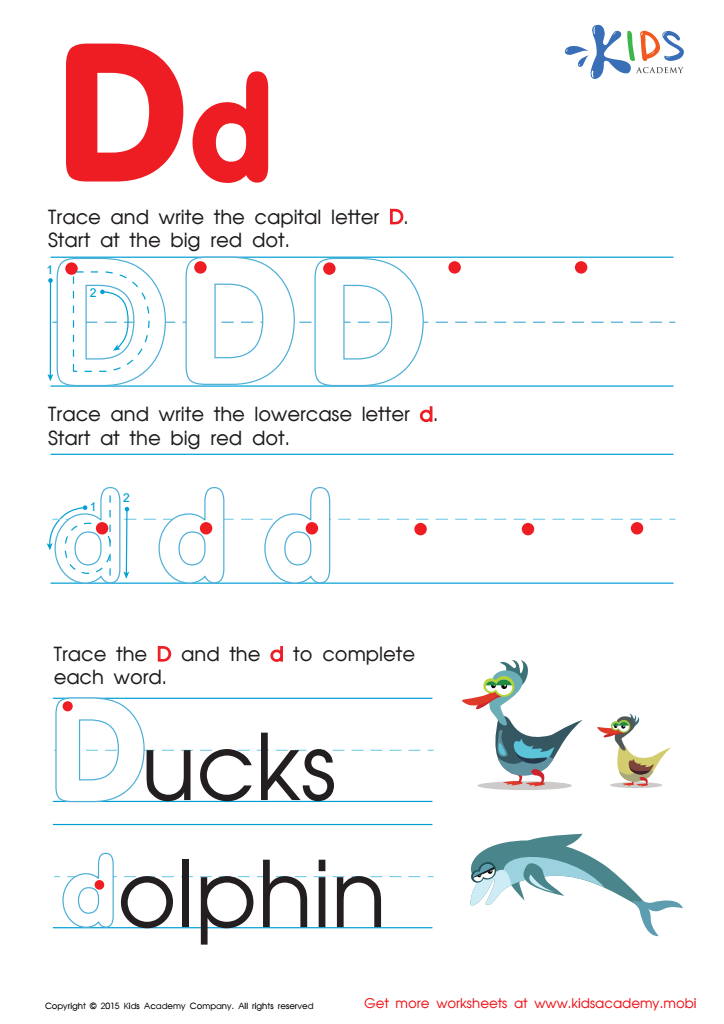
Letter D Tracing Page






Tracing letters activities are essential for children between ages 3 and 7 as they lay the groundwork for early literacy skills. During this developmental stage, children are honing their fine motor skills, hand-eye coordination, and cognitive functions, all of which are enhanced through tracing. When children trace letters, they not only learn to recognize different letters but also develop the muscle memory required for writing, which boosts their confidence and ability to communicate effectively.
Parents and teachers should care about these activities because they serve as a bridge between preschool and more advanced literacy tasks. Early exposure to letter formation through tracing can facilitate the transition to independent writing and reading skills. Additionally, tracing encourages practice in a tactile manner, making learning more engaging and fun for young children.
Moreover, these activities can often be integrated with games, storytelling, or art, making them more attractive and stimulating for kids. Tracing also offers an opportunity for formative assessments, allowing parents and teachers to monitor each child’s developmental progress. Engaging with tracing letters can foster a love for learning, setting the stage for future educational success and a positive attitude towards literacy. Ultimately, these activities help create competent readers and writers, which is essential for lifelong learning.








