Plants and Animals worksheets activities for Ages 4-9
3 filtered results
-
From - To
Welcome to our engaging collection of Plants and Animals worksheets for children aged 4-9! Designed to enhance young learners' knowledge and appreciation of the natural world, these activities offer a fun and interactive way to explore the diverse flora and fauna around them. From identifying different plants and animals to understanding their habitats, our worksheets promote critical thinking, creativity, and observational skills. Each activity is tailored to fit age-appropriate learning standards, ensuring that your child not only has fun but also develops a strong foundation in scientific concepts. Explore with us and inspire a lifelong curiosity about nature today!
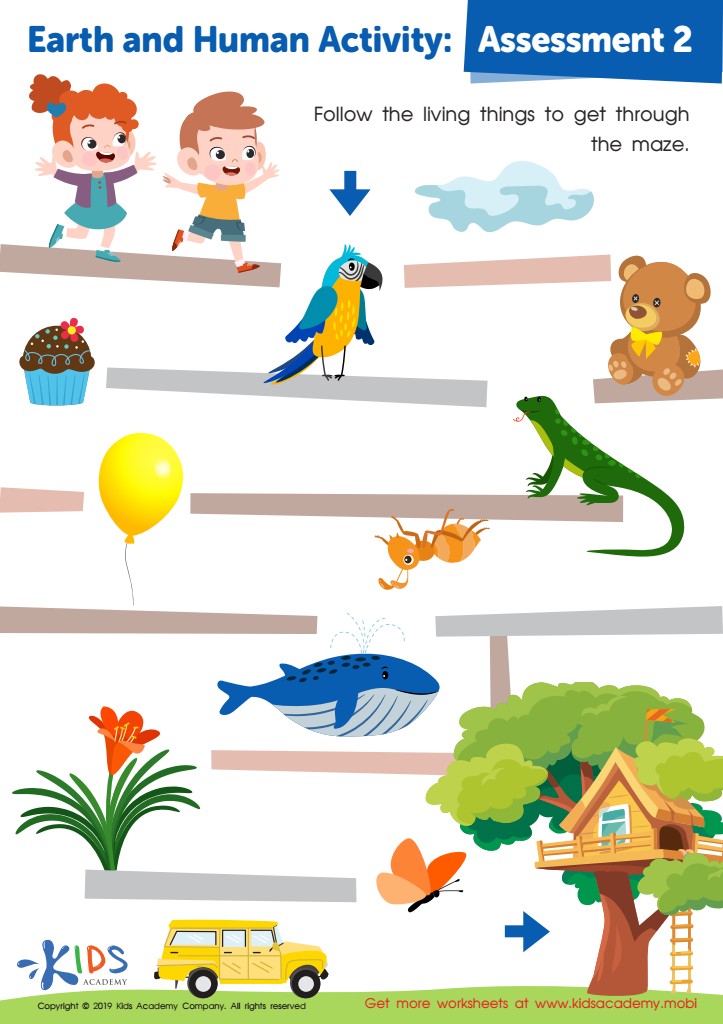
Earth and Human Activity: Assessment 2 Worksheet
 Assign to My Students
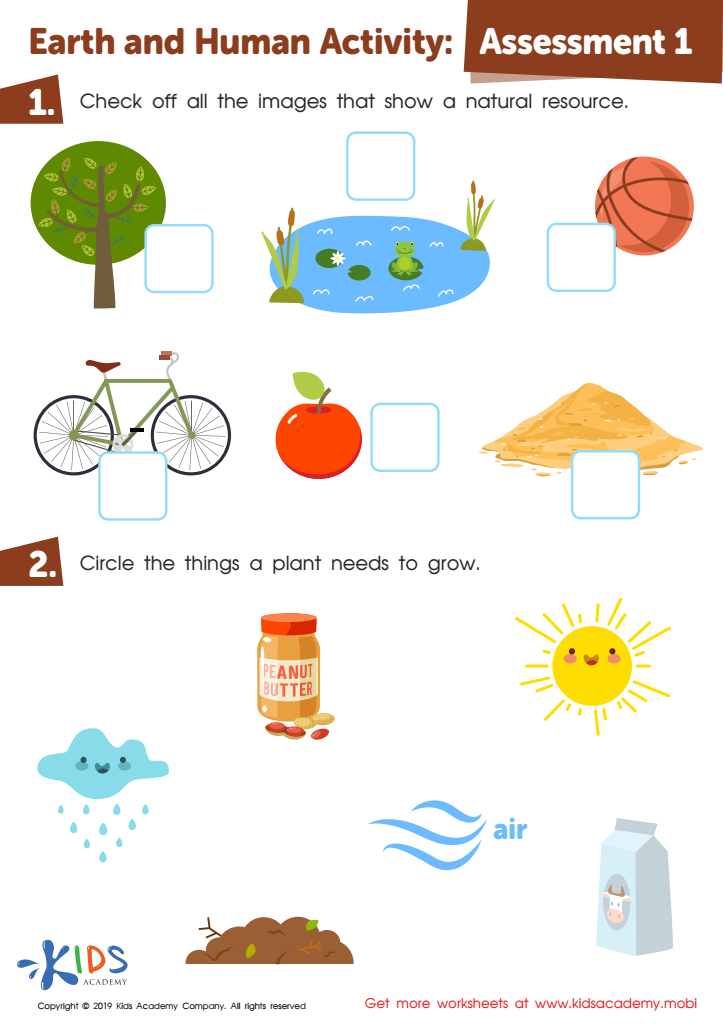
Earth and Human Activity: Assessment 1 Worksheet
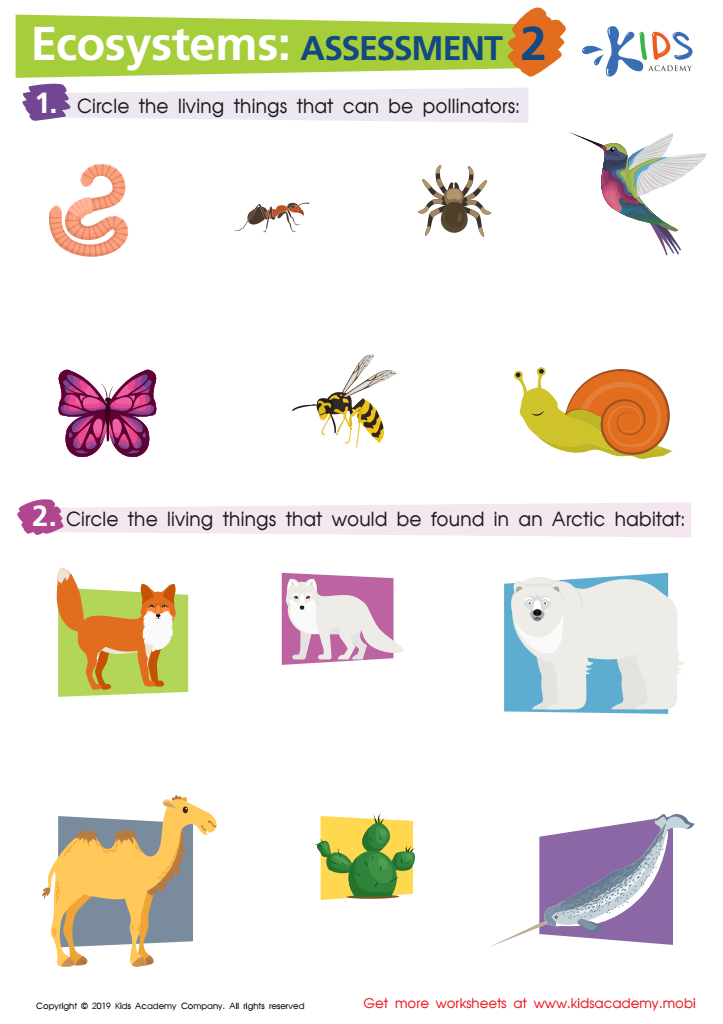
Ecosystems: Assessment 2 Worksheet








Parents and teachers should prioritize plants and animals activities for children aged 4-9 because these activities foster a deep connection to nature, spark curiosity, and promote essential learning experiences. At this age, children are naturally inquisitive about the world around them, and engaging with plants and animals helps them develop observational skills and an understanding of their environment.
These activities can enhance critical thinking and problem-solving abilities as children learn to recognize the relationships within ecosystems. Understanding the life cycles, habitats, and behaviors of different species encourages empathy and respect for all living things, fostering a sense of responsibility toward the environment.
Additionally, these activities can provide significant sensory experiences that support cognitive and emotional development. Touching leaves, observing insects, or planting seeds can engage multiple senses, promoting sensory integration and fine motor skills.
From an educational standpoint, integrating plants and animals into learning aligns with science standards and nurtures a lifelong interest in nature. Overall, encouraging children to participate in these activities cultivates a holistic learning approach, nurturing environmentally conscious, curious, and well-rounded individuals. In turn, this helps to foster a future generation that values and respects the natural world.








