Tracing Letters worksheets activities for Ages 7-9 - Page 2
43 filtered results
-
From - To
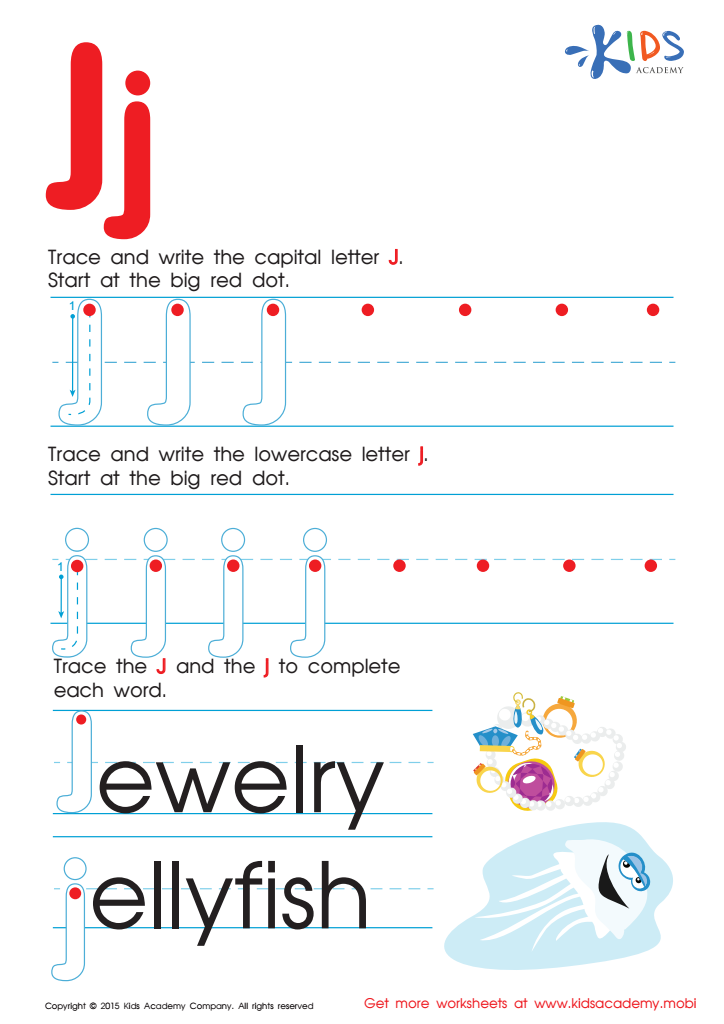
Letter J Tracing Page
 Assign to My Students
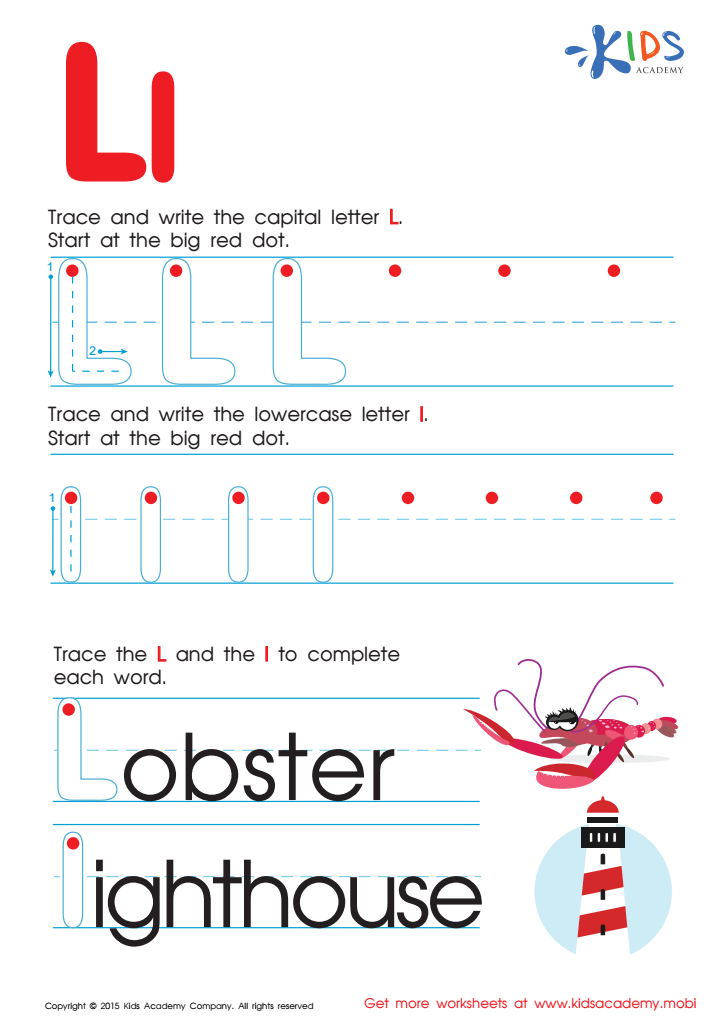
Letter L Tracing Page
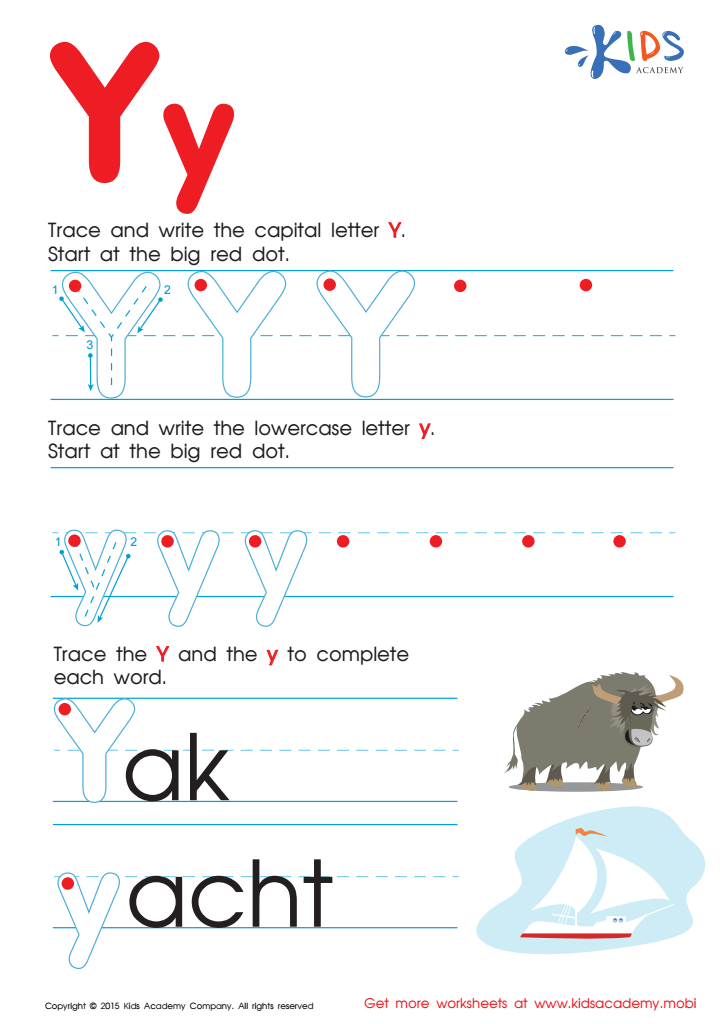
Letter Y Tracing Page
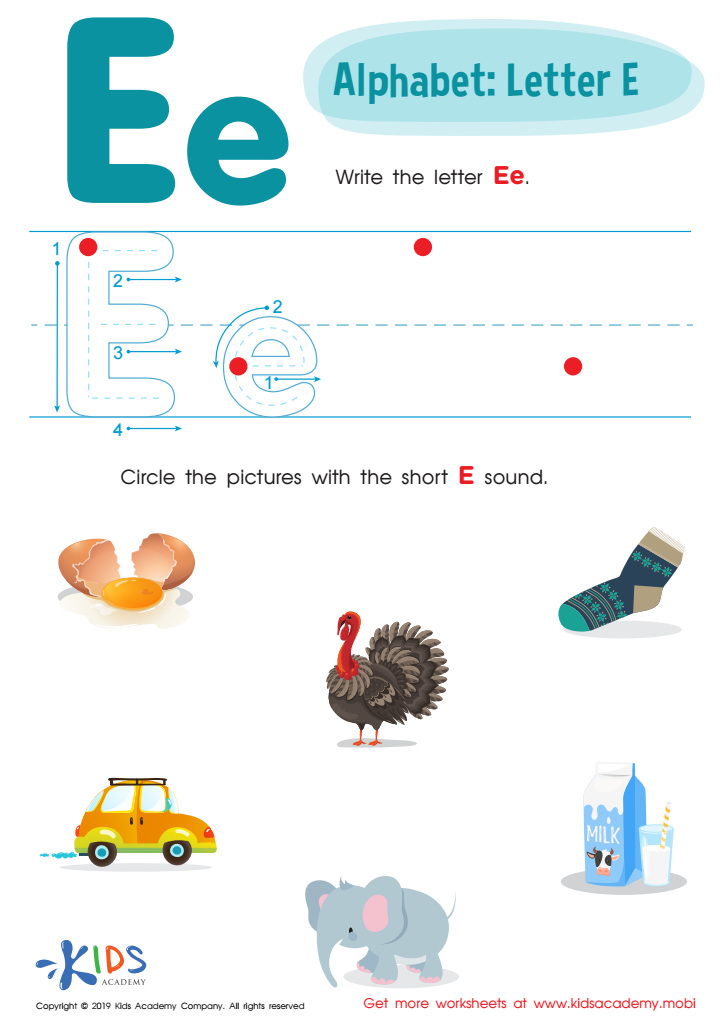
Letter E Tracing Worksheet
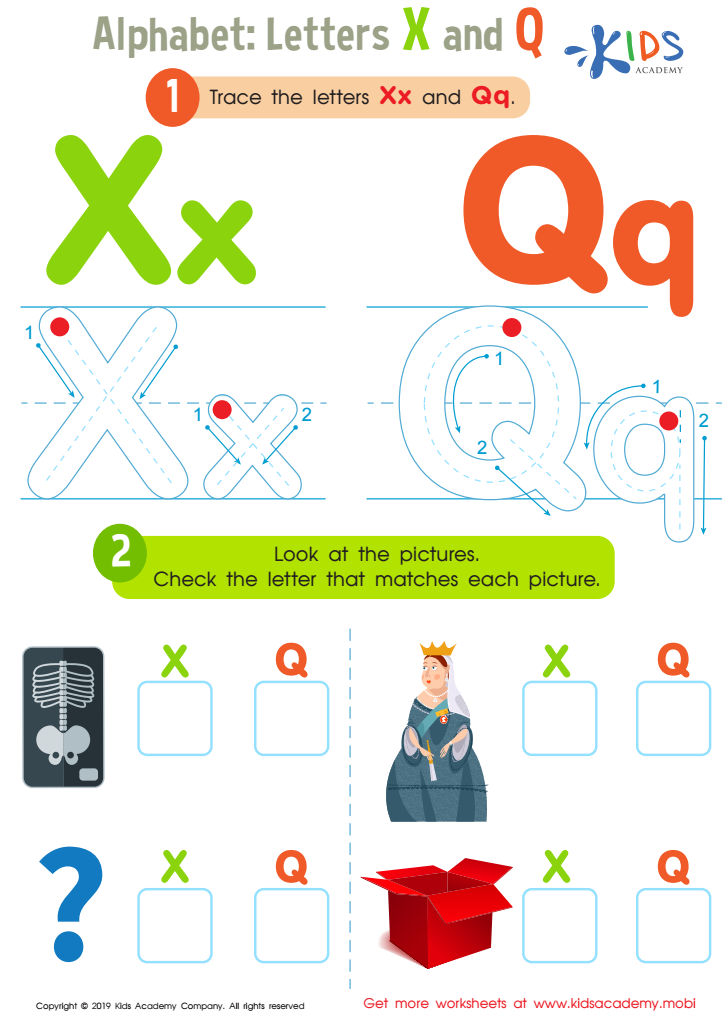
Letters X and Q Tracing Worksheet
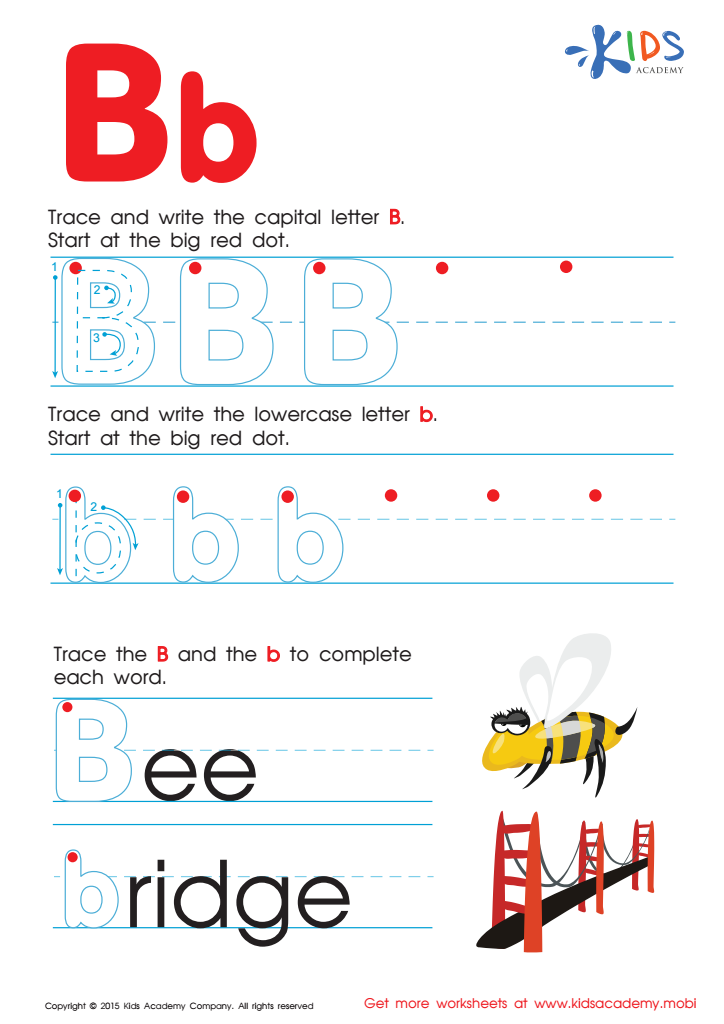
Letter B Tracing Page
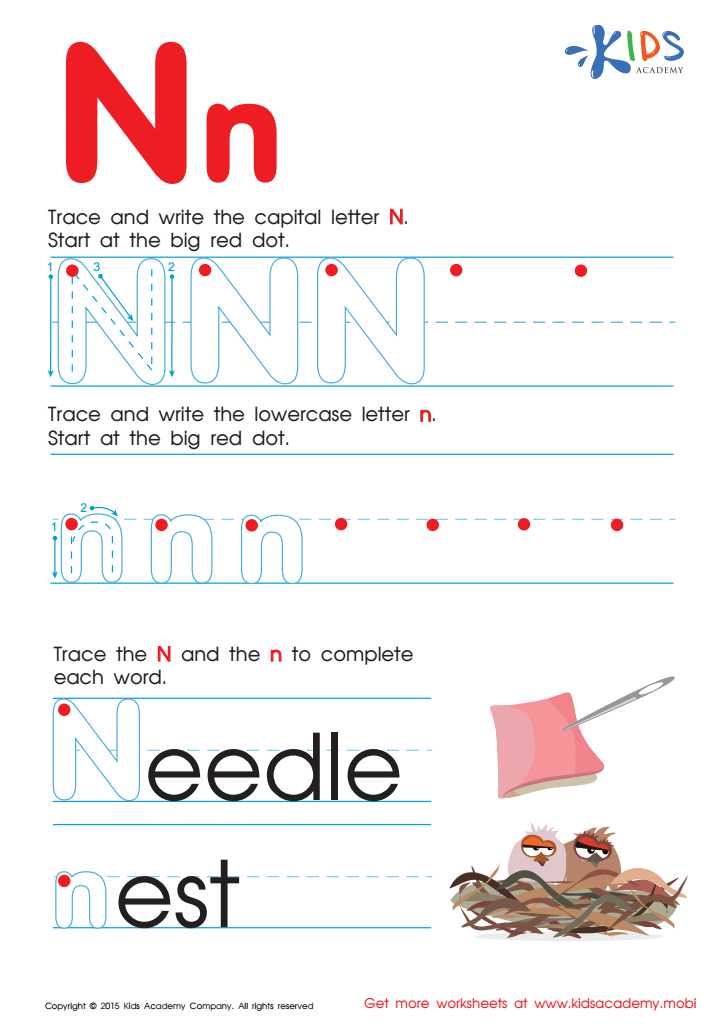
Letter N Tracing Page
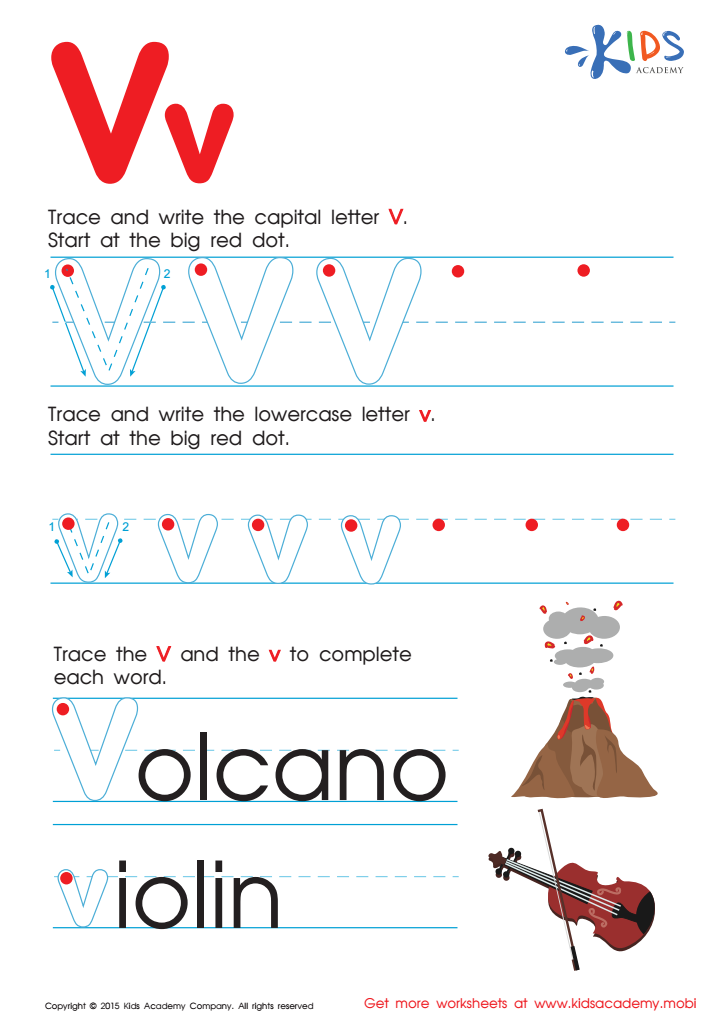
Letter V Tracing Page
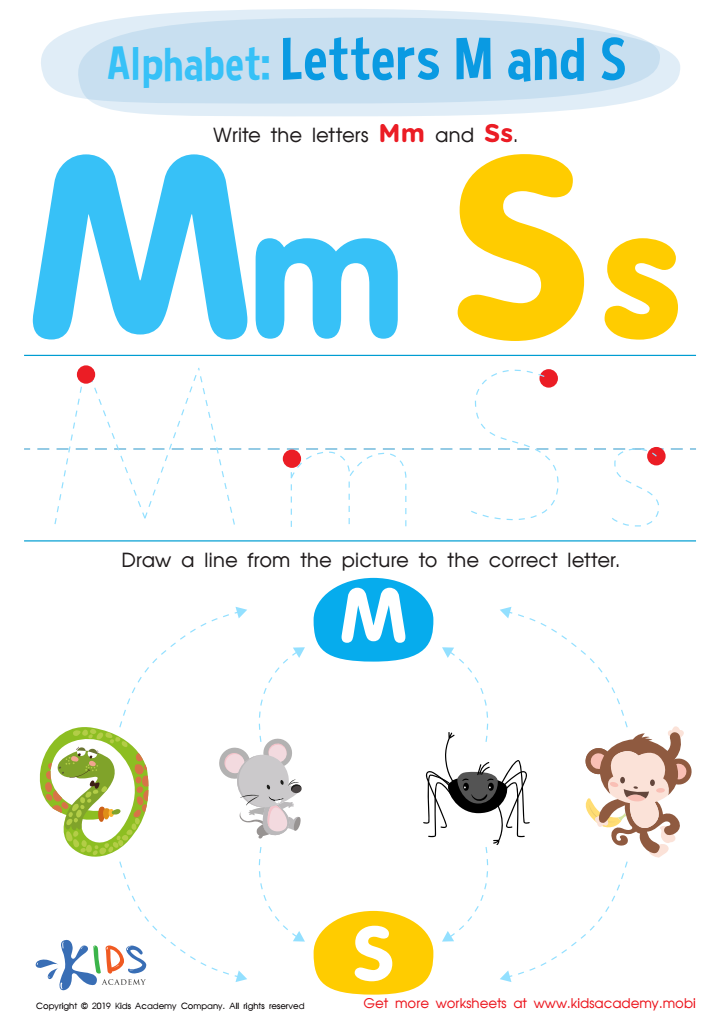
Letters M and S Tracing Worksheet
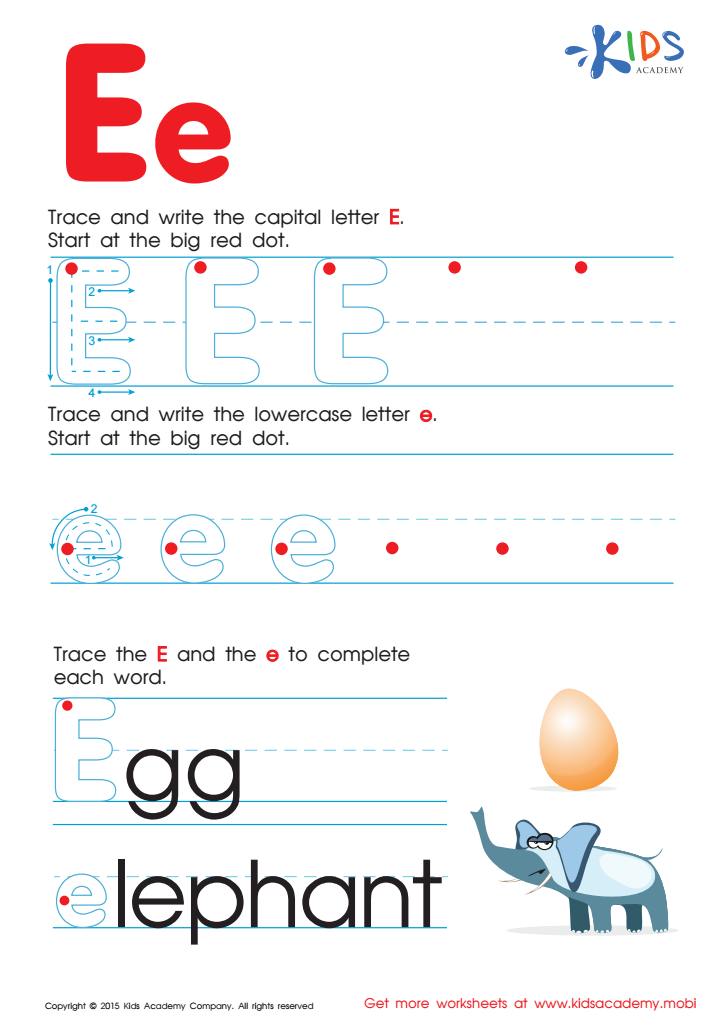
Letter E Tracing Page
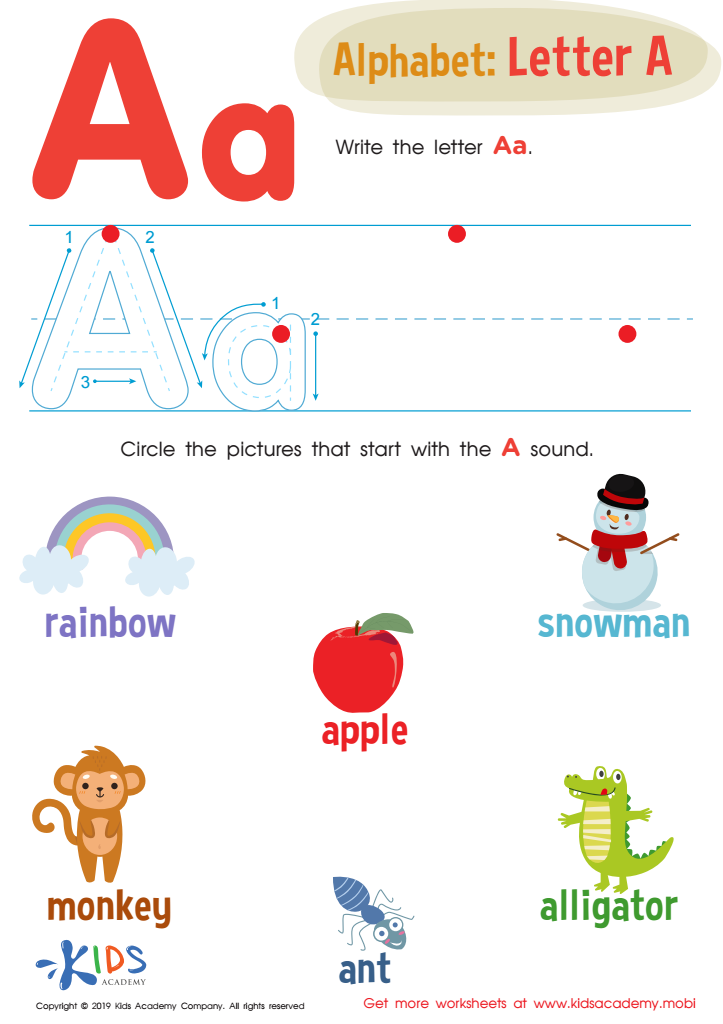
Letter A Tracing Worksheet
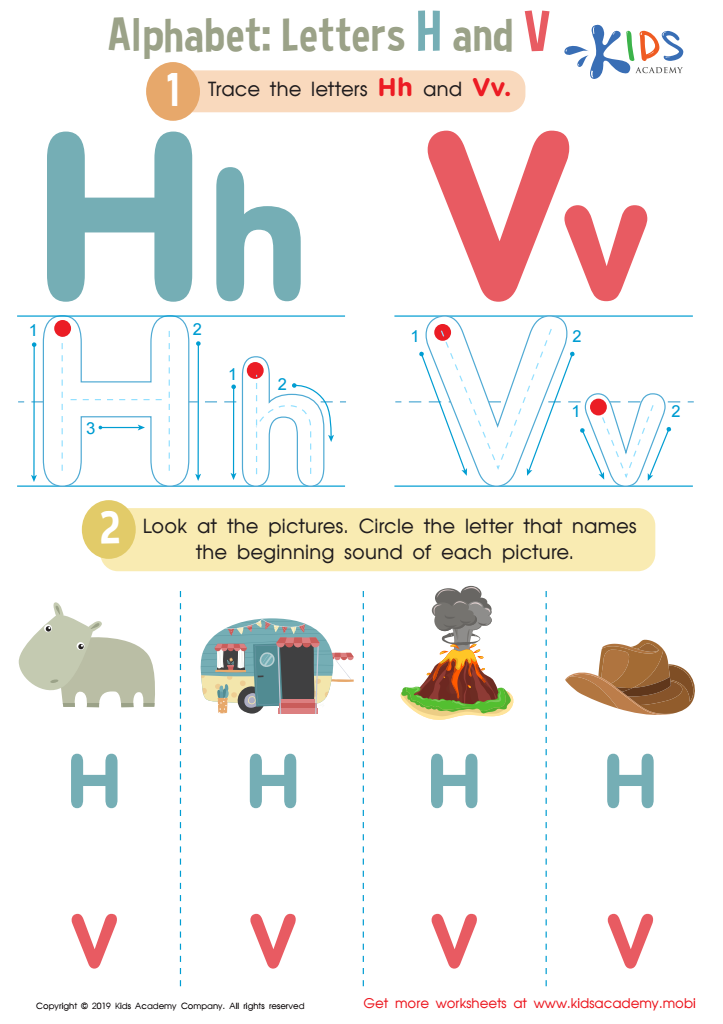
Letters H and V Tracing Worksheet
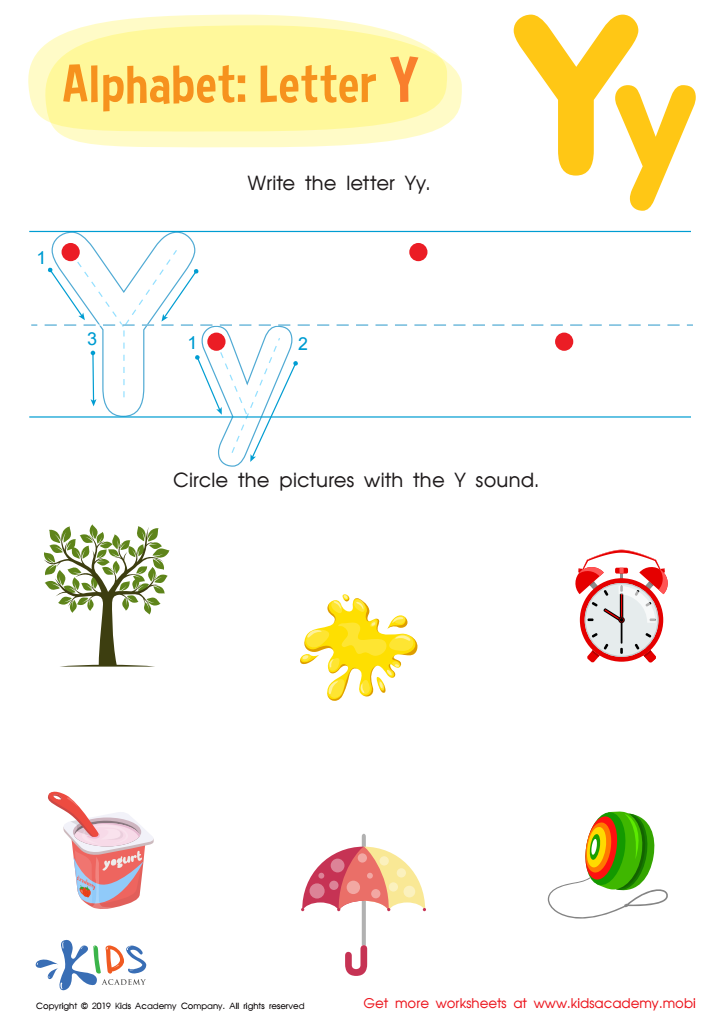
Letter Y Tracing Worksheet
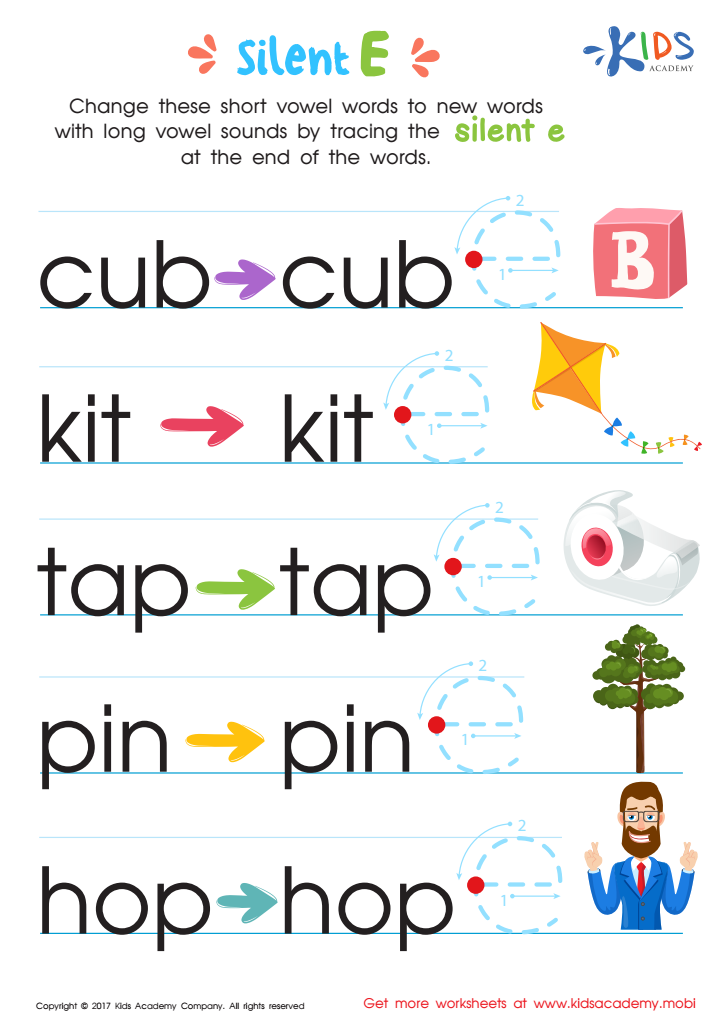
Silent E Words Worksheet
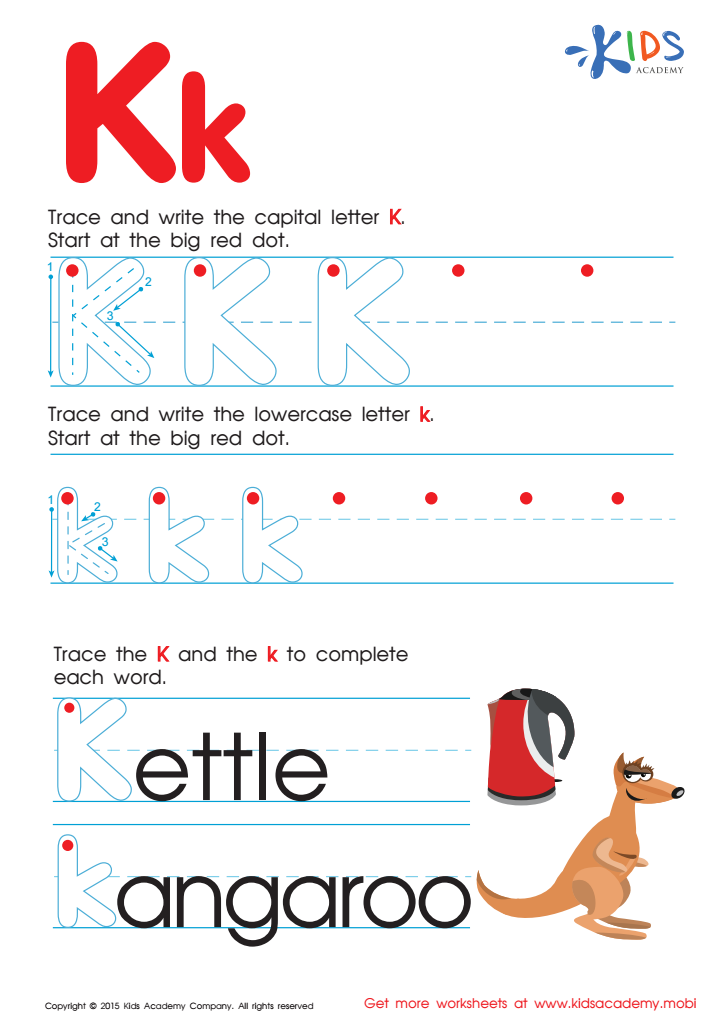
Letter K Tracing Page
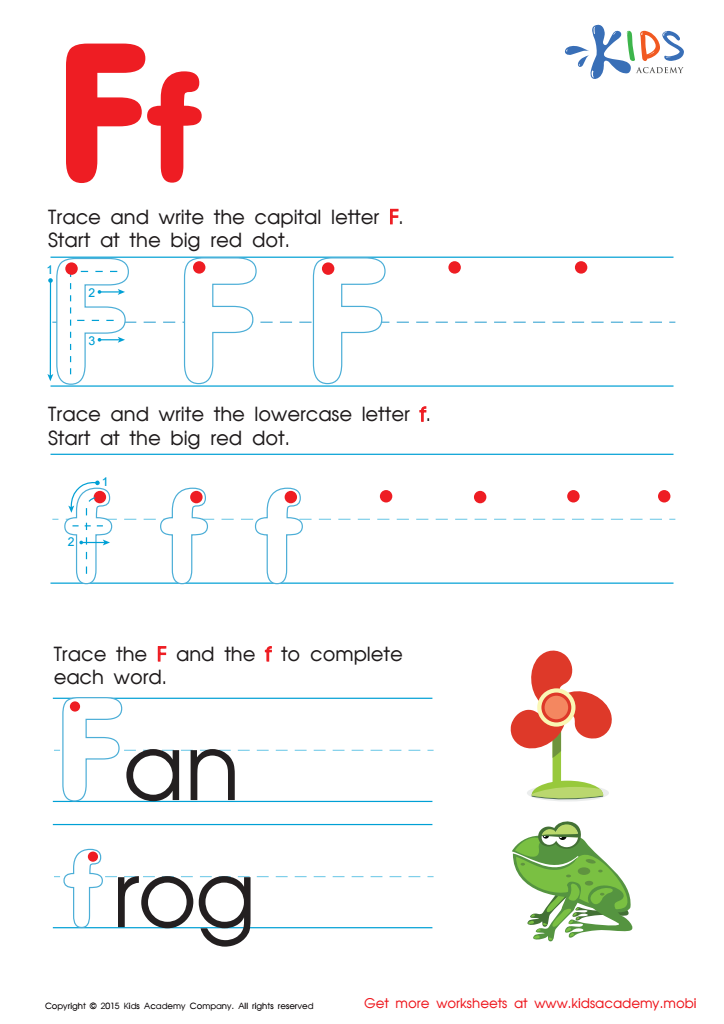
Letter F Tracing Page
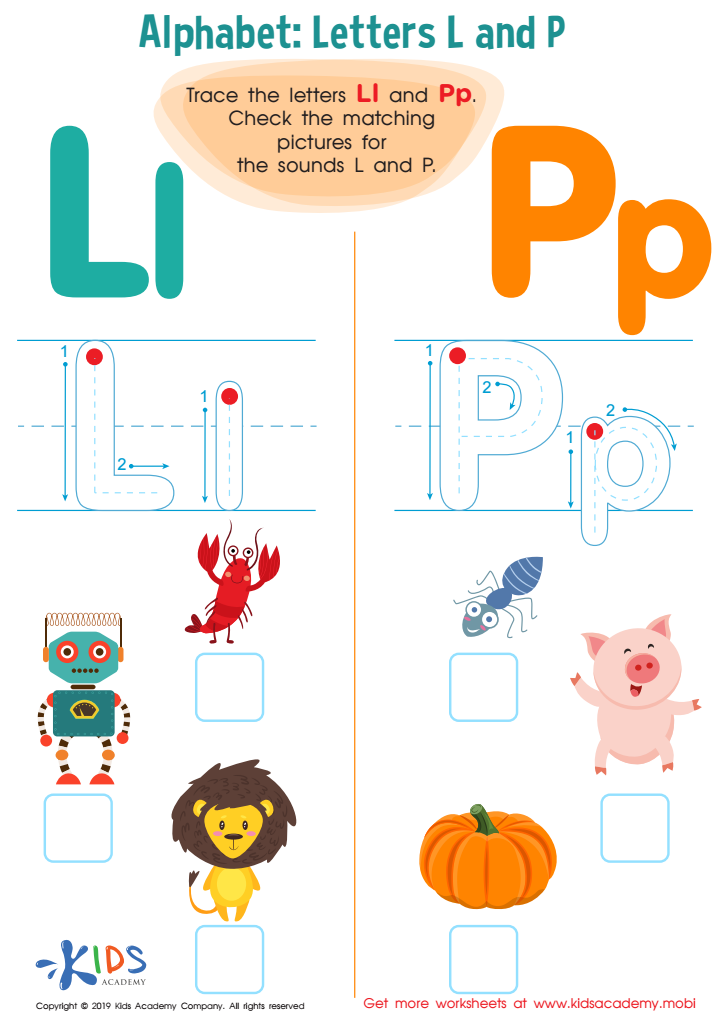
Letter L and P Tracing Worksheet
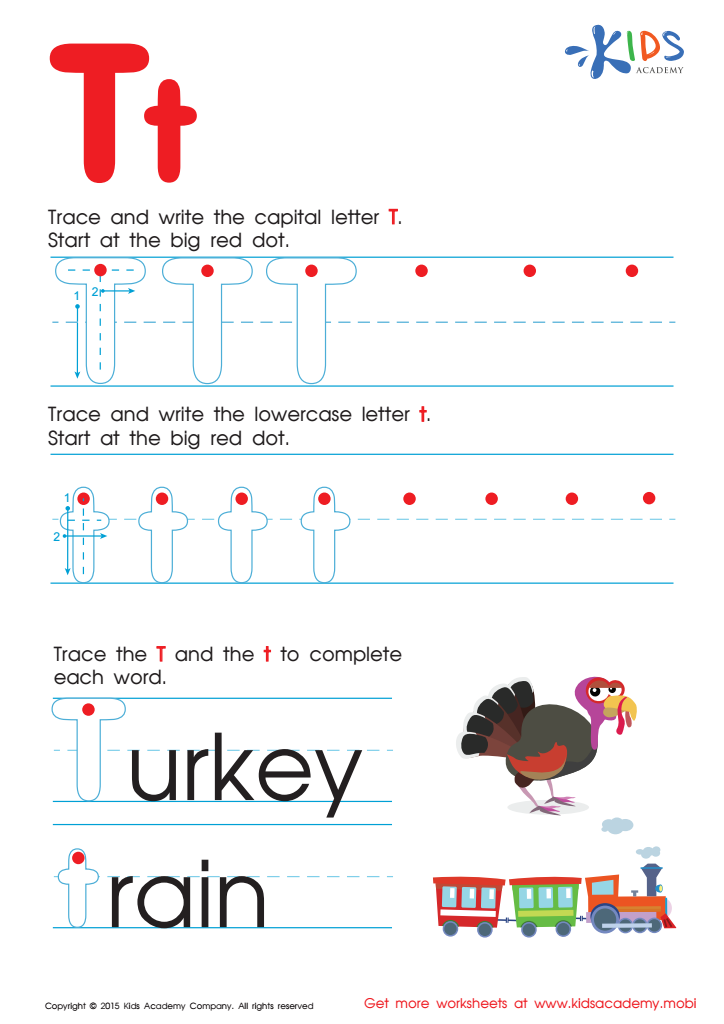
Letter T Tracing Page

Letter D Tracing Page








Tracing letters is a valuable activity for children aged 7-9, as it plays a pivotal role in their literacy development. During this stage, children are refining their fine motor skills, which are essential for effective handwriting. Tracing activities help strengthen the muscles in their hands and fingers, promoting better control and precision when writing. This foundational skill not only aids in producing neat and legible handwriting but also boosts their confidence, encouraging them to express themselves in writing.
Moreover, tracing letters fosters letter recognition, a key aspect of reading proficiency. As children trace the shapes of letters, they develop a stronger visual memory that aids in recognizing letters in different fonts and contexts. This also contributes to phonemic awareness, as they begin to associate letters with sounds, facilitating their journey toward reading fluency.
Additionally, these activities can be tailored to the individual learning pace of each child, allowing educators and parents to provide targeted support. Incorporating tracing activities into learning routines can turn what may seem like a mundane task into an enjoyable and enriching experience, paving the way for a lifelong love of reading and writing. Thus, both parents and teachers have every reason to prioritize these activities.








