Normal Tracing worksheets activities for Ages 3-7 - Page 2
98 filtered results
-
From - To

Snowman Tracing Winter Words Worksheet
 Assign to My Students
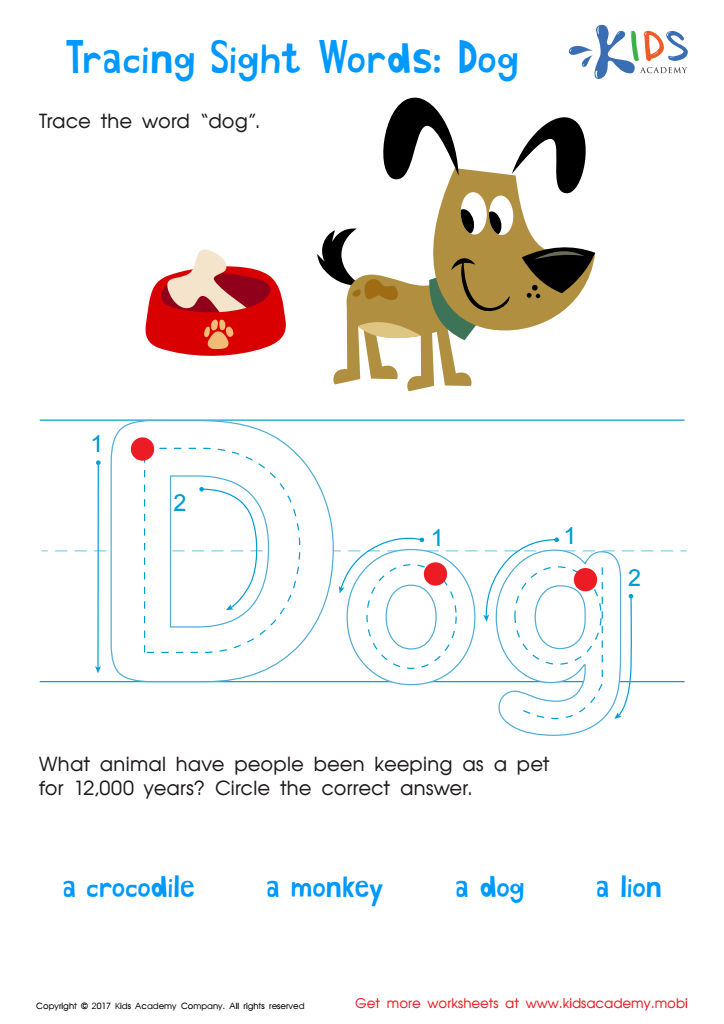
Dog Worksheet Sight Words Worksheet
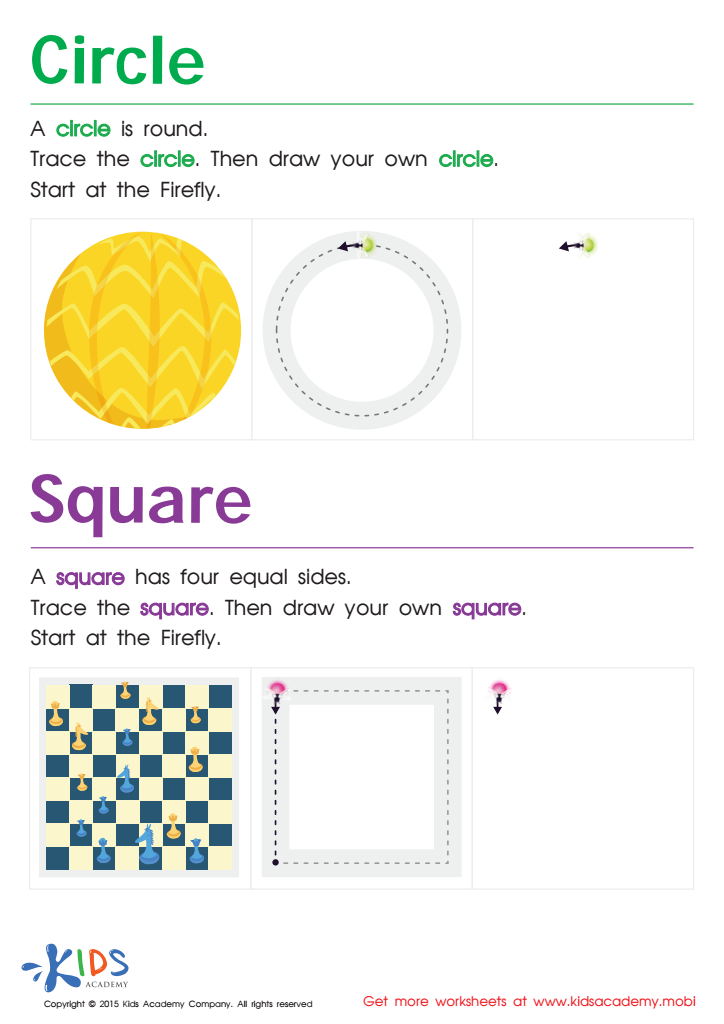
Trace And Draw a Circle And a Square Worksheet

The Sun and a Bee Spelling Worksheet
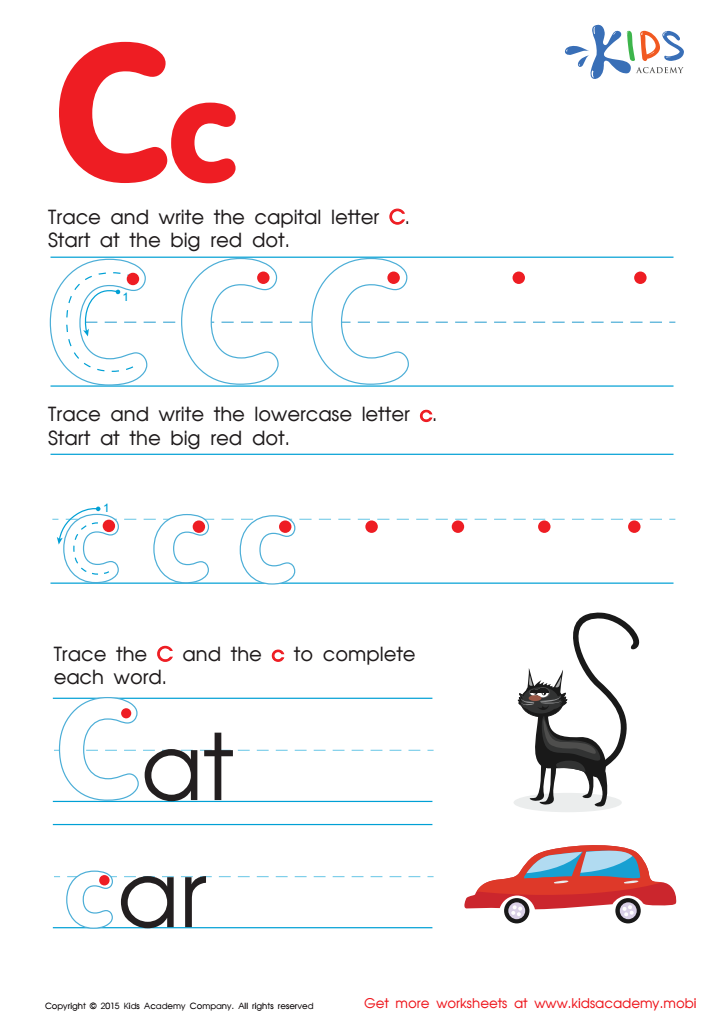
Letter C Tracing Page
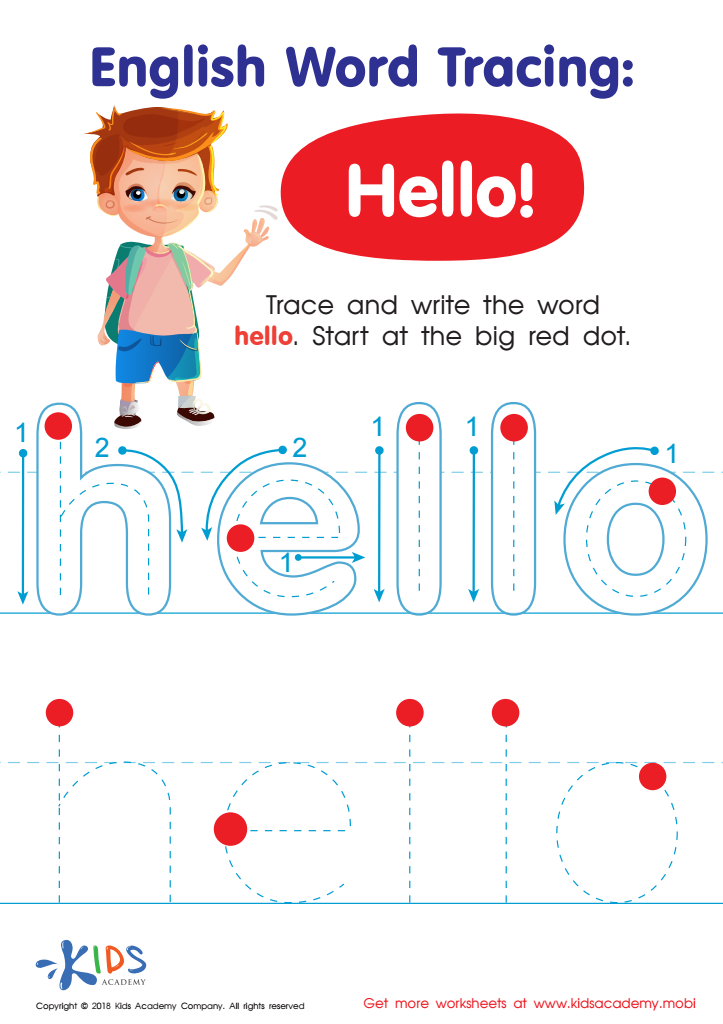
English Word Tracing: Hello Worksheet
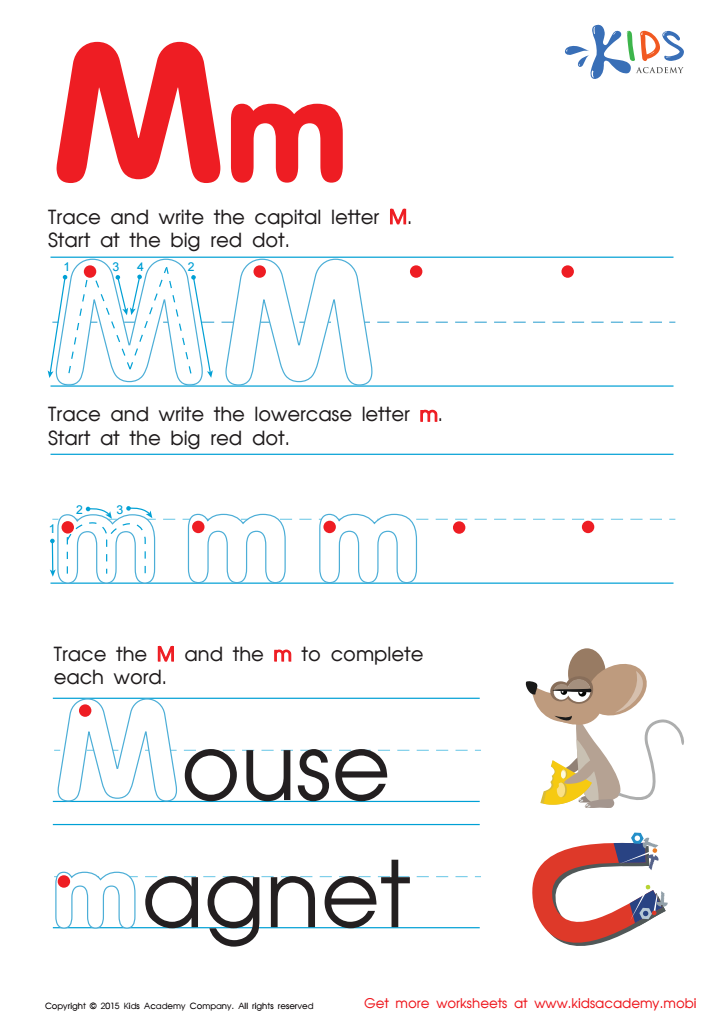
Letter M Tracing Page
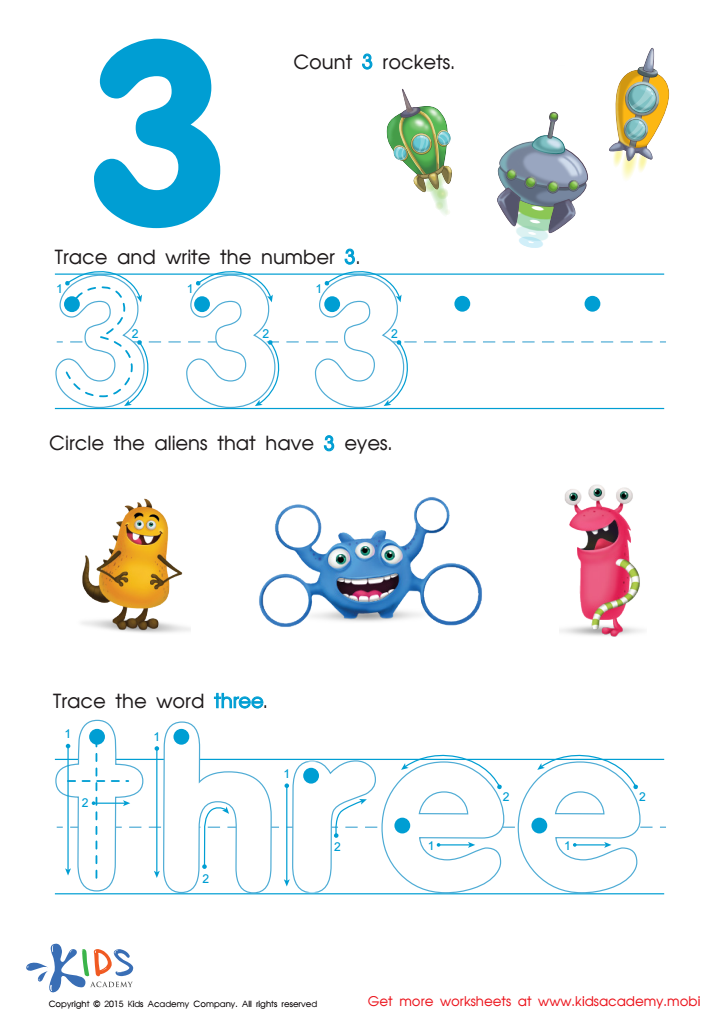
Learning Number Three Worksheet
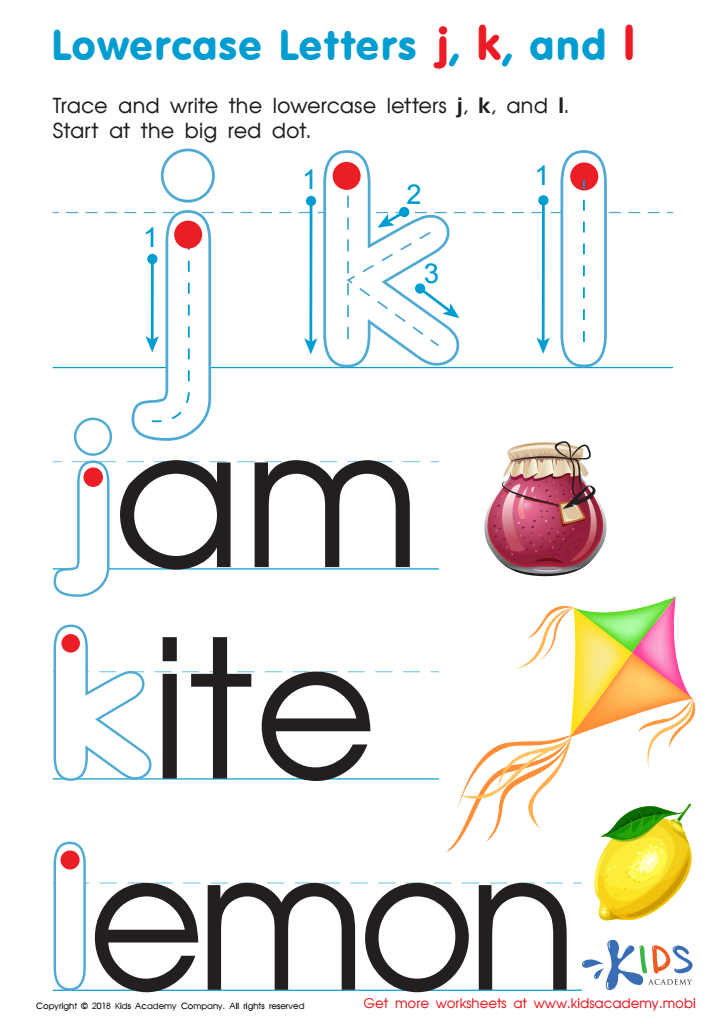
Lowercase Letters j k l Worksheet
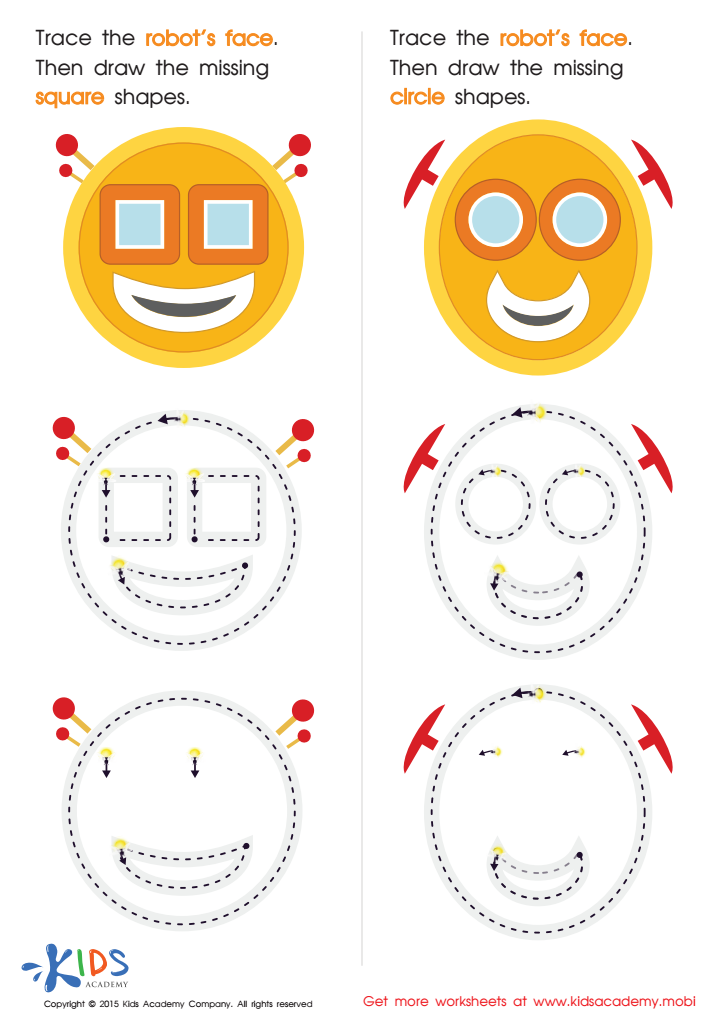
Practicing to Draw Circles And Squares Printable
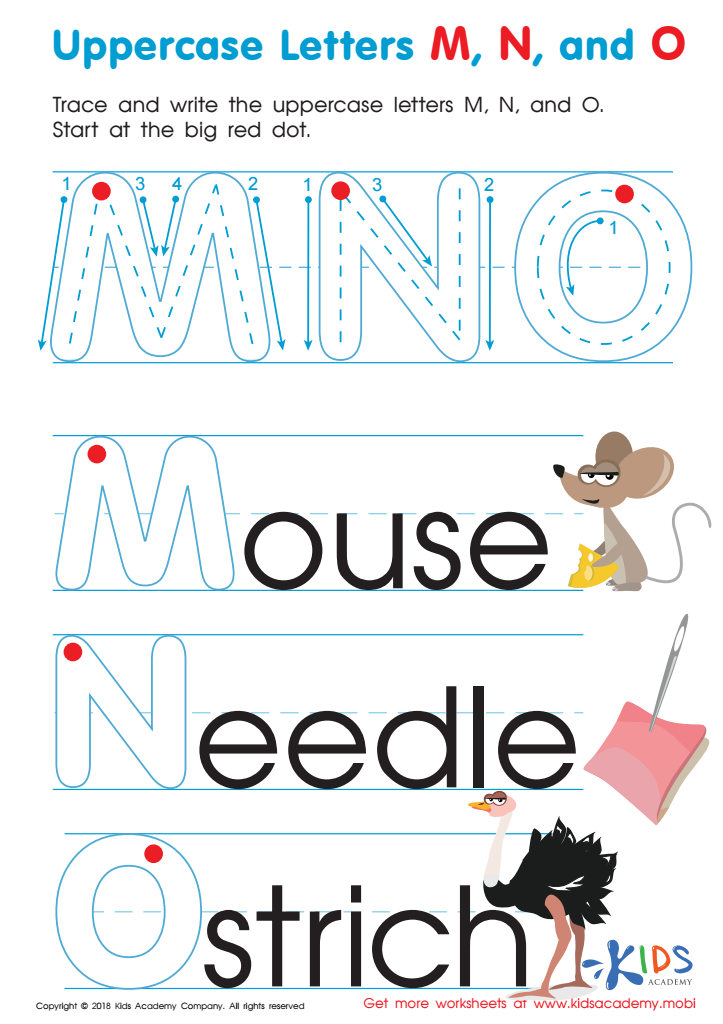
Uppercase Letters M, N, and O Worksheet
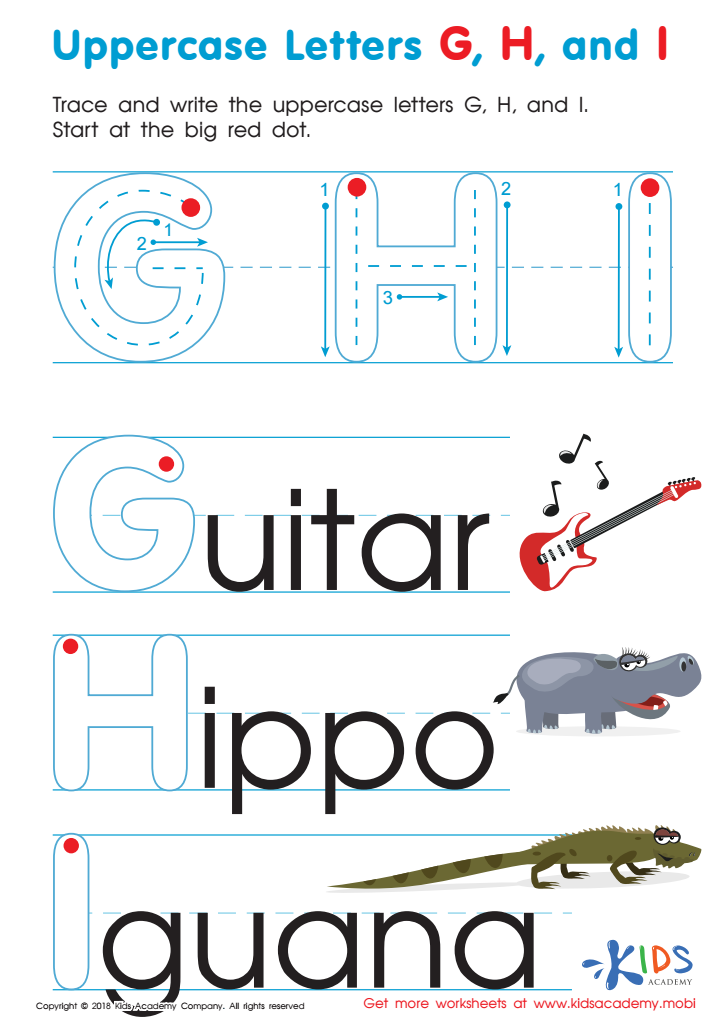
Uppercase Letters G, H, and I Worksheet
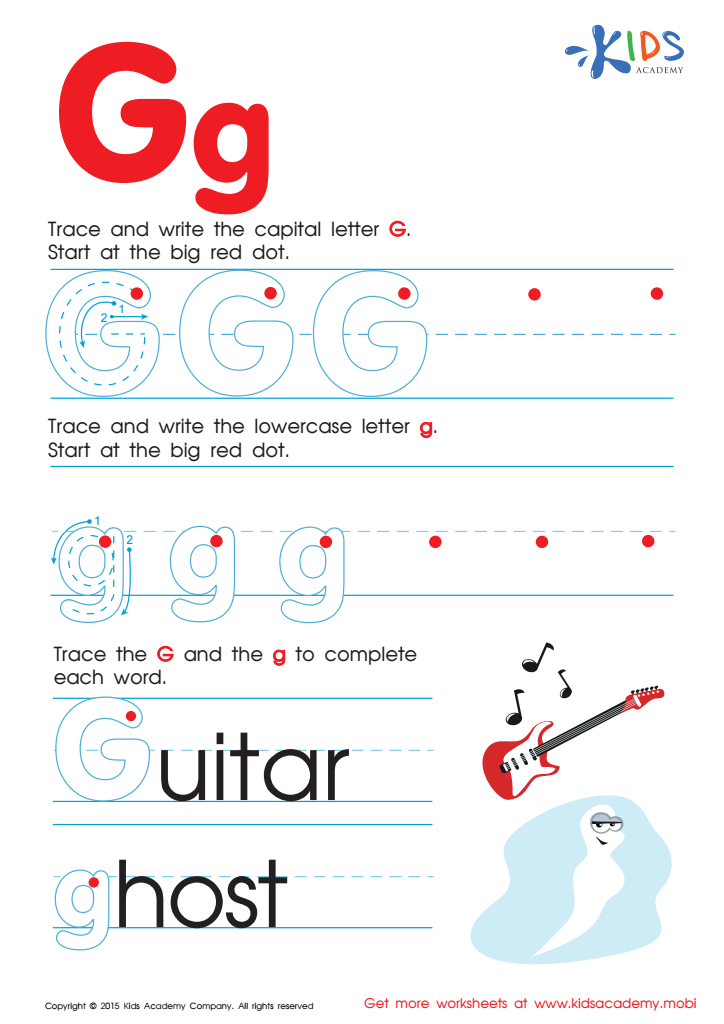
Letter G Tracing Page

Pink Tracing Color Words Worksheet
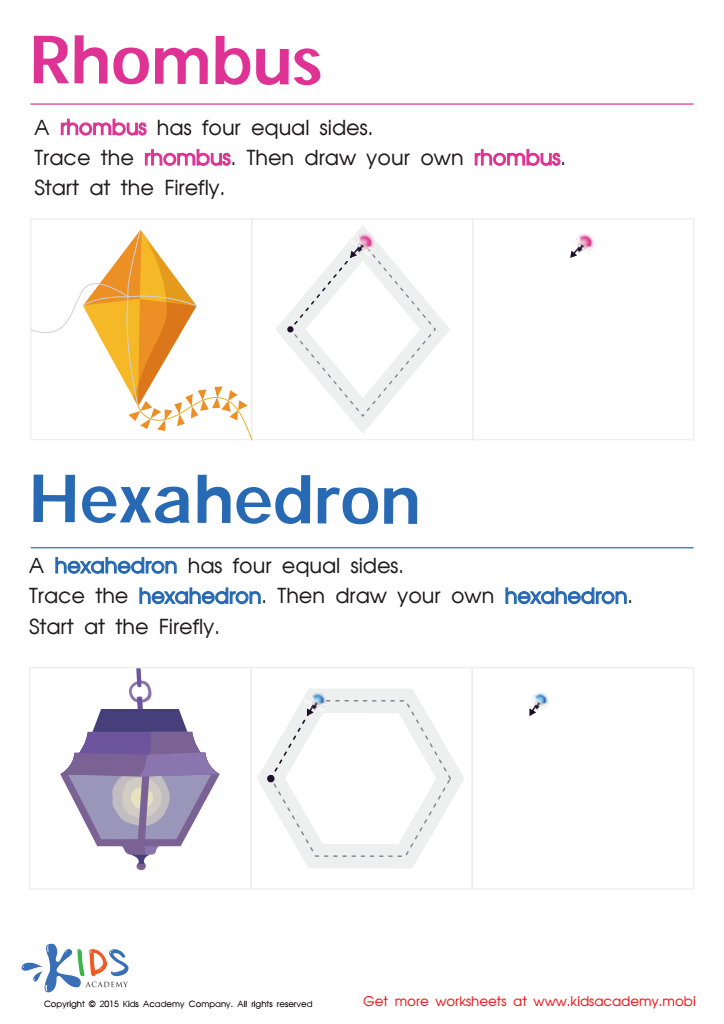
Draw a Rhombus And a Hexahedron Printable

Red Tracing Color Words Printable

Finding 5 in the Family Worksheet
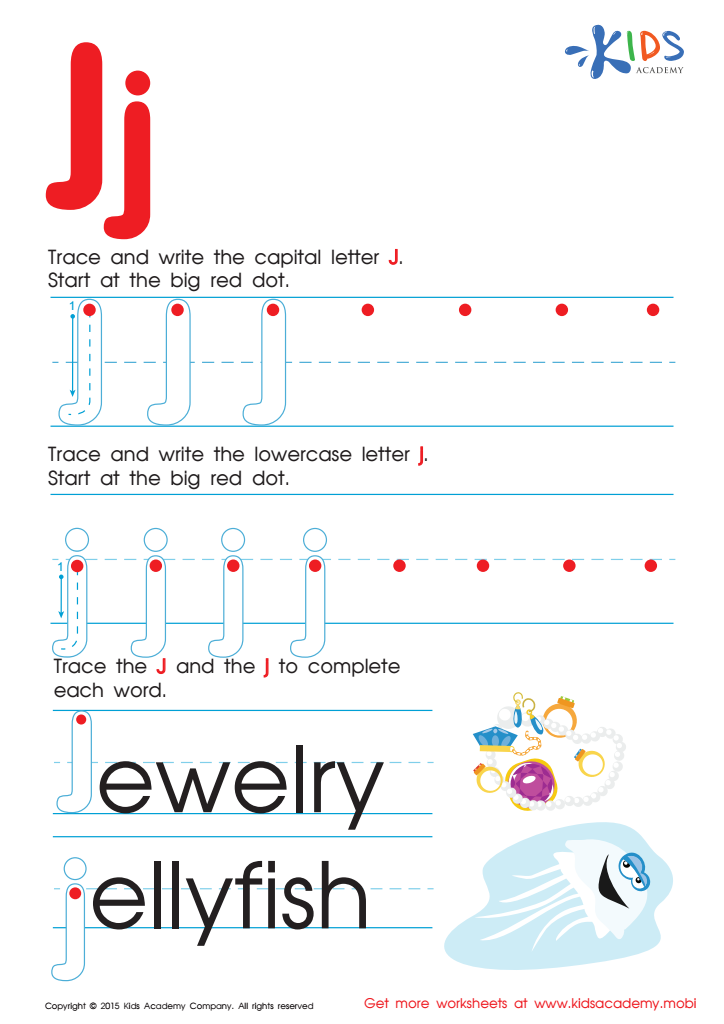
Letter J Tracing Page
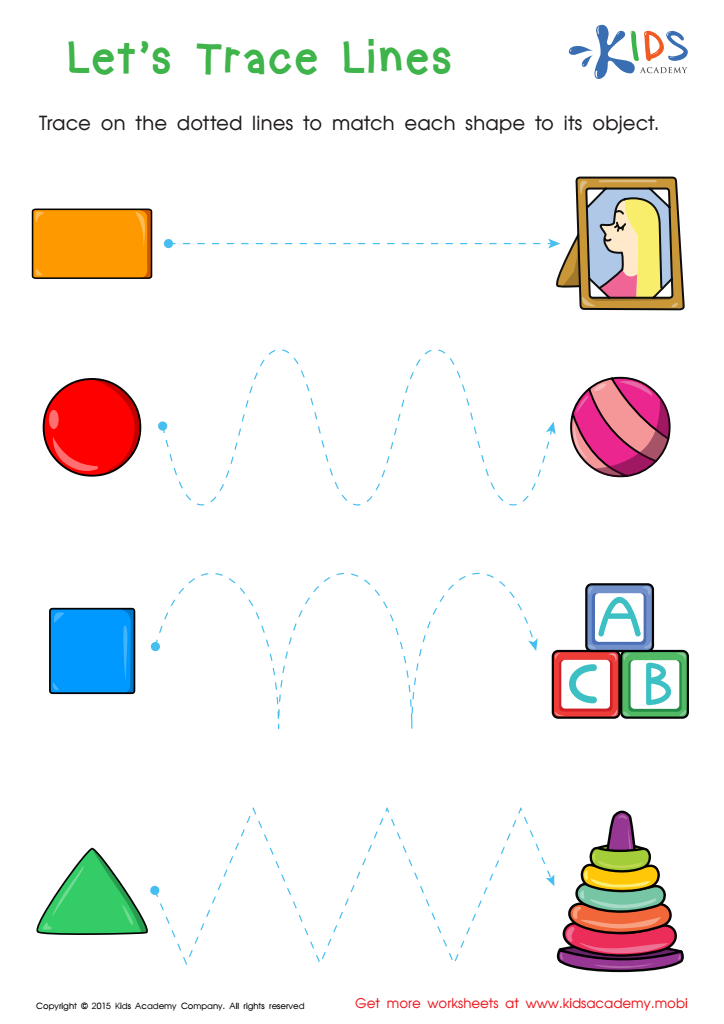
First Words: Let's Trace Lines Worksheet
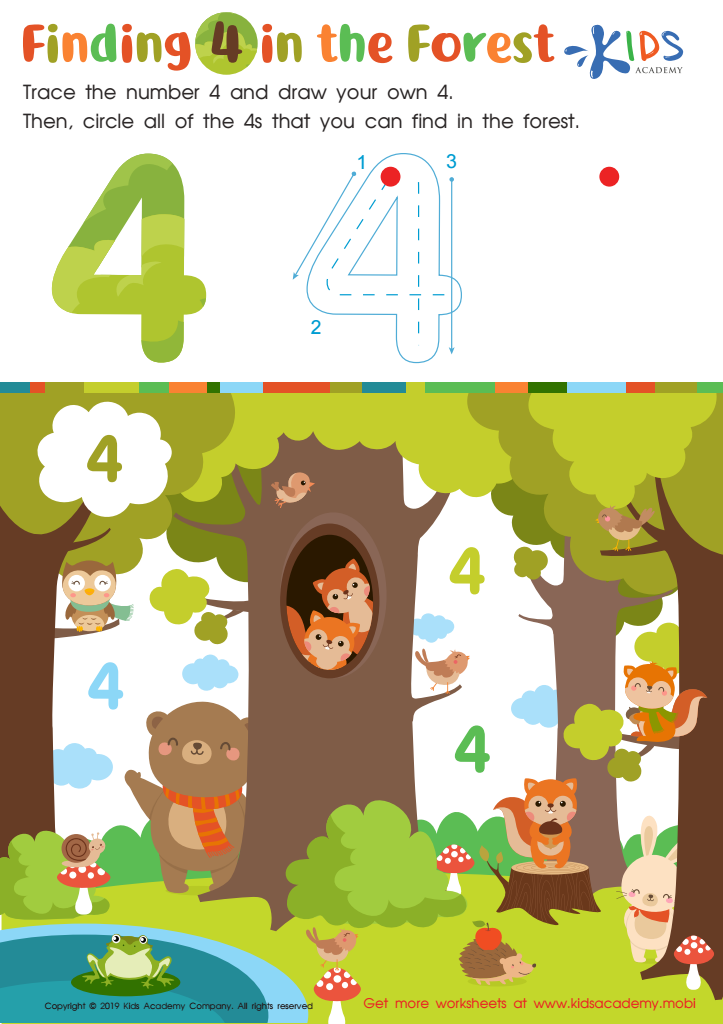
Finding 4 in the Forest Worksheet
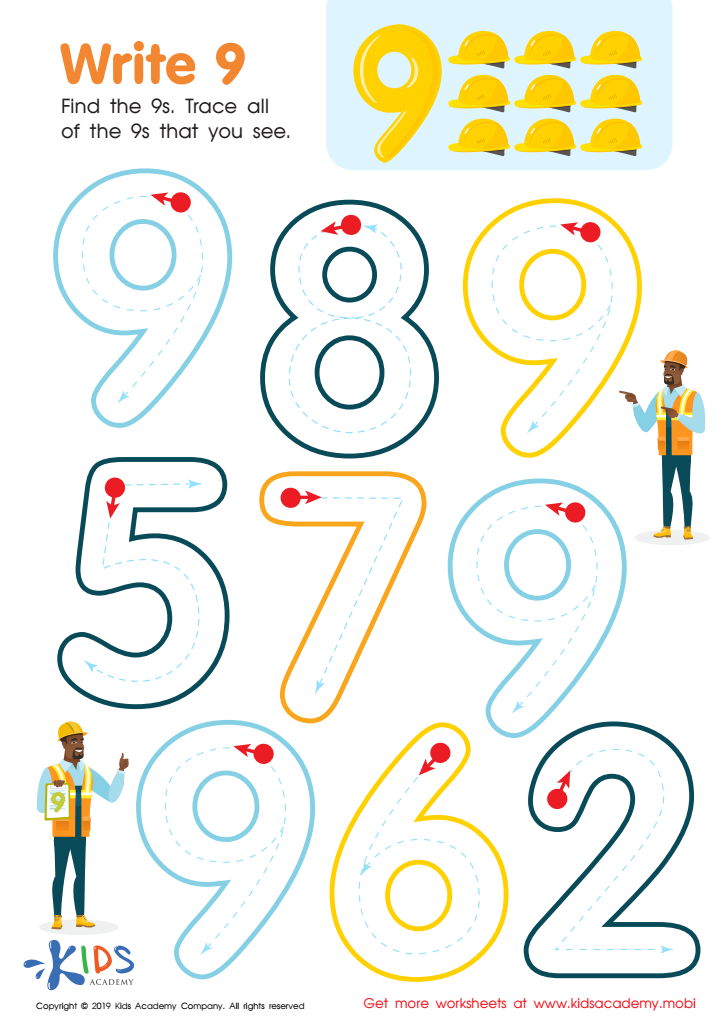
Write 9 Worksheet
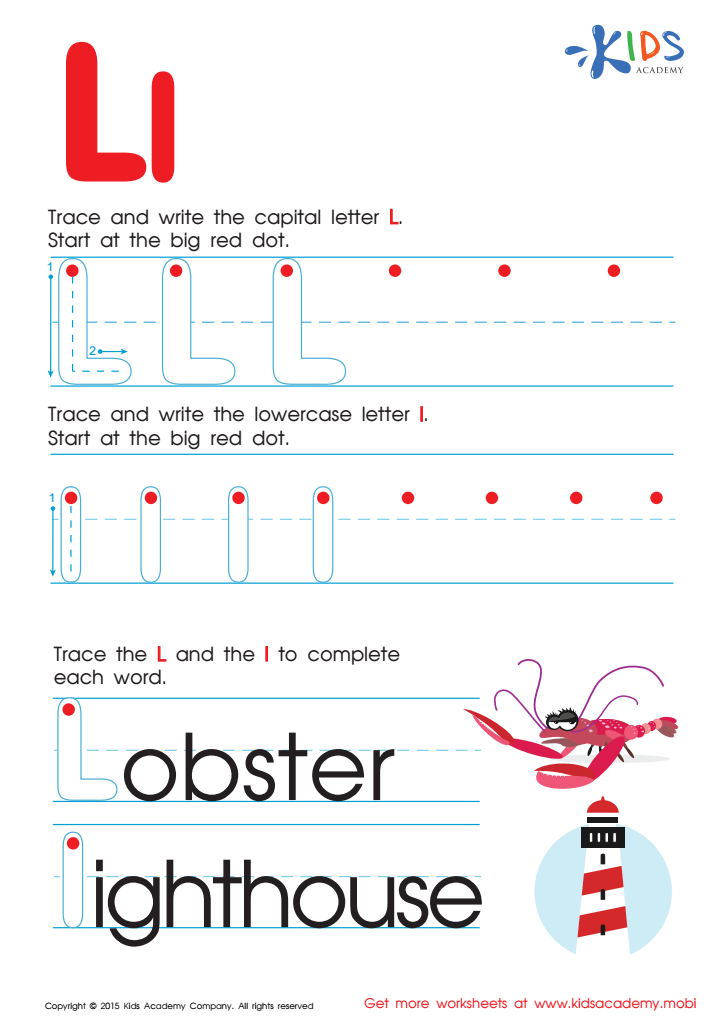
Letter L Tracing Page
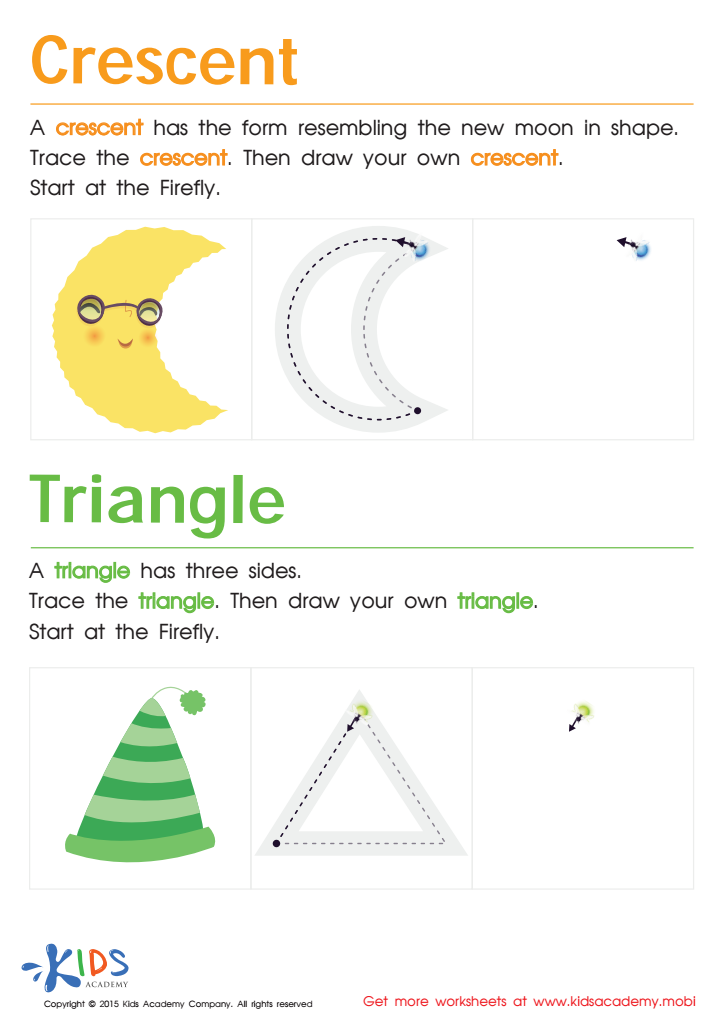
Learning to Draw Crescents And Triangles Worksheet
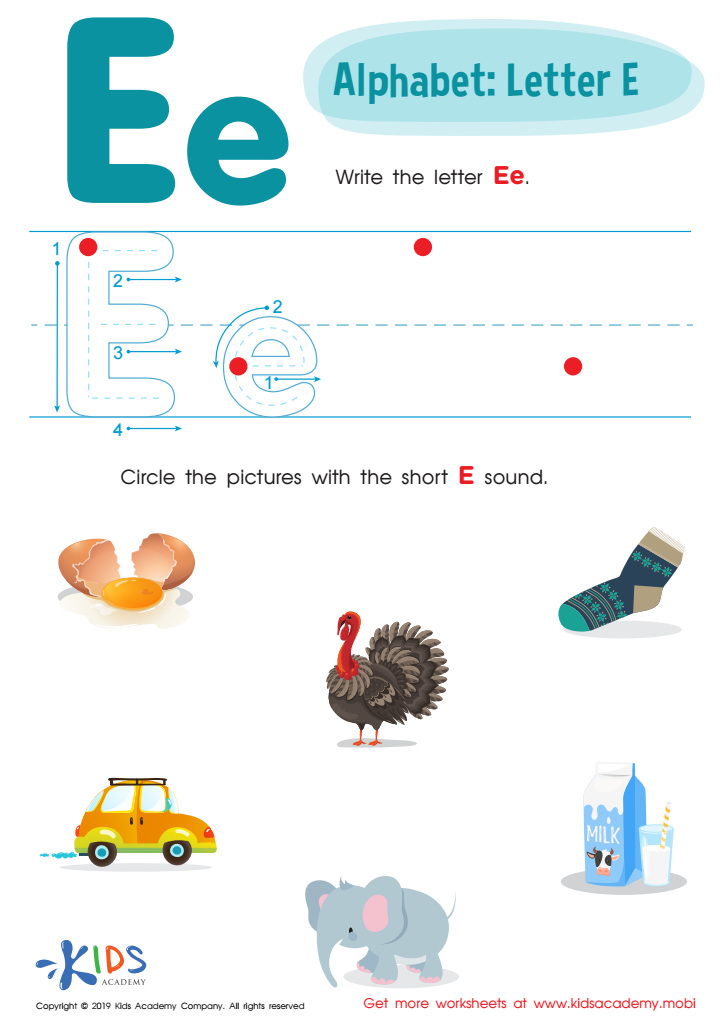
Letter E Tracing Worksheet


.jpg)





Normal tracing activities are essential for young children aged 3-7 as they play a significant role in early childhood development. Engaging in tracing helps improve fine motor skills, which are crucial for tasks like writing, drawing, and self-care. By practicing these skills, children can develop better hand-eye coordination and dexterity.
Additionally, tracing activities foster cognitive development. They encourage focus, concentration, and recognition of shapes, letters, and numbers. As children trace different patterns, they simultaneously enhance their understanding of spatial awareness and multi-sensory learning, blending visual input with physical activity.
Social interaction is another benefit of tracing activities in classroom or home settings. When parents or teachers engage with children during these activities, it promotes bonding, encourages language development, and provides opportunities for positive reinforcement.
Furthermore, tracing helps build foundational literacy skills. By tracing letters, children can start recognizing letter forms and sounds, setting the stage for effective reading and writing in the future.
In summary, parents and teachers should prioritize normal tracing activities as they contribute significantly to fine motor skills, cognitive growth, social interaction, and early literacy, ultimately laying a strong foundation for children's lifelong learning and development.








