Normal Knowledge Check worksheets activities for Ages 6-9 - Page 2
37 filtered results
-
From - To
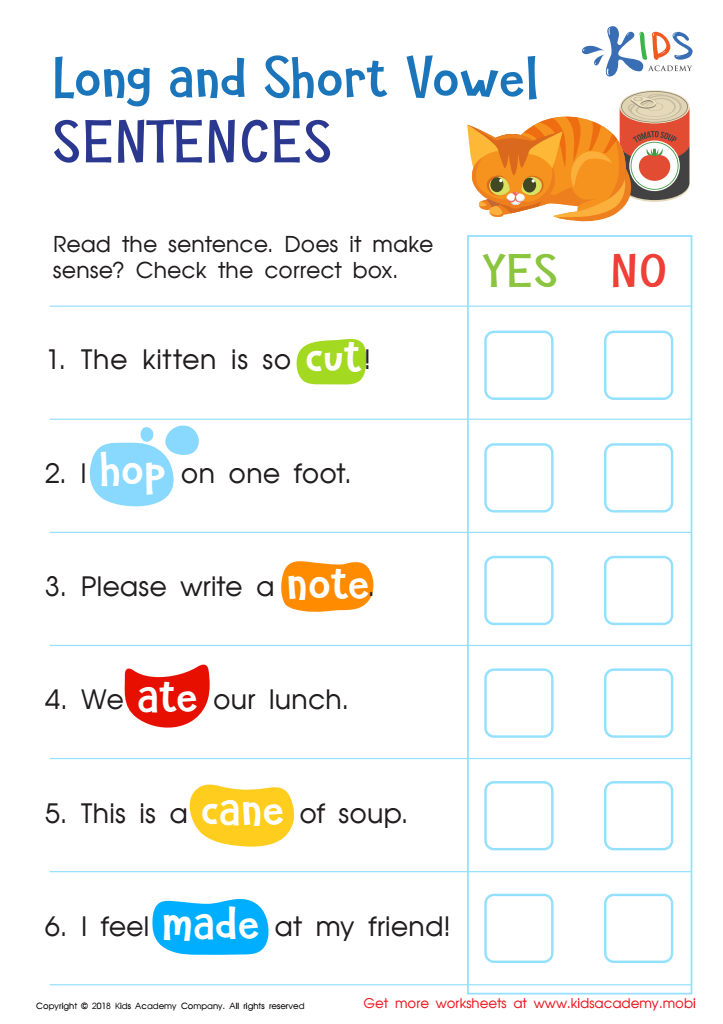
Long and Short Vowel Sentences: Assessment Worksheet
 Assign to My Students
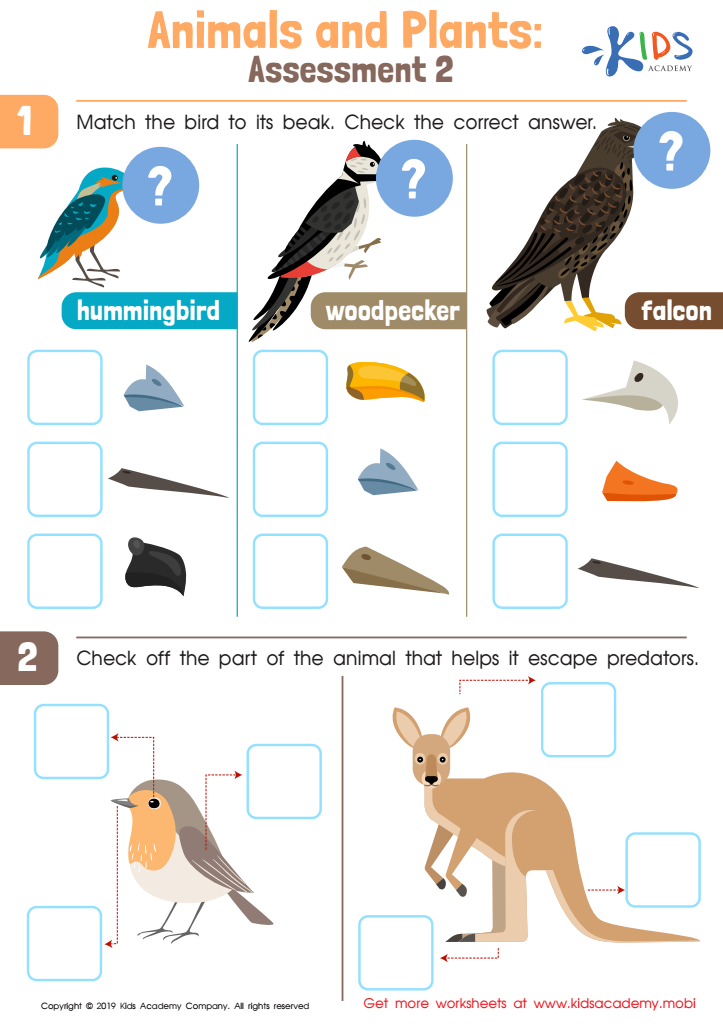
Animals and Plants: Assessment 2 Worksheet
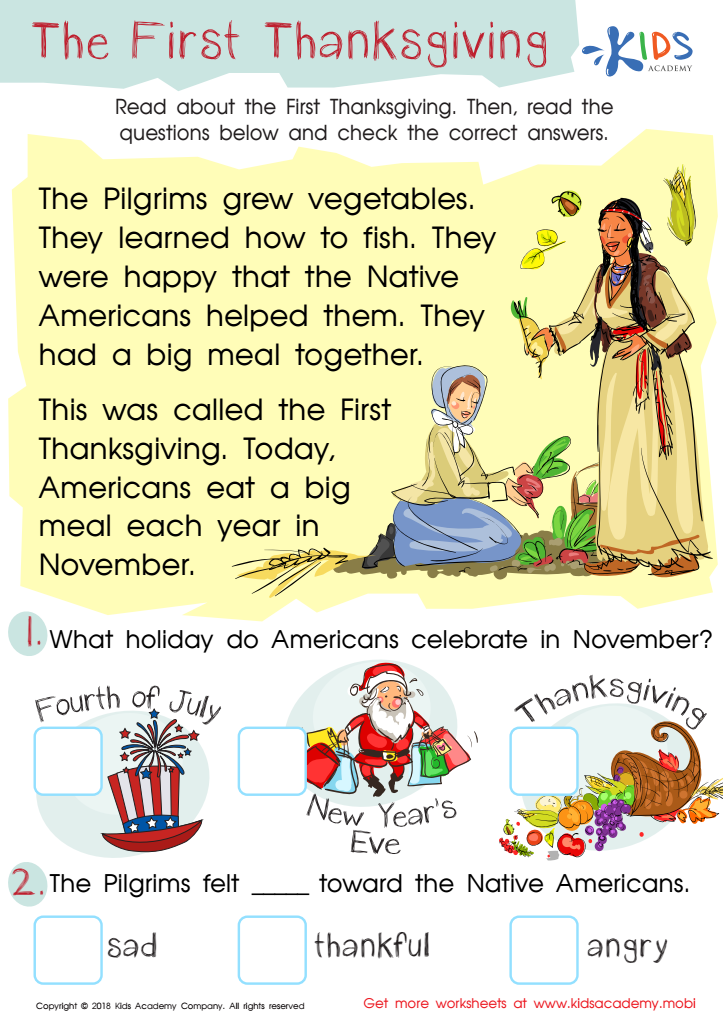
Assessment: First Thanksgiving Worksheet
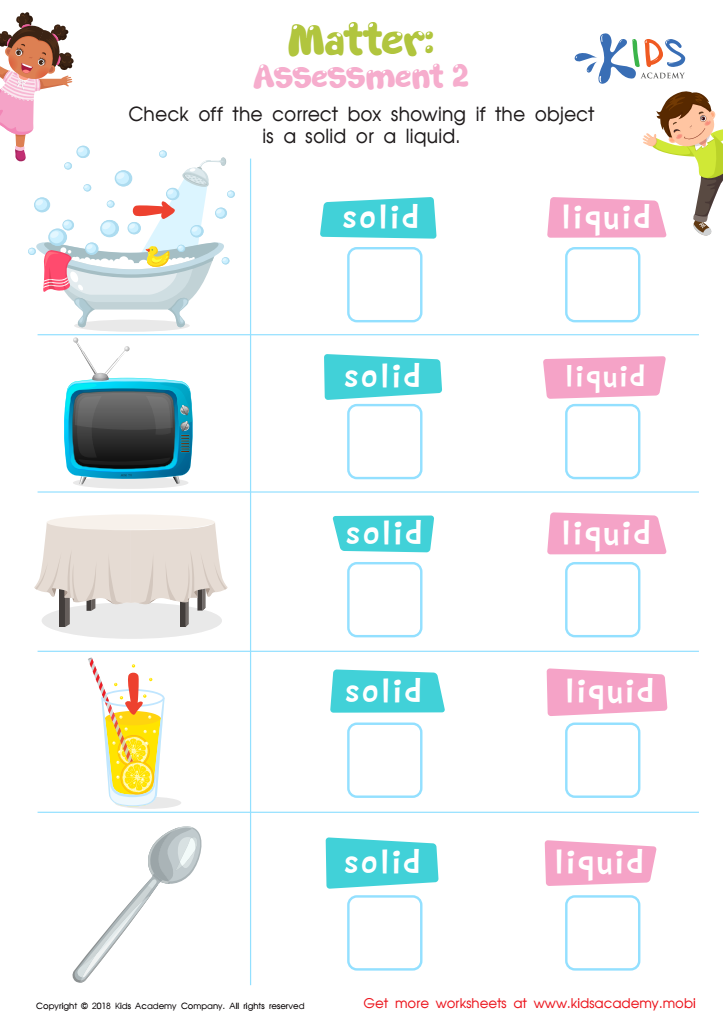
Matter: Assessment 2 Worksheet
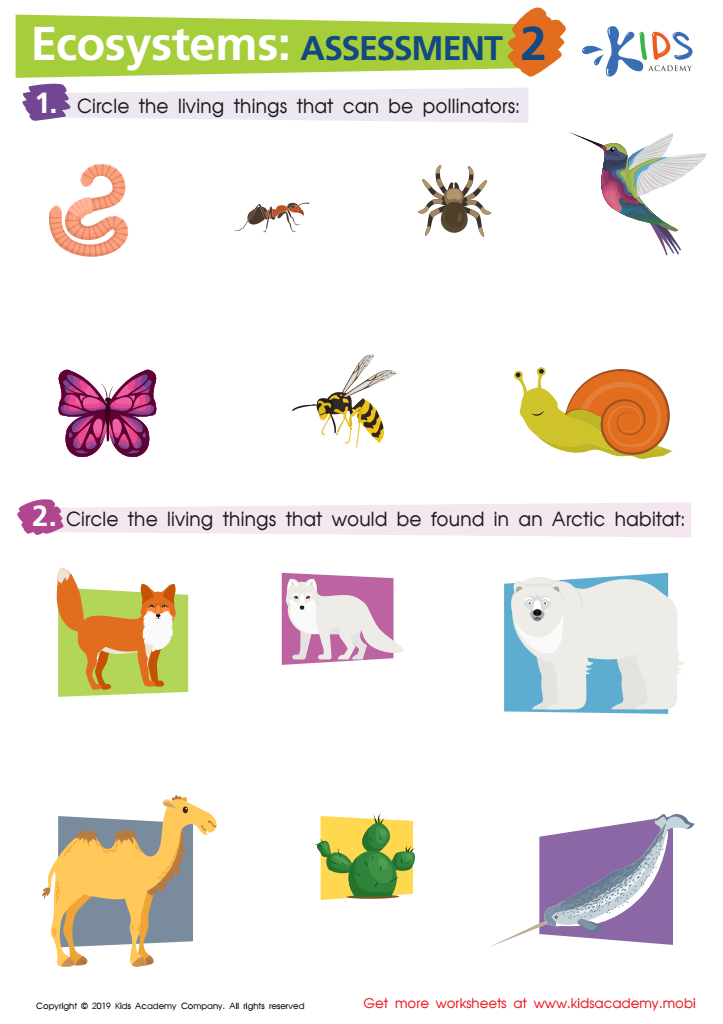
Ecosystems: Assessment 2 Worksheet
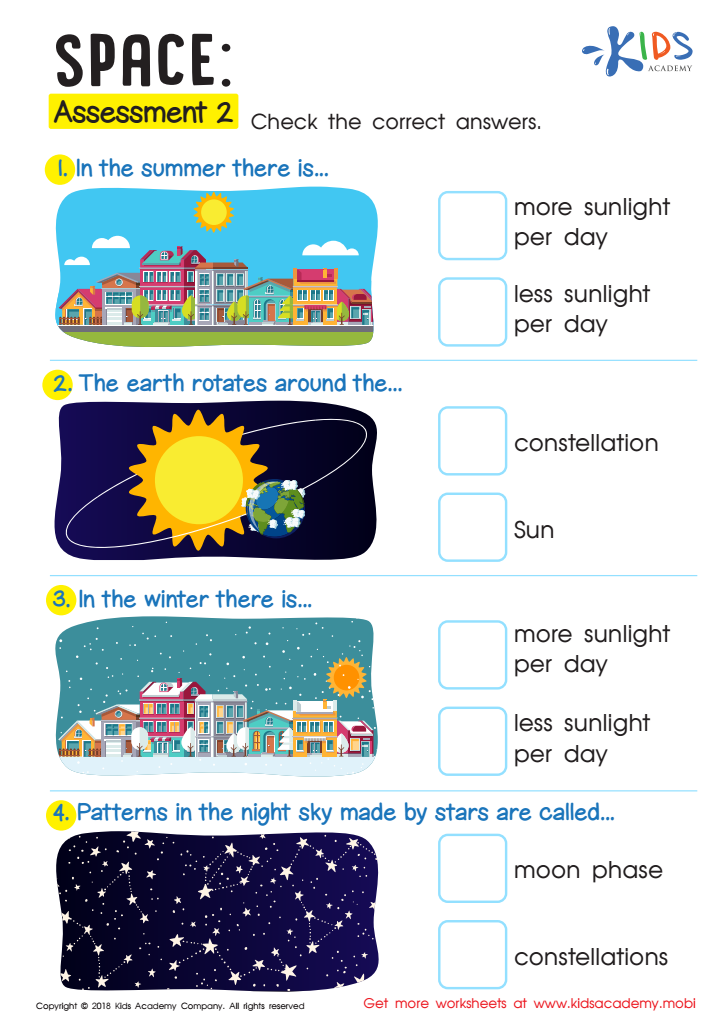
Space: Assessment 2 Worksheet
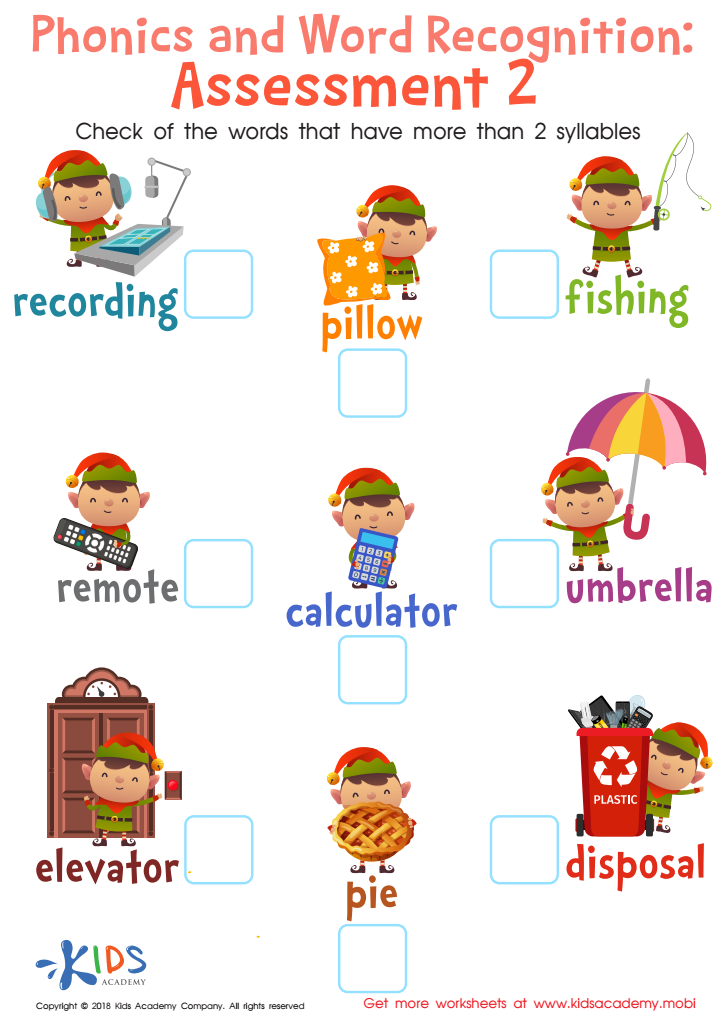
Phonics and Word Recognition: Assessment 2 Worksheet
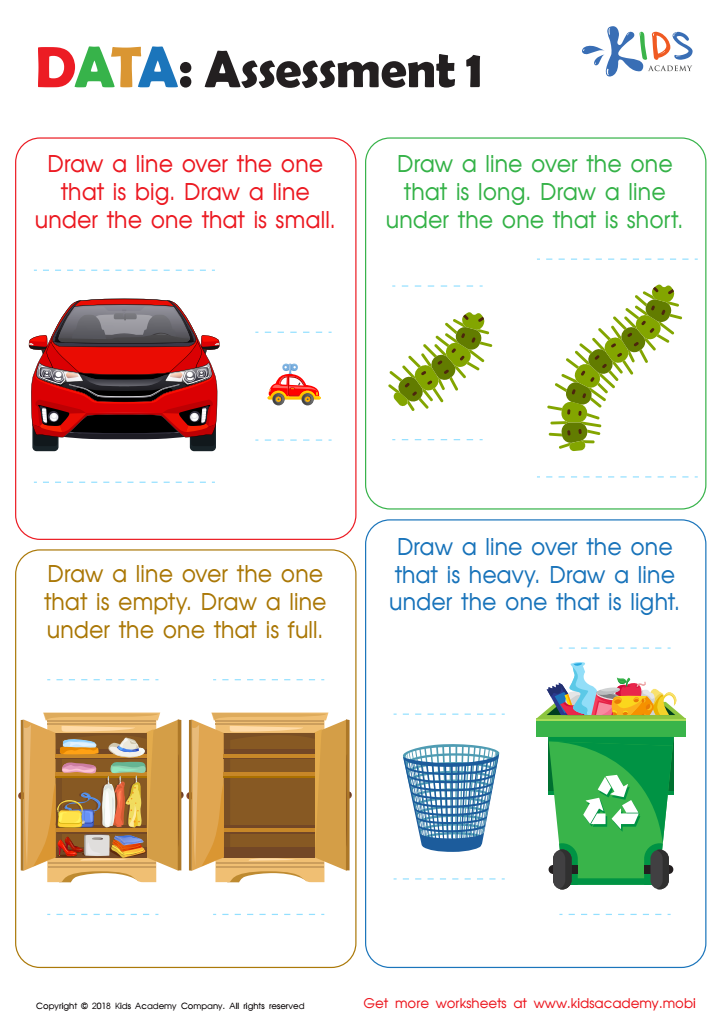
Data: Assessment 1 Worksheet
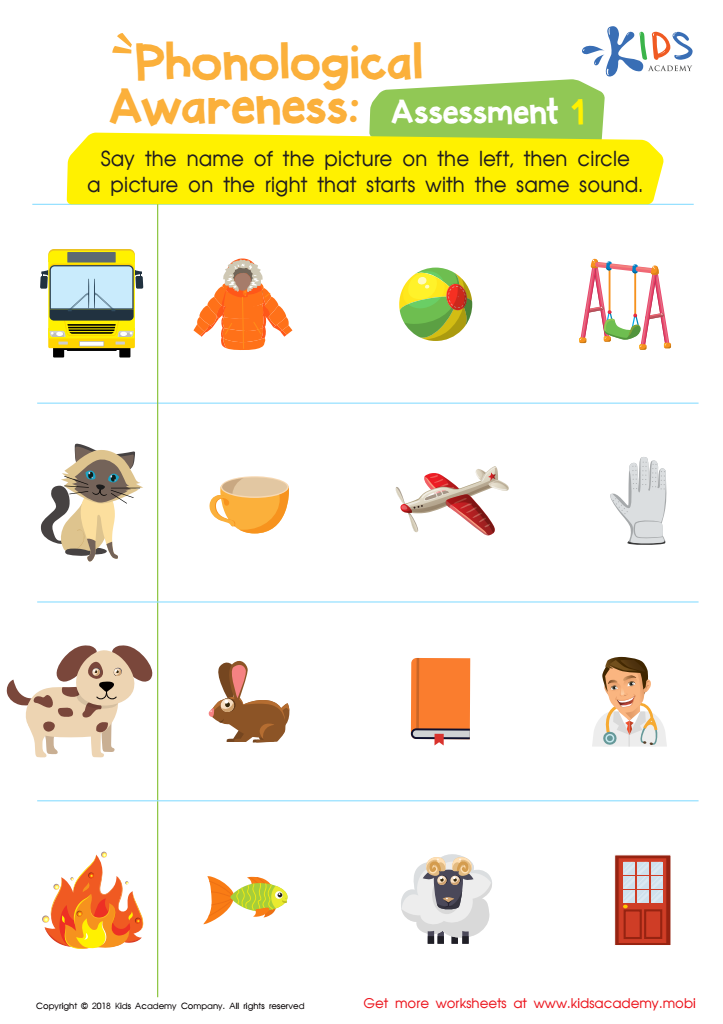
Phonological Awareness: Assessment 1 Worksheet
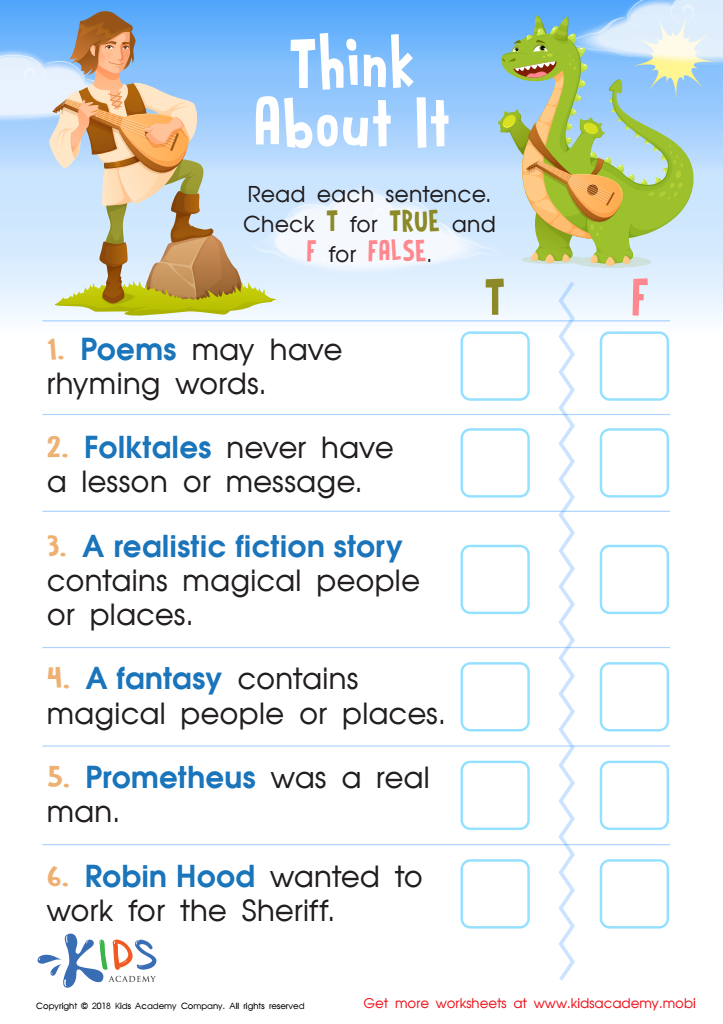
Think About It: Assessment Worksheet
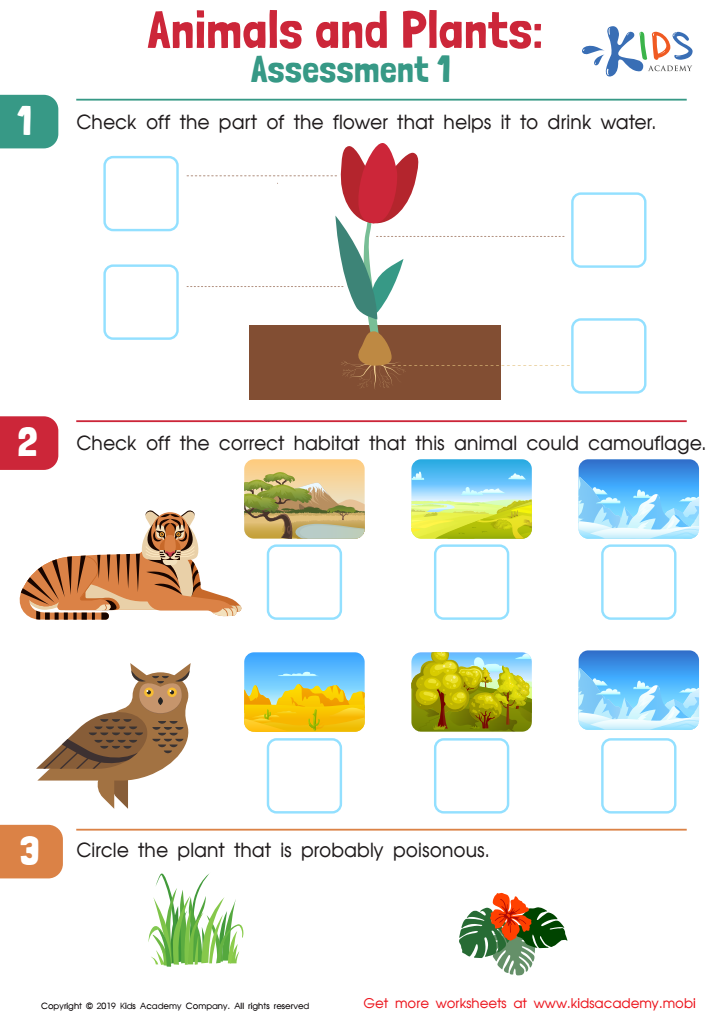
Animals and Plants: Assessment 1 Worksheet
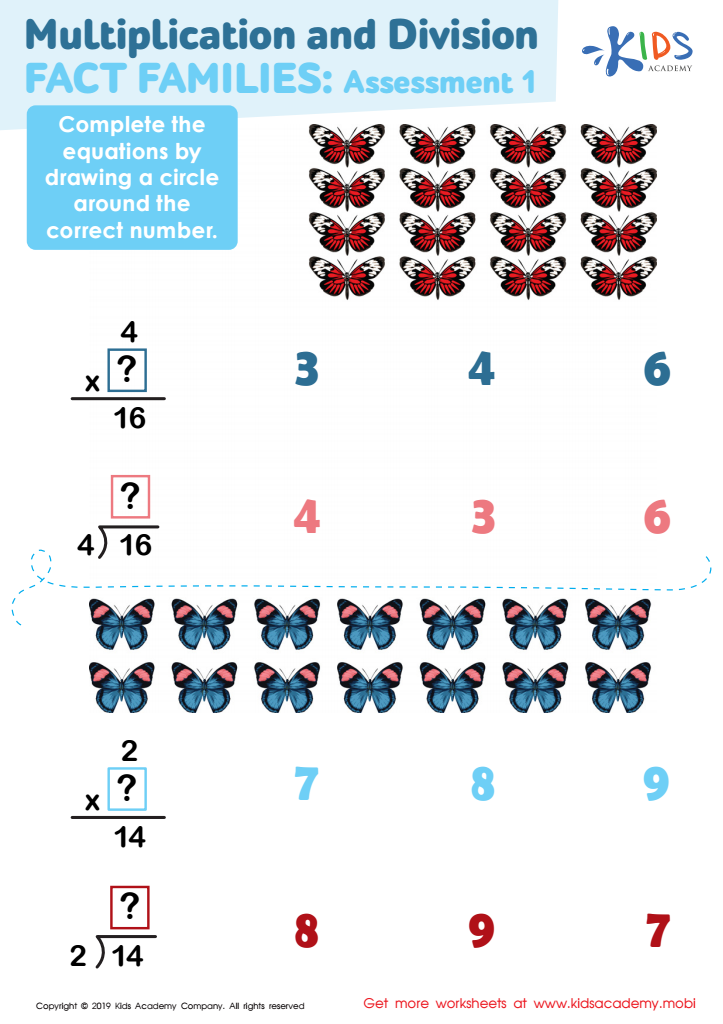
Multiplication and Division Fact Families Assessment 1 Worksheet
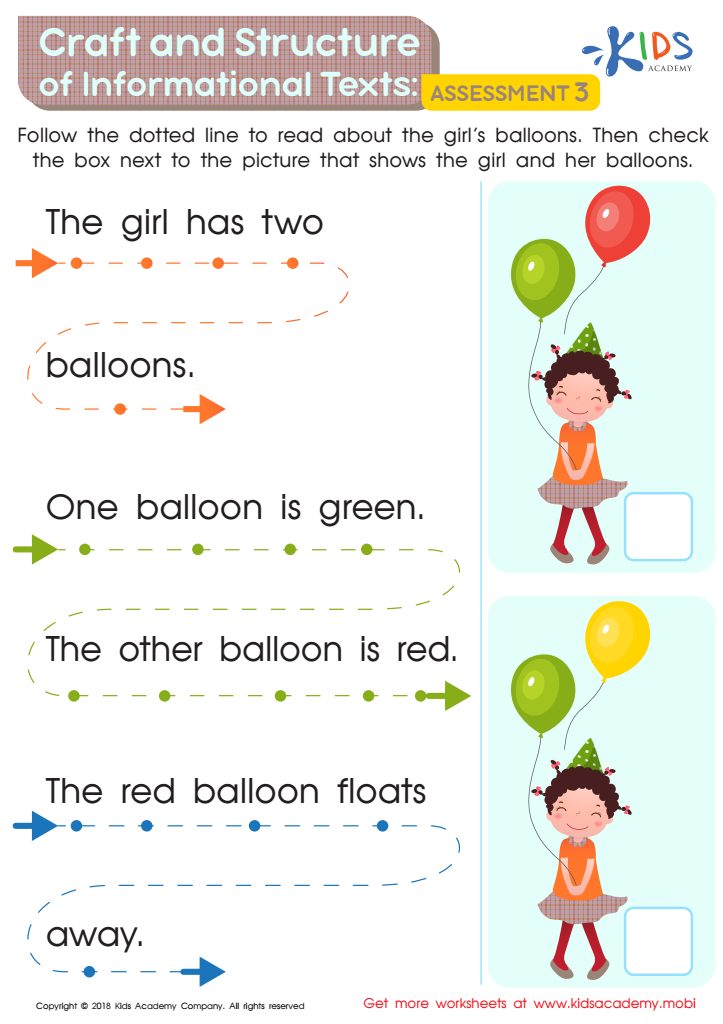
Craft and Structure of Informational Texts: Assessment 3 Worksheet







Parents and teachers should prioritize Normal Knowledge Check activities for children aged 6-9 because these activities play a crucial role in their cognitive and social development. At this formative stage, children are developing foundational skills in reading, writing, math, and critical thinking. Regular knowledge checks help educators assess understanding and identify any learning gaps, ensuring that instruction is tailored to the child's needs.
Moreover, these activities encourage active engagement and reinforce learning through interactive formats. They offer a safe space for students to demonstrate what they know, helping build confidence and promoting a love for learning. By experiencing a variety of knowledge checks, children can develop problem-solving skills and improve their ability to tackle new challenges.
For parents, participating in these activities fosters a stronger connection with their child's education. It provides insight into the classroom curriculum and reveals ways to support learning at home. Furthermore, knowledge checks can stimulate discussions about educational concepts, promoting a growth mindset.
Ultimately, Normal Knowledge Check activities support individualized learning paths, ensuring each child reaches their full potential while cultivating lifelong learning habits. Through collaboration between parents and teachers, children’s academic progress can be maximized, paving the way for future success.








