Pattern recognition Worksheets for Ages 3-4
21 filtered results
-
From - To
Discover engaging Pattern Recognition Worksheets designed specifically for children ages 3-4! These fun activities help young learners develop critical thinking and problem-solving skills through hands-on practice. Our colorful worksheets guide children in identifying and extending patterns using shapes, colors, and other visual stimuli. Perfect for parents and educators, these resources foster early math skills while promoting cognitive development. With a variety of exercises tailored to young learners, your child will enjoy enhancing their ability to recognize and analyze patterns in a playful, interactive way. Ignite a lifelong love of learning with our Pattern Recognition Worksheets today!
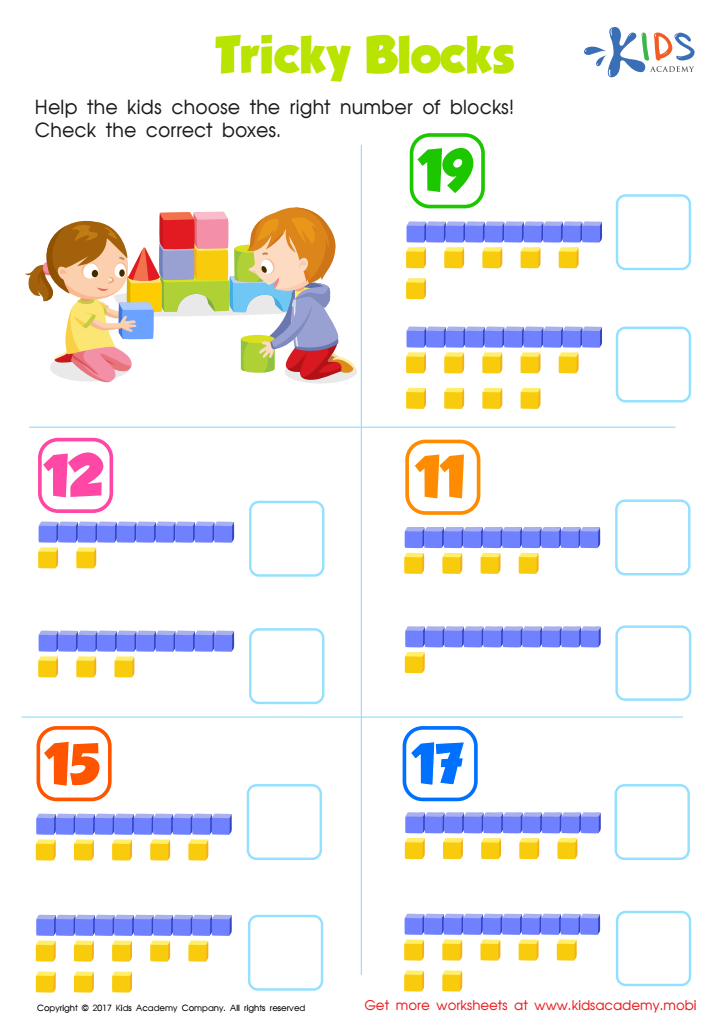
Tricky Blocks Worksheet
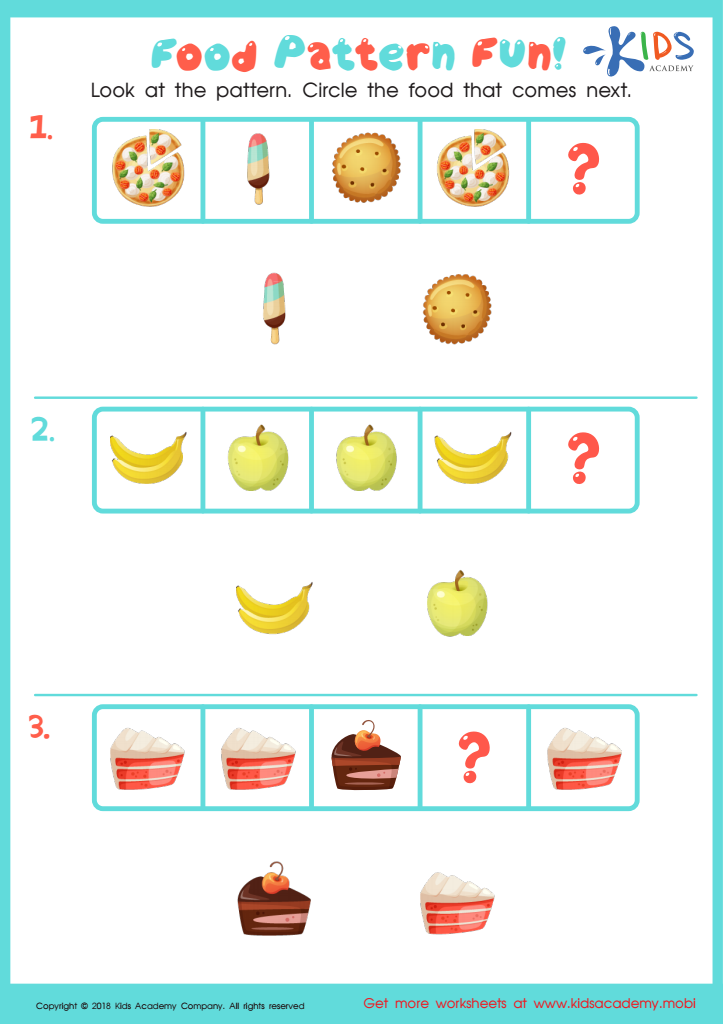
Food Pattern Fun Worksheet
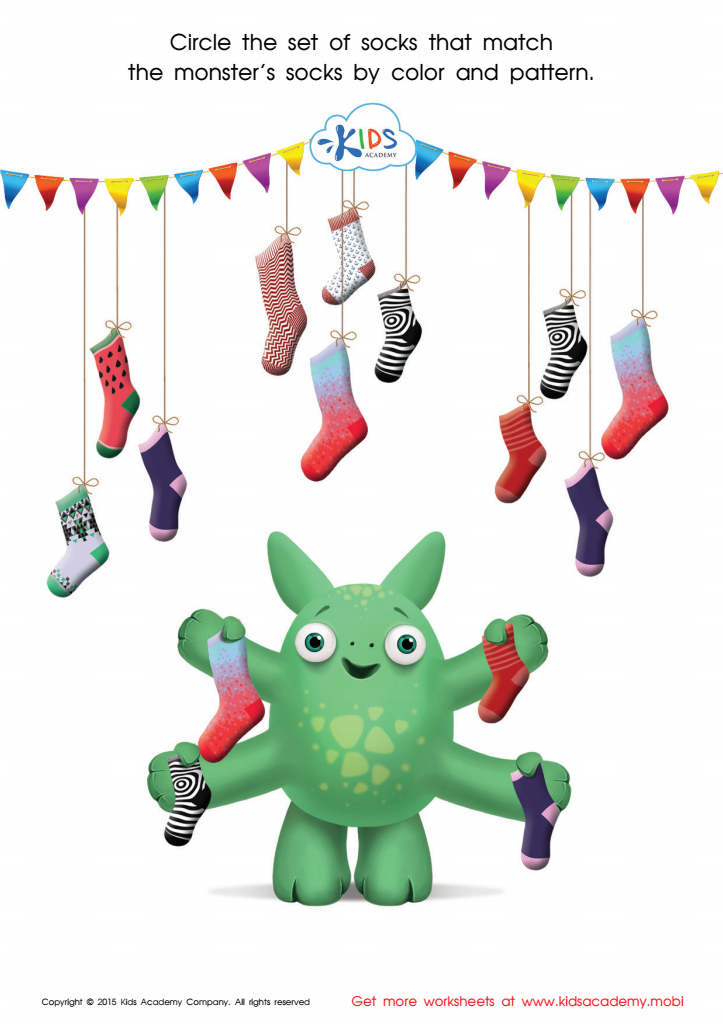
Sort the Monster's Socks Worksheet
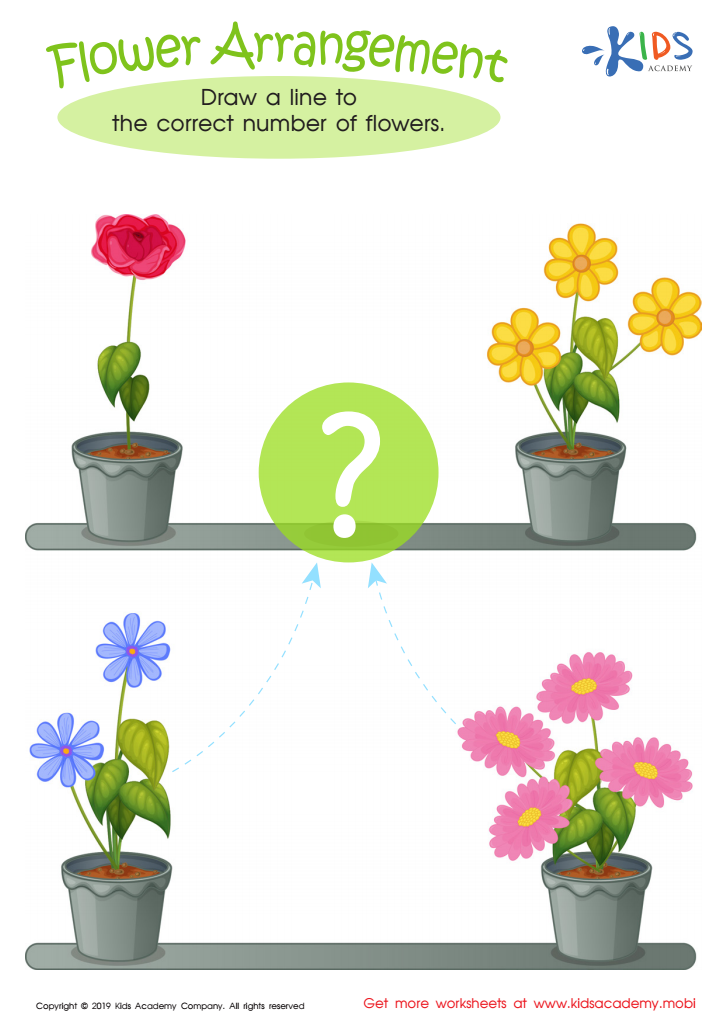
Flower Arrangement Worksheet
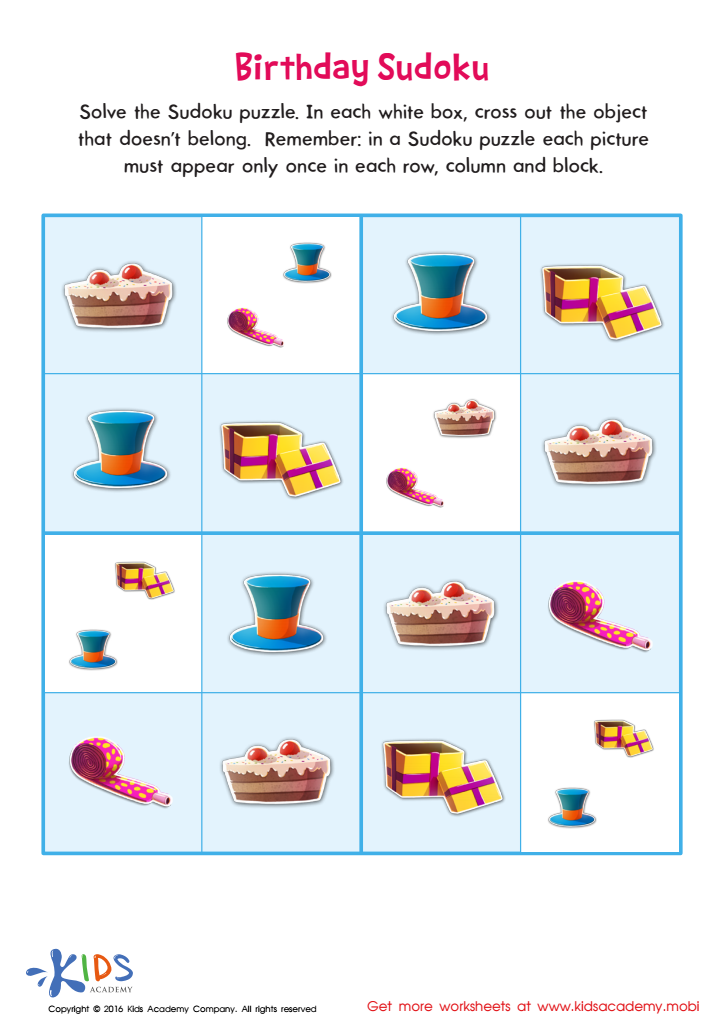
Birthday Sudoku Sorting Worksheet
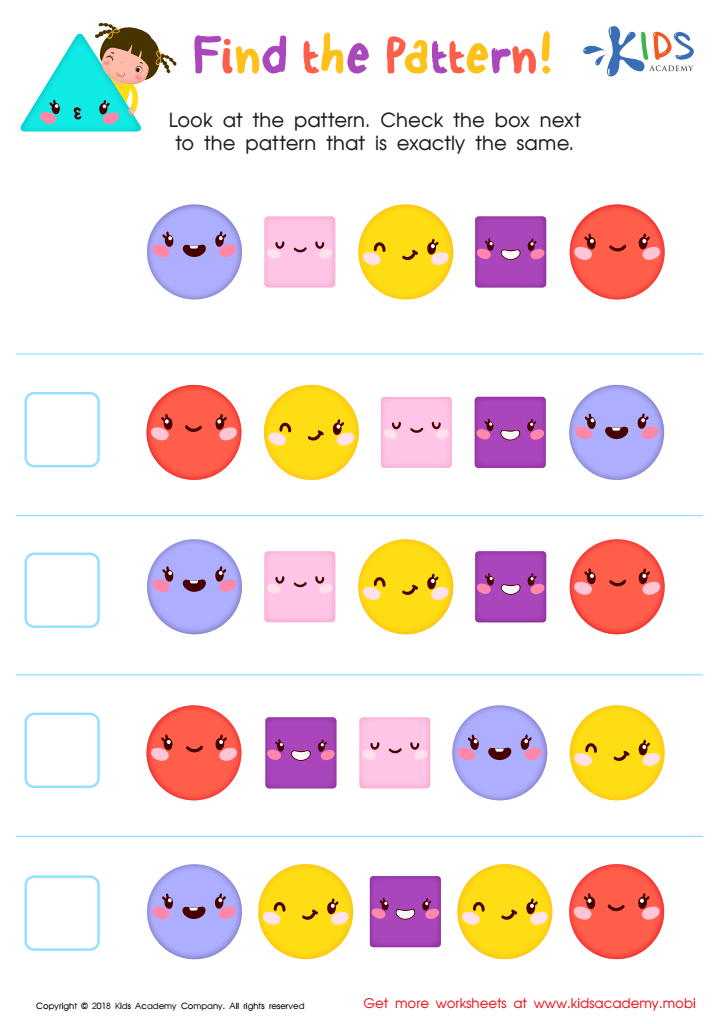
Find the Pattern Worksheet
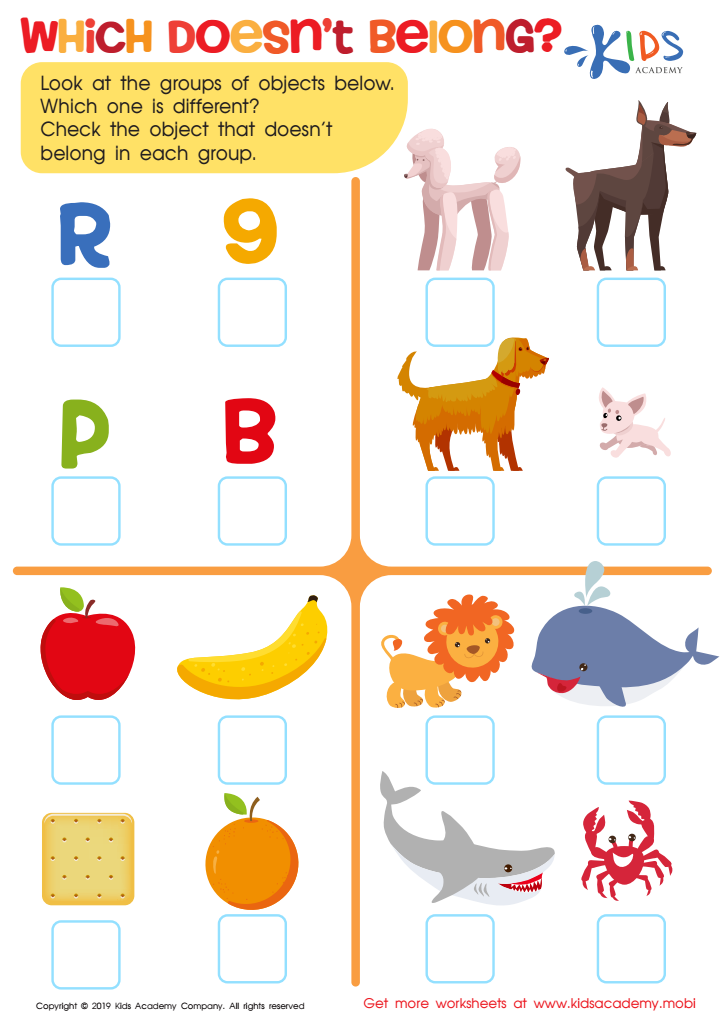
Which Doesn't Belong? Worksheet
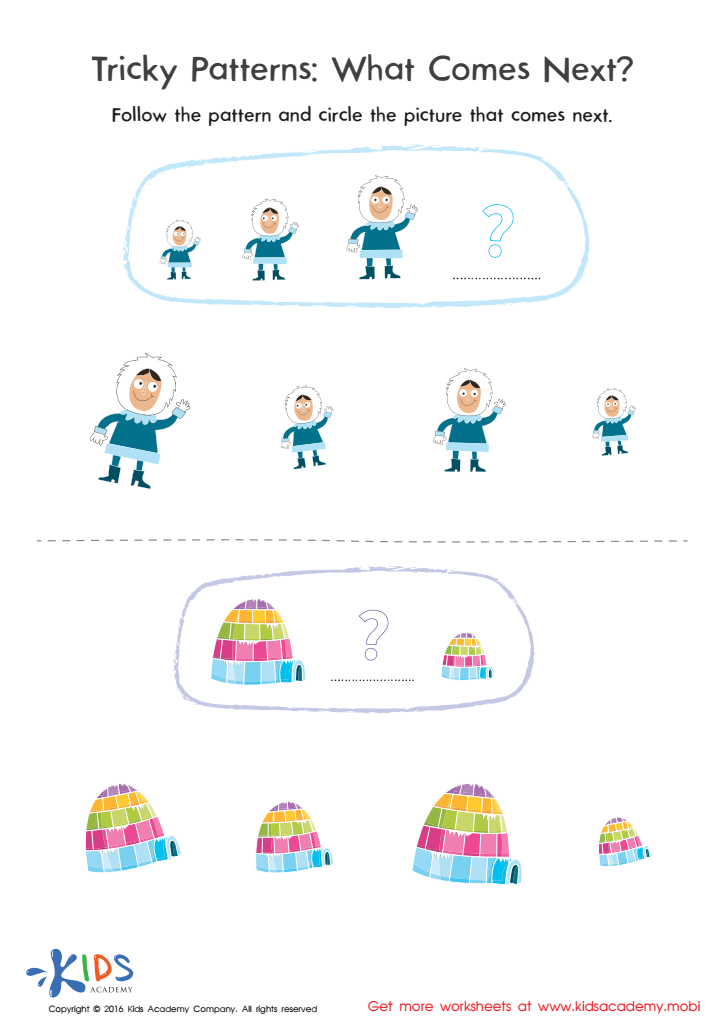
Tricky Patterns Size Worksheet
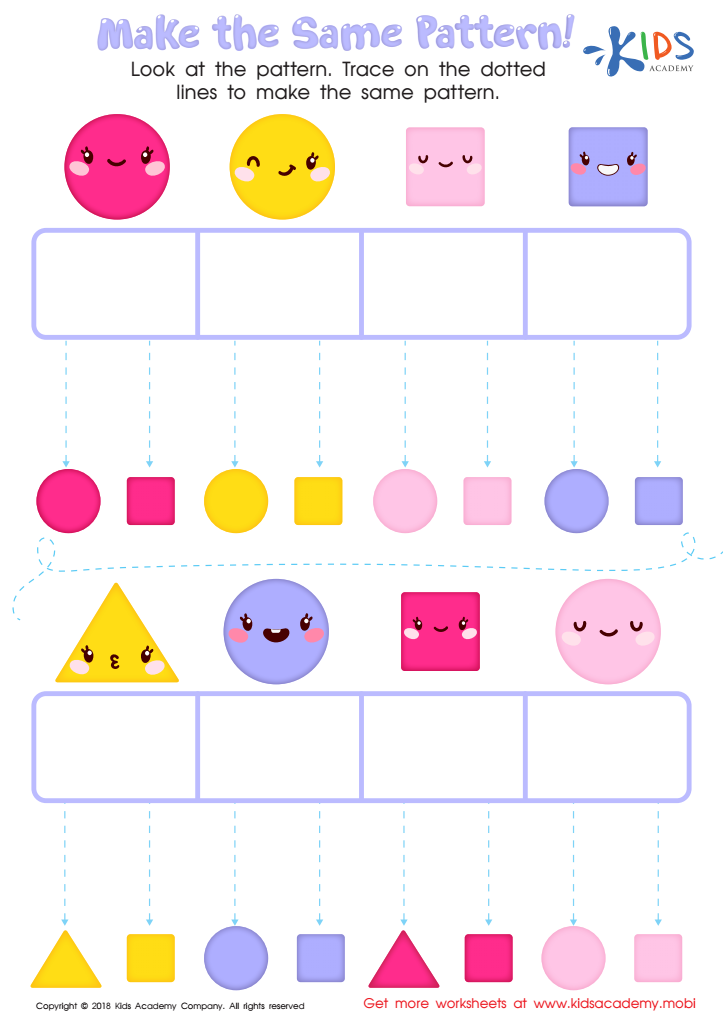
Make the Same Pattern Worksheet
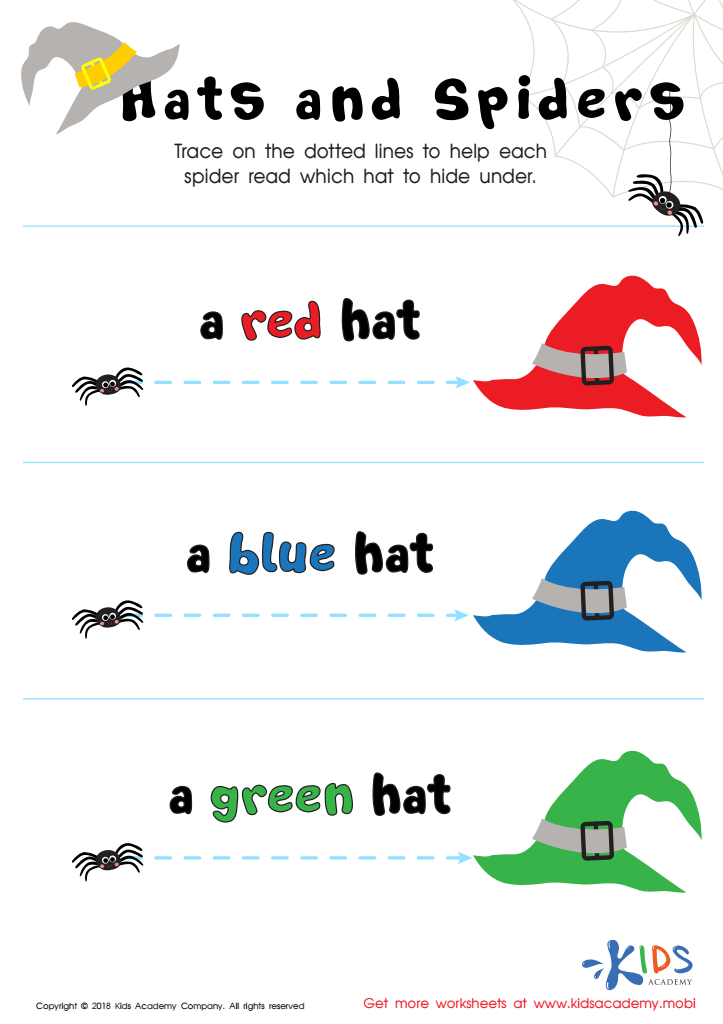
Read from Left to Right: Hats and Spiders Worksheet
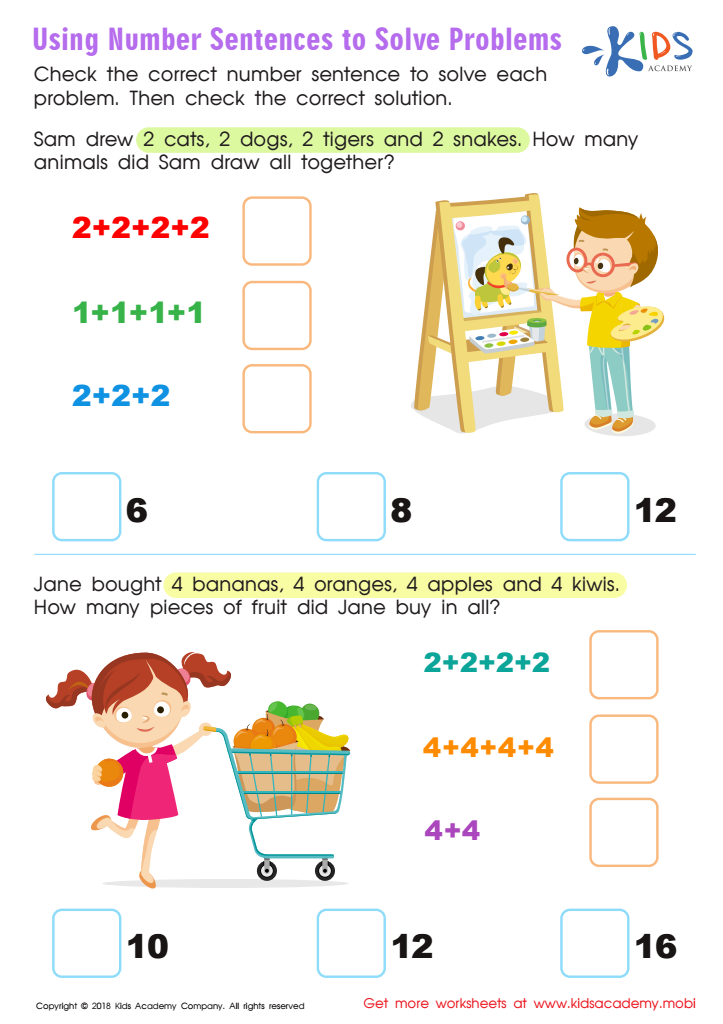
Using Number Sentences to Solve Problems Worksheet
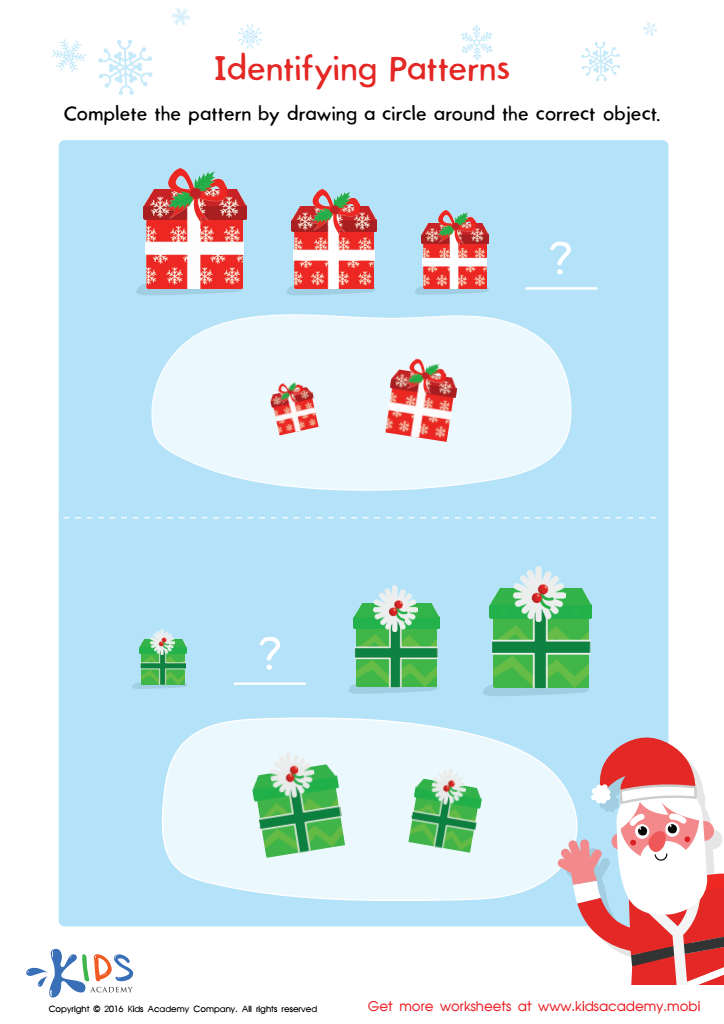
Identifying Patterns Worksheet
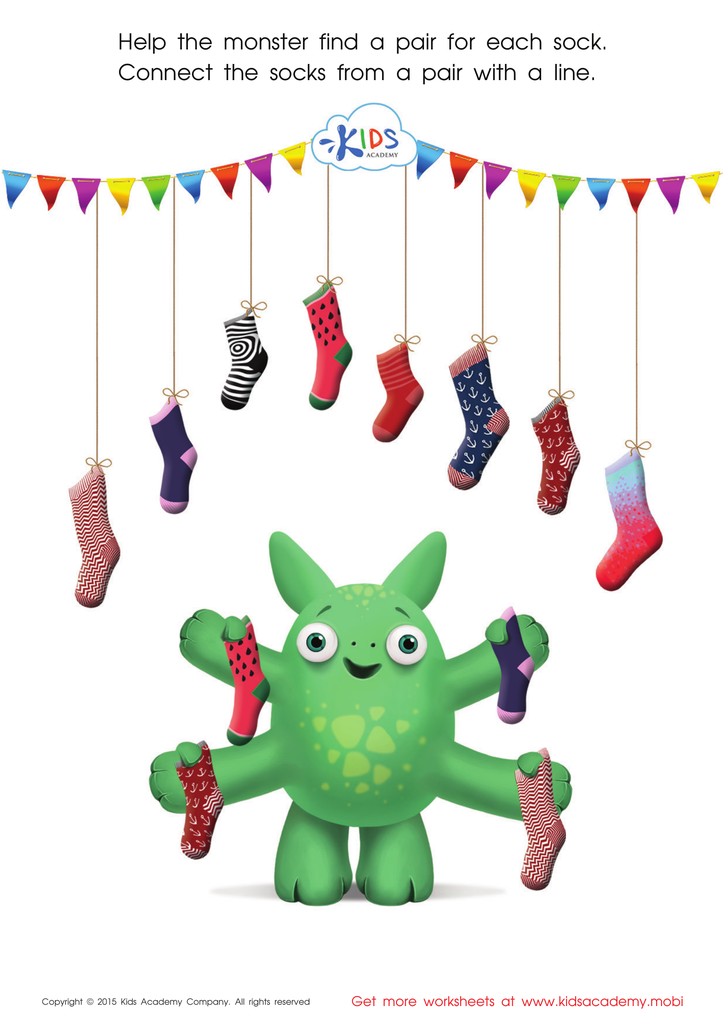
Math Matching Game: Monsterв's Socks Worksheet
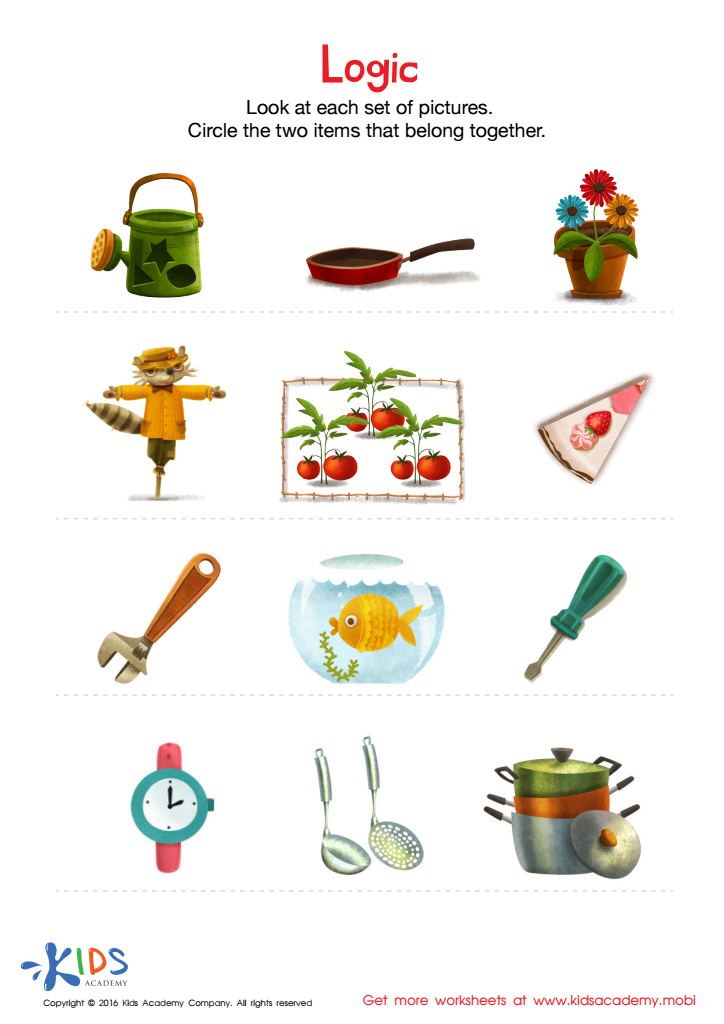
Logic Game Sorting Worksheet
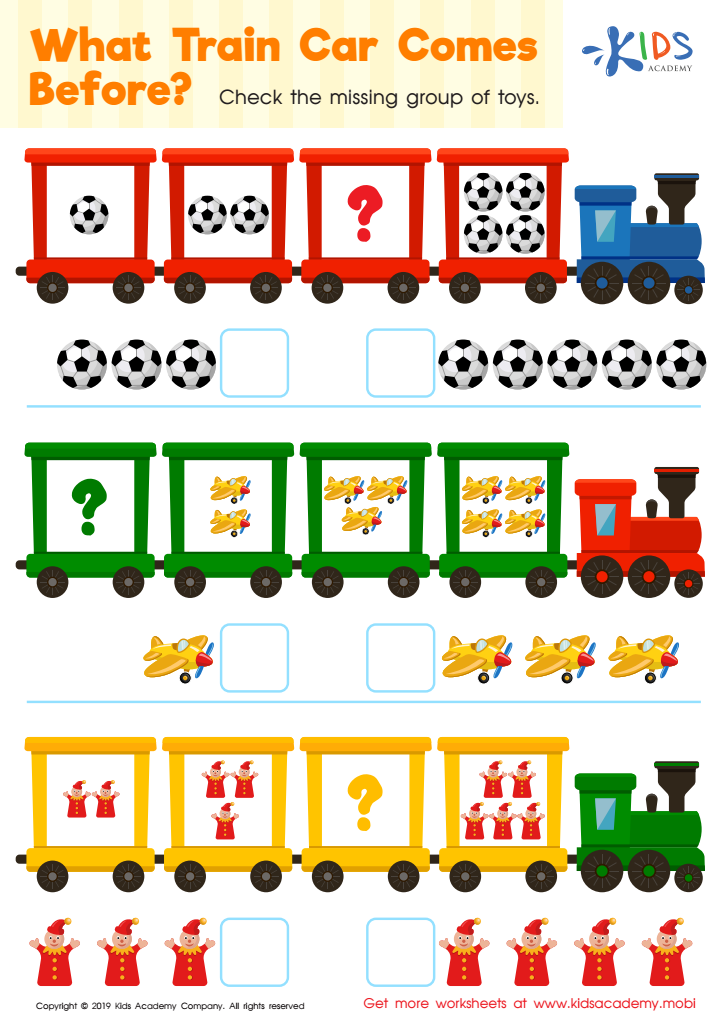
What Train Car Comes Before? Worksheet
Christmas: Christmas Tree Printable
 Assign to My Students
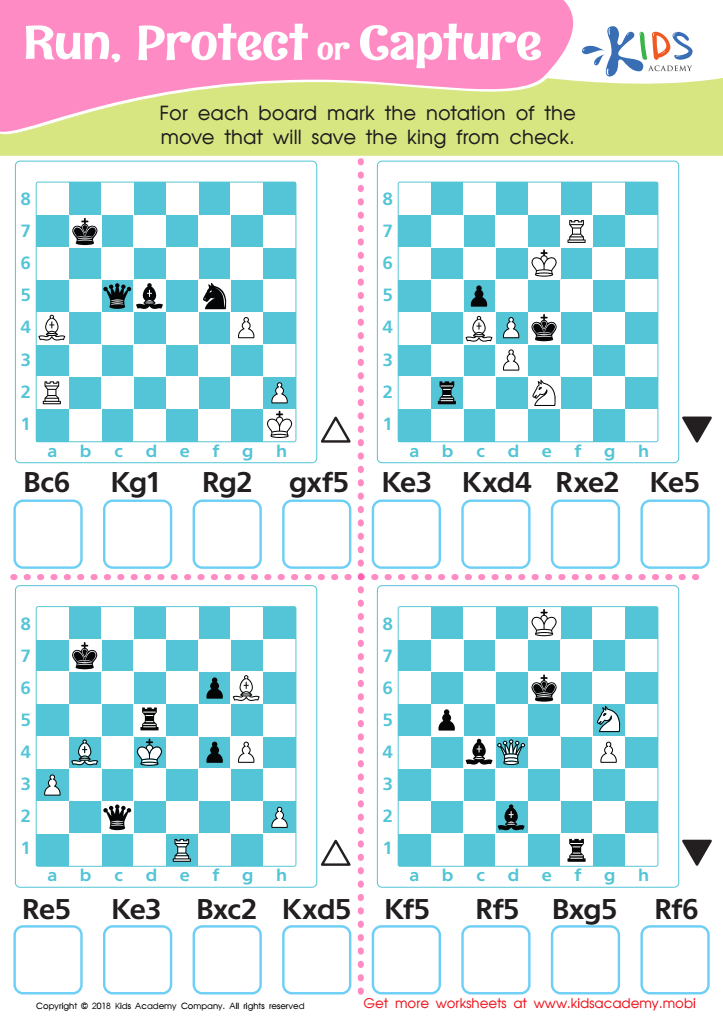
Run, Protect or Capture Worksheet
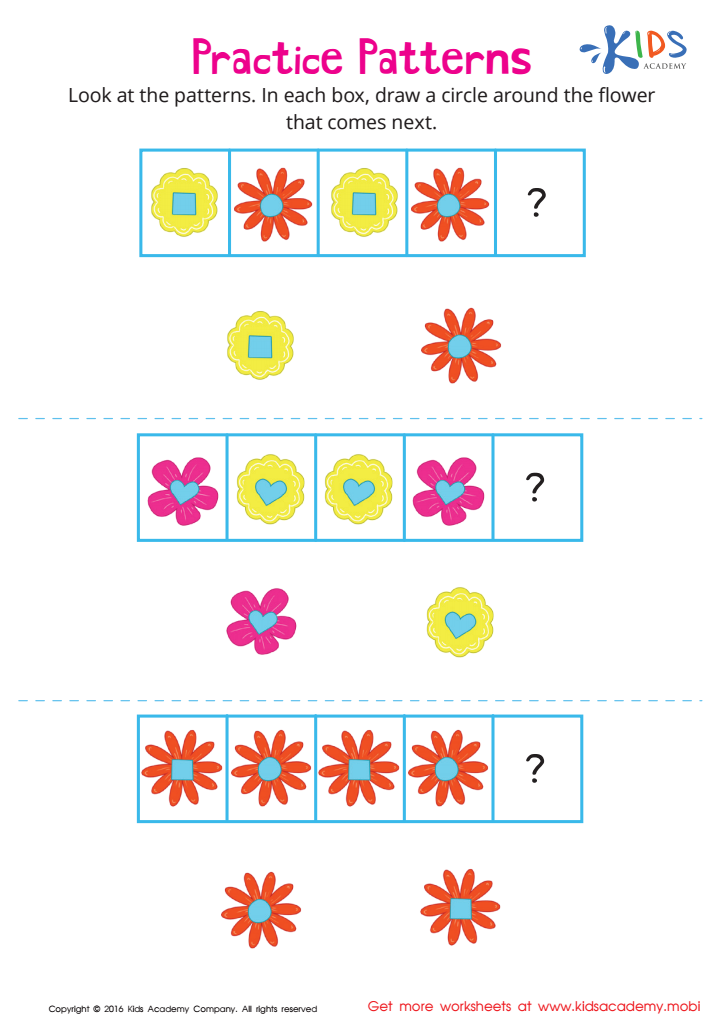
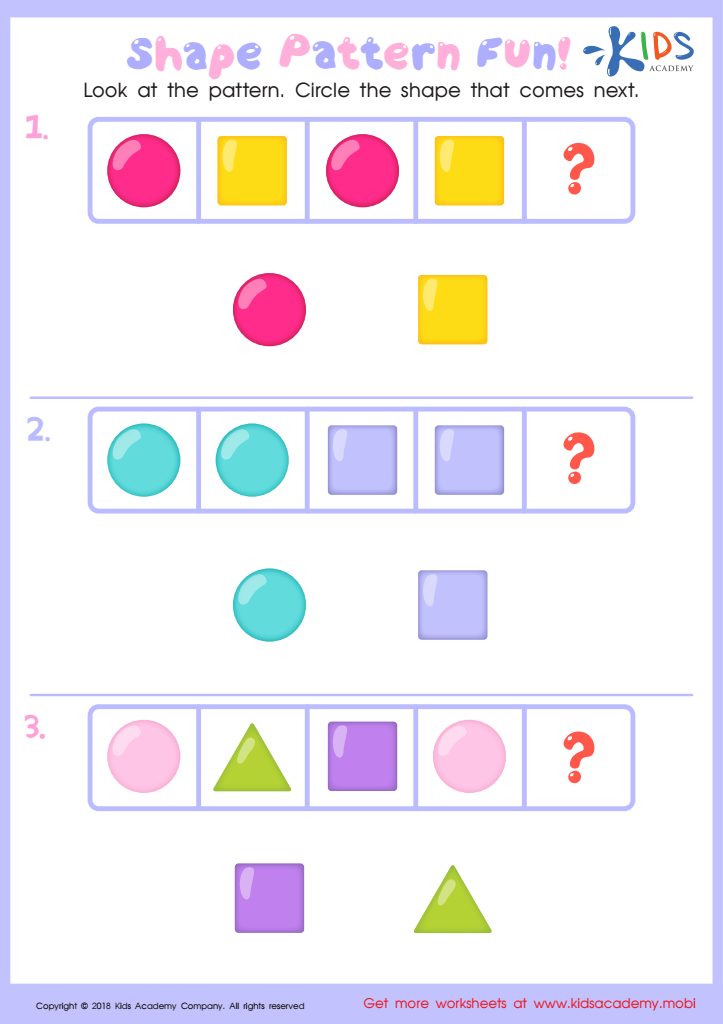
Shape Pattern Fun Worksheet
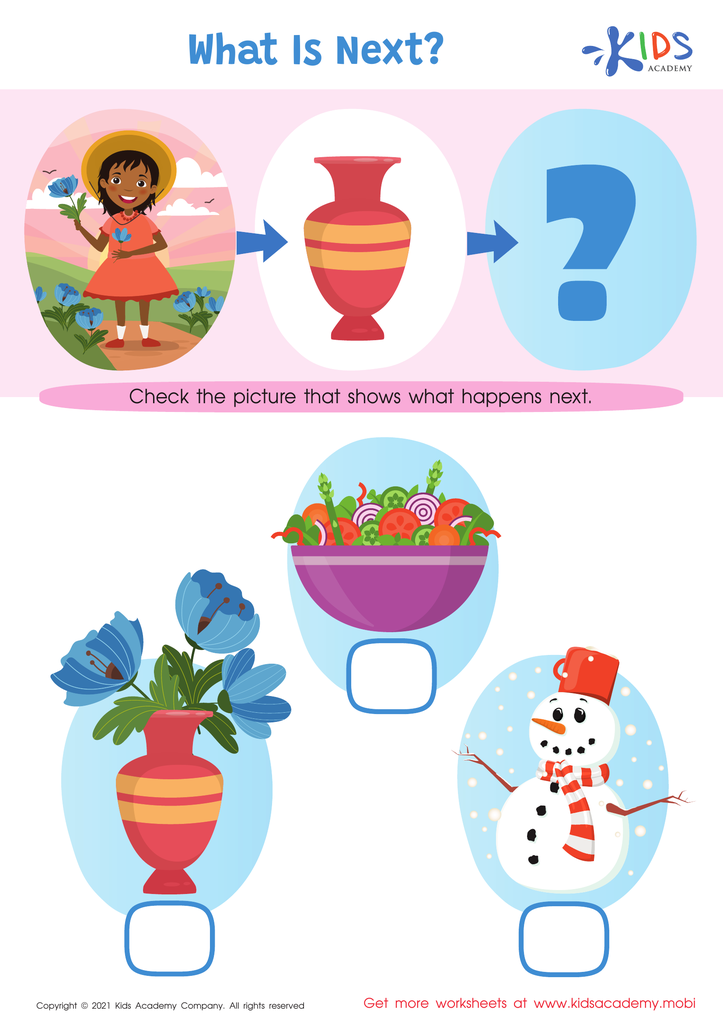
What is Next? Worksheet
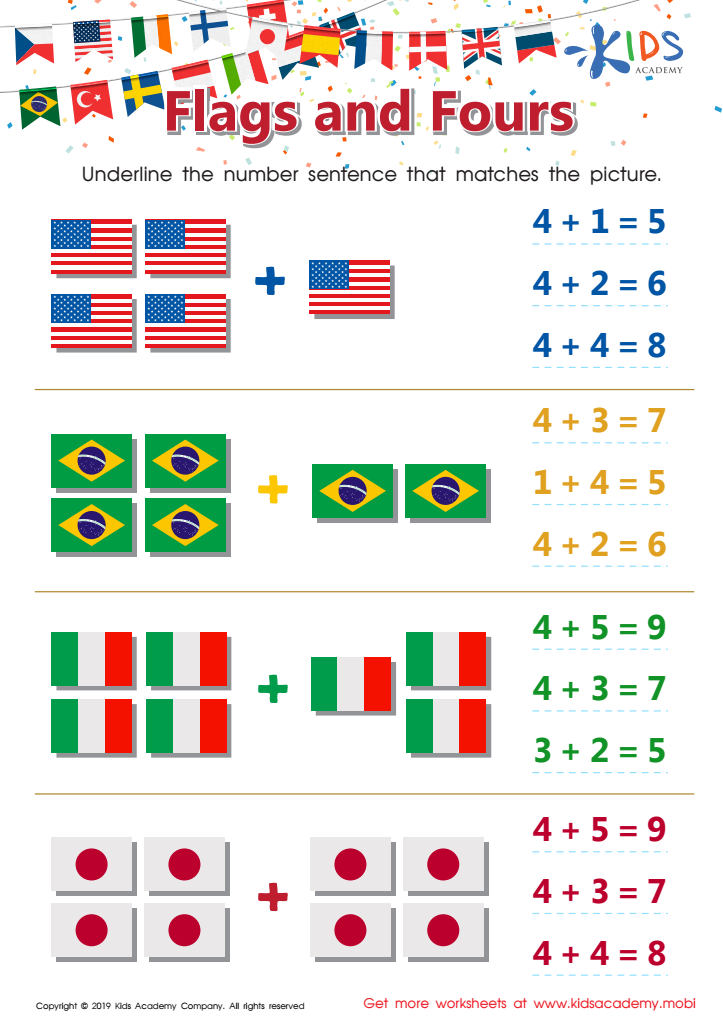
Flags and Fours Worksheet







Pattern recognition is a fundamental cognitive skill that forms the foundation for a child's mathematical and analytical abilities. For children aged 3-4, engaging in pattern recognition activities helps them make sense of the world around them. It enables them to identify similarities, differences, and sequences, which are crucial for problem-solving.
Parents and teachers should care about introducing pattern recognition at this age because it supports various areas of development. Firstly, it enhances critical thinking skills by encouraging children to look for relationships and predict outcomes.
Moreover, pattern recognition activities, such as sorting objects, completing simple sequences, or engaging in rhythm activities, promote fine motor skills and cognitive growth. These activities also nourish creativity, as children learn to express themselves through patterns in art and music.
Additionally, a strong grasp of patterns can set the stage for mathematical learning in later years. Recognizing patterns aids in understanding concepts like addition, subtraction, and more complex math in school, laying a foundation for future academic success.
Ultimately, fostering pattern recognition at this age not only enriches the child’s learning experiences but also promotes cognitive, social, and emotional development, making it a vital focus for parents and educators alike.








