Shape Recognition Worksheets for Ages 3-4 - Page 2
65 filtered results
-
From - To
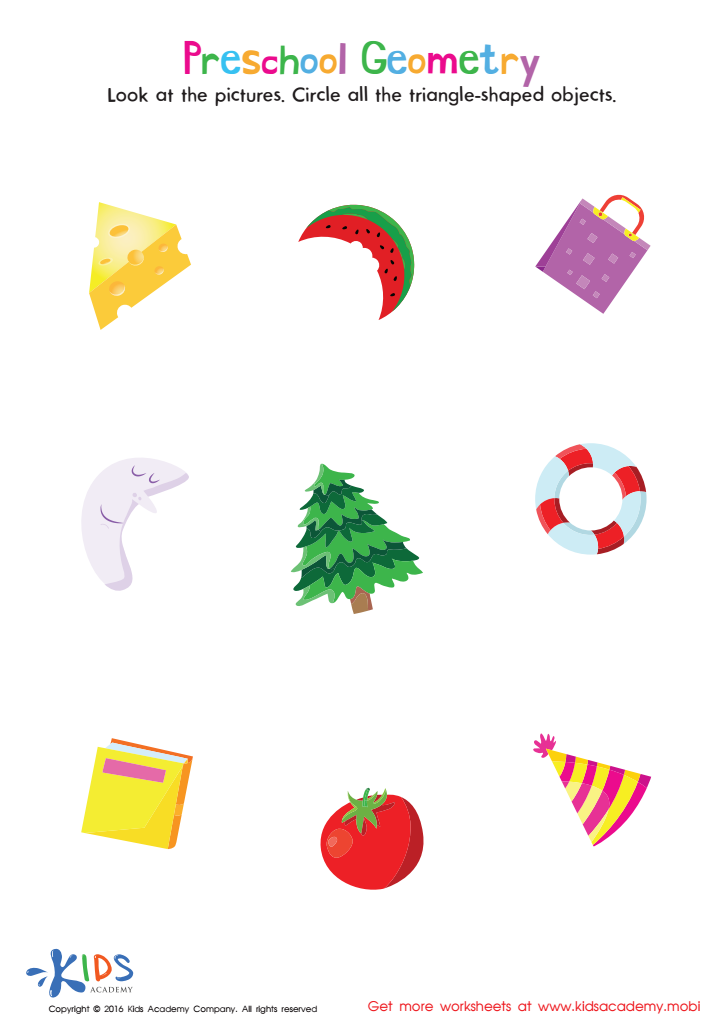
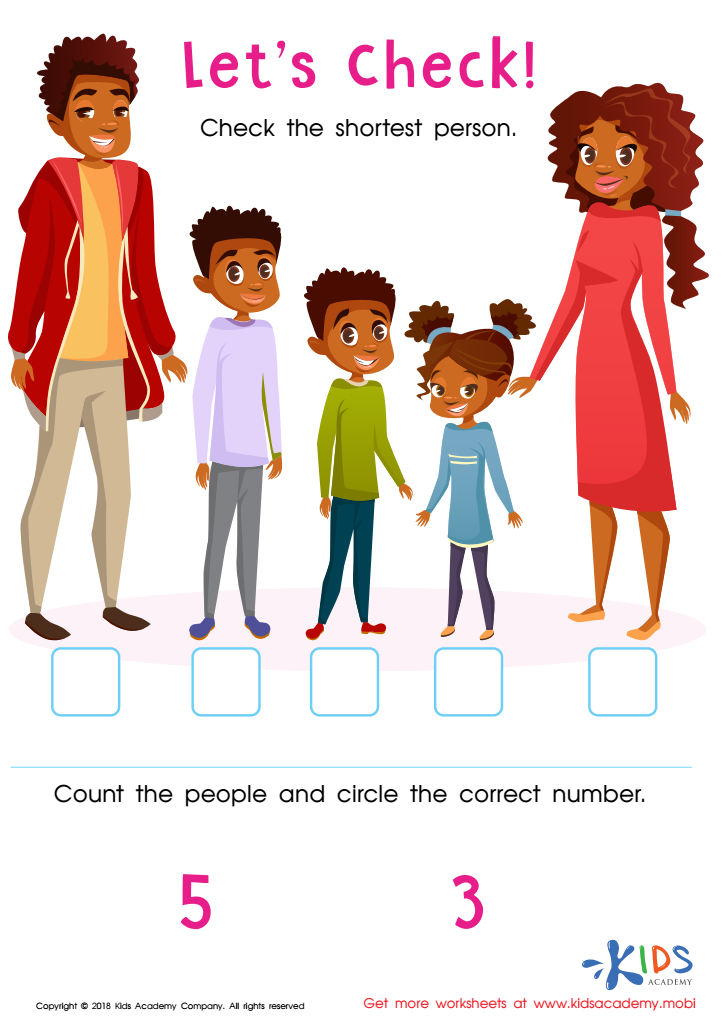
Let's Check! Assessment Worksheet
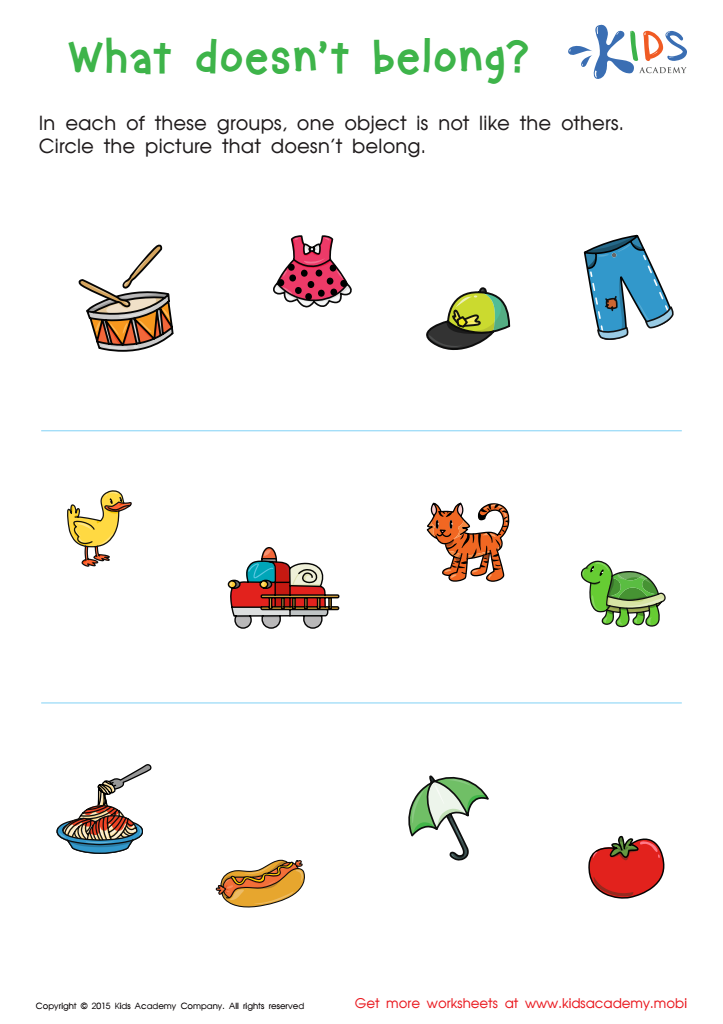
First Words: What Doesn't Belong Worksheet
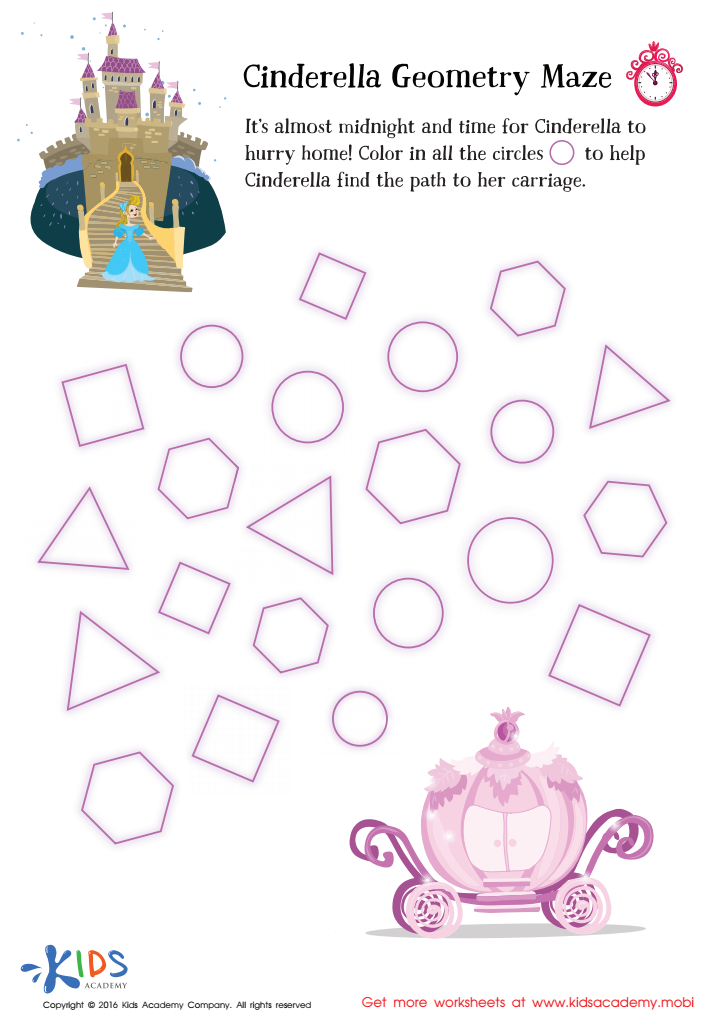
Cinderella Geometry Maze Worksheet
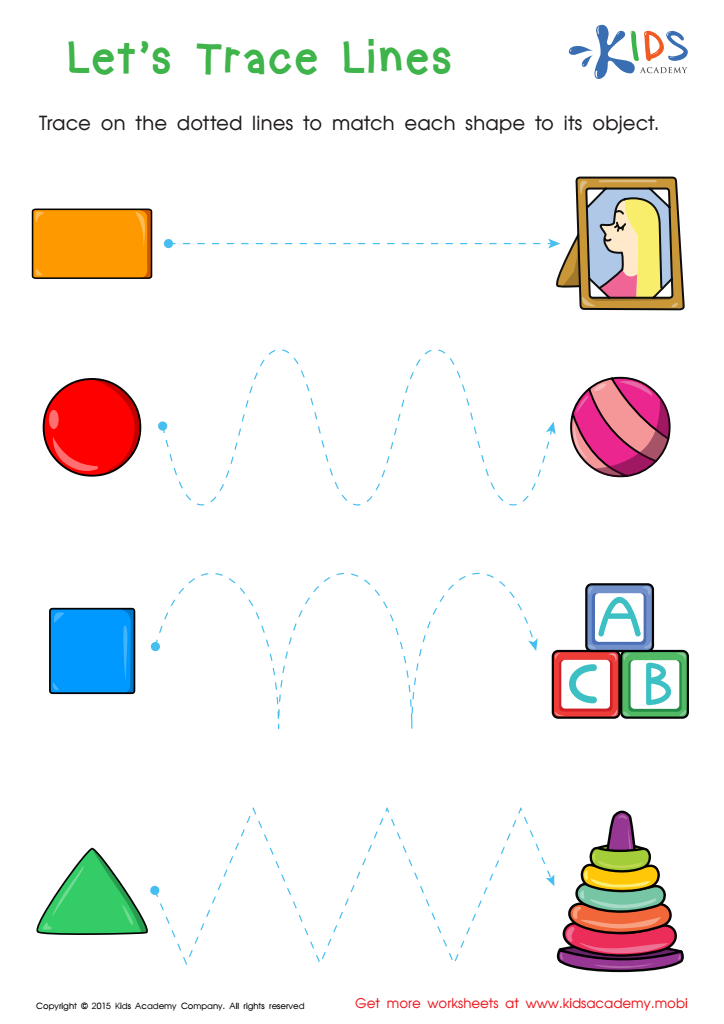
First Words: Let's Trace Lines Worksheet
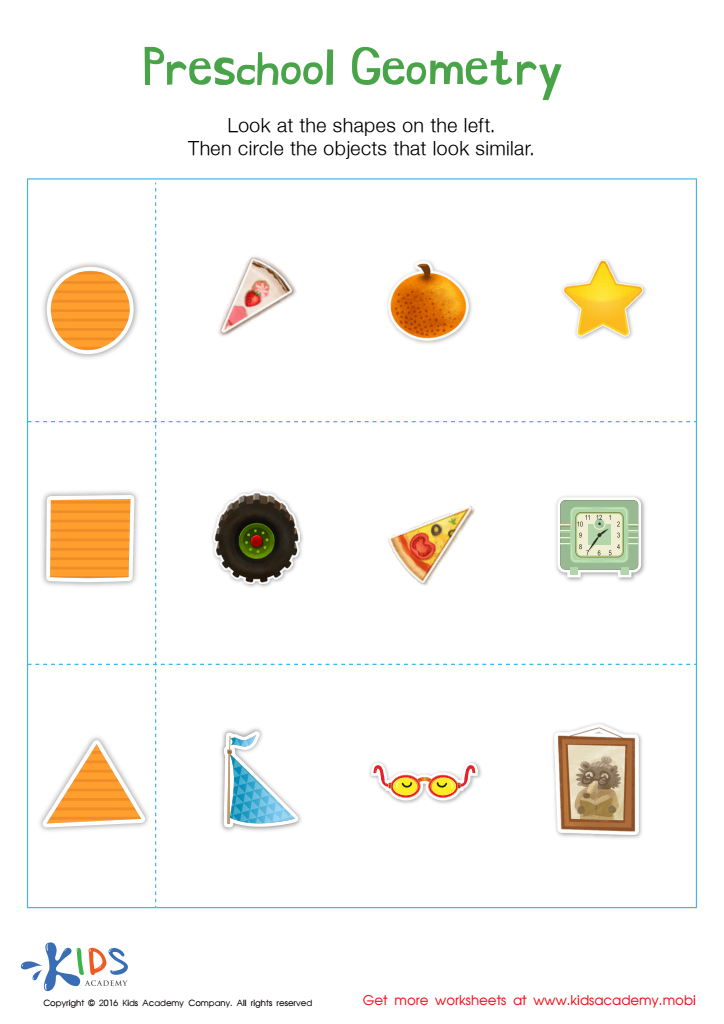
Preschool Geometry Match Up Worksheet
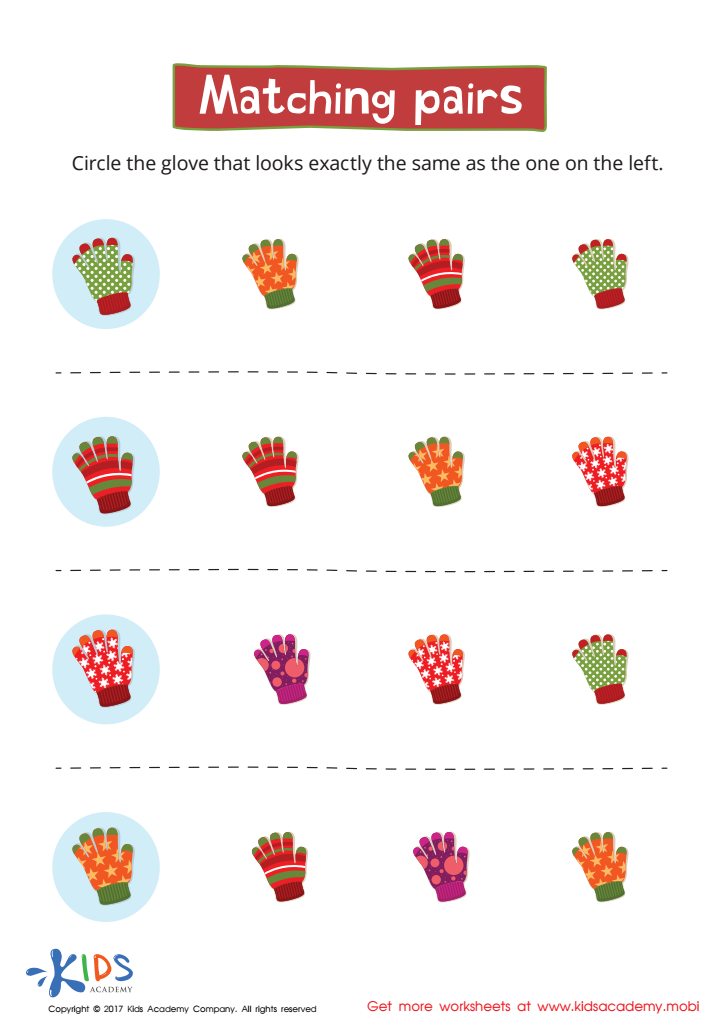
Matching: Matching Pairs Worksheet
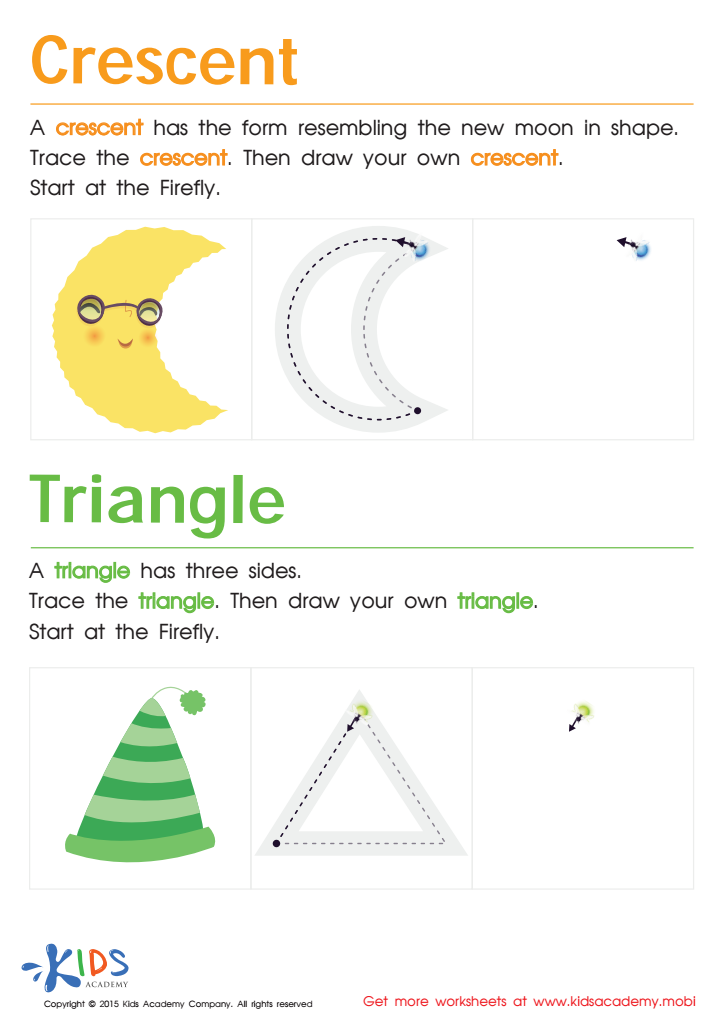
Learning to Draw Crescents And Triangles Worksheet
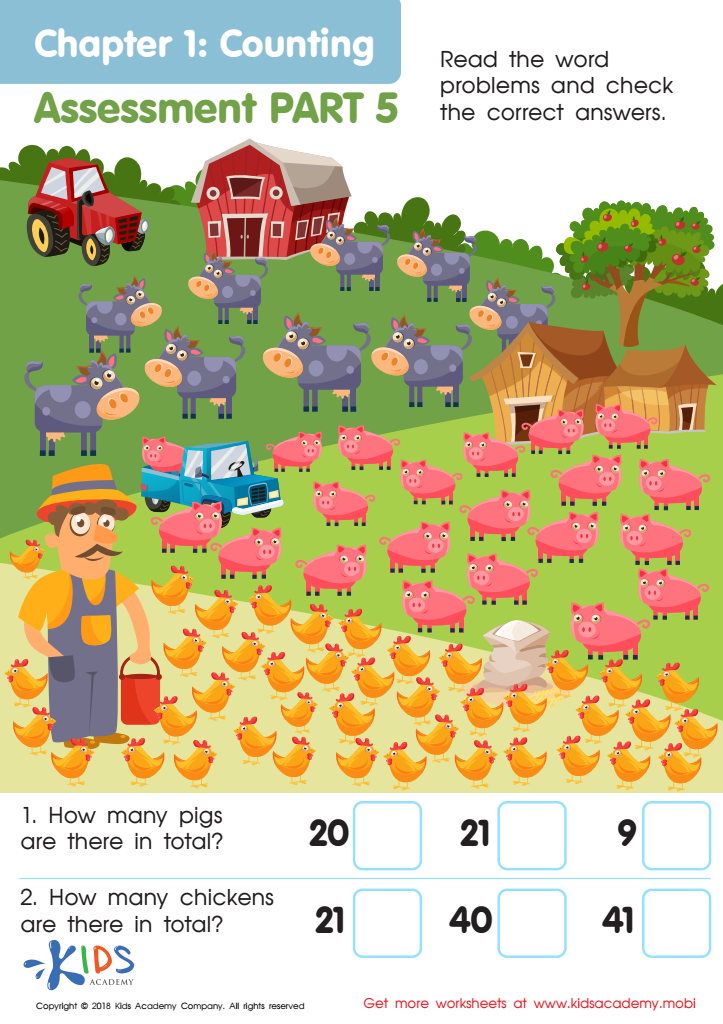
Counting: Assessment 5 Worksheet
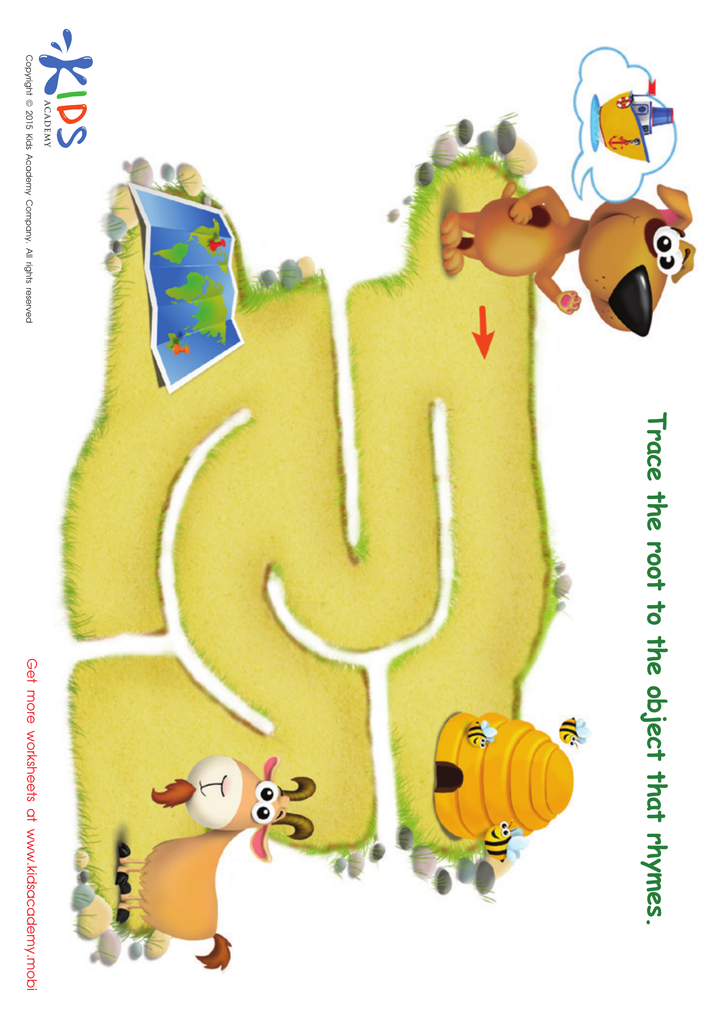
Boat Rhyming Words Worksheet
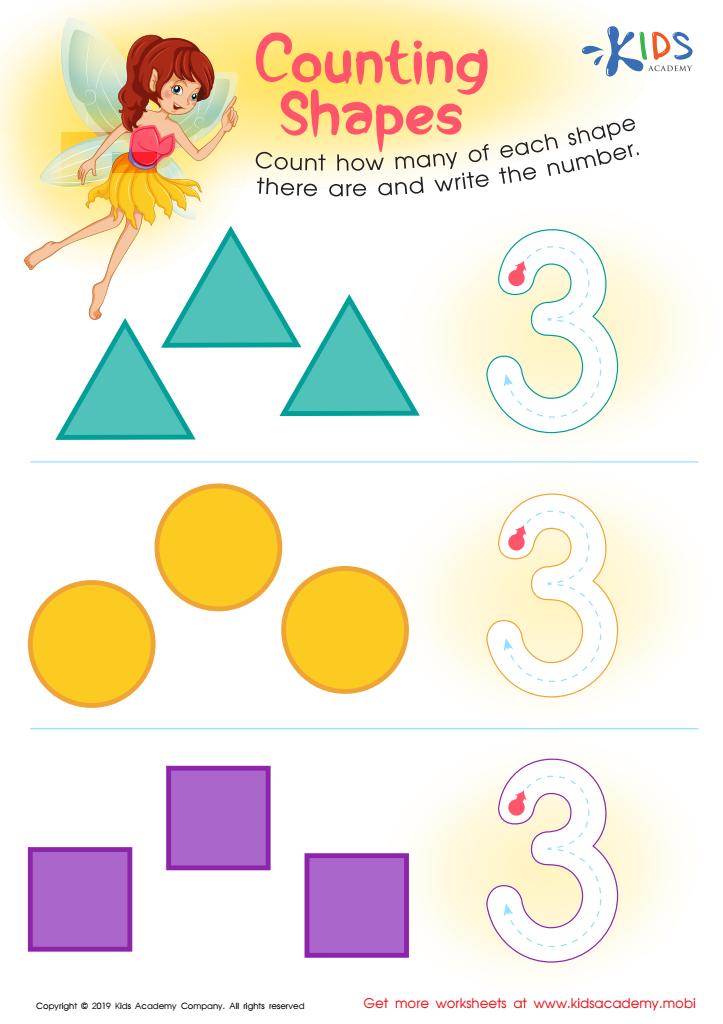
Counting Shapes Worksheet
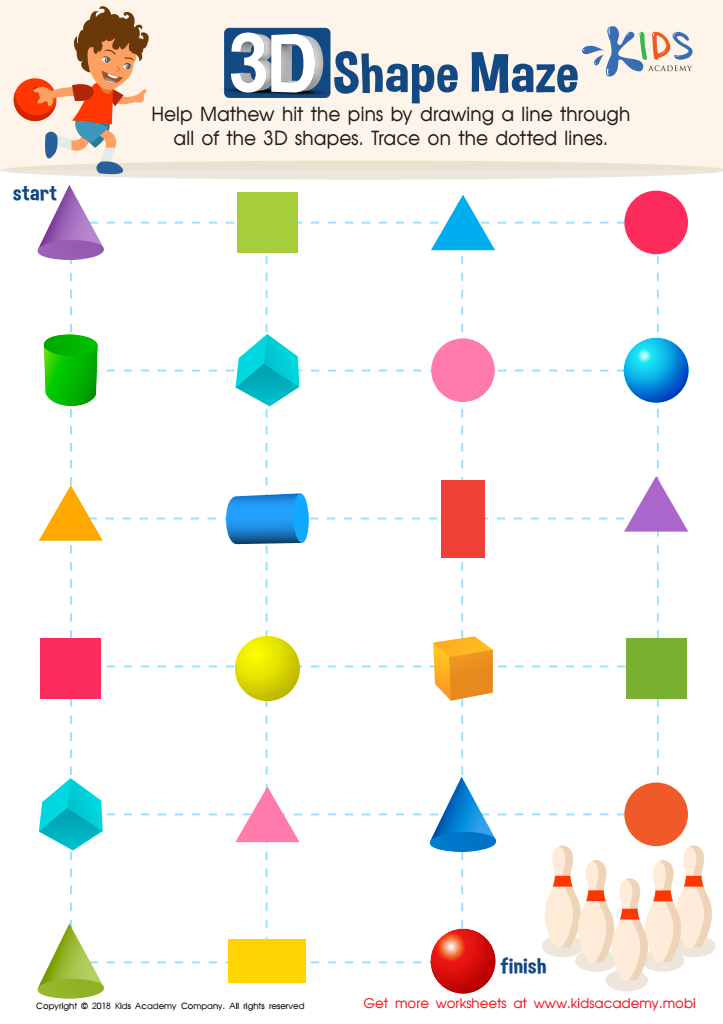
Shapes Maze Geometry Worksheet
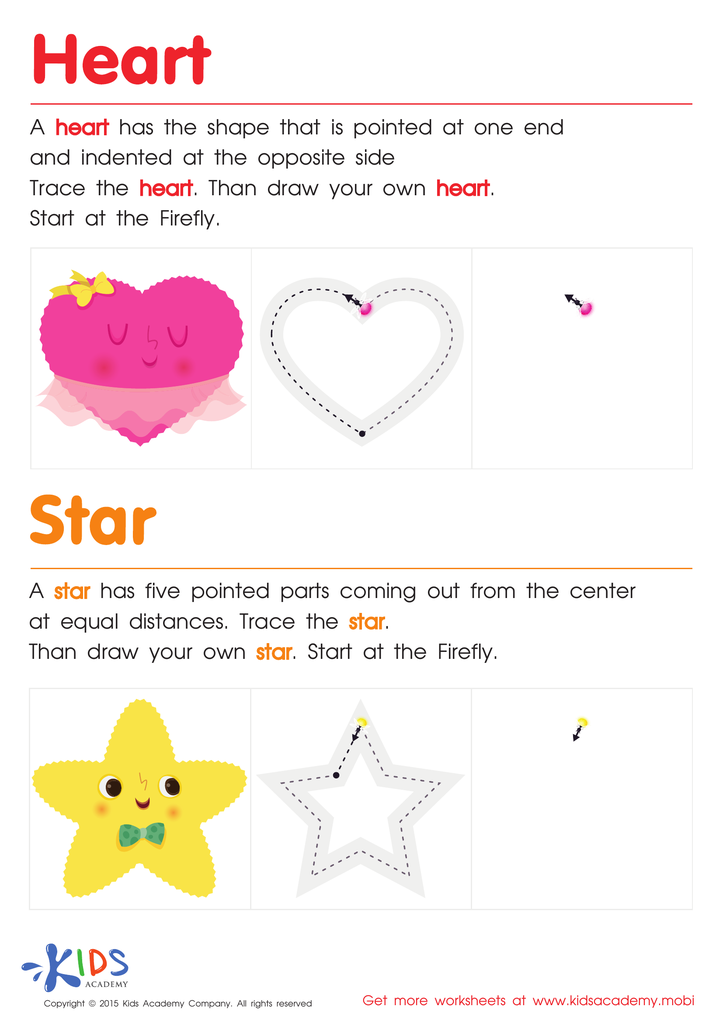
Let's Learn to Draw Hearts And Stars Printable
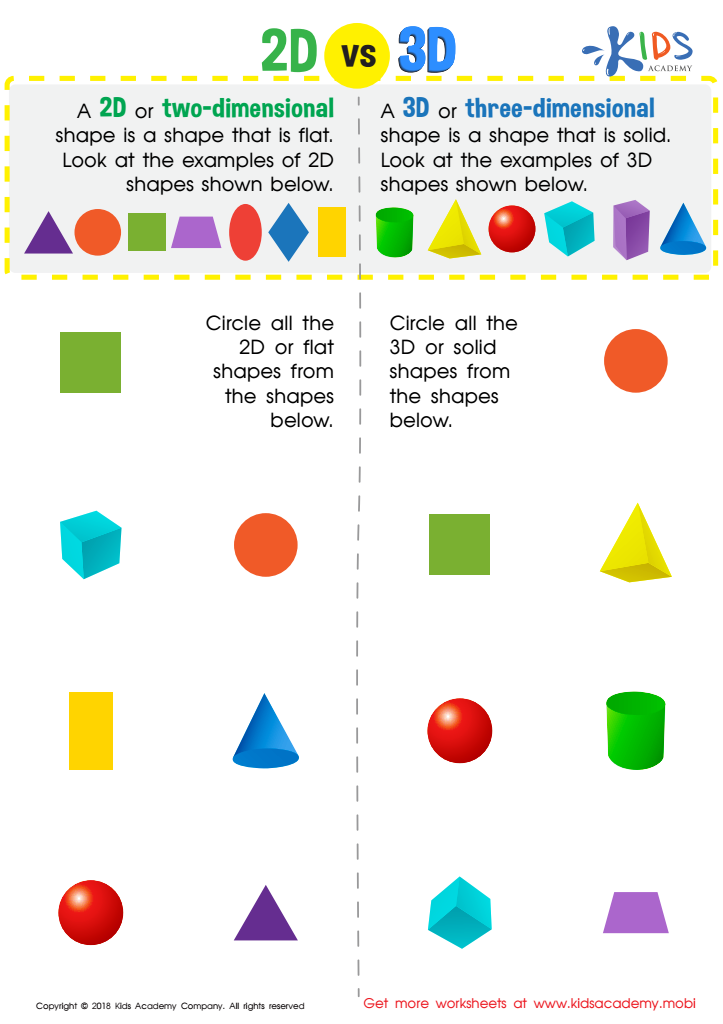
2D vs 3D Shapes Worksheet
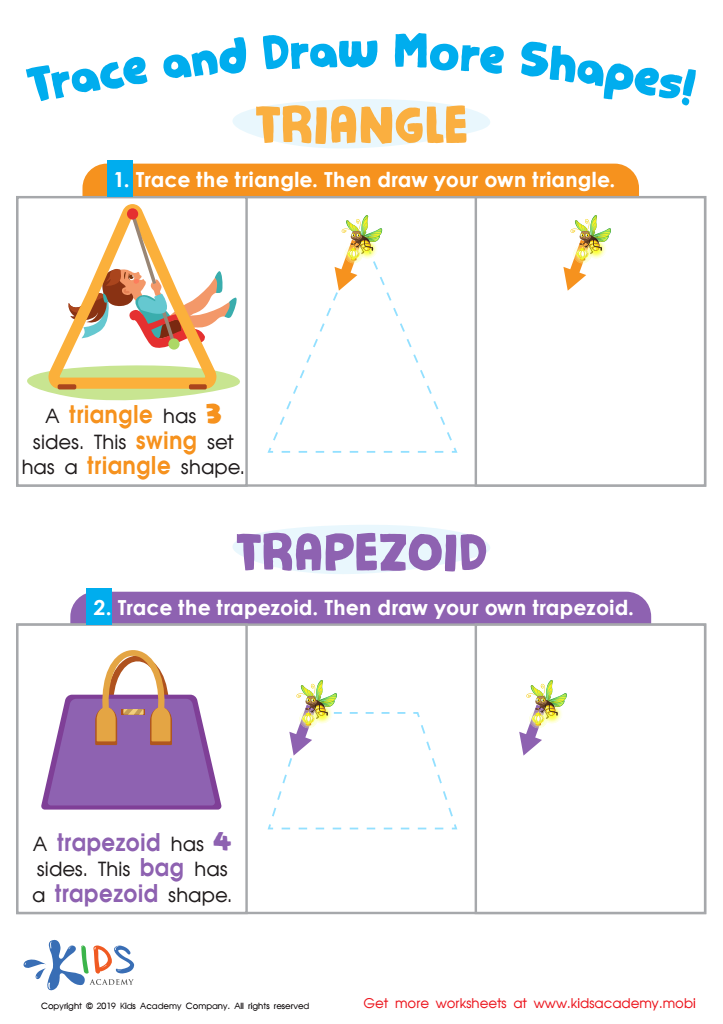
Trace and Draw More Shapes Worksheet
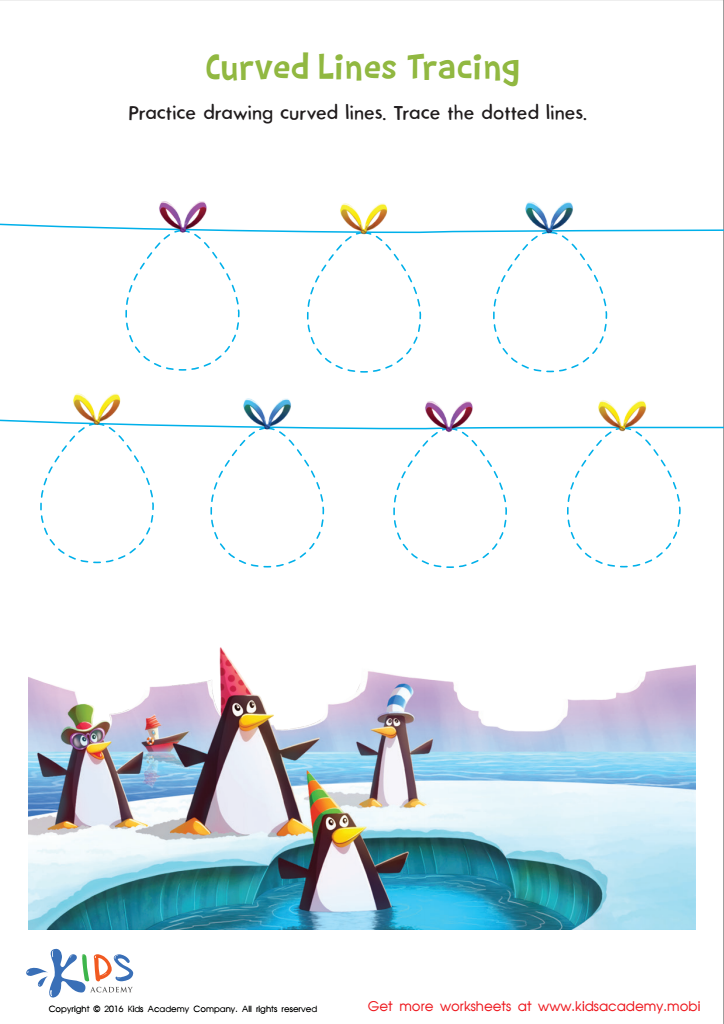
Curved Lines Tracing Worksheet
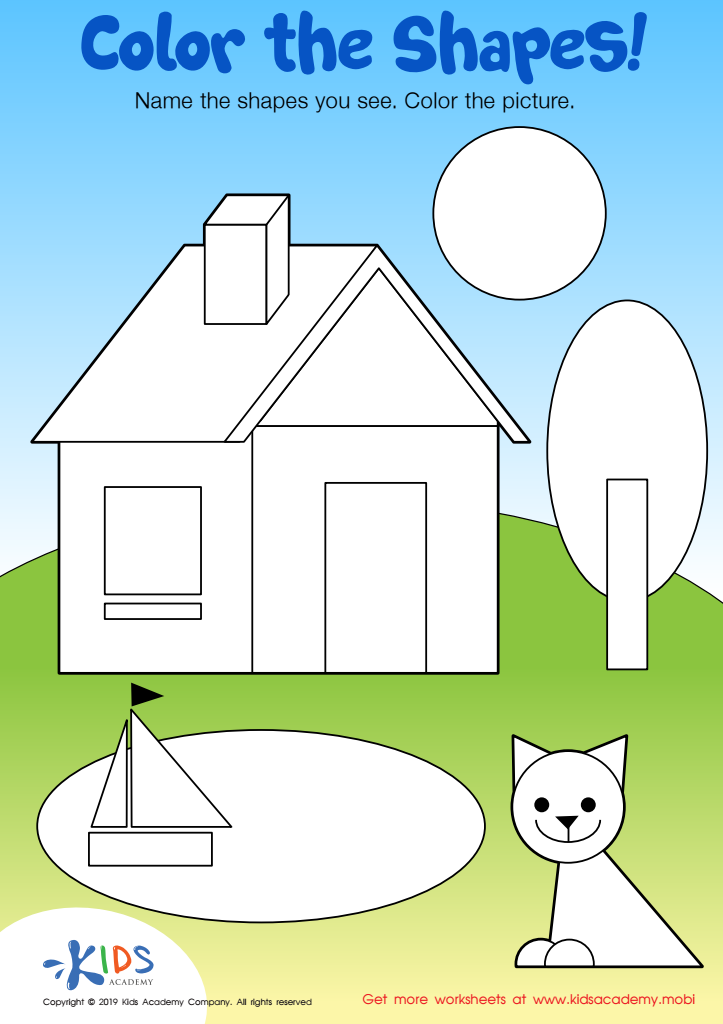
Color the Shapes Worksheet
 Assign to My Students
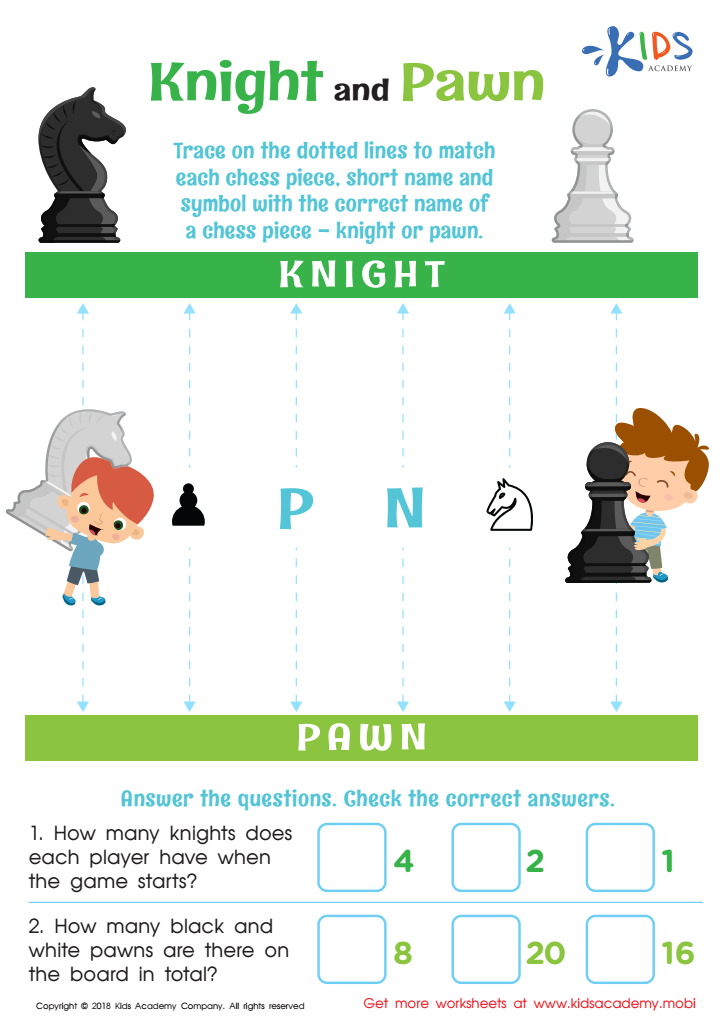
Knight and Pawn Worksheet
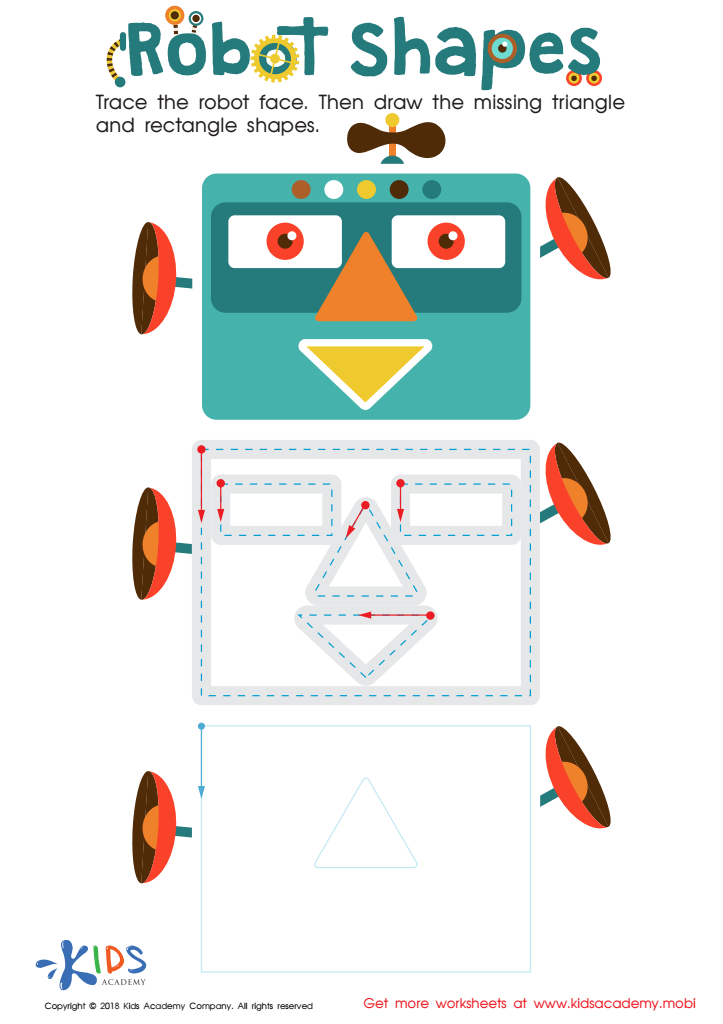
Robot Shapes Worksheet
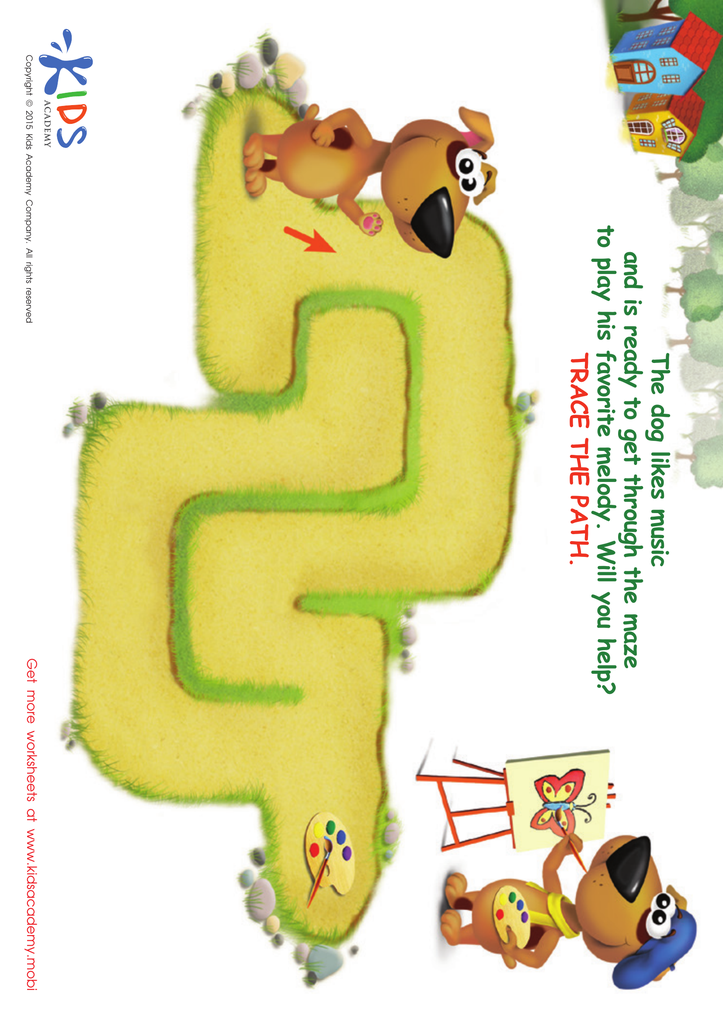
Artist Maze Worksheet
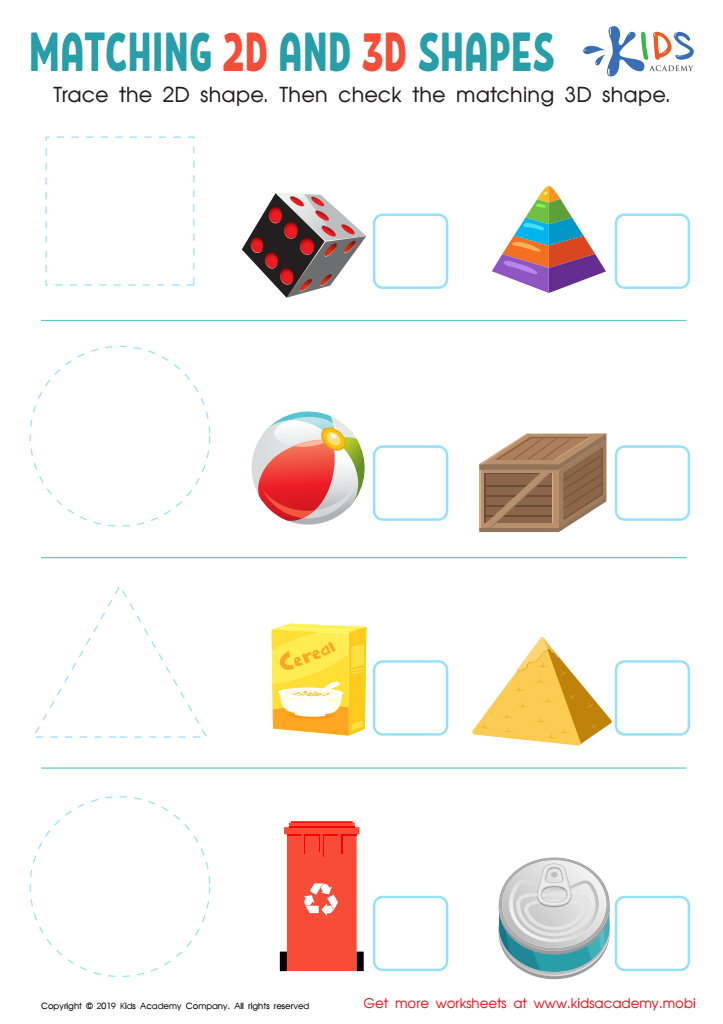
Matching 2D and 3D Shapes Worksheet
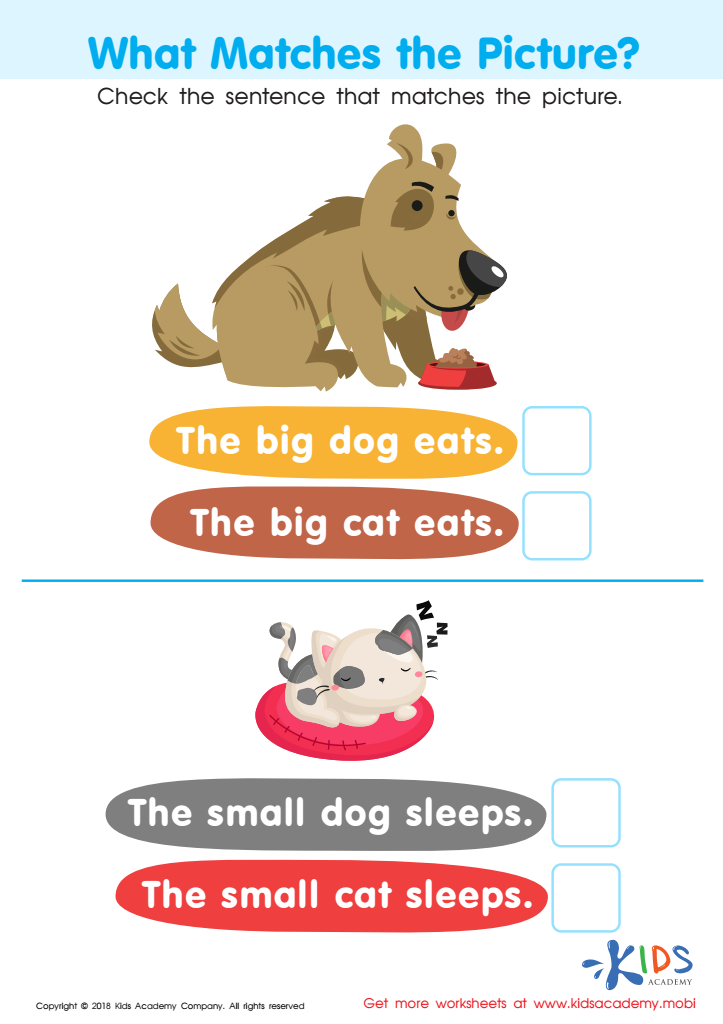
What Matches the Picture? Worksheet
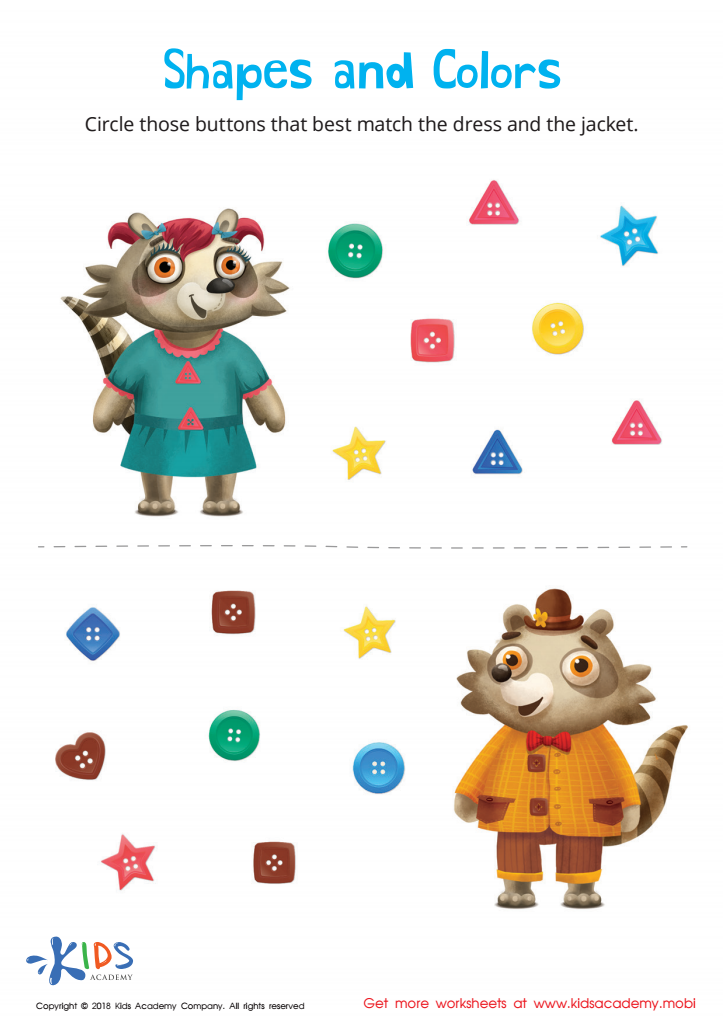
Shapes and Colors Worksheet
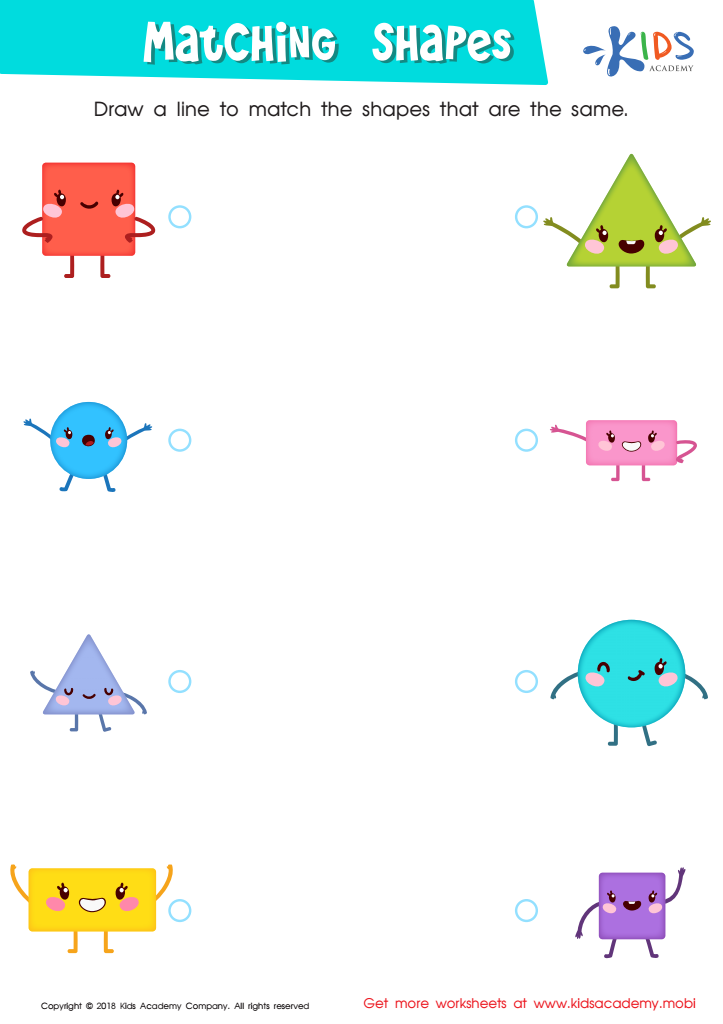
Matching Shapes Worksheet





Shape recognition is a fundamental skill that lays the foundation for a child's cognitive development, particularly for children aged 3-4. At this age, children are naturally curious and eager to explore their environment, making it an ideal time to introduce the concept of shapes. Recognizing shapes helps enhance spatial awareness, enabling children to navigate their surroundings more effectively.
For parents and teachers, fostering shape recognition is crucial for several reasons. Firstly, it supports early math skills; understanding shapes is linked to later comprehension of geometry and measurement. Second, it contributes to language development, as children learn to identify and name shapes, expanding their vocabulary and communication skills.
Moreover, shape recognition enhances critical thinking and problem-solving abilities. Engaging with shape-related activities encourages children to classify and compare, paving the way for logical reasoning. Additionally, integrating shape recognition into everyday activities fosters a sense of accomplishment, boosting confidence in young learners.
Overall, prioritizing shape recognition in early education provides a robust developmental framework that cultivates essential skills in young children, setting them up for future academic success and holistic growth.








