Vocabulary Building Worksheets for Ages 3-4
35 filtered results
-
From - To
Enhance your child's language skills with our engaging Vocabulary Building Worksheets designed specifically for ages 3-4. These worksheets are tailored to introduce young learners to essential words through fun and interactive activities. With colorful illustrations and simple exercises, children will expand their vocabulary while developing their reading and comprehension skills. Our worksheets encourage creativity and critical thinking, making learning both enjoyable and effective. Ideal for parents or educators, these resources are perfect for screen-free learning at home or in the classroom. Start your child's vocabulary journey today and watch them grow into confident communicators!
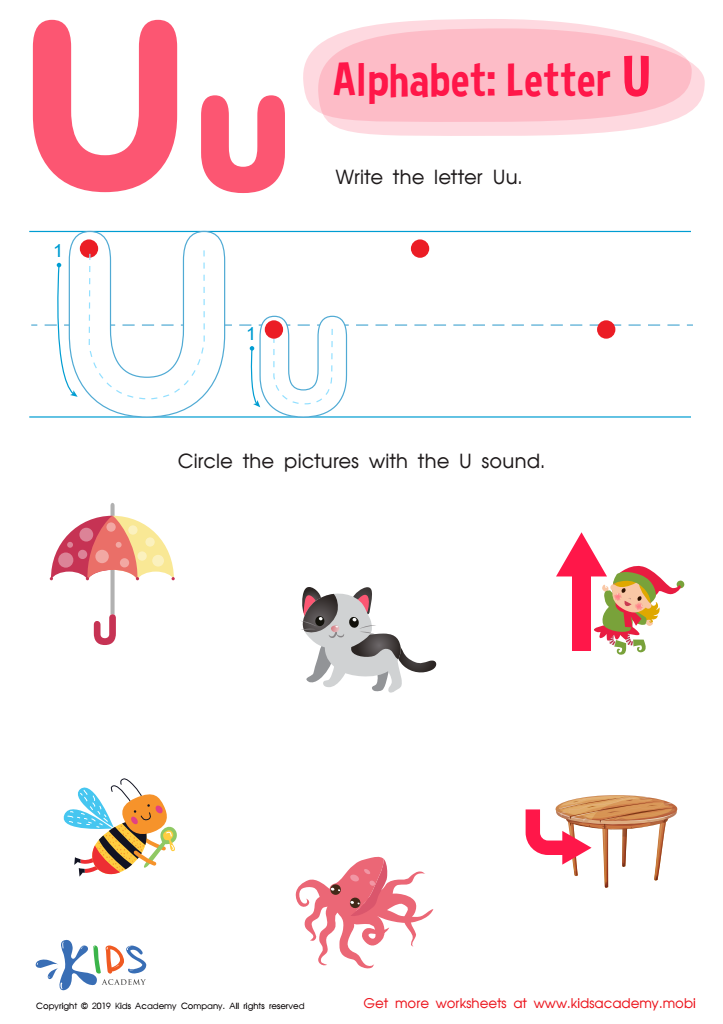
Letter U Tracing Worksheet
 Assign to My Students
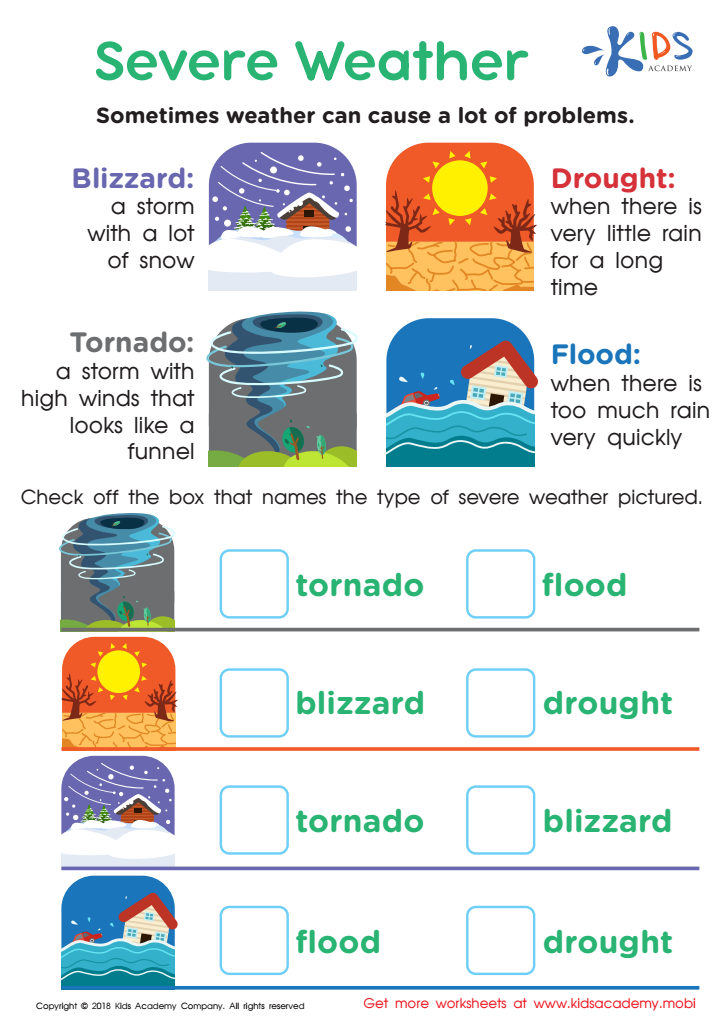
Severe Weather Worksheet
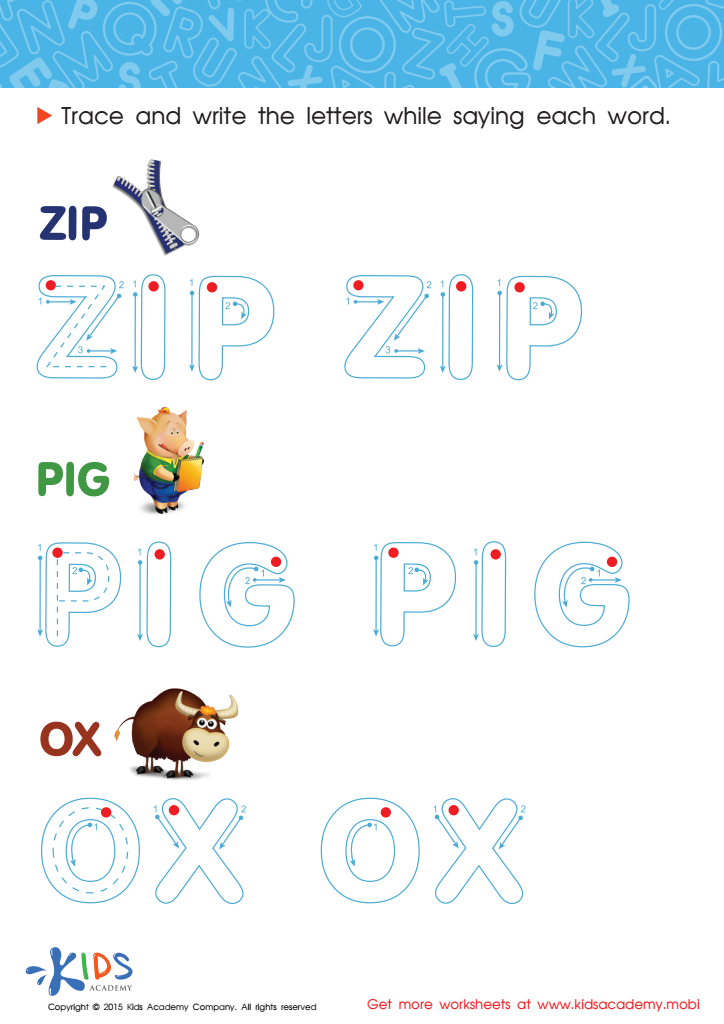
A Zip, a Pig and an Ox Spelling Worksheet
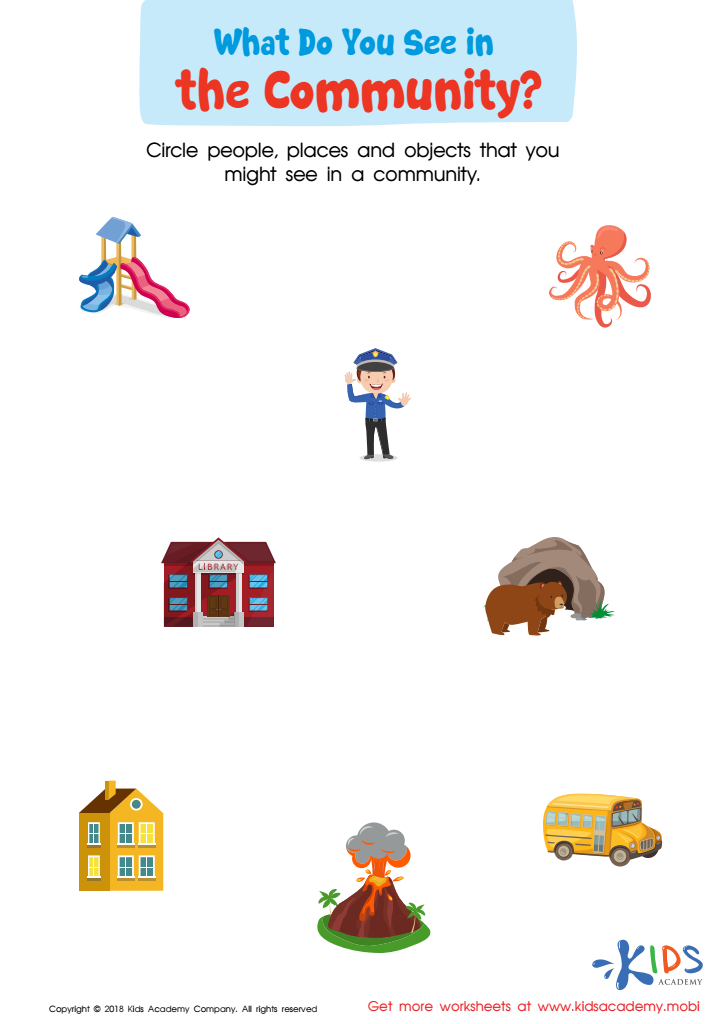
What Do You See in the Community Worksheet
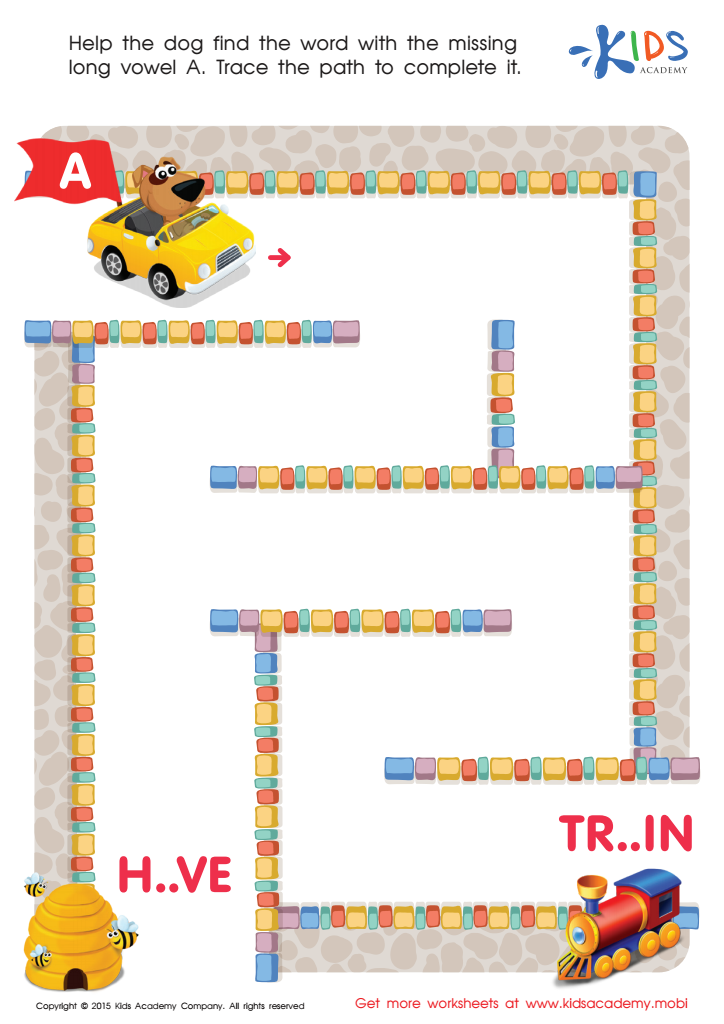
Long Vowel Sound A Worksheet
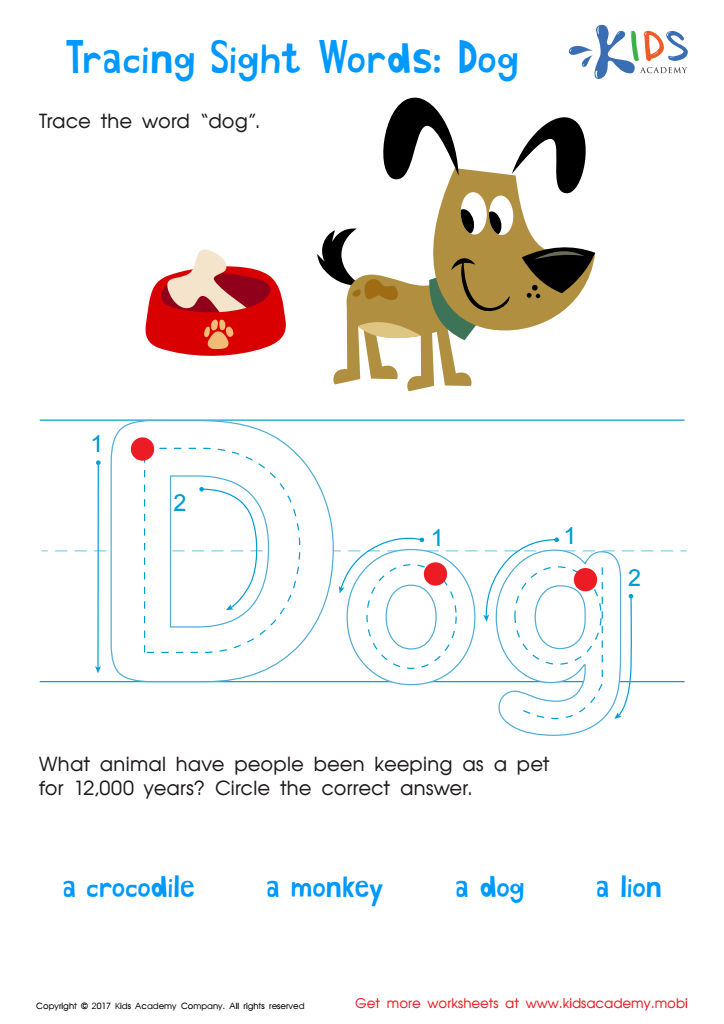
Dog Worksheet Sight Words Worksheet
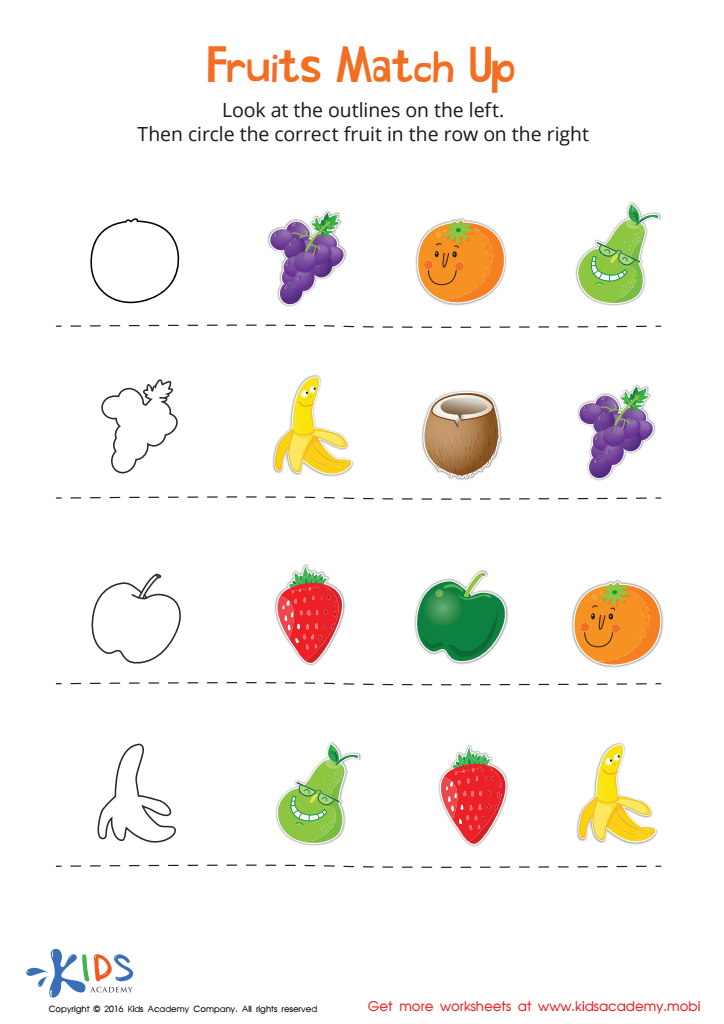
Fruits Match Up Worksheet
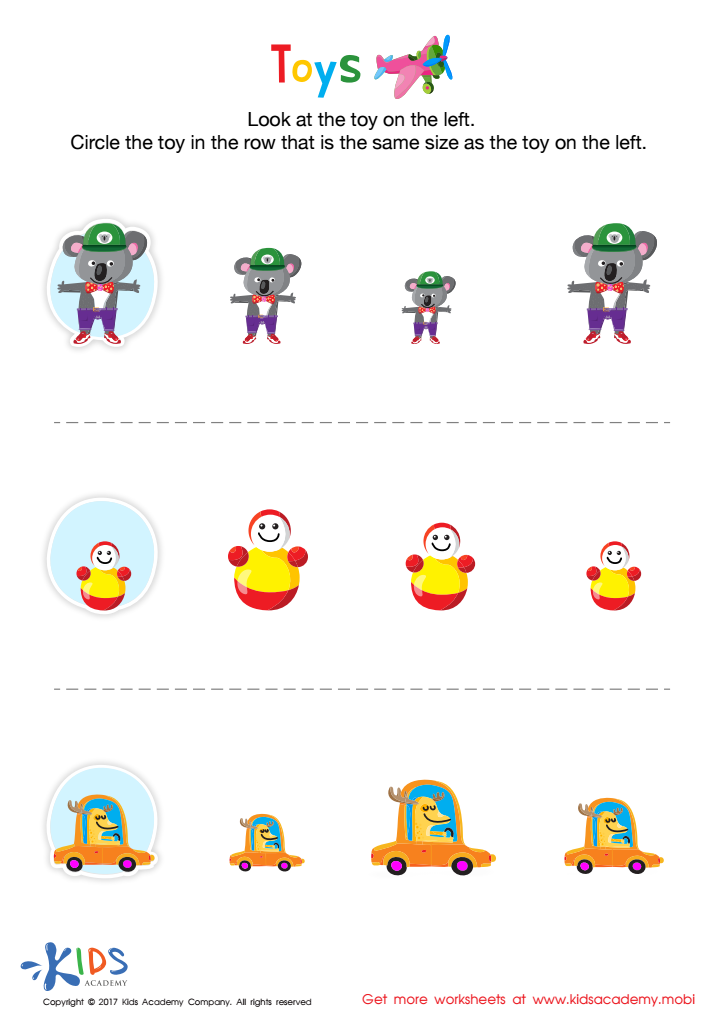
Matching: Classifying Toys by Size Worksheet
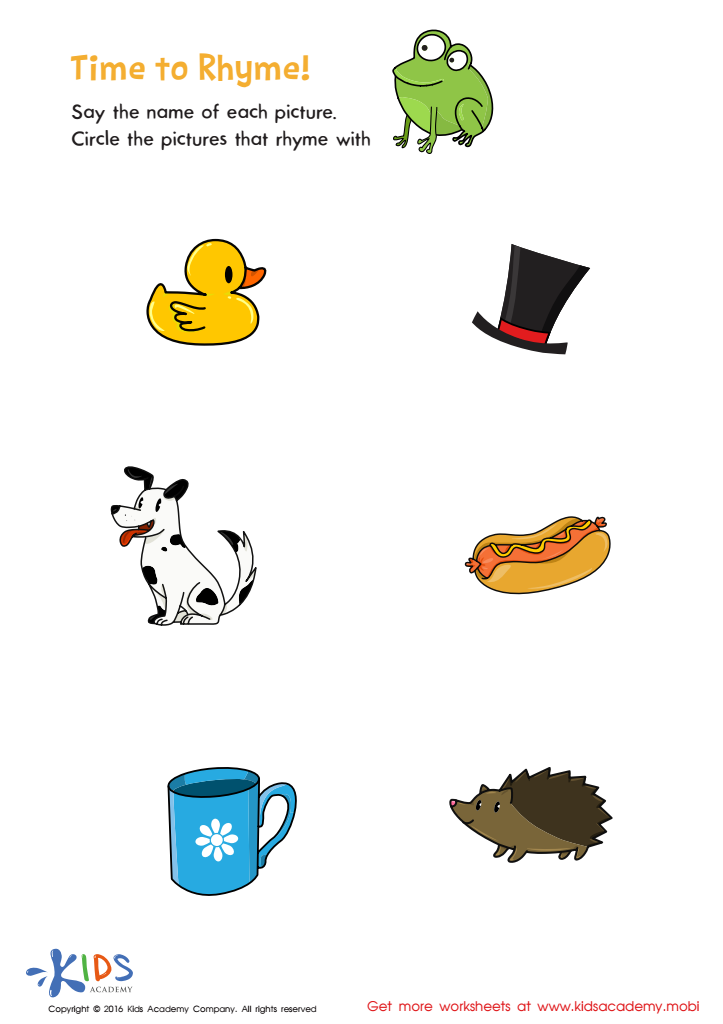
Rhyming Worksheet: Time to Rhyme Rhyming Worksheet
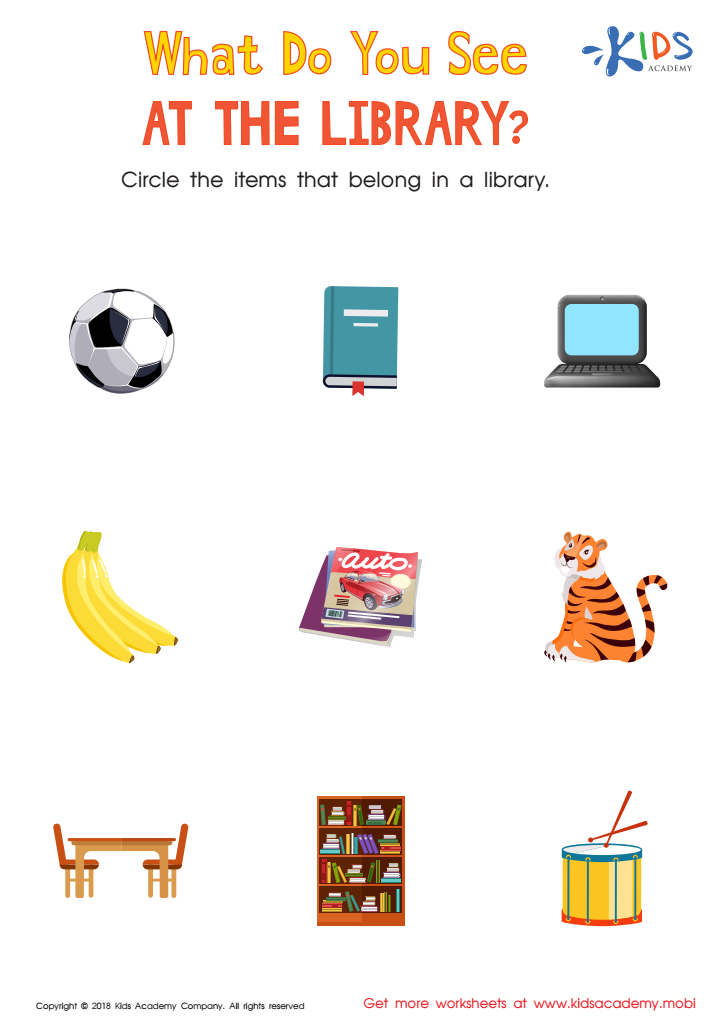
What Do you See at the Library? Worksheet
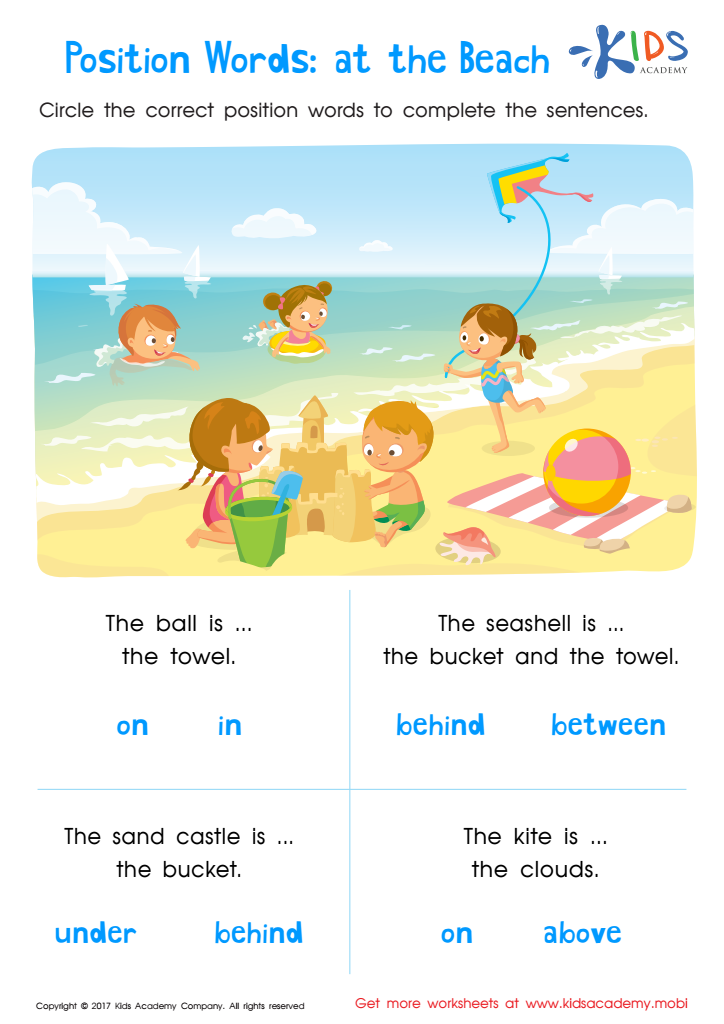
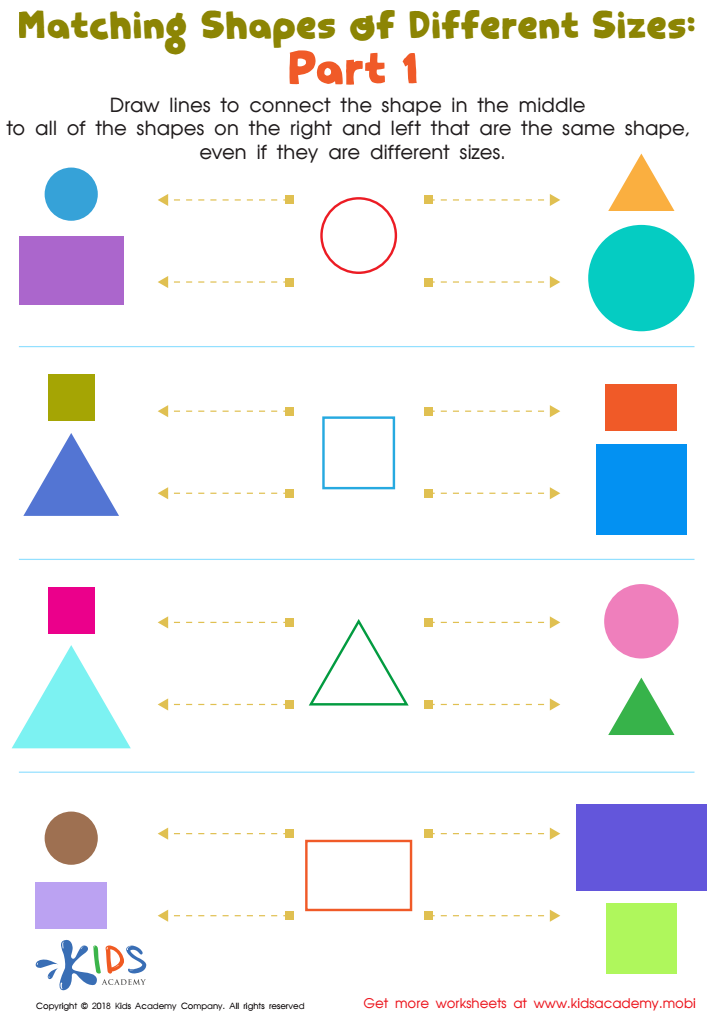
Geometry: part 1 Worksheet
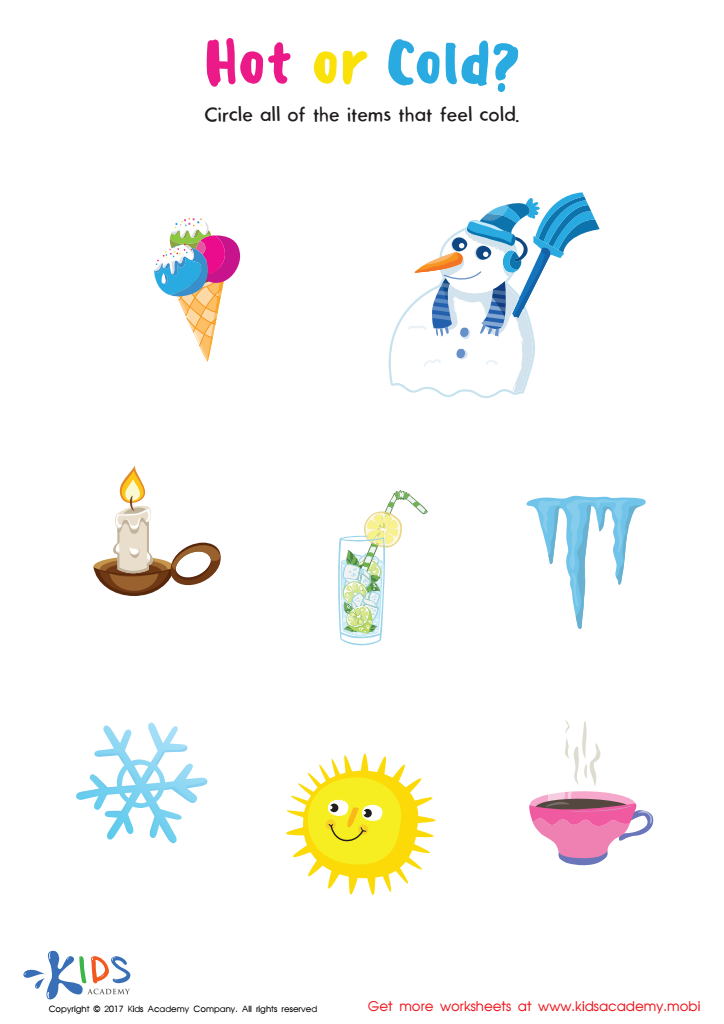
Hot or Cold Printable
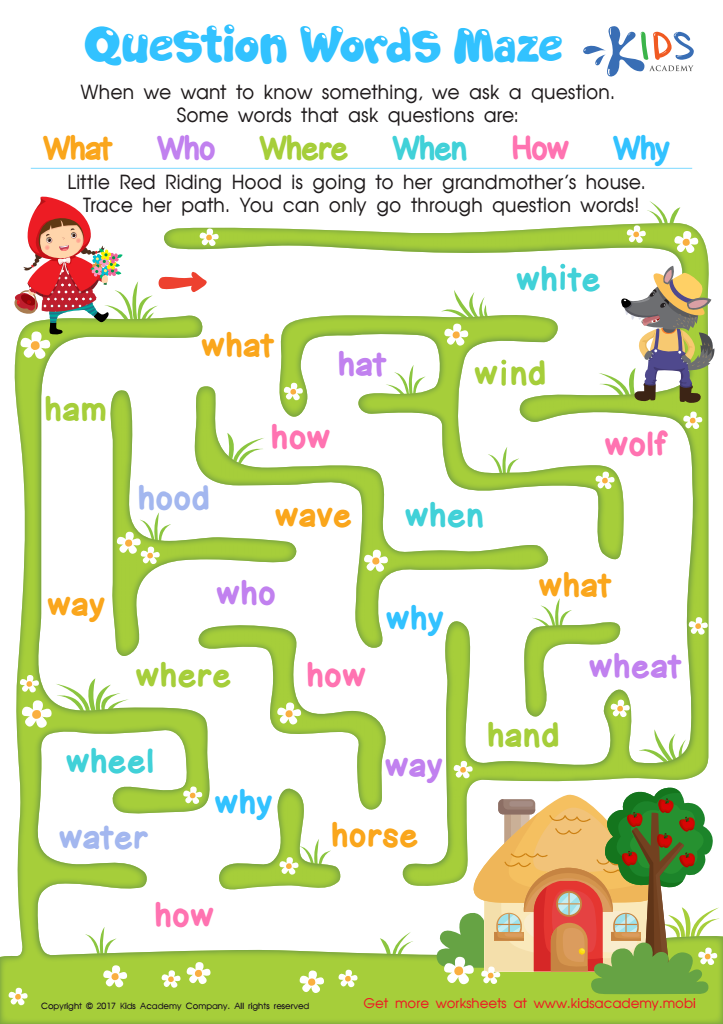
Question Words Maze Worksheet
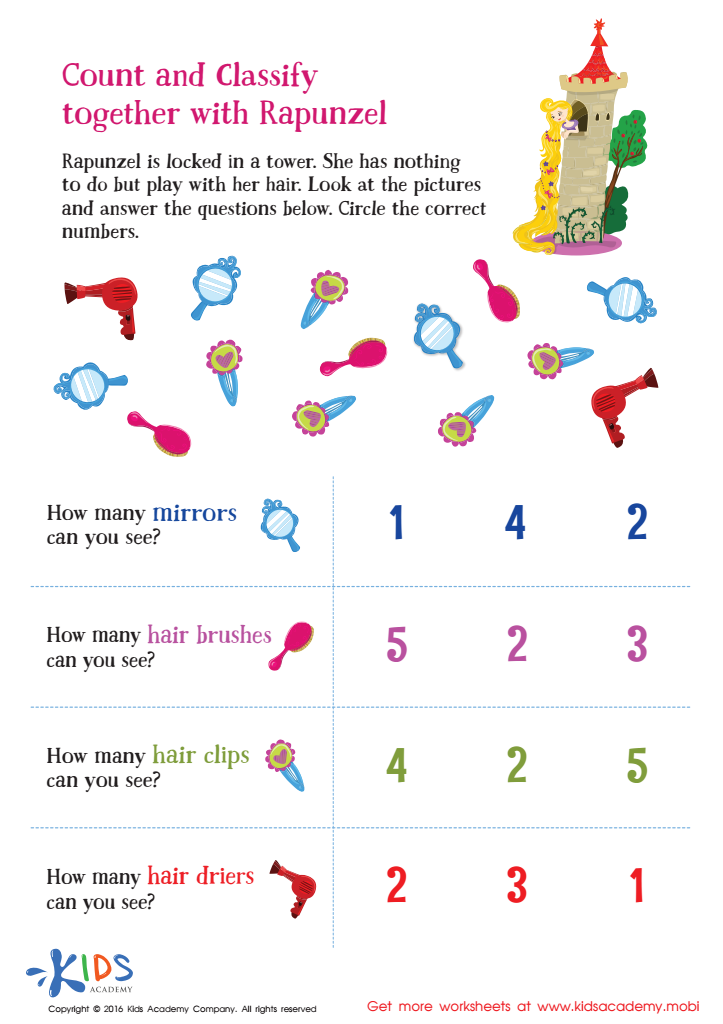
Fairy Tale Worksheet: Count and Classify with Rapunzel
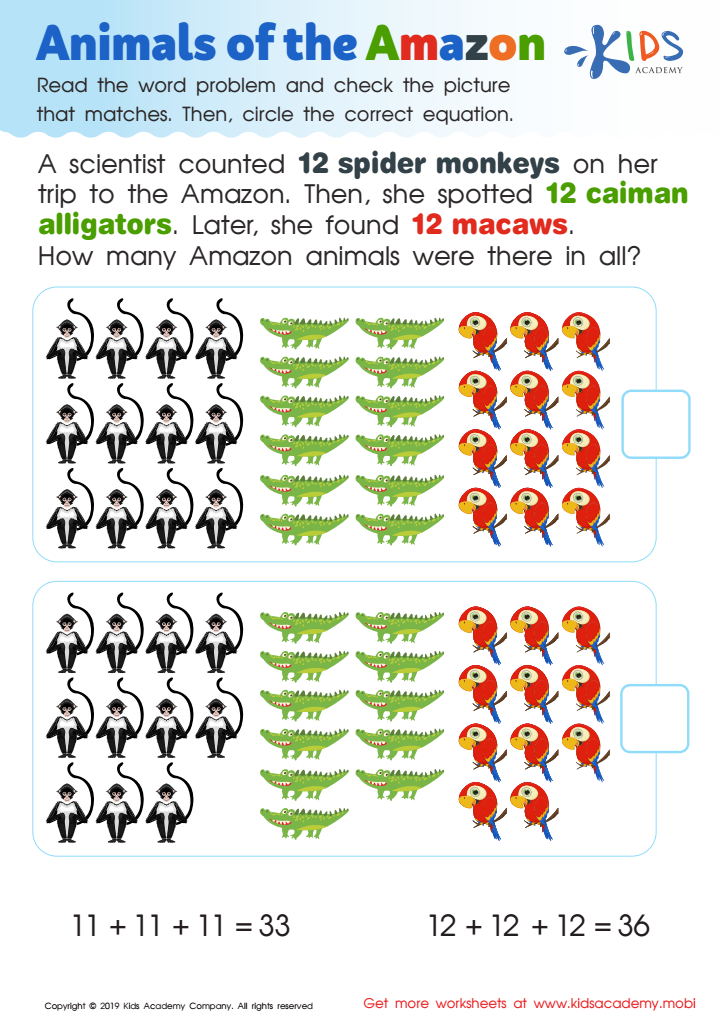
Animals of Amazon Worksheet
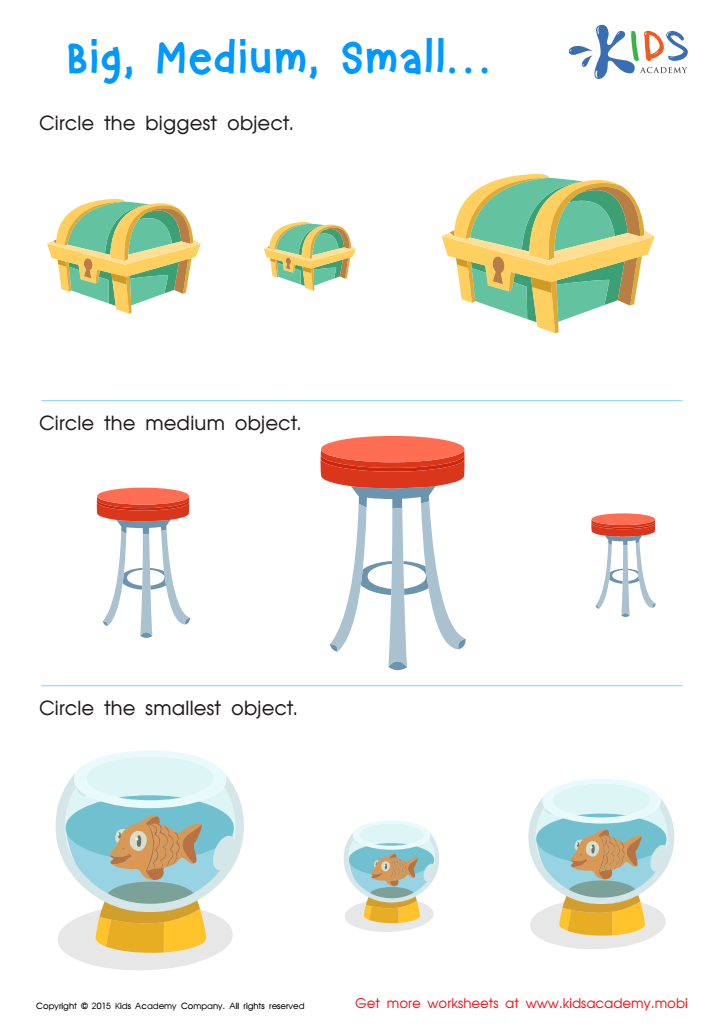
Big Medium Small Worksheet
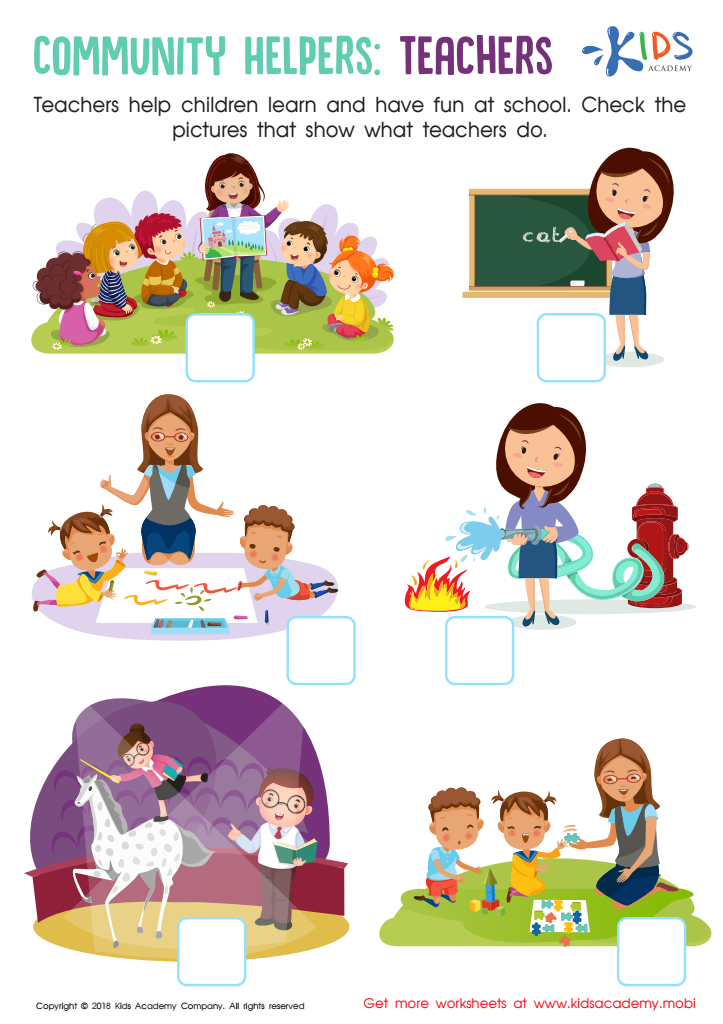
Teachers Community Helpers Worksheet
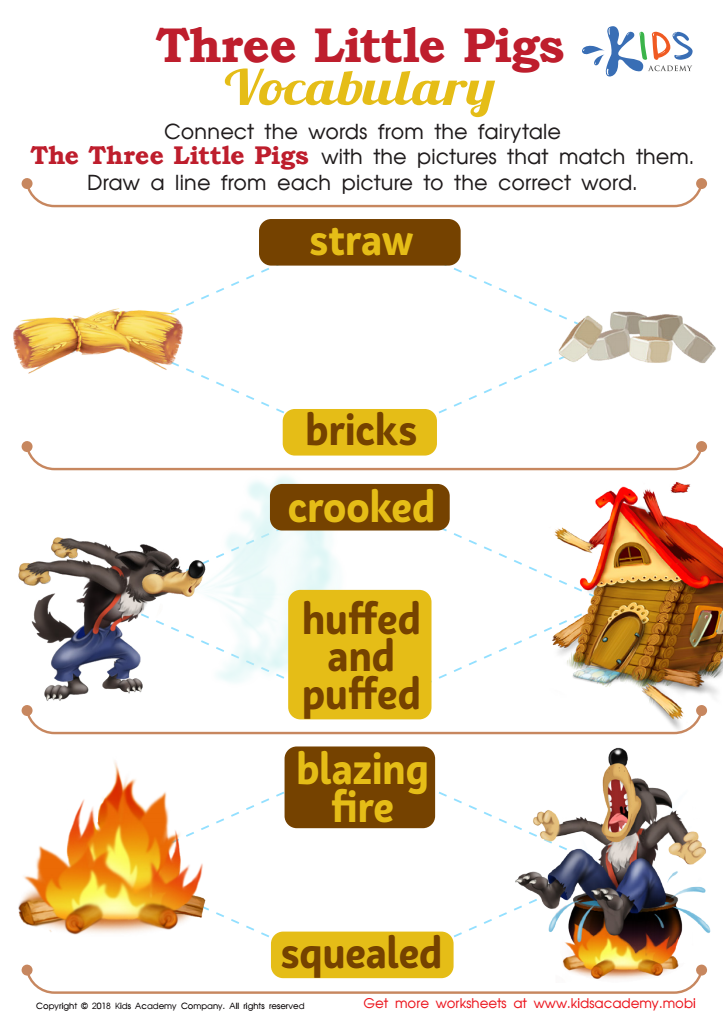
Three Little Pigs Vocabulary Worksheet
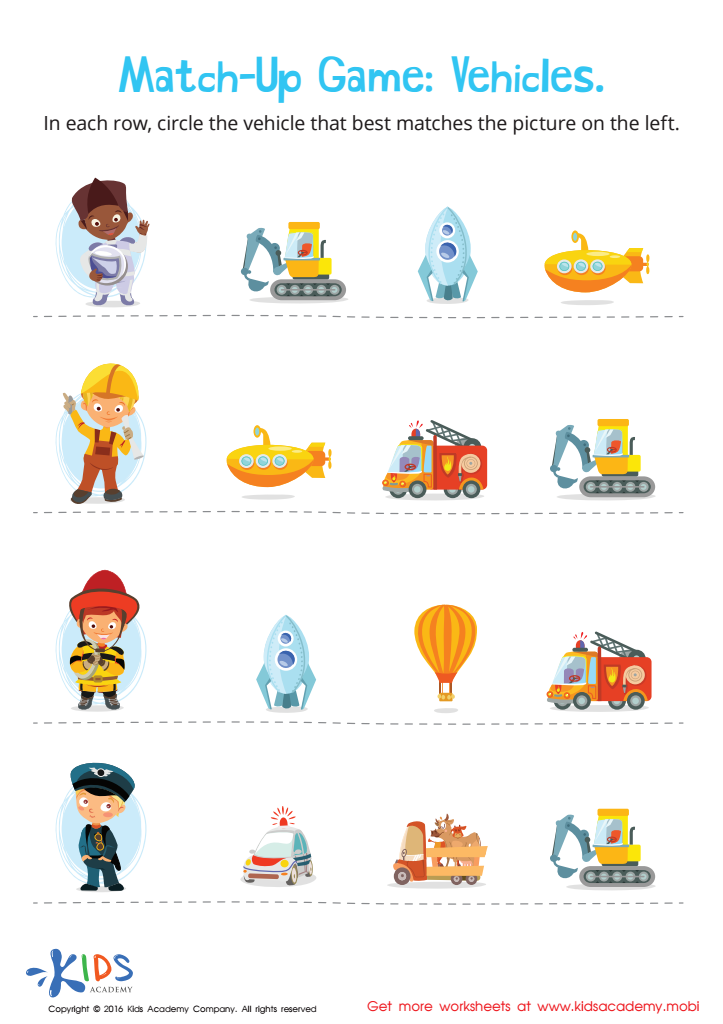
Vehicles Worksheet
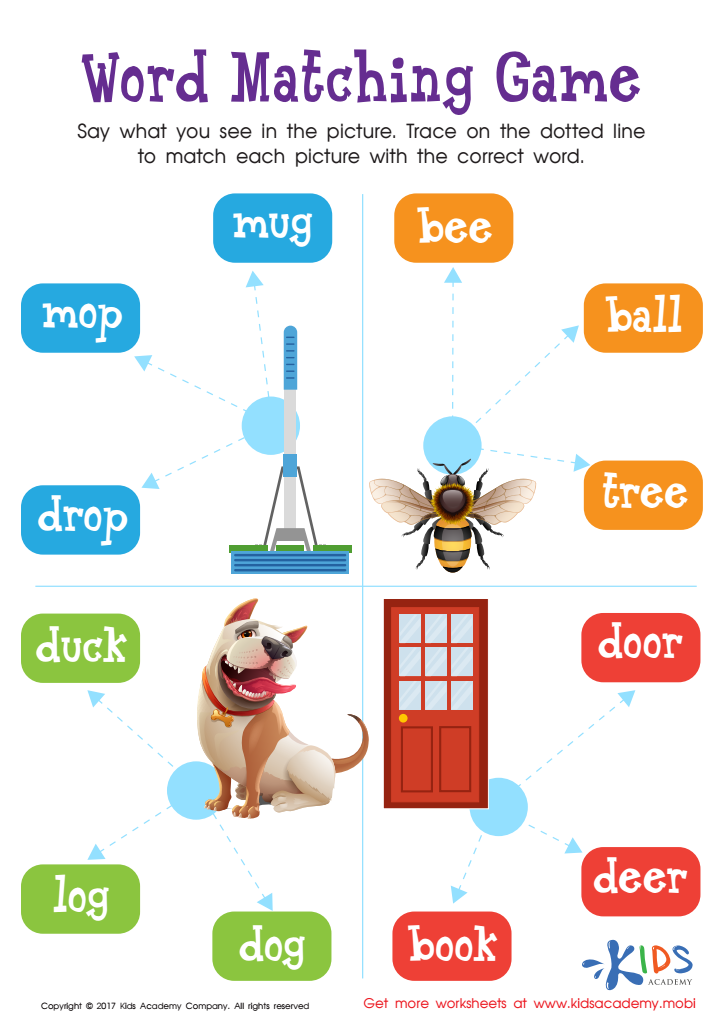
Word Matching Game Worksheet
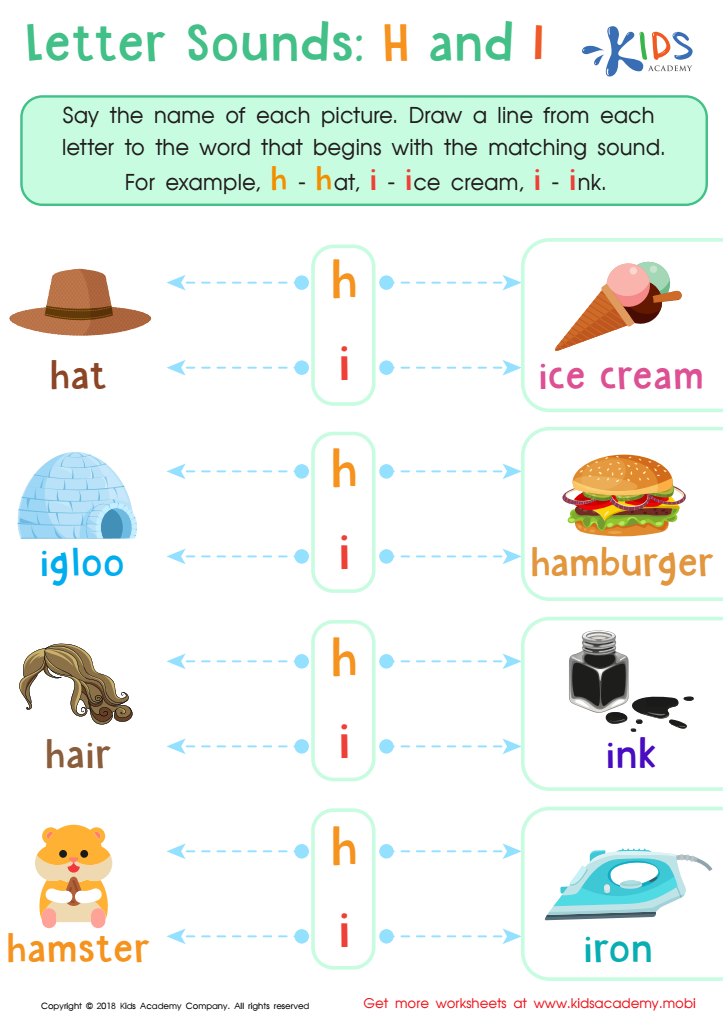
Letter H and I Sounds Worksheet
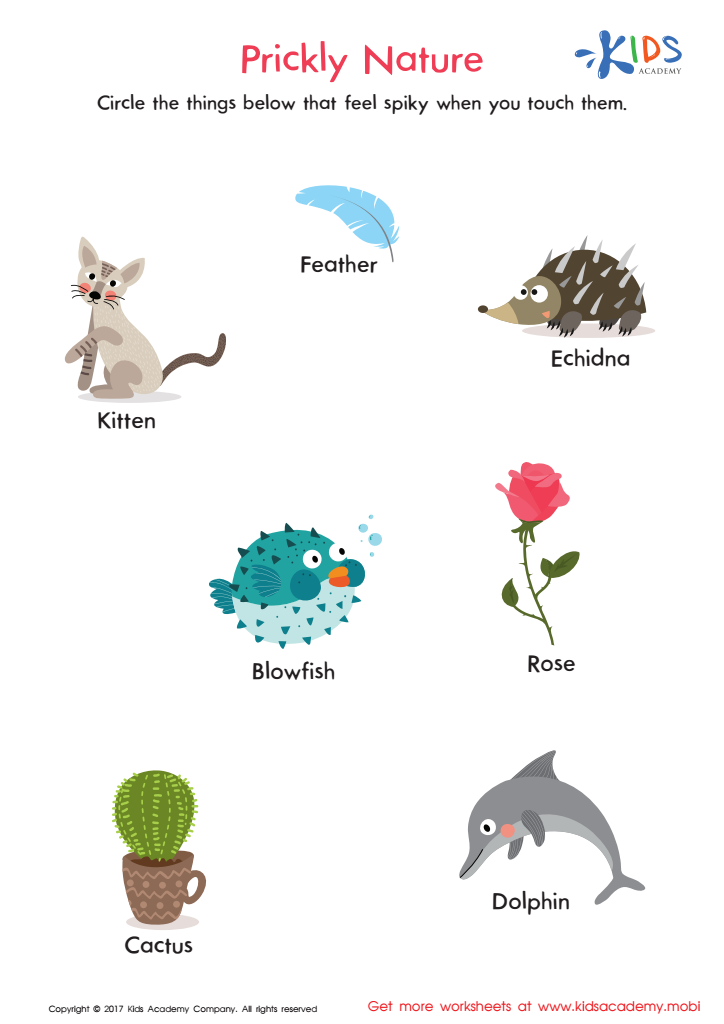
Prickly Nature Worksheet
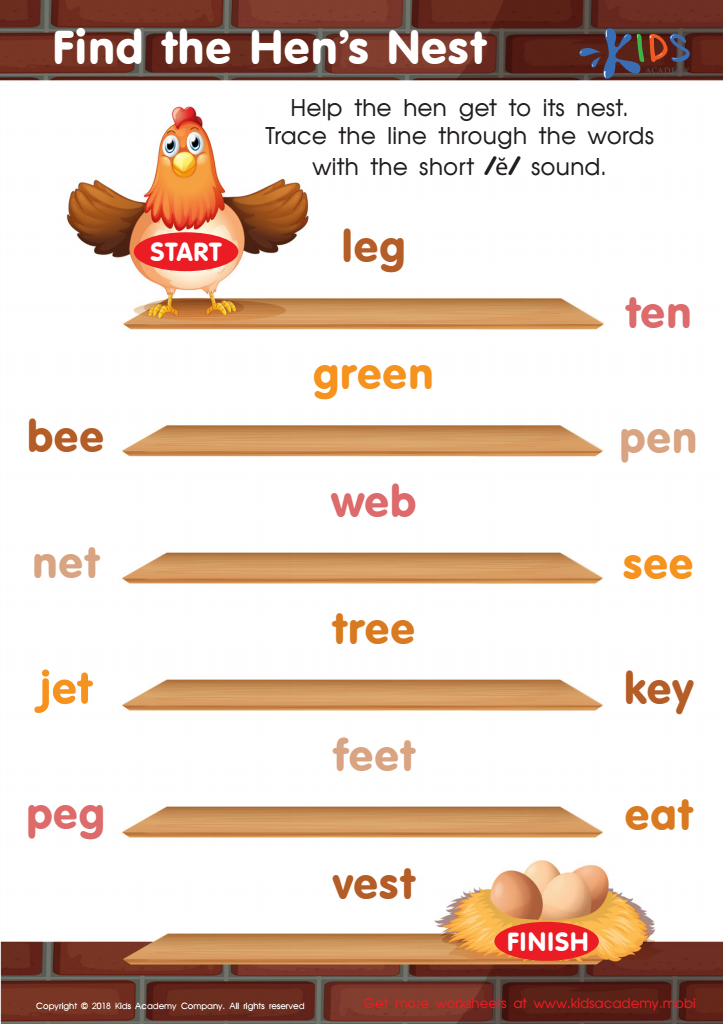
Find Hens Nest Reading Worksheet








Vocabulary building for children ages 3-4 is a foundational aspect of early literacy and cognitive development. At this age, children experience rapid brain growth, making them particularly receptive to learning new words and language patterns. Engaging in vocabulary-rich conversations helps young learners develop their language skills, enhancing their ability to express thoughts, emotions, and ideas.
A strong vocabulary supports later skills in reading comprehension and writing, laying the groundwork for academic success throughout a child’s educational journey. When parents and teachers focus on vocabulary development, they are not just teaching words; they are fostering critical thinking, problem-solving abilities, and social skills. Early exposure to diverse vocabulary empowers children to communicate effectively, improving interaction with peers and adults alike.
Furthermore, vocabulary building encourages a love for learning. Storytime, songs, and interactive play centered around new words make learning enjoyable and engaging, instilling a positive attitude towards education. As children become more confident in their language abilities, their curiosity expands, promoting exploration and discovery.
Ultimately, prioritizing vocabulary development for young children leads to well-rounded, confident communicators who are better equipped to navigate their world and succeed academically. Thus, the efforts of parents and teachers in this area are vital and transformative.








