Cognitive Development Geometry Worksheets for Ages 3-4
13 filtered results
-
From - To
Unlock your child’s potential with our Cognitive Development Geometry Worksheets tailored for ages 3-4! These engaging printables focus on essential geometric concepts, helping young minds identify shapes, patterns, and spatial relationships. Expertly designed to make learning fun and interactive, our worksheets promote critical thinking and problem-solving skills. Perfect for preschoolers, these activities also aid in fine motor development and hand-eye coordination. From circles and squares to more complex shapes, each worksheet encourages curiosity and a love for learning. Give your child a strong mathematical foundation today with our expertly-crafted geometry resources!
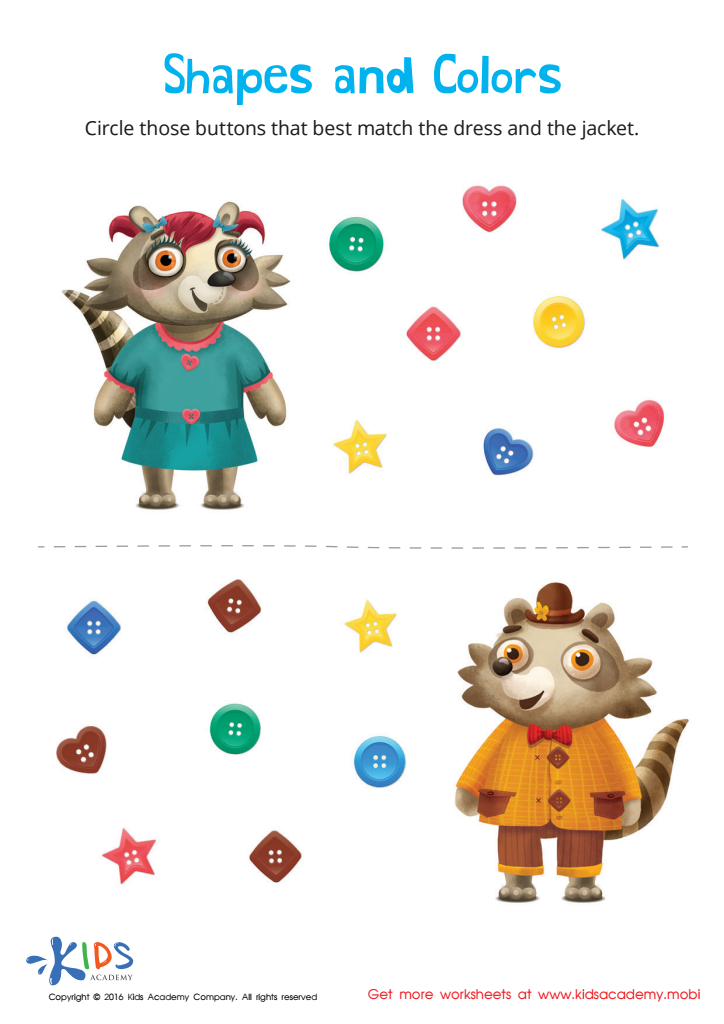
Matching: Shapes and Colors Worksheet
 Assign to My Students











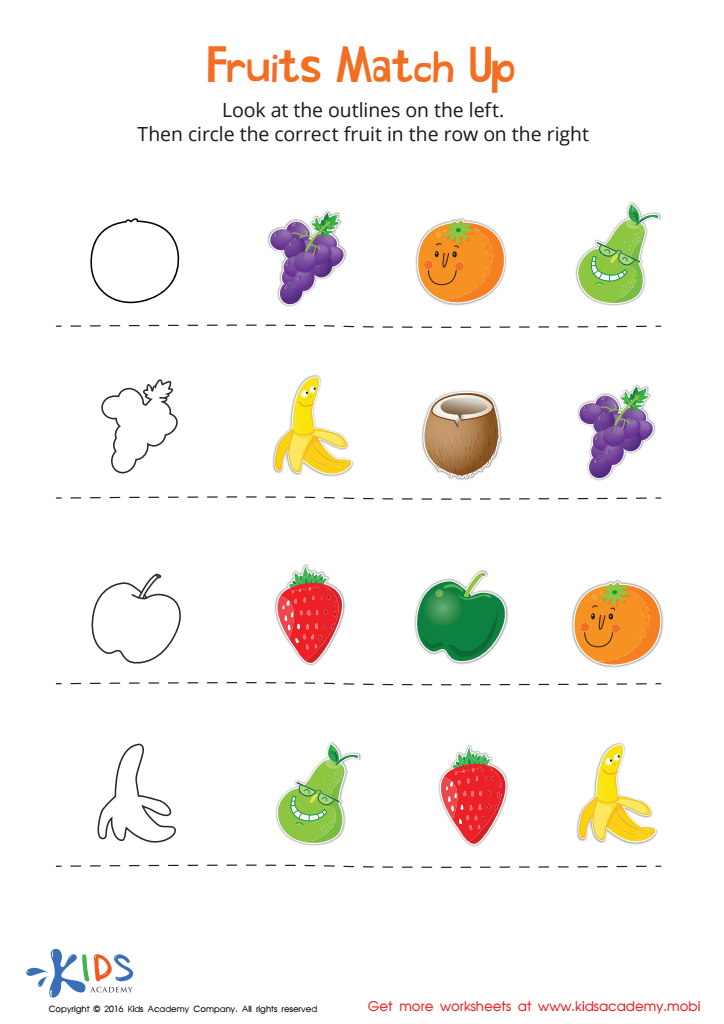
Fruits Match Up Worksheet
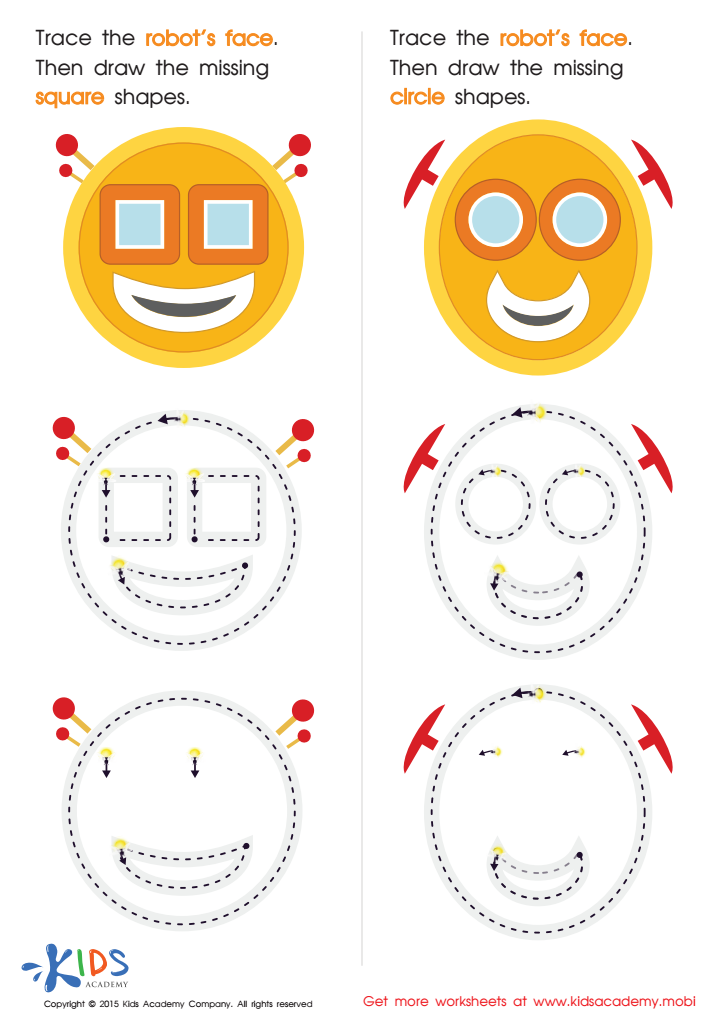
Practicing to Draw Circles And Squares Printable
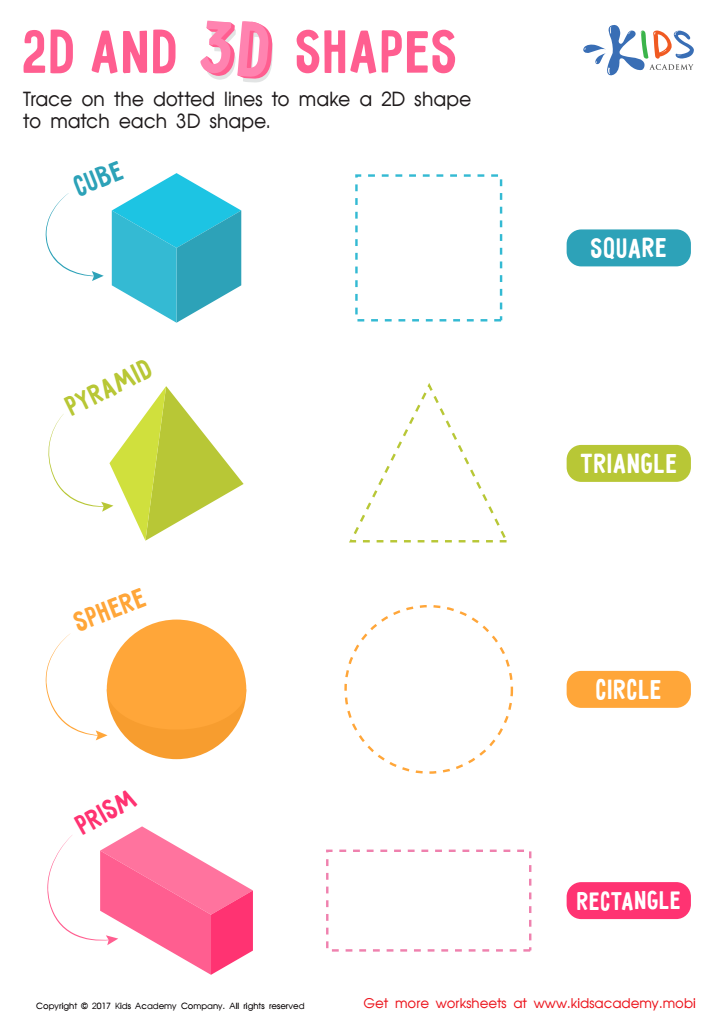
2D and 3D Shapes Worksheet
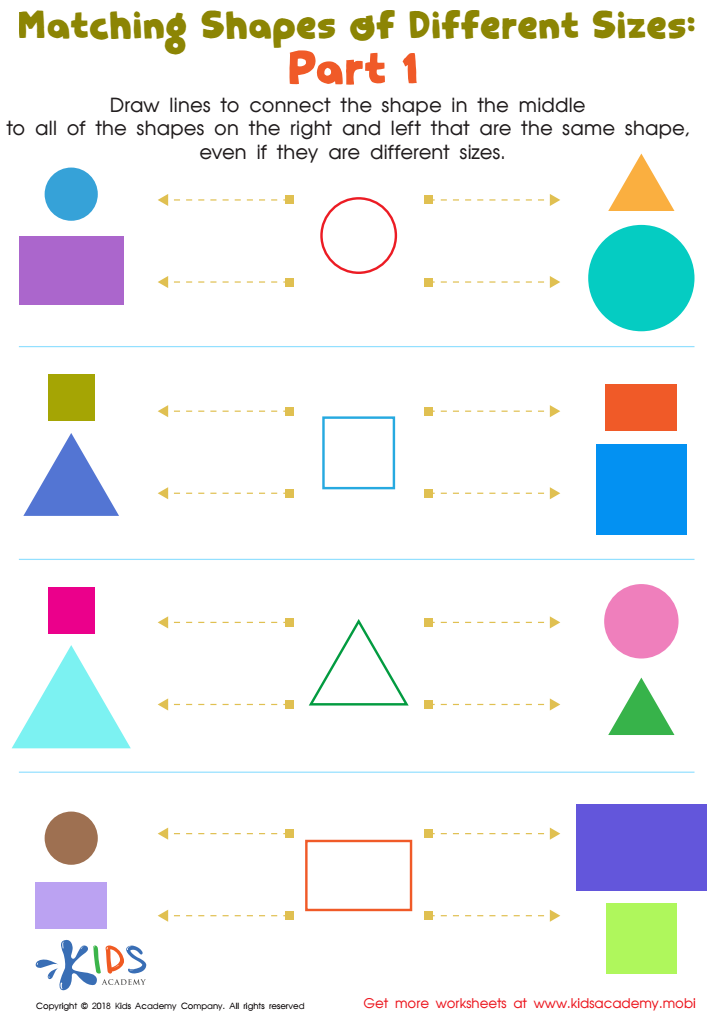
Geometry: part 1 Worksheet
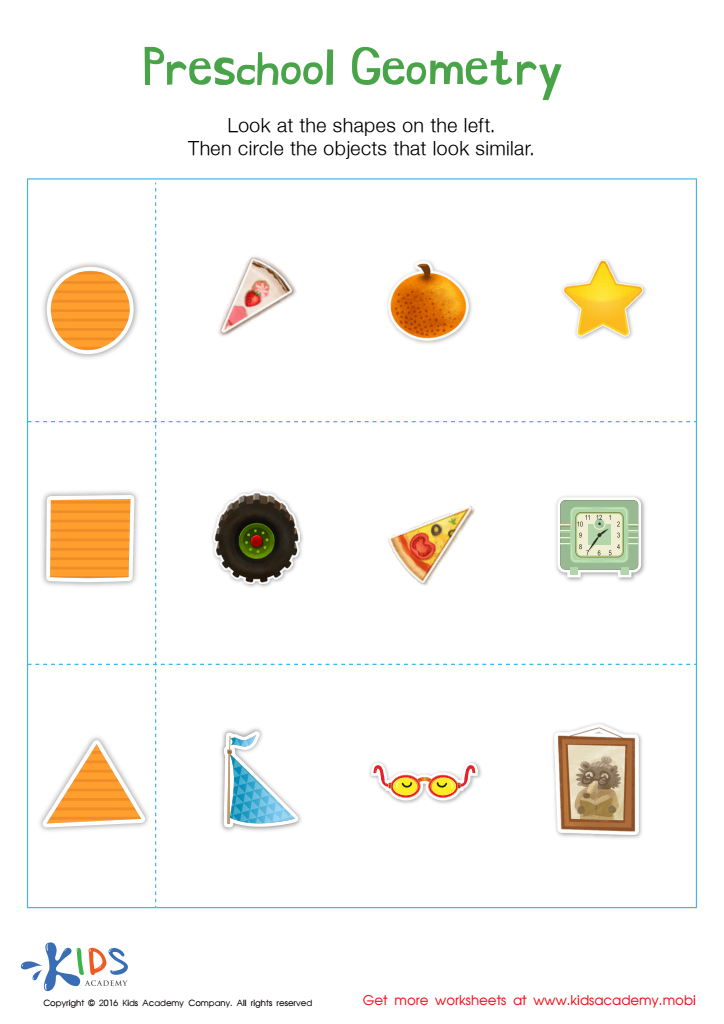
Preschool Geometry Match Up Worksheet
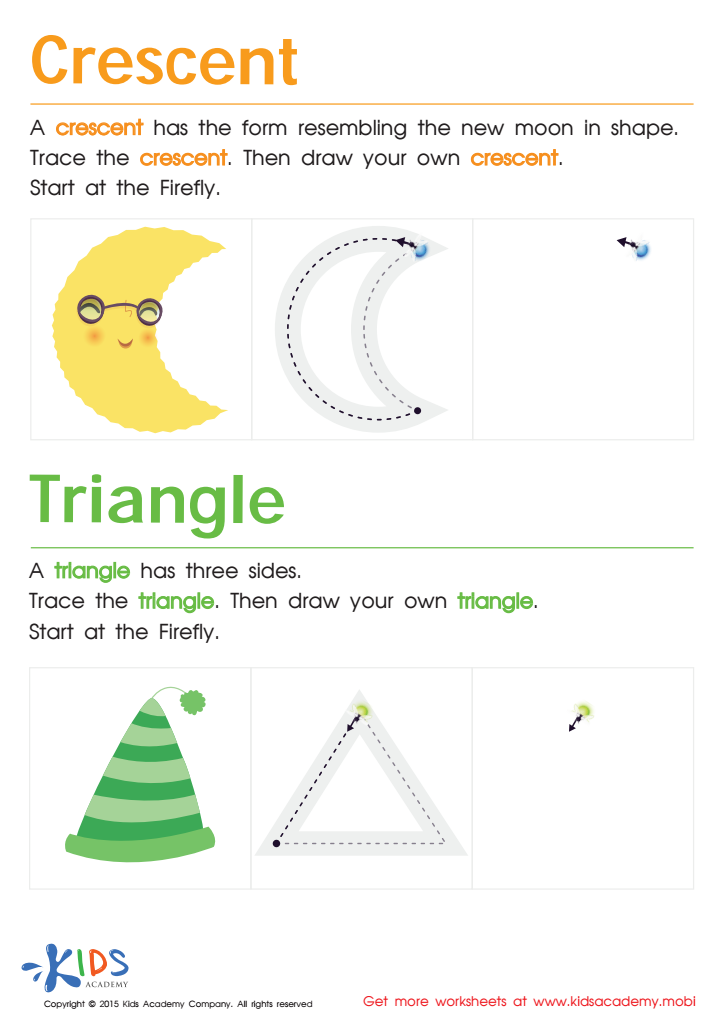
Learning to Draw Crescents And Triangles Worksheet
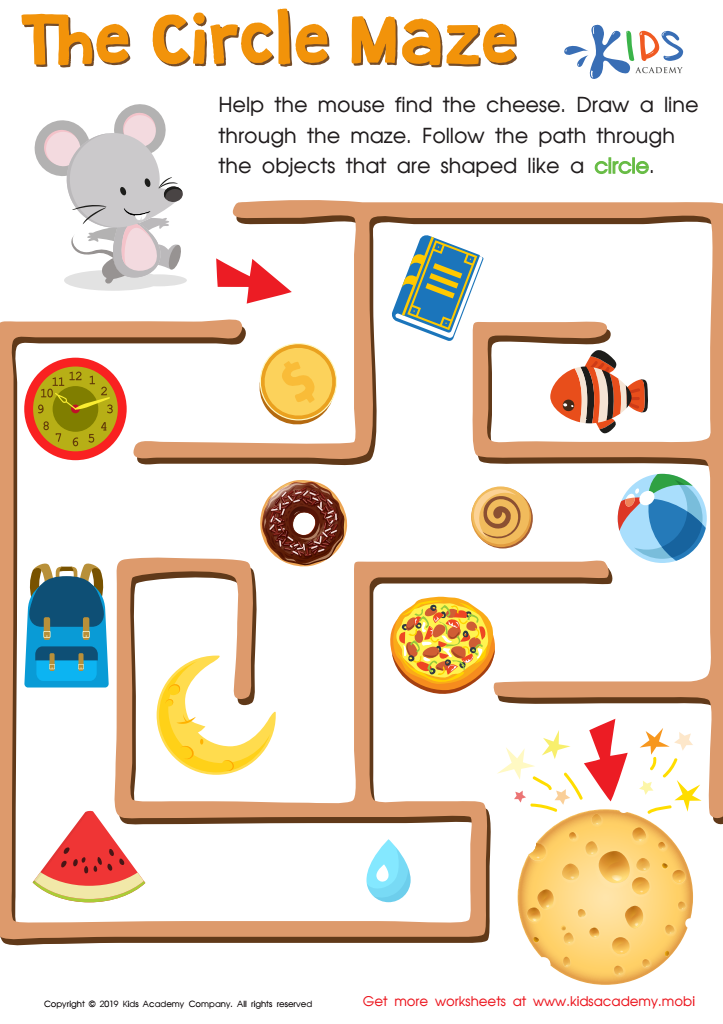
The Circle Maze Worksheet
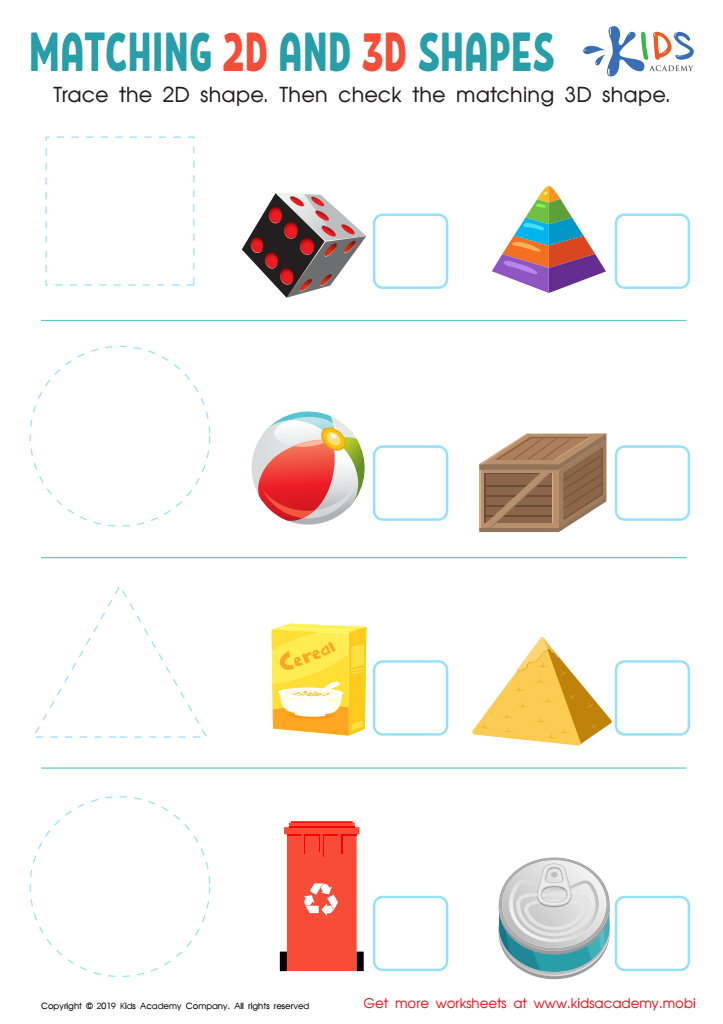
Matching 2D and 3D Shapes Worksheet
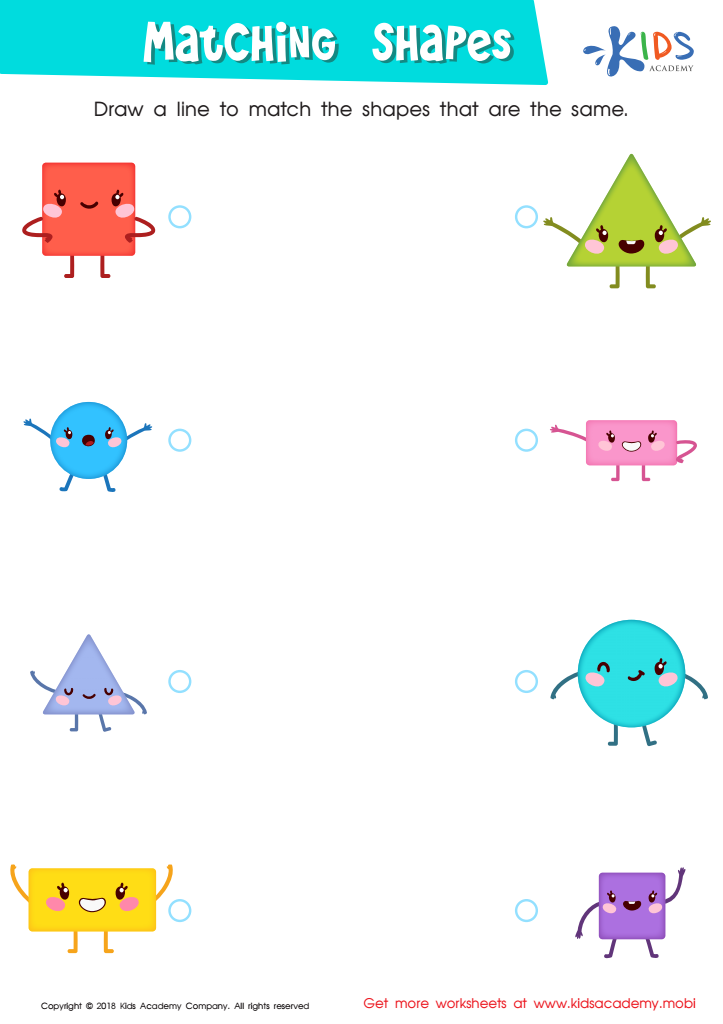
Matching Shapes Worksheet
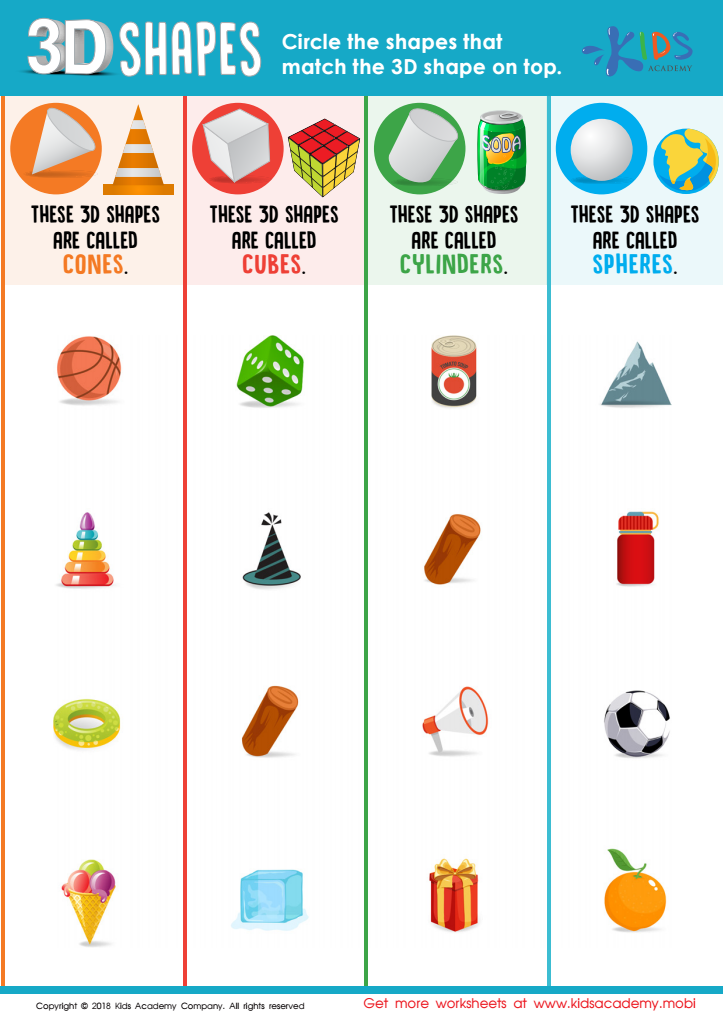
3D Shapes Worksheet
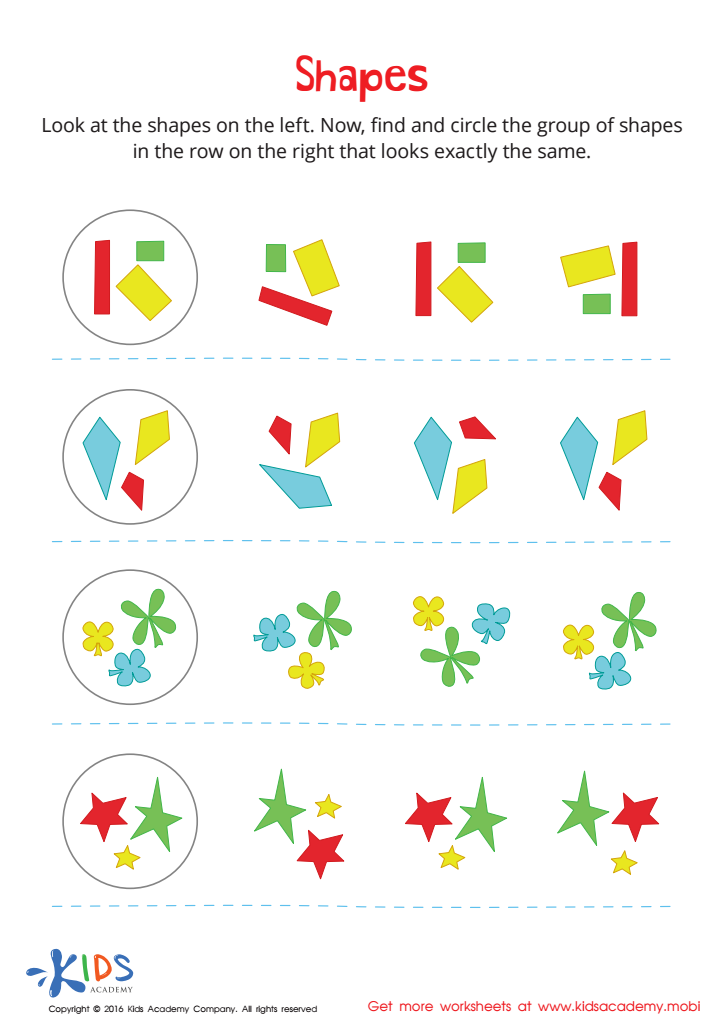
Shapes Worksheet
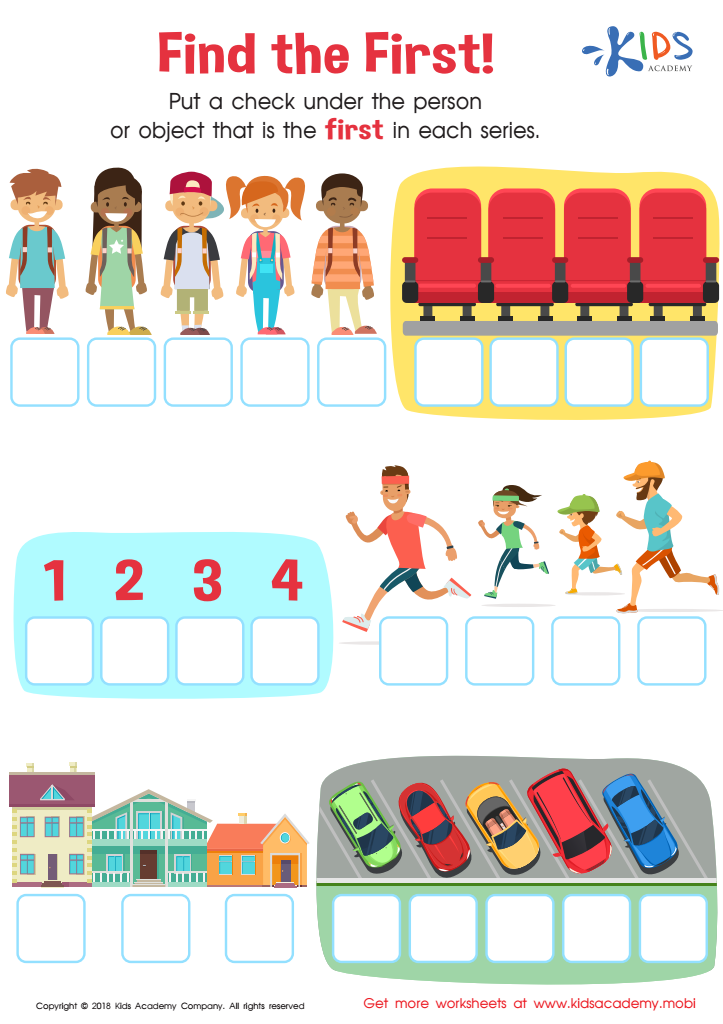
Find the First! Worksheet








Cognitive development in geometry for children aged 3-4 is essential as it lays the foundation for critical thinking, problem-solving, and spatial awareness abilities that are vital throughout life. At this tender age, children's brains are highly malleable, making them extremely receptive to new concepts. Introducing geometrical concepts helps young minds understand and interpret the world around them. Recognizing shapes, positions, and relationships between different objects aids in the enhancement of their observational skills.
Engaging with geometry also bolsters fine motor skills; activities such as drawing shapes or assembling puzzles demand concentration and dexterity. Furthermore, grasping fundamental geometrics can improve early math skills, providing a head start for more complex mathematical learning later on.
In-class or home learning geometrical activities stimulate curiosity and encourage children's intrinsic motivation to learn by discovery. By examining and interacting with various shapes, young learners develop verbal skills as they describe and discuss their activities. Additionally, geometry strengthens logical reasoning and categorization skills, which are applicable across multiple disciplines and everyday problem-solving scenarios.
Overall, investing in cognitive development with a focus on geometry during early childhood sets a robust educational trajectory and nurtures versatile, perceptive thinkers who are better equipped for future academic and life challenges.








