Critical Thinking Science Worksheets for Ages 3-4
7 filtered results
-
From - To
Introduce your little one to the wonders of science with our "Critical Thinking Science Worksheets for Ages 3-4". Our worksheets are designed to spark curiosity and develop essential early learning skills. Through fun and engaging activities, children practice observation, comparison, and logical reasoning. Each worksheet provides a hands-on, interactive approach that captures young minds and builds a strong foundation for future scientific exploration. Perfect for both classroom and home use, these worksheets support the development of critical thinking, problem-solving, and analytical skills. Give your preschooler a head start on their educational journey with our expertly crafted science worksheets.
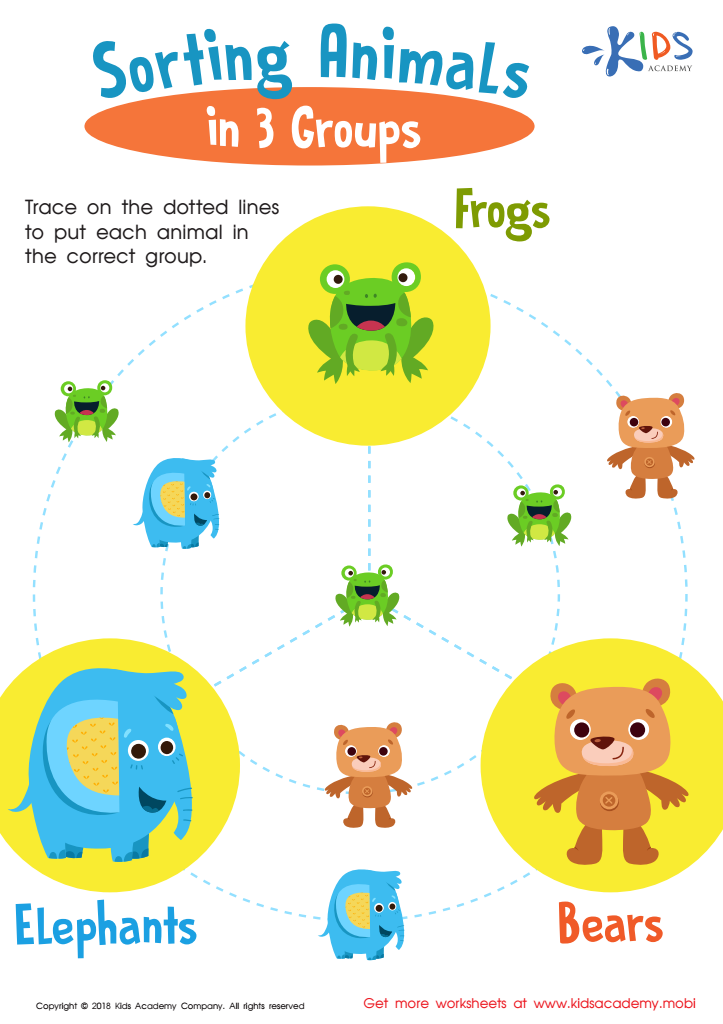
Sorting Animals in 3 Groups Worksheet
 Assign to My Students
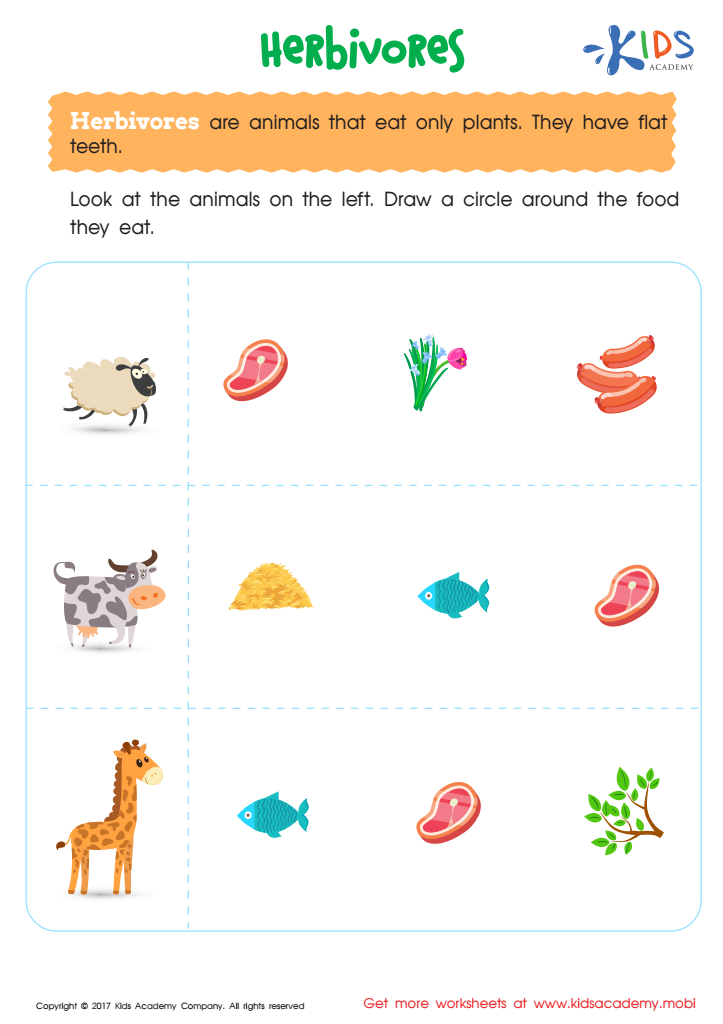
Herbivores Printable
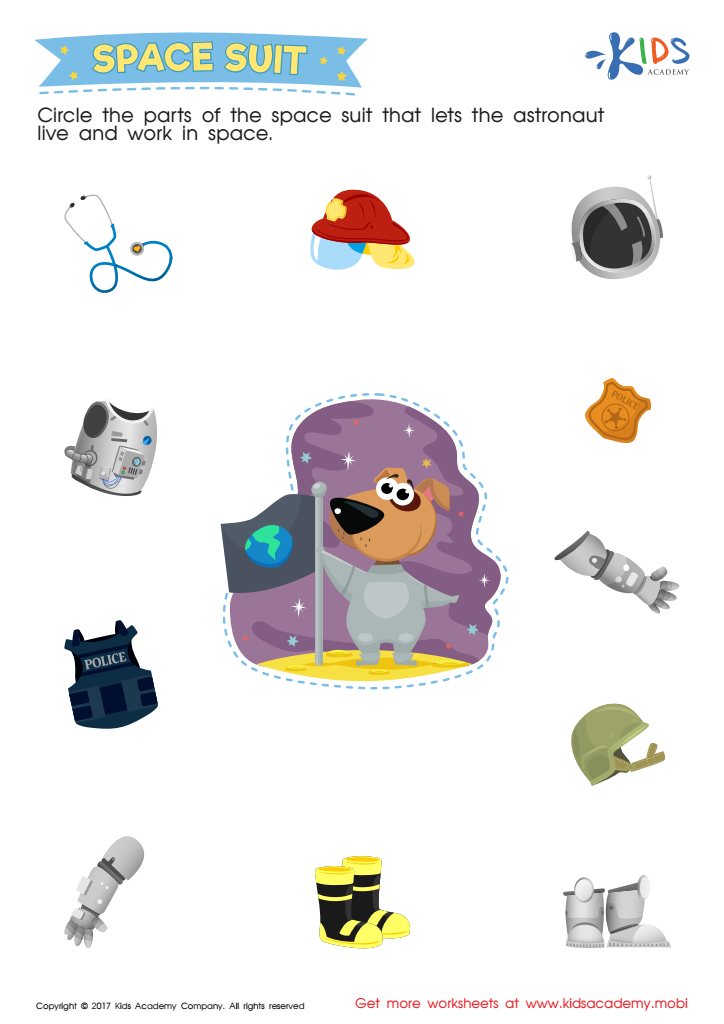
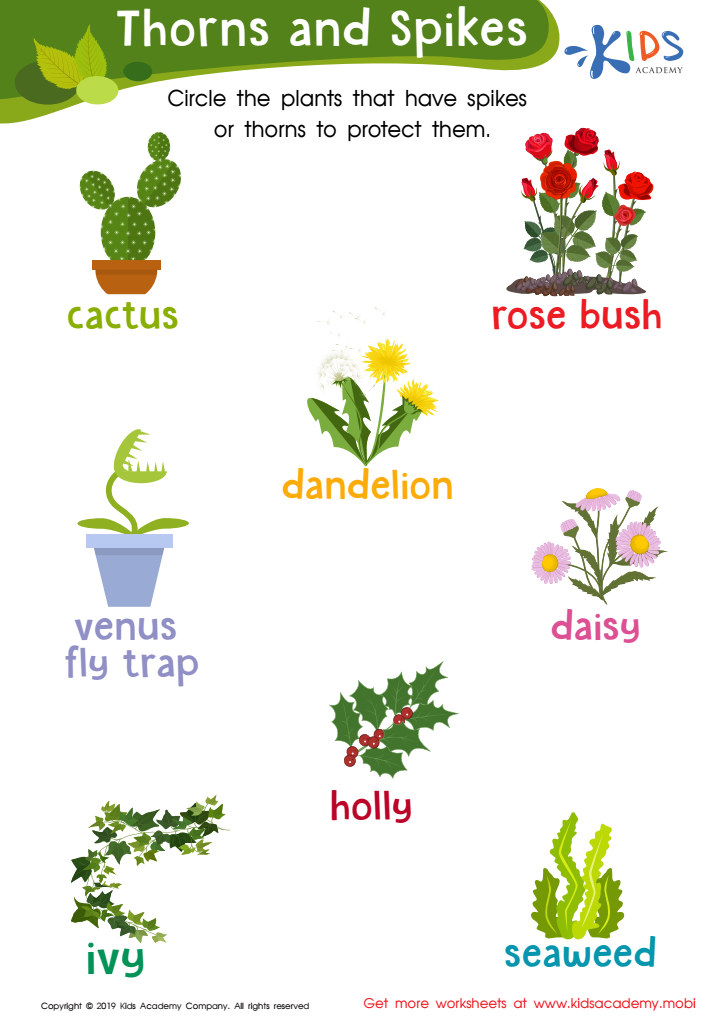
Thorns and Spikes Worksheet
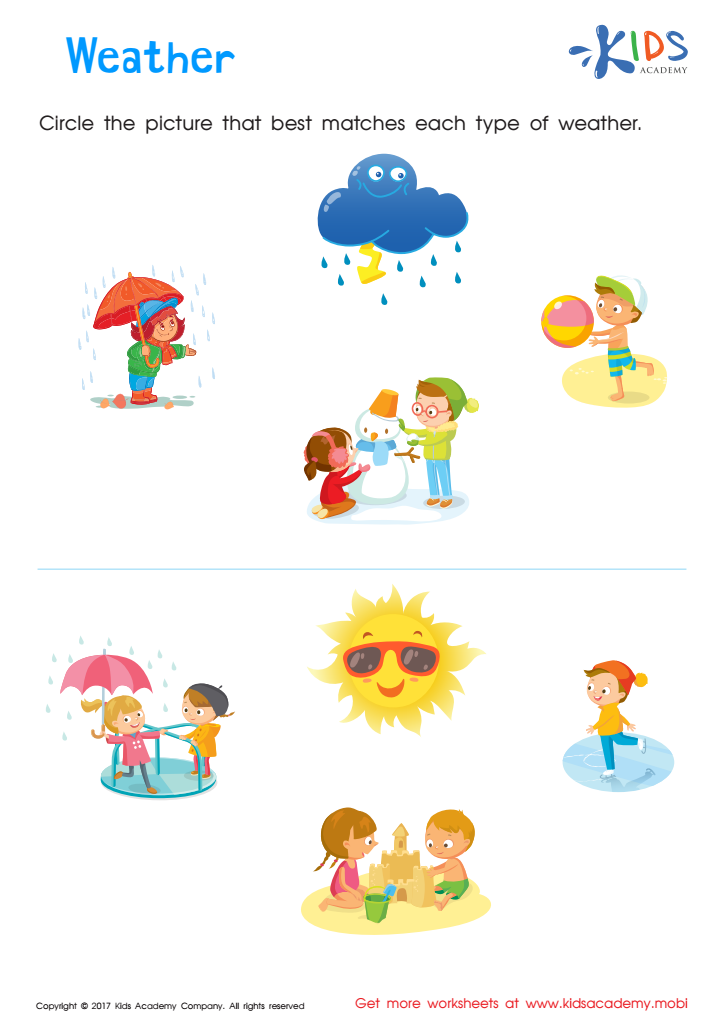
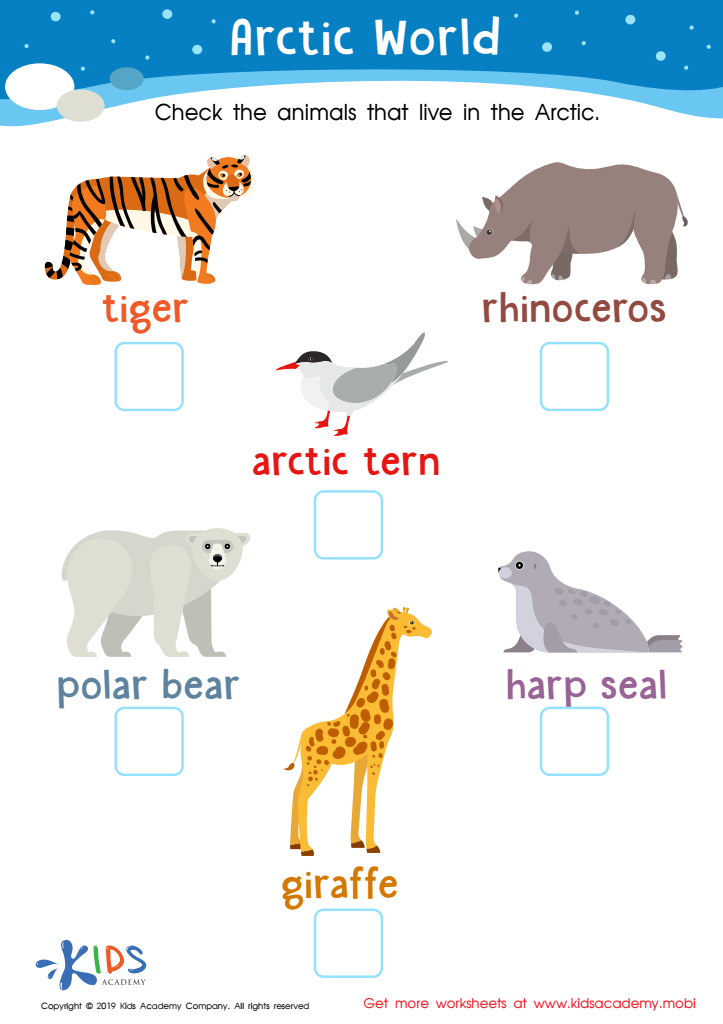
Arctic World Worksheet
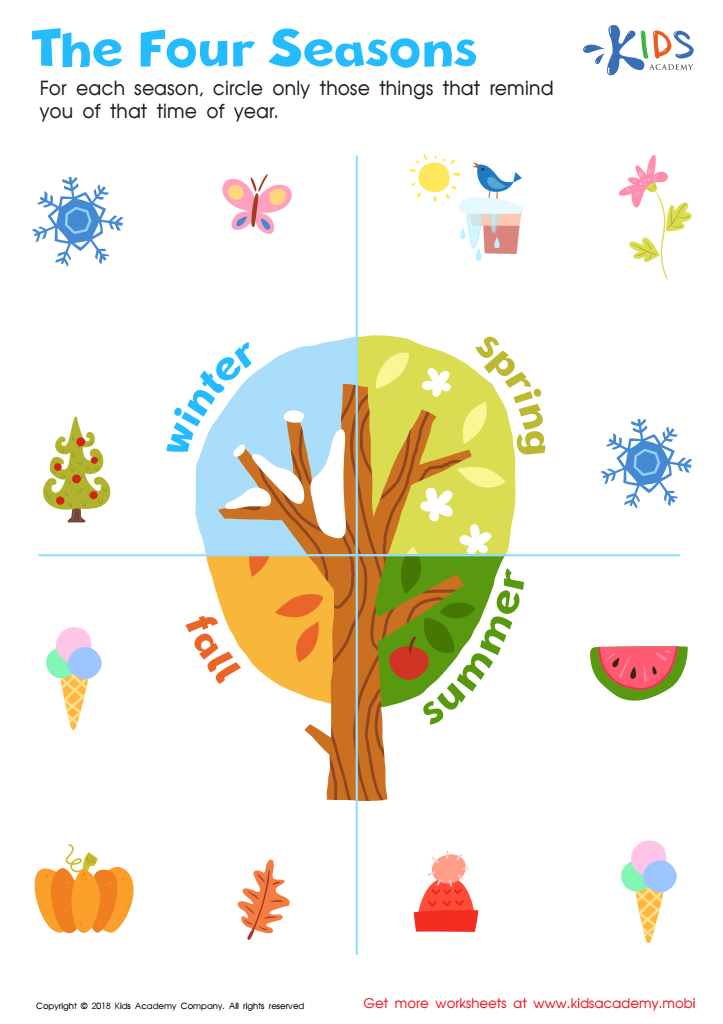
The Four Seasons Worksheet






Critical thinking for ages 3-4 may seem premature, but it plays a crucial foundational role in a child's cognitive development. At this tender age, young children are naturally curious and constantly explore their environment. This innate curiosity provides a prime opportunity for parents and teachers to nurture critical thinking skills, which are essential for problem-solving, creativity, and decision-making in later life.
Introducing critical thinking through simple science activities encourages children to ask "why" and "how" questions, fostering a mindset geared towards exploration and inquiry. Engaging in hands-on experiments, like mixing colors or observing plant growth, helps children understand cause and effect, categorize information, and make predictions—all key aspects of critical thinking.
Furthermore, these activities enhance their observational skills and ability to articulate thoughts, boosting language development and communication skills. Educators and parents should care about fostering critical thinking because it builds a strong foundation for lifelong learning. It teaches children how to learn and adapt, equips them with the ability to think independently, and cultivates a habit of questioning rather than accepting information at face value. Ultimately, nurturing critical thinking from a young age promotes self-confidence and prepares children for academic and real-world challenges.







