Vocabulary expansion Science Worksheets for Ages 3-4
7 filtered results
-
From - To
Discover our engaging Vocabulary Expansion Science Worksheets designed specifically for children aged 3-4! These fun and interactive worksheets are crafted to boost your little one’s language skills while exploring fascinating scientific concepts. With vibrant illustrations and age-appropriate vocabulary, kids will learn essential words and terms related to nature, animals, and their surroundings. Each activity promotes critical thinking and encourages curiosity, making science accessible and enjoyable. Perfect for parents and educators alike, our worksheets are an excellent resource to enhance vocabulary comprehension. Start your child's educational journey today and watch them grow in confidence and understanding of the world around them!
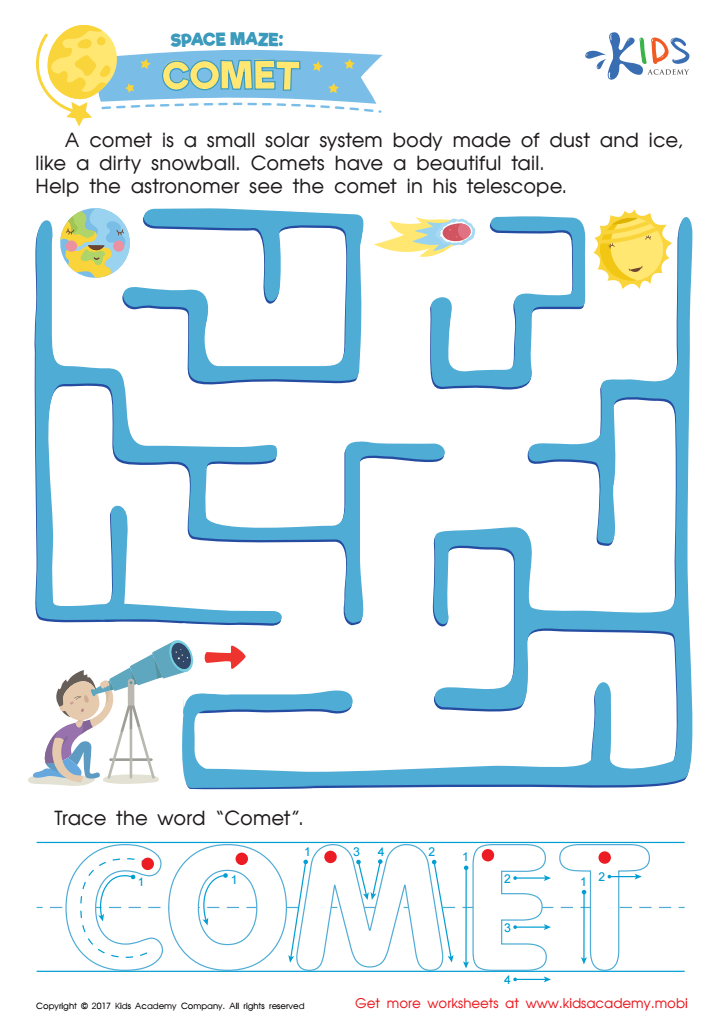
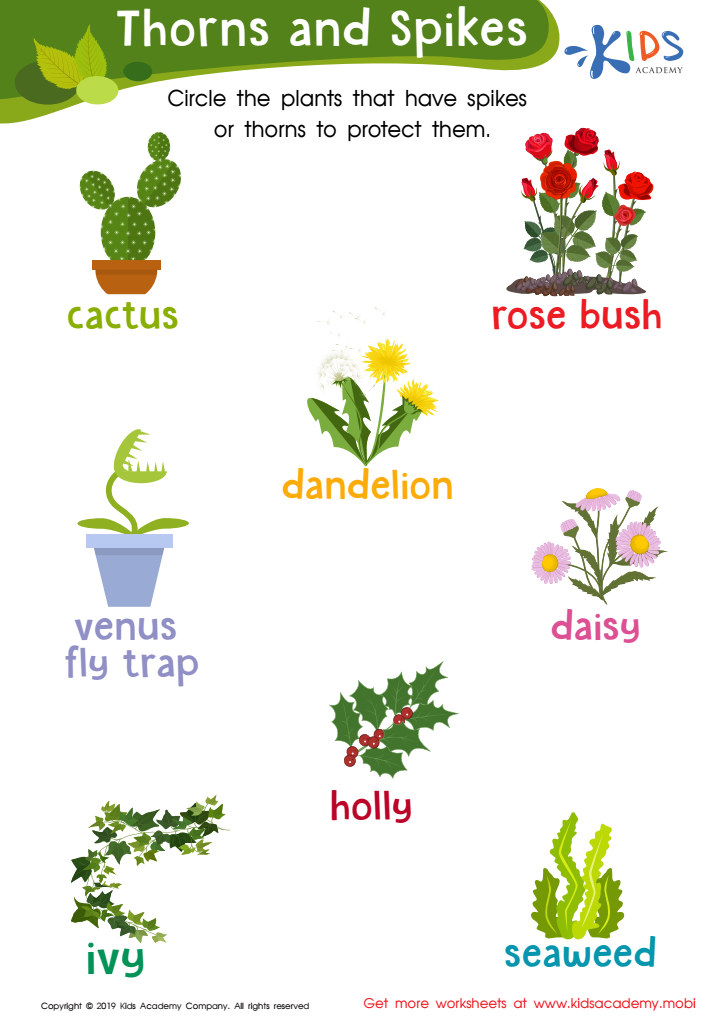
Thorns and Spikes Worksheet
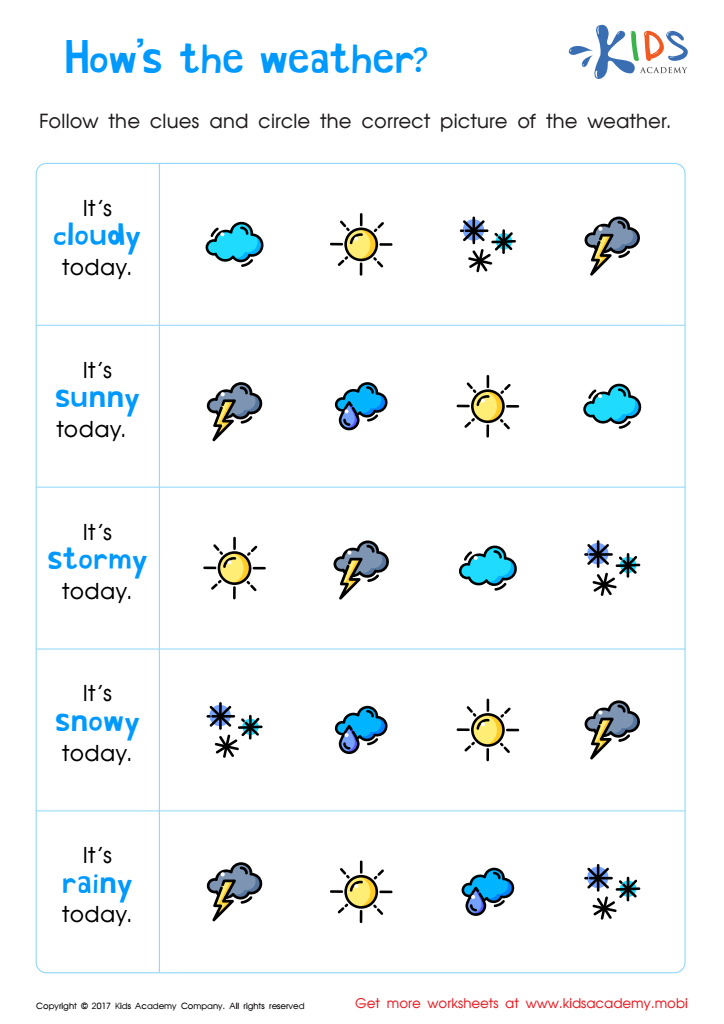
Hows the Weather Worksheet
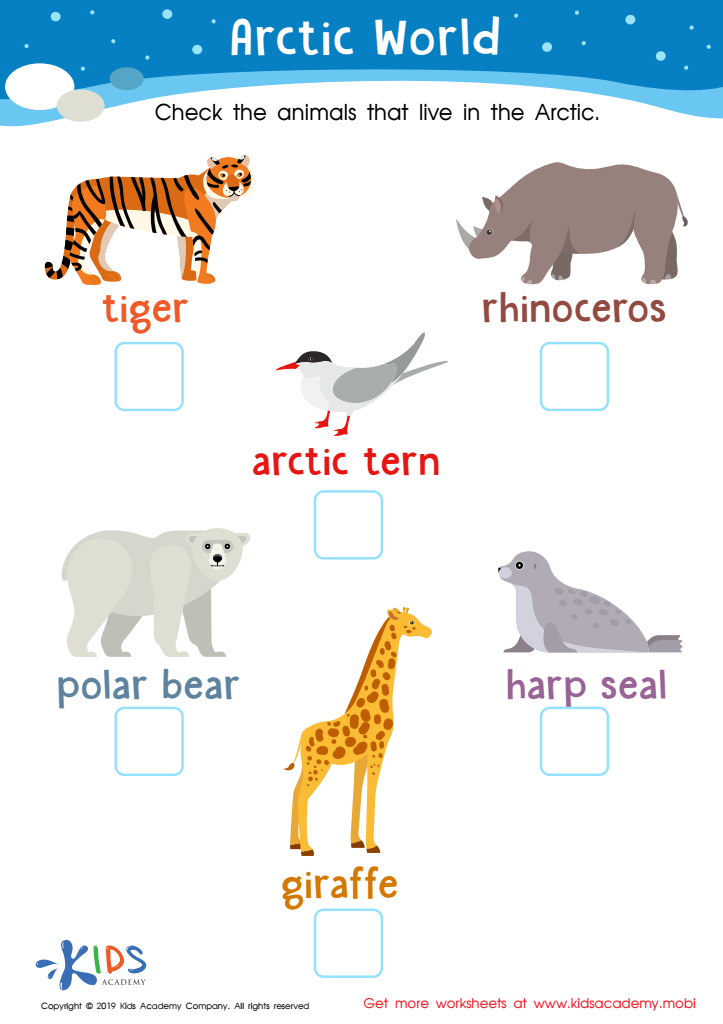
Arctic World Worksheet
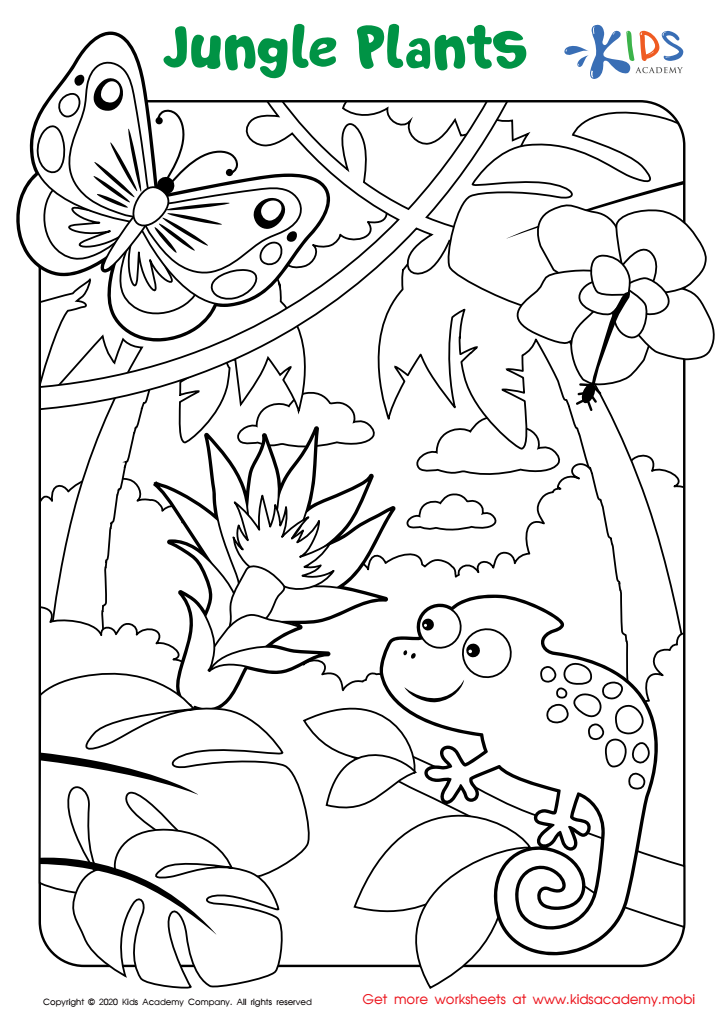
Jungle Plants Worksheet
 Assign to My Students
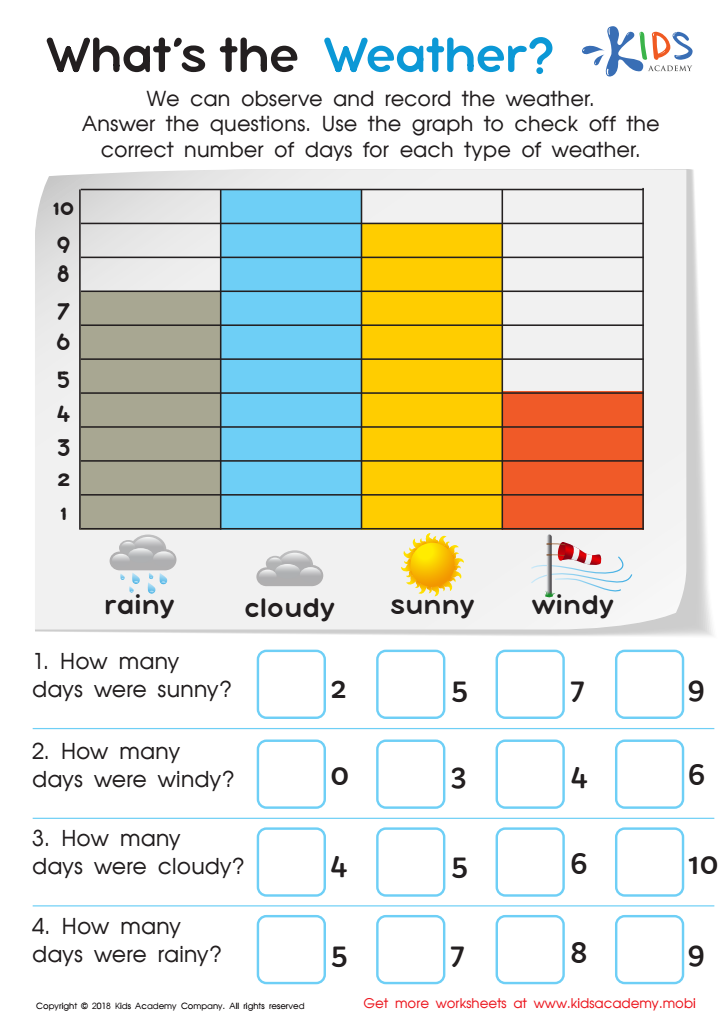
What's the Weather? Worksheet
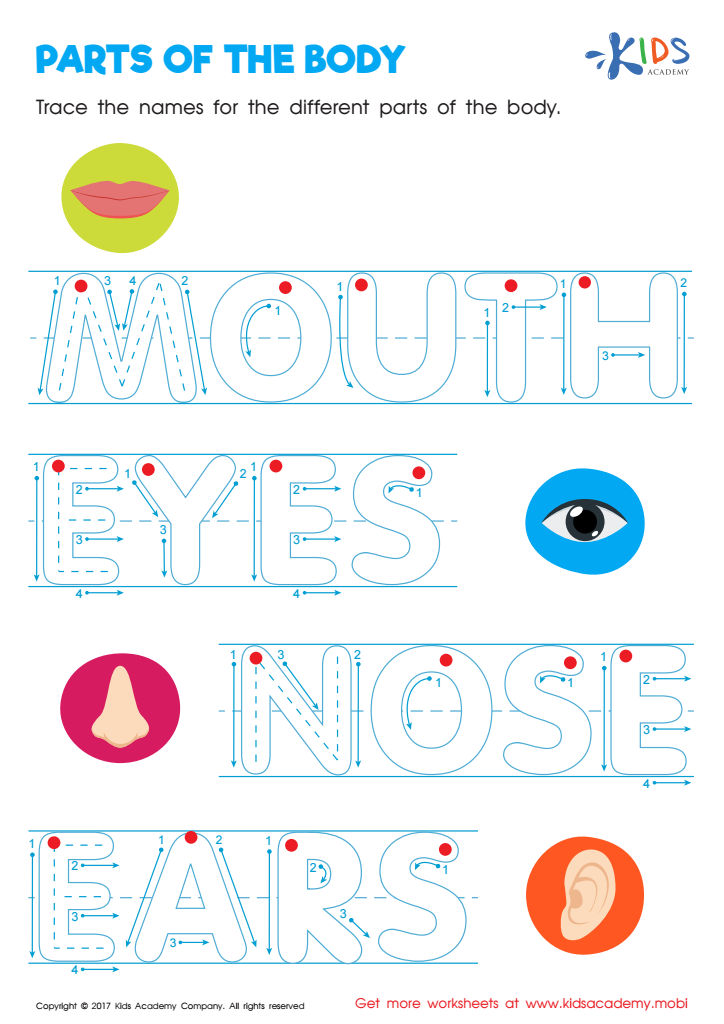








Vocabulary expansion is crucial for children aged 3-4, and both parents and teachers play a vital role in fostering this development. At this early stage, language serves as the foundation for communication, cognitive skills, and emotional expression. Science vocabulary, in particular, introduces children to concepts related to the natural world, promoting curiosity and critical thinking. When children learn words associated with scientific ideas—like “ plants,” “weather,” or “animals”—they not only expand their language but also their understanding of concepts that shape their environment.
Understanding science vocabulary encourages analytical thinking and enhances problem-solving abilities. Additionally, vocabulary acquisition strengthens overall literacy, setting the stage for reading and comprehension skills that are essential for academic success. Engaging children in discussions about simple science topics encourages them to ask questions and explore ideas, fostering a love for learning.
Moreover, expanded vocabulary helps children express their thoughts and emotions more clearly, promoting better social interactions and confidence. When parents and teachers actively participate in this learning process, they are laying the groundwork for lifelong skills, ensuring that children are better equipped to navigate both social scenarios and academic opportunities as they grow. Therefore, prioritizing vocabulary expansion, especially in scientific contexts, is essential for holistic childhood development.







