Fine Motor Skills Worksheets for Ages 3-5 - Page 10
298 filtered results
-
From - To
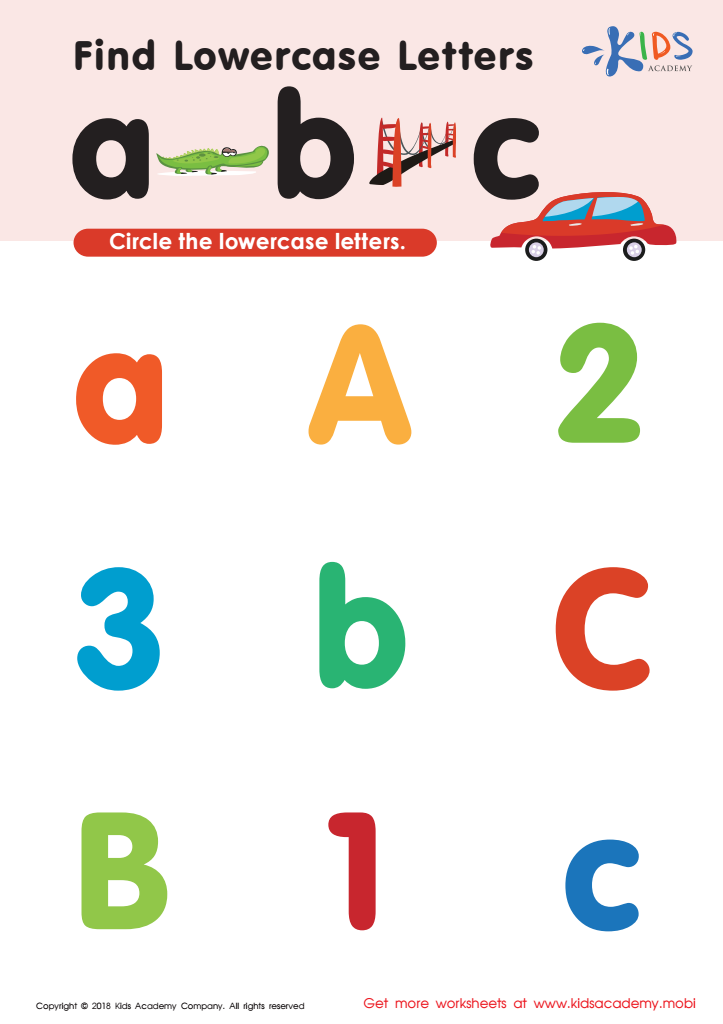
Find lowercase letters a b c Worksheet

Pirate Ship Connect Dots Worksheet
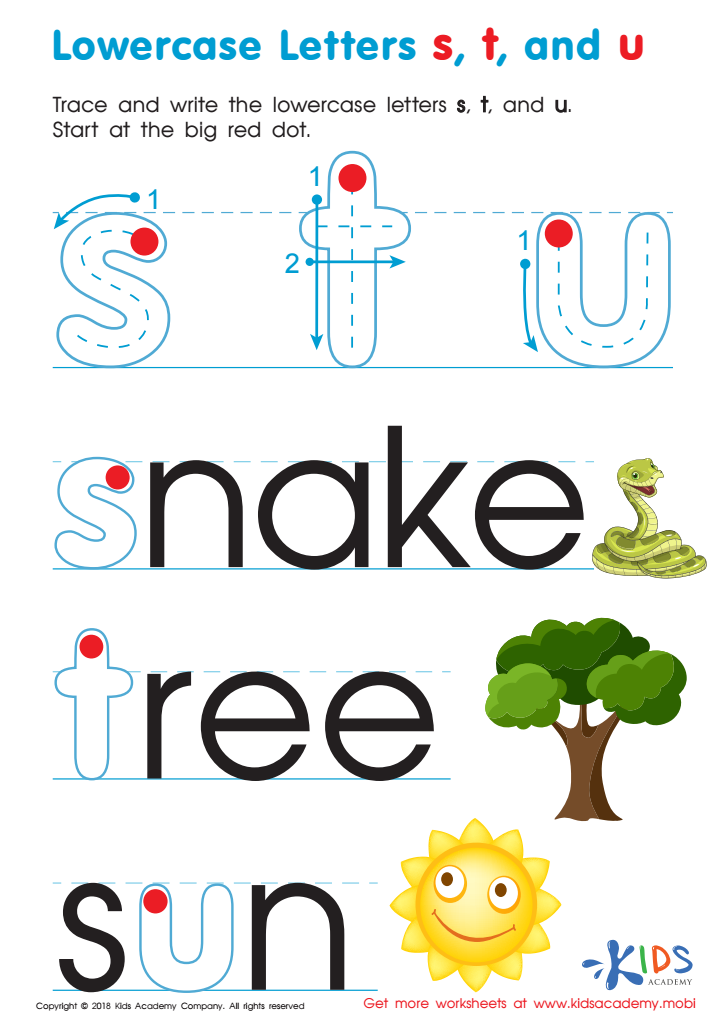
Lowercase Letters s t u Worksheet

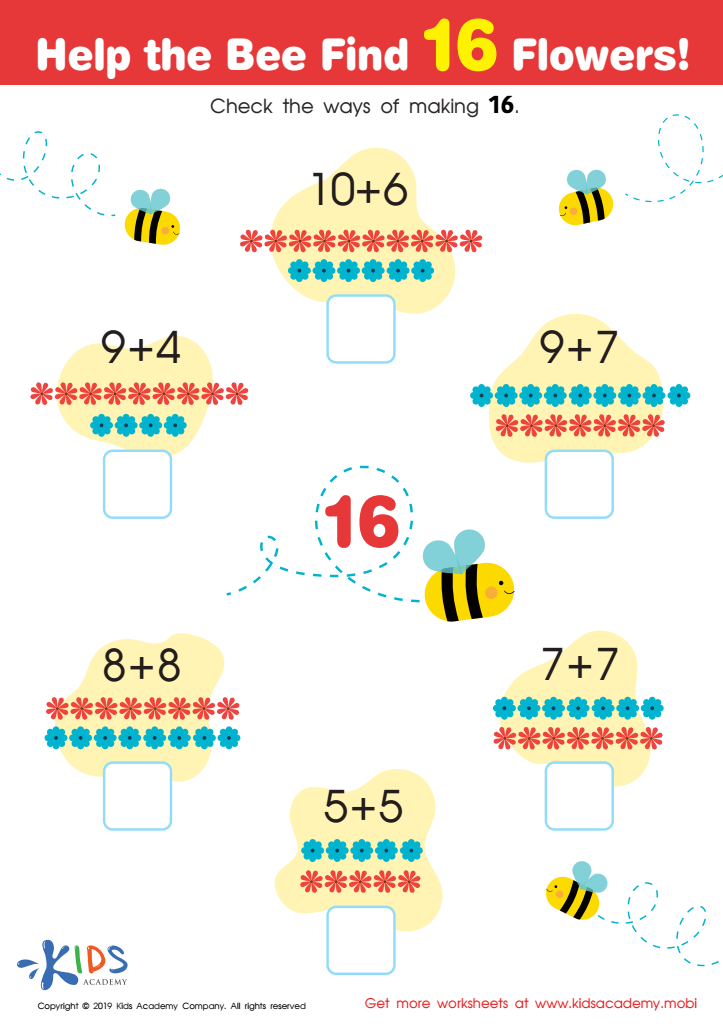
Help the Bee Find 16 Flowers Worksheet

Tennis Player Maze Worksheet
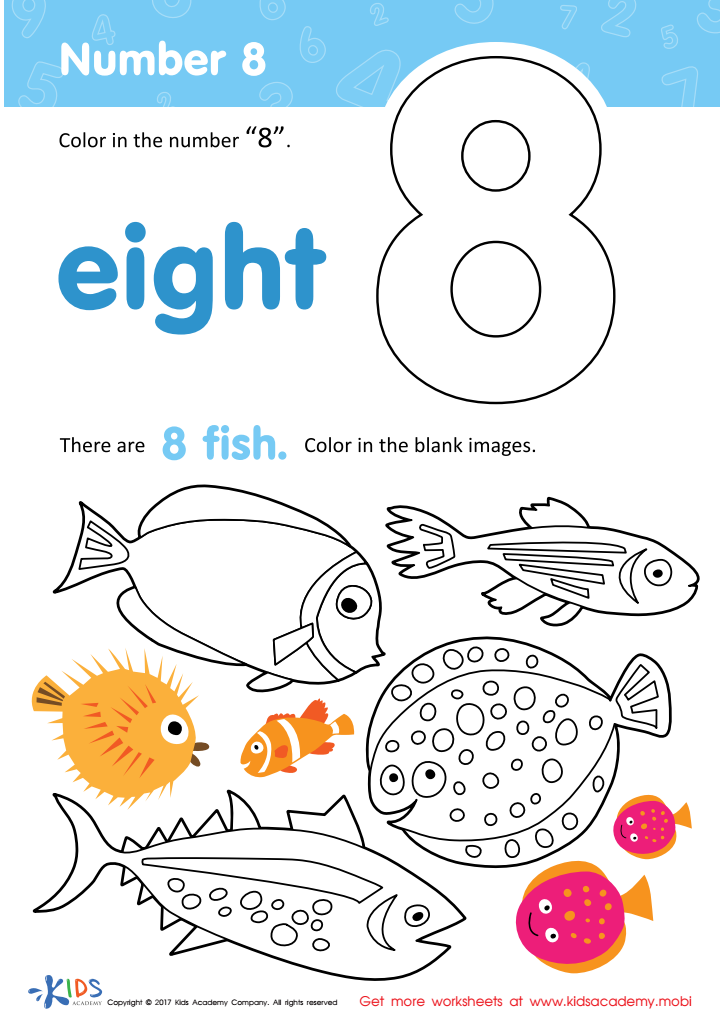
Number 8 Printable
 Assign to My Students
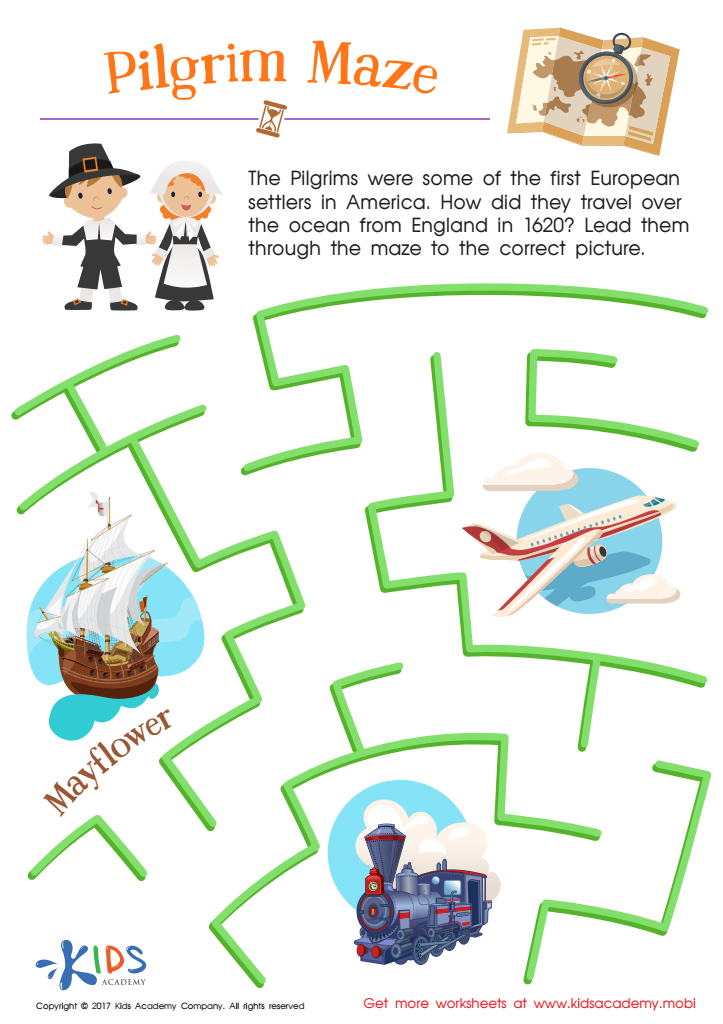
Pilgrim Maze Worksheet
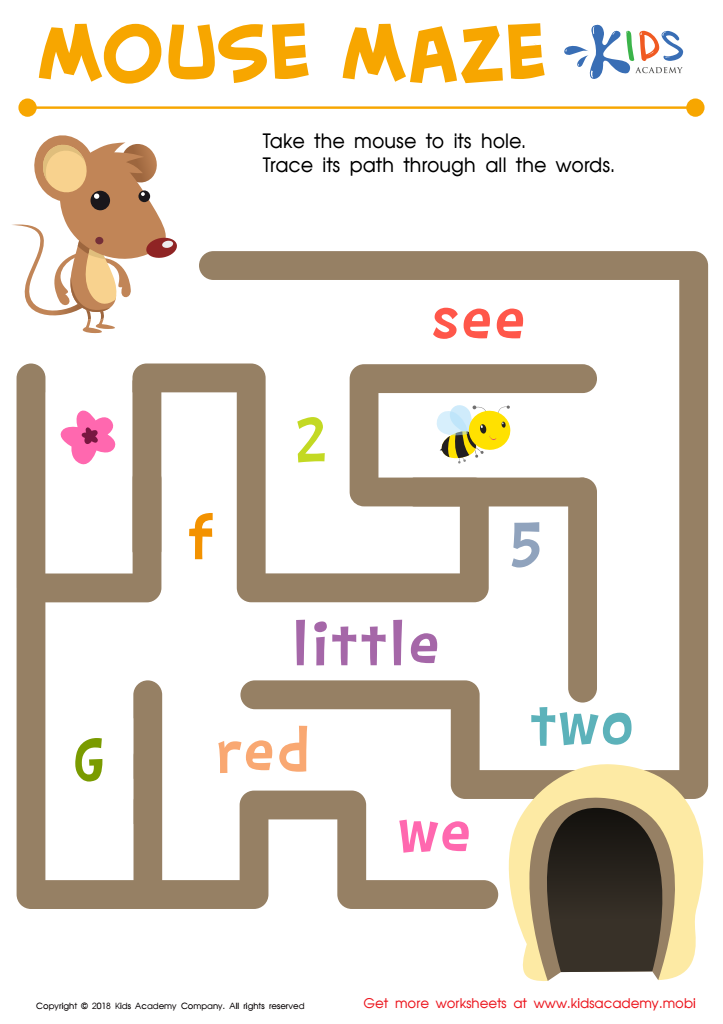
Find Words Mouse Maze Worksheet
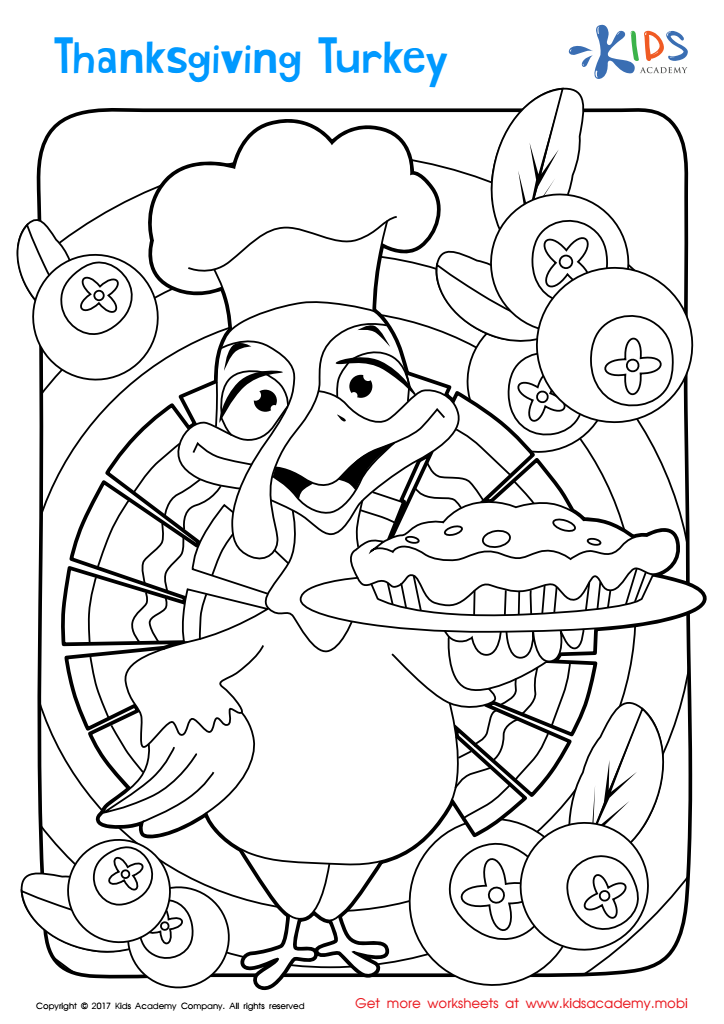
Turkey Thanksgiving Day Worksheet
Assign to My Students

Christmas: Snowman Printable
Assign to My Students
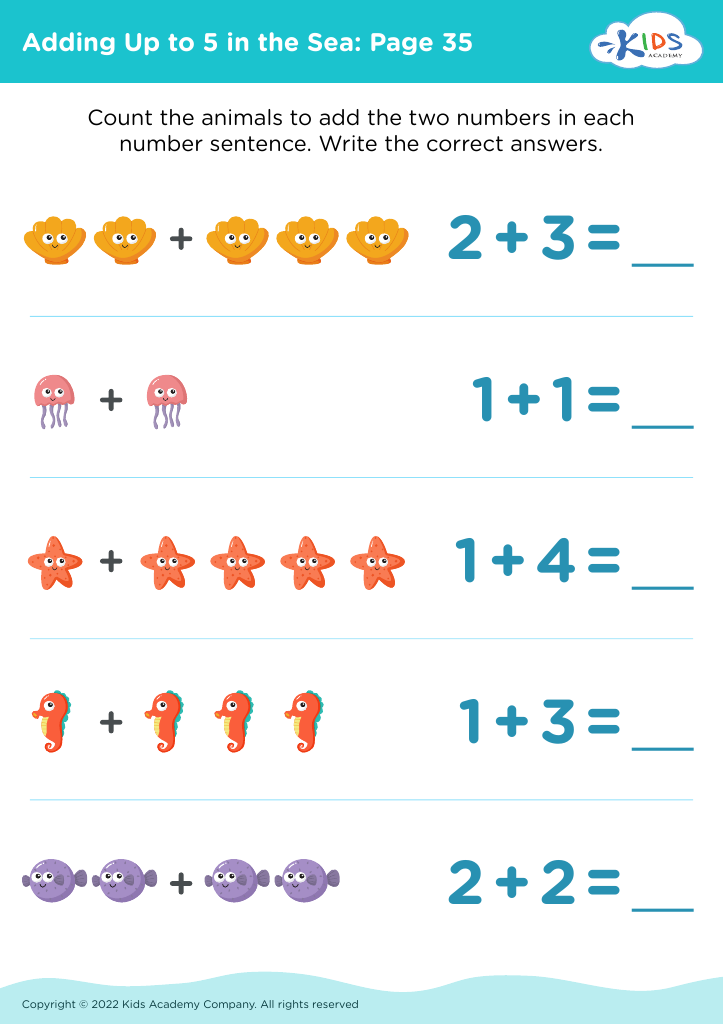
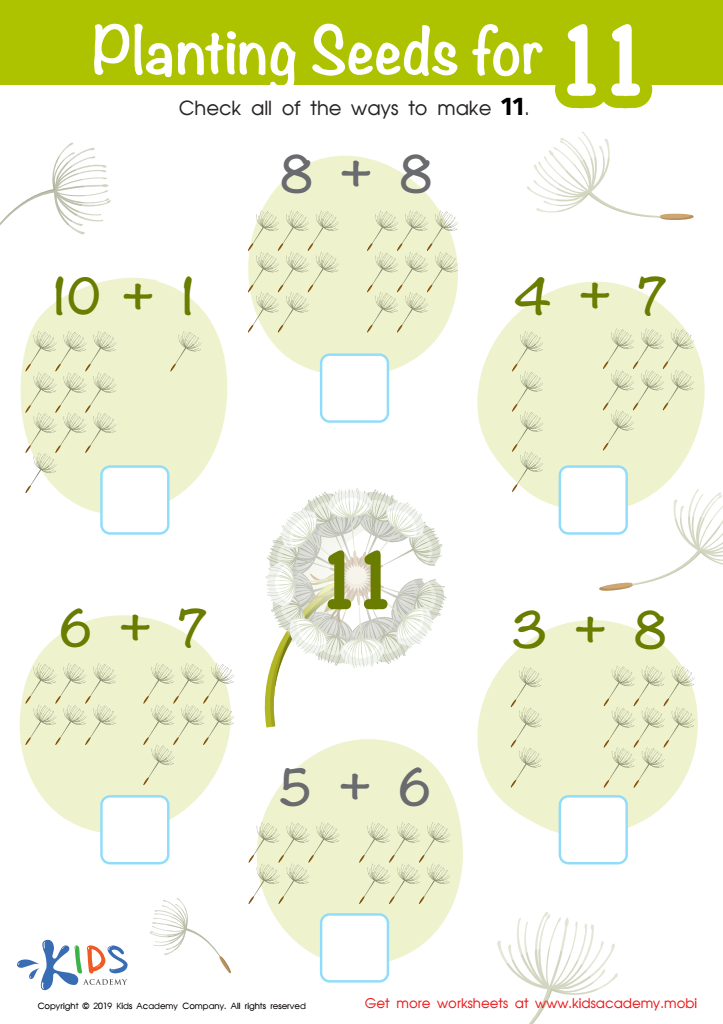
Planting Seeds for 11 Worksheet
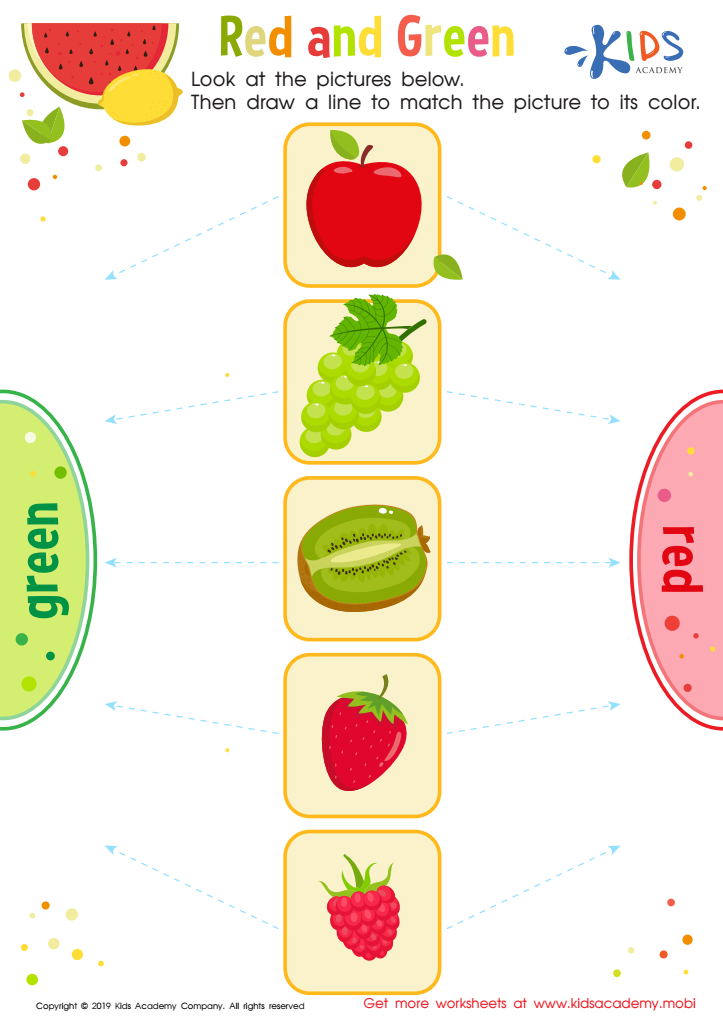
Red and Green Worksheet
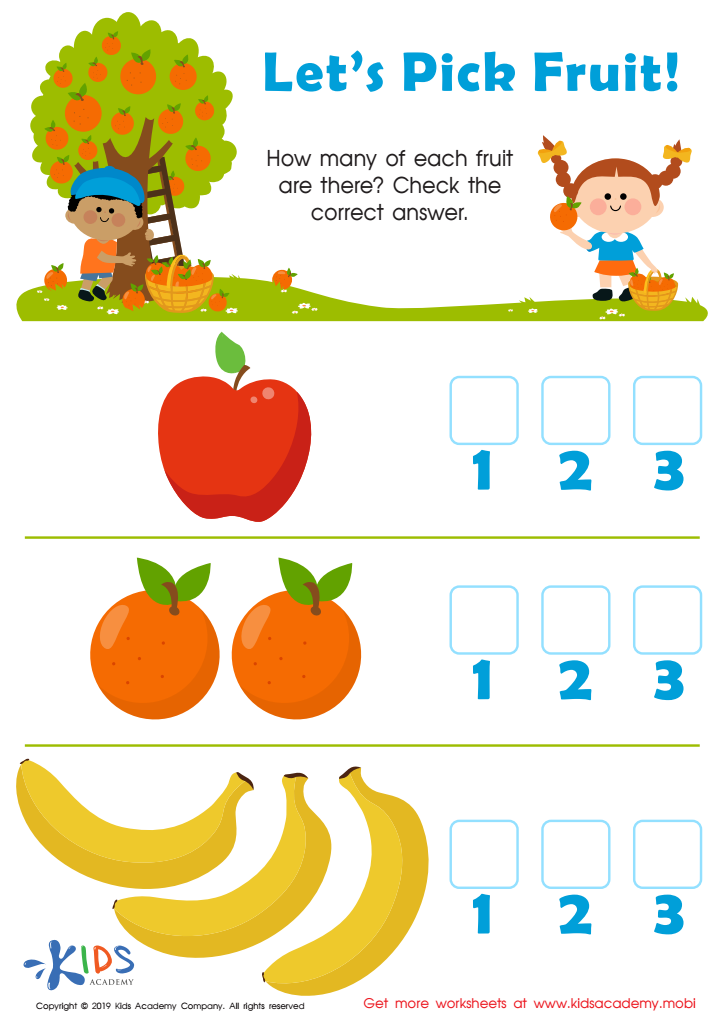
Let's Pick Fruit Worksheet
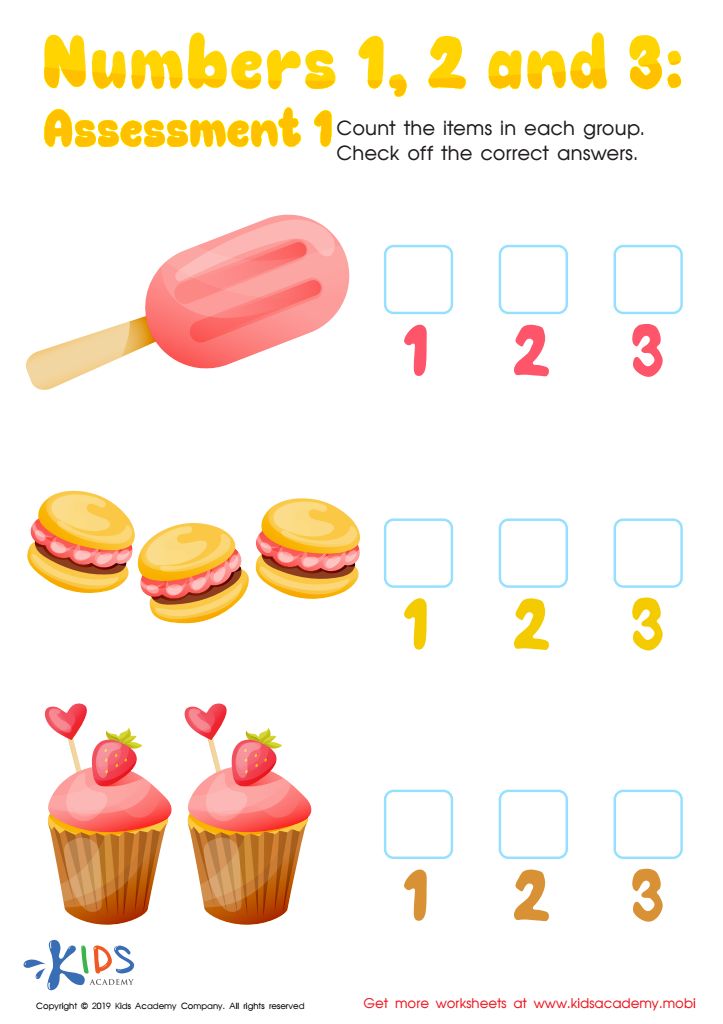
Numbers 1, 2 and 3: Assessment 1 Worksheet

Underwater Adventure Worksheet

Happy Family Coloring Worksheet
Assign to My Students

Three Little Piggies Printable Coloring Page
Assign to My Students

Christmas: Christmas Tree Printable
Assign to My Students

Color the Farmer and His Geese Coloring Pages

Globe Coloring Page Worksheet
Assign to My Students
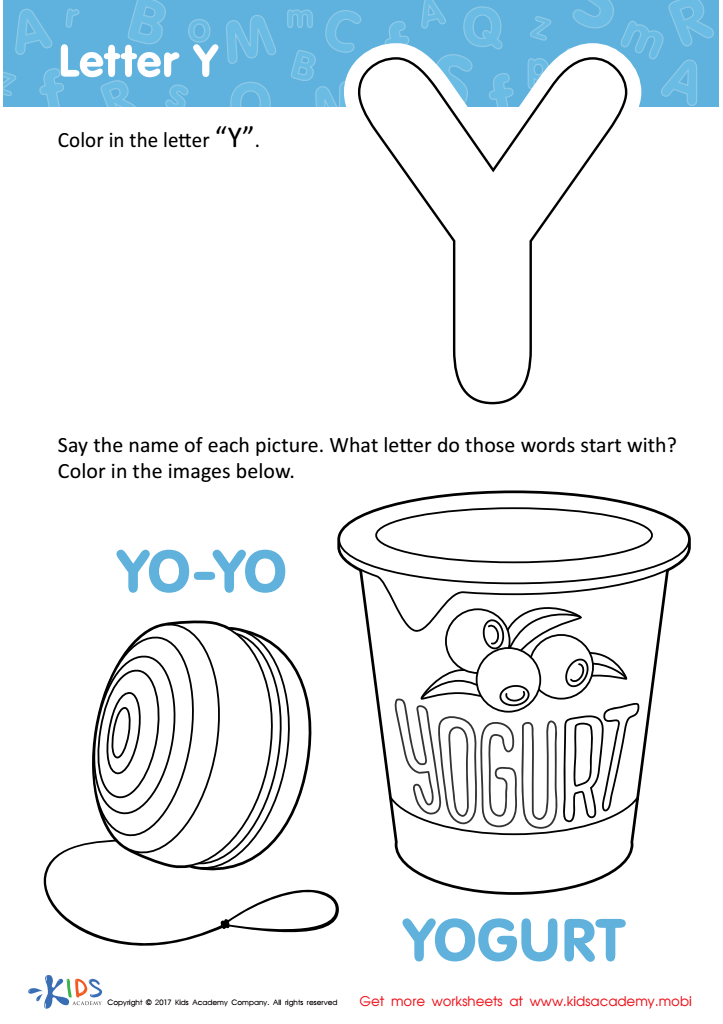
Letter Y Coloring Sheet
Assign to My Students
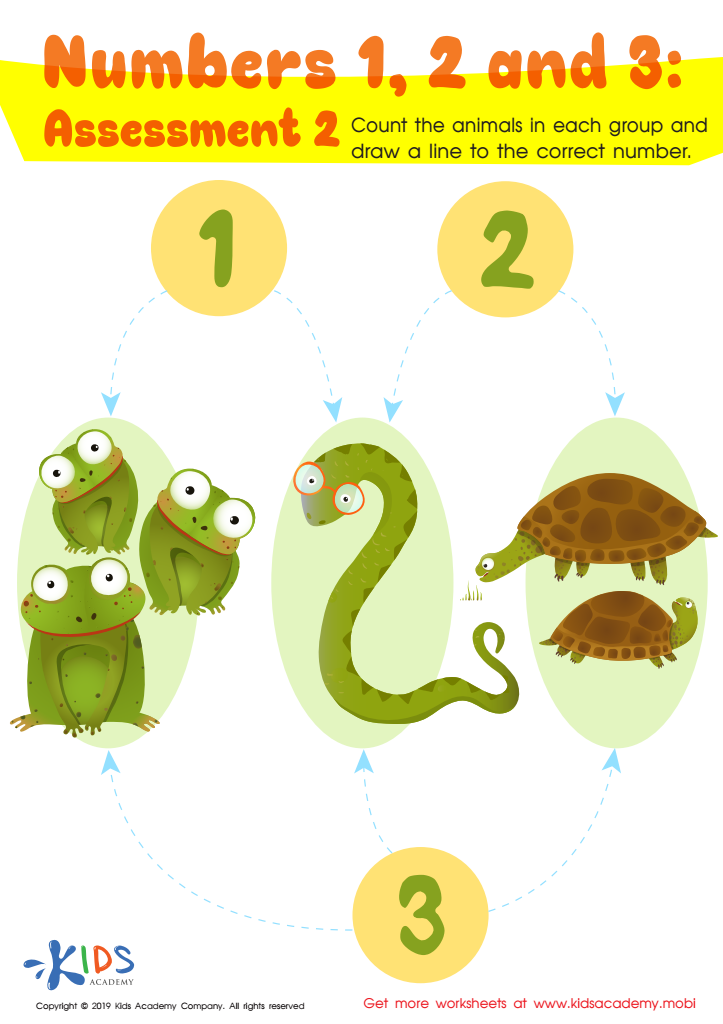
Numbers 1, 2 and 3: Assessment 2 Worksheet






Fine motor skills are essential for children's development, particularly for those aged 3 to 5. During this crucial period, children hone the small muscle movements in their hands and fingers, which are fundamental for tasks such as writing, drawing, and manipulating objects. Parents and teachers should care about these skills because they are not only vital for academic readiness but also for children's overall cognitive and physical development.
Developing fine motor skills enhances concentration and hand-eye coordination, facilitating greater independence in everyday activities like dressing, eating, and crafting. These skills also contribute to confidence, as children gain the ability to accomplish tasks independently, positively impacting their self-esteem and motivation to learn.
Moreover, fine motor skills are closely linked to literacy and numeracy skills; for example, using scissors or gripping a pencil helps prepare children for reading and writing. By fostering these skills through engaging activities such as coloring, building with blocks, or threading beads, caregivers create a foundation for successful learning experiences.
Investing attention and support in developing fine motor skills at this stage promotes not only immediate academic benefits but also lays the groundwork for lifelong skills that children will utilize throughout their lives.








