Shape Recognition Worksheets for Ages 3-5 - Page 3
65 filtered results
-
From - To
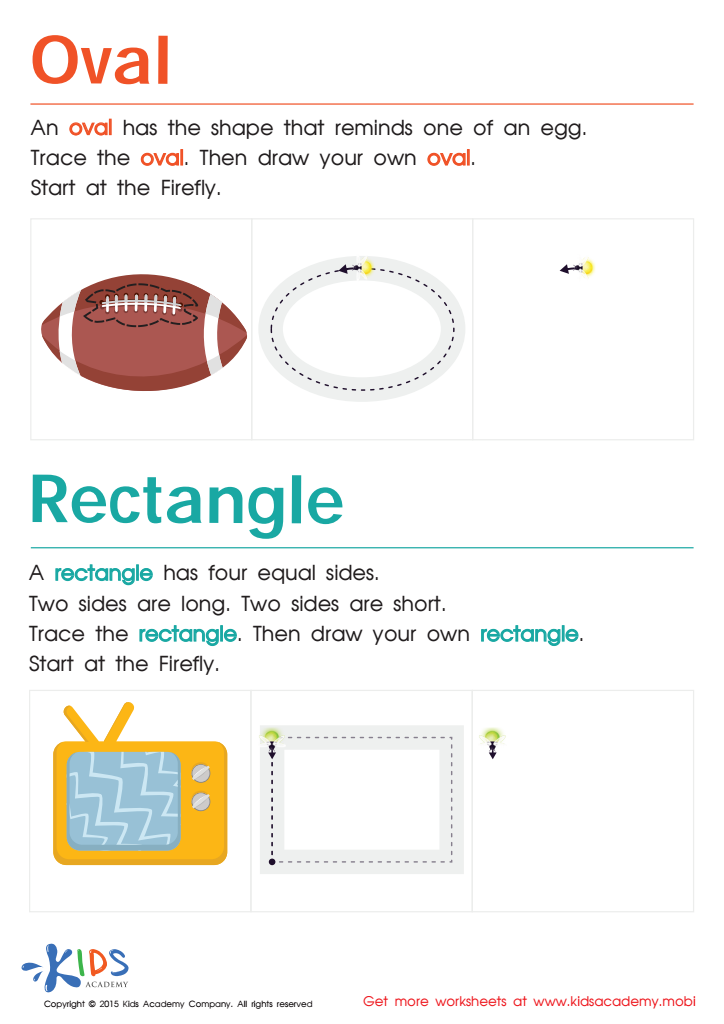
Easy Drawing of Ovals And Rectangles Worksheet
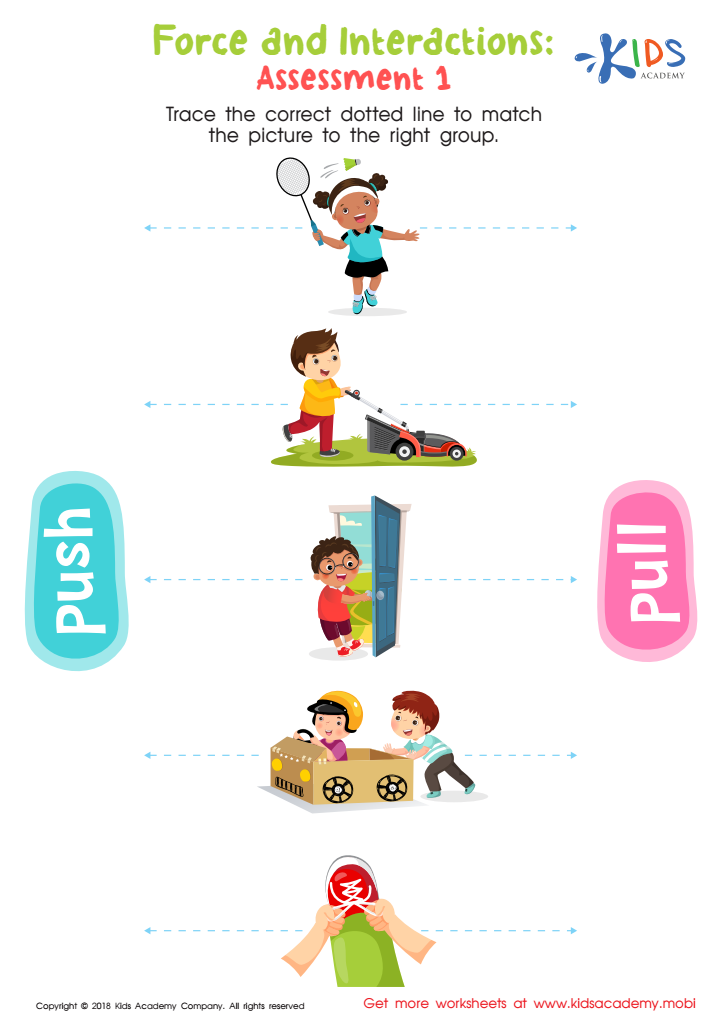
Force and Interactions: Assessment 2 Worksheet
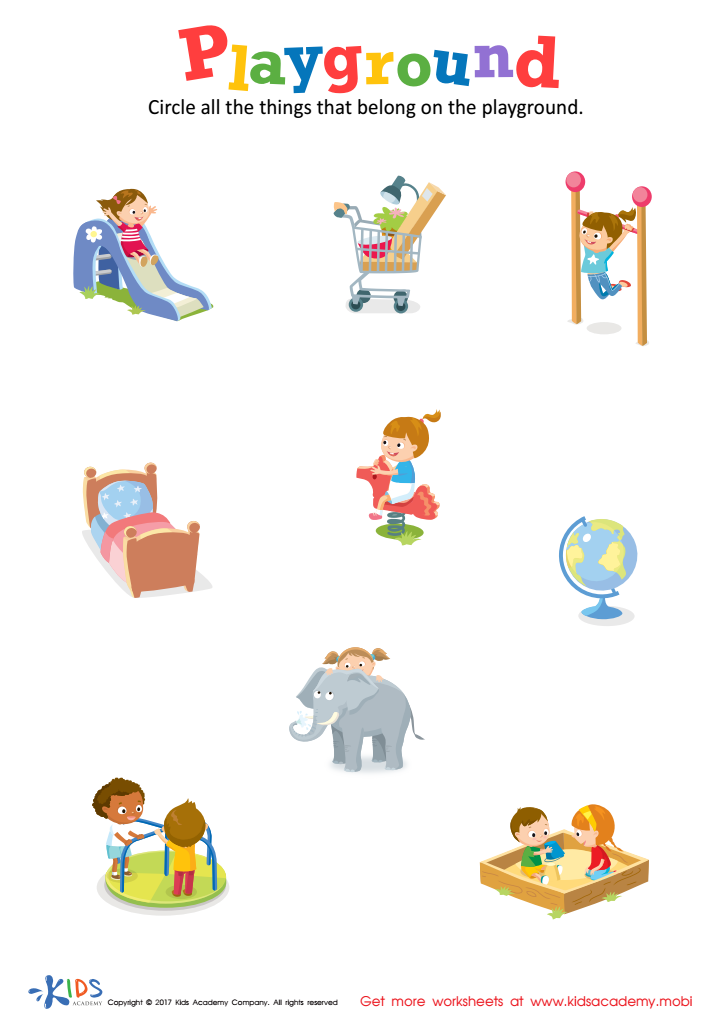
Playground Worksheet
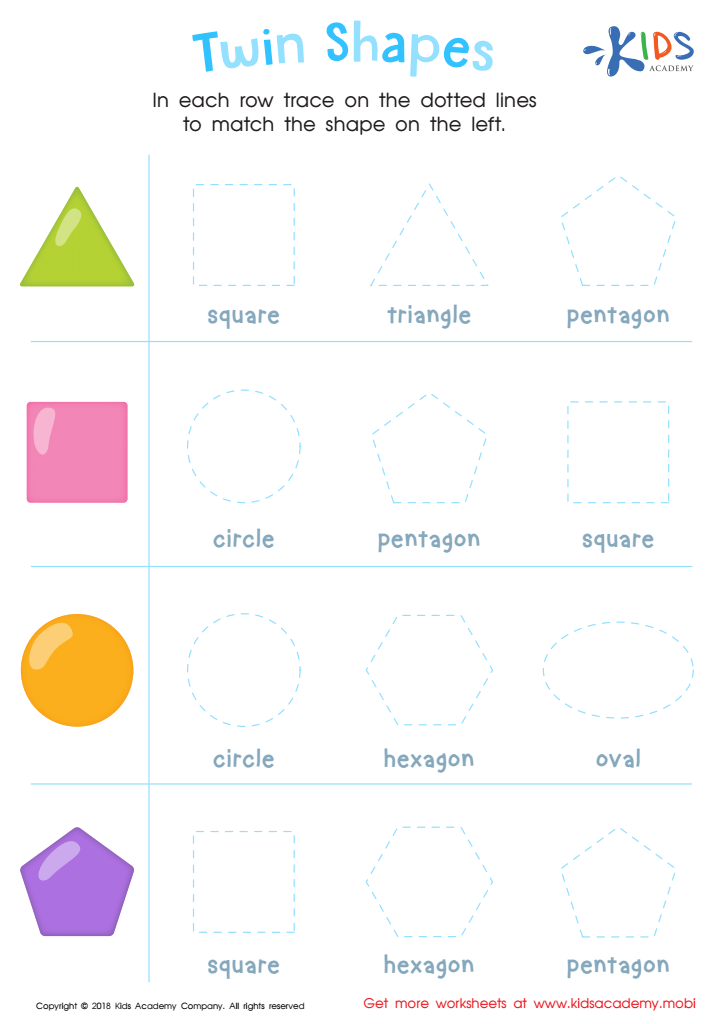
Twin Shapes Dot-to-Dot Worksheet
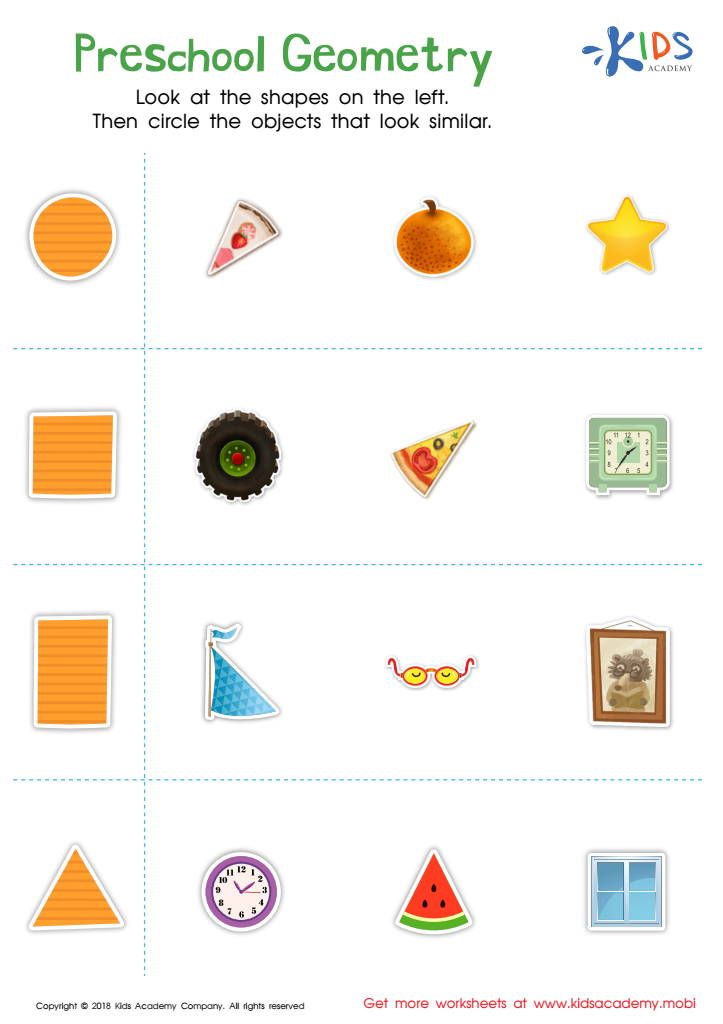
Preschool Geometry Worksheet
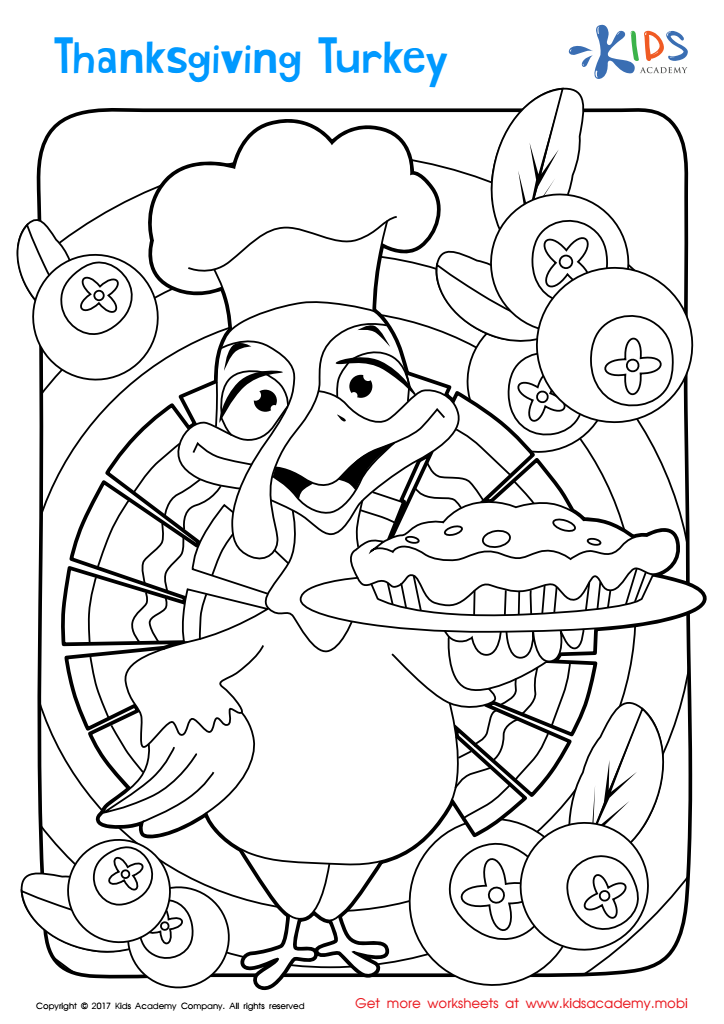
Turkey Thanksgiving Day Worksheet
 Assign to My Students
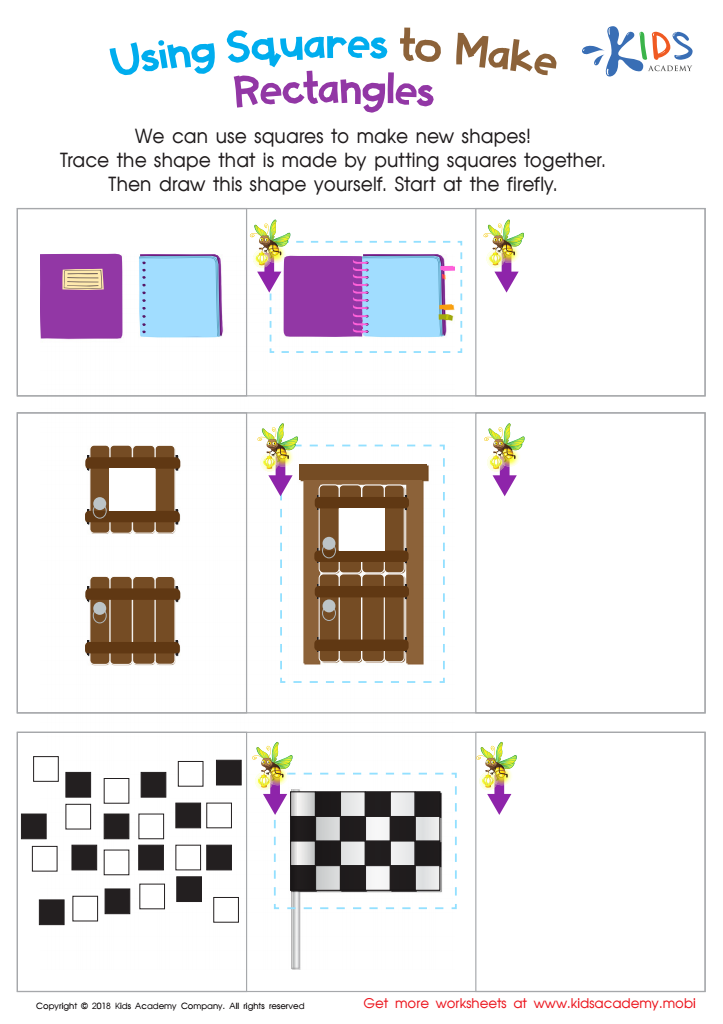
Using Squares to Make Rectangles Worksheet
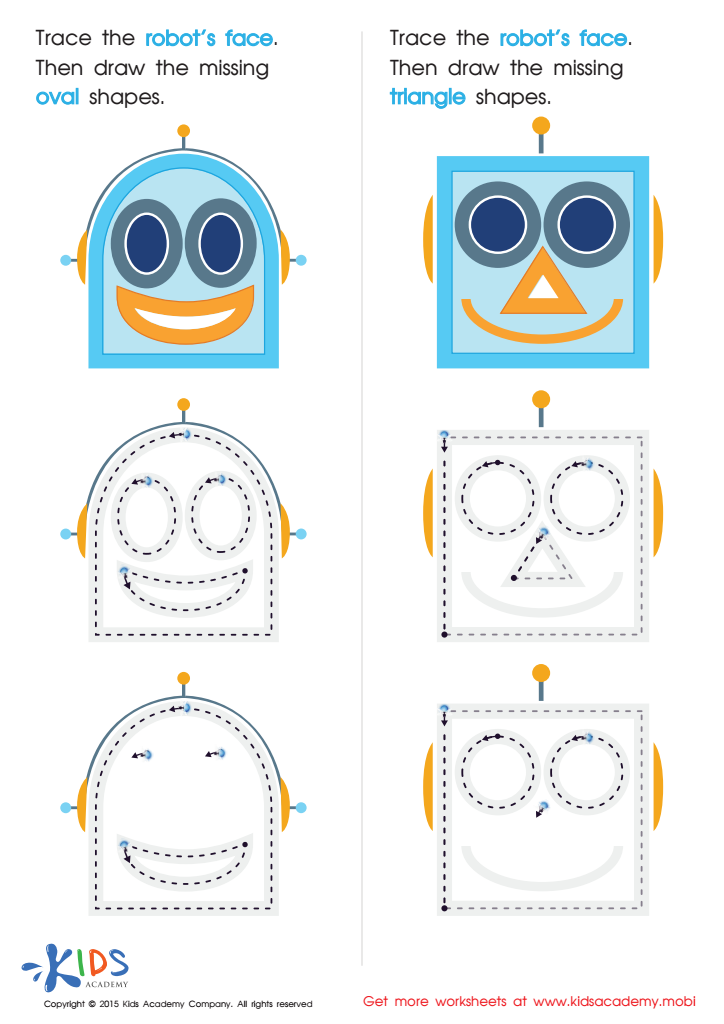
Drawing Ovals And Triangles with Fun Printable
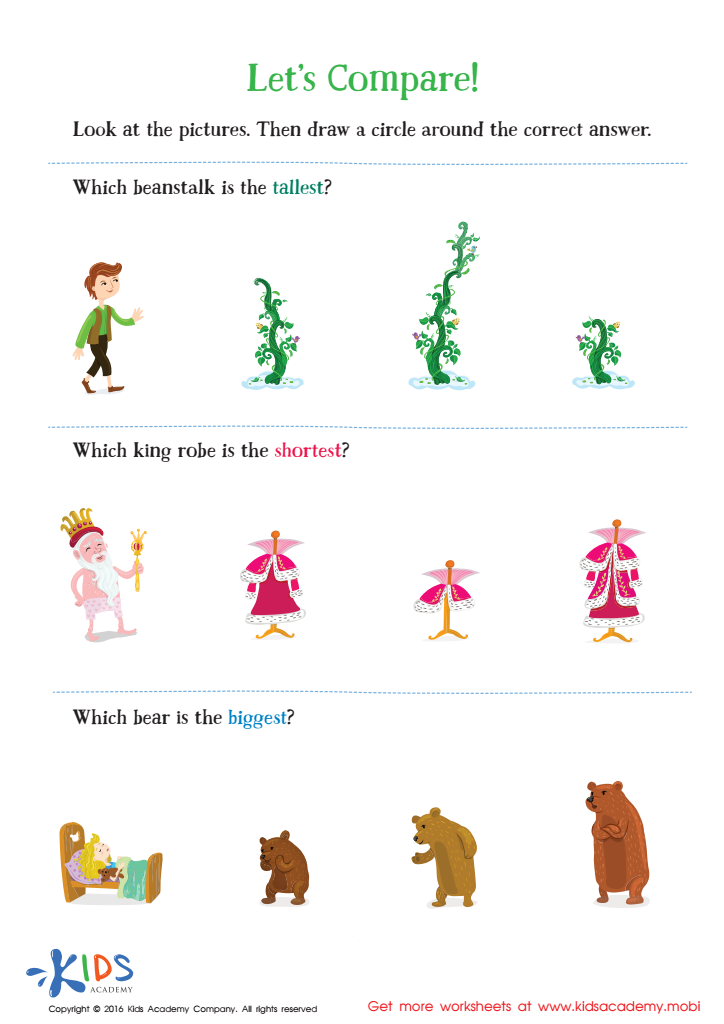
Fairy Tale Worksheet: Let's Compare
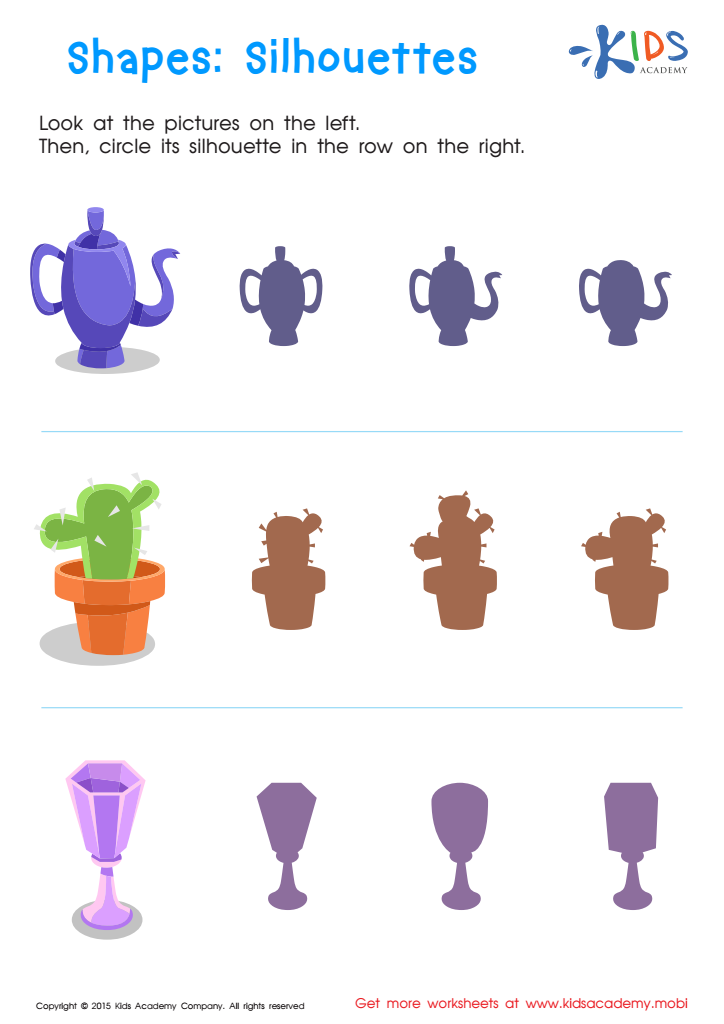
Silhouettes – Shapes Worksheet
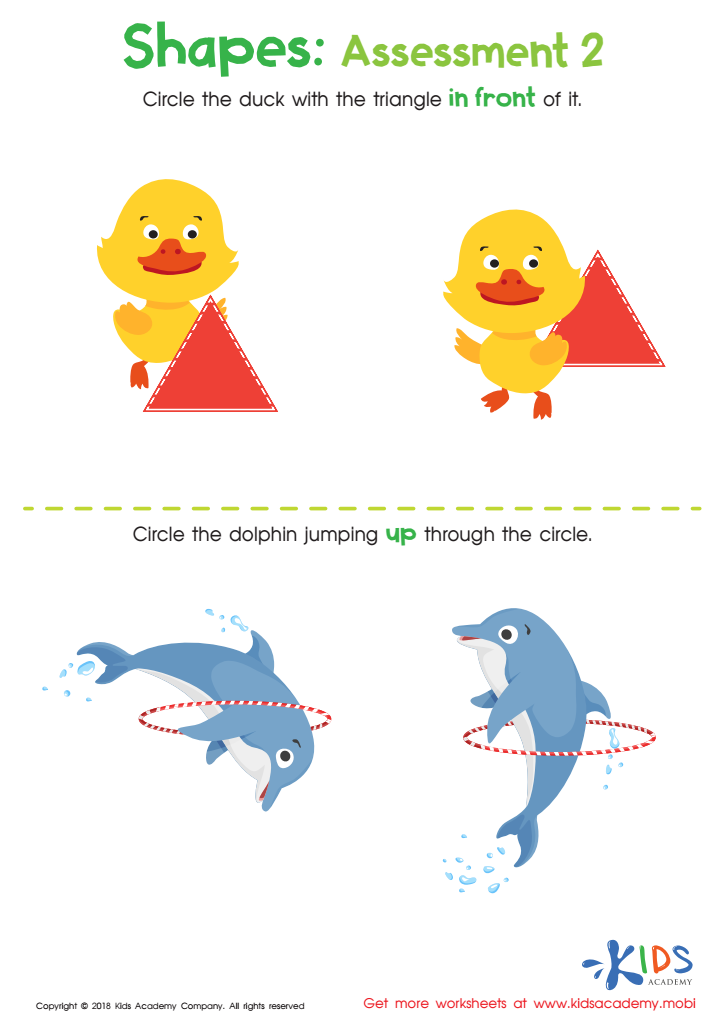
Geometry – Assessment 2 Worksheet
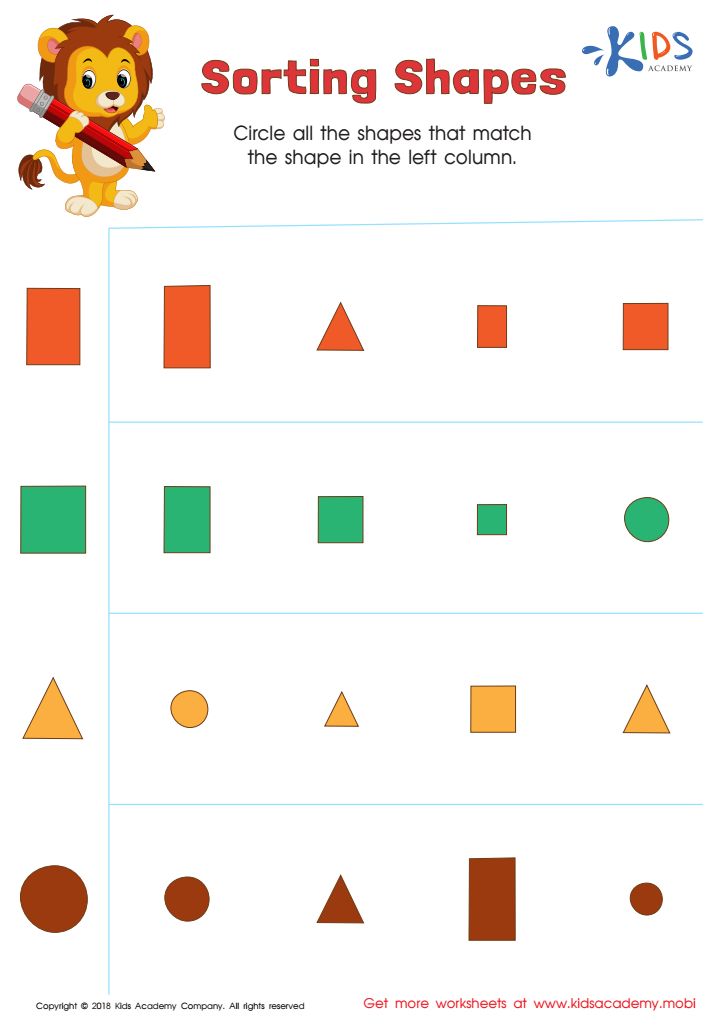
Sorting Shapes - Part 2 Worksheet
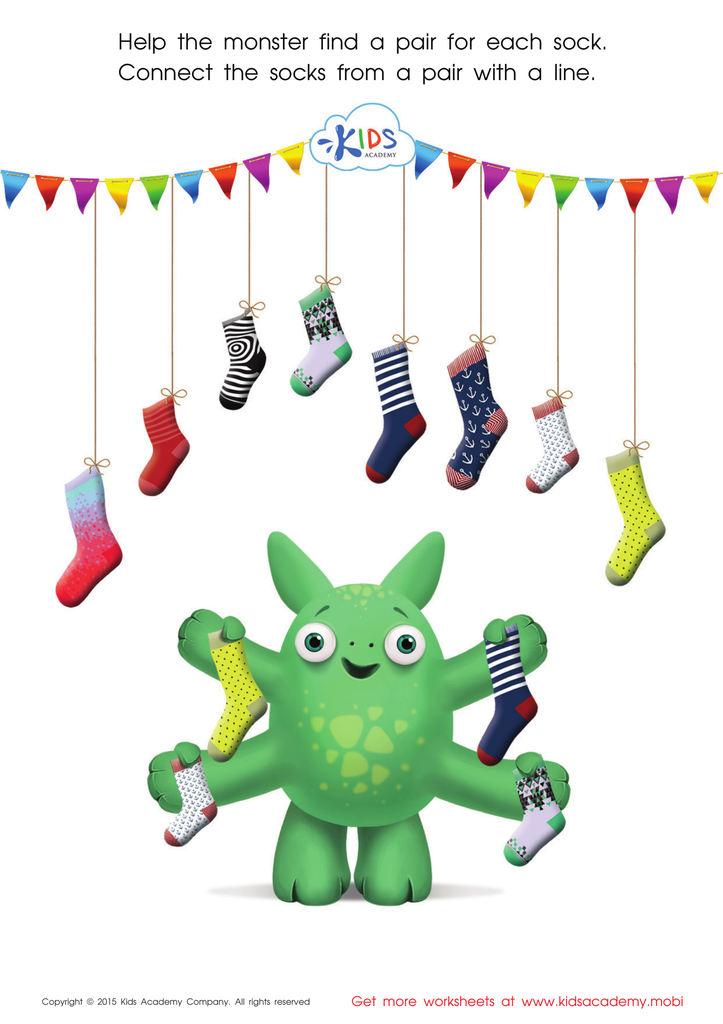
Math Matching Pairs Game: Monsterв's Socks Worksheet
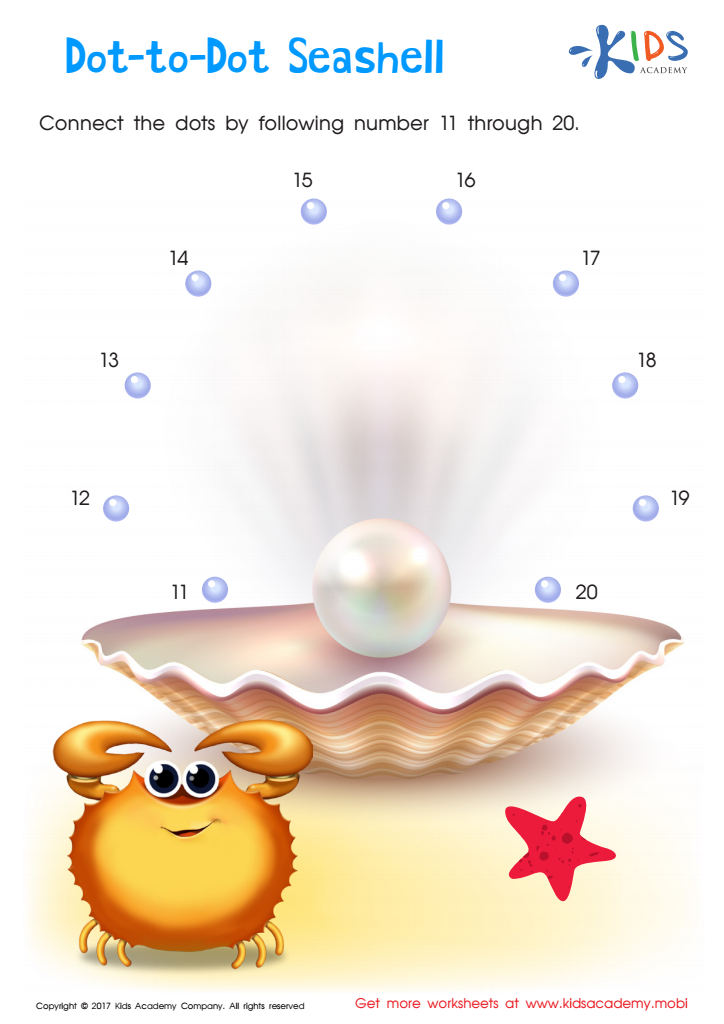
Ordering 11–20: Dot–to–dot Seashell Printable
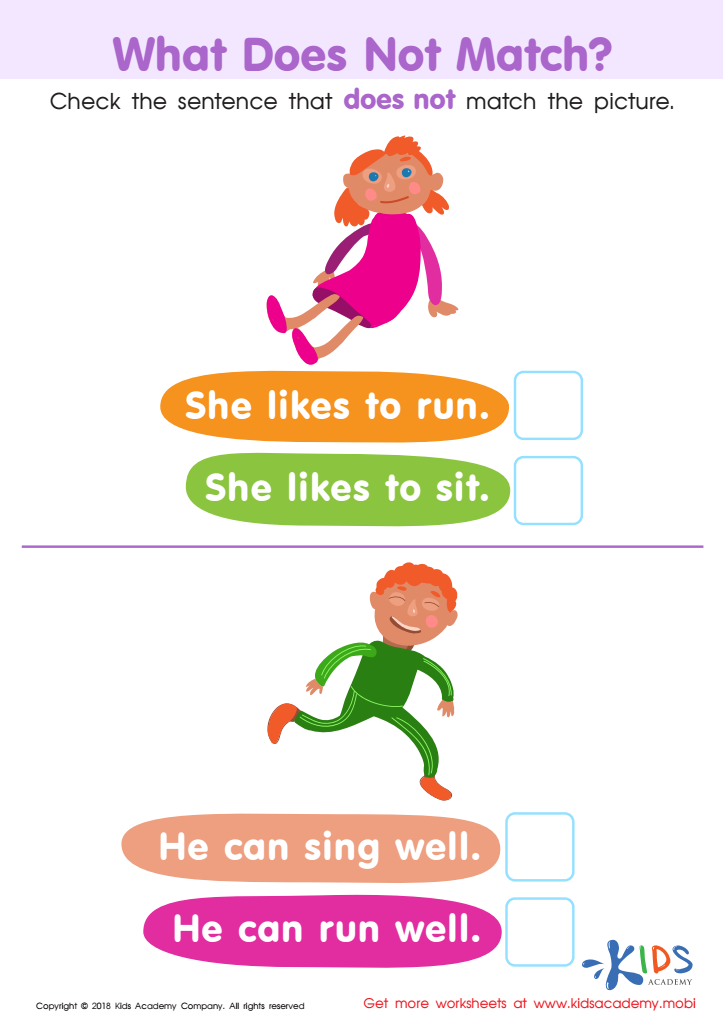
What Does Not Match? Worksheet






Shape recognition is a fundamental aspect of early childhood education that lays the groundwork for numerous cognitive and motor skills crucial for a child's development. For children aged 3-5, recognizing shapes helps to enhance their visual perception and critical thinking. It forms a basis for more complex mathematical concepts, such as geometry and spatial awareness, which are pivotal as they progress through school.
Parents and teachers should care about shape recognition because it aids in vocabulary development; as children learn various shapes, they also learn to articulate and express what they observe. Additionally, engaging with shapes through playful activities enhances fine motor skills, as children cut, trace, or manipulate shapes in crafts and games.
Moreover, shape recognition provides opportunities for social interaction and problem-solving when children collaborate on shape-related activities. By fostering an environment where shape recognition is prioritized, adults can nurture curiosity and a love for learning, paving the way for future academic success. Overall, cultivating shape recognition is not only about teaching shapes; it's about building a well-rounded foundation for children's cognitive and social development.








