Problem-Solving Skills Addition & Subtraction Worksheets for Ages 3-5 - Page 3
81 filtered results
-
From - To
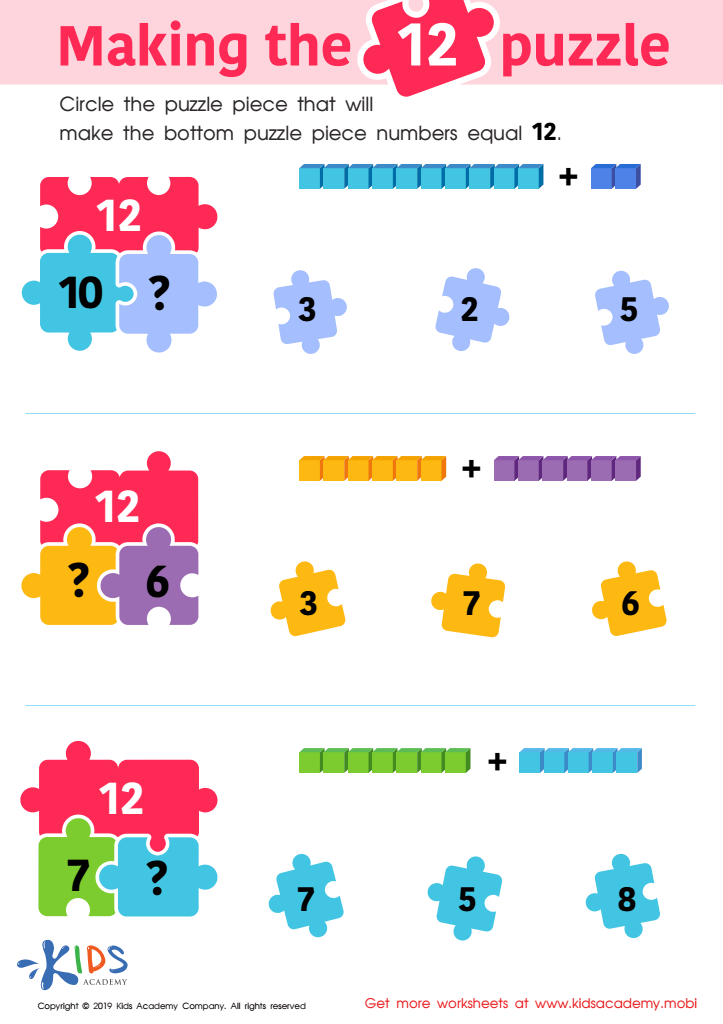
Making the 12 Puzzle Worksheet
 Assign to My Students
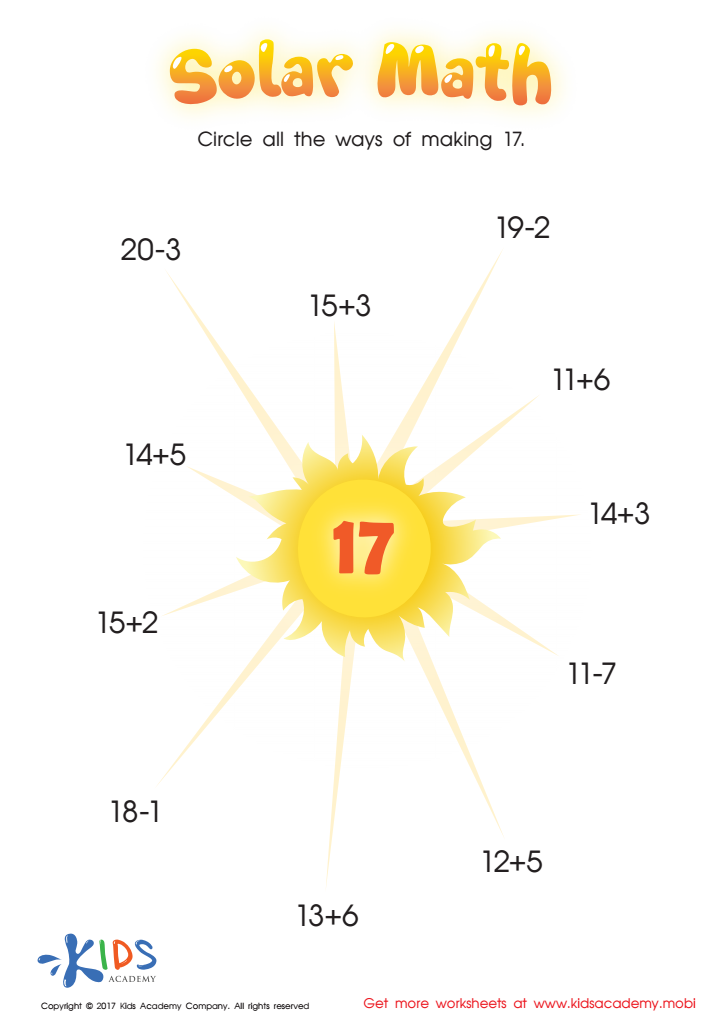
Solar Math Substraction Worksheet
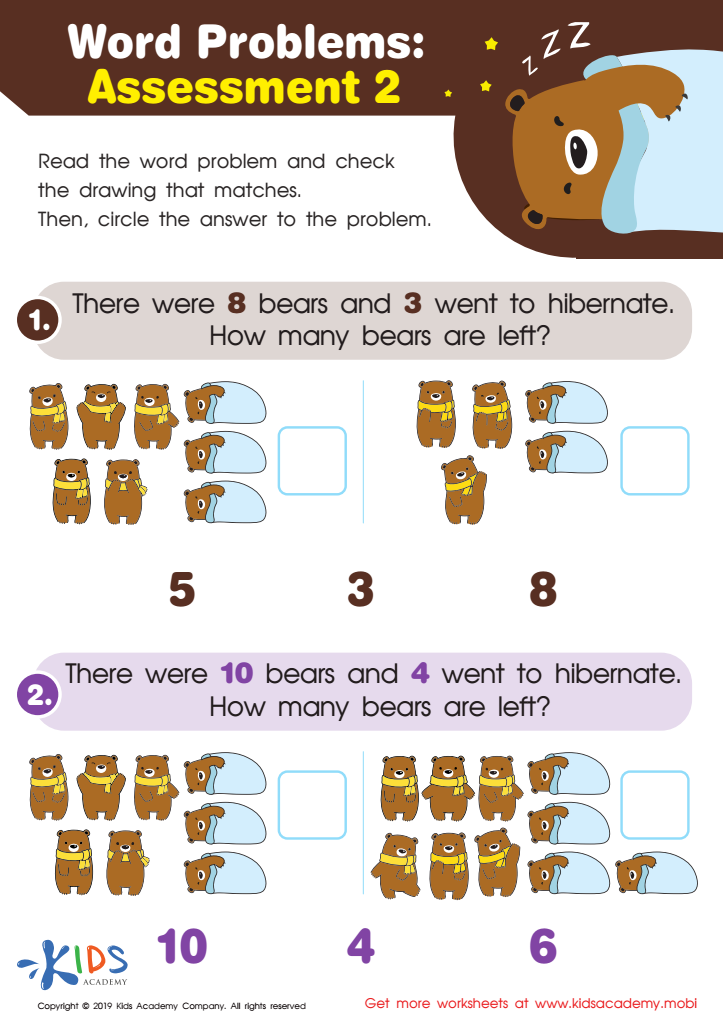
Word Problems: Assessment 2 Worksheet
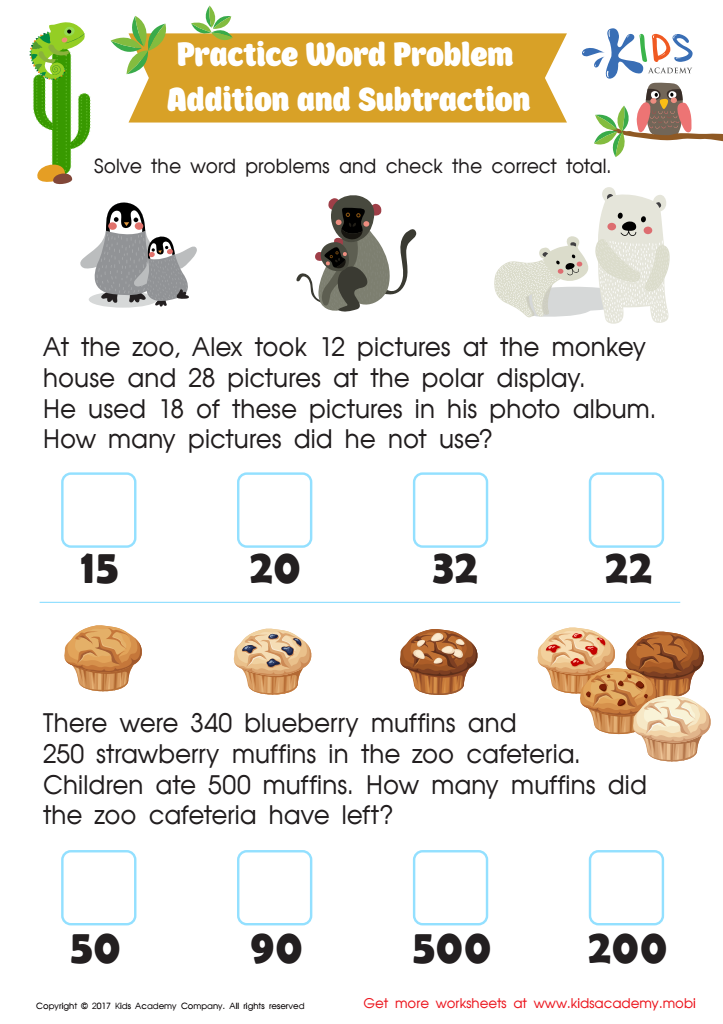
Addition and Subtraction: Word Problems Worksheet
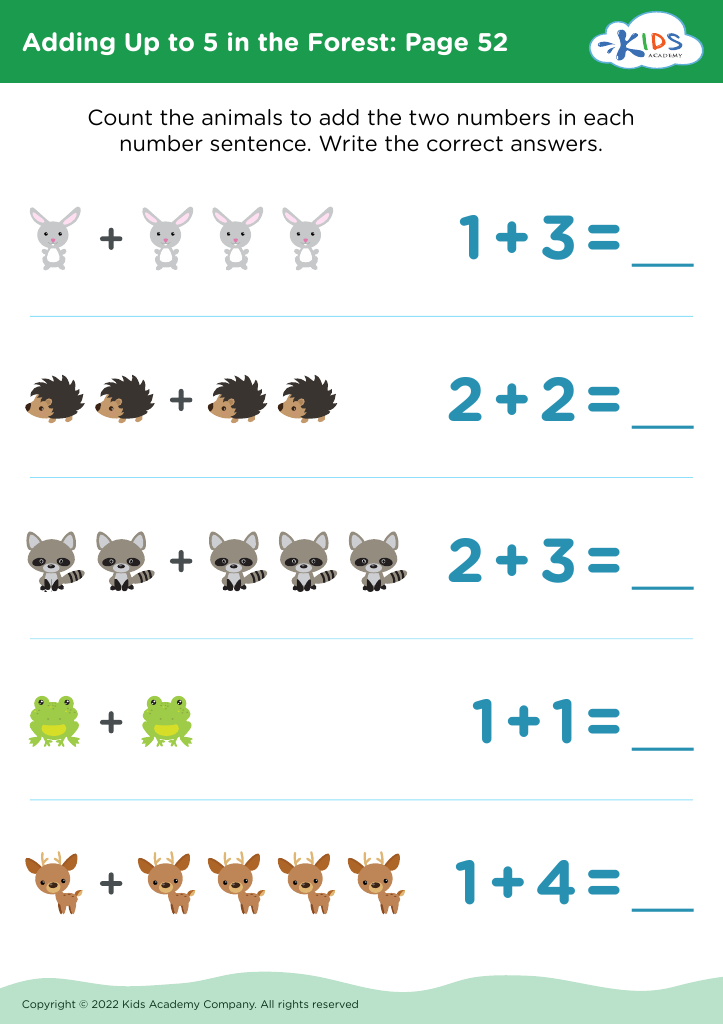
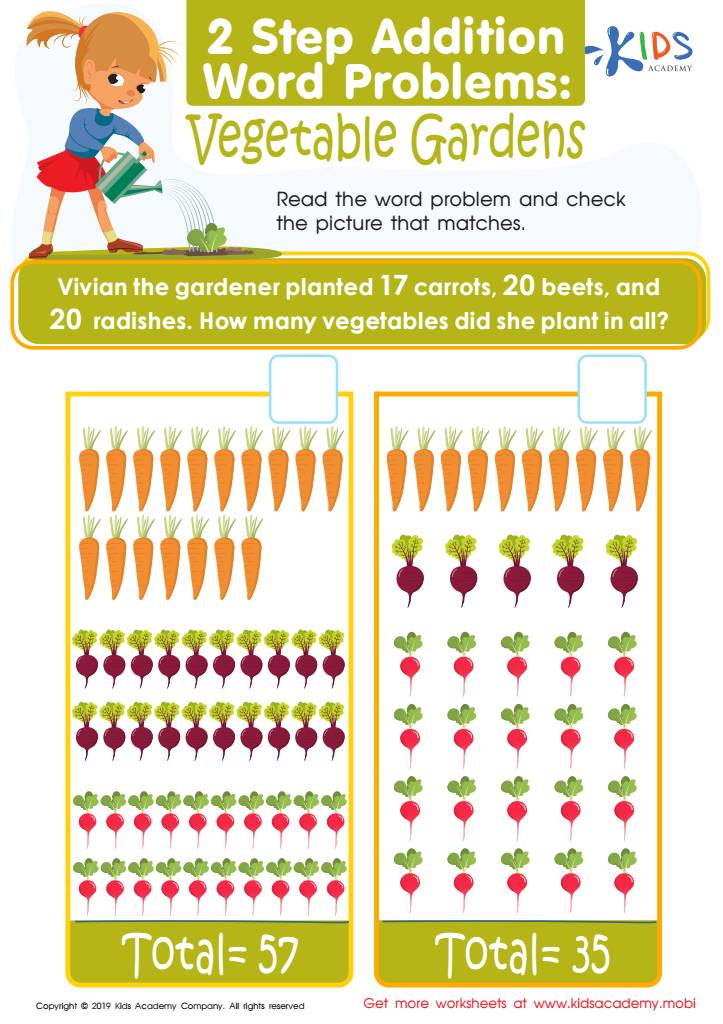
Vegetable Gardens Worksheet
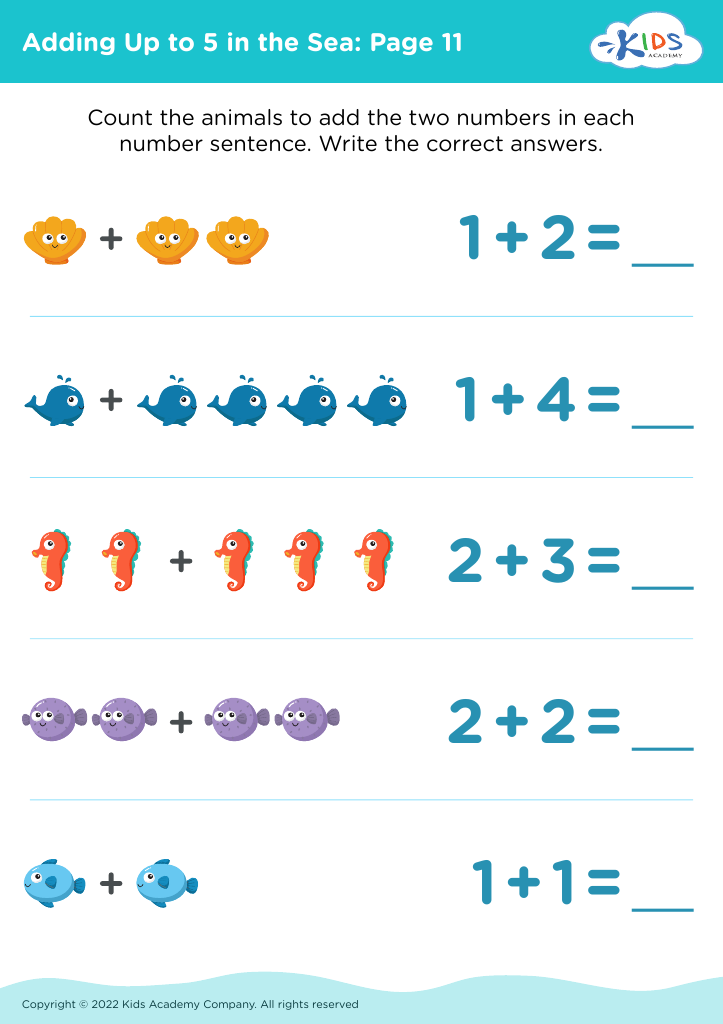
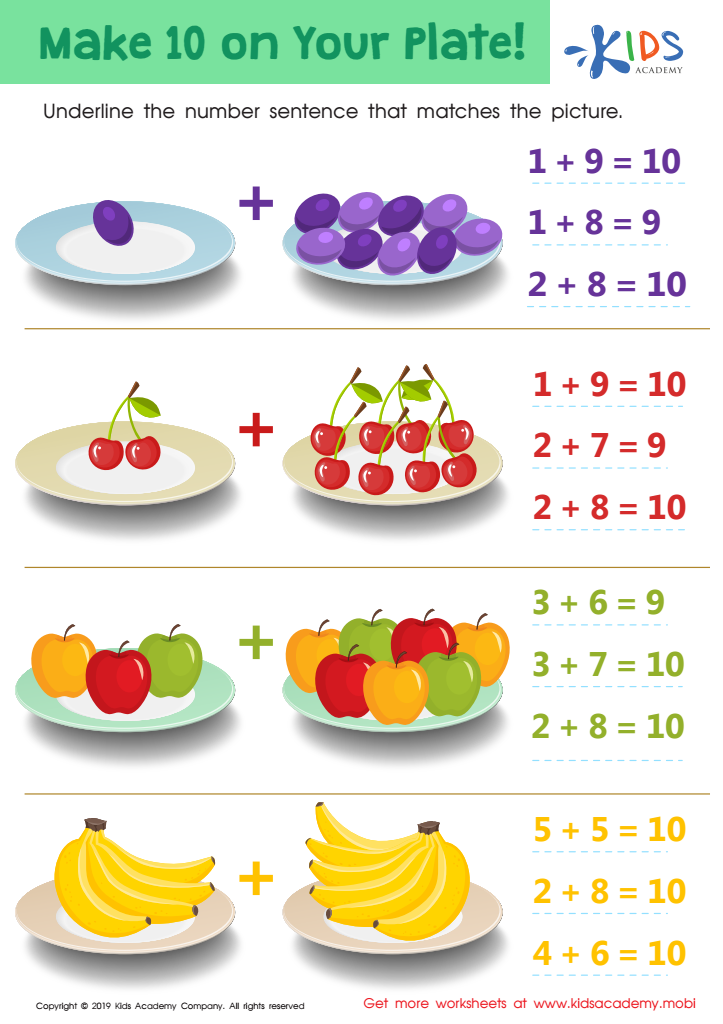
Make 10 on Your Plate! Worksheet
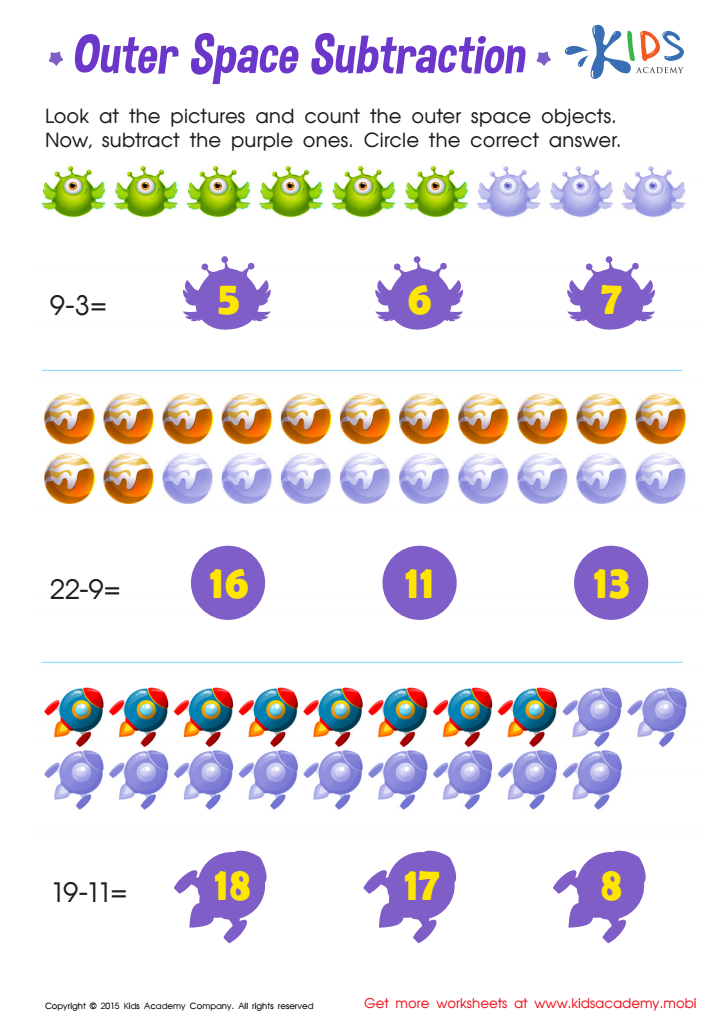
Outer Space Substraction Worksheet
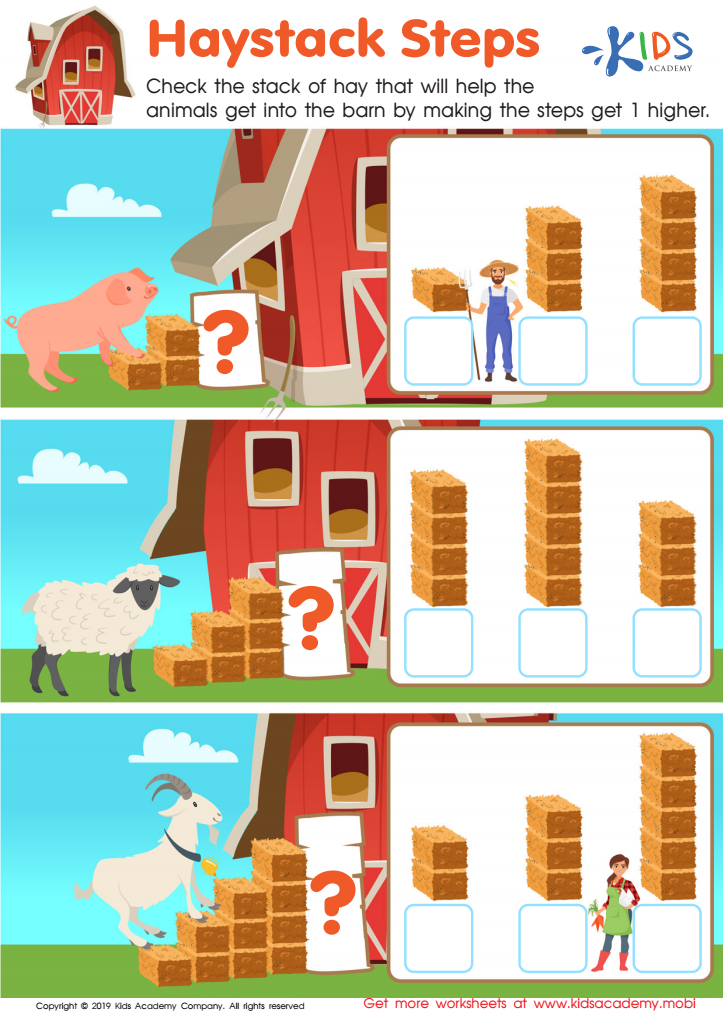
Haystack Steps Worksheet
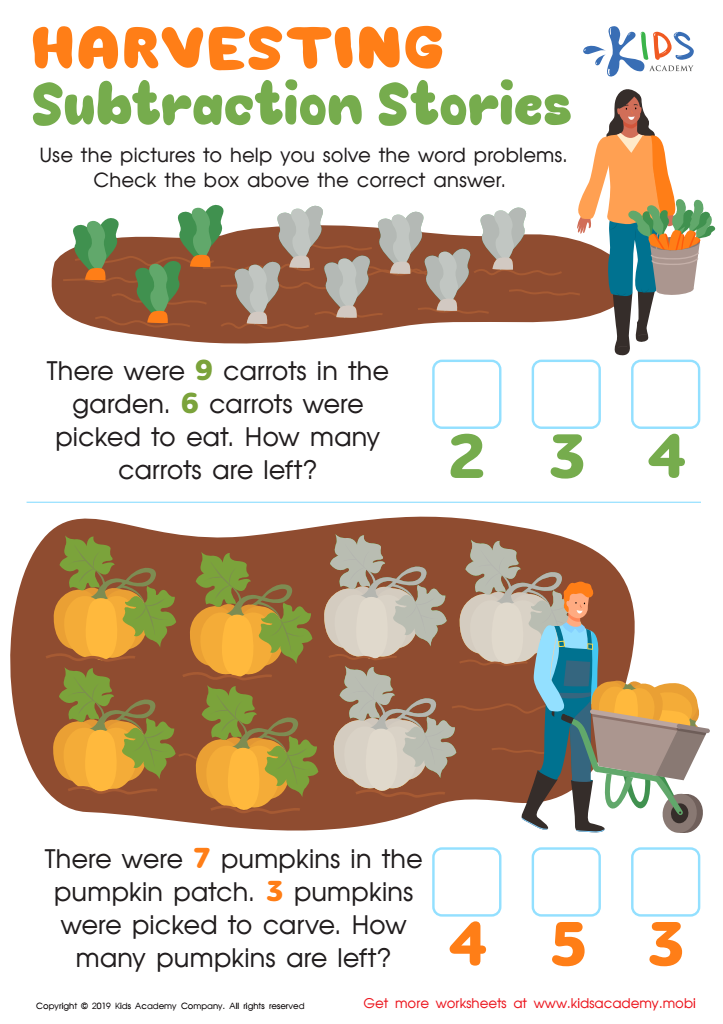
Harvesting Subtraction Stories Worksheet
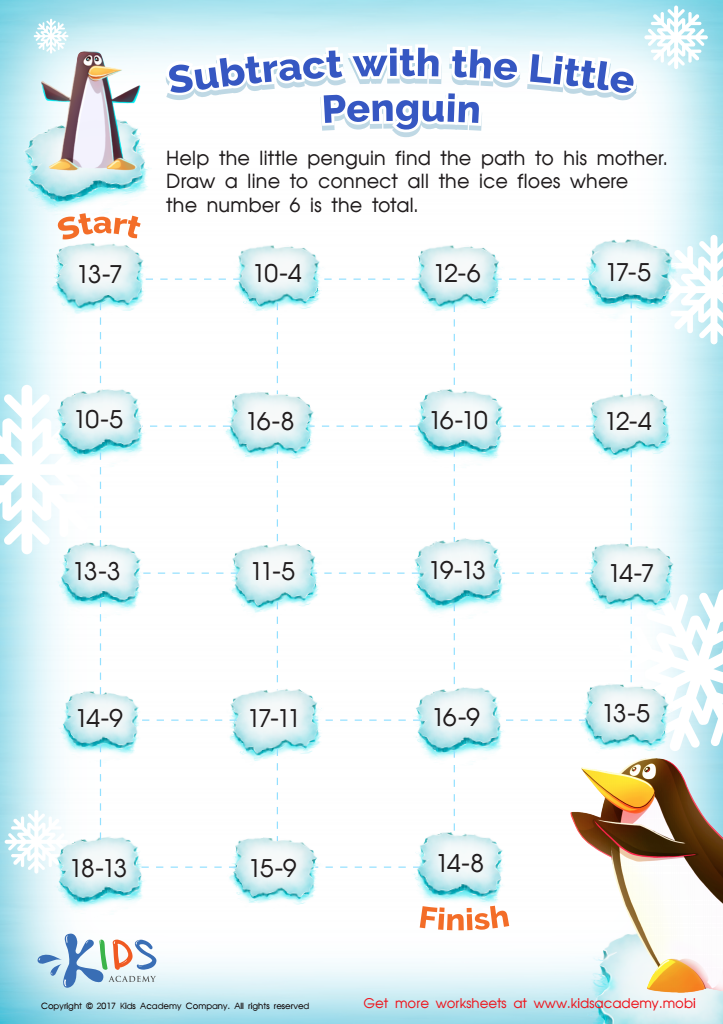
Subtract With The Little Penguin Substraction Worksheet
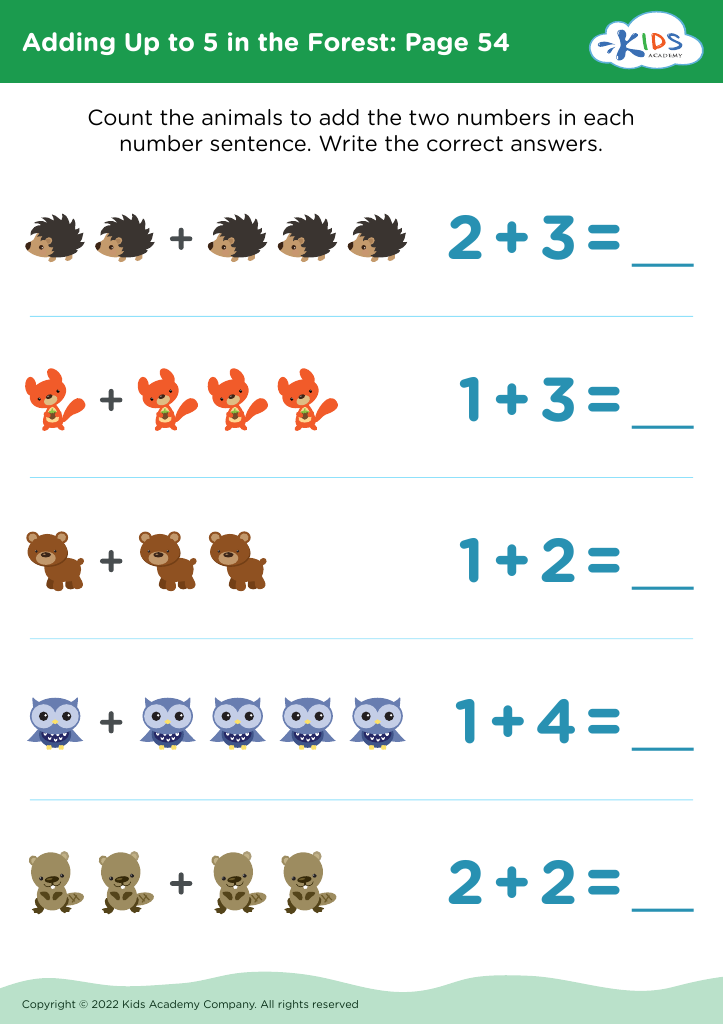
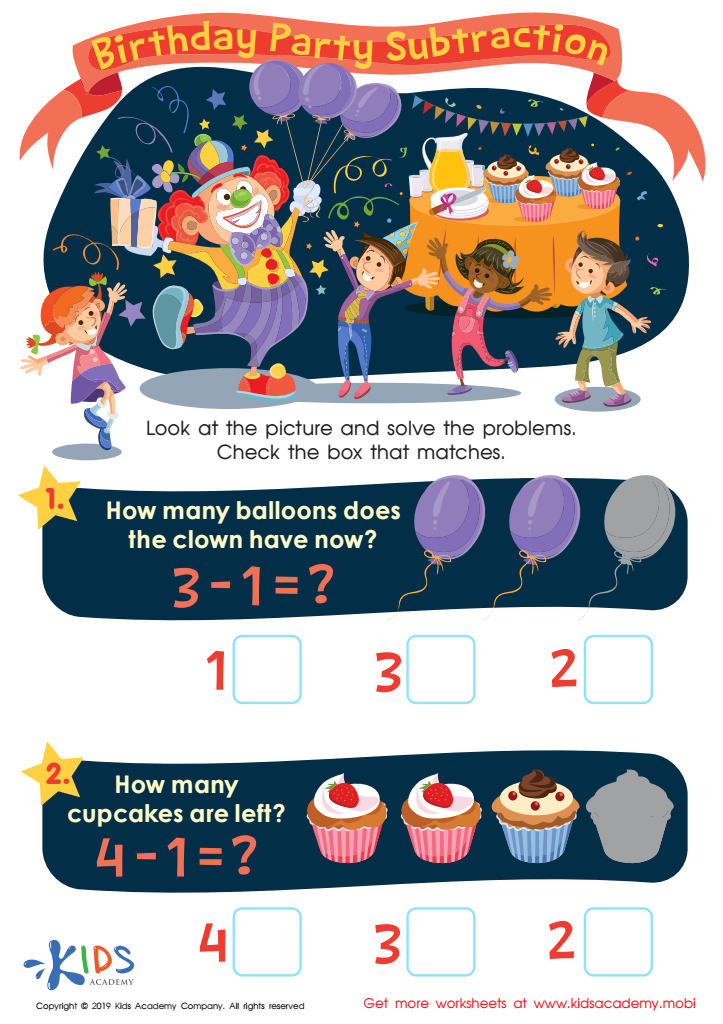
Birthday Party Subtraction Worksheet



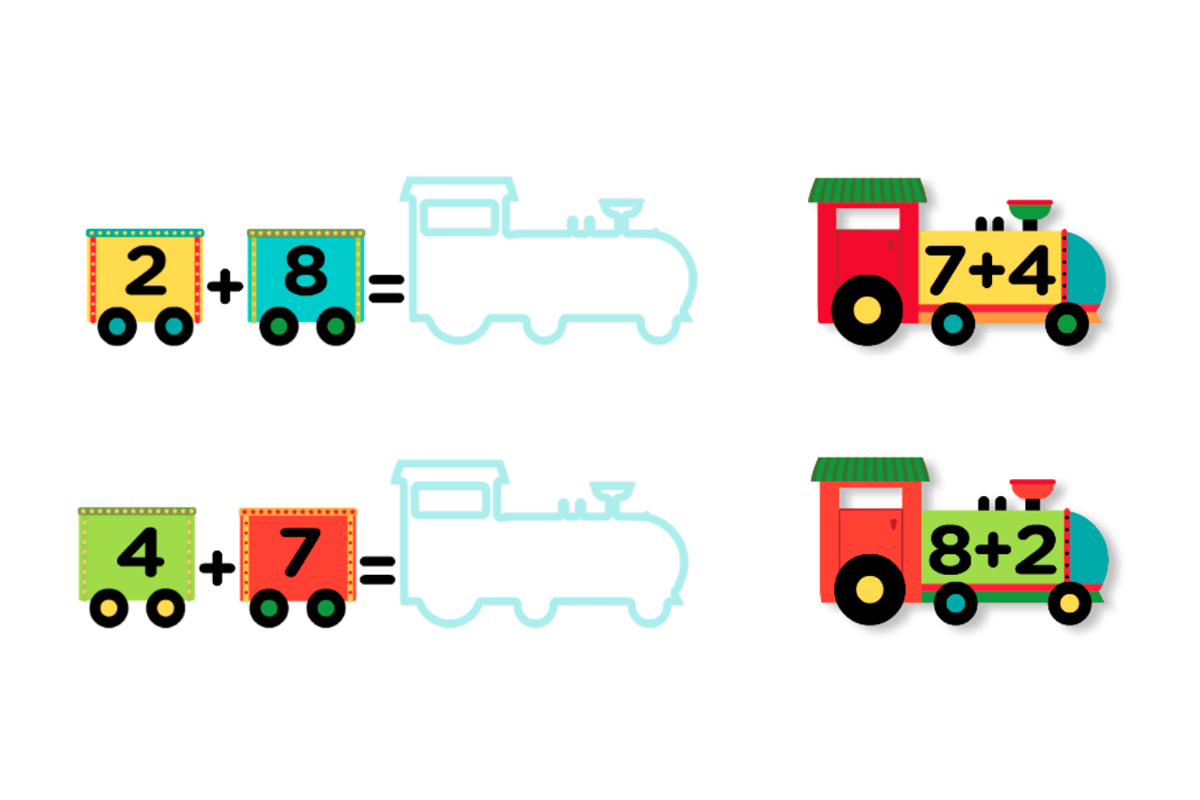




Parents and teachers should prioritize developing problem-solving skills in addition and subtraction for children ages 3-5 because these foundational abilities pave the way for future mathematical thinking. At this young age, children are naturally curious and eager to explore concepts. Engaging them in early math through problem-solving not only enhances their numerical skills but also fosters critical thinking, reasoning, and adaptability.
Problem-solving skills help children learn to approach challenges with confidence and persistence. By encouraging them to tackle simple addition and subtraction problems through play and discovery, we cultivate a love for learning and a positive attitude towards challenges. Activities like counting objects, using manipulatives, or solving age-appropriate puzzles stimulate cognitive development and improve fine motor skills.
Moreover, these foundational math skills translate beyond academic purposes. Learning to solve problems equips kids with the tools to face everyday challenges, building resilience and fostering a growth mindset. In a society increasingly reliant on analytical skills, early exposure to problem-solving equips children to navigate complex future demands. Consequently, nurturing these skills in early years ultimately supports holistic development, setting the stage for lifelong learning and success in school and beyond.








