Shape Recognition Geometry Worksheets for Ages 3-5 - Page 2
34 filtered results
-
From - To
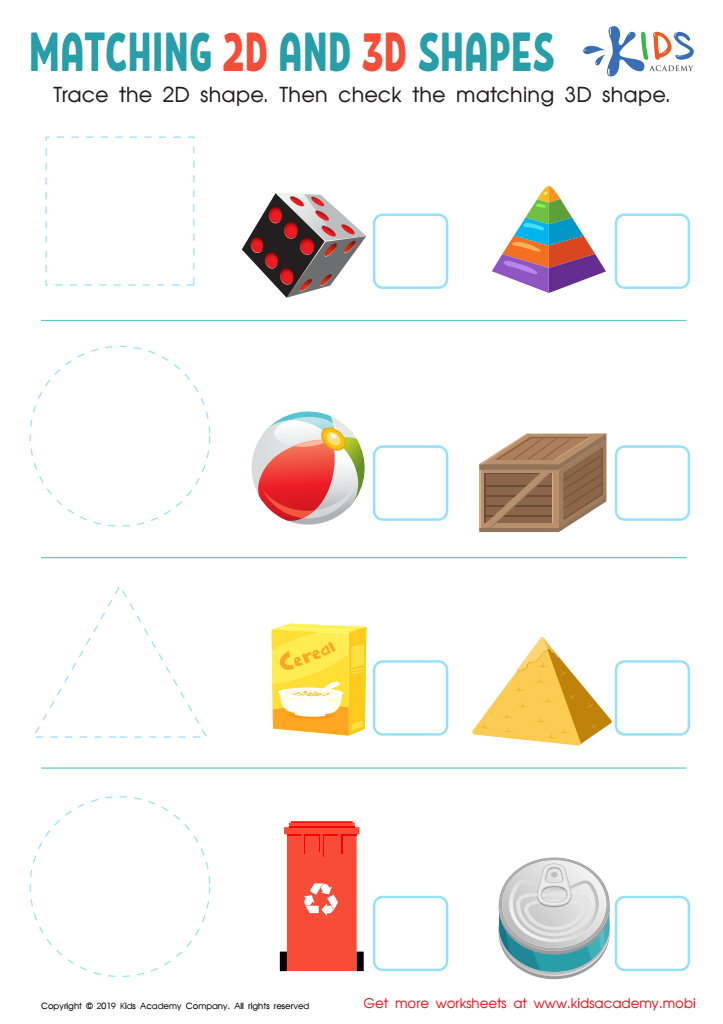
Matching 2D and 3D Shapes Worksheet
 Assign to My Students











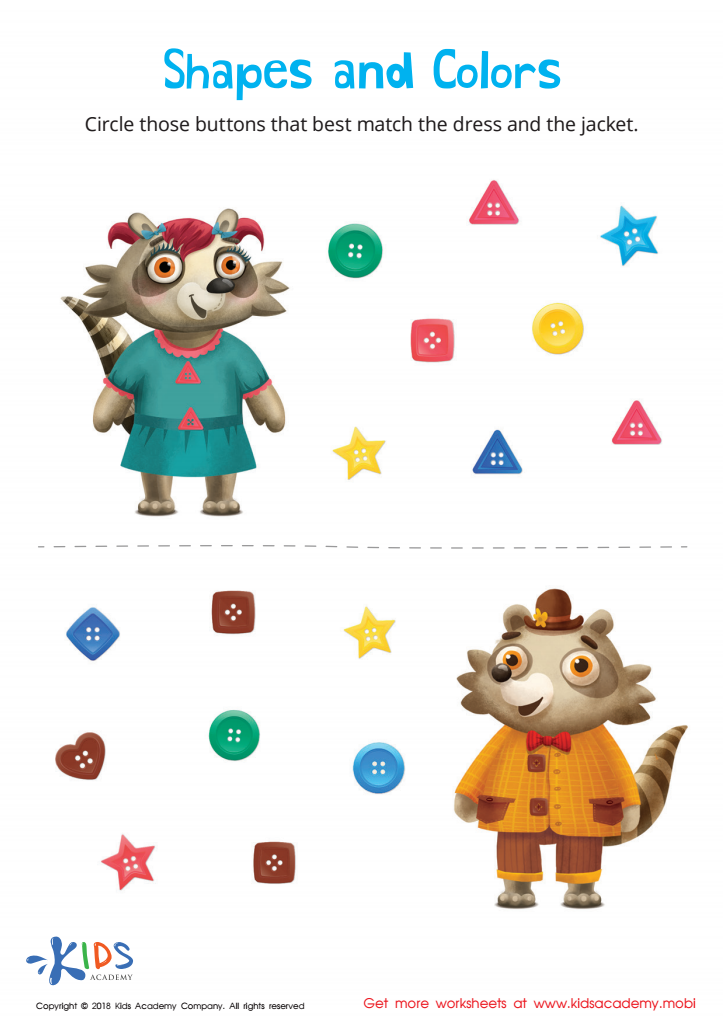
Shapes and Colors Worksheet
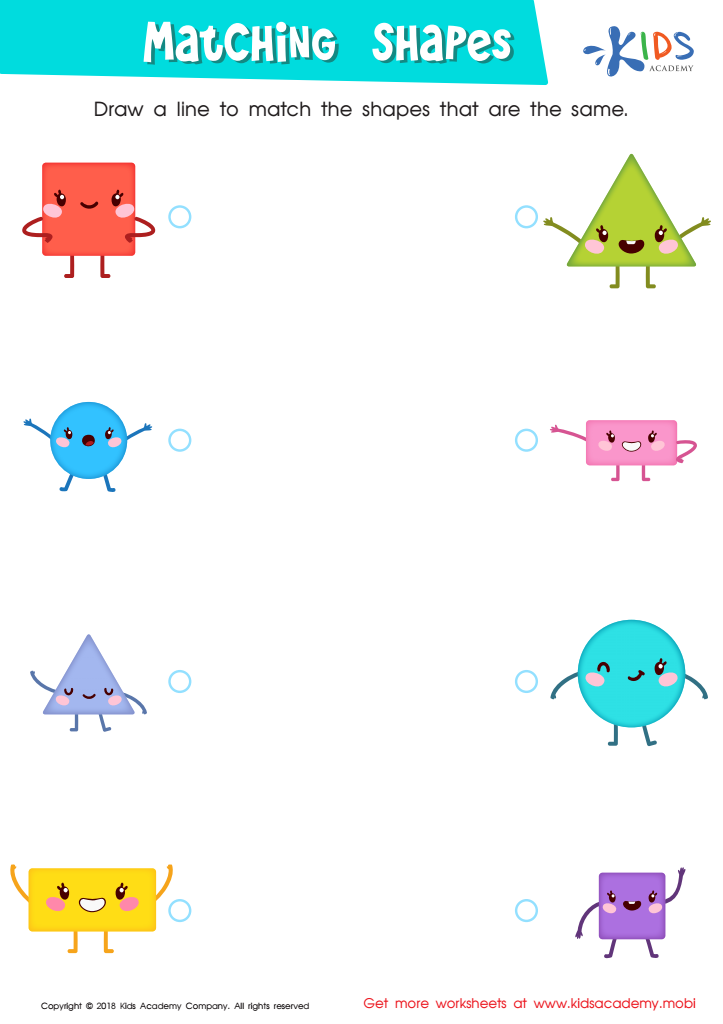
Matching Shapes Worksheet
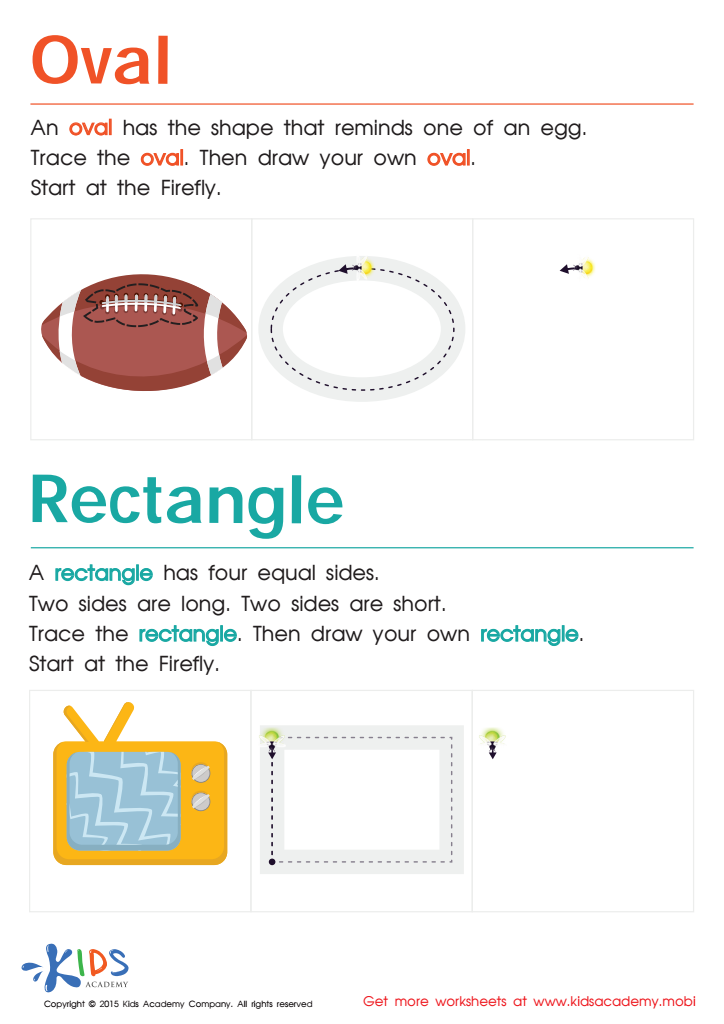
Easy Drawing of Ovals And Rectangles Worksheet
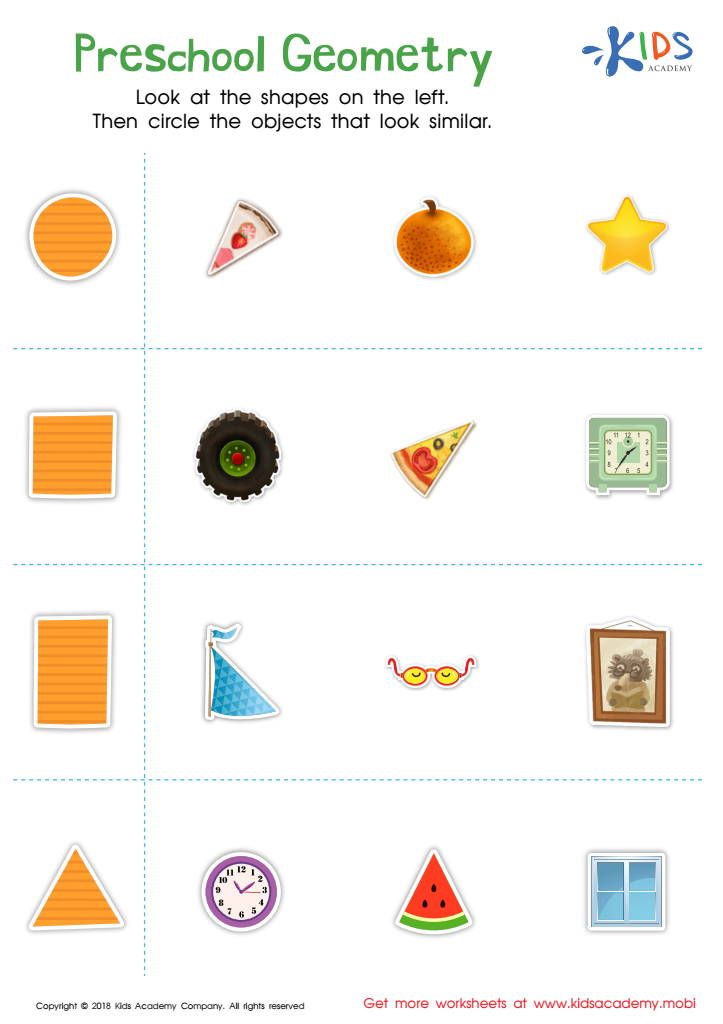
Preschool Geometry Worksheet
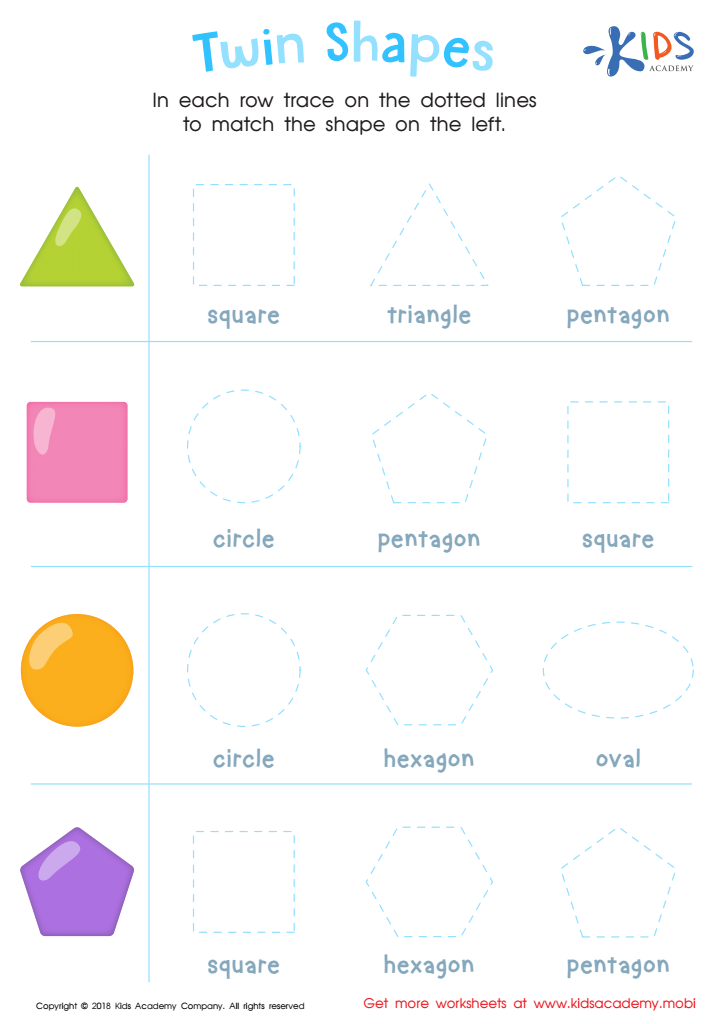
Twin Shapes Dot-to-Dot Worksheet
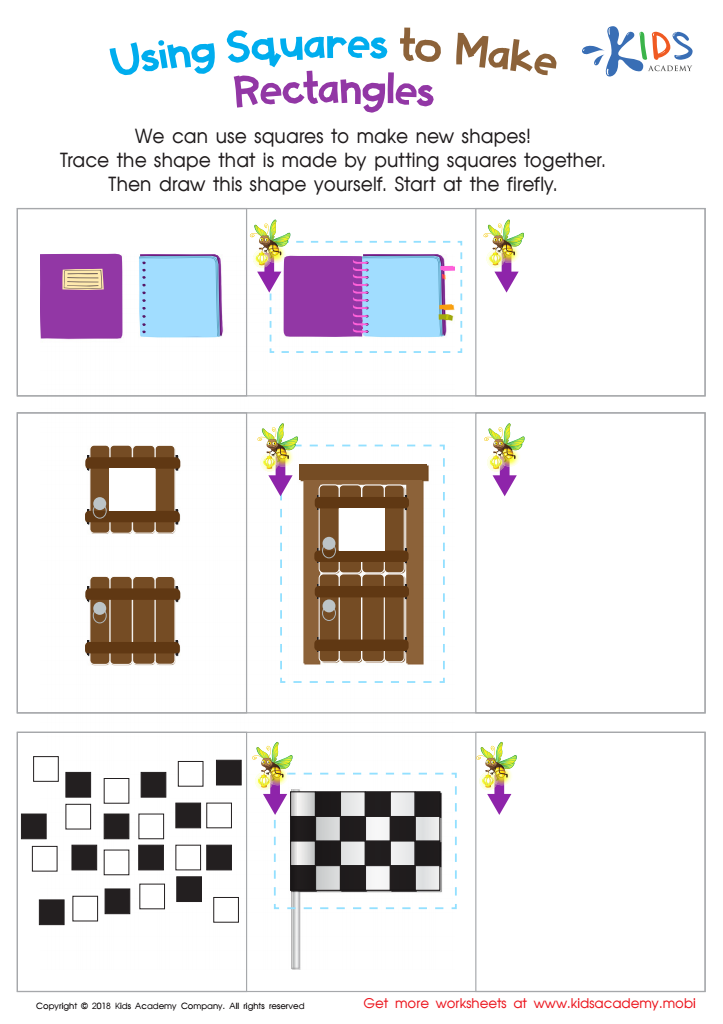
Using Squares to Make Rectangles Worksheet
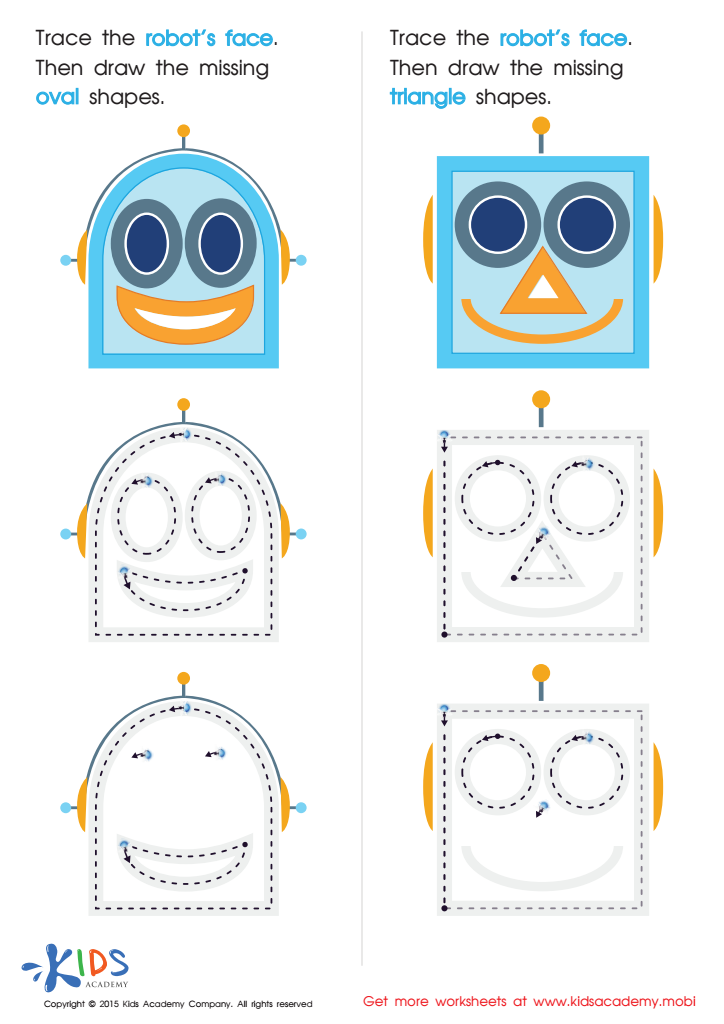
Drawing Ovals And Triangles with Fun Printable
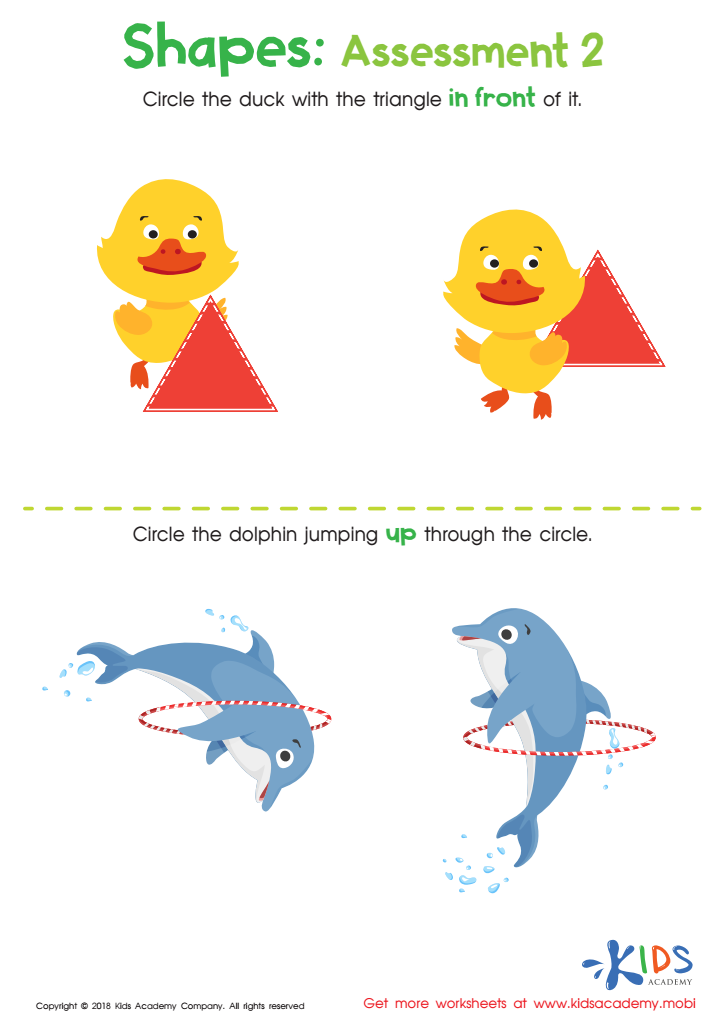
Geometry – Assessment 2 Worksheet
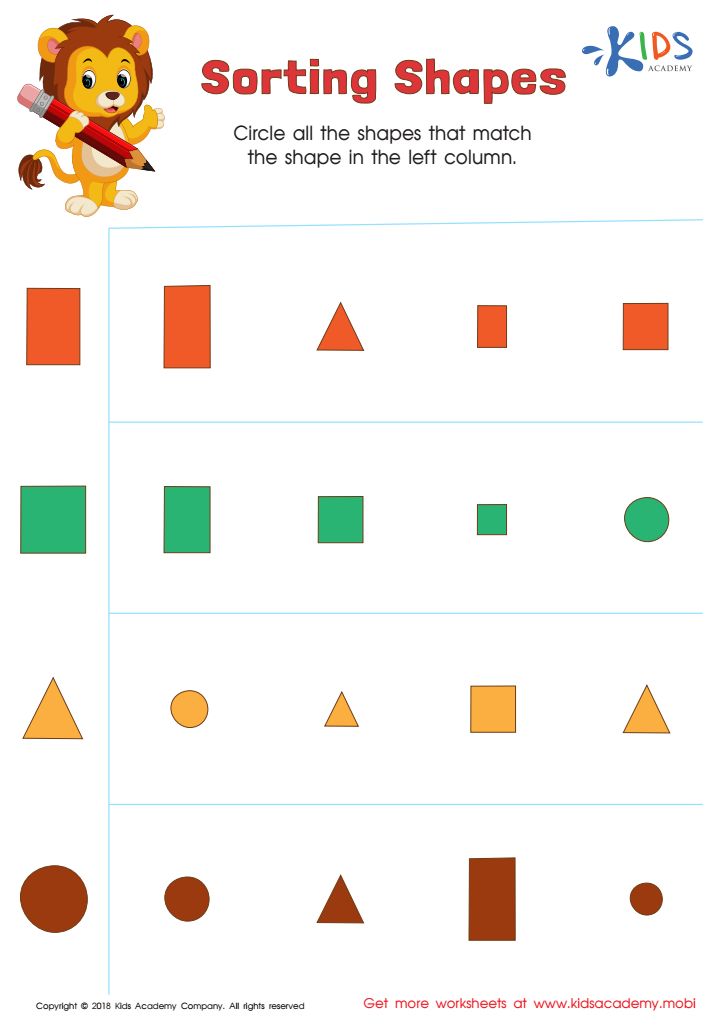
Sorting Shapes - Part 2 Worksheet








Shape recognition is a fundamental aspect of early childhood education that provides countless benefits for children aged 3 to 5. At this stage, children are naturally curious and eager to explore their environment, and shape recognition fosters this exploration. Understanding shapes helps enhance critical thinking skills as young learners begin to categorize and differentiate objects based on their attributes.
Moreover, shape recognition lays the groundwork for later mathematical concepts, such as addition, subtraction, and spatial awareness. Engaging in shape-related activities enables children to develop problem-solving abilities and enhances their fine motor skills through tasks like drawing, cutting, or building with blocks.
Additionally, this skill supports language development; as children learn to identify and describe shapes, they expand their vocabulary and engage in conversations about their observations. Parents and teachers also play a crucial role in promoting shape recognition, ensuring that cultural and experiential learning aids a child's reasoning and understanding of the world around them.
Overall, investing time in teaching shape recognition not only supports cognitive development but also instills confidence and encourages curiosity, making it an essential focus in the early education journey.








