
Vocabulary expansion Science Worksheets for Ages 3-5
7 filtered results
Difficulty Level
Grade
Age
-
From - To
Subject
Activity
Standards
Discover our engaging Vocabulary Expansion Science Worksheets designed specifically for young learners ages 3-5! These interactive resources help preschoolers enhance their vocabulary while exploring exciting scientific concepts. Each worksheet combines colorful illustrations and age-appropriate vocabulary to make learning fun and relatable. Topics include plants, animals, the human body, and the natural environment, fostering curiosity and a love for science from an early age. Perfect for use at home or in the classroom, our worksheets encourage active learning and help develop critical thinking skills. Start your child's scientific journey today and watch their vocabulary blossom with each exciting activity!
Favorites
With answer key
Interactive
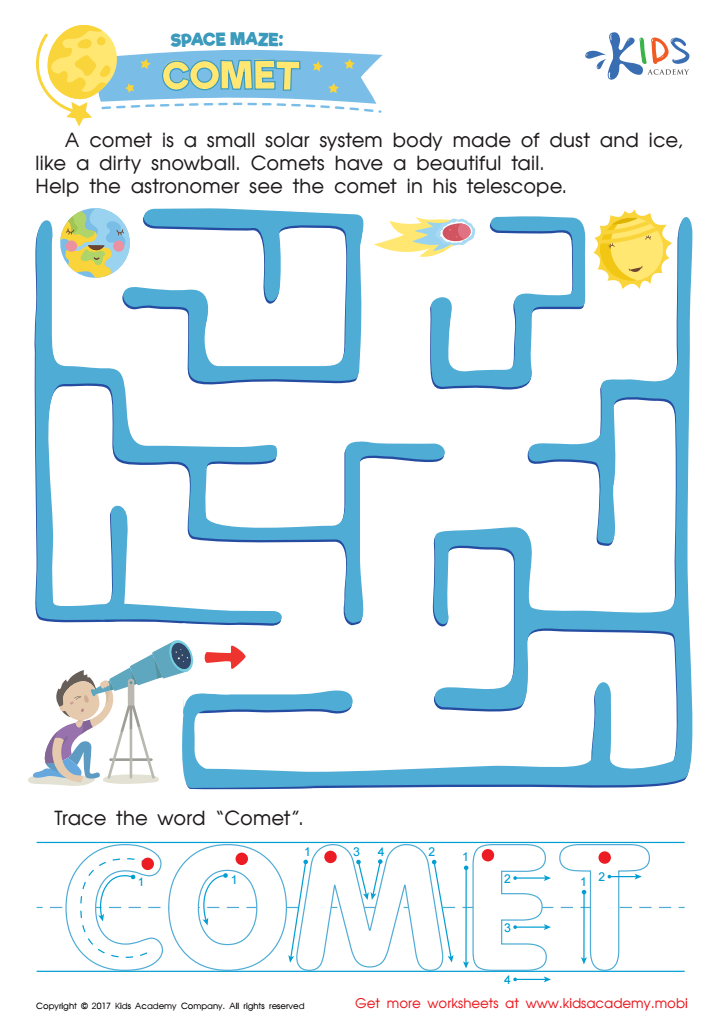
Space Maze: Comet Worksheet
Worksheet
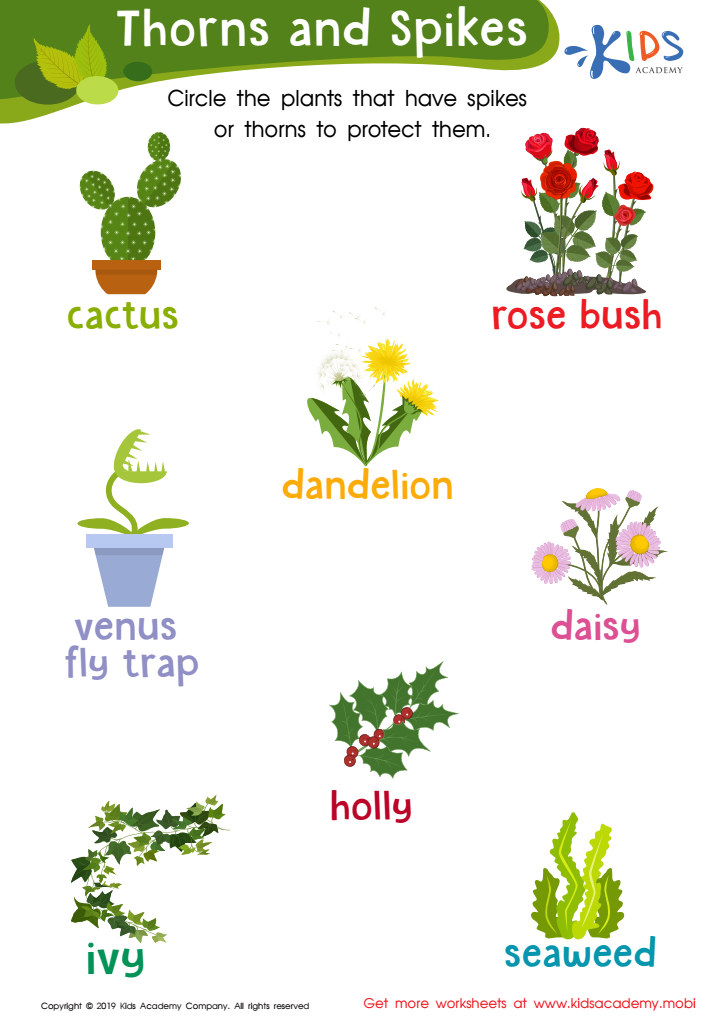
Thorns and Spikes Worksheet
Can your students name and identify the plants and flowers in this worksheet? Ask them to read out the names and circle the ones with spikes or thorns. Help them appreciate nature's beauty and understand how plants protect themselves.
Thorns and Spikes Worksheet
Worksheet
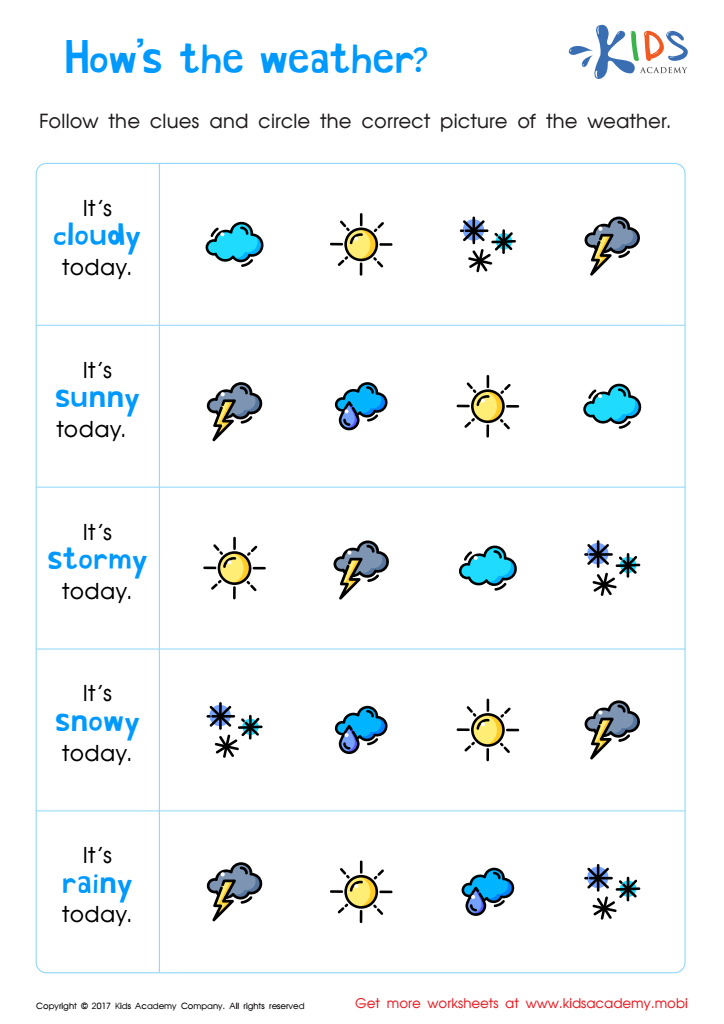
Hows the Weather Worksheet
Teaching kids about weather is a fun way to start science learning. This worksheet helps recognize symbols, literacy skills and make real world connections. Your child will love it!
Hows the Weather Worksheet
Worksheet
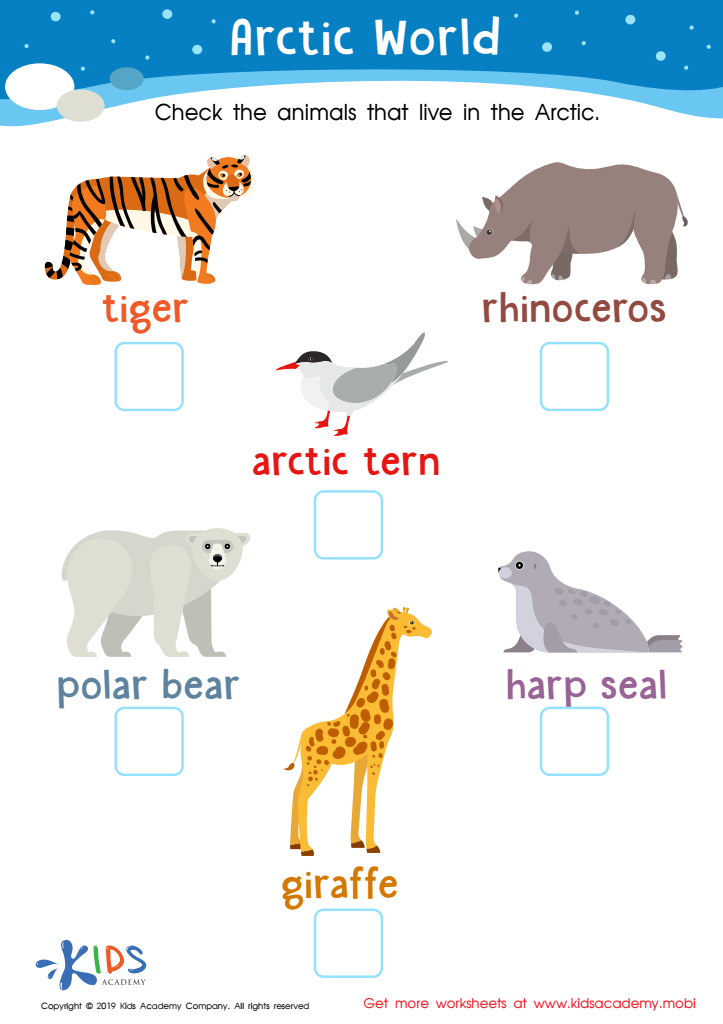
Arctic World Worksheet
Ask your students if they know where the Arctic is located and what lives there. If not, use a world atlas to show them. The Arctic is very cold and snow-covered; native animals have adapted to survive the harsh conditions. Look at the animals in the worksheet and help your students decide which ones live in the Arctic.
Arctic World Worksheet
Worksheet
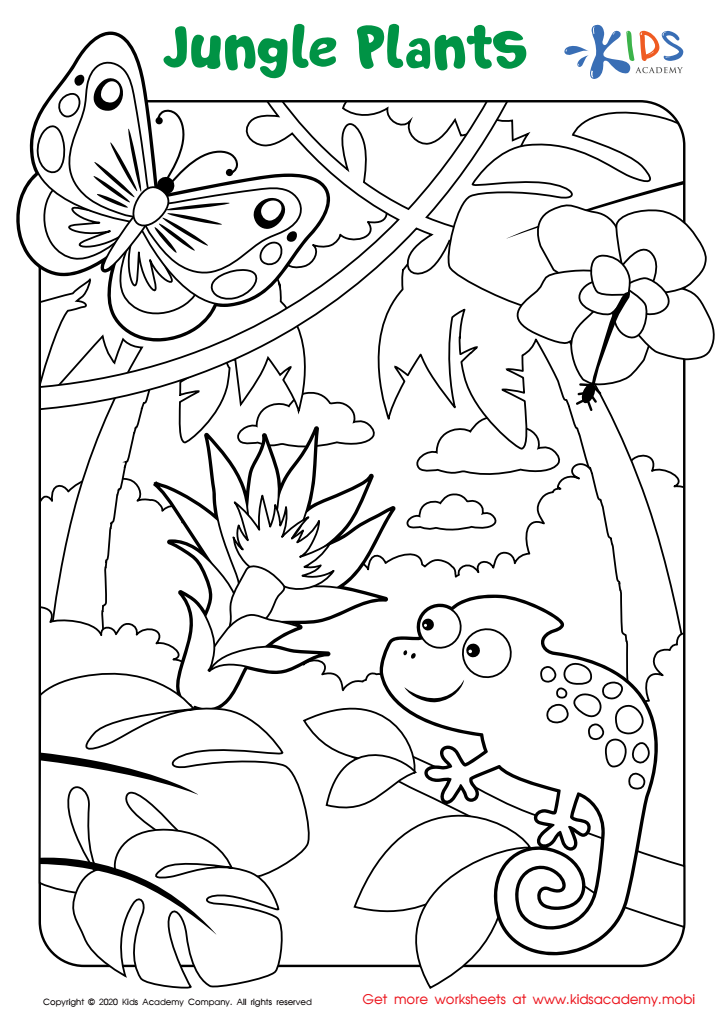
Jungle Plants Worksheet
Coloring pages can be fun and educational for kids! Print this adorable jungle worksheet with plants, a butterfly, and a lizard. Ask preschoolers to choose colors to bring the scene to life, while discussing rainforest plants and animals.
Download (PDF)
 Assign to My Students
Assign to My Students
Jungle Plants Worksheet
Worksheet
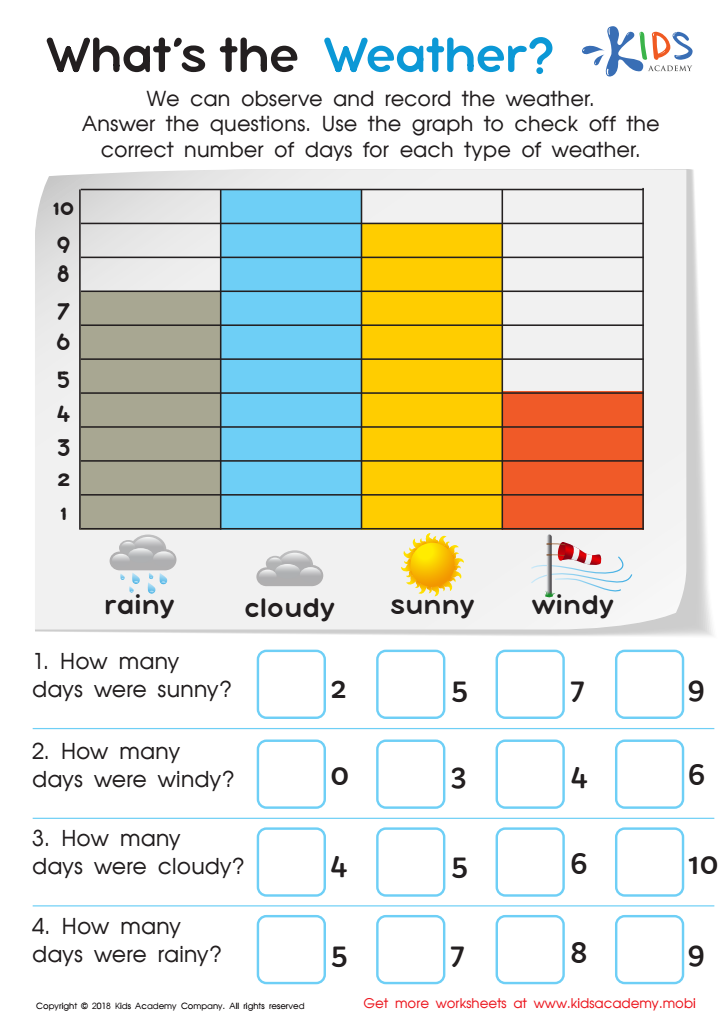
What's the Weather? Worksheet
Check the weather outside. Help kids learn and practice science and math by tracking different types of days using this printable worksheet. Have them count bars next to weather types like cloudy, sunny, windy, and rainy. Answer the questions and take the lesson further by creating a bar graph to show the monthly weather.
What's the Weather? Worksheet
Worksheet
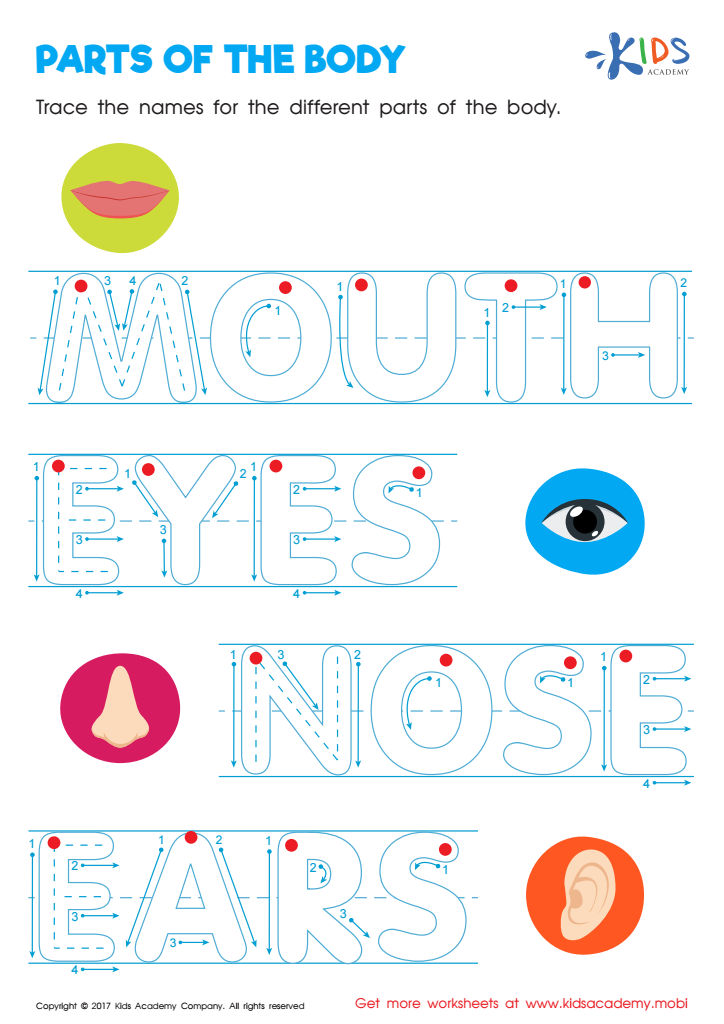
Parts of the Body Worksheet
Worksheet
Join Kids Academy for Free
Who is primarily going to use this learning content?






.jpg)
Vocabulary expansion in early childhood, particularly for ages 3-5, is crucial for cognitive and social development. This period in a child's life is marked by rapid language acquisition, where rich and varied vocabulary can significantly enhance their overall learning experiences. Introducing vocabulary related to scientific concepts fosters curiosity and exploration, helping young learners to engage meaningfully with the world around them.
A strong vocabulary foundation allows children to articulate their thoughts, enhances comprehension, and improves reading and communication skills. When 3-5-year-olds grasp scientific vocabulary, they not only learn about specific subjects like plants, animals, and weather but also develop critical thinking and problem-solving abilities. Teachers and parents play a vital role in this expansion by providing diverse language experiences through books, discussions, and hands-on activities.
Encouraging scientific vocabulary also promotes a lifelong love for learning and inquiry, as children learn to ask questions, make predictions, and seek explanations. By prioritizing vocabulary development in science, educators and caregivers can empower children to express themselves, foster creativity, and establish a strong foundation for future academic success. Ultimately, investing in vocabulary expansion nurtures inquisitive minds capable of making connections and navigating more complex concepts in later years.







