Reading comprehension Social Studies Worksheets for Ages 3-5 - Page 2
36 filtered results
-
From - To
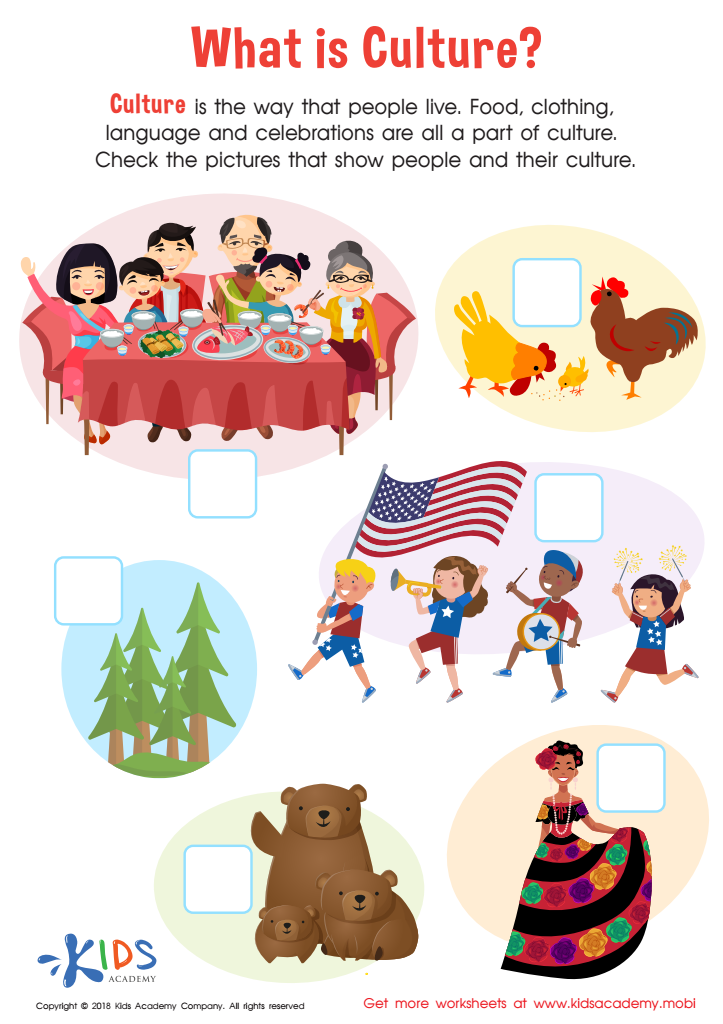
What Is Culture? Worksheet
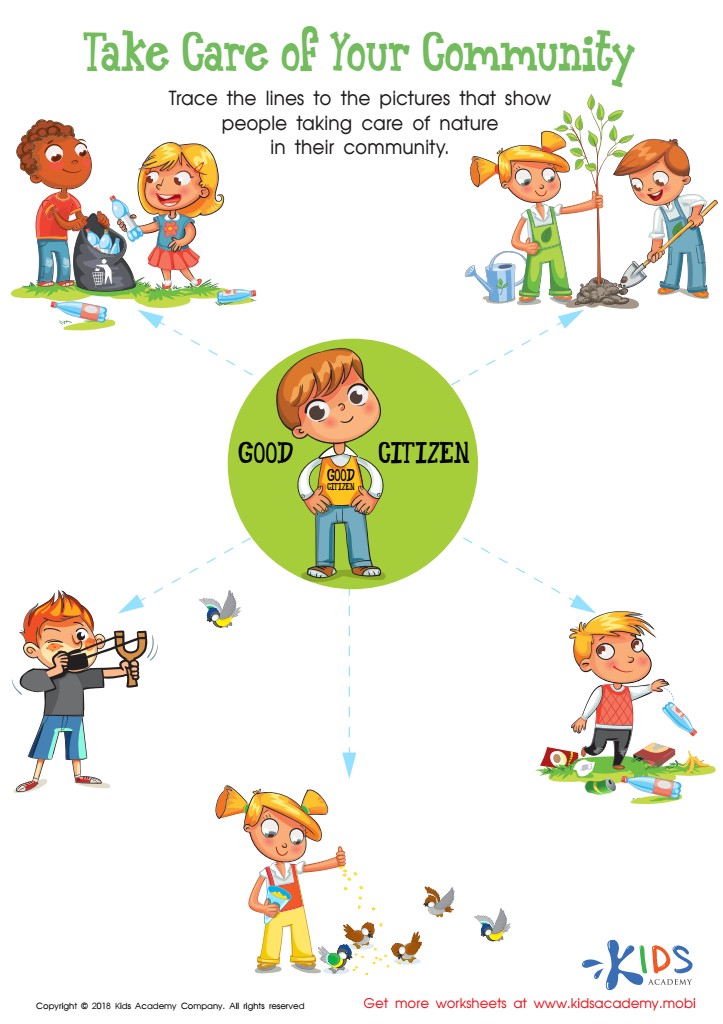
Take Care of your Community Worksheet
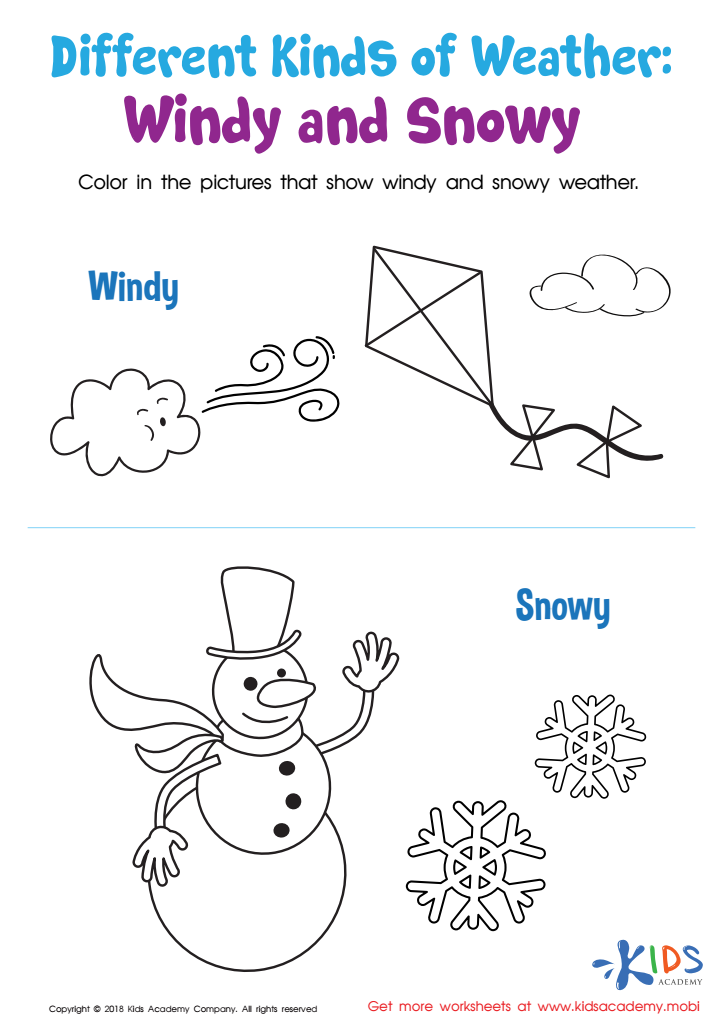
Different Kinds of Weather: Windy and Snowy Worksheet
 Assign to My Students
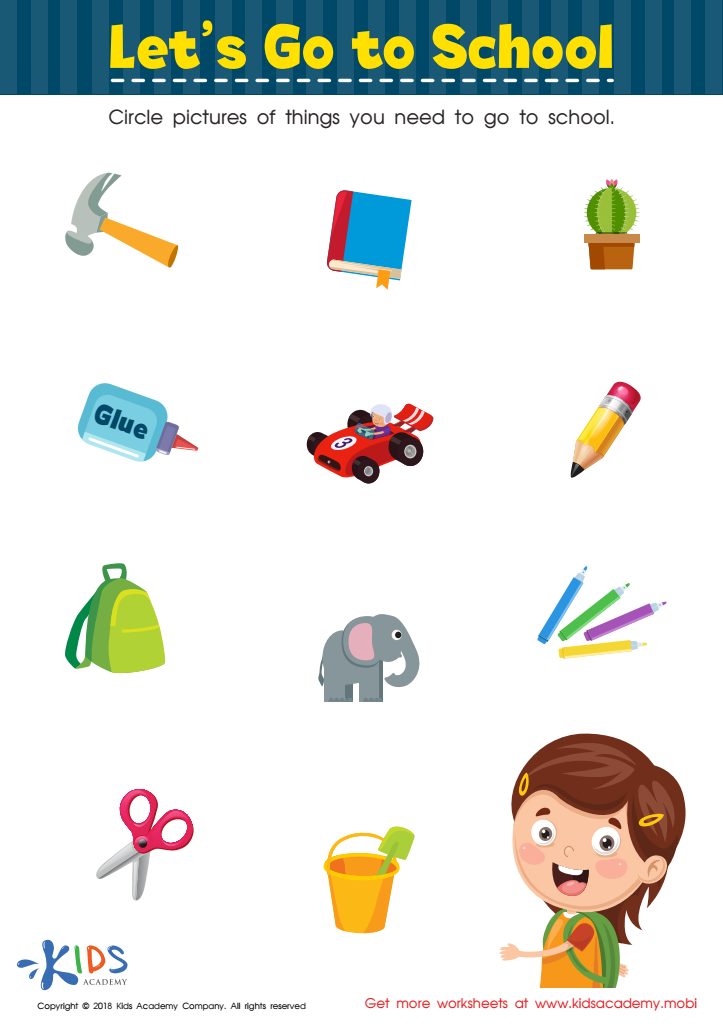
Let's Go to School! Worksheet
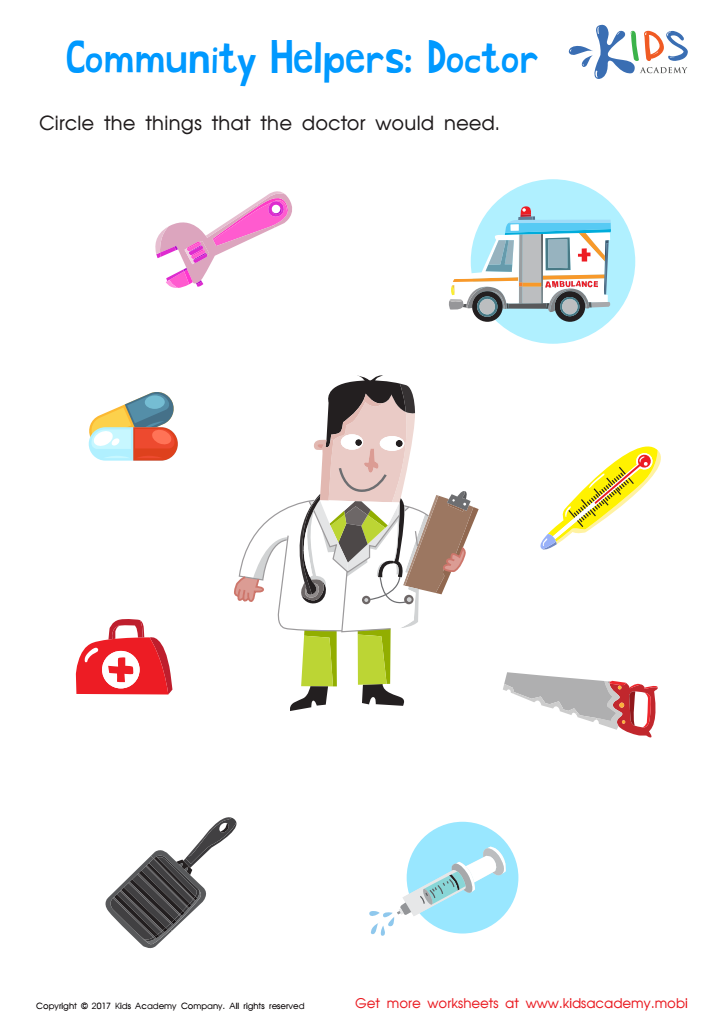
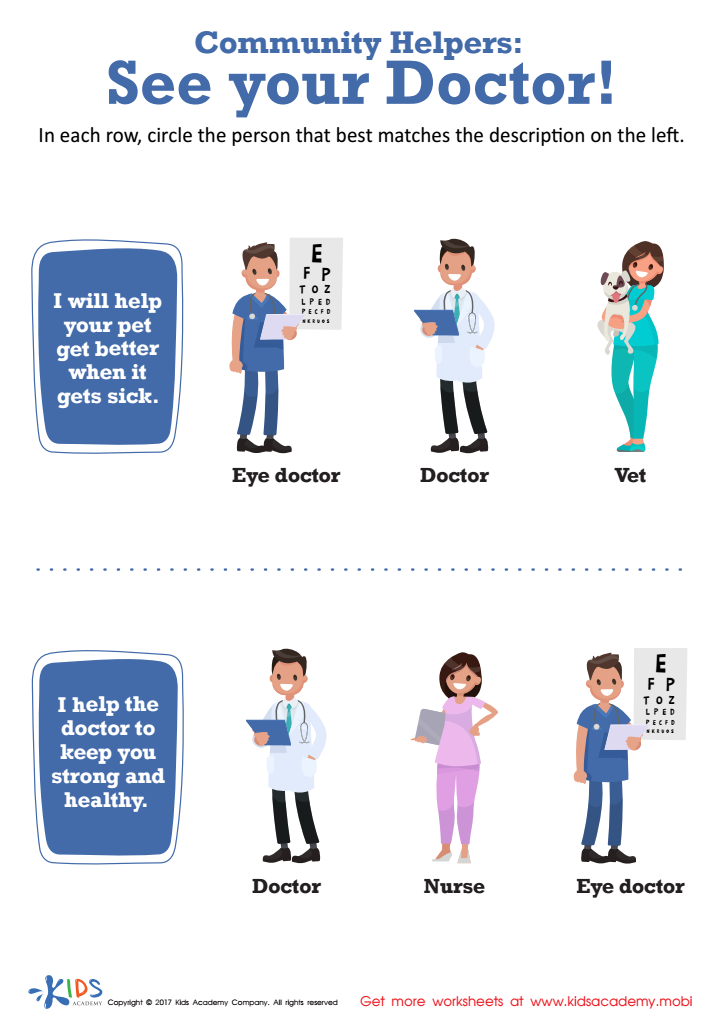
See Your Doctor (Part 2) Printable
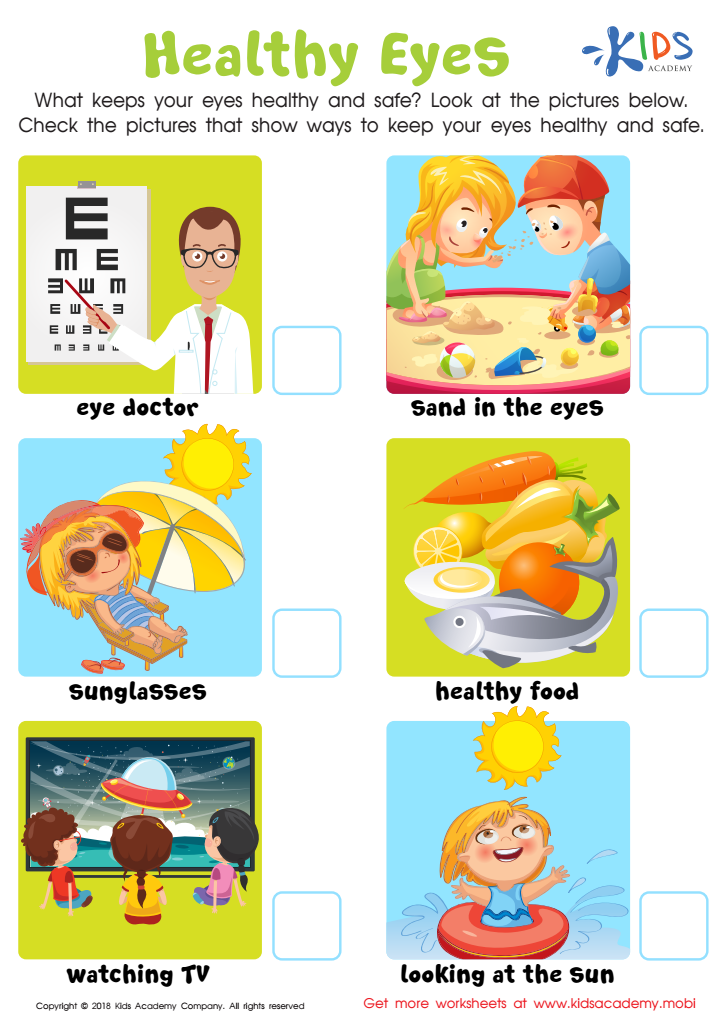
Healthy Eyes Worksheet
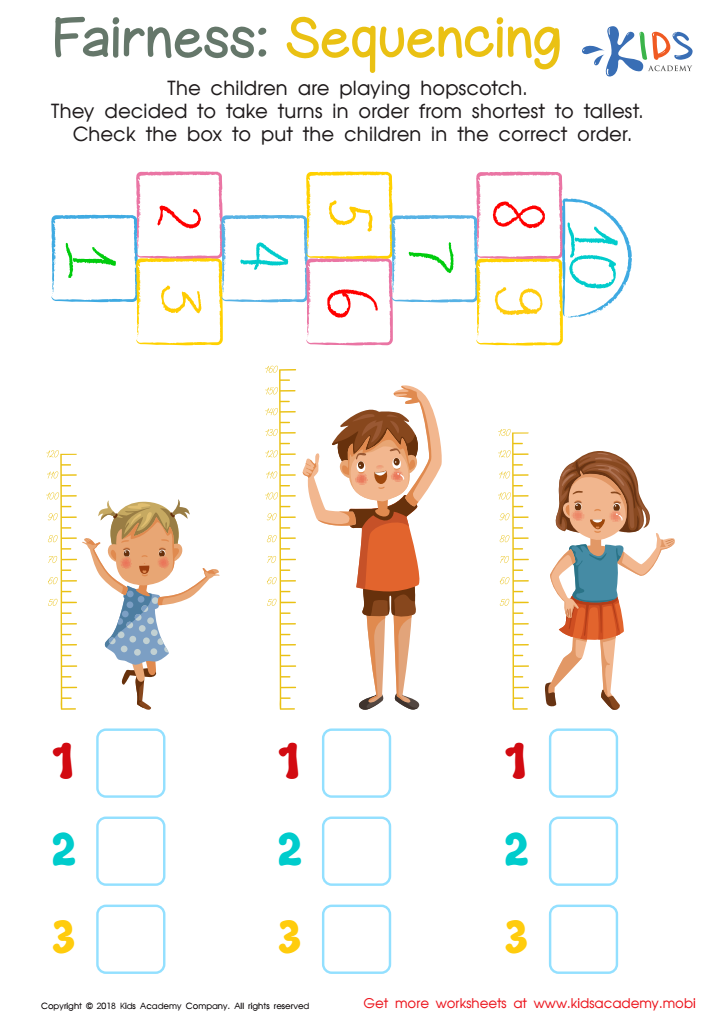
Fairness: Sequencing Worksheet
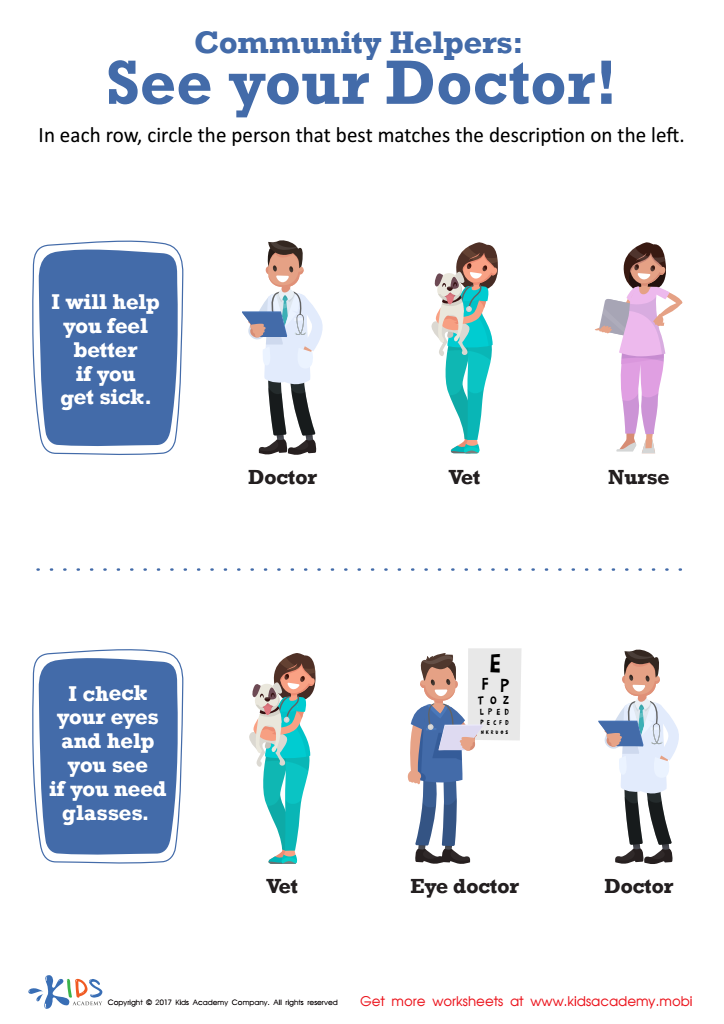
See Your Doctor (Part 1) Printable
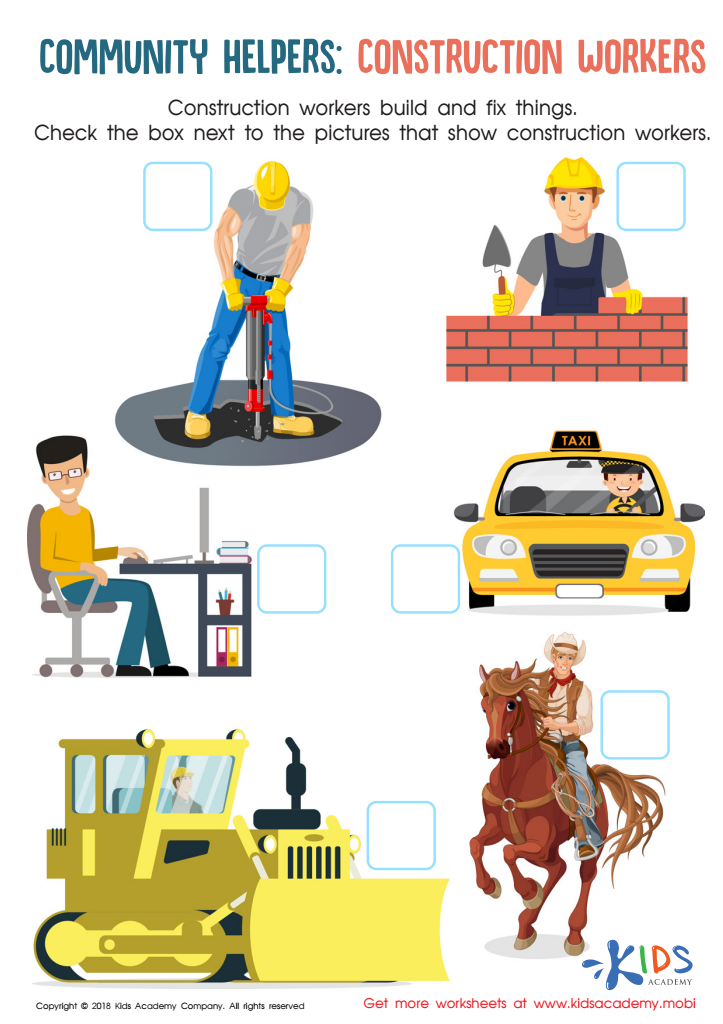
Construction Workers Community Helpers Worksheet
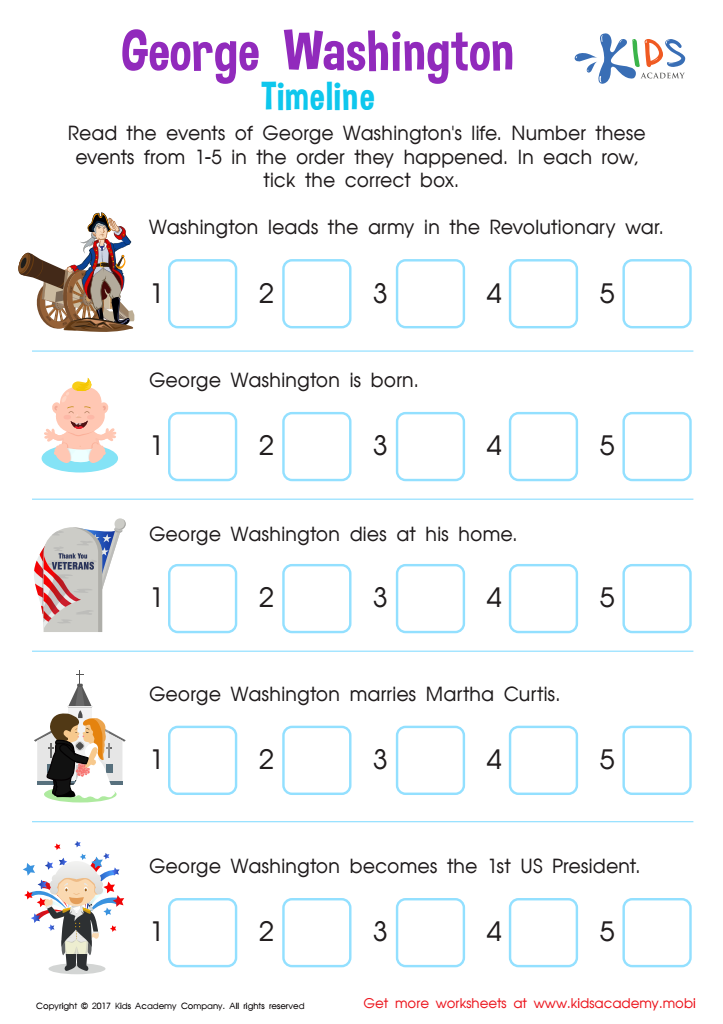
George Washington Timeline Worksheet
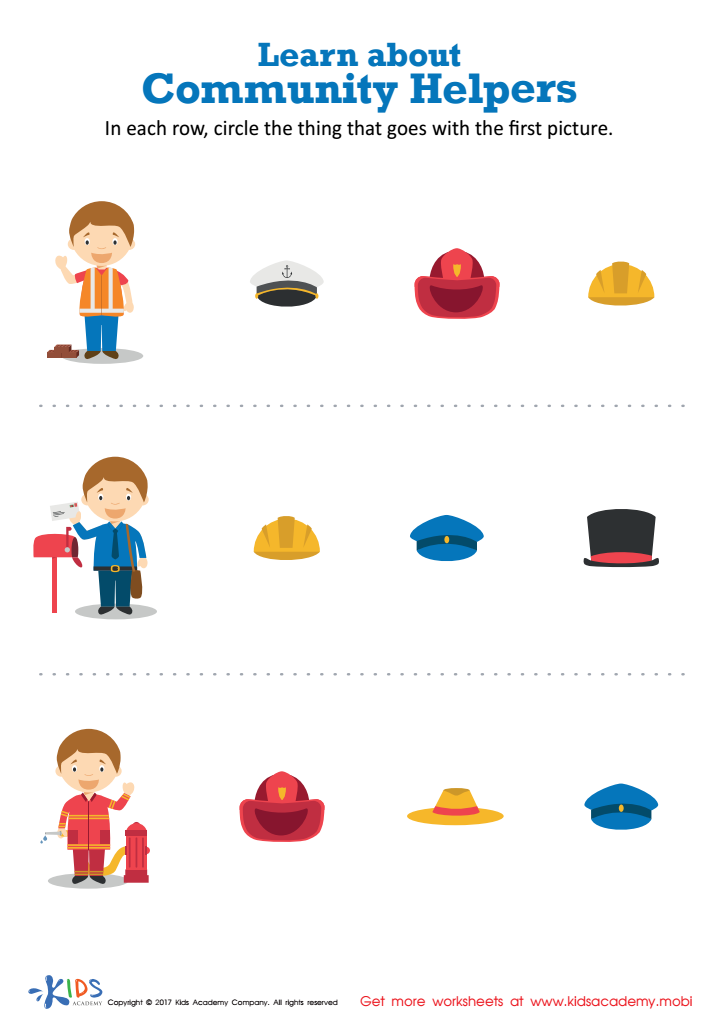
Learn about Community Helpers Printable







Fostering reading comprehension in social studies for children ages 3-5 is crucial for their overall development. At this tender age, their brains are rapidly absorbing information and forming foundational cognitive and social skills. Social studies concepts, even when simplified, introduce children to the world around them—cultures, traditions, community roles, and basic historical events. It helps build their understanding of society and their place within it.
Early exposure to social studies enhances reading comprehension by encouraging children to ask questions, make connections, and develop critical thinking skills. When kids engage with stories about diverse people and places, they expand their vocabulary and improve their ability to comprehend texts. This dual benefit of social studies is important: it enriches their knowledge base while simultaneously bolstering essential reading skills.
Moreover, social studies content can foster empathy and open-mindedness. Learning about different cultures and global perspectives at an early age encourages children to appreciate diversity, contributing to their social and emotional growth. By nurturing these skills early on, parents and teachers arm children with the tools necessary for academic success and responsible citizenship in a diverse world. Therefore, reading comprehension in social studies is not just about memorizing facts—it's about shaping well-rounded, inquisitive learners.








