Handwriting practice Writing Worksheets for Ages 3-5
13 filtered results
-
From - To
Introducing our Handwriting Practice Writing Worksheets for Ages 3-5, designed to make early writing fun and engaging for young learners! These printable worksheets help preschoolers and kindergarteners develop essential handwriting skills, including letter formation, fine motor skills, and pencil grip. Each worksheet features clear, traceable letters and simple, kid-friendly illustrations to keep your little ones interested and motivated. Perfect for at-home practice or classroom use, these resources will lay the foundation for confident writing. Give your child a head start on their writing journey with our expertly crafted handwriting worksheets tailored specifically for ages 3 to 5!
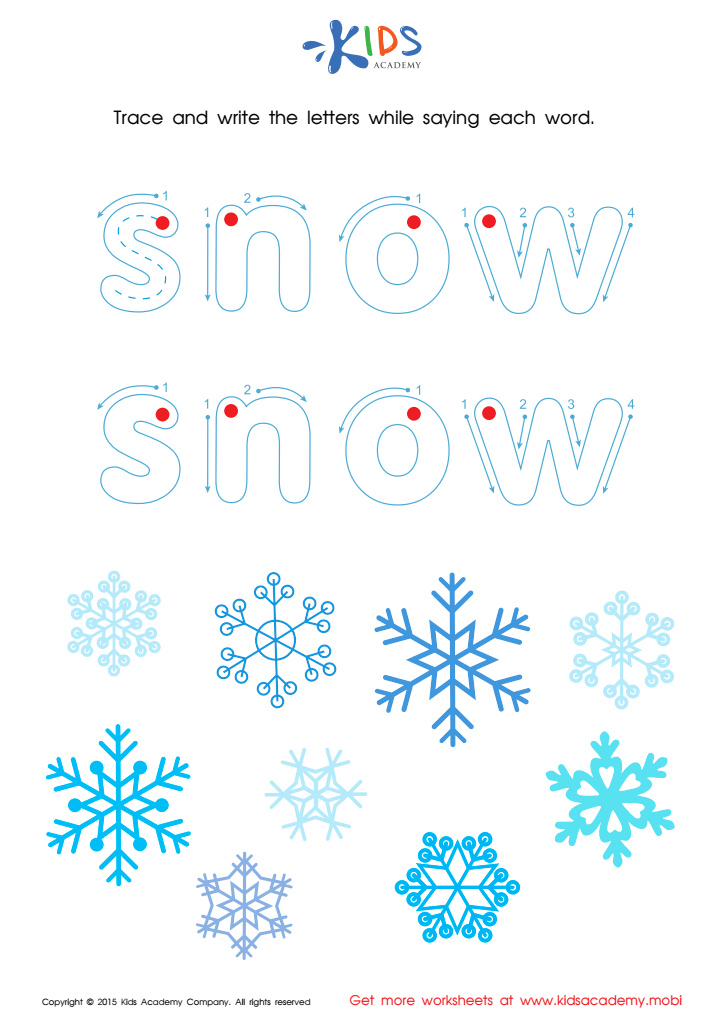
Snowflake Tracing Winter Words Worksheet
 Assign to My Students
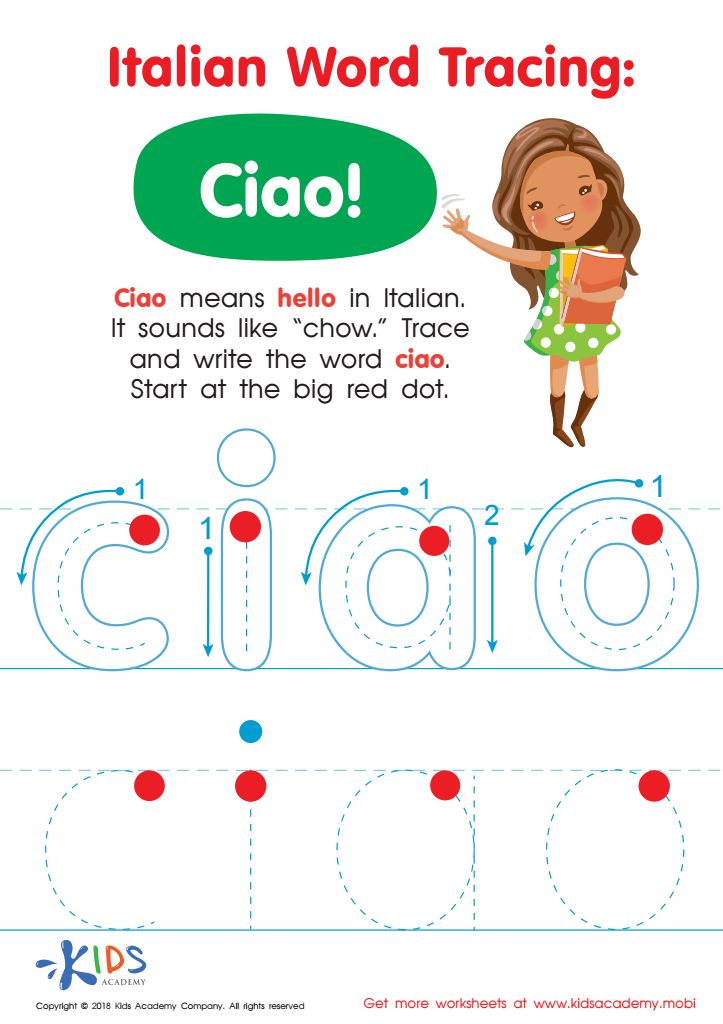
Italian Word Tracing: Ciao Worksheet
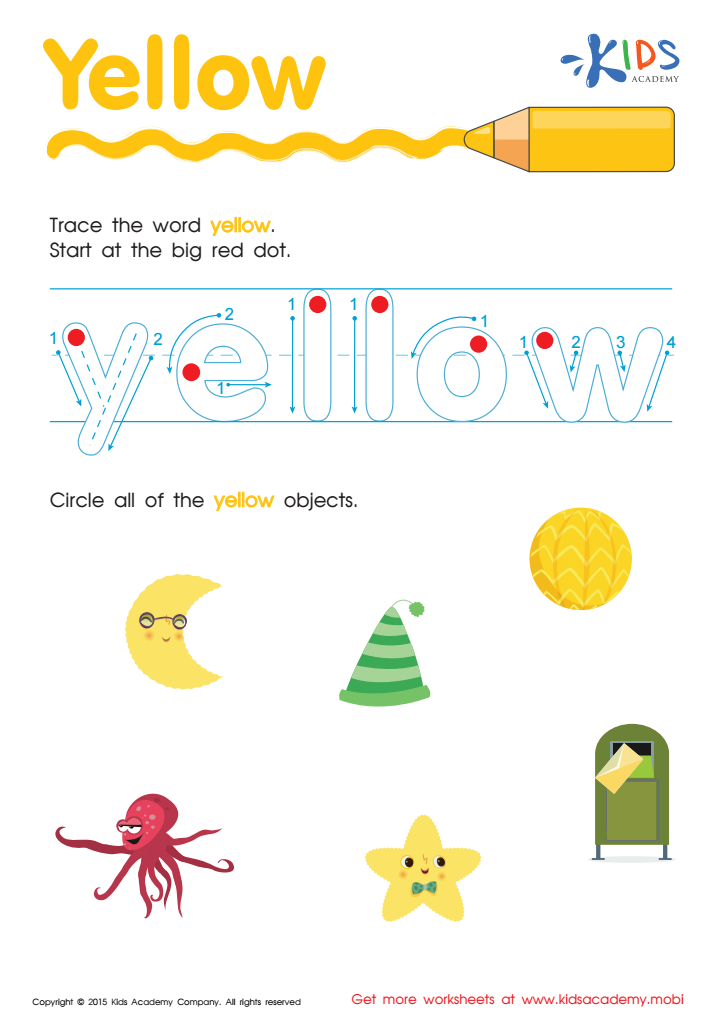
Yellow Tracing Color Words Worksheet
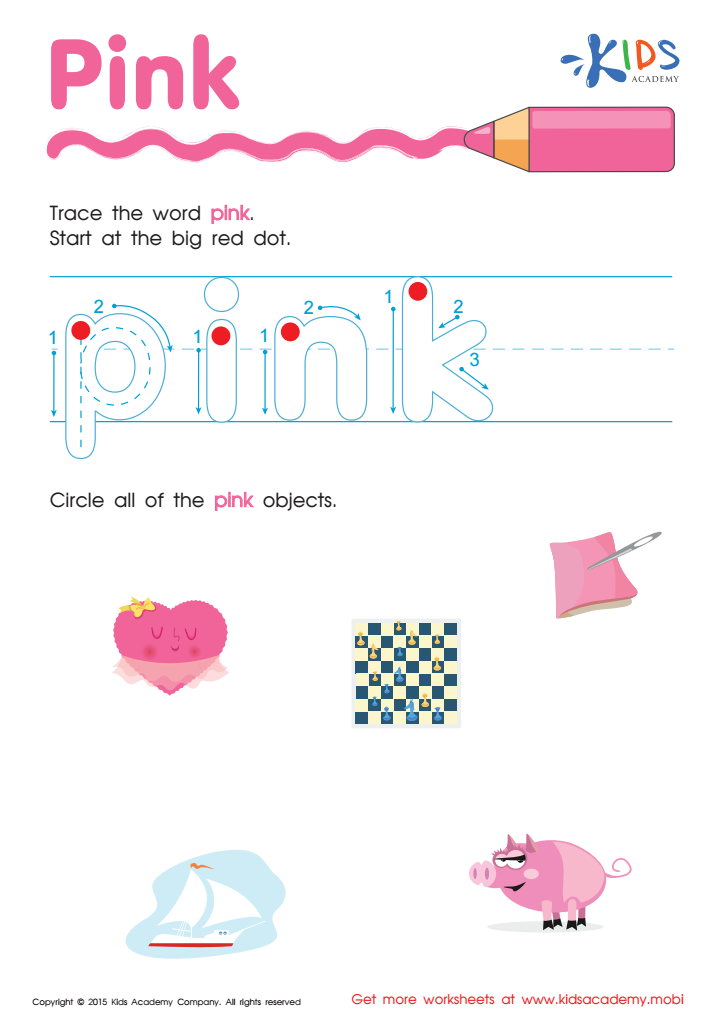
Pink Tracing Color Words Worksheet
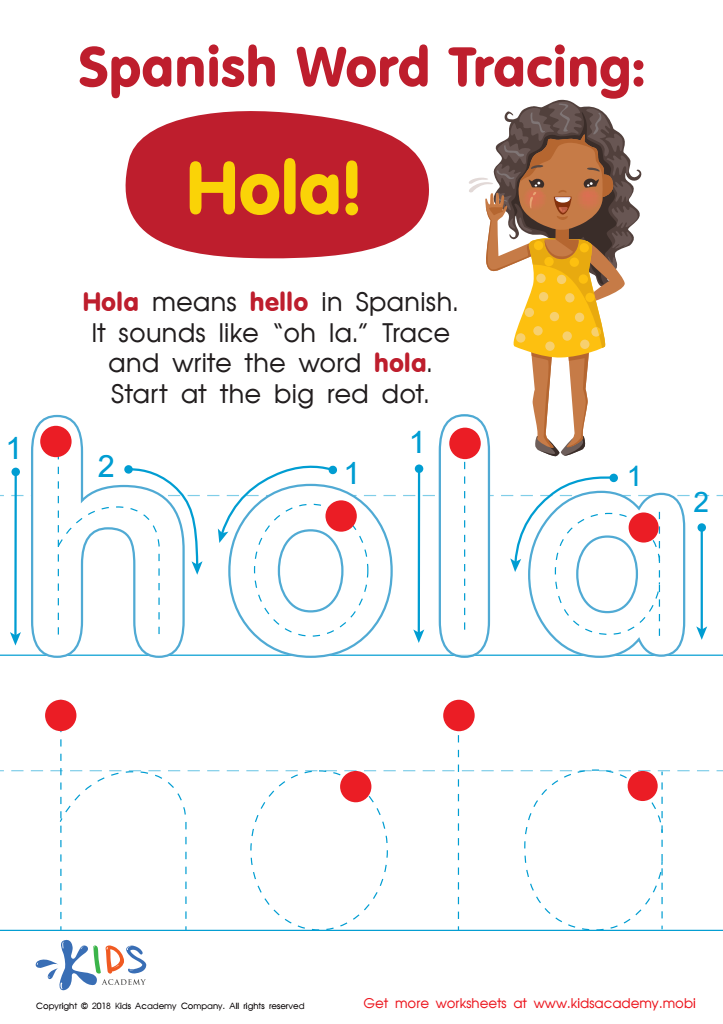
Spanish Word Tracing: Hola Worksheet
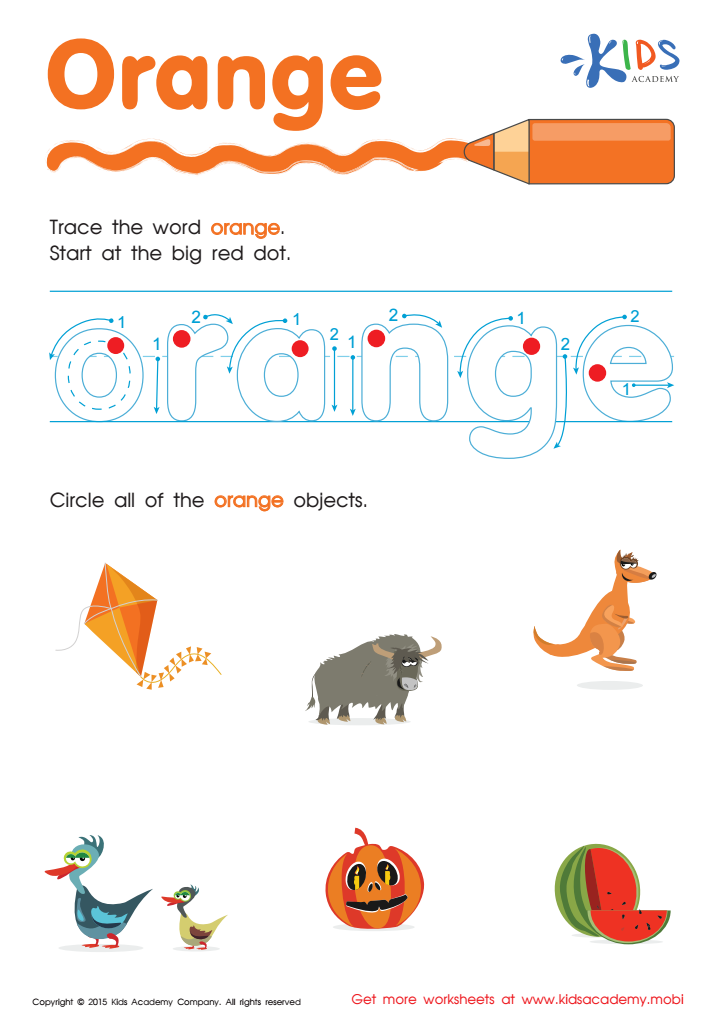
Orange Tracing Color Words Worksheet
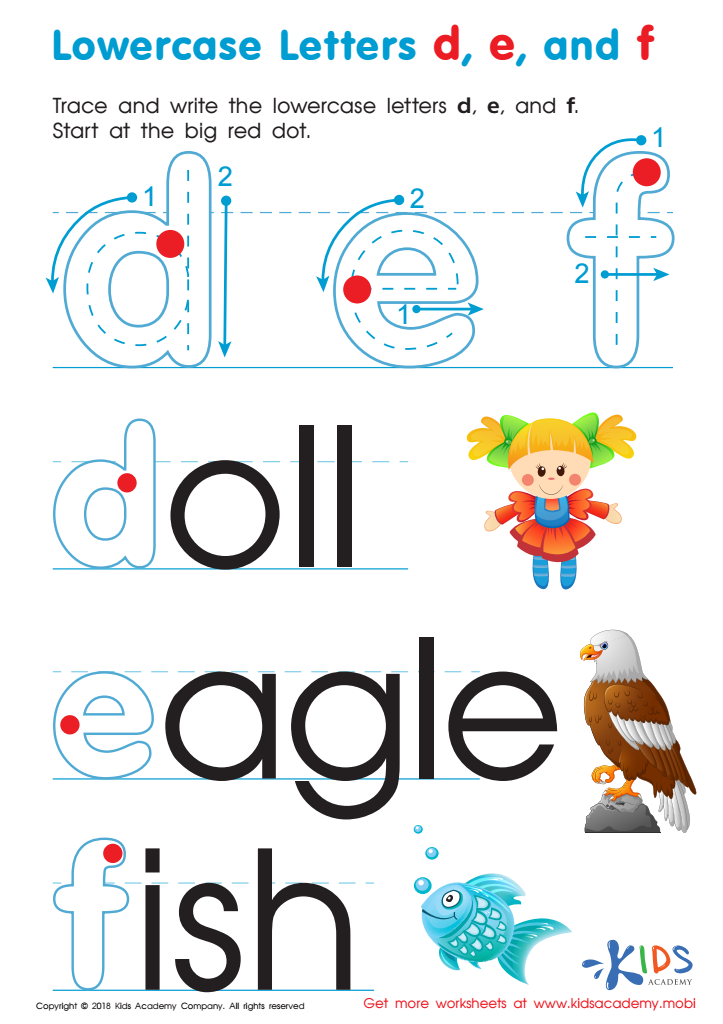
Lowercase Letters d e f Worksheet
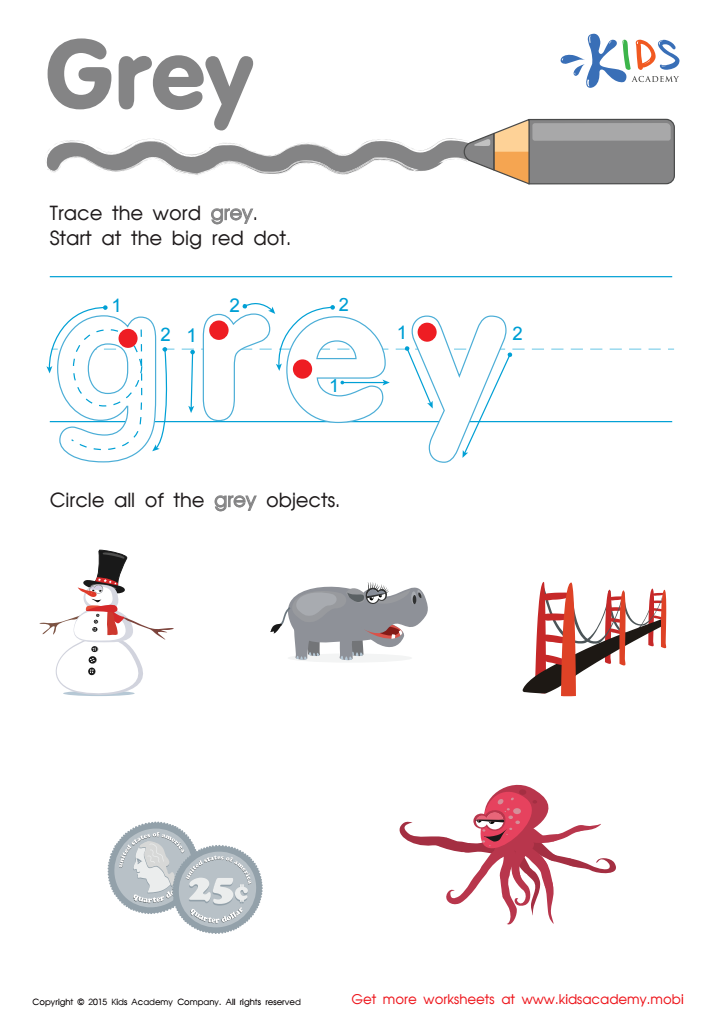
Grey Tracing Color Words Worksheet
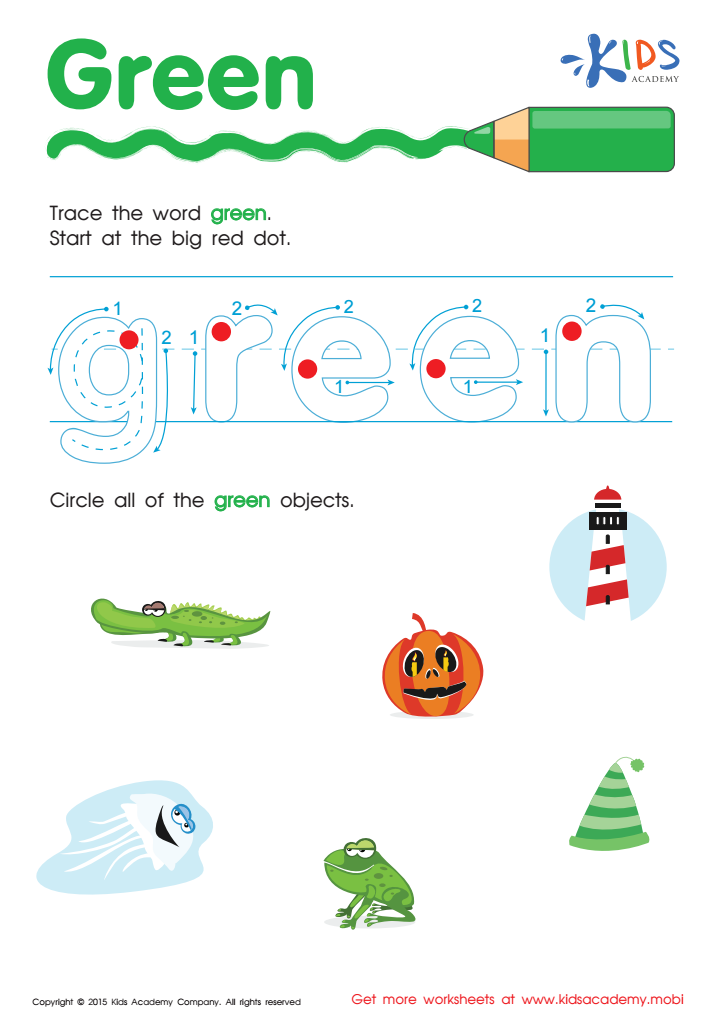
Green Tracing Color Words Worksheet
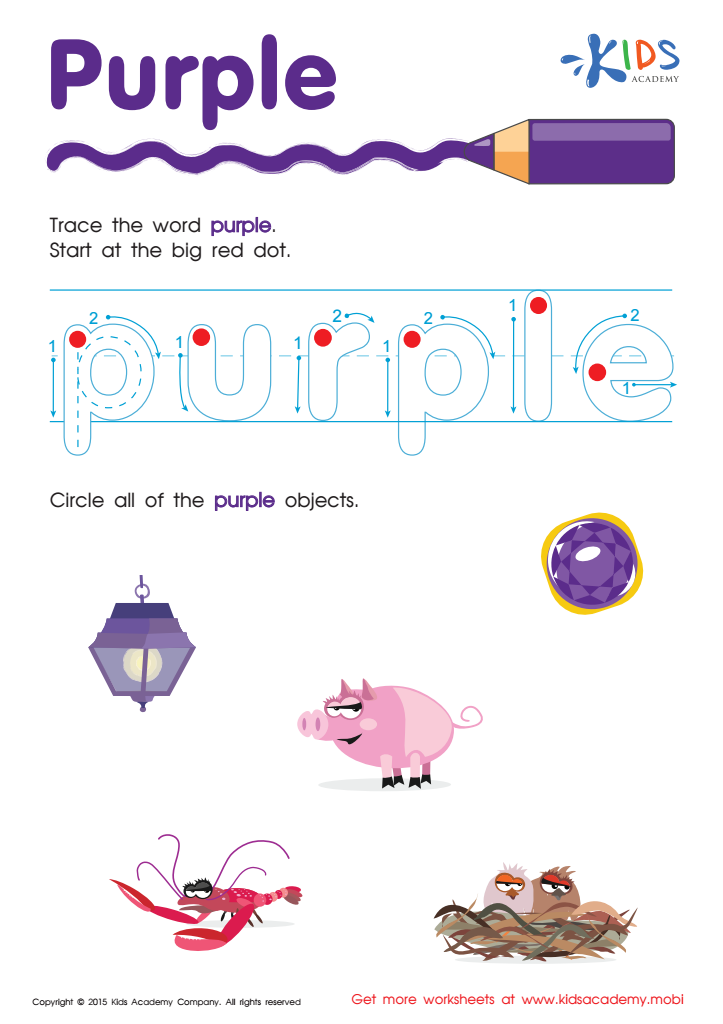
Purple Tracing Color Words Worksheet
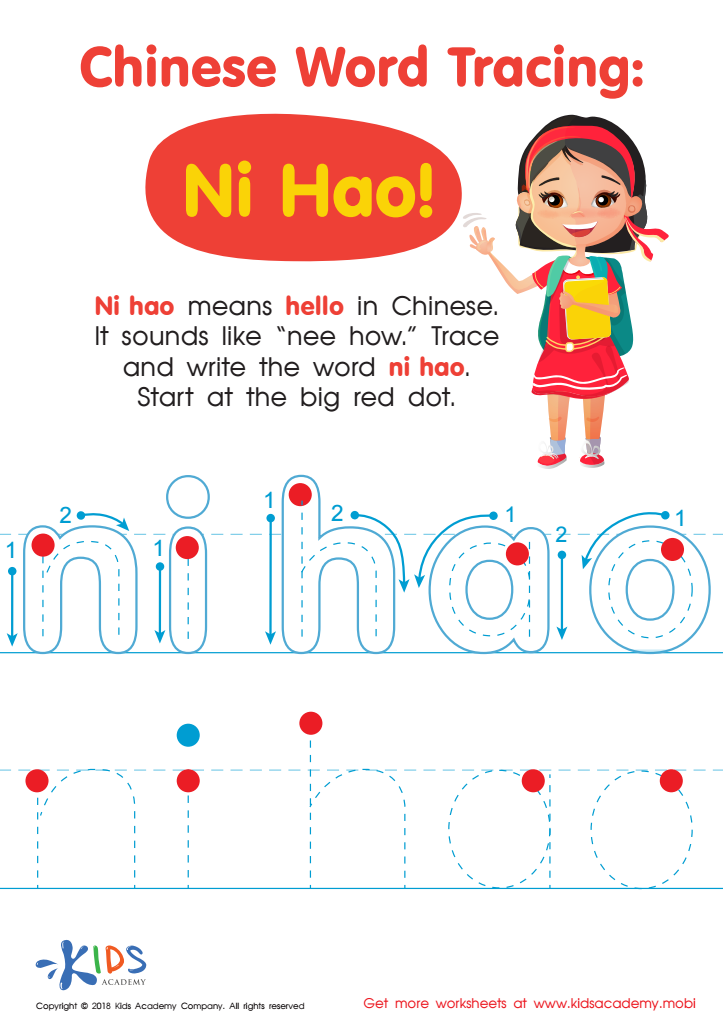
Chinese Word Tracing: Ni Hao Worksheet
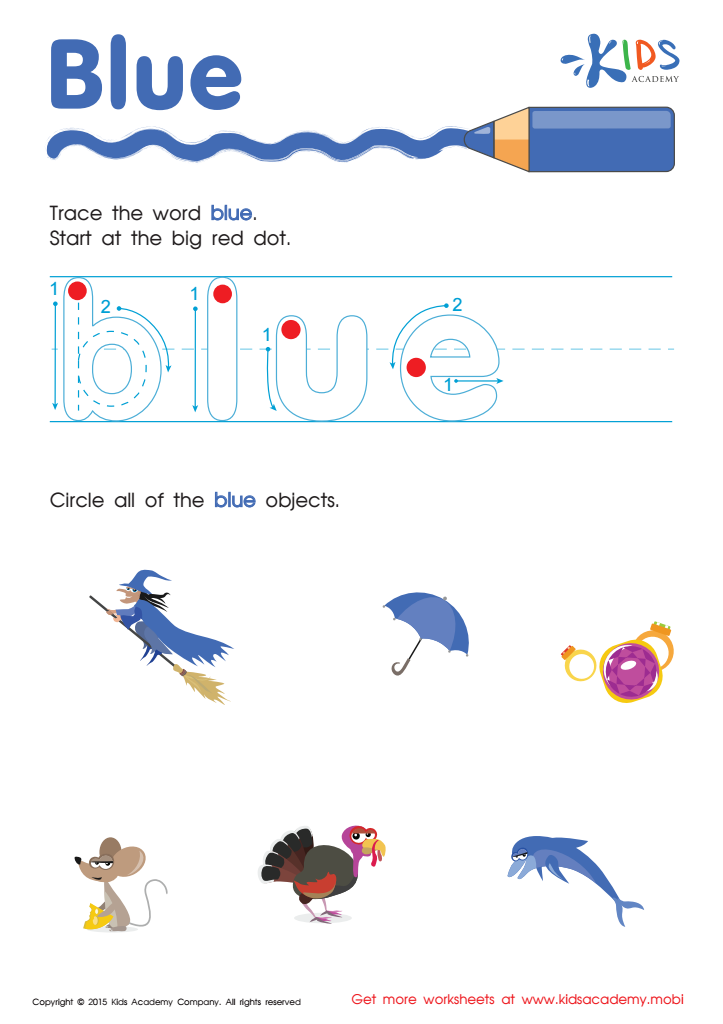
Blue Tracing Color Words Printable
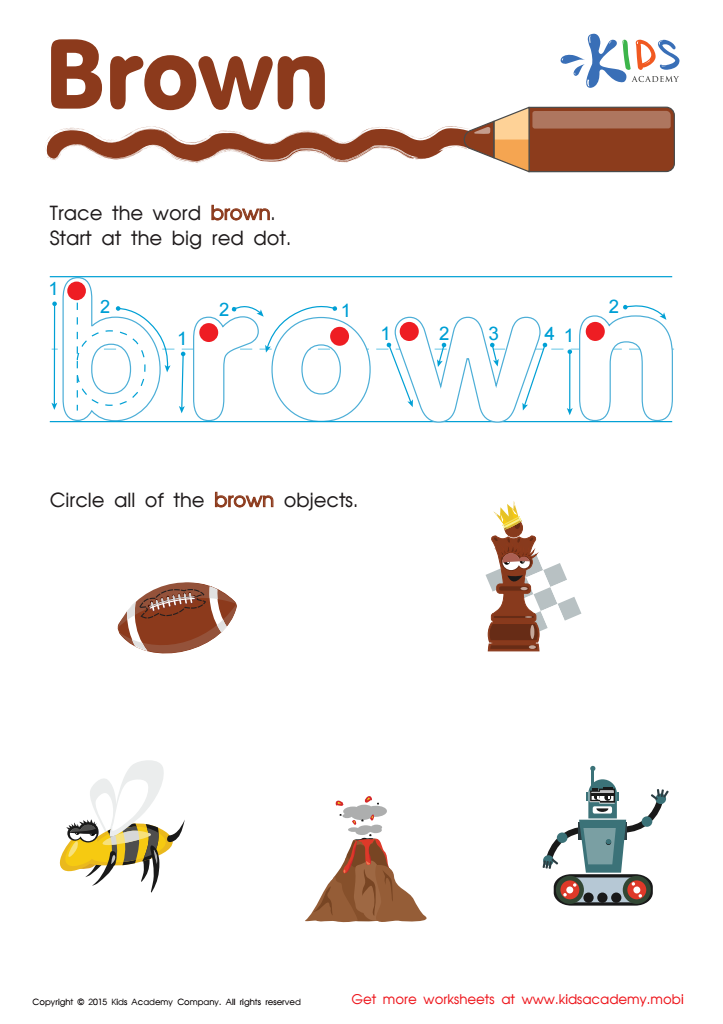
Brown Tracing Color Words Worksheet







Handwriting practice for children aged 3-5 is crucial for their early development. At this tender age, fine motor skills are still developing, and handwriting practice helps refine these skills, leading to better hand-eye coordination and dexterity. Small muscles in the hands are strengthened through activities like grip and control, which are essential for other daily tasks such as buttoning clothes and tying shoelaces.
Moreover, handwriting is closely linked to cognitive development. When children practice writing, they are simultaneously learning to recognize letters, understand their sounds, and develop essential literacy skills that form the foundation for reading and spelling. Writing by hand engages multiple senses—visual, tactile, and kinesthetic—reinforcing learning more deeply than typing on a keyboard might.
Handwriting also fosters patience, focus, and discipline. Young children learn to stay within lines, follow patterns, and practice until they master the skill, lessons that translate into other areas of life. Socially, being able to write supports better communication skills, enhancing a child’s ability to interact and express themselves.
Lastly, handwriting offers a sense of achievement. Completing a page of neat handwriting can boost a child's self-esteem and encourage a lifelong positive attitude toward learning. Therefore, parents and teachers prioritizing handwriting practice are setting the stage for a comprehensive educational experience.








