Pattern recognition Worksheets for Ages 3-6
25 filtered results
-
From - To
Discover our engaging Pattern Recognition Worksheets designed specifically for children ages 3 to 6! These printable resources enhance essential skills while making learning fun. Our worksheets introduce young learners to patterns through colorful visuals and interactive activities, encouraging them to identify, create, and extend patterns with shapes, colors, and objects. Ideal for preschool and kindergarten, these worksheets promote cognitive development while helping children develop critical thinking and problem-solving skills. Easy to use at home or in the classroom, our Pattern Recognition Worksheets provide a wonderful opportunity for early learners to build a strong foundation in mathematics and logical reasoning. Start exploring today!
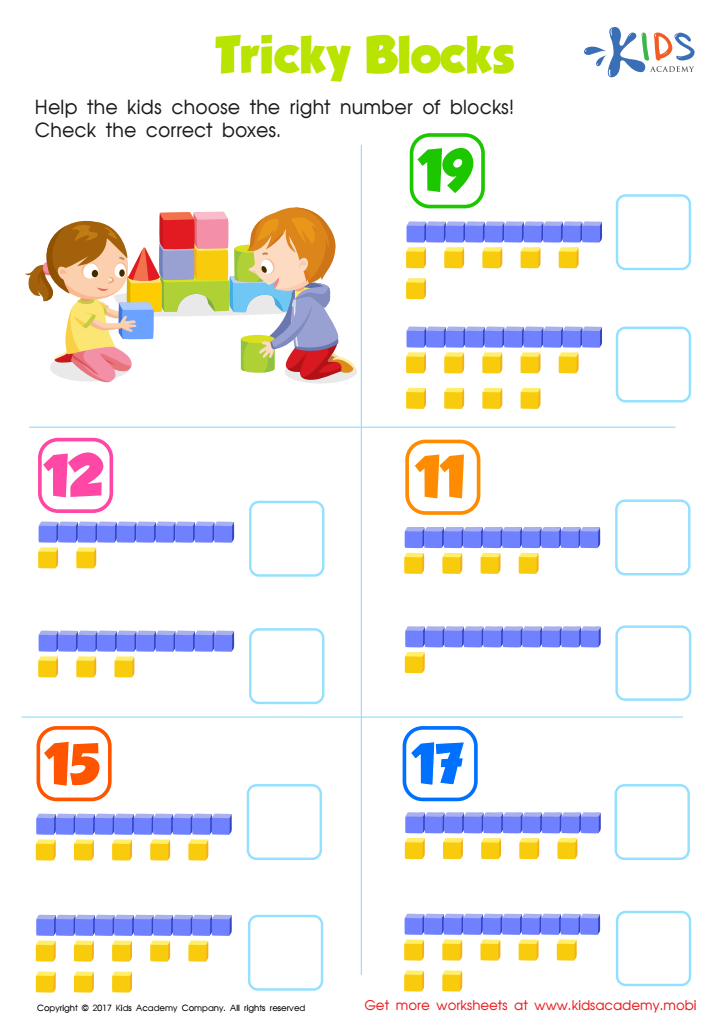
Tricky Blocks Worksheet
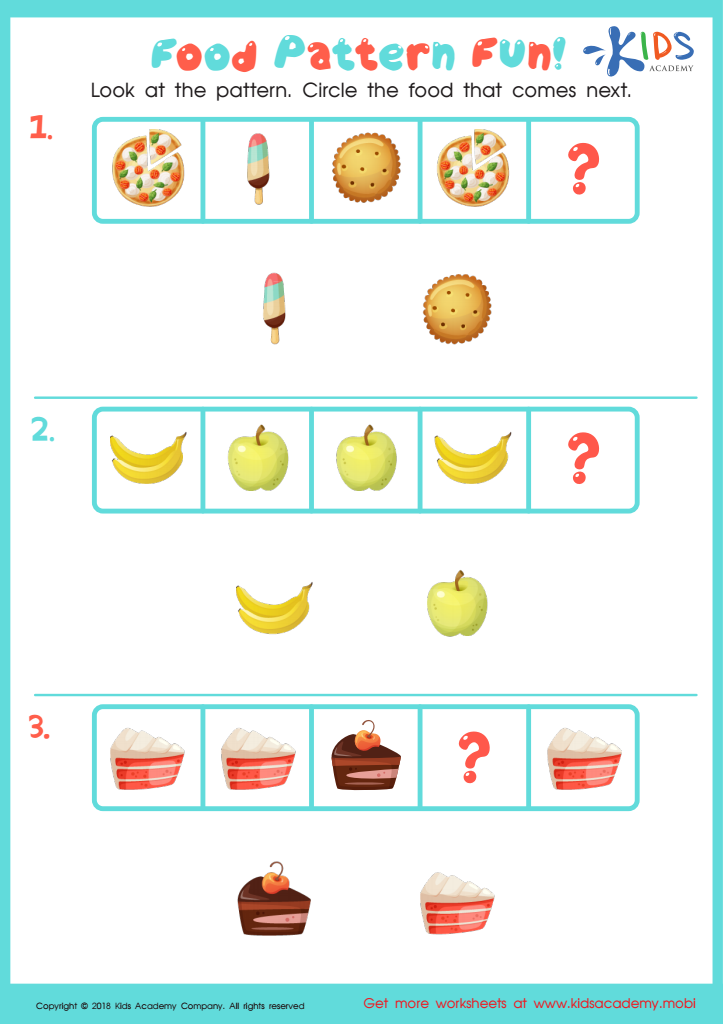
Food Pattern Fun Worksheet
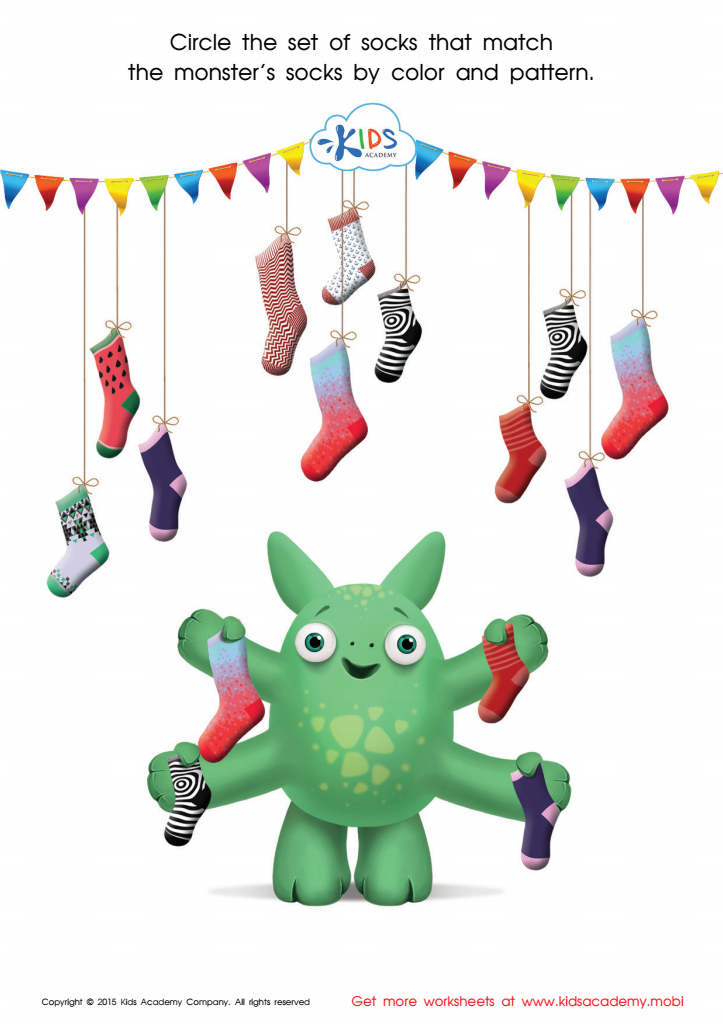
Sort the Monster's Socks Worksheet
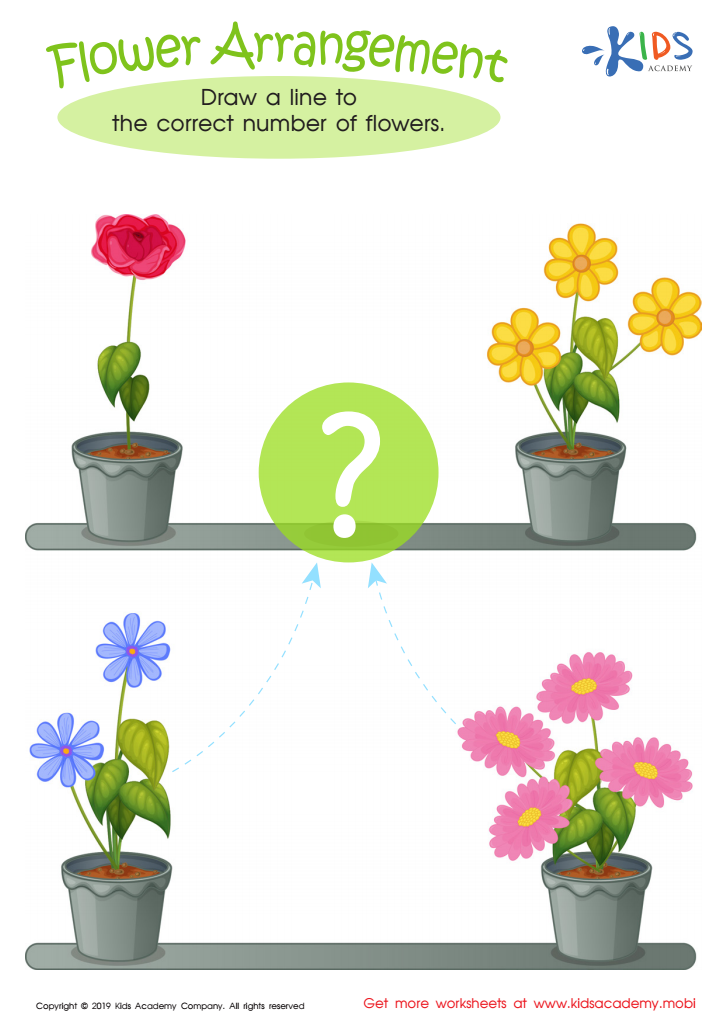
Flower Arrangement Worksheet
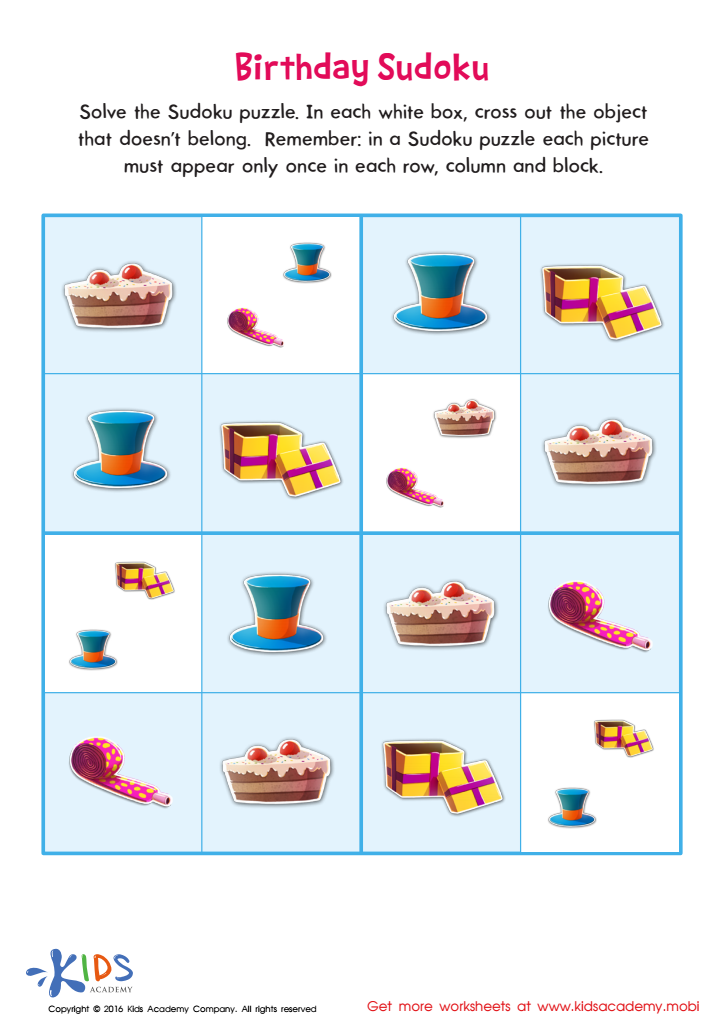
Birthday Sudoku Sorting Worksheet
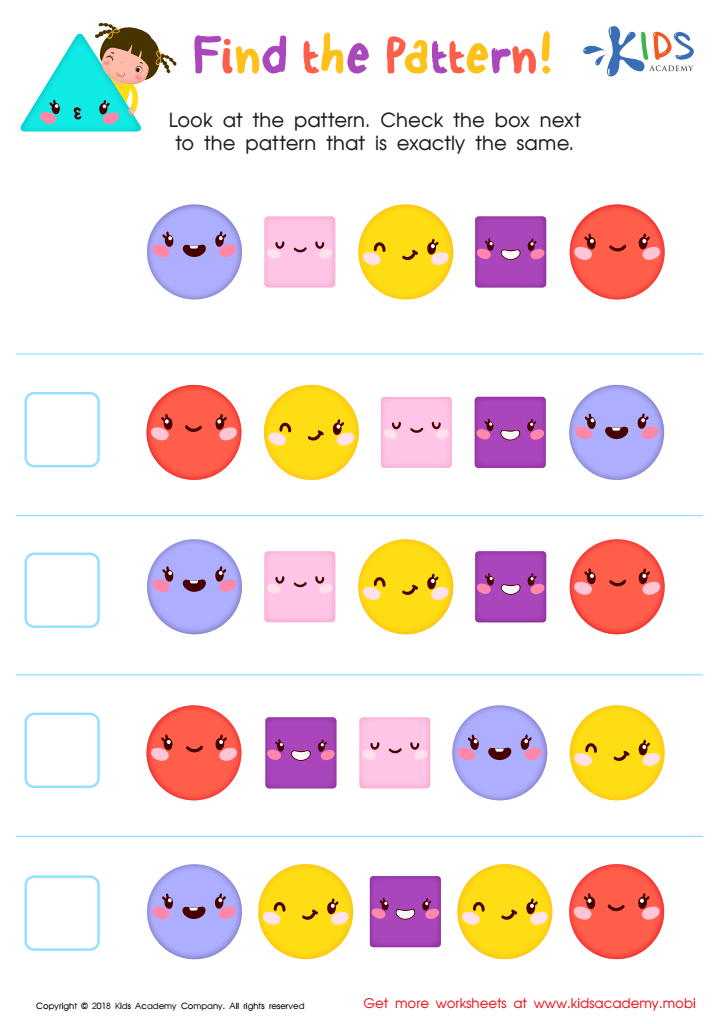
Find the Pattern Worksheet
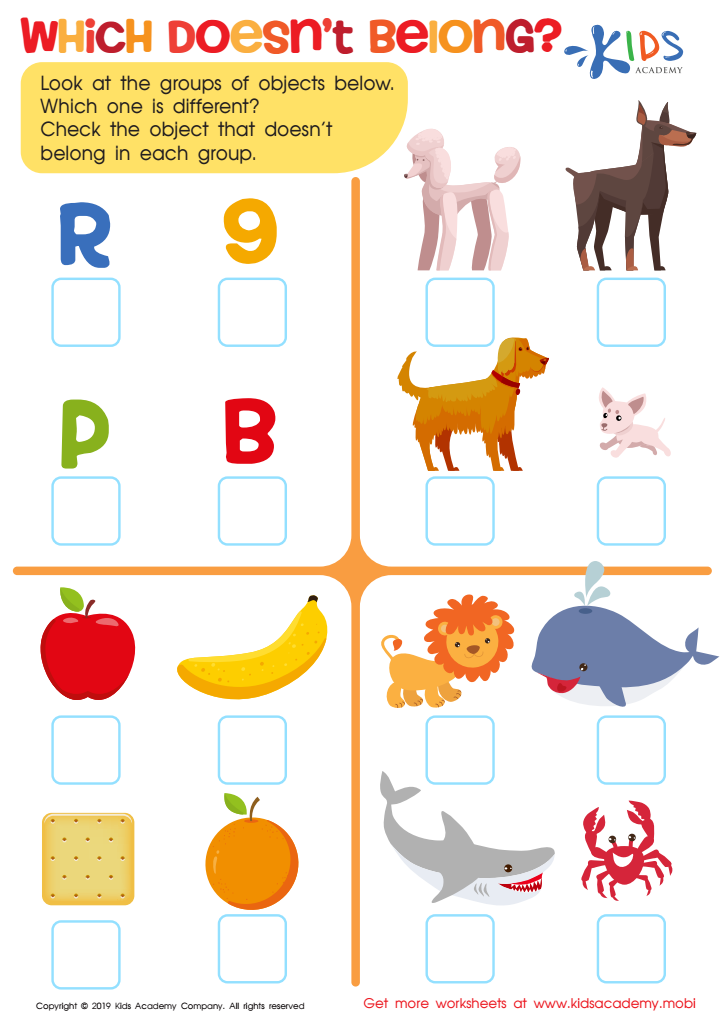
Which Doesn't Belong? Worksheet
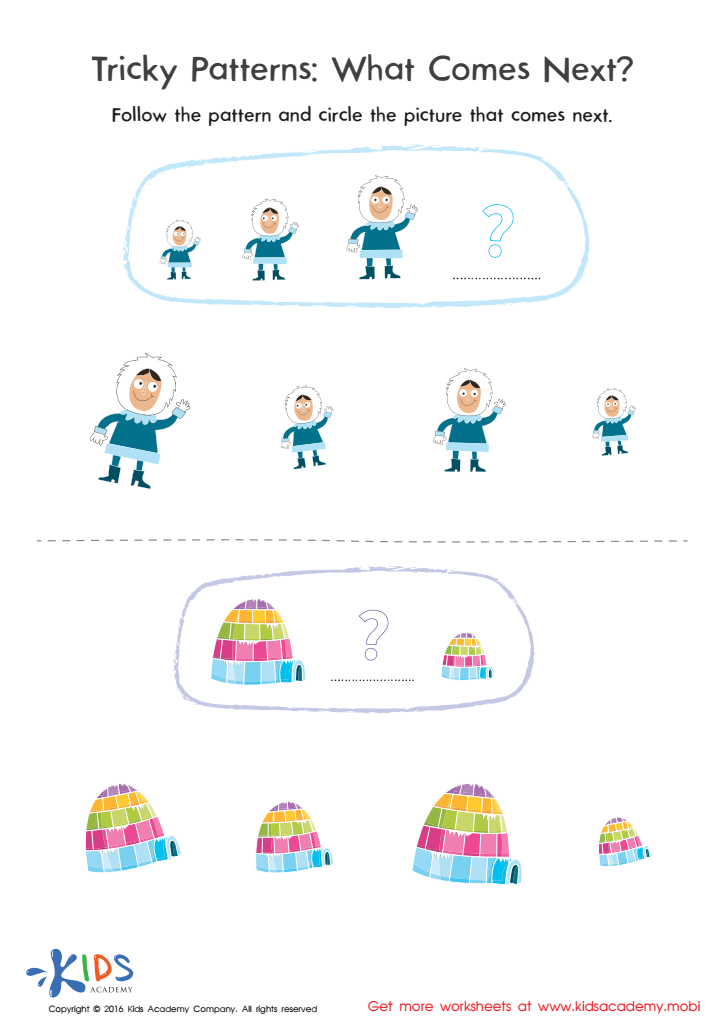
Tricky Patterns Size Worksheet
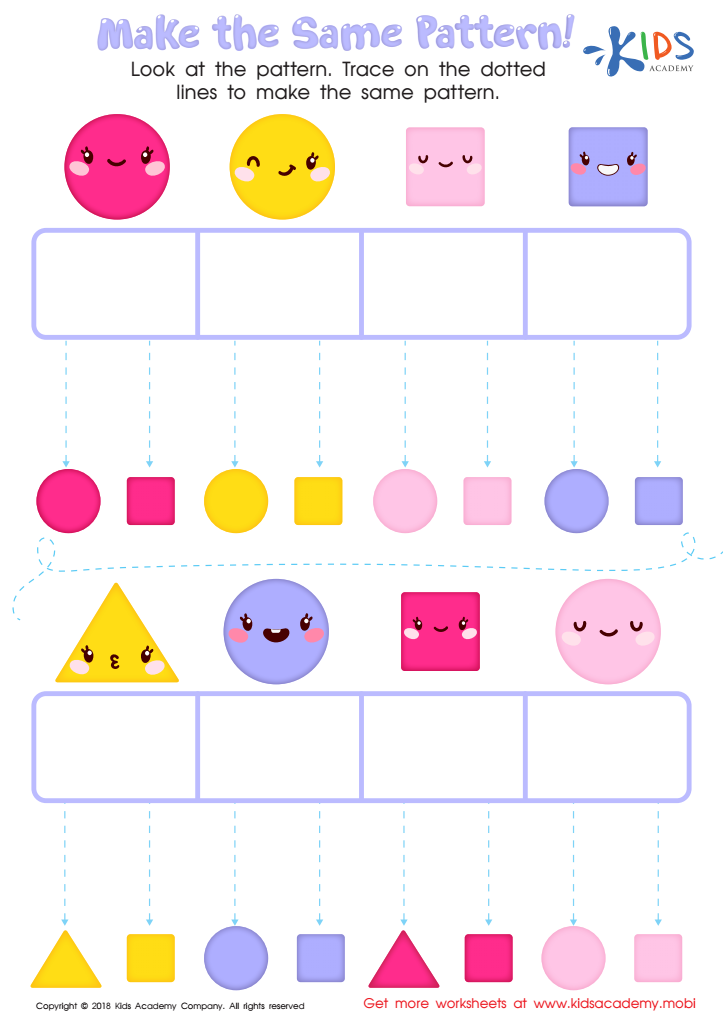
Make the Same Pattern Worksheet
Read from Left to Right: Hats and Spiders Worksheet
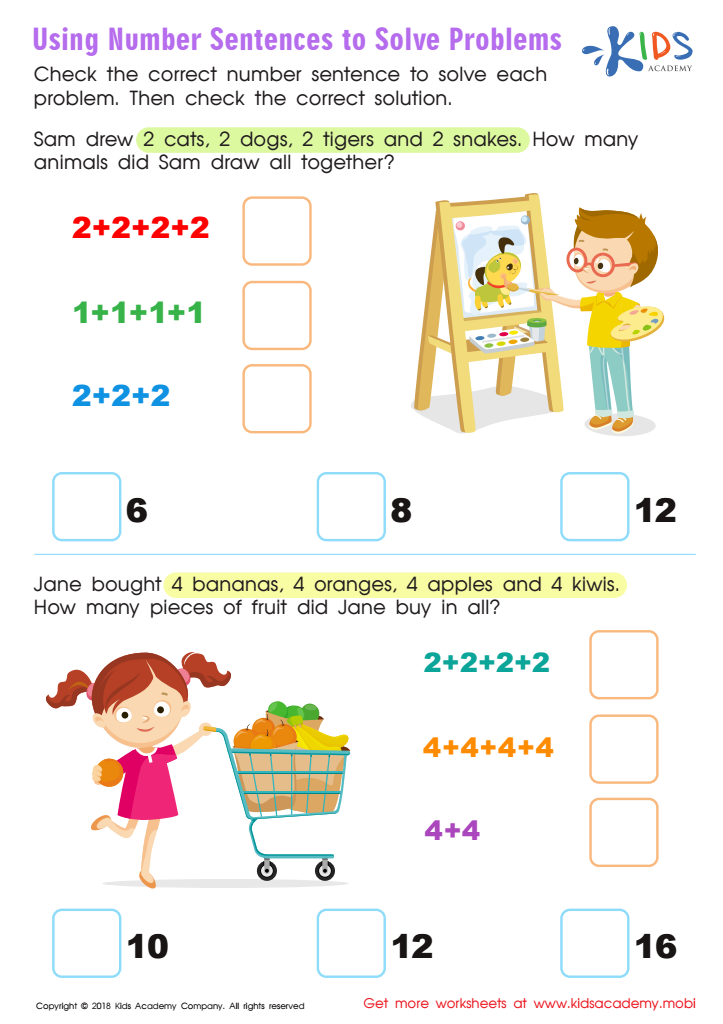
Using Number Sentences to Solve Problems Worksheet
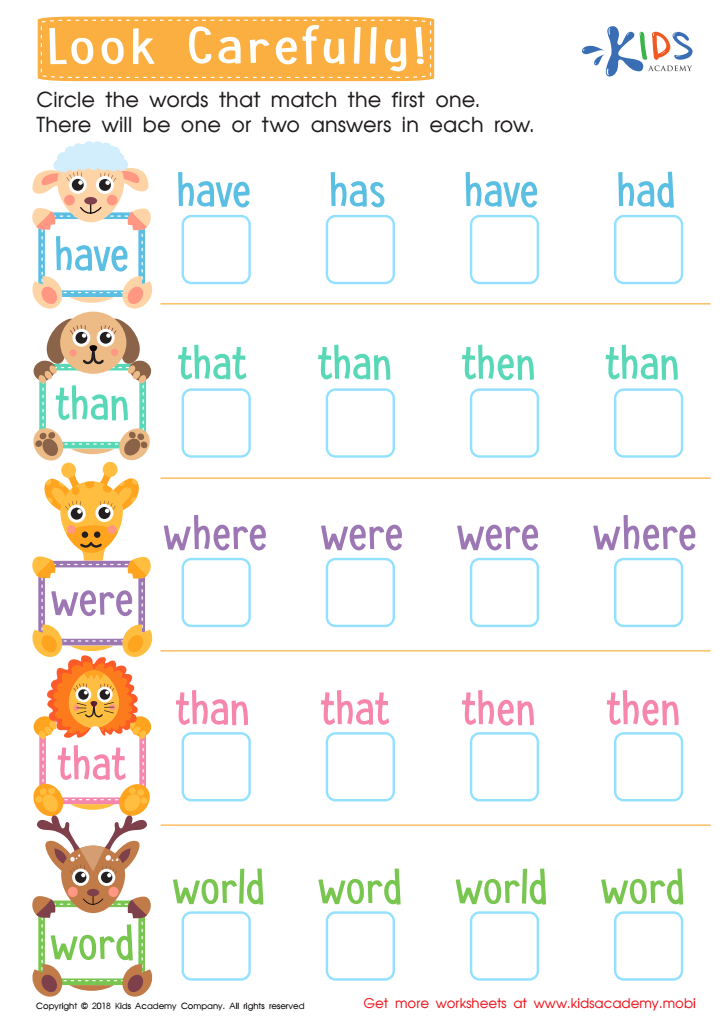
Look Carefully Worksheet
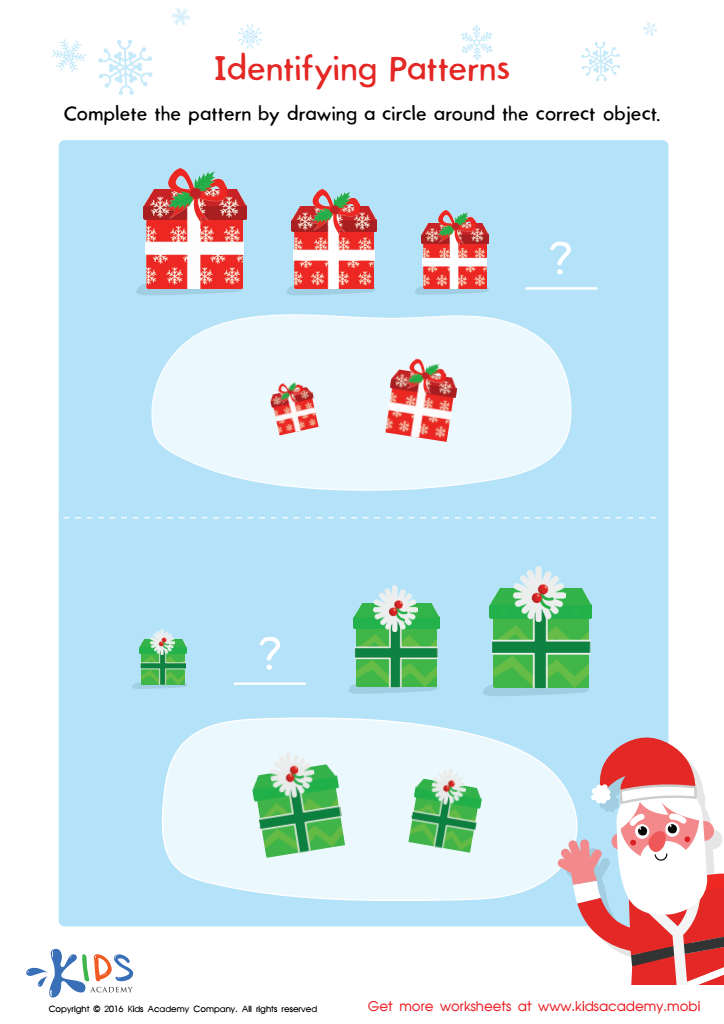
Identifying Patterns Worksheet
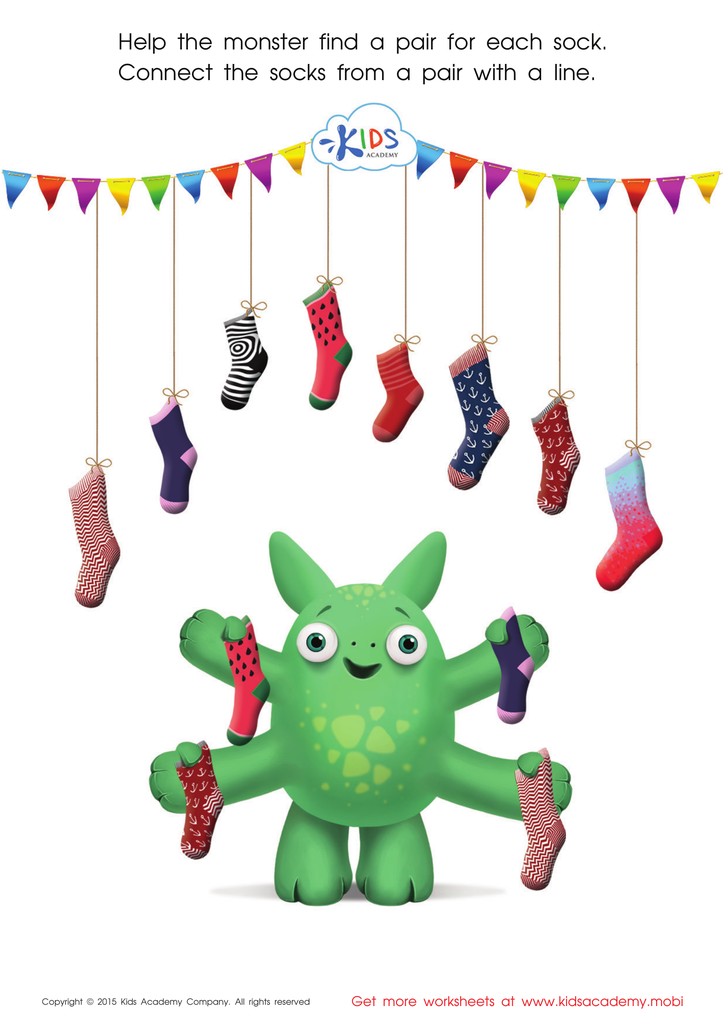
Math Matching Game: Monsterв's Socks Worksheet
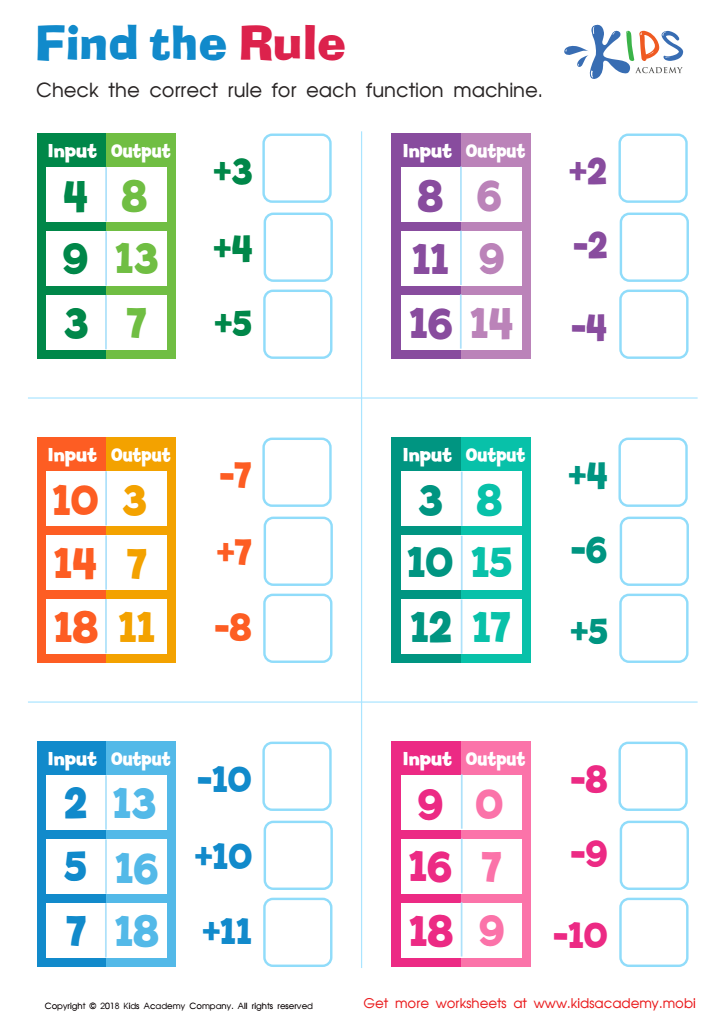
Find the Rule Worksheet
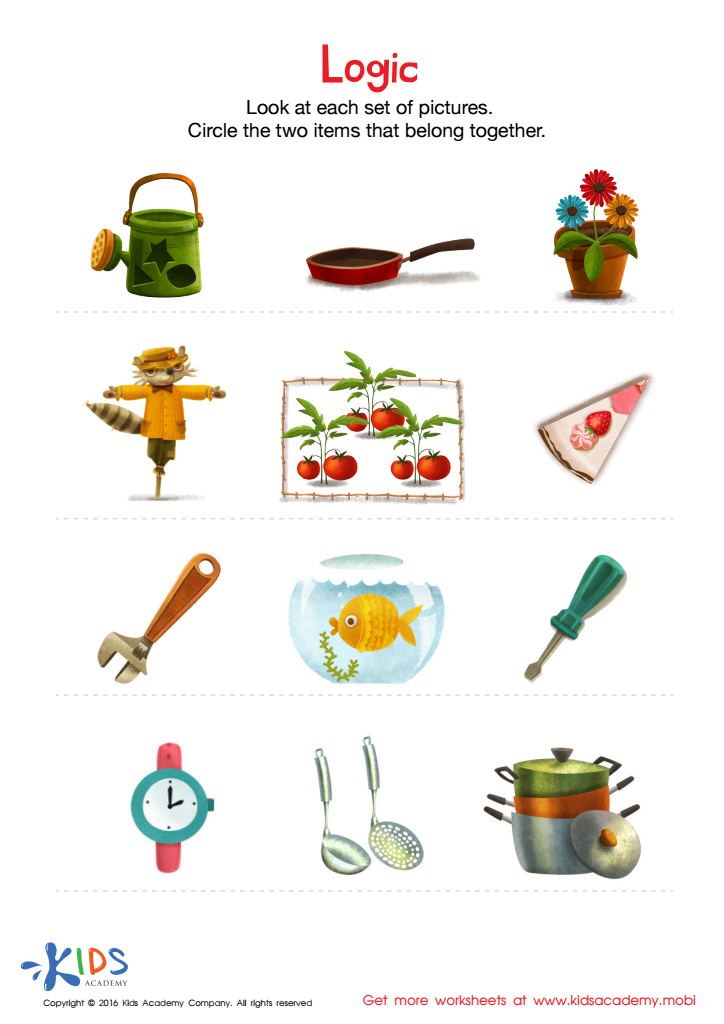
Logic Game Sorting Worksheet
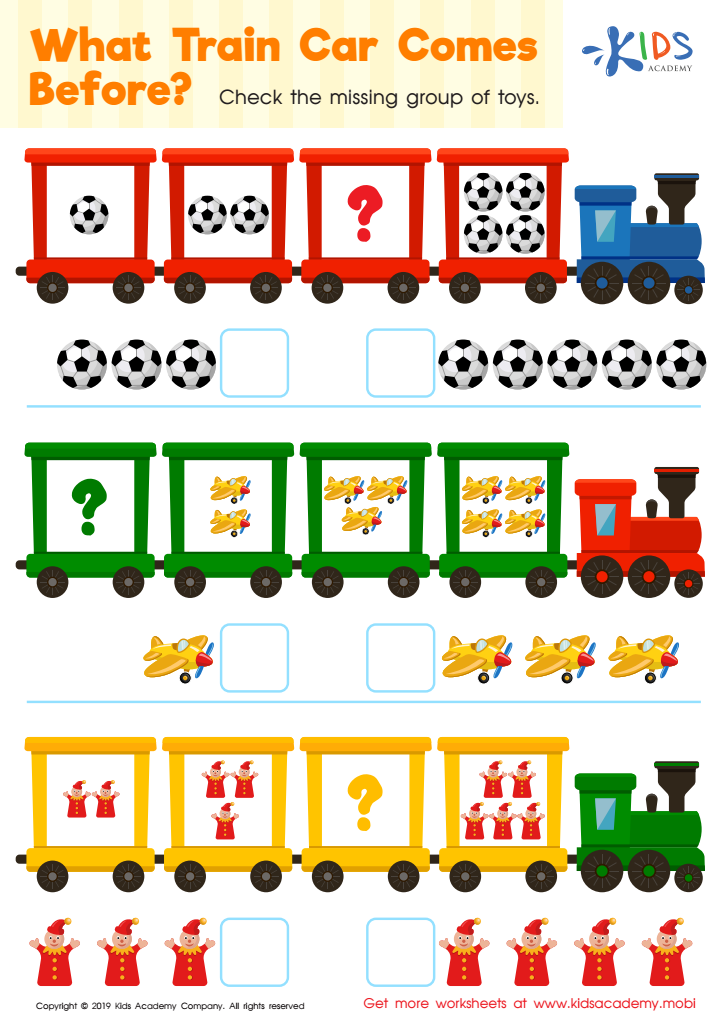
What Train Car Comes Before? Worksheet
Christmas: Christmas Tree Printable
 Assign to My Students
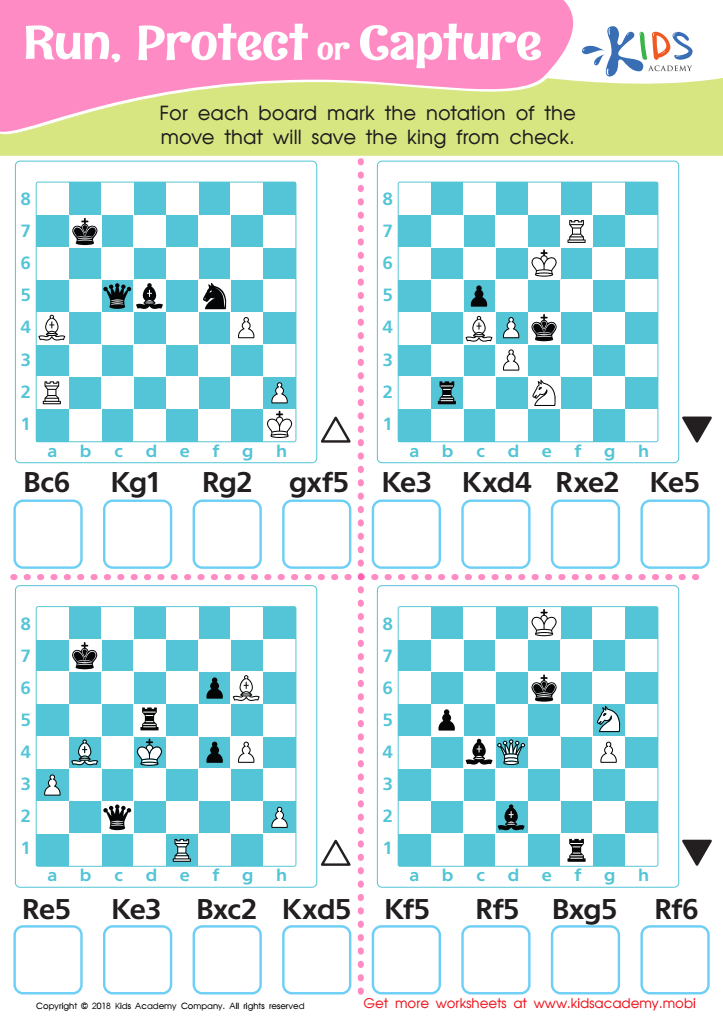
Run, Protect or Capture Worksheet
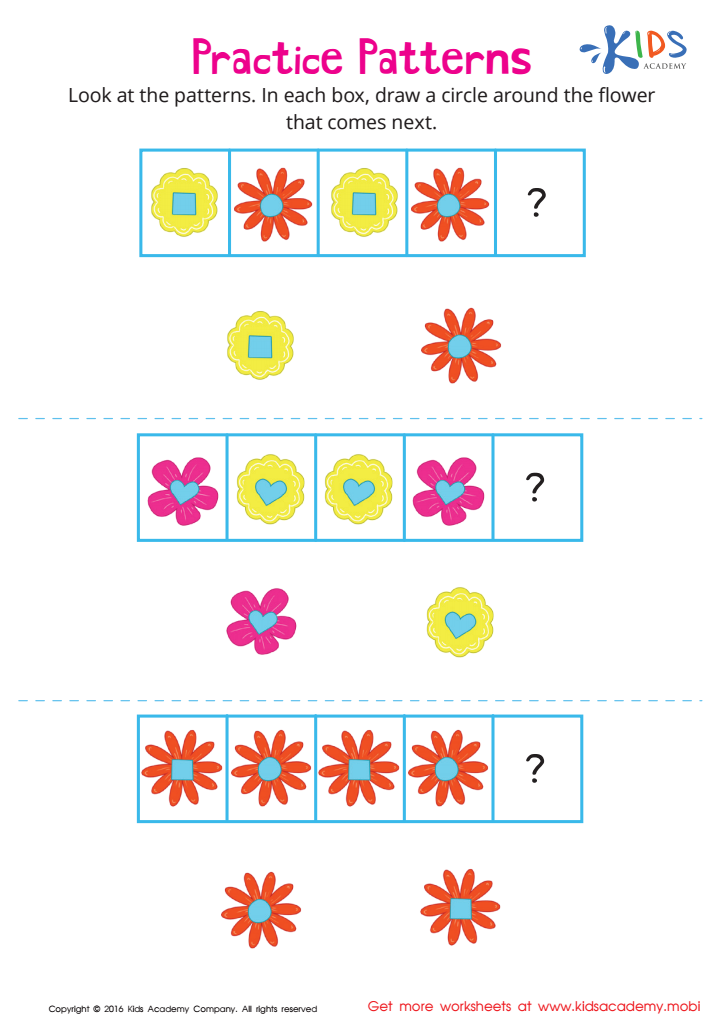
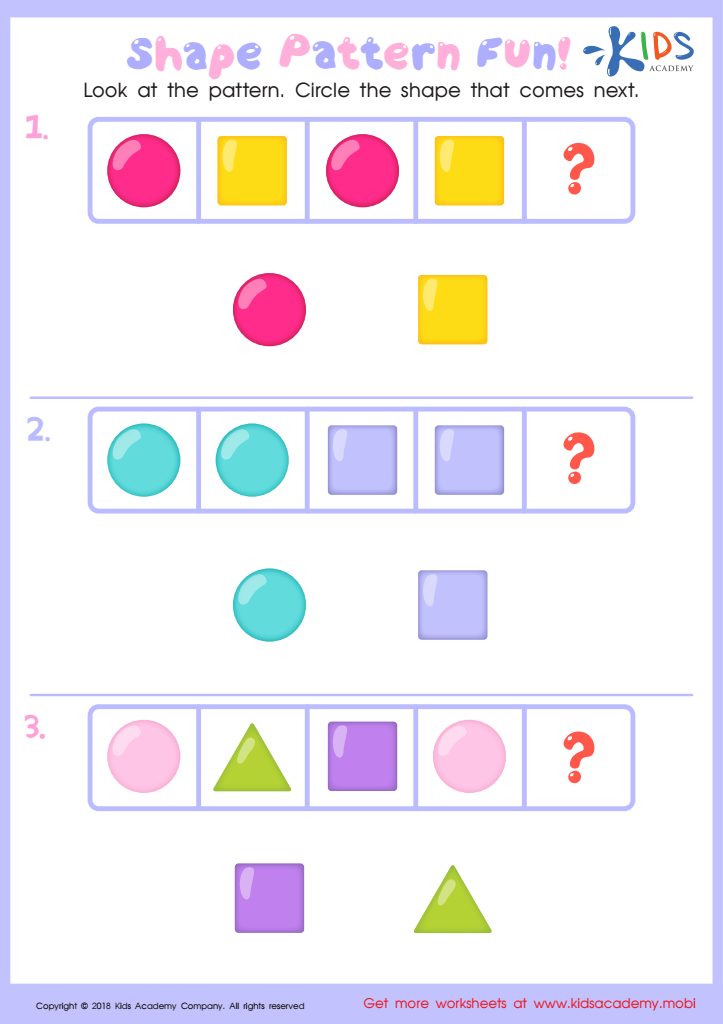
Shape Pattern Fun Worksheet
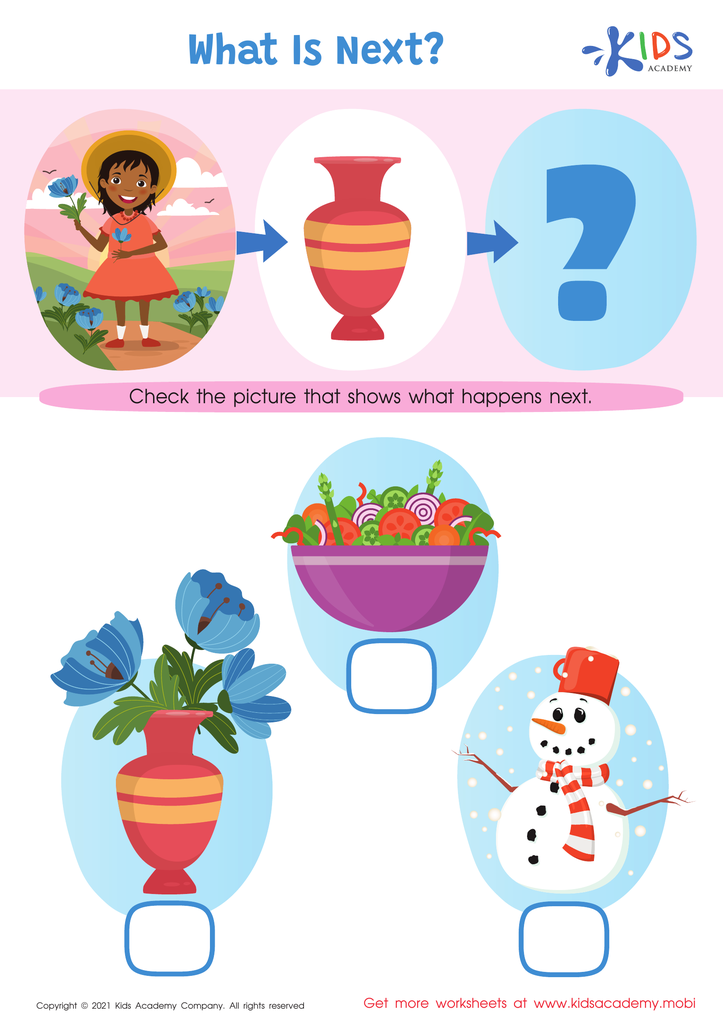
What is Next? Worksheet
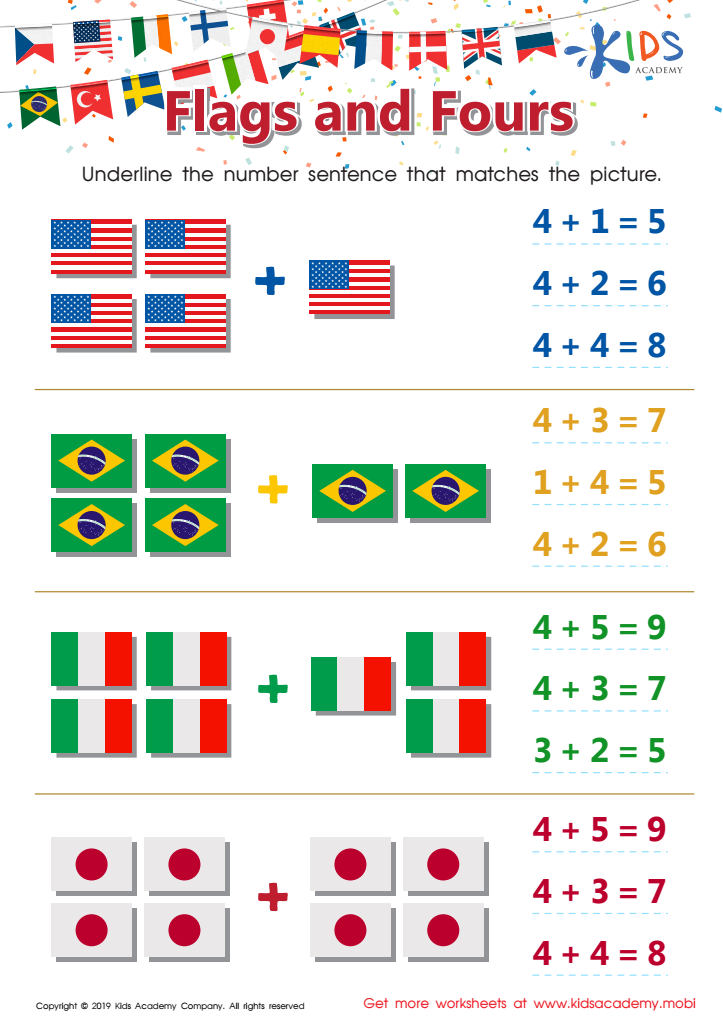
Flags and Fours Worksheet
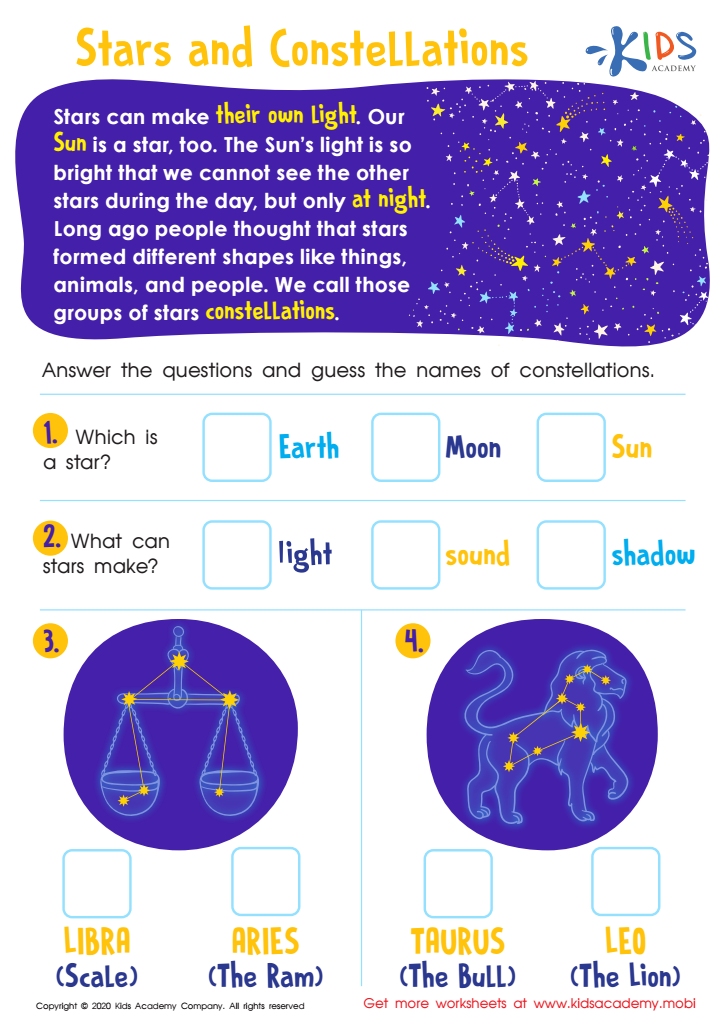
Stars and Constellations Worksheet






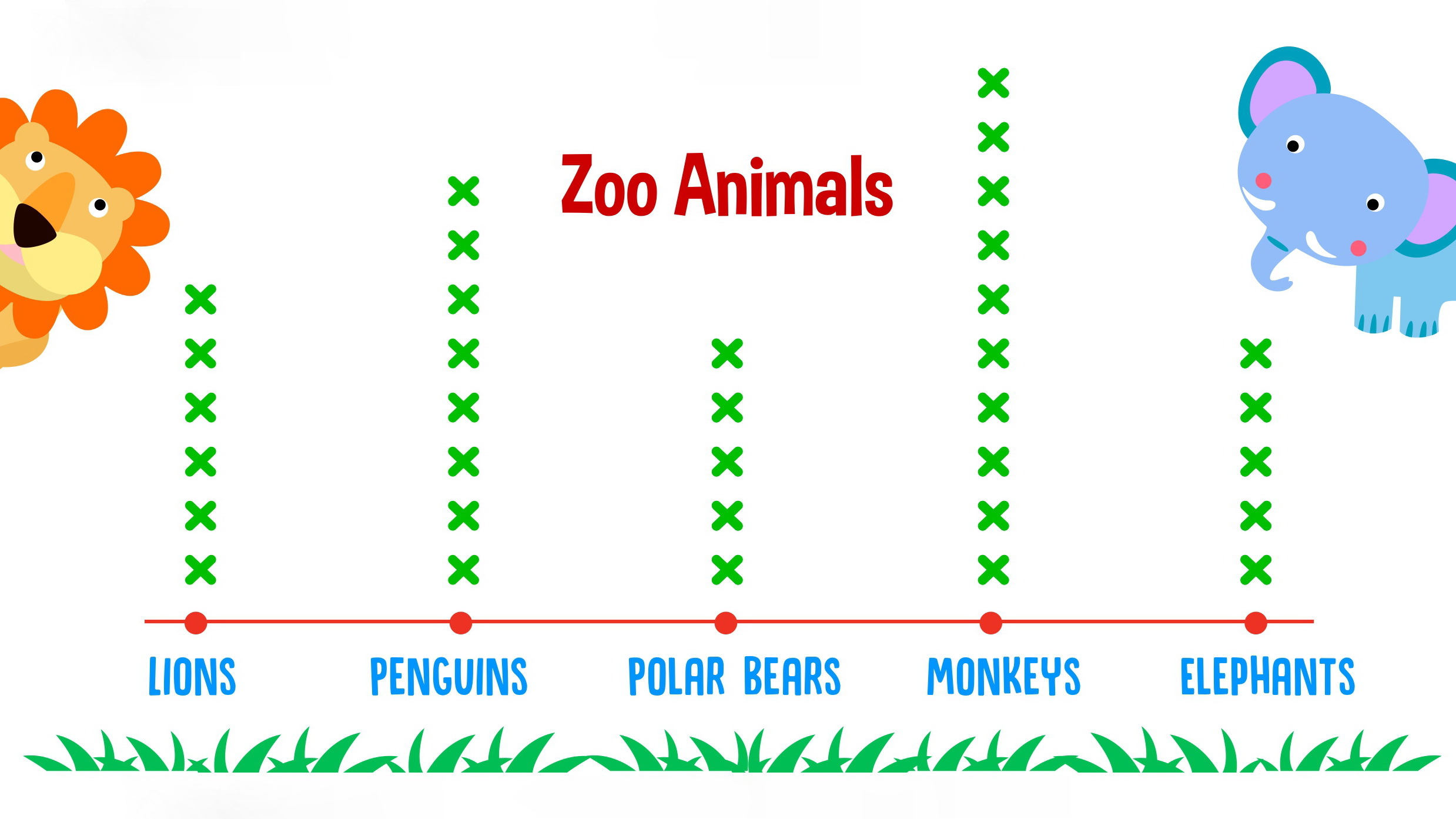

Pattern recognition is a fundamental cognitive skill that plays a crucial role in early childhood development, particularly for children aged 3-6 years. During this formative period, children are naturally curious and eager to make sense of the world around them. Engaging in pattern recognition activities—such as identifying sequences in colors, shapes, and sounds—enhances their observational skills and encourages critical thinking.
For parents and teachers, fostering pattern recognition is essential for several reasons. Firstly, it lays the groundwork for mathematical concepts. Recognizing patterns helps children understand relationships, sequences, and spatial awareness, which are foundational in arithmetic and geometry. Secondly, pattern recognition sharpens problem-solving abilities. Children learn to predict outcomes and make connections, skills that are invaluable throughout their educational journey.
Moreover, engaging in pattern-related activities promotes cognitive development and strengthens memory and attention spans. It offers opportunities for creative expression and language development as children describe what they observe. By prioritizing pattern recognition, parents and teachers can support holistic growth, preparing children not only for academic success but also for everyday life skills. Encouraging these activities is an investment in a child's future capabilities and confidence in navigating complex challenges.








