Fine Motor Skills Numbers Worksheets for Ages 3-6
76 filtered results
-
From - To
Enhance your child's fine motor skills with our engaging “Fine Motor Skills Numbers Worksheets” designed for ages 3 to 6. These worksheets combine fun and learning by encouraging children to practice number recognition, counting, and writing, all while improving their hand-eye coordination and dexterity. Each activity is colorful and interactive, incorporating tracing, coloring, and cutting exercises that keep young learners engaged. Perfect for preschool and kindergarten, our worksheets provide a fantastic way to develop essential skills that lay the foundation for future learning. Explore our collection today and watch your little ones thrive as they master numbers and fine motor skills!

Number 10 Printable
 Assign to My Students
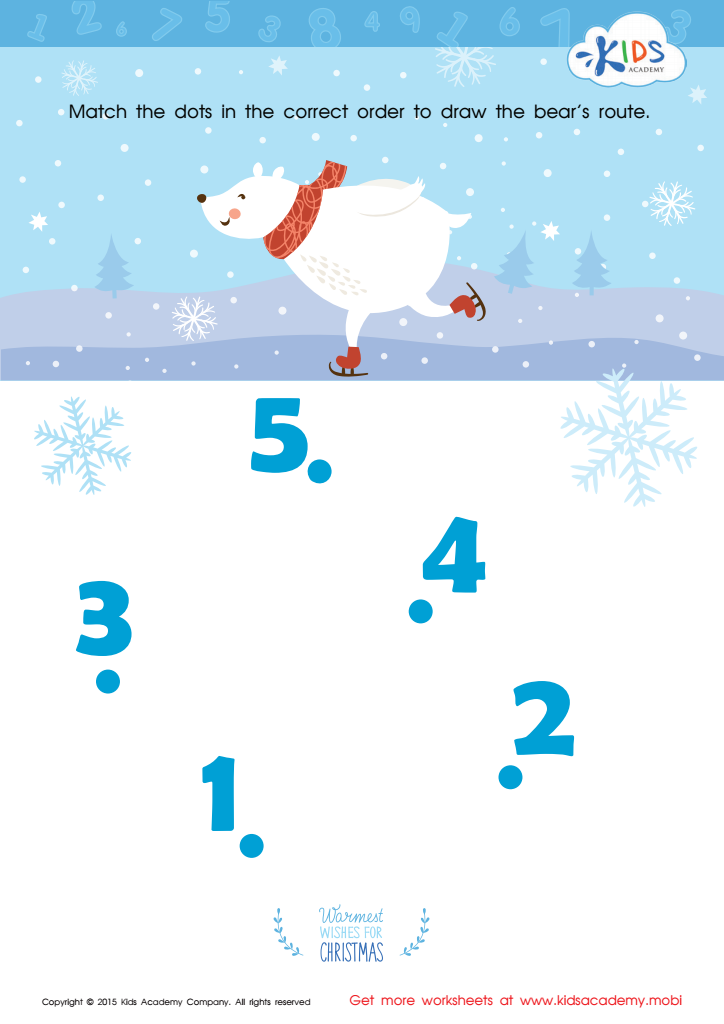
Drawing the Bear's Route by Number Worksheet
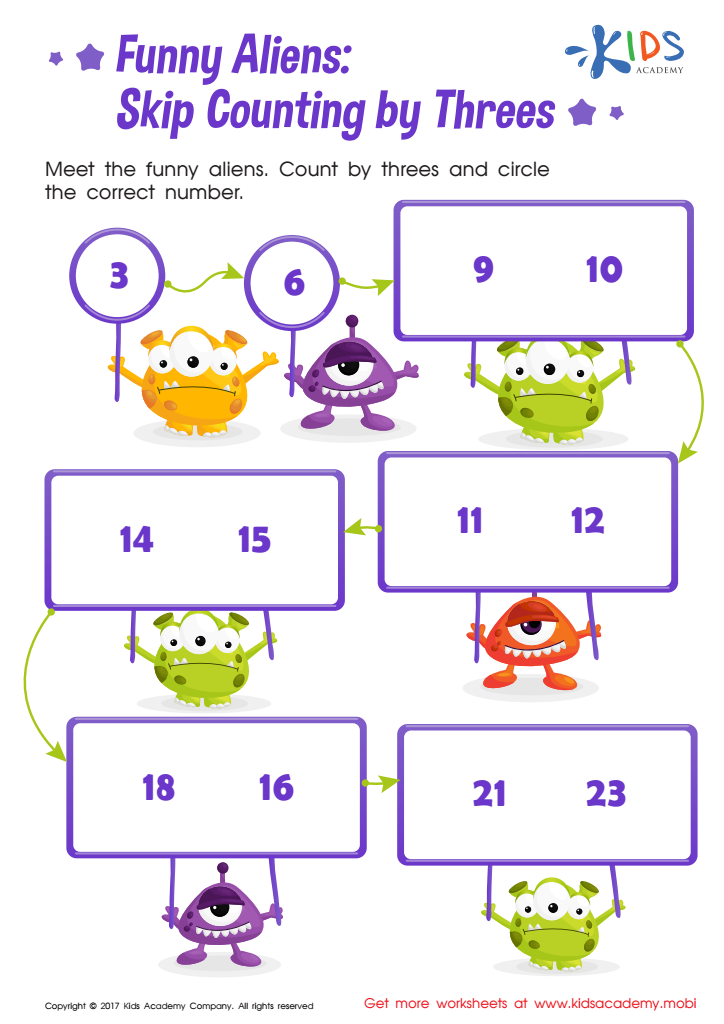
Skip Counting by 3s: Funny Aliens Printable
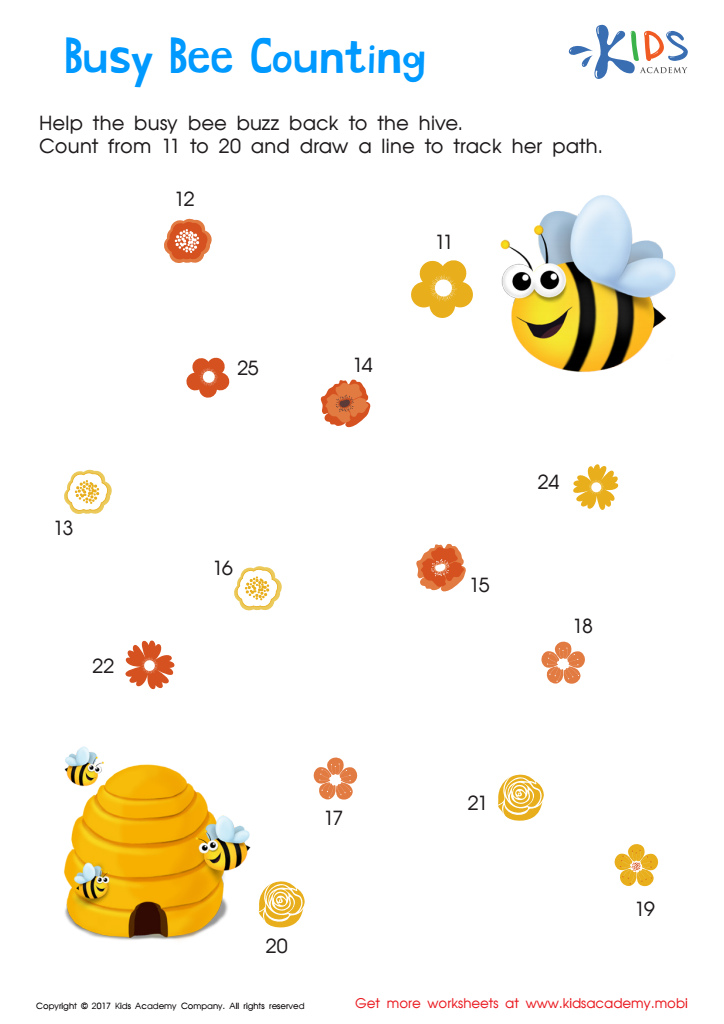
Ordering 11–20: Busy Bee Counting Worksheet
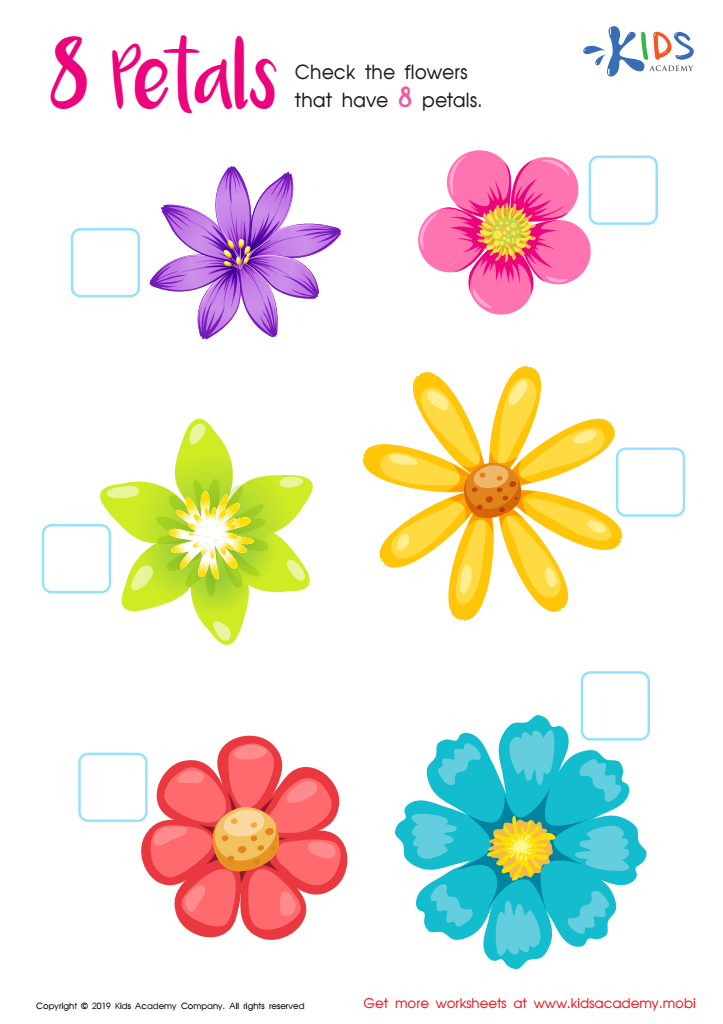
8 Petals Worksheet
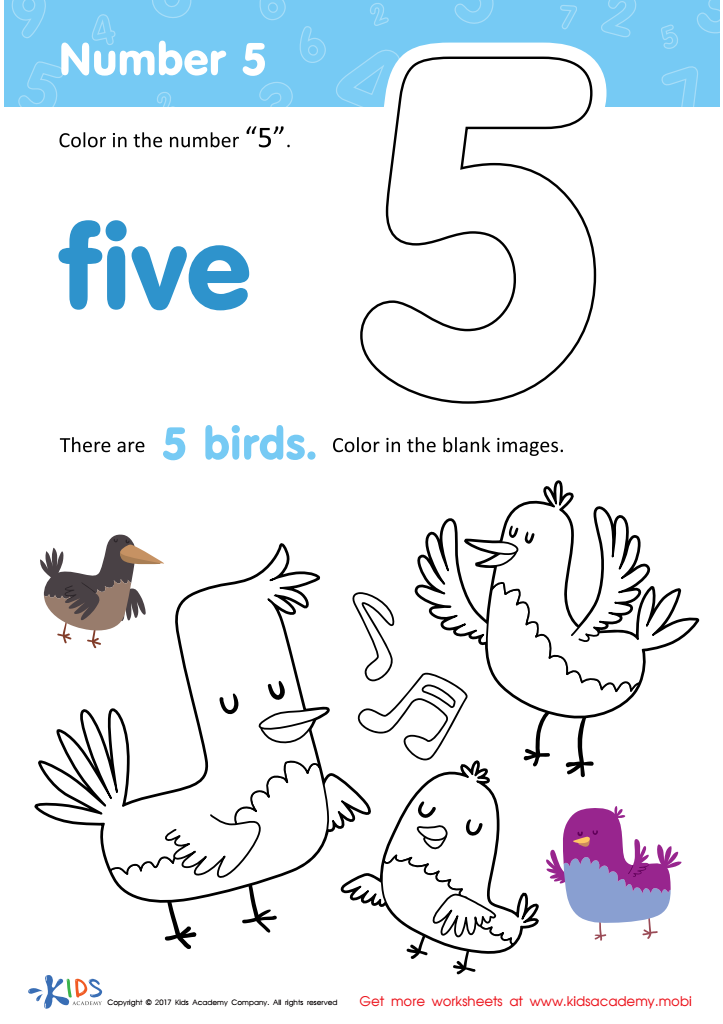
Number 5 Printable
Assign to My Students
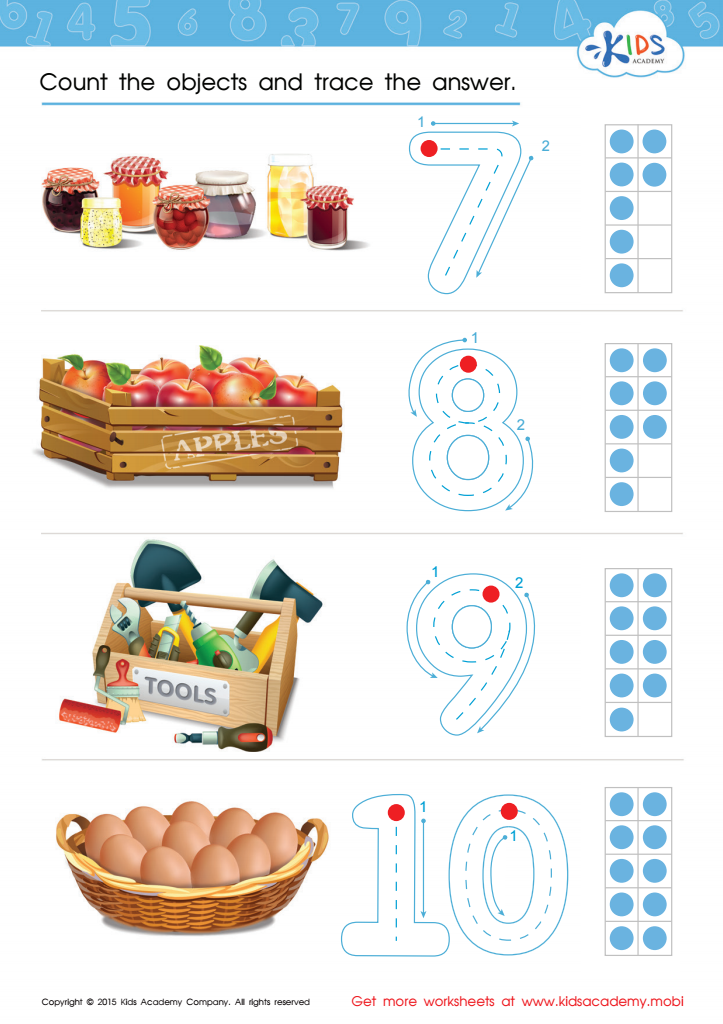
Count and Trace 7 – 10 Worksheet
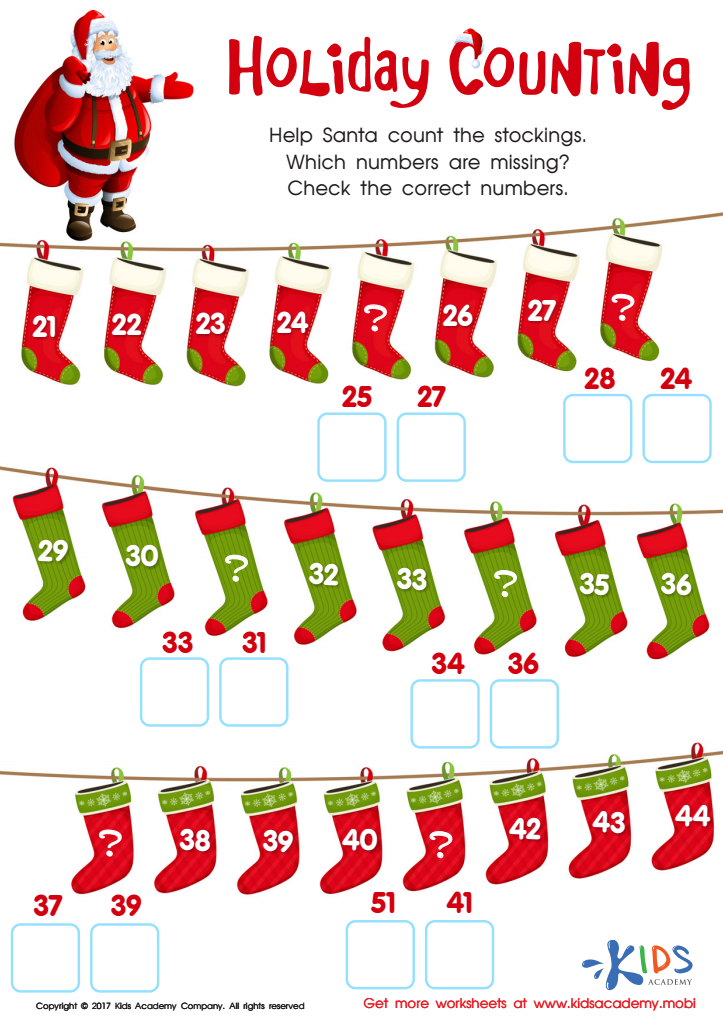
Holiday Counting Worksheet
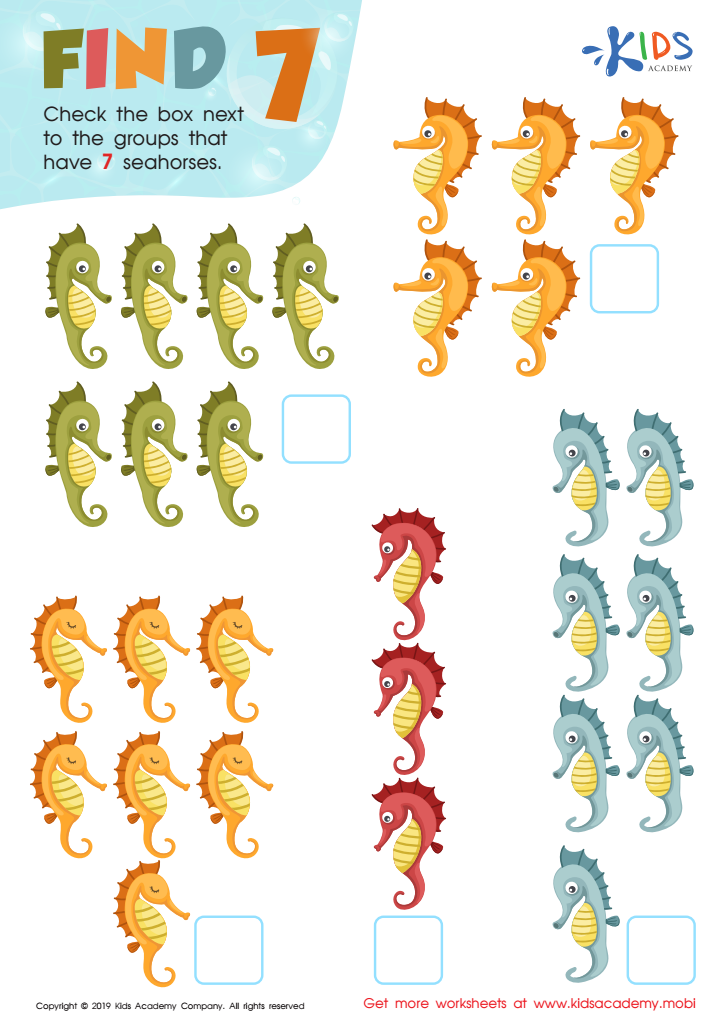
Find 7 Worksheet
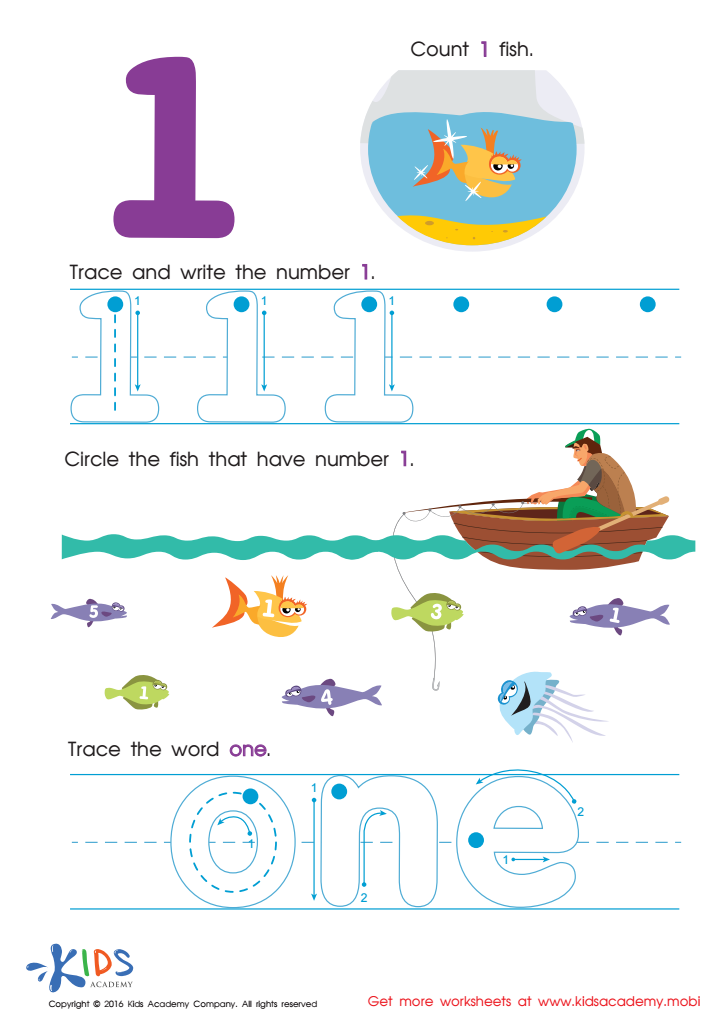
Learning to Write 1 Worksheet
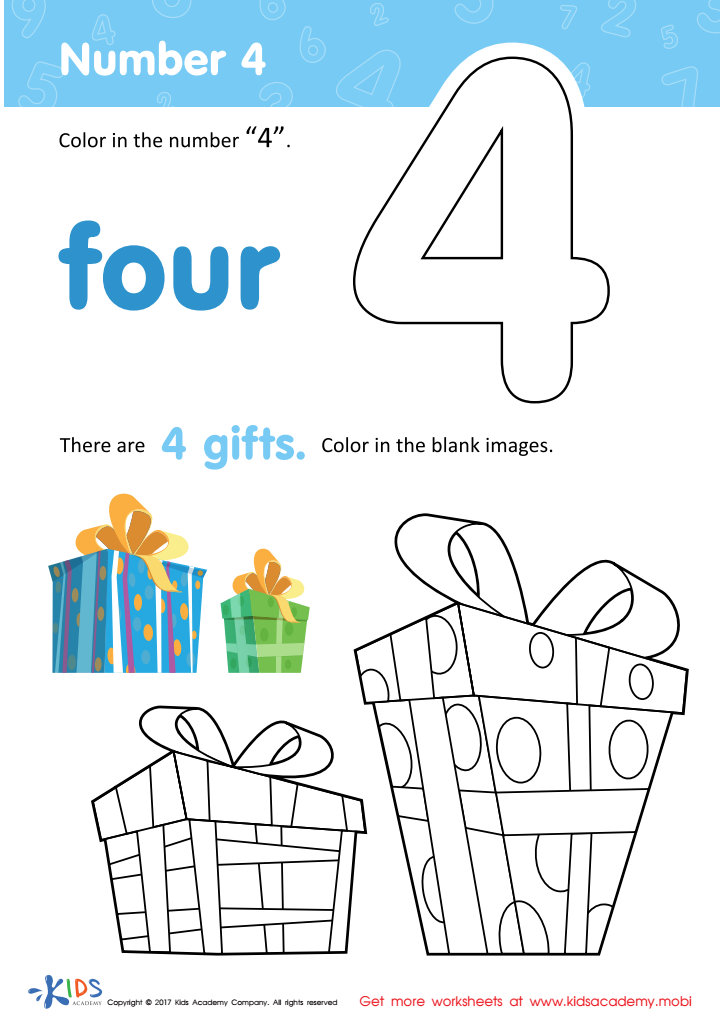
Number 4 Printable
Assign to My Students
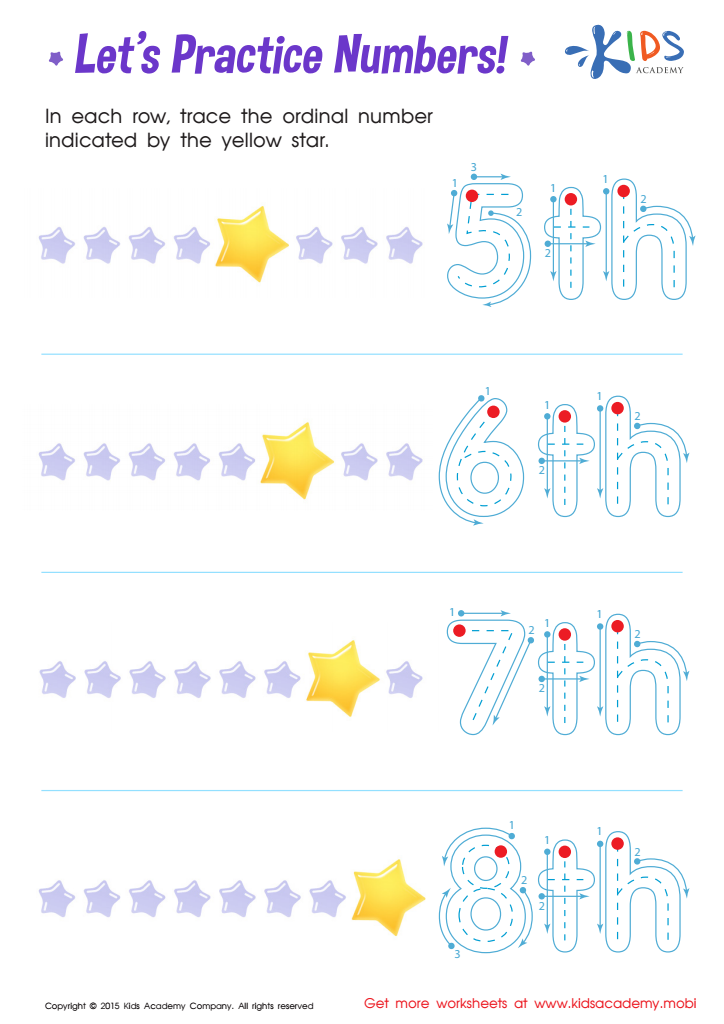
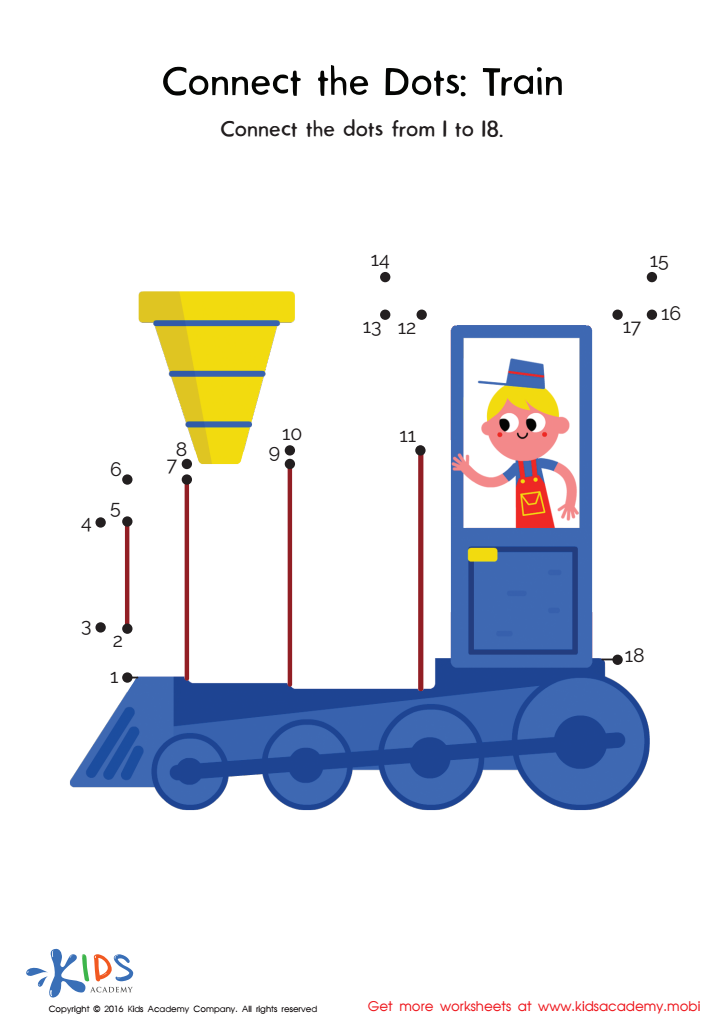
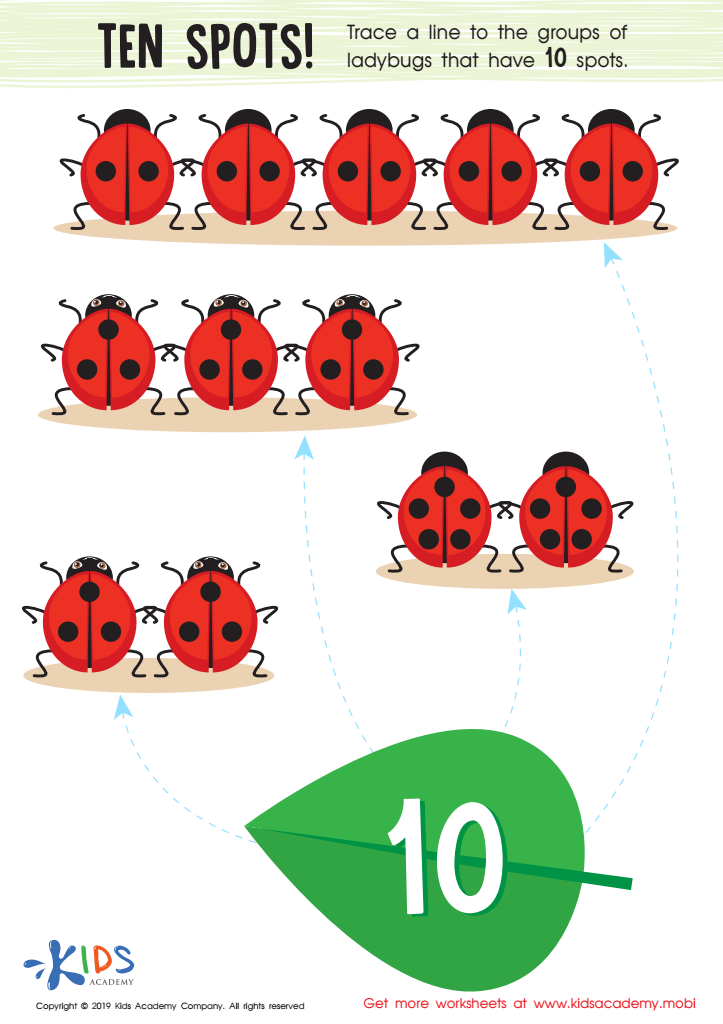
Ten Spots Worksheet
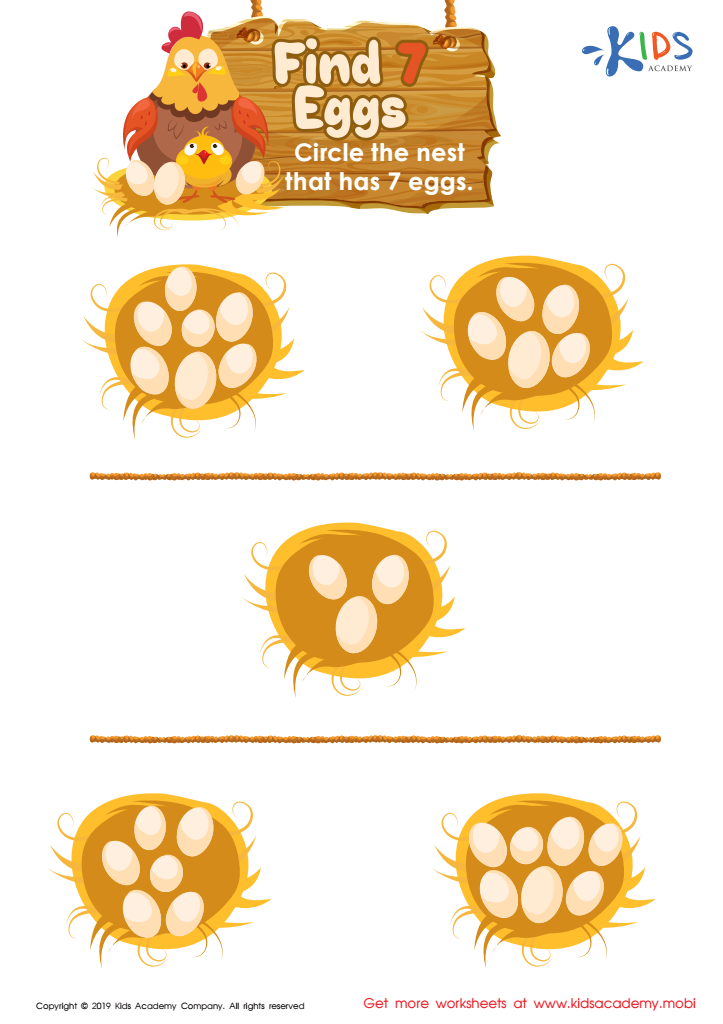
Find 7 Eggs Worksheet
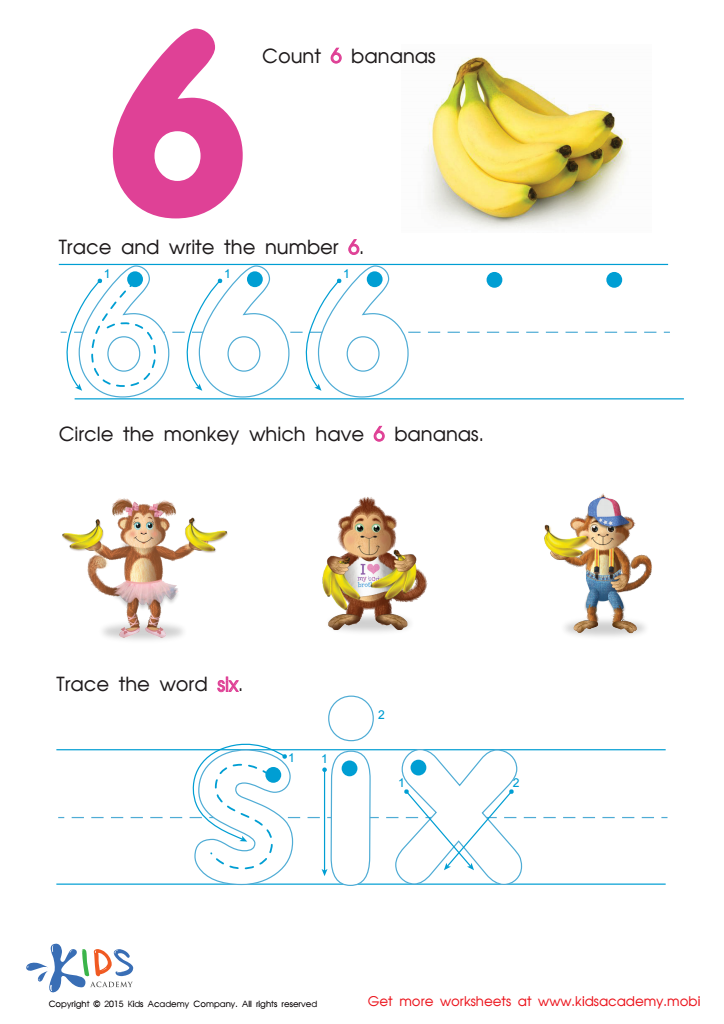
Tracing And Writing Number 6 Worksheet
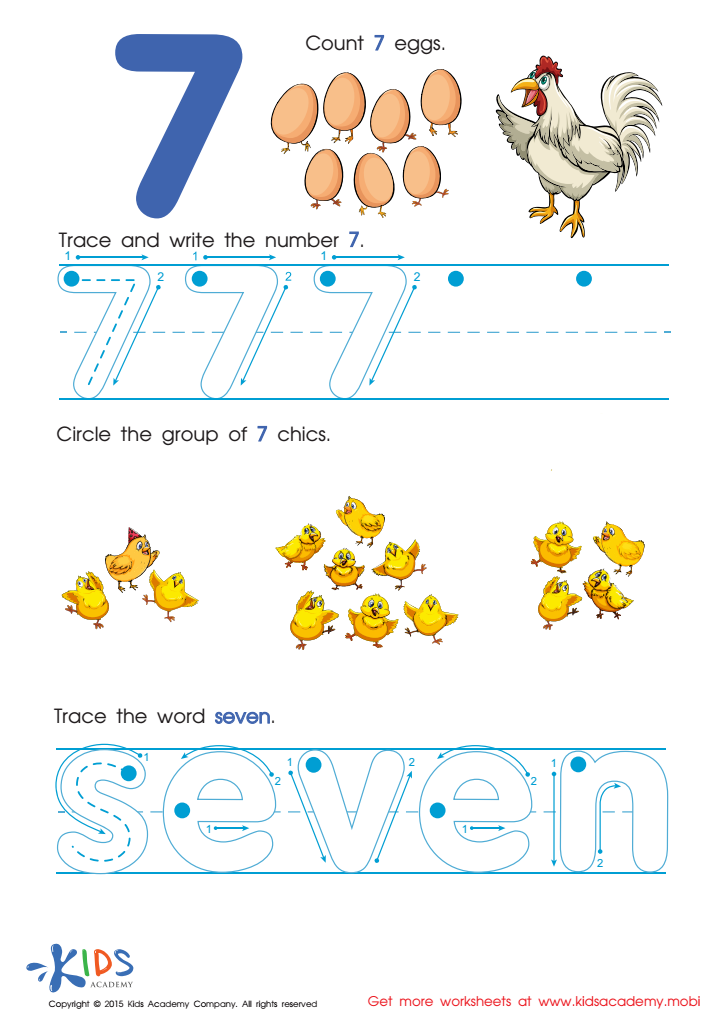
Trace And Write Number 7 with Fun Worksheet
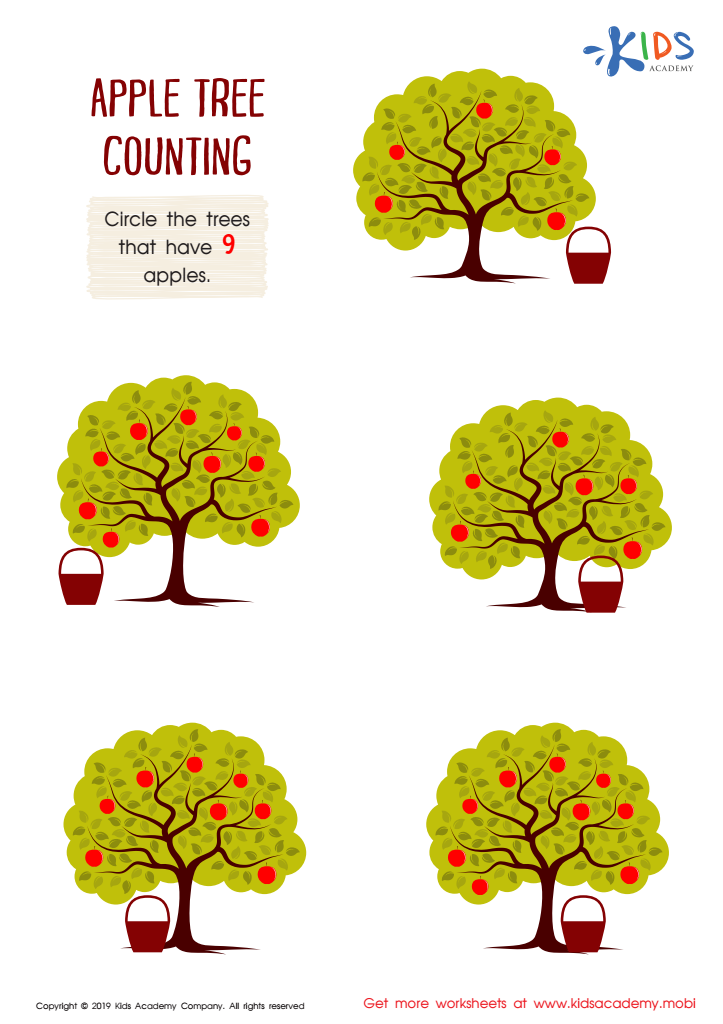
Apple Tree Counting Worksheet
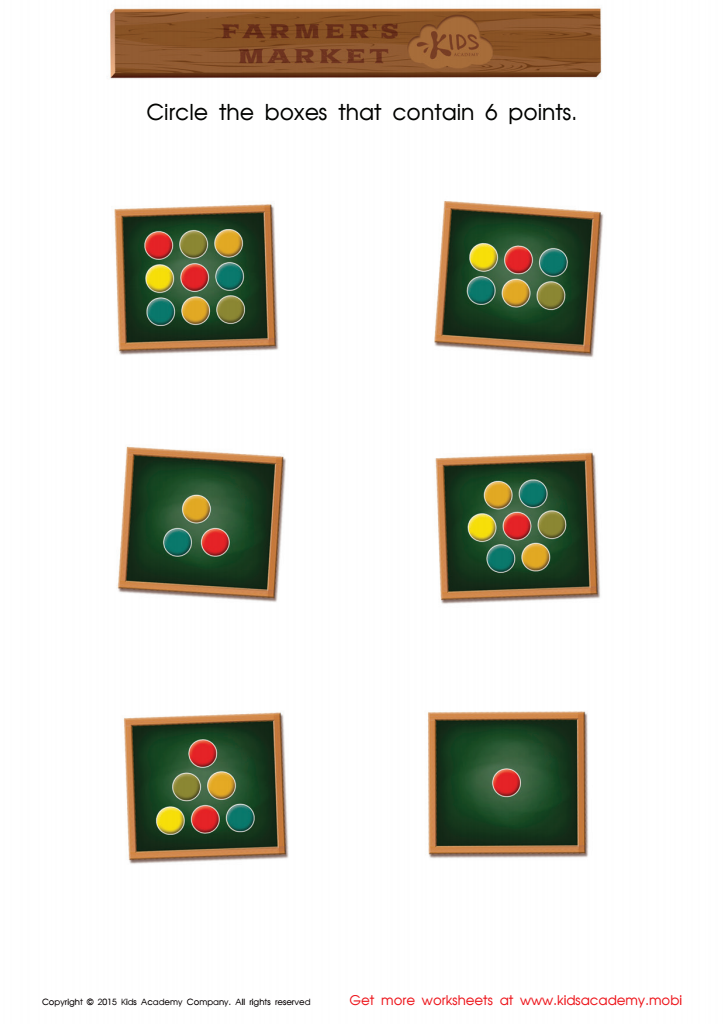
Count and Match Points 6 Math Worksheet
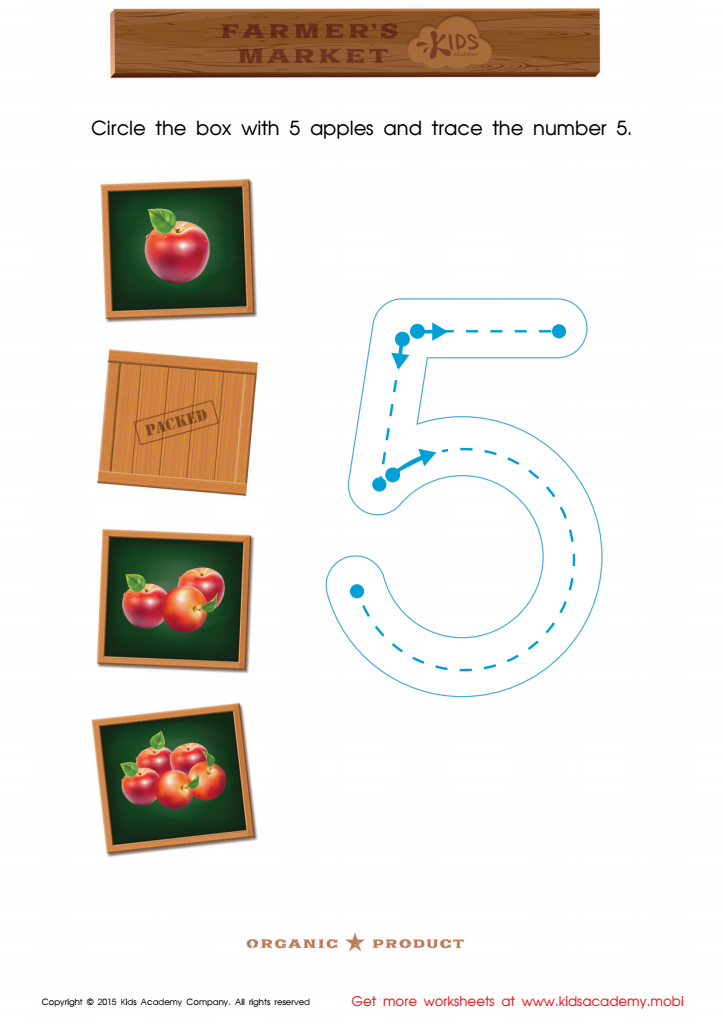
Count the Apples and Trace the Number 5 Printable
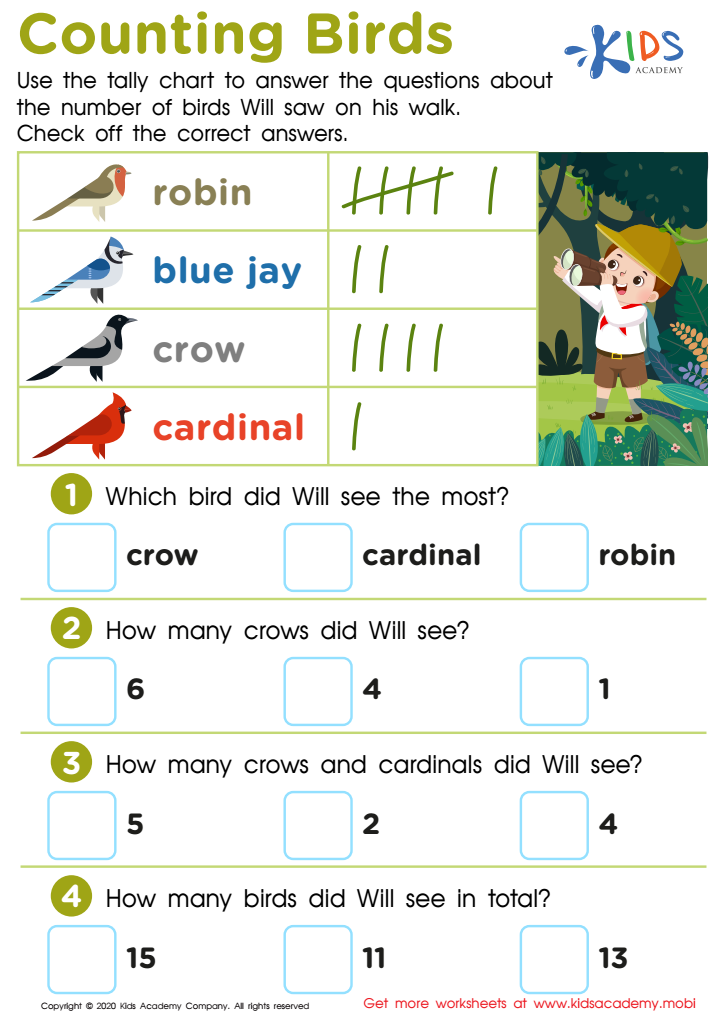
Counting Birds Worksheet
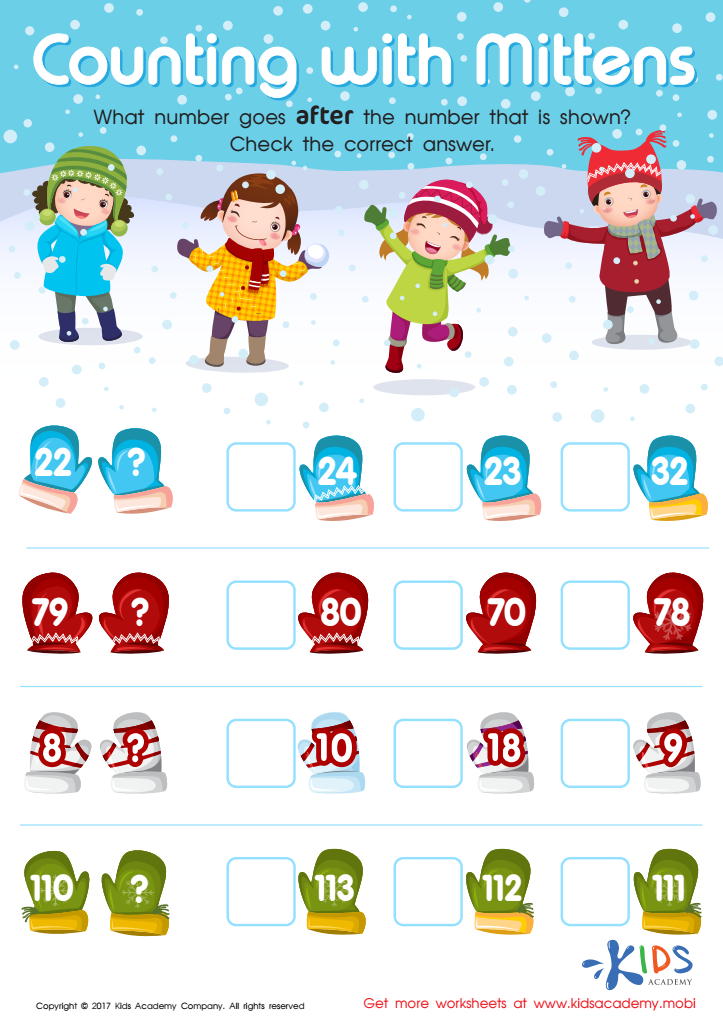
Counting with Mittens Worksheet
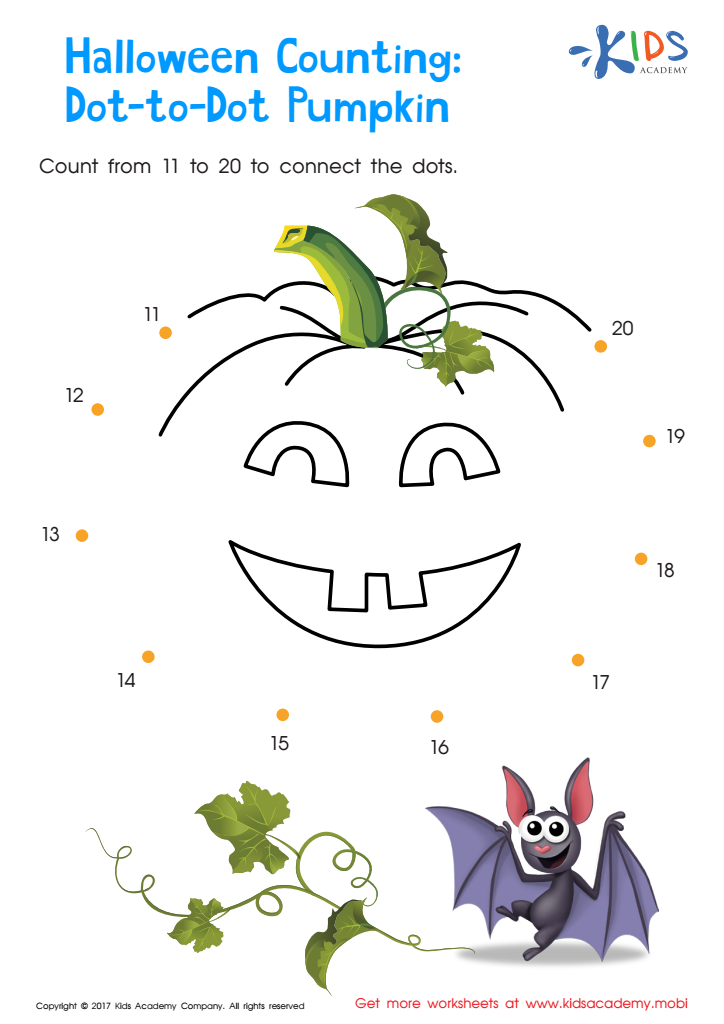
Ordering 11–20: Halloween Counting Worksheet
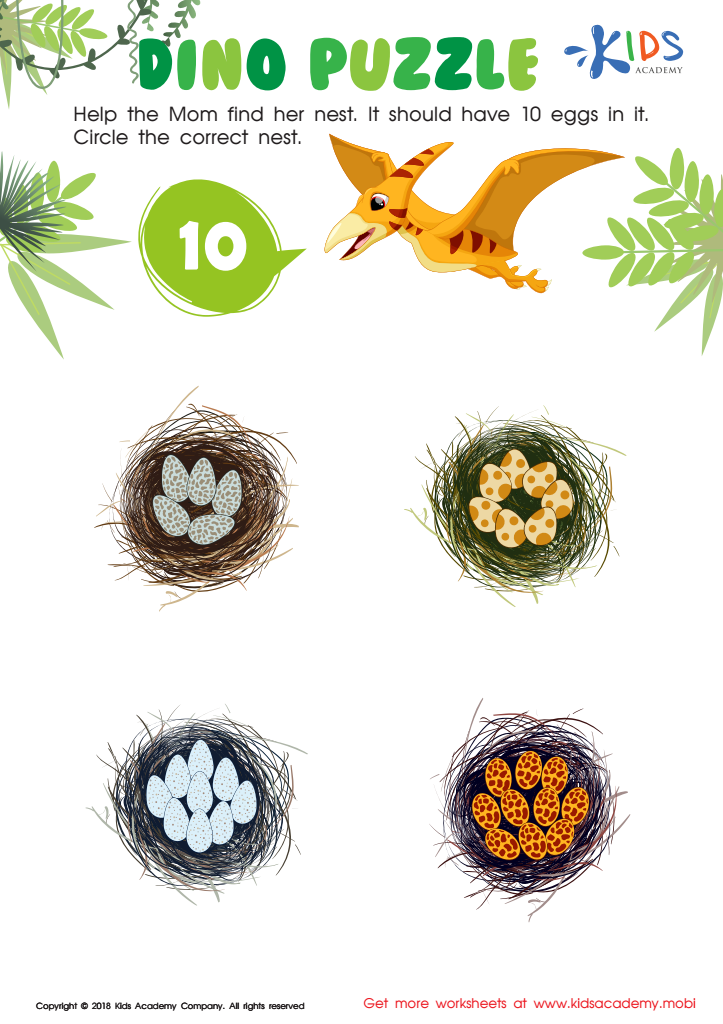
Learn Number For Kindergarten Worksheet








Parents and teachers should prioritize fine motor skills development in children aged 3-6 years because these skills form the foundation for a variety of essential tasks and overall learning. Fine motor skills involve the coordination of small muscles, particularly in the hands and fingers, crucial for performing everyday activities like writing, using scissors, and buttoning clothes. Enhancing these skills fosters independence as children learn to engage in self-care tasks and navigate their environment.
Moreover, strong fine motor abilities promote cognitive development. Activities that strengthen hand-eye coordination and dexterity, such as drawing, crafting, or playing with blocks, encourage focus, patience, and problem-solving. As children learn to manipulate small objects, their neurological pathways become more developed, supporting academic skills like reading and mathematics later on.
Moreover, proficiency in fine motor tasks enhances self-esteem and confidence. When young learners can master physical skills, they develop a sense of accomplishment that motivates them to tackle more complex challenges. Thus, by fostering fine motor skills at an early age, parents and teachers play a crucial role in preparing children for future academic success and overall life skills, ultimately benefitting their long-term development and well-being.








