Fine Motor Skills Tracing Numbers Worksheets for Ages 3-6
10 filtered results
-
From - To
Introduce your little ones to the world of numbers the fun way with our Fine Motor Skills Tracing Numbers Worksheets for ages 3-6! These engaging and colorful worksheets are designed to help children develop essential fine motor skills while learning to trace and recognize numbers. Perfect for preschoolers and kindergarteners, each worksheet combines visual exercises and hands-on activities to foster number sense, pencil control, and hand-eye coordination. Inspire confidence and creativity in your young learners, setting the foundation for lifelong math success. Bring joy to learning as children master number tracing with these expertly crafted educational resources!
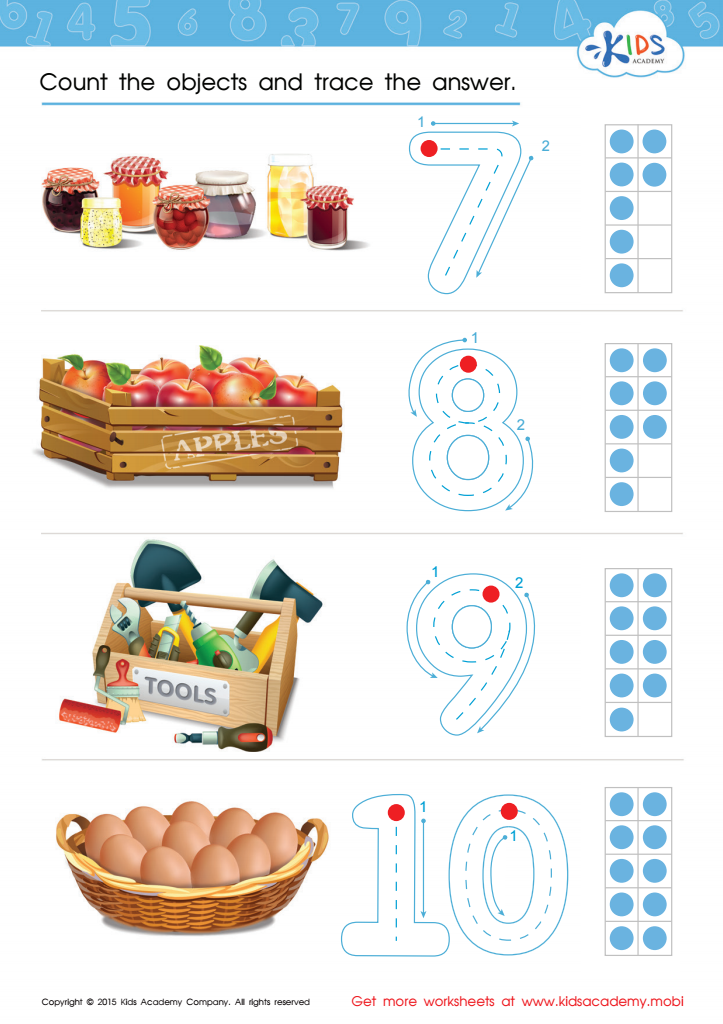
Count and Trace 7 – 10 Worksheet
 Assign to My Students
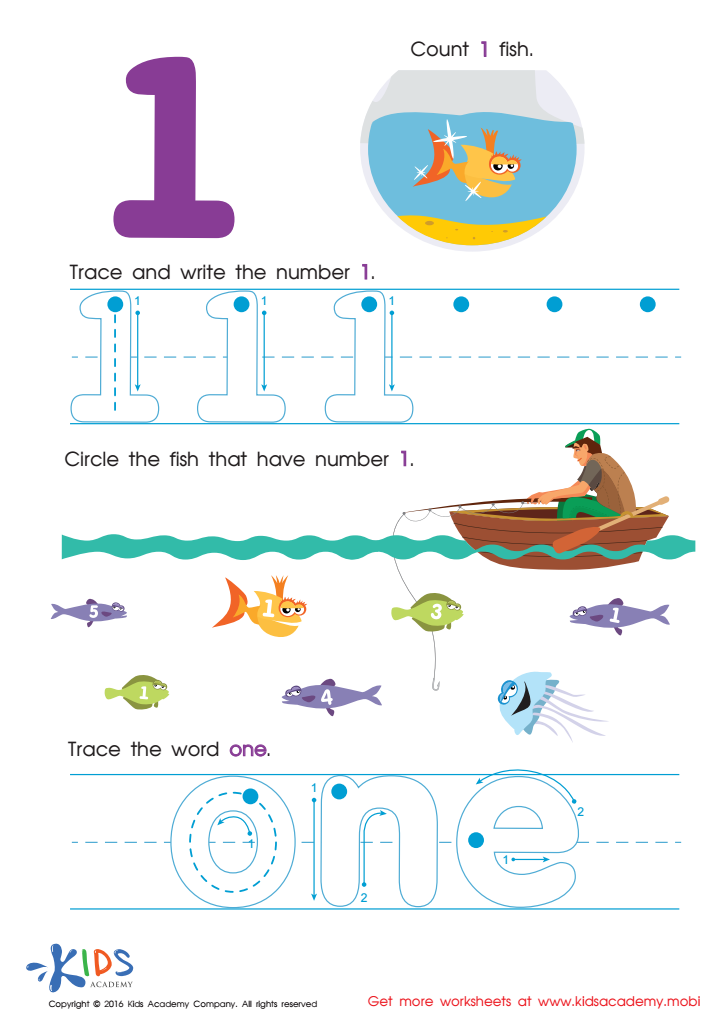
Learning to Write 1 Worksheet
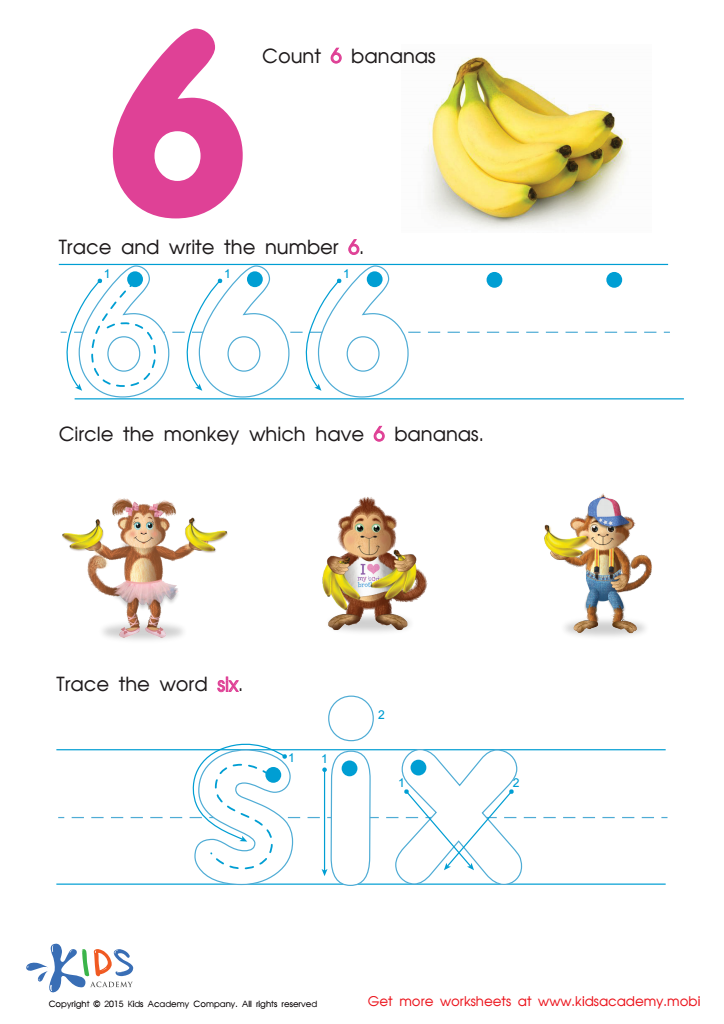
Tracing And Writing Number 6 Worksheet
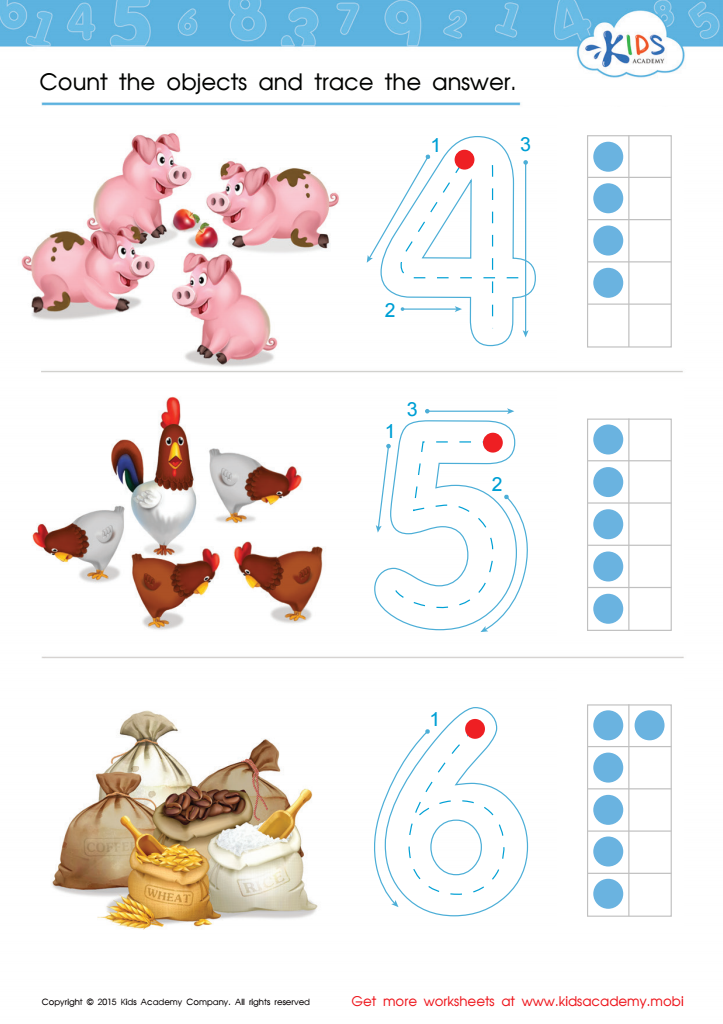
Count and Trace 4 – 6 Worksheet
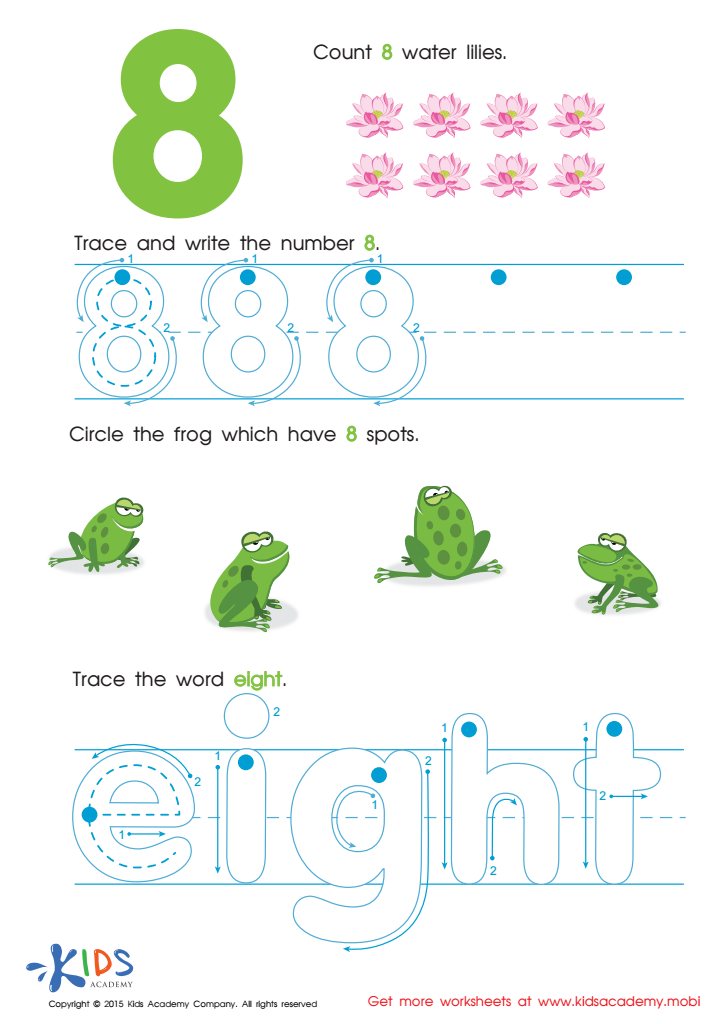
Learn Number 8 Easily Worksheet
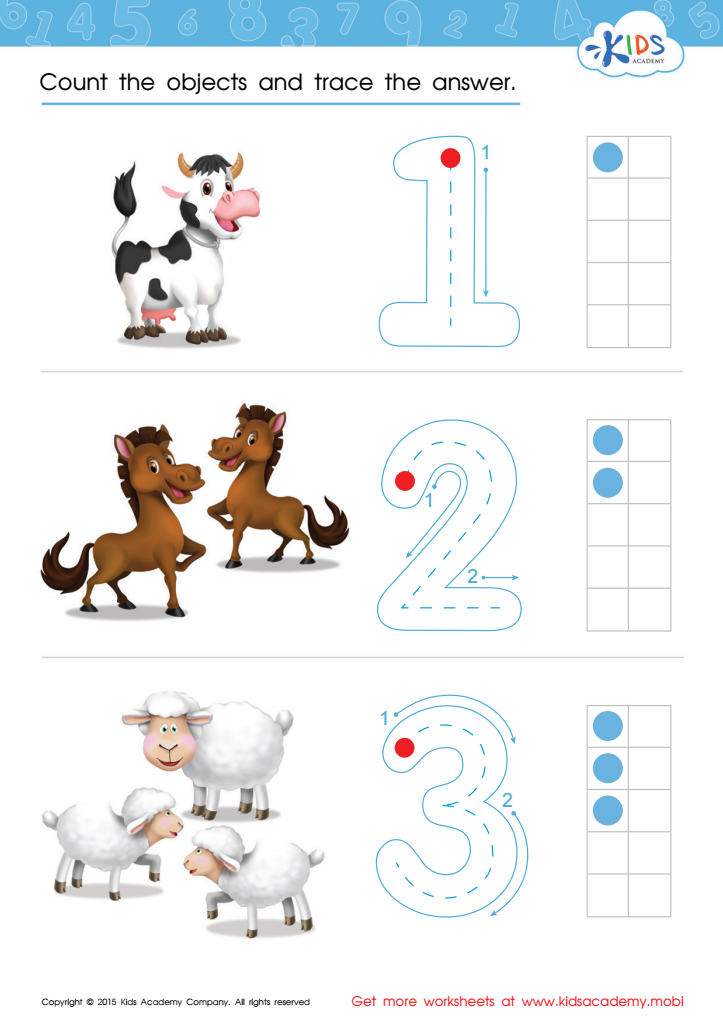
Count and Trace 1 – 3 Worksheet
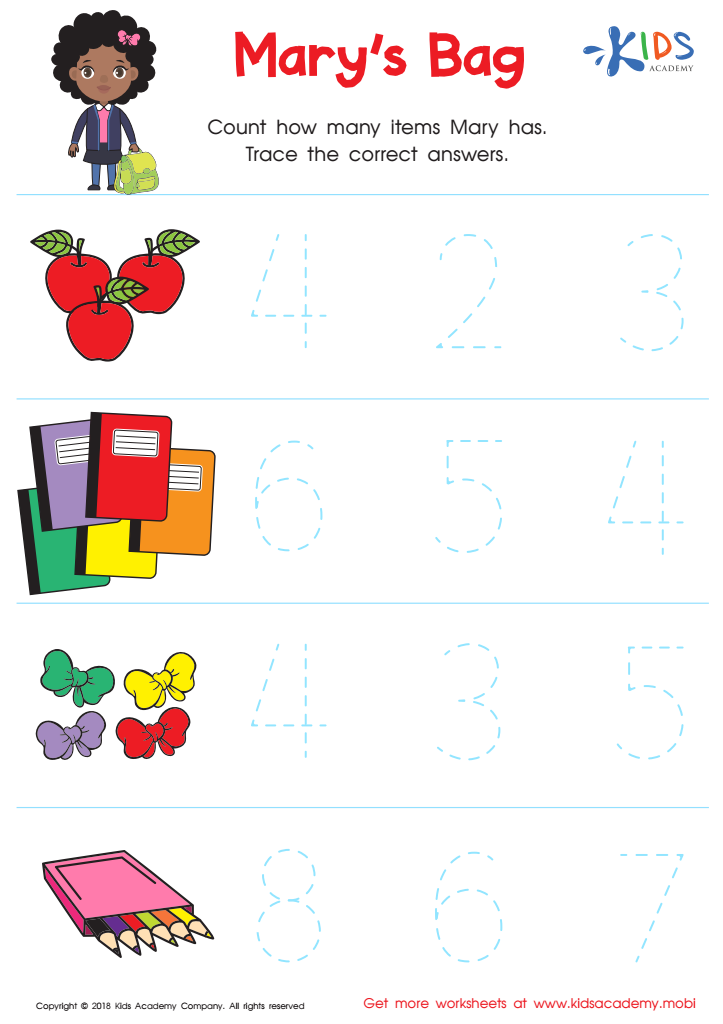
Kindergarten Number Tracing: Mary's Bag Worksheet
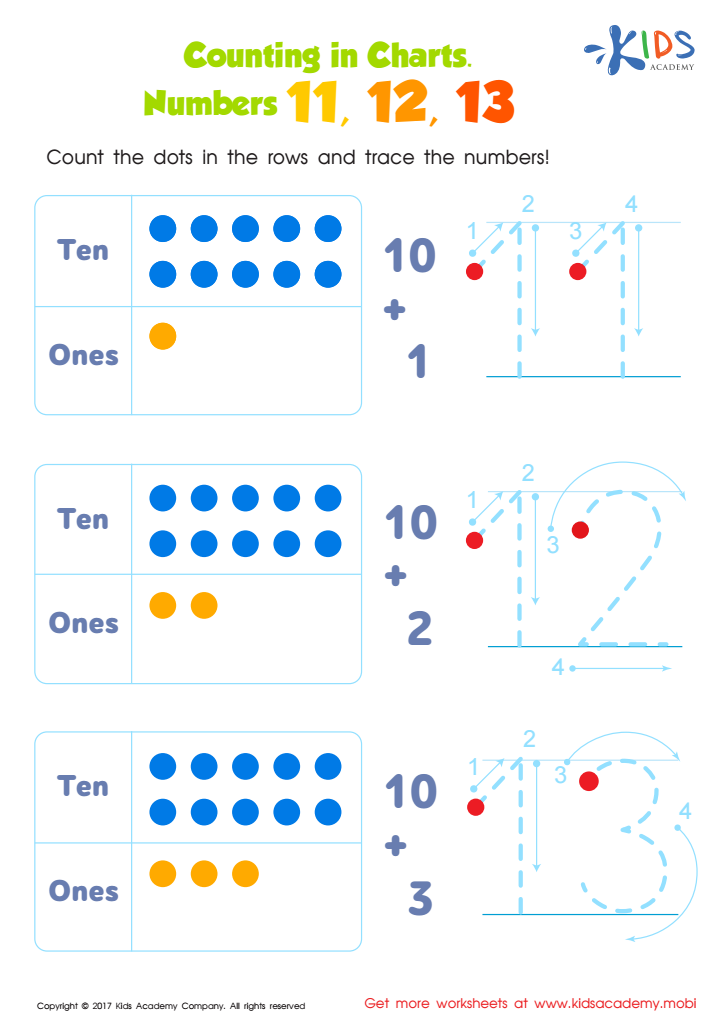
Number Tracing Worksheet For Kindergarten
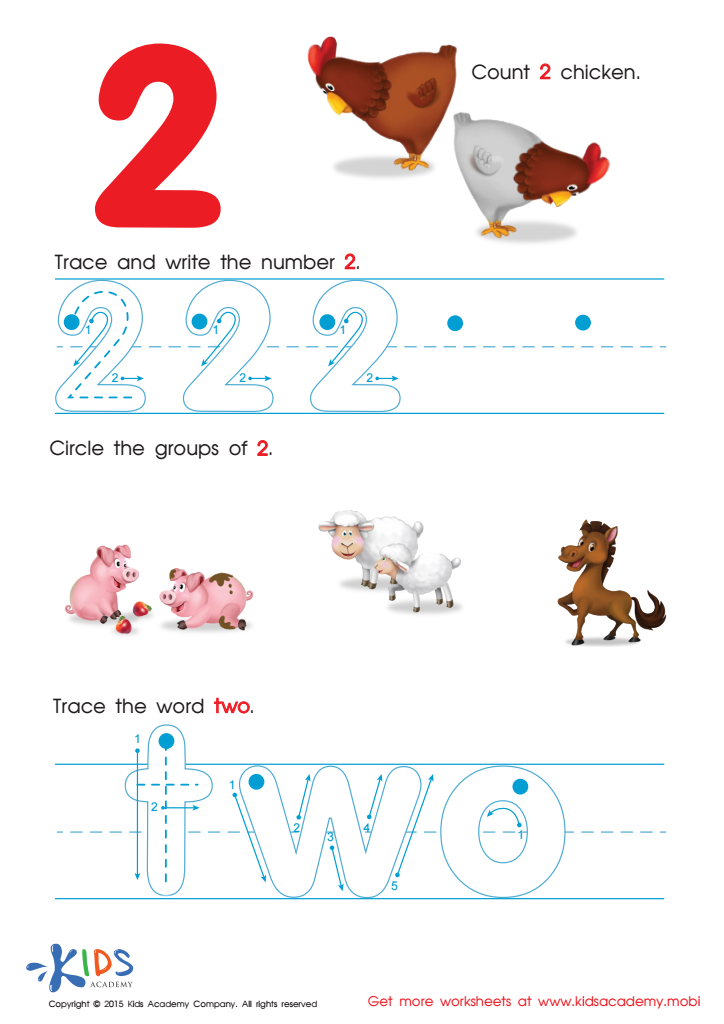
Learn to Write the Number 2 Worksheet








Fine motor skills tracing numbers is crucial for children aged 3-6 as it contributes significantly to their overall development and future academic success. Fine motor skills involve the coordination of small muscles, particularly in the hands and fingers, enabling children to perform tasks like writing, cutting, and buttoning clothes. By engaging in number tracing activities, children improve hand-eye coordination, dexterity, and muscle control, essential for handwriting and other daily tasks.
Tracing numbers also reinforces number recognition and basic mathematical concepts. When children trace numbers, they become familiar with number shapes and sequences, laying a foundation for numeracy skills required in more complex math tasks. This activity enhances cognitive development, concentration, and focus, which are beneficial for learning across all subjects.
Moreover, tracing numbers fosters confidence and a sense of achievement as children visibly progress. Early mastery of these skills can prevent future frustration related to schoolwork, making learning a more positive experience.
Incorporating tracing into early education bridges the gap between playful activities and structured learning, making it an engaging yet educational practice. By valuing and promoting fine motor skills through tracing numbers, parents and teachers can support children’s holistic growth and pave the way for academic achievements and everyday functioning.