Phonics Worksheets for Ages 3-7 - Page 11
243 filtered results
-
From - To
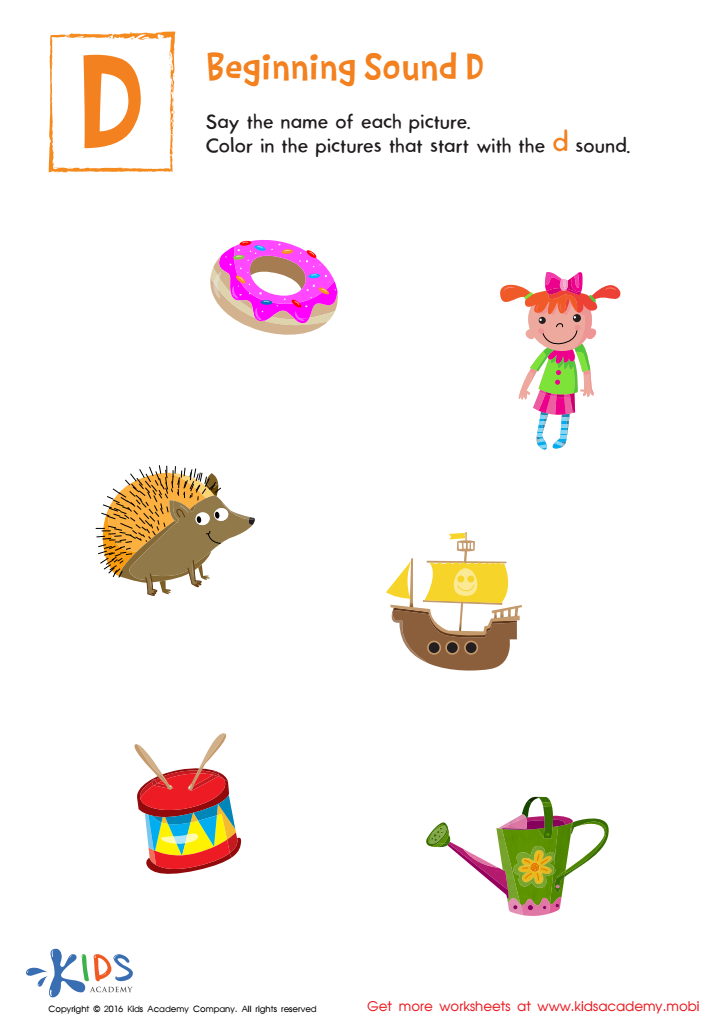
Beginning Sound D Worksheet
 Assign to My Students
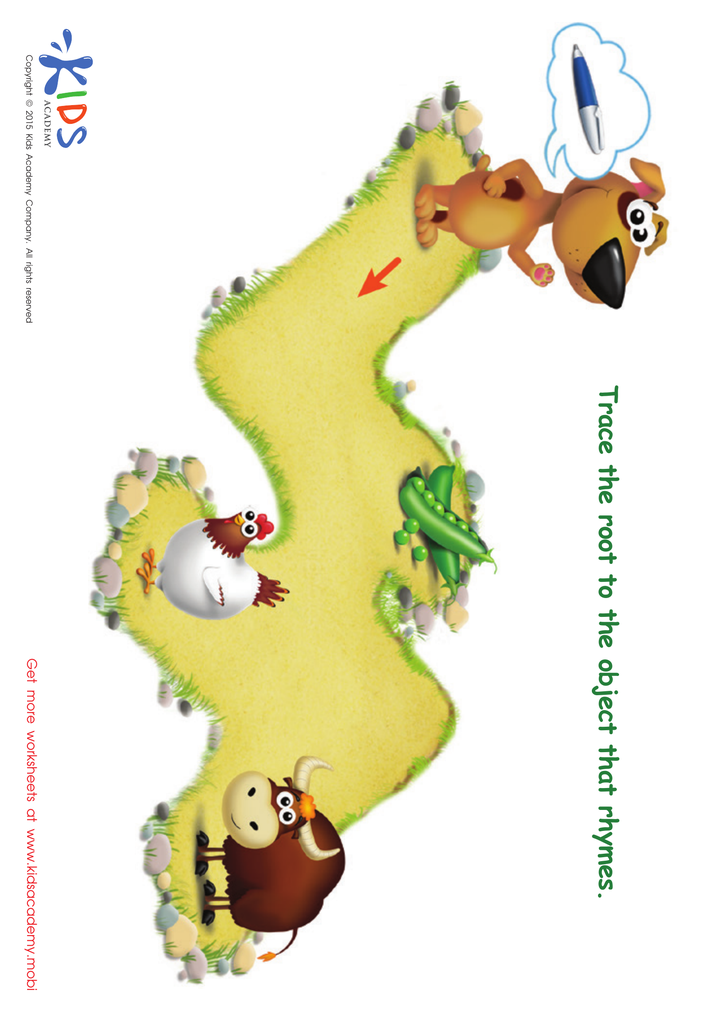
Pen Rhyming Words Worksheet
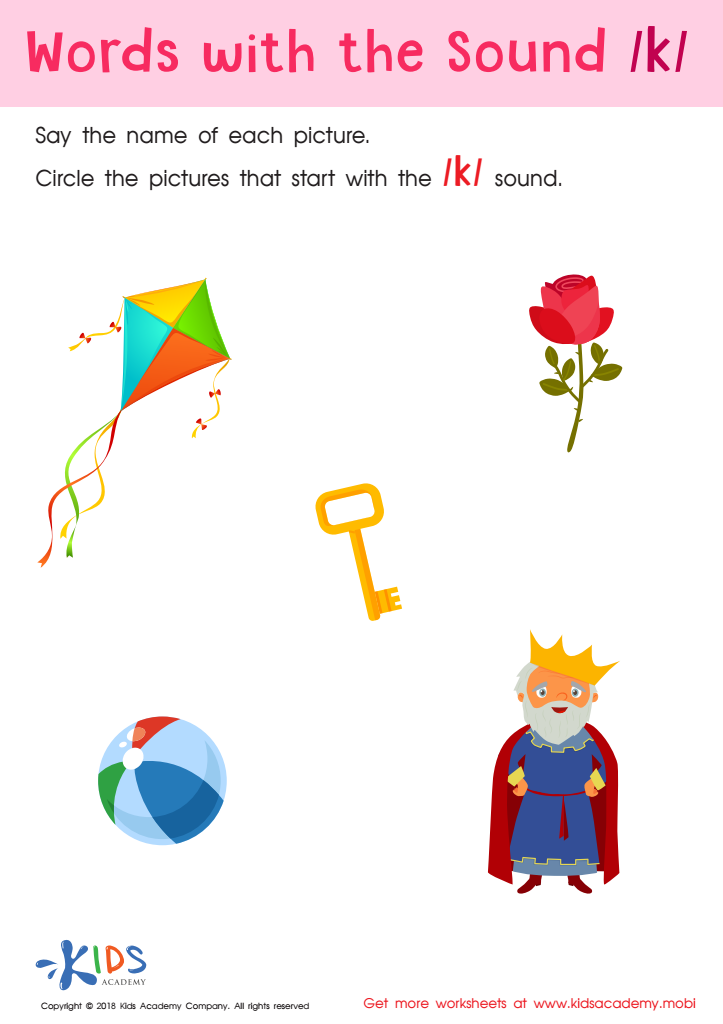
Words with sound k Reading Worksheet








Phonics is crucial for early literacy development in children ages 3-7, serving as the foundation for reading and writing skills. Understanding phonics helps children recognize the relationship between letters and sounds, enabling them to decode words independently. This skill is especially important during the formative years when children are learning to read, as it fosters confidence and enjoyment in reading.
Research shows that a strong grasp of phonics can significantly improve reading comprehension and overall academic achievement. When children learn phonics, they are better equipped to approach new words, which encourages them to tackle more complex texts as they progress. Moreover, phonics instruction can enhance vocabulary development by giving children tools to break down unfamiliar words.
Parents and teachers play a vital role in this process. By being aware of phonics, they can support children through engaging activities and practice, creating a supportive learning environment both at home and in the classroom. Promoting phonics equips children with essential skills for lifelong learning and literate communication, laying the groundwork for successful futures. Ultimately, investing time and resources into phonics education for young learners can foster a love of reading that lasts a lifetime.







