3 Little Pigs Worksheets for Ages 3-7
9 filtered results
-
From - To
Discover our delightful "3 Little Pigs Worksheets for Ages 3-7" at Kids Academy. Perfect for young learners, these engaging worksheets bring the classic fairy tale to life with fun coloring pages, puzzles, and activities designed to enhance fine motor skills, creativity, and early literacy. From matching games to tracing exercises, each worksheet captivates children's imaginations while fostering essential learning through play. Ideal for home or classroom settings, our worksheets offer a charming way to introduce early educational concepts. Download today and watch your little ones thrive with our enchanting 3 Little Pigs activities!
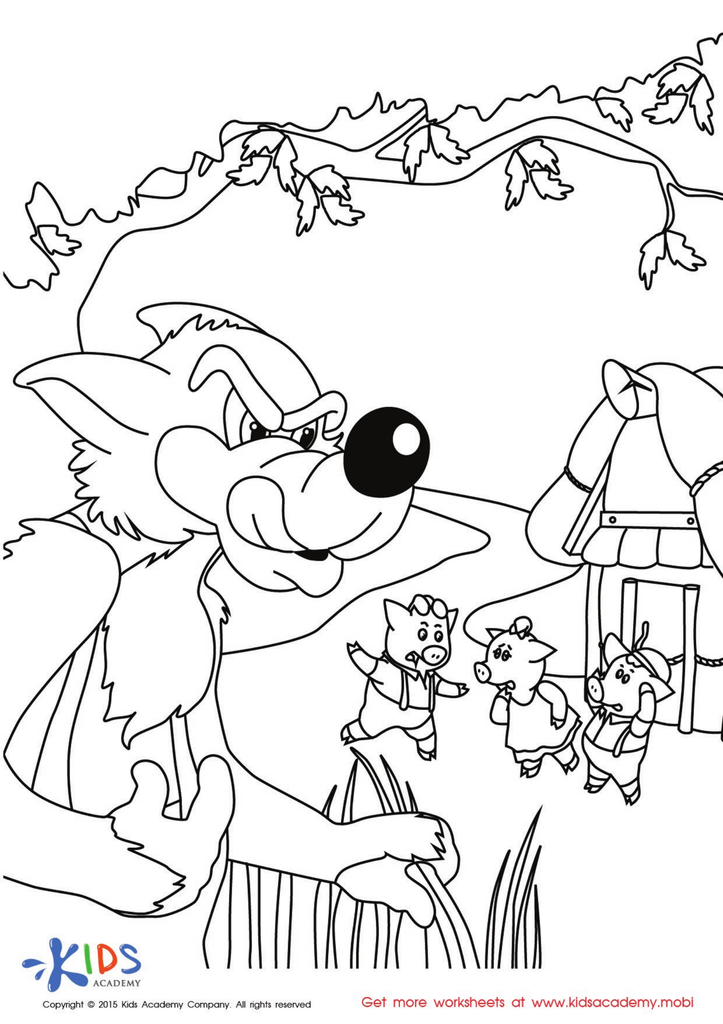
The Story of the Three Little Pigs Coloring Worksheet
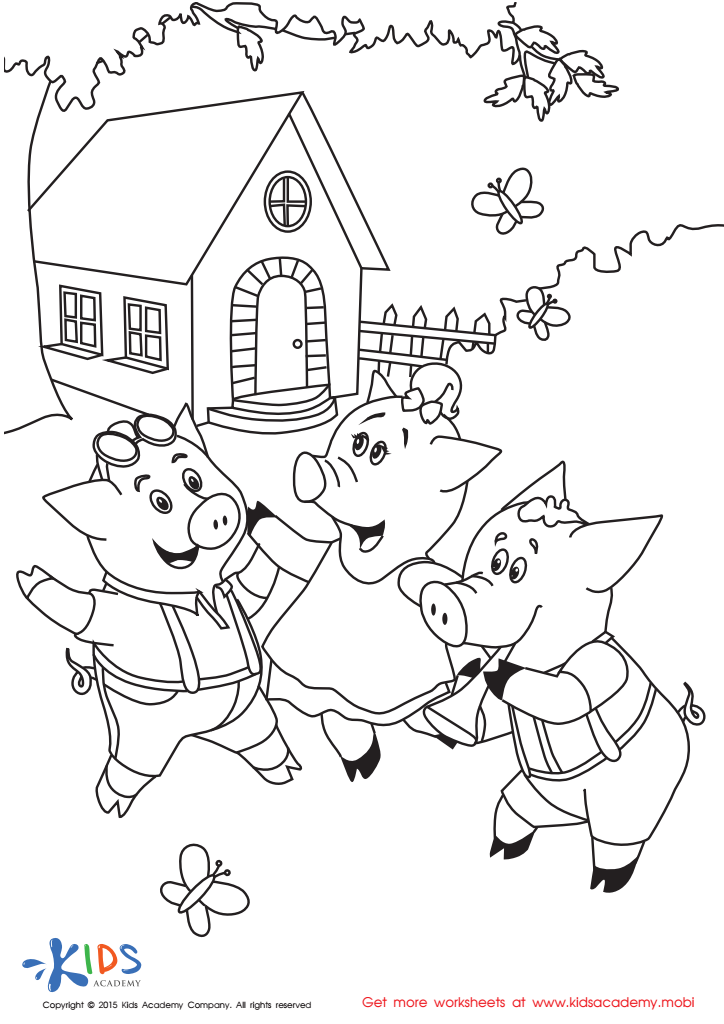
Folktales Printable PDF Worksheet: The 3 Little Pigs
 Assign to My Students
The Three Little Pigs Coloring Worksheet
Brick House Printable Coloring Page
Assign to My Students
The Three Little Pigs Worksheet
Three Little Piggies Printable Coloring Page
Assign to My Students
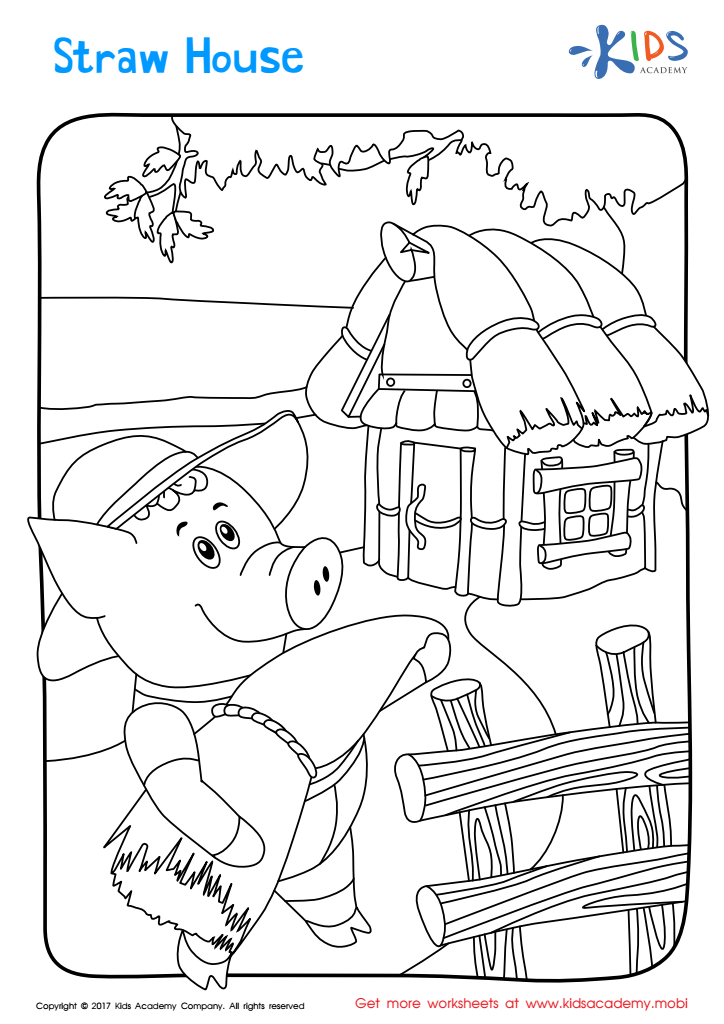
Straw House Printable Coloring Page
Assign to My Students
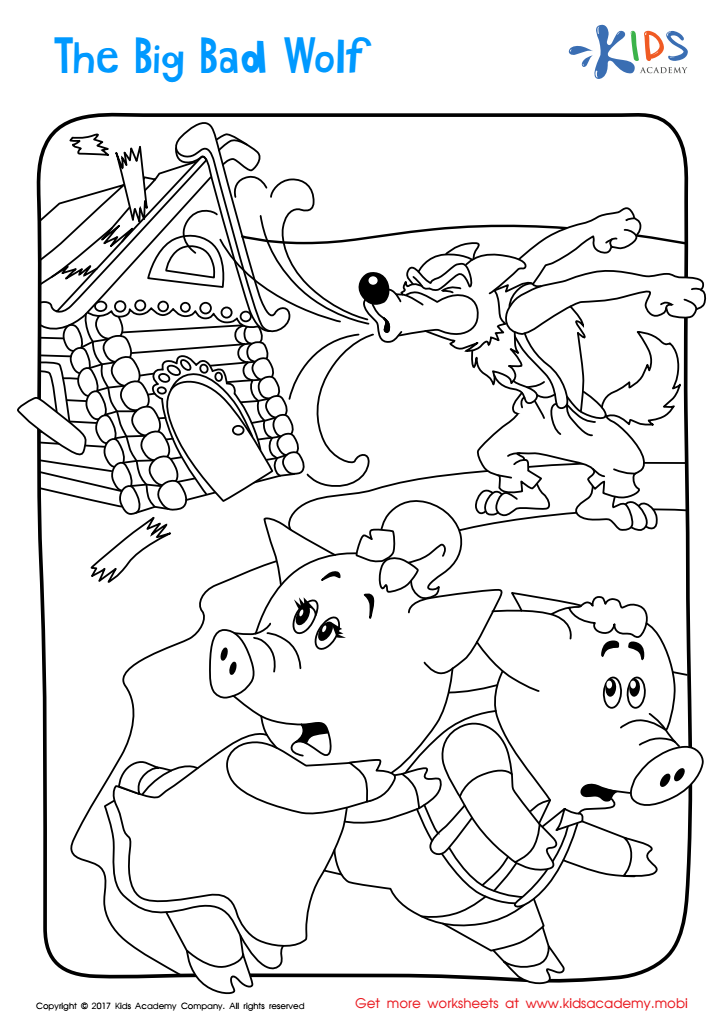
Big Bad Wolf Printable Coloring Page
Assign to My Students
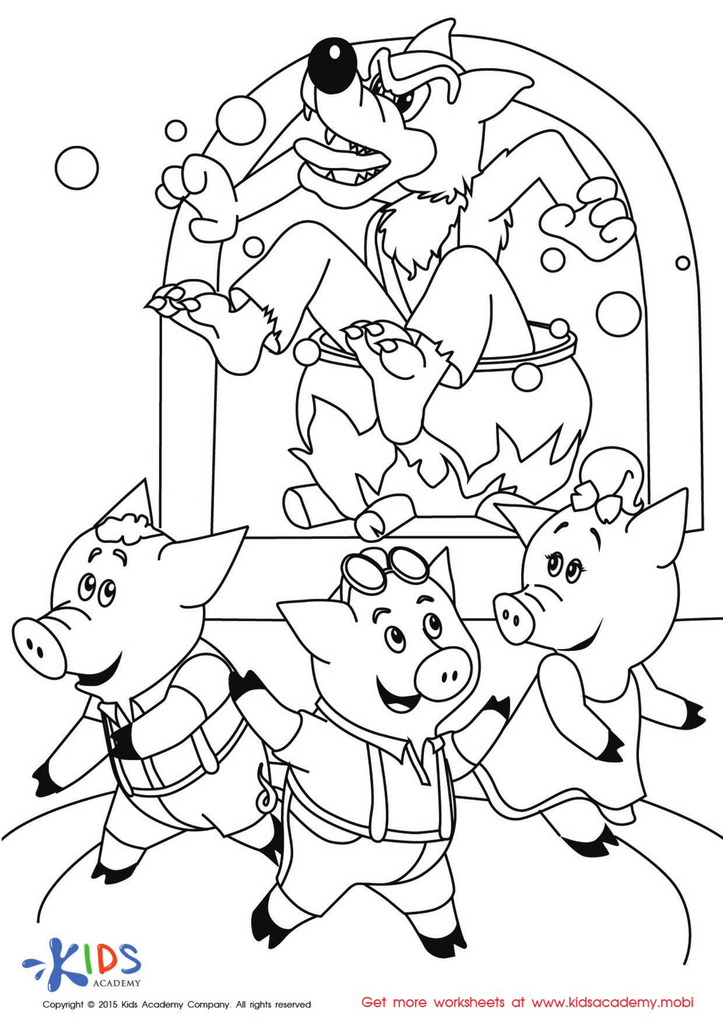
The Three Little Pigs and The Big Bad Wolf Printable


Parents and teachers should care about the story of "The Three Little Pigs" for children aged 3-7 because it offers essential lessons wrapped in a captivating and engaging tale. This classic story introduces fundamental concepts such as perseverance, critical thinking, and the consequences of one's choices. For young children, these themes are conveyed through the relatable actions of the three pig brothers and the cunning wolf, making abstract ideas more concrete.
Moreover, "The Three Little Pigs" is a wonderful tool for language development. The repetitive phrases and rhythmic storytelling aid in vocabulary building and comprehension skills. As children listen to or read the story, they become familiar with sentence structures and rhythm, an important foundation for early literacy.
In addition to educational benefits, this timeless tale stimulates imagination and creativity. The simple, yet vivid narrative encourages children to envision the pigs' houses and the dramatic encounters with the wolf. Such activities foster cognitive and emotional development.
Finally, sharing this story can also strengthen the bond between the storyteller and the child. It opens the door to discussions about making good choices and overcoming challenges, providing valuable opportunities for meaningful conversations about life’s lessons. This balances learning with the joy of storytelling, making it an indispensable inclusion in early childhood education.